

Last Updated: June 17th, 2026 by Matthew Brown
Baseball has always been a game of heroes and villains, where legends are born in the bright lights of summer stadiums and sometimes fall just as dramatically in the harsh glare of scandal and controversy. These ten figures didn’t just play the game—they became the game, for better or worse, their stories woven into the very fabric of America’s pastime like tobacco stains on an old glove.
Don't lose this article. Enter your email below, and I'll send it to you right now. Plus, we'll send you other unbelievable stories from baseball's past.
Willie Mays: The Say Hey Kid Who Made the Impossible Look Effortless
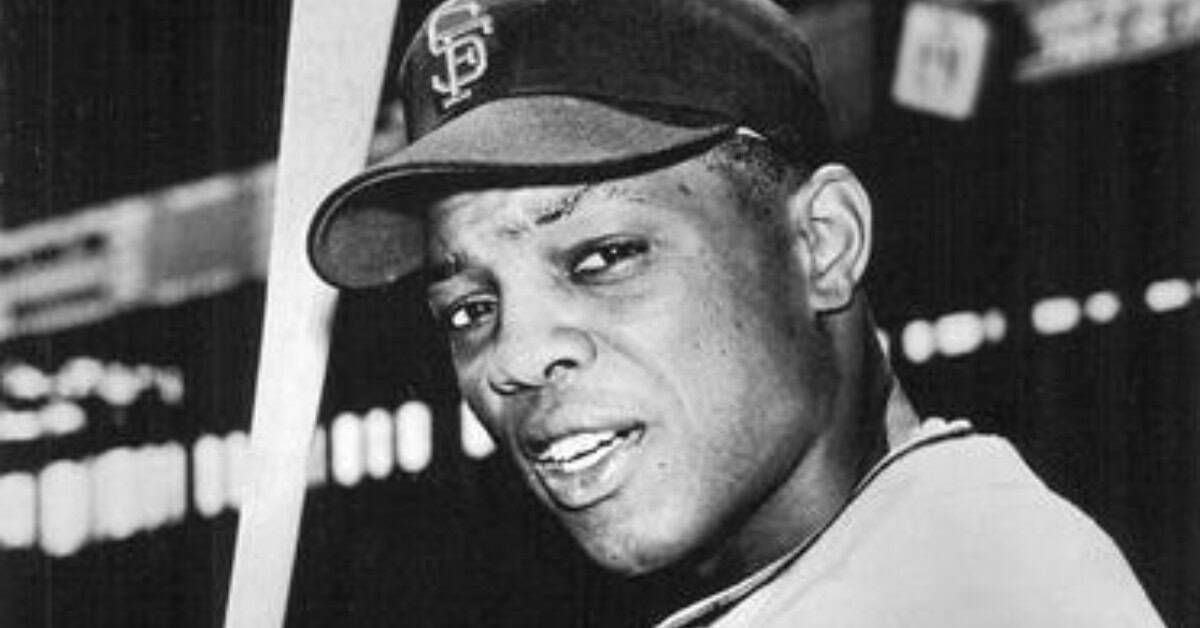
Willie Mays didn’t just play baseball—he danced with it, turning routine fly balls into ballet and impossible catches into poetry that still gives old-timers goosebumps. “The Catch” in the 1954 World Series wasn’t just a defensive play; it was a moment when physics bent to the will of pure joy and athletic genius. Mays soared because he never forgot that baseball was supposed to be fun, and his infectious enthusiasm made everyone around him—players and fans alike—fall in love with the game all over again.
Pete Rose: The Hit King Who Bet Away His Hall of Fame Dreams
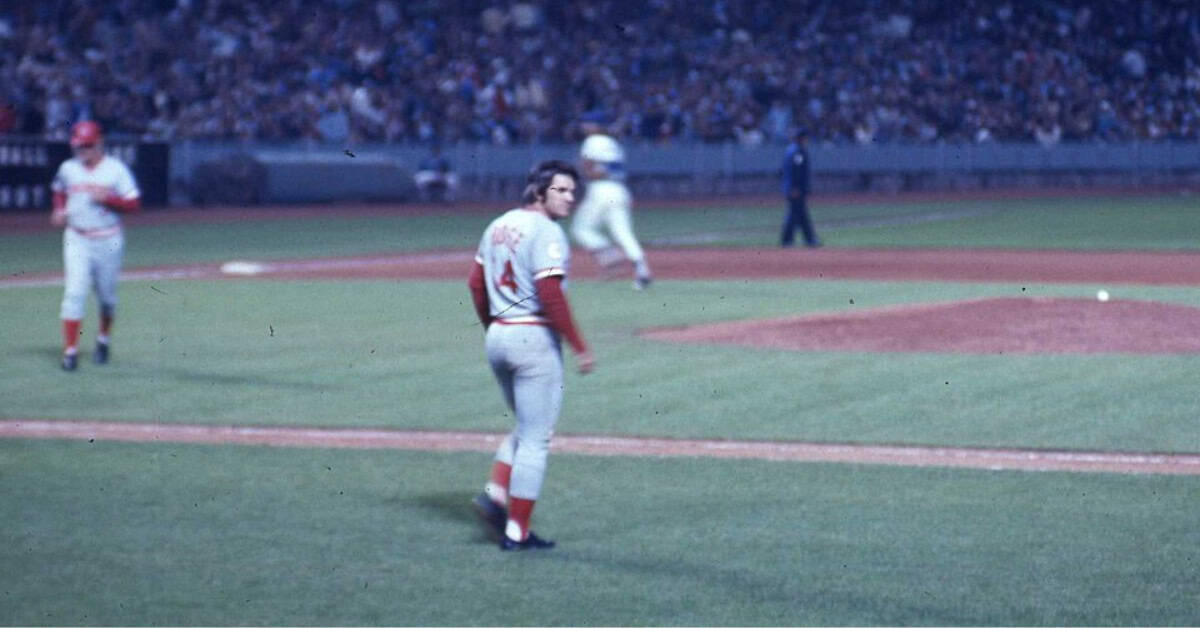
Pete Rose played every game like his life depended on it, diving headfirst into bases with the reckless abandon of a man who believed hustle could overcome any deficit. His 4,256 hits stand as baseball’s most unbreakable record, achieved through pure grit and an obsessive love for the game that ultimately became his downfall. Rose sank not because he couldn’t hit, but because he couldn’t stop gambling on the very sport that made him immortal, proving that sometimes our greatest strengths become our most tragic weaknesses.
Lou Gehrig: The Iron Horse Who Showed Us How to Face Death with Dignity

Lou Gehrig’s 2,130 consecutive games were impressive, but his farewell speech at Yankee Stadium transformed him from a great player into an eternal symbol of grace under the most impossible circumstances. Standing at home plate, dying from ALS, he called himself “the luckiest man on the face of the earth” and meant every word with a sincerity that still brings tears to eyes eight decades later. Gehrig soared highest not when he was hitting home runs, but when he was teaching America that true courage isn’t the absence of fear—it’s facing your mortality with gratitude and dignity intact.
Barry Bonds: The Home Run God Whose Legacy Came with an Asterisk

Barry Bonds possessed the most beautiful swing in baseball history, a violent poetry that could turn any fastball into a moonshot with the flick of his wrists and the turn of his hips. His 762 home runs broke the most sacred record in sports, but the achievement came wrapped in whispers of steroids and federal investigations that turned his triumph into baseball’s most complicated legacy. Bonds sank because he was already one of baseball’s greatest hitters before the controversy began, making his fall from grace feel like watching Michelangelo deface his own masterpiece.
Ted Williams: The Last .400 Hitter Who Chose War Over Records
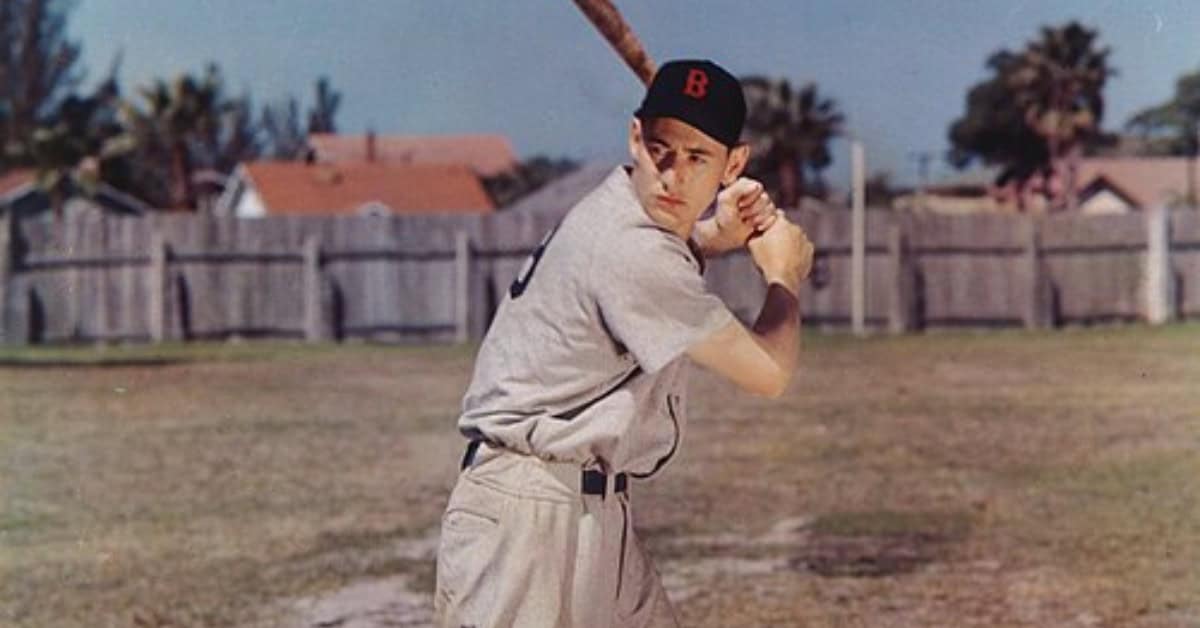
Ted Williams hit .406 in 1941 and then walked away from baseball twice to serve his country, sacrificing prime years that could have produced numbers that would make even Babe Ruth jealous. The Splendid Splinter understood hitting like Einstein understood physics, breaking down the science of the swing with an obsessive precision that bordered on madness but produced results that bordered on magic. Williams soared because he proved that some things—duty, honor, service—matter more than statistics, even when those statistics could have made him the greatest player who ever lived.
Ty Cobb: The Georgia Peach Who Was Actually Baseball’s Meanest Man
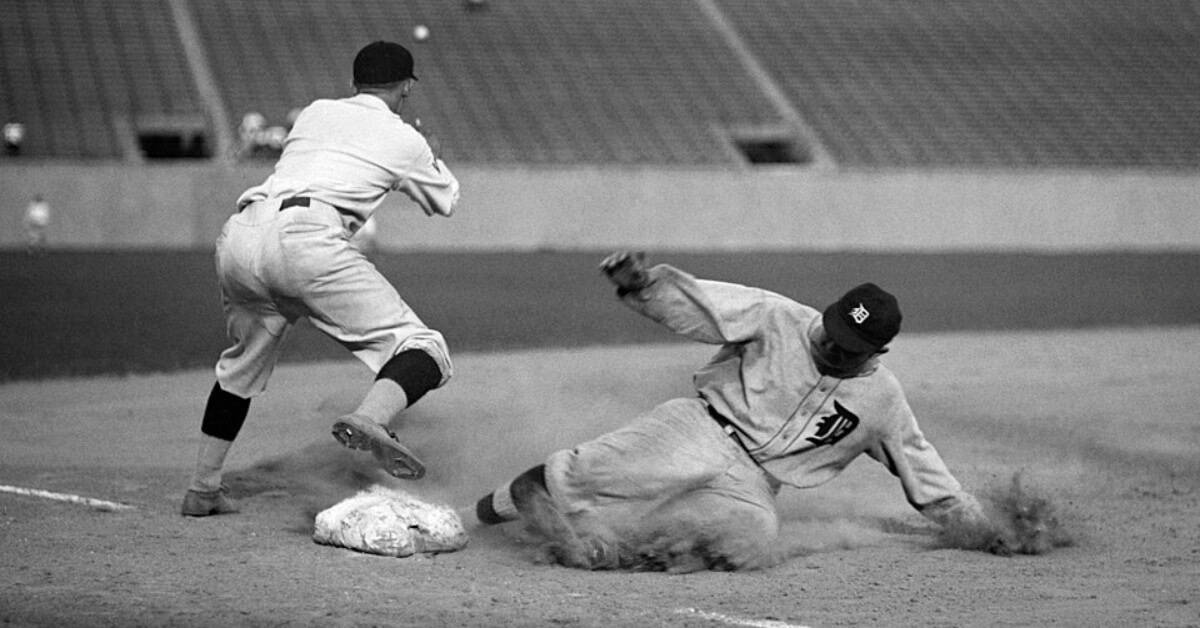
Ty Cobb played baseball like he was fighting a personal war against every player, umpire, and fan in the stadium, sliding into bases with his spikes high and his temper higher. His .366 lifetime batting average and 12 batting titles came with a reputation for violence and racism that made him the most feared and hated player of his era. Cobb sank because he confused intimidation with greatness, proving that you can dominate a sport while completely missing the point of why people love it in the first place.
Roberto Clemente: The Humanitarian Hero Who Died Serving Others
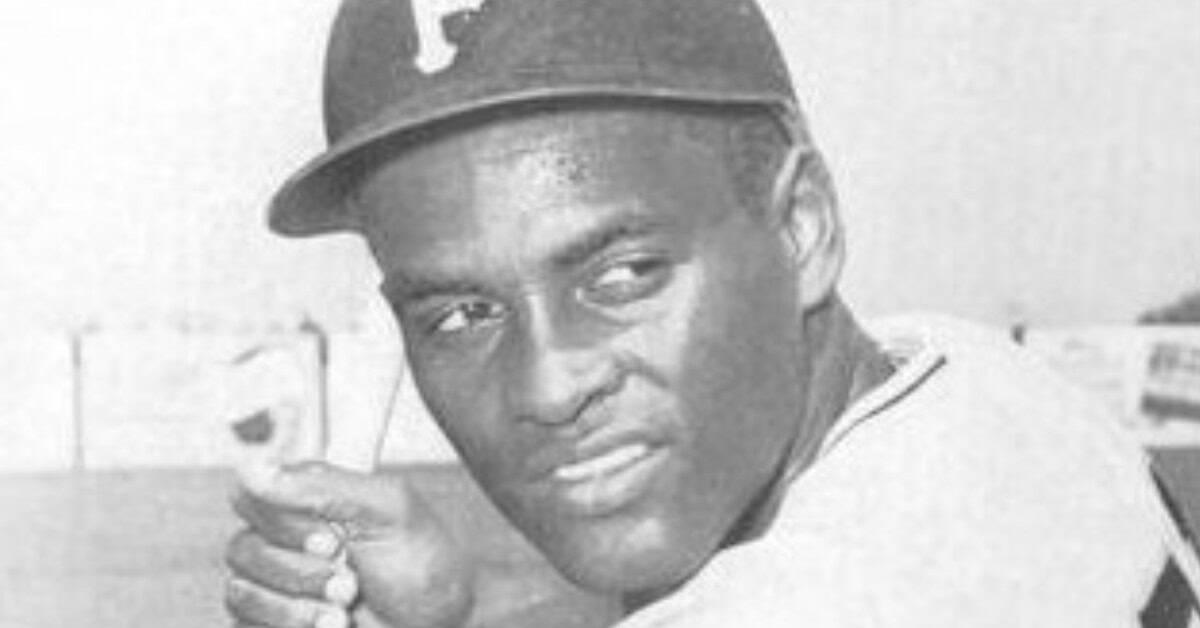
Roberto Clemente had the strongest arm in baseball history and a swing that could turn bad pitches into line drives, but his greatest achievement was showing that athletes could be more than entertainers—they could be forces for good. His 3,000th hit came in his final regular season game, a perfect ending to a perfect career that was tragically cut short when his plane crashed while delivering aid to earthquake victims in Nicaragua. Clemente soared highest not when he was rounding the bases, but when he was risking his life to help strangers, transforming from a great player into a saint whose halo still shines over Pittsburgh.
Roger Clemens: The Rocket Who Crashed Into the Steroid Era

Roger Clemens threw fastballs that could break bones and breaking balls that could break spirits, dominating hitters for over two decades with the kind of fierce competitiveness that made grown men step out of the batter’s box just to catch their breath. His seven Cy Young Awards and 354 wins should have guaranteed him first-ballot Hall of Fame status, but allegations of steroid use turned “The Rocket” into baseball’s most controversial pitcher. Clemens sank because he was already unhittable before the scandal, making his fall feel like watching a superhero discover his powers came from kryptonite all along.
Shoeless Joe Jackson: The Natural Who Got Caught in the Black Sox Scandal
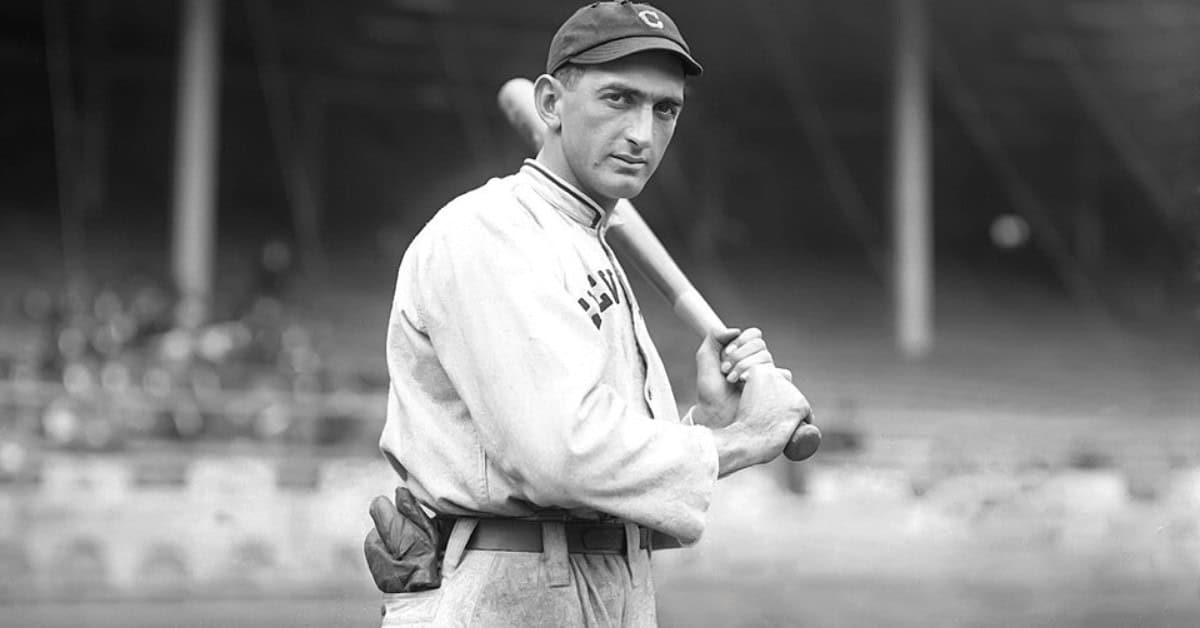
Shoeless Joe Jackson swung a bat like Stradivarius played violin, with such natural grace and power that Babe Ruth copied his stance and Ted Williams called him the greatest hitter who ever lived. His .356 lifetime batting average and legendary “Black Betsy” bat should have made him immortal, but the 1919 Black Sox scandal turned him into baseball’s most tragic figure instead. Jackson sank not because he was guilty—the evidence suggests he tried to play honestly even while his teammates threw the World Series—but because sometimes being in the wrong place at the wrong time is enough to destroy even the most beautiful swing in baseball history.
Jackie Robinson: The Barrier Breaker Who Changed America Forever

Jackie Robinson didn’t just break baseball’s color barrier—he shattered it with such dignity and skill that he made integration look inevitable, even as he endured death threats, beanballs, and hatred that would have broken lesser men. His stealing of home plate in the 1955 World Series wasn’t just a baseball play; it was a metaphor for his entire career, boldly taking what was rightfully his despite every obstacle in his path. Robinson soared highest because he understood that he wasn’t just playing for the Brooklyn Dodgers—he was playing for every Black child who would come after him, turning every stolen base and clutch hit into a step toward freedom that echoes through American history.