Last Updated: September 16th, 2026 by Matthew Brown
The National Baseball Hall of Fame has been one of the most highly regarded Hall of Fame homes in all of sports. Baseball legends have their legacies cast in bronze for generations to look upon. This honor is among hundreds of thousands of players who have reached the highest level of the sport.
Don't lose this article. Enter your email below, and I'll send it to you right now. Plus, we'll send you other unbelievable stories from baseball's past.
I don't think any Hall of Fame is as expansive or exclusive as baseball's. That being said, there have been some who were no-doubters in their chances to get in, but it just took a lot longer than expected.
Let's go through a list of 10 who fit that bill.
10. Tris Speaker – The Grey Eagle Soared Into Cooperstown Late (HOF)
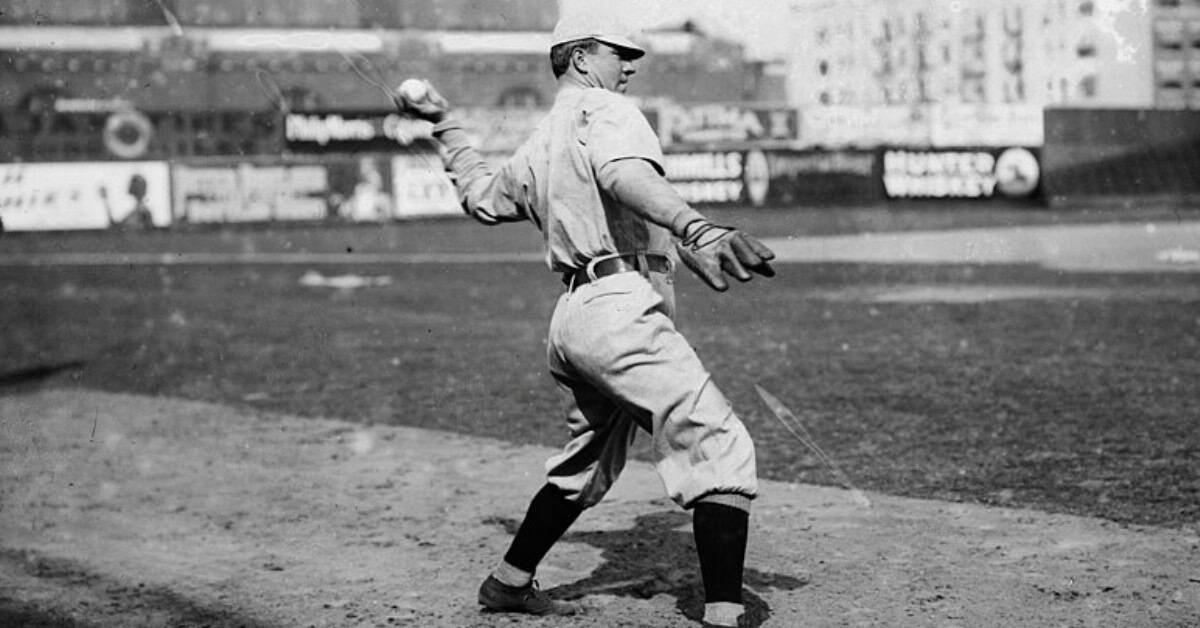
Getting in on the first ballot was just not as much of an honor back then as it is now. Tris Speaker was definitely going to get into the Hall of Fame, but it's really tough when the first Hall of Fame class came in well after you retired. In a way, they were having to play catch-up to the history that has already been made.
The speaker's inclusion on this list is because he waited just as long as guys like Babe Ruth and Christy Mathewson, with just as good a resume, but still had to wait that extra year to be voted in.
| Tristram Speaker — Career | Total |
|---|---|
| G | 2792 |
| AB | 10195 |
| H | 3515 |
| HR | 117 |
| RBI | 1529 |
| SB | 432 |
| AVG | .345 |
| OBP | .428 |
| SLG | .500 |
| OPS | .928 |
| World Series titles | 3 |
9. Craig Biggio – 3,000 Hits And Still Had To Knock Three Times (HOF)
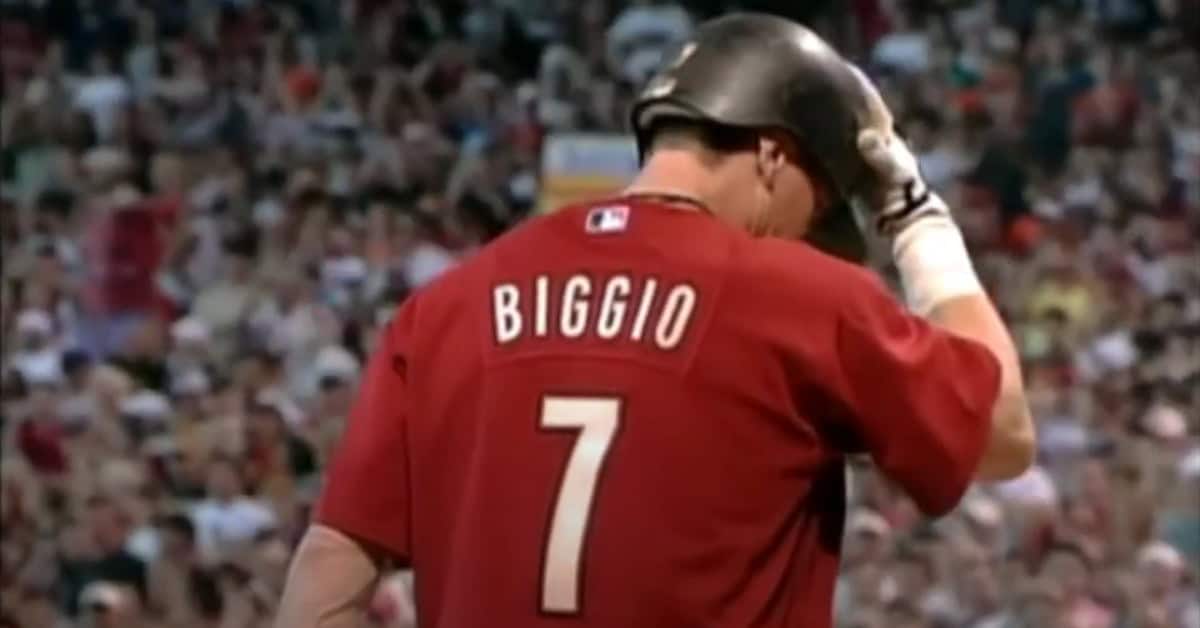
For any player with 3,000 hits, getting into the Hall of Fame is pretty automatic. Getting in on the first ballot is pretty high too. For Craig Biggio, I feel like it got to the point where we thought, "Do the voters even see him on the ballot?"
He played in an era where steroids were everywhere, and he chose to keep his slender frame and show that he could produce just as well, if not better than, many of the other hitters trying to juice up. Yet, it took three tries for a player of this caliber to be voted in.
| Craig Biggio — Career | Total |
|---|---|
| G | 2850 |
| AB | 10876 |
| H | 3060 |
| HR | 291 |
| RBI | 1175 |
| SB | 414 |
| AVG | .281 |
| OBP | .363 |
| SLG | .433 |
| OPS | .796 |
| All-Star selections | 7 |
| Gold Gloves | 4 |
| Silver Sluggers | 5 |
8. Roberto Alomar – The Smoothest Second Baseman Got Roughed Up (HOF)
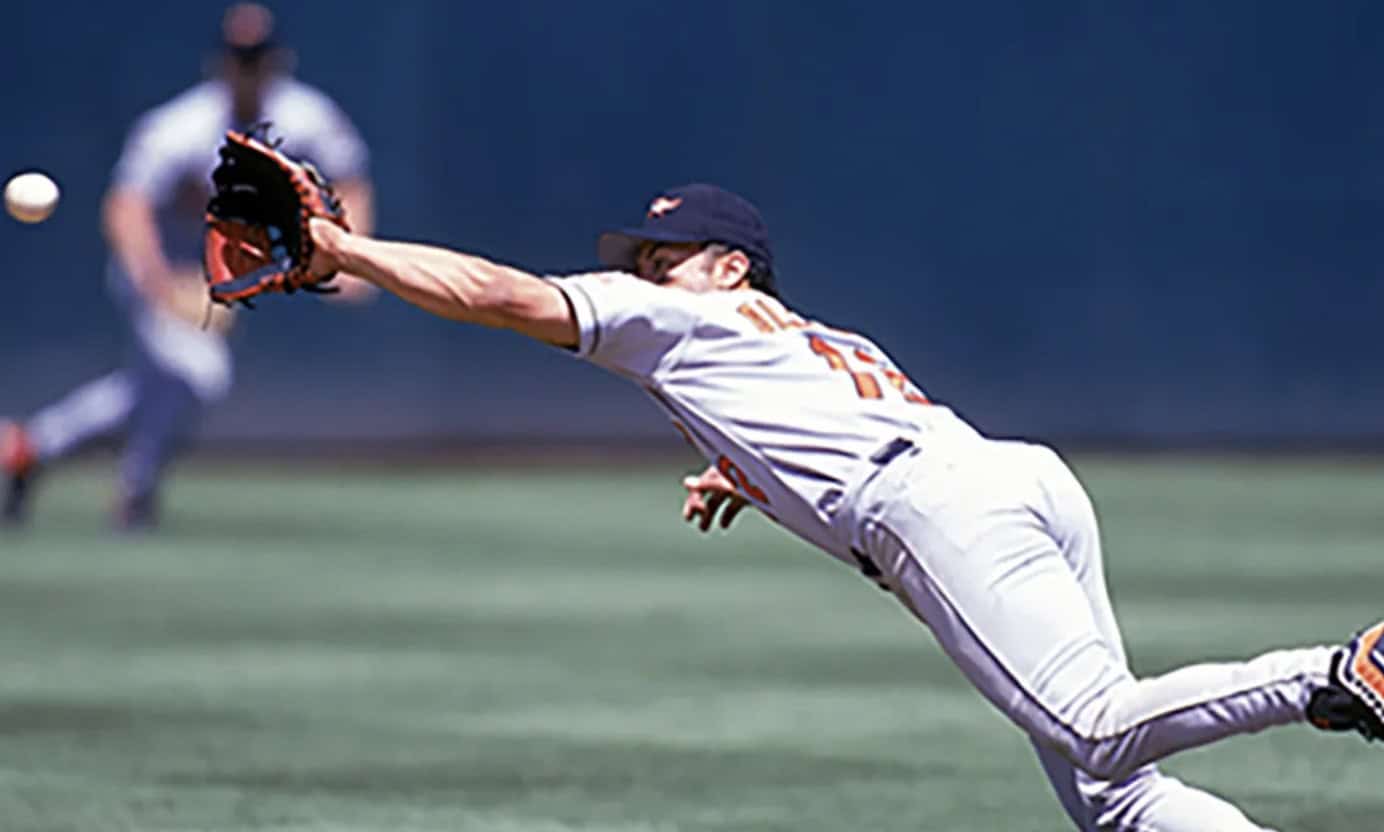
Roberto Alomar isn't the most well-liked Hall of Famer. In fact, he's probably far from it. His off-the-field issues probably hurt him a little, which is understandable. But it's still Roberto Alomar. He wasn't selected to 12 All-Star teams with 10 Gold Gloves for nothing.
He is one of the greatest middle infielders we've ever seen and should have gotten in on the first ballot. Yet, he wasn't.
| Roberto Alomar — Career | Total |
|---|---|
| G | 2379 |
| AB | 9073 |
| H | 2724 |
| HR | 210 |
| RBI | 1134 |
| SB | 474 |
| AVG | .300 |
| OBP | .371 |
| SLG | .443 |
| OPS | .814 |
| All-Star selections | 12 |
| Gold Gloves | 10 |
| Silver Sluggers | 4 |
| World Series titles | 2 |
7. Harmon Killebrew – 573 Home Runs Couldn't Buy First-Ballot Love (HOF)
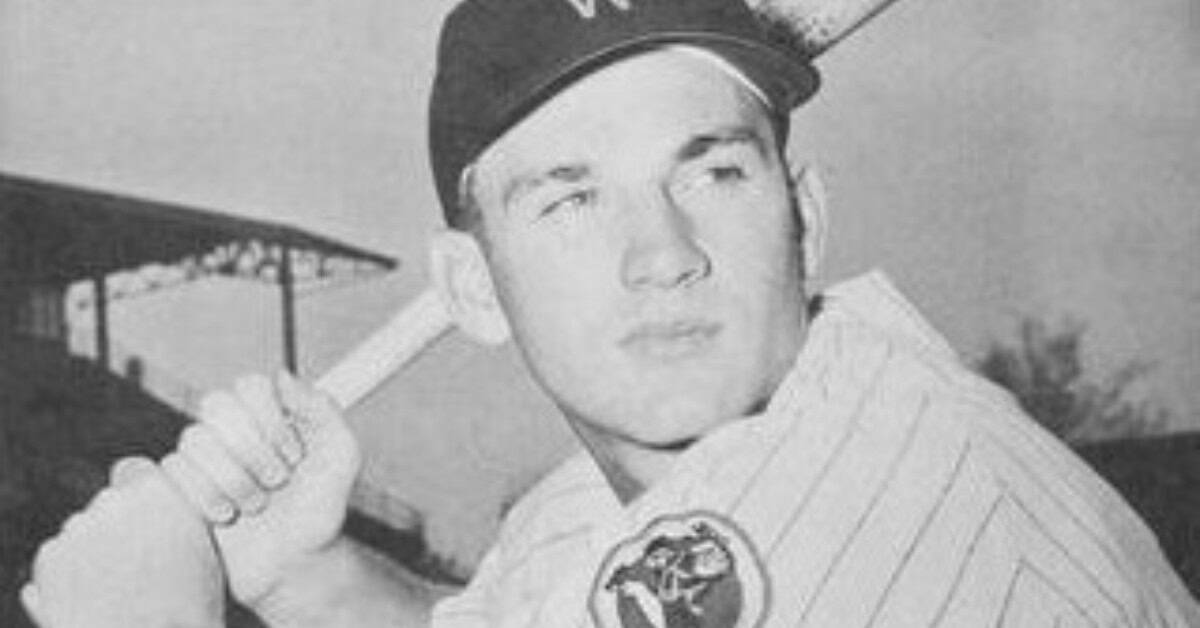
This one is baffling. 500 home runs is a shoo-in to get into the Hall of Fame (steroid suspicions excluded). Harmon Killebrew had to wait almost five ballots to get in. By the way, I am one to consider the fact that "fame" can be used in consideration of candidates.
Why does this pertain to Harmon Killebrew? That's because he has long been rumored to be a model of inspiration for the actual logo of Major League Baseball. If you ask me, that's as famous as it can get in this sport.
| Harmon Killebrew — Career | Total |
|---|---|
| G | 2435 |
| AB | 8147 |
| H | 2086 |
| HR | 573 |
| RBI | 1584 |
| SB | 19 |
| AVG | .256 |
| OBP | .376 |
| SLG | .509 |
| OPS | .885 |
| MVP | 1 |
| All-Star selections | 11 |
6. Hank Greenberg – War Hero Still Had To Fight For His Spot (HOF)
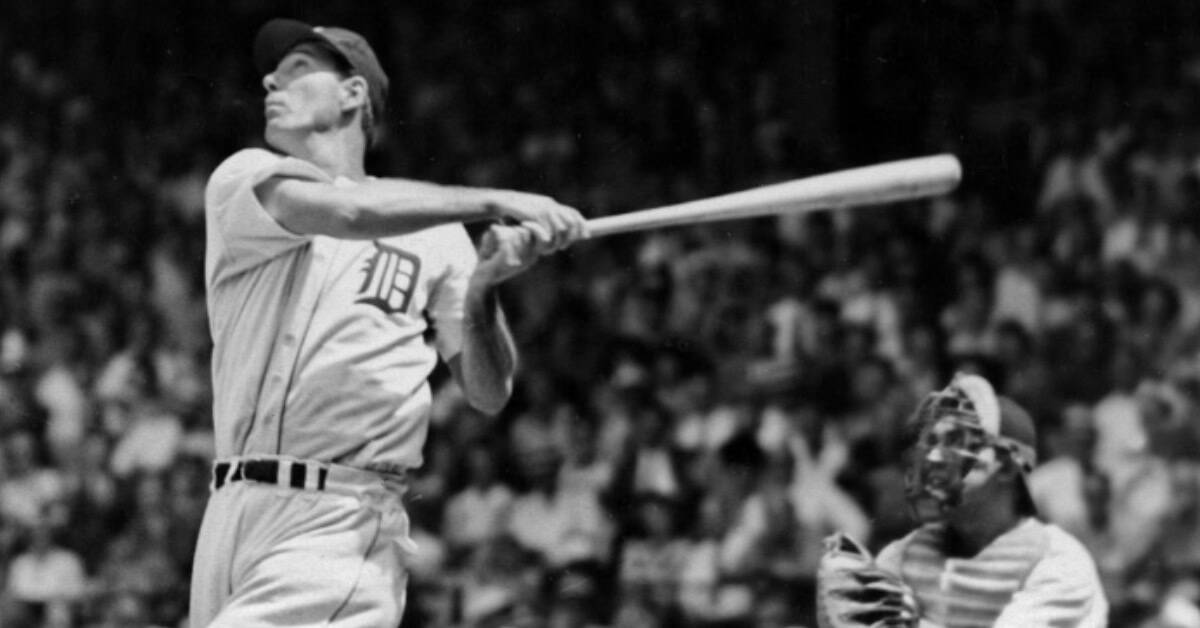
Hank Greenberg gets forgotten too often for how good he was back in the day. He had military service during World War II interrupt his playing career, and he was still able to put up amazing numbers. The two-time MVP finished with a .313 career batting average and totaled 331 home runs in just 13 seasons. That is an average of 38 home runs per season.
I can't really think of many other sluggers who can lay claim to that kind of home run rate without being inducted into the Hall of Fame on the first ballot. Well, Greenberg waited almost a decade after his retirement for the ultimate honor, which is kind of discrediting the work he did on and off the field.
| Hank Greenberg — Career | Total |
|---|---|
| G | 1394 |
| AB | 5193 |
| H | 1628 |
| HR | 331 |
| RBI | 1276 |
| SB | 58 |
| AVG | .313 |
| OBP | .412 |
| SLG | .605 |
| OPS | 1.017 |
| MVP | 2 |
| All-Star selections | 4 |
| World Series titles | 2 |
5. Rogers Hornsby – The Rajah's Triple Crown Wasn't Enough (HOF)
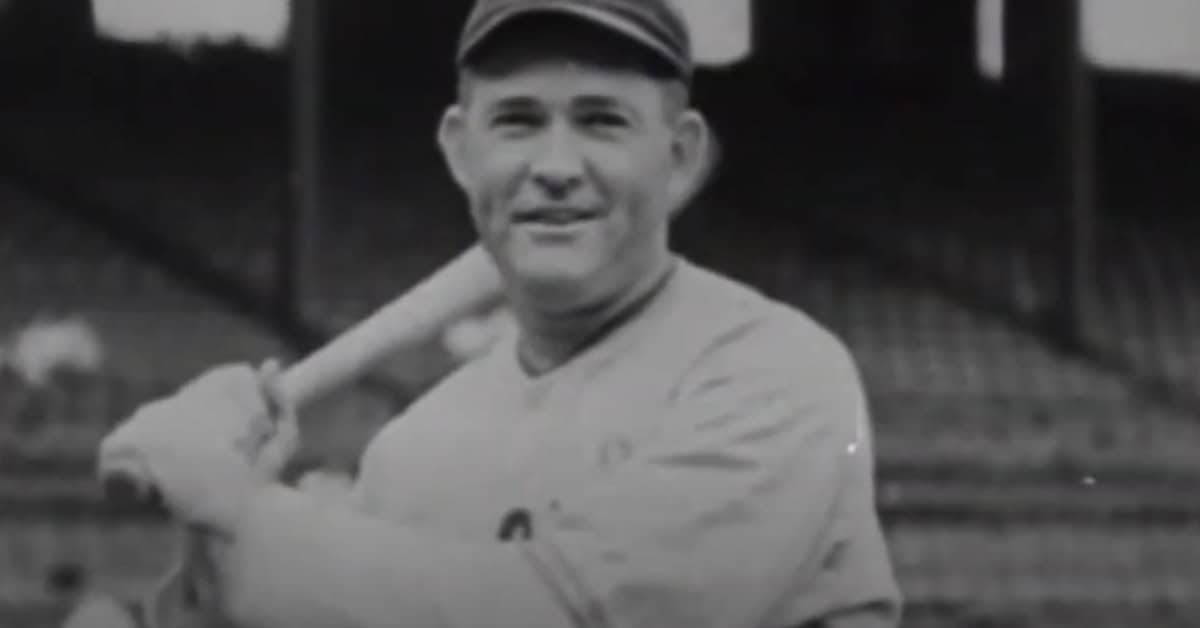
Okay, in this one, we are talking about a player doing the delay himself. Rogers Hornsby was a player-manager, which elongated his career until he retired at the age of 41. However, for six seasons down the stretch of his career, he did not play in even 60 games in a season. He was basically a manager while delaying his enshrinement.
He also still had to wait, as eligibility didn't require five years of retirement back then. Yet, I wonder if his final years would have hurt him much sooner if he had just stopped playing altogether and focused on managing.
| Rogers Hornsby — Career | Total |
|---|---|
| G | 2259 |
| AB | 8173 |
| H | 2930 |
| HR | 301 |
| RBI | 1584 |
| SB | 135 |
| AVG | .358 |
| OBP | .434 |
| SLG | .577 |
| OPS | 1.011 |
| World Series titles | 1 |
4. Jimmie Foxx – The Beast Needed Seven Swings At Cooperstown (HOF)
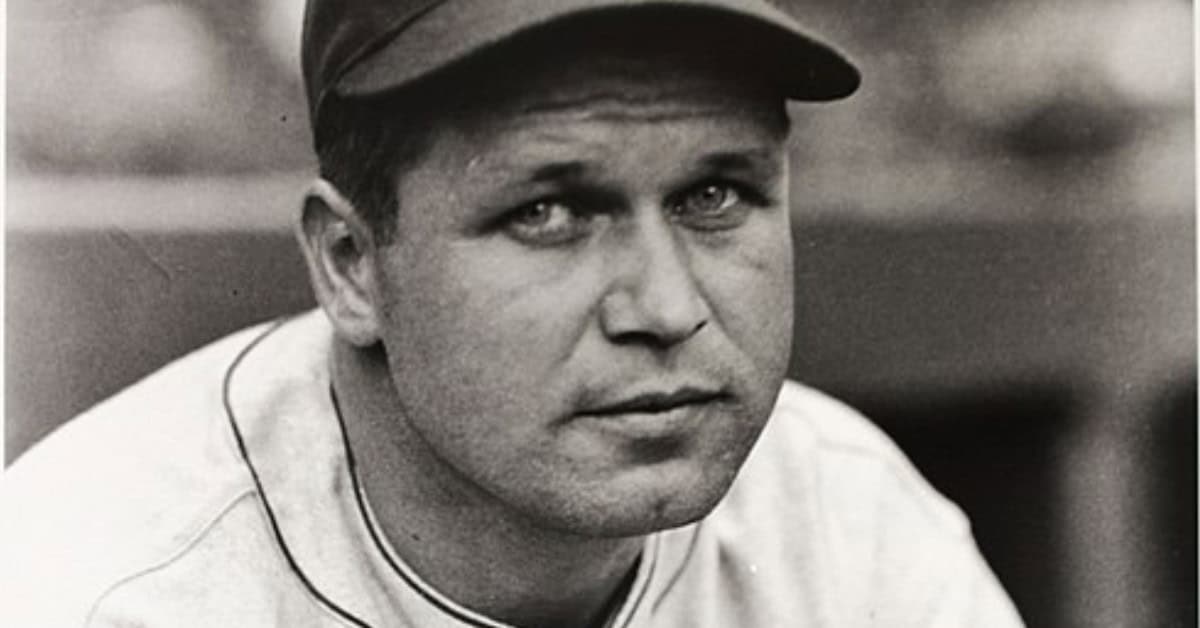
I feel like baseball writers are very fickle. They want to feel like they have a great amount of power over being sort of a gatekeeper of Cooperstown. Sometimes they will let almost anybody in, but other times they will let no one in. Even if the people standing right outside the doors are some of the most exceptional players of their time.
Jimmie Foxx was absolutely a star during his era. His 534 career home runs only complement his career .325 batting average. He finished with a very impressive 163 Ops+ in his career. He was eligible to become a Hall of Famer in 1950. Guess what. There ended up being no inductions that year, as none of the candidates had enough votes.
Really? The voters would really choose to have no one get in in a particular year rather than one of the greatest Sluggers of all time.
| Jimmie Foxx — Career | Total |
|---|---|
| G | 2317 |
| AB | 8134 |
| H | 2646 |
| HR | 534 |
| RBI | 1922 |
| SB | 87 |
| AVG | .325 |
| OBP | .428 |
| SLG | .609 |
| OPS | 1.037 |
| MVP | 3 |
| All-Star selections | 9 |
| World Series titles | 2 |
3. Yogi Berra – It Ain't Over 'Til The Hall Says It's Over (HOF)

My mind can't really fathom how a guy like Yogi Berra can be considered arguably the greatest catcher of all time and not get into the Hall of Fame on the first ballot.
He had to wait 7 years after his retirement to be inducted into the Hall of Fame. Yes, that means he was only on a few ballots, as every player has to wait that 5-year minimum, but still, Yogi won 10 World Series titles while being one of the greatest hitting catchers we've ever seen.
A three-time MVP and 18-time All-Star must mean nothing if we are going to keep Yogi Berra outside Cooperstown for an additional few years before he is let in.
| Yogi Berra — Career | Total |
|---|---|
| G | 2120 |
| AB | 7555 |
| H | 2150 |
| HR | 358 |
| RBI | 1430 |
| SB | 30 |
| AVG | .285 |
| OBP | .348 |
| SLG | .482 |
| OPS | .830 |
| MVP | 3 |
| All-Star selections | 15 |
| World Series titles | 10 |
2. Joe DiMaggio – Even Joltin' Joe Struck Out With Voters (HOF)
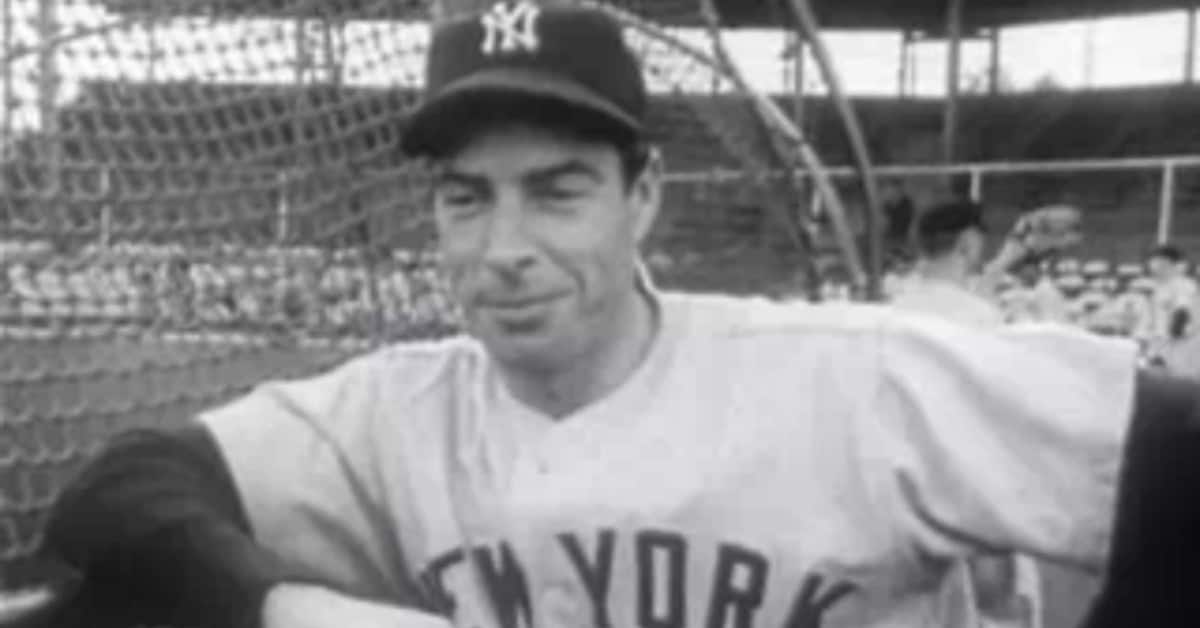
Joe DiMaggio had it all. He had all five tools to be a star center fielder. His 56-game hitting streak is the stuff of legend. His celebrity made him a household name if he wasn't already.
Joltin' Joe was a three-time MVP and had to wait because the Hall of Fame didn't have a 5-year retirement minimum. But it did have writers who felt like they could control a celebrity by not putting him into the Hall of Fame immediately.
| Joe DiMaggio — Career | Total |
|---|---|
| G | 1736 |
| AB | 6821 |
| H | 2214 |
| HR | 361 |
| RBI | 1537 |
| SB | 30 |
| AVG | .325 |
| OBP | .398 |
| SLG | .579 |
| OPS | .977 |
| MVP | 3 |
| All-Star selections | 13 |
| World Series titles | 9 |
1. Cy Young – The Winningest Pitcher Ever Had To Wait (HOF)
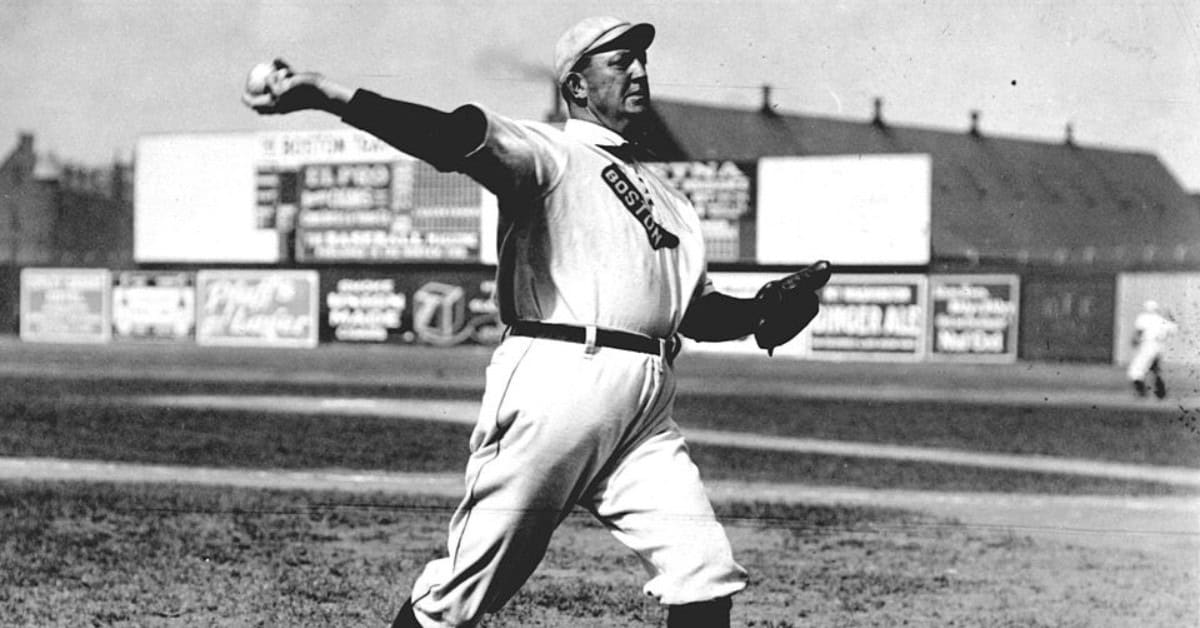
Cy Young had to be way more patient than the players on this list because he retired in 1911 and had to wait over 15 years before he could see his name go on a bronze plaque. The amazing thing is, Cy Young is not one of the original five players to be inducted into the Hall of Fame.
It is mind-boggling that he isn't, when there's an entire award named after him, but he still had to wait an extra year before he could receive his ultimate reward.
| Cy Young — Career | Total |
|---|---|
| W | 511 |
| L | 316 |
| ERA | 2.63 |
| G | 906 |
| IP | 7356.0 |
| SO | 2803 |
| WHIP | 1.13 |
| SV | 17 |
| World Series titles | 1 |