
Last Updated: June 17th, 2026 by Matthew Brown
Baseball’s greatest underdog stories aren’t always the ones that make the history books. Beyond the familiar tales of David versus Goliath lie hidden gems of perseverance, forgotten heroes who defied impossible odds, and teams that captured hearts despite the longest of odds. These are the stories your grandfather might have told you, passed down through generations of baseball lovers who knew that sometimes the greatest victories happen far from the spotlight.
Don't lose this article. Enter your email below, and I'll send it to you right now. Plus, we'll send you other unbelievable stories from baseball's past.
The ’42 Kansas City Monarchs: Baseball’s Greatest Barnstorming Upset
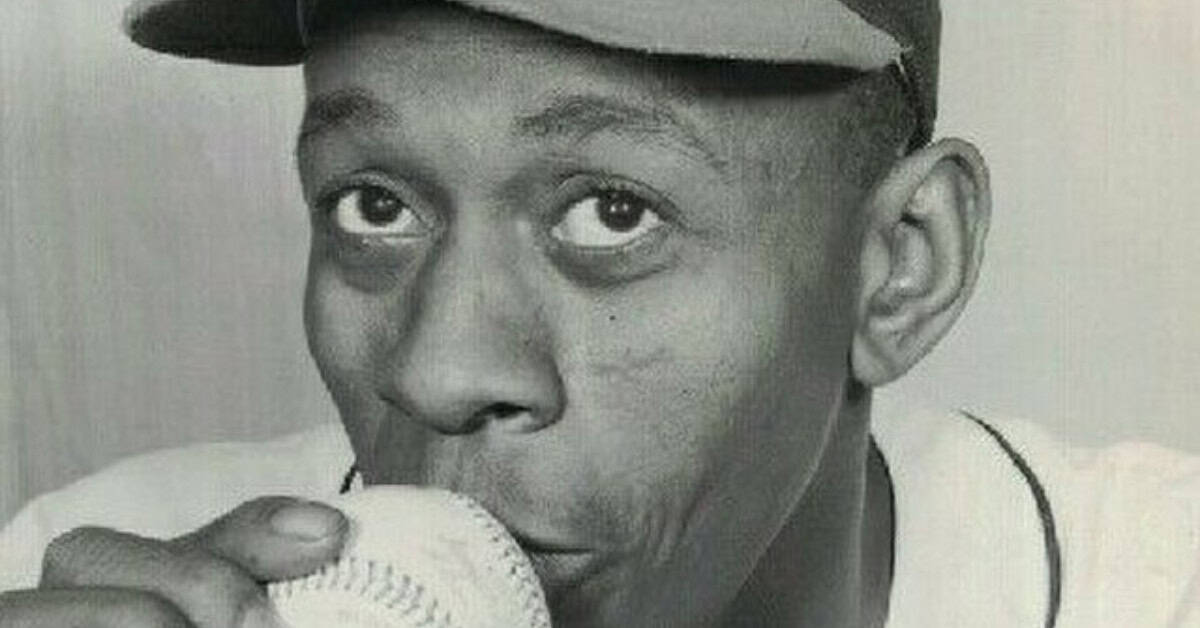
In the autumn of 1942, the Monarchs took on Bob Feller’s All-Stars in a barnstorming tour that nobody gave them a chance to win. Satchel Paige and his teammates didn’t just compete – they won 7 of 11 games against a team stacked with major league all-stars. Playing on dusty fields across America, they proved that greatness knows no boundaries, making believers out of skeptics one pitch at a time.
Buzz Arlett: The Minor League Babe Ruth Who Got One MLB Shot
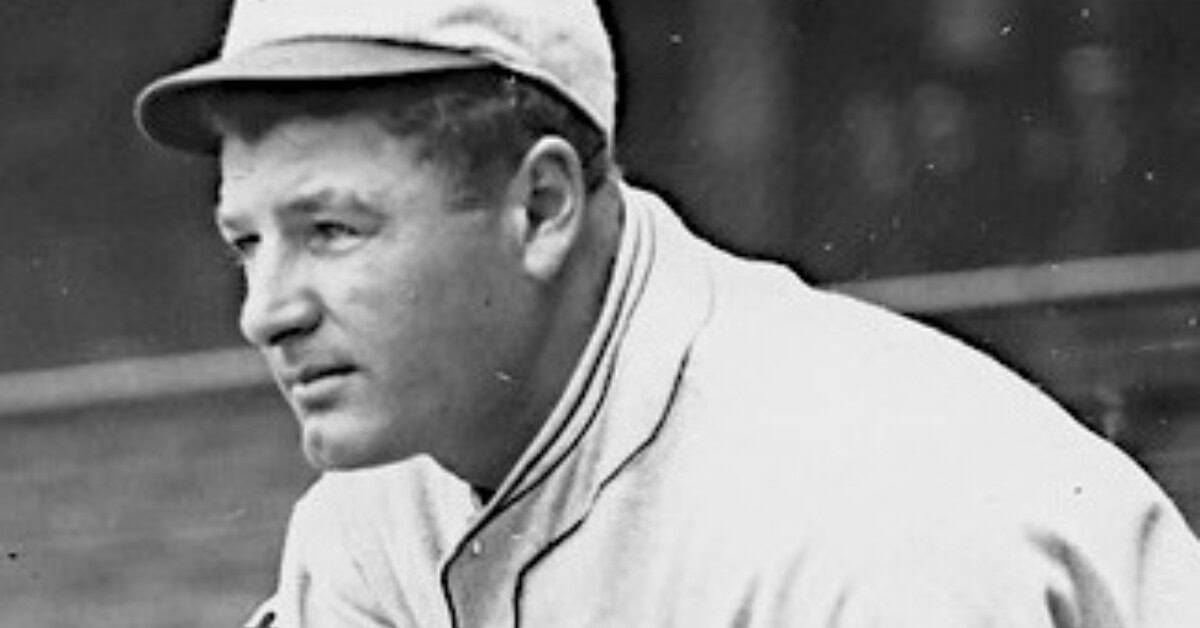
They called him the “Babe Ruth of the Minor Leagues,” and his numbers were staggering: 432 minor league home runs and a .341 lifetime average. In 1931, Arlett finally got his chance with the Phillies, hitting .313 with 18 homers – but it would be his only major league season. His legacy lives on as perhaps the greatest player who barely got a chance to play in the big leagues.
The ’81 Fernandomania: When a 20-Year-Old Rookie Saved LA

Nobody expected a chubby 20-year-old from a small Mexican village to become baseball’s biggest sensation. Fernando Valenzuela opened 1981 with eight shutouts in his first eight starts, looking skyward before each pitch. His screwball and magnetic personality united a divided city, proving that sometimes the most unlikely heroes come with the most unforgettable stories.
Cecil Travis: From .359 Hitter to War Hero’s Comeback
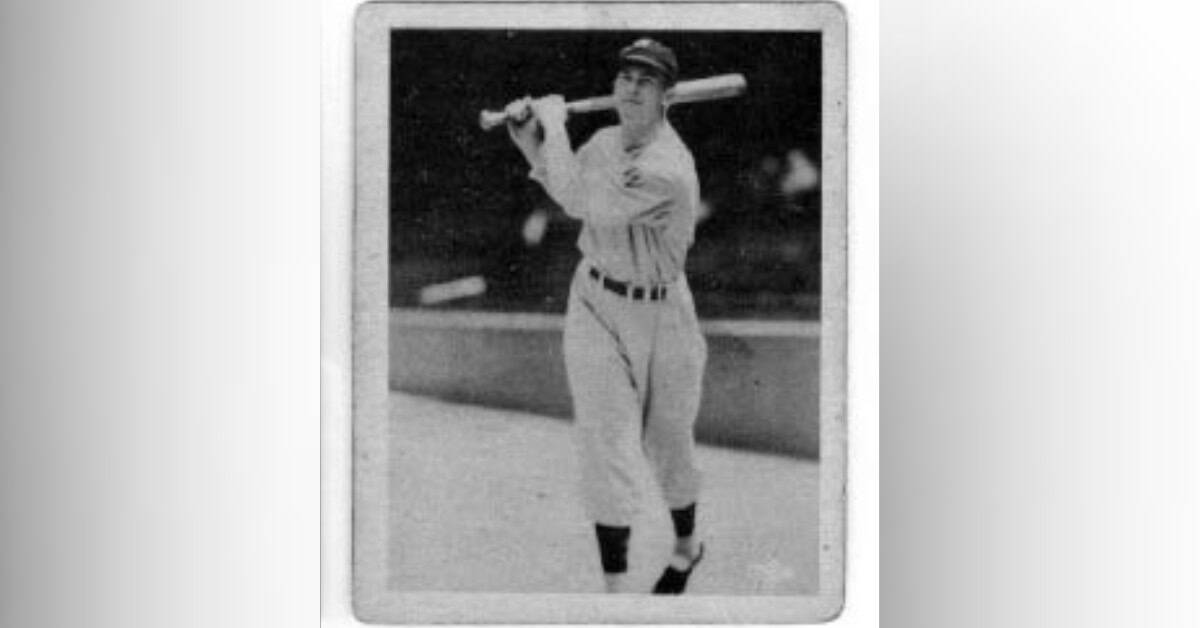
In 1941, Cecil Travis was batting .359 when the events of Pearl Harbor changed everything. He suffered severe frostbite during the Battle of the Bulge, with doctors saying he’d never play again. Yet in 1945, Travis returned to baseball, his feet still damaged from the war, proving that some victories mean more than statistics.
The ’62 Mets Lost 120 Games – And Won New York’s Heart
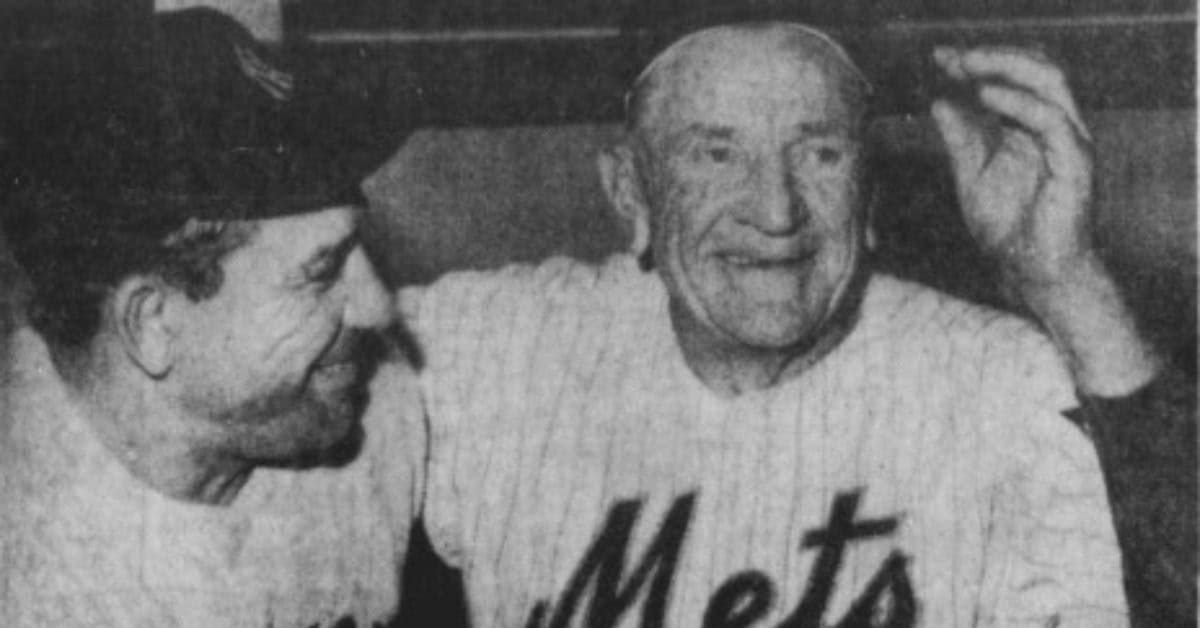
Casey Stengel’s lovable losers set records for futility, yet packed the Polo Grounds with fans who embraced their endearing ineptitude. “Can’t anybody here play this game?” became a rally cry, not an insult. These Mets proved that sometimes being the worst can bring out the best in a city’s heart.
Elden Auker: The Submarine Pitcher Who Defied Convention
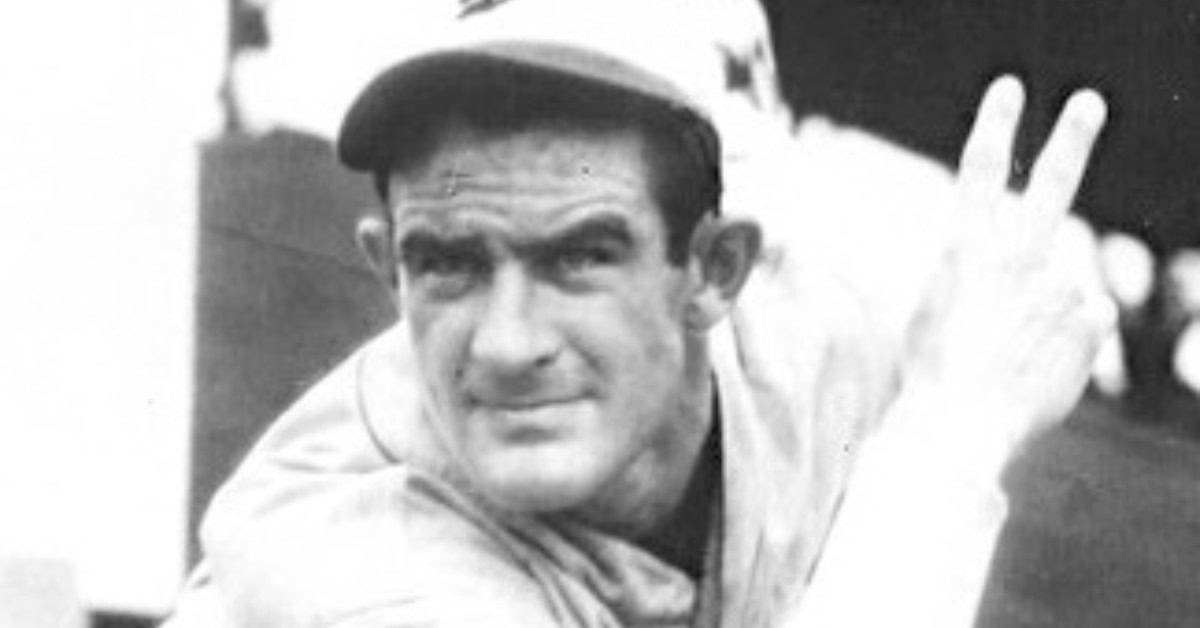
When a college football injury made overhand throwing impossible, Auker invented his own submarine-style delivery. Coaches called it a gimmick, but from 1933 to 1942, he won 130 games throwing “upside down,” proving that innovation often comes from necessity. Babe Ruth called his pitch “the weirdest thing I ever tried to hit.”
Joe Nuxhall: The 15-Year-Old Who Faced Stan Musial
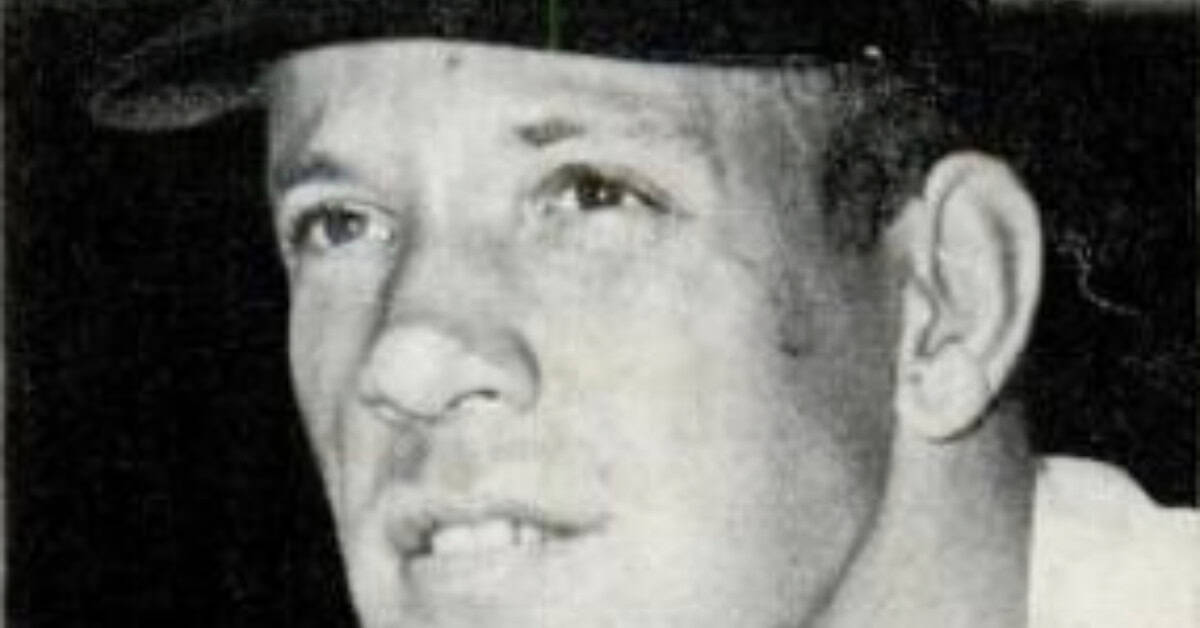
With major leaguers fighting in World War II, the Reds called up a high school freshman in 1944. Joe Nuxhall took the mound at age 15, facing Cardinals slugger Stan Musial. Though that first outing was rough, he returned eight years later for a successful 16-year career, proving it’s never too early to chase your dreams.
The ’75 Rangers: When Texas Finally Stood Tall
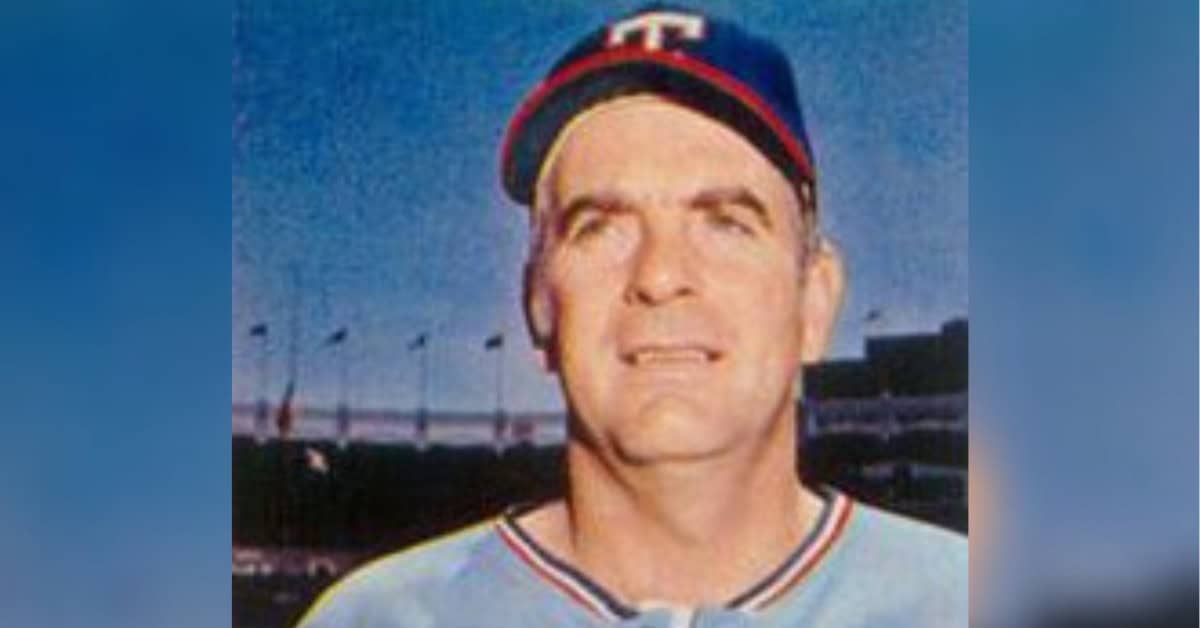
After years as baseball’s doormat, the ’75 Rangers shocked the American League with their first winning season. Led by Jeff Burroughs and a young Gaylord Perry, they turned Arlington Stadium from a quiet ballpark into Texas’s hottest summer ticket. Their September chase for the pennant had cowboys and oil barons alike doing the seventh-inning stretch.
Vic Wertz: From TB Diagnosis to All-Star Comeback
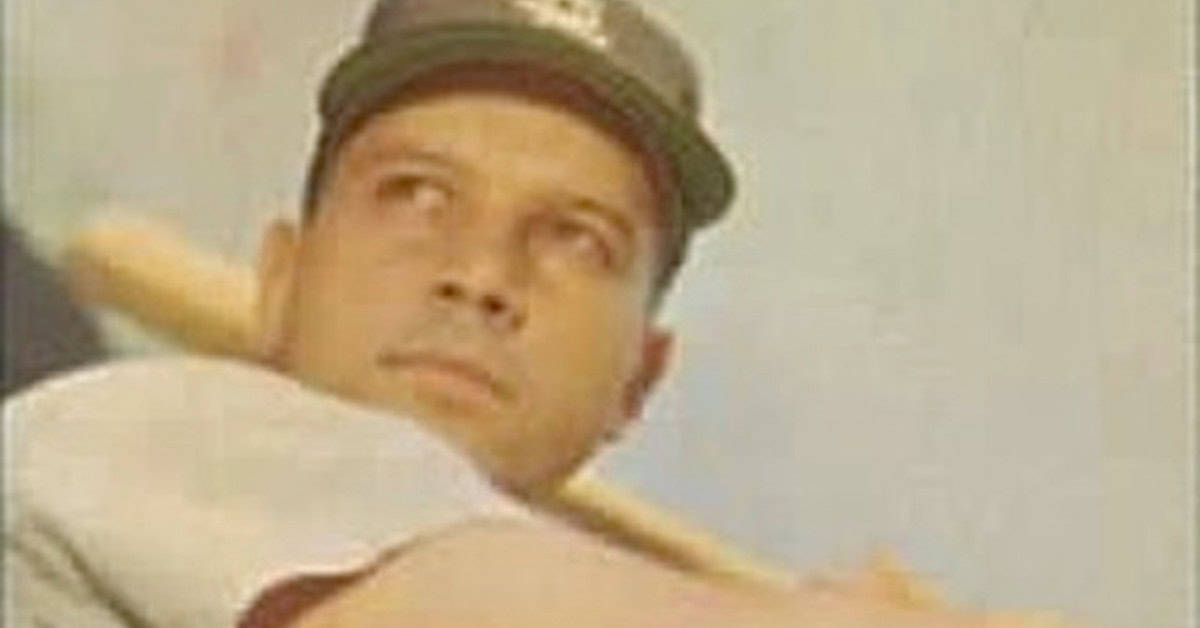
In 1955, Vic Wertz was diagnosed with non-contagious tuberculosis and given little chance of playing again. After a year in a sanitarium, he returned to hit .282 with 32 homers for Cleveland in 1957. The same man Willie Mays robbed in the ’54 Series had written his own miracle story.
The ’59 Go-Go Sox: Chicago’s Other Baseball Miracle
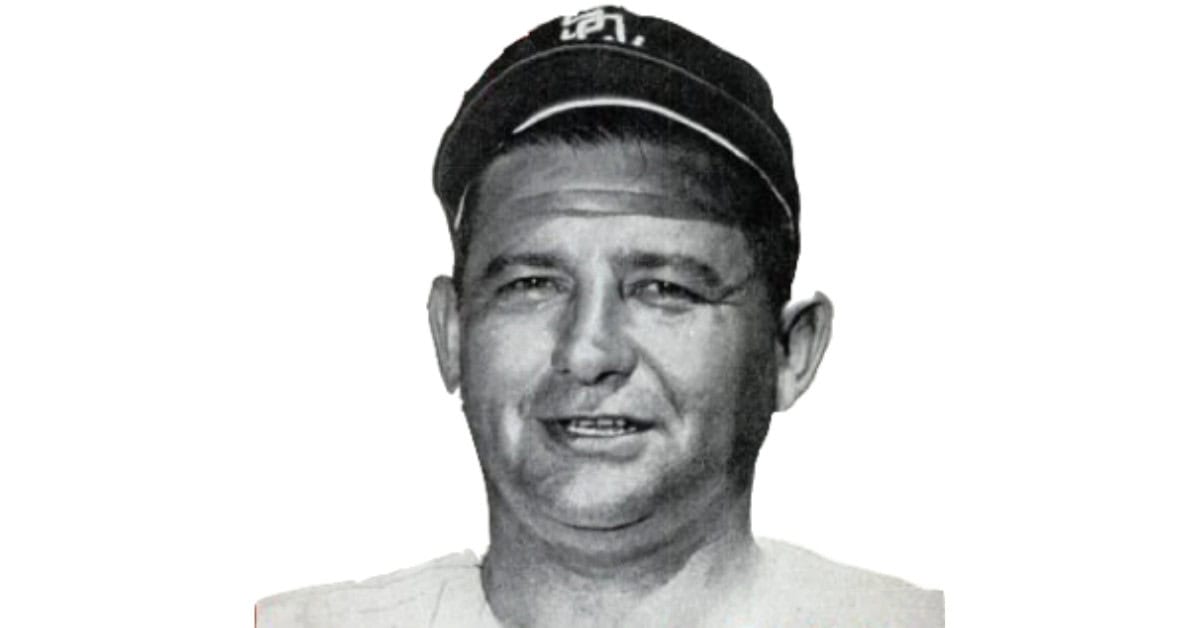
The ’59 White Sox won Chicago’s heart with speed, defense, and sheer willpower. In an era of sluggers, they played “small ball” before it had a name, stealing bases and squeezing home runs. Their first pennant in 40 years had air raid sirens wailing across the South Side in celebration.
Bobby Shantz: The 5’6″ MVP Nobody Saw Coming
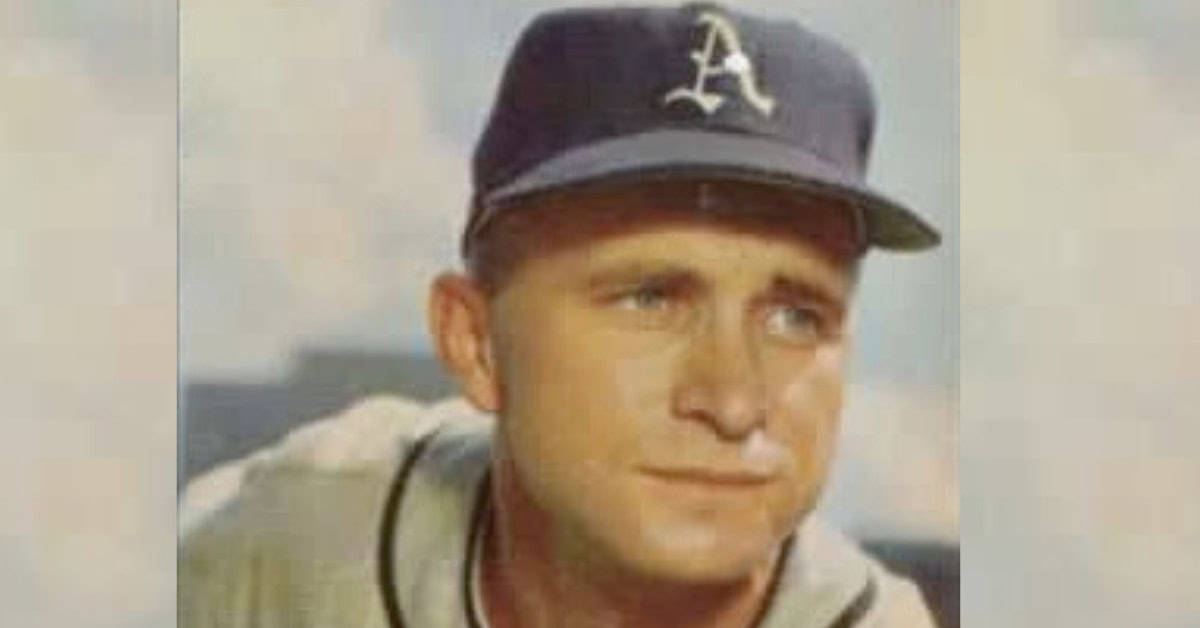
Standing just 5’6″ and weighing 139 pounds, Bobby Shantz was told he was too small for baseball. In 1952, he proved everyone wrong, winning 24 games and the AL MVP award for the Athletics. His curveball, which seemed to drop off a table, showed that heart can’t be measured in feet and inches.
The ’44 Browns: St. Louis’s Only Pennant Winners
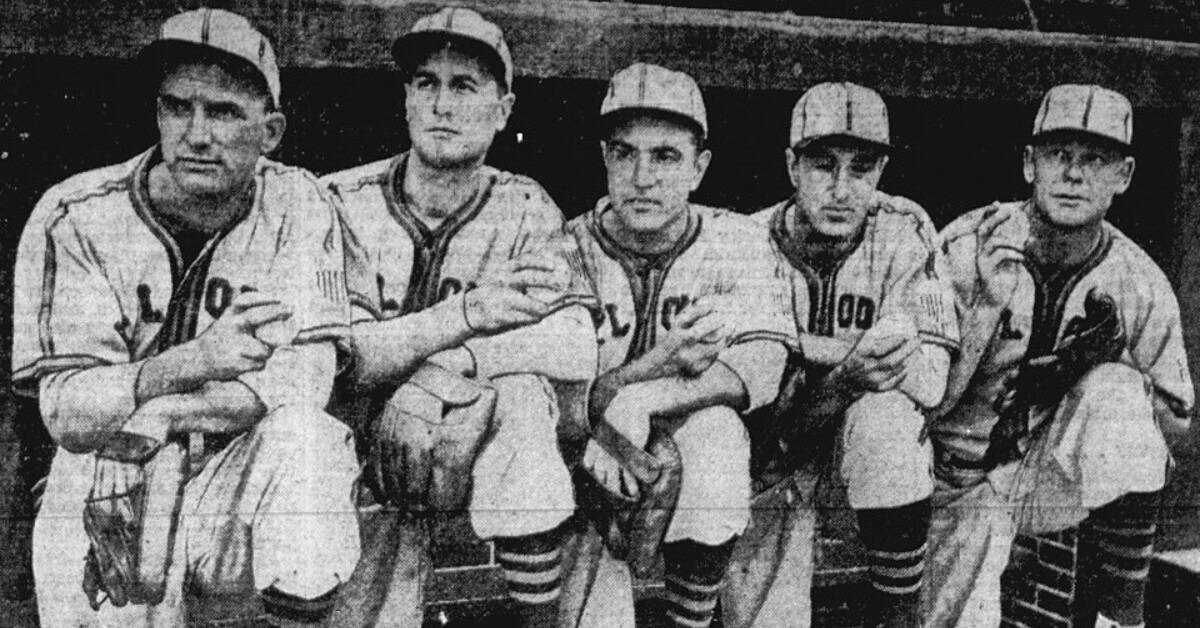
With most stars serving in World War II, the perpetually downtrodden Browns seized their moment. Led by shortstop Vern Stephens, they captured St. Louis’ imagination and their only pennant. For one magical summer, the “other” team in St. Louis became the talk of baseball.