Last Updated: June 17th, 2026 by Matthew Brown
Before free agency reshuffled team loyalties and cable TV turned every game into a national broadcast, baseball’s greatest rivalries were intimate affairs. They were stories told through crackling radio signals, newspaper box scores, and summer evenings spent on front porches across America. These weren’t just games—they were generational battles that divided families, defined cities, and gave us some of the most memorable moments in baseball history.
Don't lose this article. Enter your email below, and I'll send it to you right now. Plus, we'll send you other unbelievable stories from baseball's past.
Yankees-Dodgers: When October Belonged to New York (1941-1956)
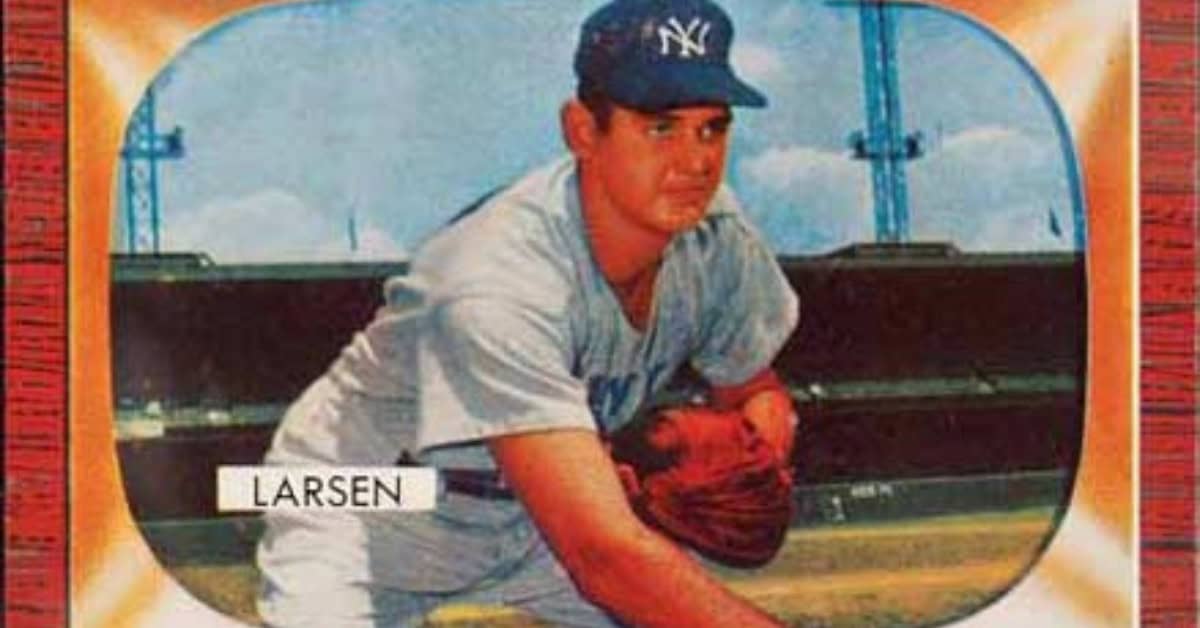
For fifteen magical years, autumn in New York meant Yankees pinstripes versus Dodger blue. The subway rumbled with equal parts hope and hatred as Brooklyn’s “Boys of Summer” repeatedly challenged the Bronx Bombers’ dynasty. Each October brought new heroes and heartbreaks, from Jackie Robinson stealing home to Don Larsen’s perfect game, while kids played stickball in the streets below.
Giants vs. Dodgers: The Coast-to-Coast Blood Feud (1951-1965)
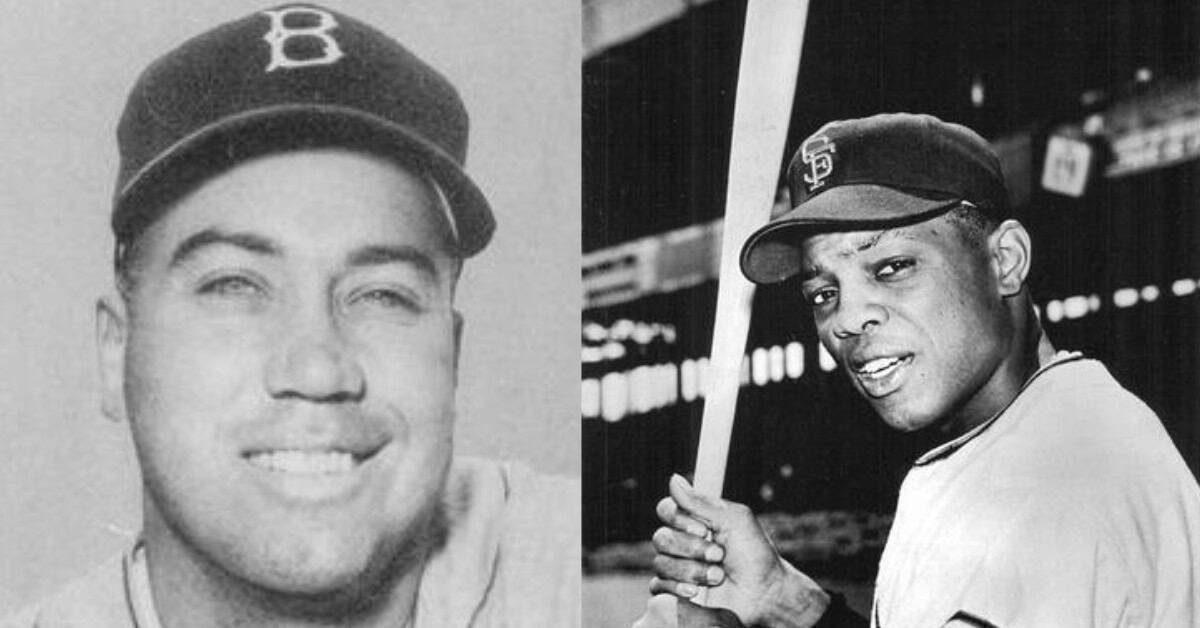
From the concrete canyons of New York to the sun-soaked shores of California, this rivalry never lost its edge. The Shot Heard ‘Round the World in ’51 was just the beginning—even 3,000 miles couldn’t cool the heat between these ancient enemies. Juan Marichal and Sandy Koufax carried the torch west (highlighted later in this list), where the rivalry found new life.
Cardinals-Cubs: Midwest Magic and Misery on the Radio (1928-1938)
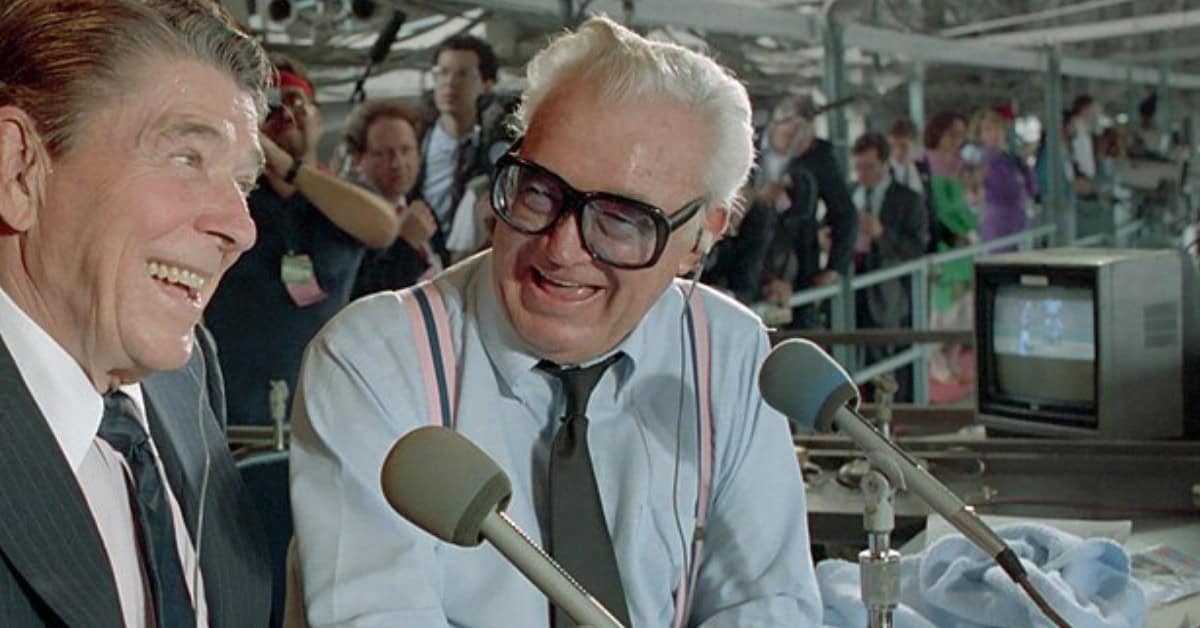
The voices of Harry Caray and Jack Buck carried across the Mississippi River Valley, telling tales of Dizzy Dean’s Cardinals battling Gabby Hartnett’s Cubs. Every summer weekend, families gathered around Philco radios in St. Louis and Chicago, living and dying with each pitch. The rivalry peaked during the “Gashouse Gang” era, when every series felt like October baseball in July.
Red Sox-Yankees: The Curse Years (1950-1978)
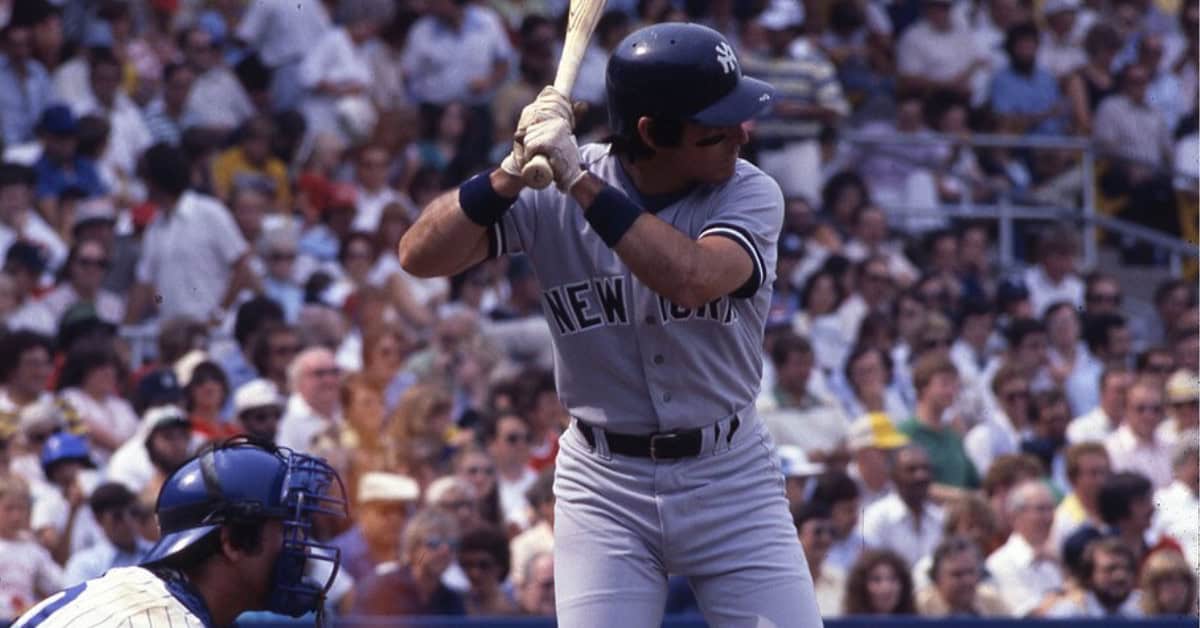
Before 2004 changed everything, this rivalry was defined by perpetual Yankees dominance and Red Sox heartbreak. Ted Williams’ batting artistry couldn’t overcome Mickey Mantle’s clutch heroics, and later, Bucky Dent’s name became unprintable in New England. The intensity peaked in ’78, when a simple one-game playoff turned into a cultural touchstone that still divides families.
Koufax vs. Marichal: Left Coast Legends Square Off (1962-1966)
When these two masters took the mound, even concession stand workers stopped to watch. Koufax’s blazing fastball and knee-buckling curve versus Marichal’s high leg kick and pinpoint control created baseball artistry of the highest order. Their matchups often ended in under two hours, with fans feeling privileged just to witness such magnificence.
Gibson vs. Clemente: The Ultimate Pitcher-Batter Chess Match (1960-1967)
Baseball’s ultimate immovable object met its irresistible force when Gibson faced Clemente. The fierce Cardinal ace versus the Pirates’ hitting artist produced at-bats that felt like heavyweight title fights. Old-timers still talk about their 12-pitch battle in ’67, when neither legend would give an inch.
Spahn vs. Musial: The 16-Year Duel (1946-1962)

For nearly two decades, baseball’s perfect gentleman (Musial) faced its craftiest southpaw (Spahn) in a battle of wits and skill. Their confrontations became baseball seminars, with young players watching from both dugouts, studying how the master craftsmen worked. Stan the Man versus Warren’s devastating screwball produced more than 300 encounters, each one a lesson in baseball excellence.
Athletics-Yankees: When Charlie O. Challenged the Empire (1971-1976)
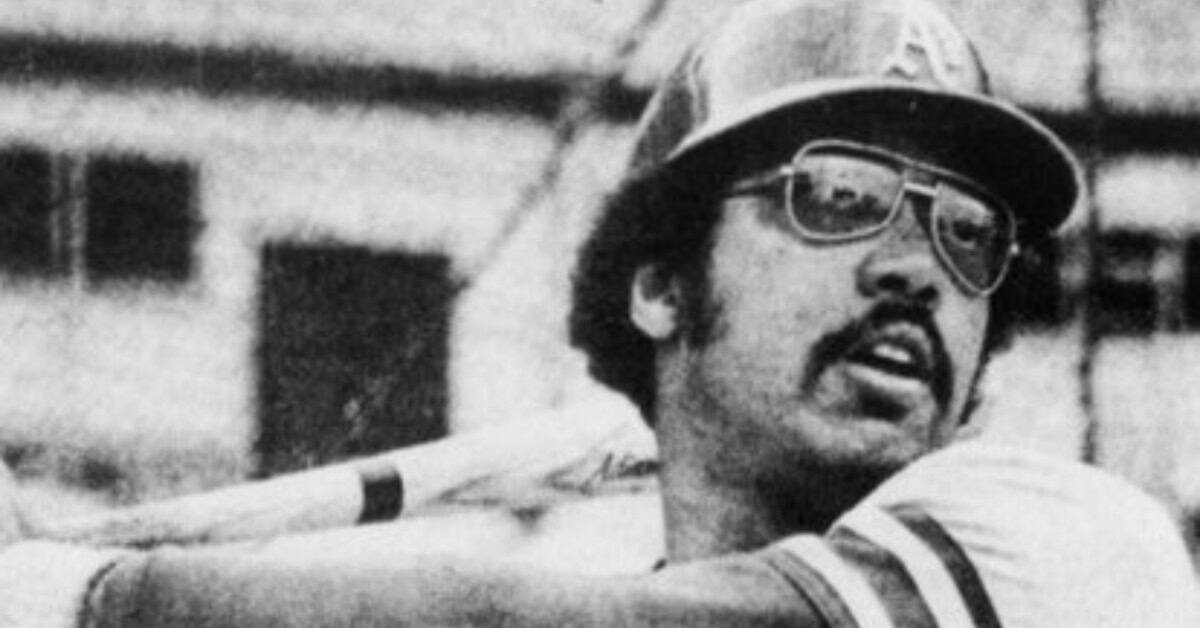
Charlie Finley’s mustached rebels in garish green and gold dared to challenge the Yankee mystique. Catfish Hunter, Reggie Jackson, and Rollie Fingers brought West Coast swagger to the Bronx, while the Yankees answered with Thurman Munson’s grit and Lou Piniella’s fire. Though they never faced each other in the playoffs, their battle for AL supremacy throughout the decade was baseball theater at its finest.
Mantle vs. Mays: The Battle for Center Field Supremacy (1951-1964)
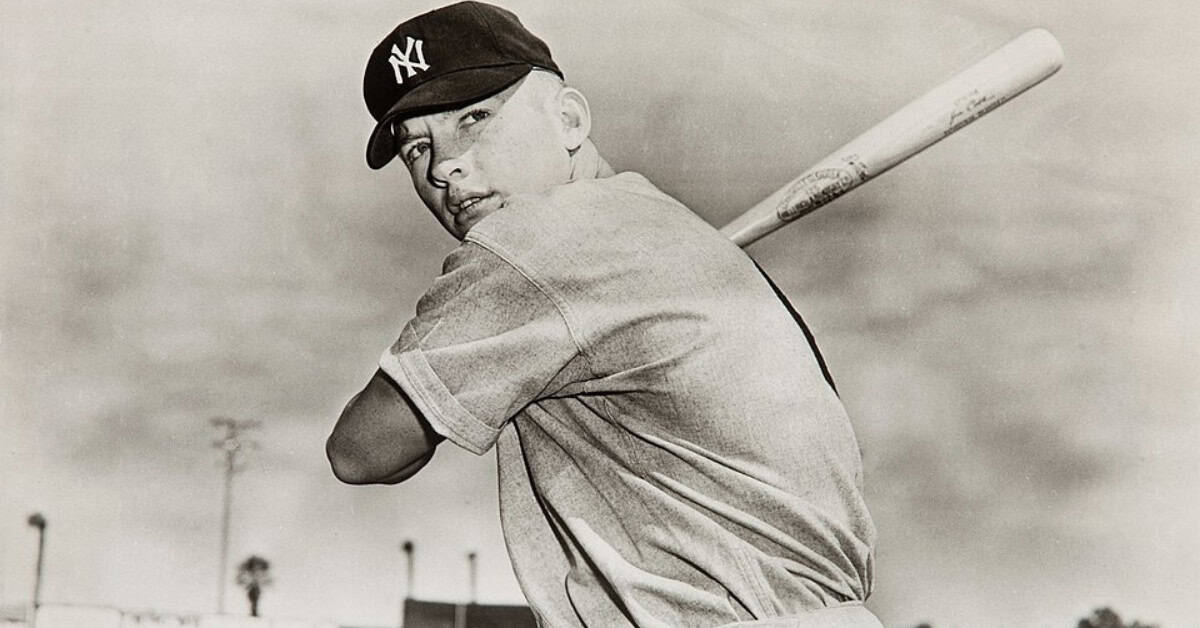
Every kid with a baseball card collection had to choose: Were you a Mantle man or a Mays believer? The Commerce Comet versus the Say Hey Kid divided baseball fans for generations. Their parallel careers in New York’s center fields gave birth to countless barroom debates about who was truly baseball’s greatest five-tool player.
Feller vs. Williams: The Kid Meets Rapid Robert (1939-1947)
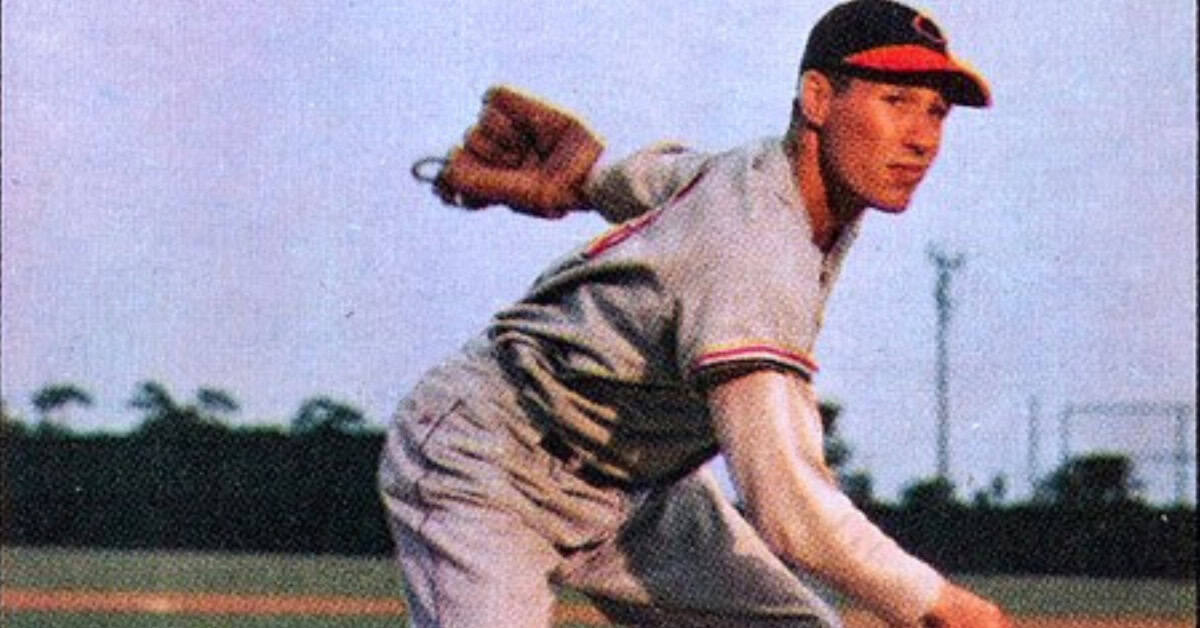
When baseball’s greatest fastball met its sweetest swing, time seemed to stand still. Feller’s 100-mph heater against Williams’ scientific approach to hitting created at-bats that fans would recall decades later. Their matchups were interrupted by World War II service, making their post-war encounters even more meaningful to a nation healing through baseball.
Braves-Phillies: The Spahn and Sain Showdowns (1947-1957)
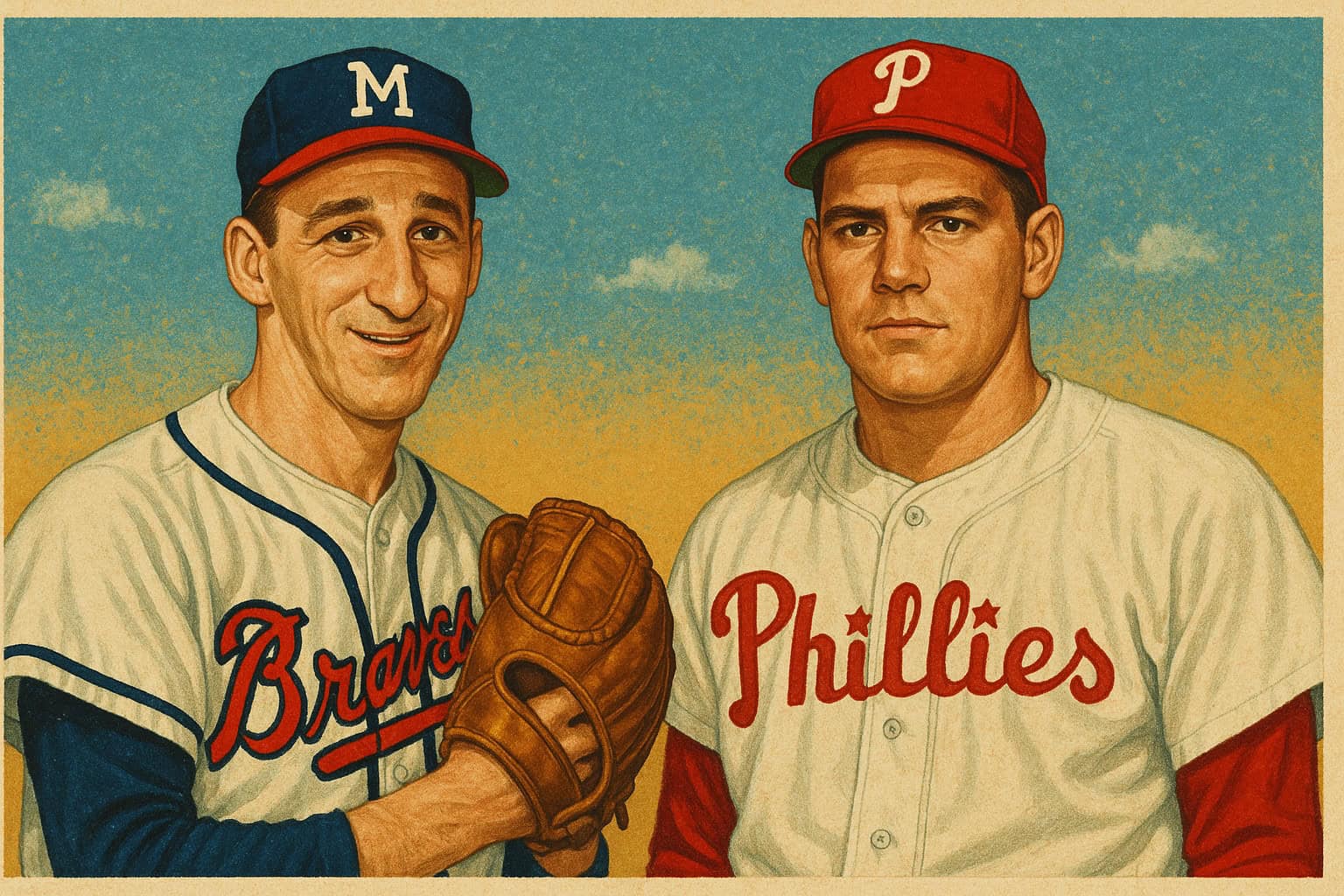
“Spahn and Sain and pray for rain” became baseball poetry, but the rivalry with the Phillies’ “Whiz Kids” wrote epic chapters in National League history. Robin Roberts dueling Warren Spahn created pitching clinics that modern hurlers still study. These games regularly finished in under two hours, with both teams executing fundamental baseball at its finest.
Tigers-Indians: The Heated Heartland Rivalry (1940-1950)
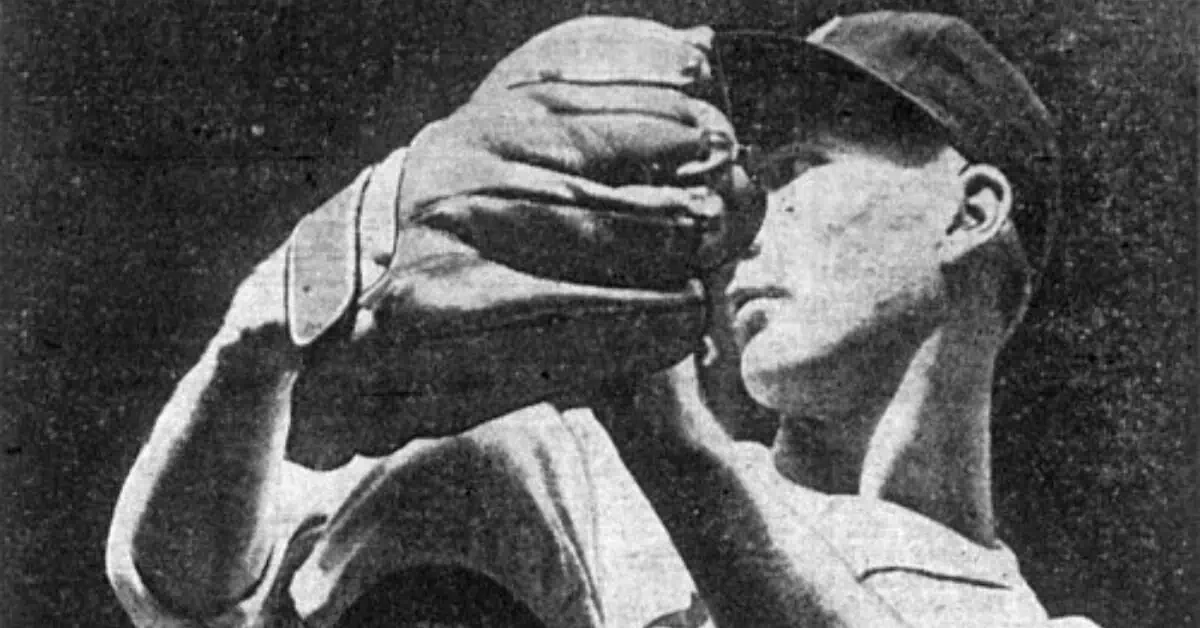
The industrial Midwest came alive when these teams met, with factory workers debating each game on assembly lines from Detroit to Cleveland. Hal Newhouser’s Tigers and Bob Feller’s Indians battled for supremacy in packed stadiums where the blue-collar crowds knew every player’s batting average. Their 1940 pennant race remains one of baseball’s most intense.
Pirates-Reds: Steel City vs. Queen City (1960-1972)
Two proud Ohio River cities, separated by 300 miles of highway and united by their love of hardball, created some of the National League’s most memorable moments. Roberto Clemente’s Pirates and Pete Rose’s Reds played a brass-knuckles brand of baseball that perfectly reflected their blue-collar cities. Every series felt like a family feud, with regional pride on the line.
Orioles-Twins: Earl Weaver’s Small Ball vs. Killer’s Power (1965-1971)
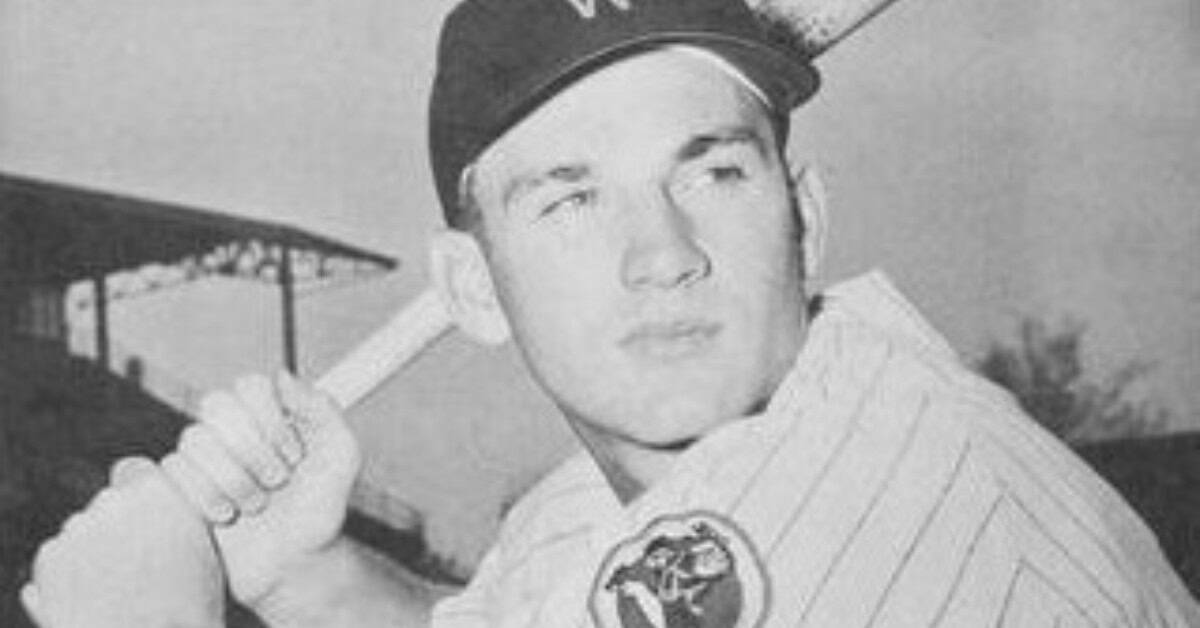
The contrast couldn’t have been starker: Earl Weaver’s three-run homer philosophy against the Twins’ murderers’ row of Killebrew, Oliva, and Allison. These teams met in epic battles that defined the American League’s golden age, with Brooks Robinson’s glove work matching Harmon Killebrew’s tape-measure shots. Their games were master classes in opposing baseball philosophies, each trying to prove their way was best.