


Last Updated: June 17th, 2026 by Michael Schatz
Picture this: Game 7, bottom of the ninth, your team clinging to a one-run lead, and one of these legendary sluggers steps into the batter’s box. These are the hitters who turned pressure into poetry, who made grown pitchers weep into their gloves, and who owned October like it was their personal playground.
Don't lose this article. Enter your email below, and I'll send it to you right now. Plus, we'll send you other unbelievable stories from baseball's past.
Babe Ruth – The Sultan of Swat Who Made Pitchers Pray

The Bambino didn’t just hit home runs—he authored symphonies of destruction that echoed through stadiums for decades. With a .326 World Series batting average and seven championship rings, Ruth turned October into his personal carnival. When the pressure mounted and lesser mortals crumbled, the Sultan of Swat would point to the bleachers and deliver theatrical devastation that made opposing managers question their life choices. His mere presence in the batter’s box was psychological warfare at its finest.
Ted Williams – The Science of Hitting Personified

The Splendid Splinter turned hitting into advanced calculus, dissecting every pitch with the precision of a surgeon and the patience of a chess master. Williams’ .344 career average wasn’t luck—it was pure scientific method applied to rawhide and ash. His eagle eyes could spot a strike zone violation from the International Space Station, and his swing was so mechanically perfect that NASA probably studied it. In a Game 7, you’d rather face a firing squad than watch Williams work a count and find his pitch.
Hank Aaron – Hammerin’ Hank’s Clutch Gene
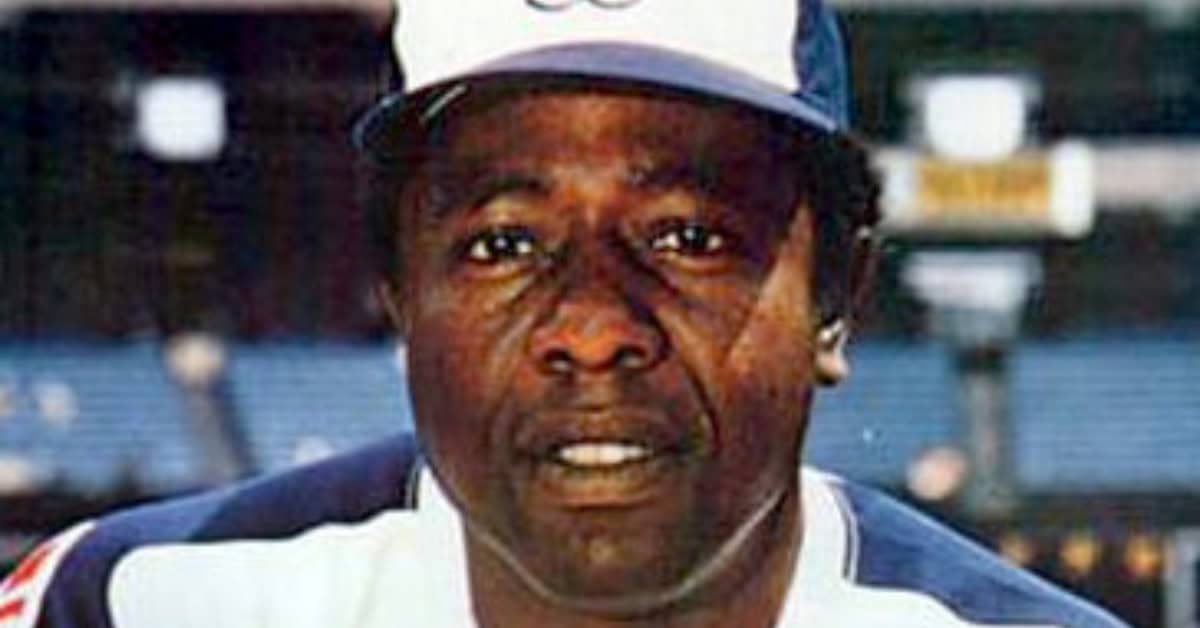
Aaron didn’t just accumulate numbers—he collected moments that stopped time and broke hearts. His .362 postseason batting average with six home runs in just 17 playoff games proves he saved his best for when it mattered most. The man who chased Babe Ruth’s ghost had ice water in his veins and dynamite in his wrists. When October arrived, Aaron transformed from quiet professional to clutch assassin, delivering devastating blows with the casual elegance of a gentleman farmer swinging a scythe.
Willie Mays – The Say Hey Kid’s October Magic
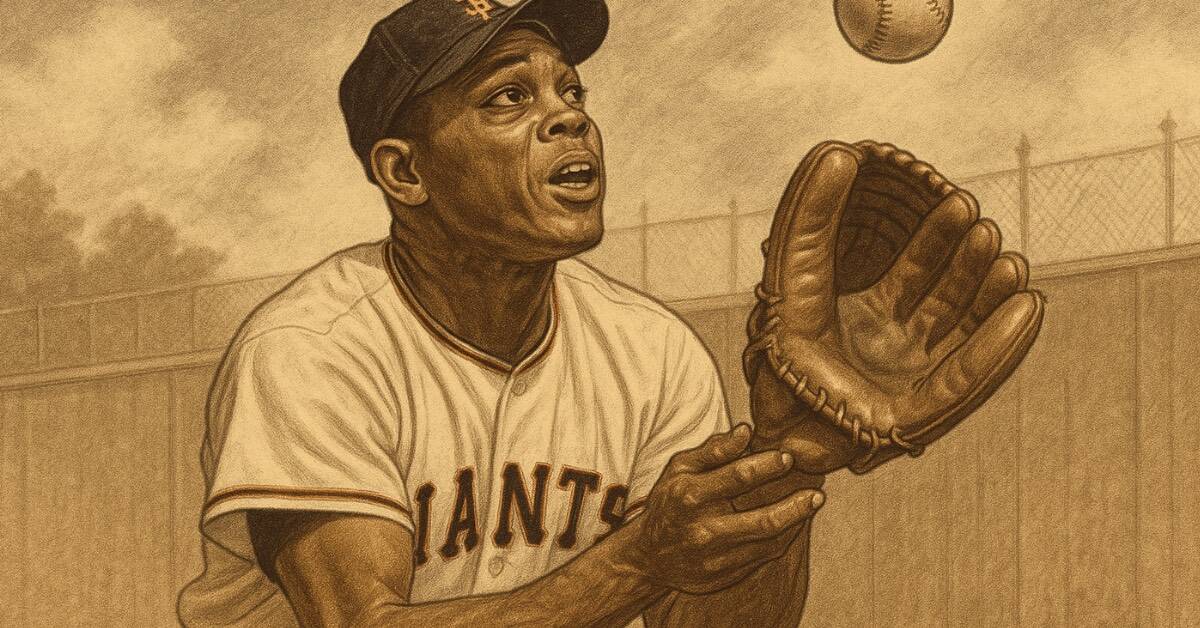
The Say Hey Kid played baseball like he was conducting an orchestra of pure joy, but in the postseason, his baton became a Louisville Slugger of doom. Mays combined otherworldly athleticism with an almost supernatural ability to rise to the occasion, turning routine at-bats into Broadway productions. His basket catches were legendary, but his clutch hitting was what gave opposing managers ulcers. When the lights burned brightest, Willie Mays didn’t just perform—he levitated, making the impossible look like a casual Tuesday afternoon in the Polo Grounds.
Mickey Mantle – Switch-Hitting Thunder from Both Sides
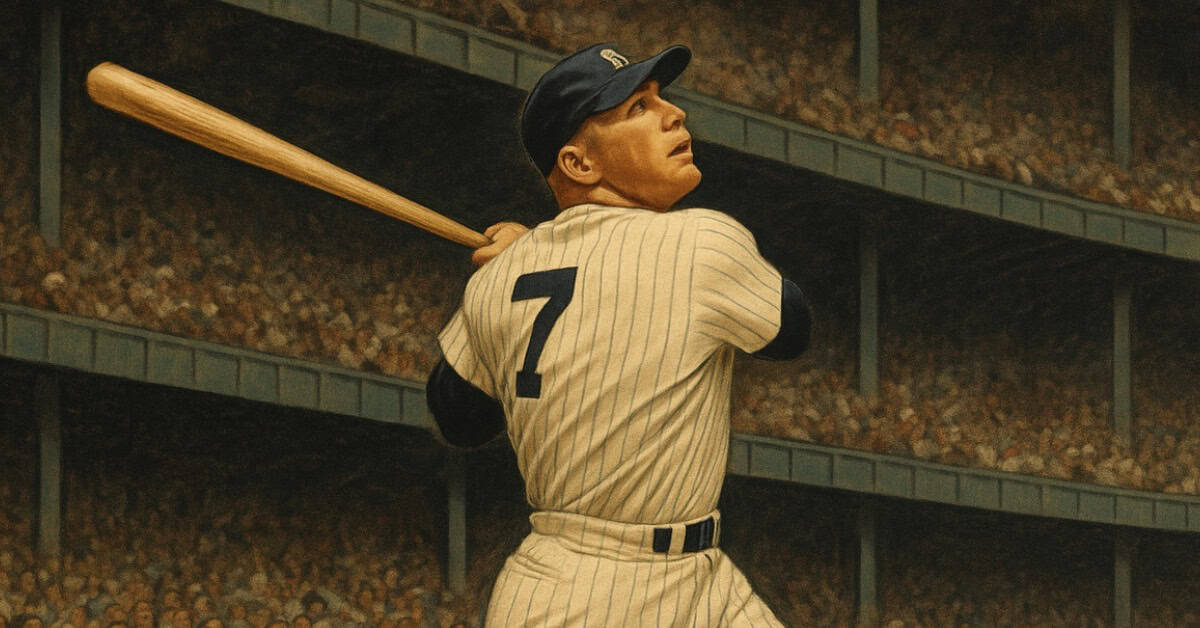
The Commerce Comet packed the power of a nuclear reactor into a frame held together by athletic tape and pure grit. Mantle’s switch-hitting prowess meant no pitcher was safe—lefty or righty, fastball or curve, Mickey could turn any offering into a satellite launch. His 18 World Series home runs and .257 October batting average tell only part of the story. The real terror was watching him dig into the box on damaged knees, knowing he could still generate enough torque to send a baseball into orbit and your championship dreams into the parking lot.
Lou Gehrig – The Iron Horse’s Unbreakable Will
The Iron Horse didn’t just show up every day—he showed up ready to demolish your hopes and dreams with methodical precision. Gehrig’s .361 World Series batting average across seven Fall Classics wasn’t flashy; it was inevitable, like death, taxes, and the Yankees winning championships. His quiet determination masked a competitive fire that burned hotter than a steel mill furnace. In Game 7, while other players felt the pressure, Lou Gehrig felt only the familiar weight of his bat and the certainty that he’d find a way to break your heart.
Tony Gwynn – The Hit Machine Who Never Met a Bad Pitch
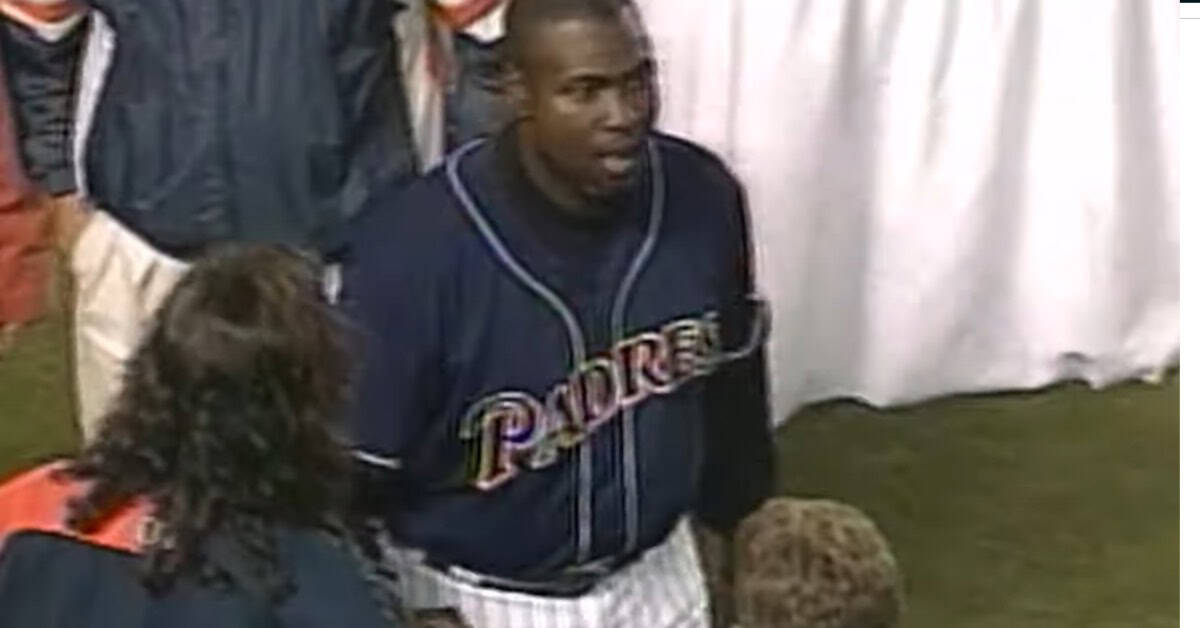
Mr. Padre turned hitting into an art form so pure it belonged in the Louvre, not a batter’s box. Gwynn’s .338 career average came from treating every at-bat like a chess match he’d already won in his head. He could foul off unhittable pitches until pitchers begged for mercy, then slap a two-strike slider through the hole between short and third with surgical precision. In a Game 7, facing Tony Gwynn was like trying to get a fastball past Father Time—technically possible, but you’d need divine intervention and a really good insurance policy.
Barry Bonds – The Most Feared At-Bat in Baseball History
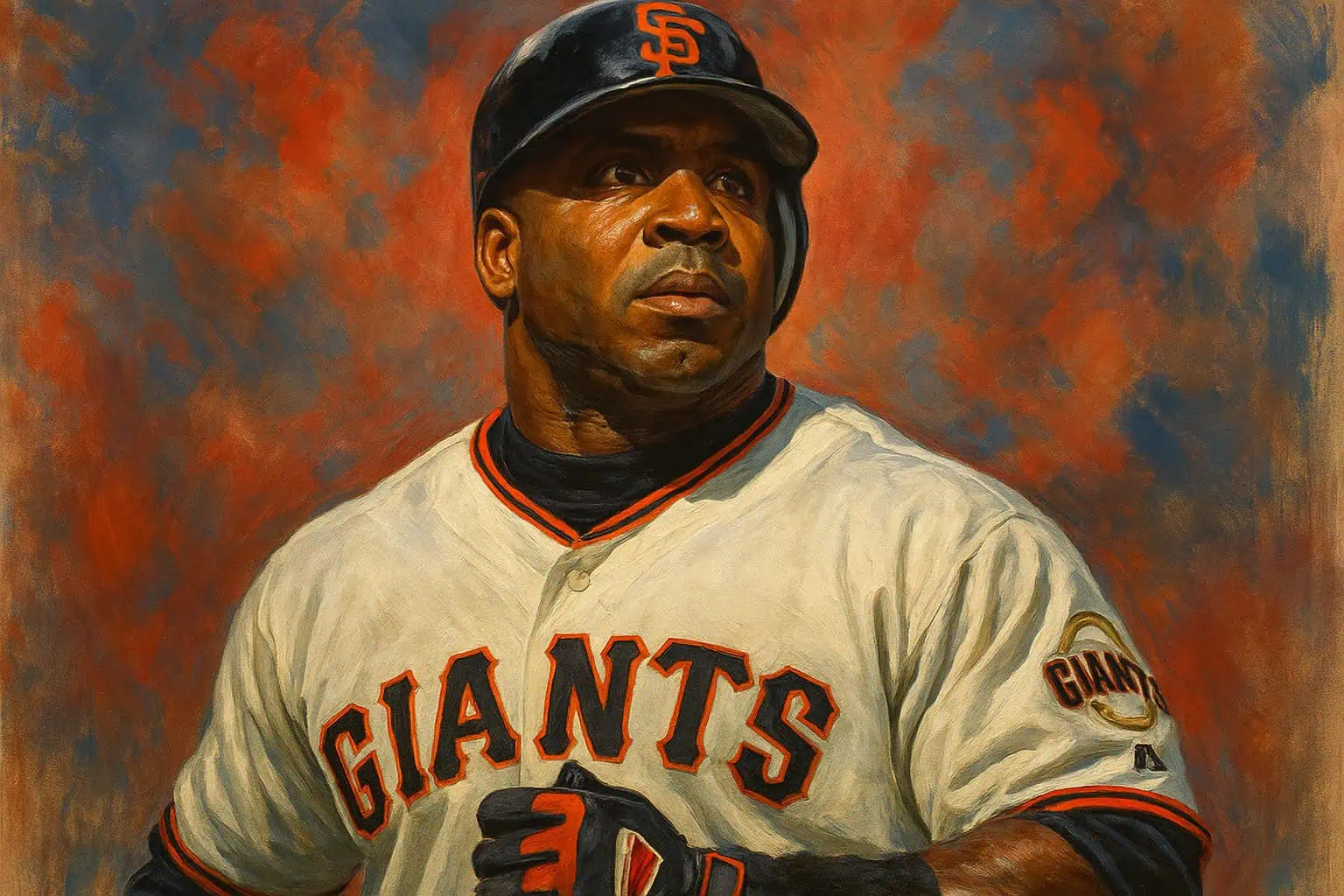
Bonds didn’t just hit home runs—he launched intercontinental ballistic missiles that left craters in distant parking lots and psychological scars on entire pitching staffs. His 2002-2004 peak was less baseball performance than natural disaster, reaching an on-base percentage as high as .609 in 2004, meaning pitchers preferred walking him to the unemployment line rather than challenging him in the strike zone. In Game 7, Barry Bonds in the batter’s box was like having a loaded howitzer pointed at your championship dreams—one mistake and you’d be picking up the pieces until spring training.
Roberto Clemente – Caribbean Fire in the Clutch

Clemente played with the passionate intensity of a Caribbean storm and the precision of a Swiss watchmaker, turning every at-bat into a personal vendetta against mediocrity. His .414 average in the 1971 World Series wasn’t just hitting—it was poetry written in line drives and doubles that carved up opposing defenses like a machete through sugar cane. The Great One carried the pride of Puerto Rico on his shoulders and channeled it into clutch performances that made grown men weep. In Game 7, Roberto Clemente didn’t just swing a bat—he wielded destiny itself.
Frank Robinson – The Triple Crown Intimidator

Frank Robinson crowded the plate like he owned real estate there, daring pitchers to challenge him while knowing they’d rather face a rabid wolverine in a phone booth. His Triple Crown season in 1966 was just the warm-up act for October heroics that included a .250 World Series average with clutch timing that could stop atomic clocks. Robinson played with a controlled fury that made smart pitchers consider career changes in accounting. In Game 7, watching Frank Robinson settle into his stance was like witnessing a controlled demolition—you knew something was about to get destroyed, you just didn’t know if it would be the baseball or your championship hopes.