
Last Updated: June 17th, 2026 by Matthew Brown
The Baseball Hall of Fame in Cooperstown stands as America’s ultimate sports shrine, where bronze plaques tell the story of our national pastime. But behind every immortalized legend, there lurks a shadow roster of the excluded—players whose absence speaks volumes about baseball’s complicated relationship with its own history. From statistical giants to game-changing pioneers, these ten snubs continue to stir debate in ballparks and barrooms across America.
Don't lose this article. Enter your email below, and I'll send it to you right now. Plus, we'll send you other unbelievable stories from baseball's past.
Dick Allen: The Most Feared Slugger Cooperstown Forgot
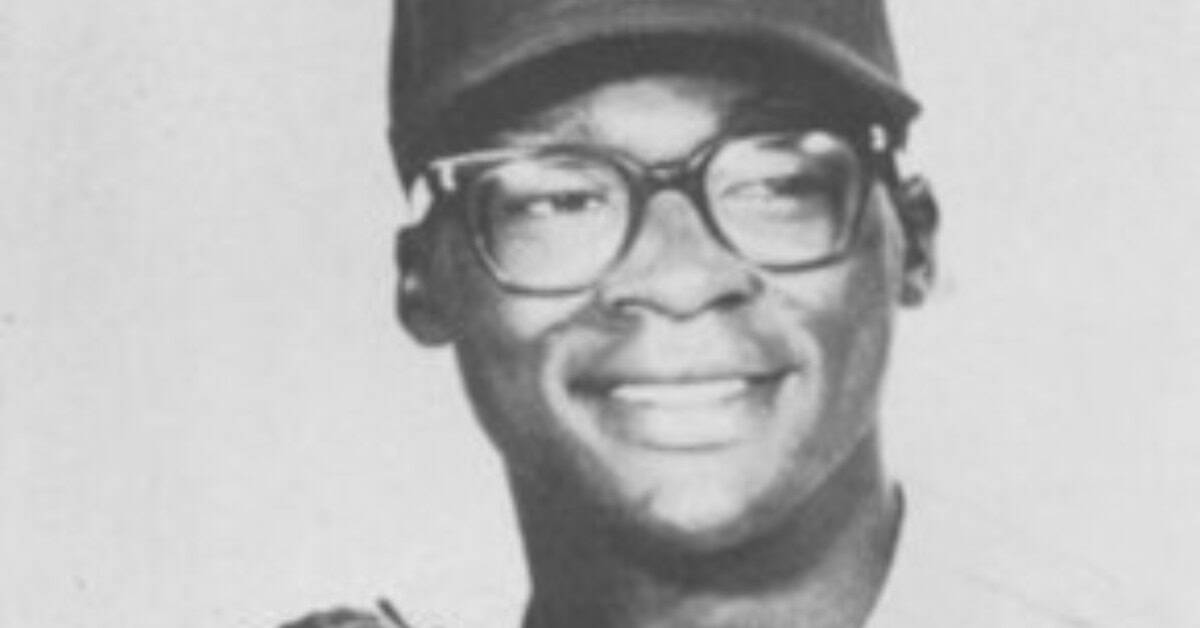
In the 1960s, pitchers would rather walk Dick Allen than face his thunderous bat—a statement backed by his career .912 OPS, higher than many Hall of Famers. The seven-time All-Star crushed baseballs with such force that he became the first player to hit a ball over the left-field grandstand roof of Philadelphia’s Connie Mack Stadium, all while facing racial tensions that would have broken lesser men. His 351 home runs and MVP award tell only part of the story of a man who changed the game both on and off the field.
Pete Rose: Baseball’s Hit King Lives in Eternal Exile
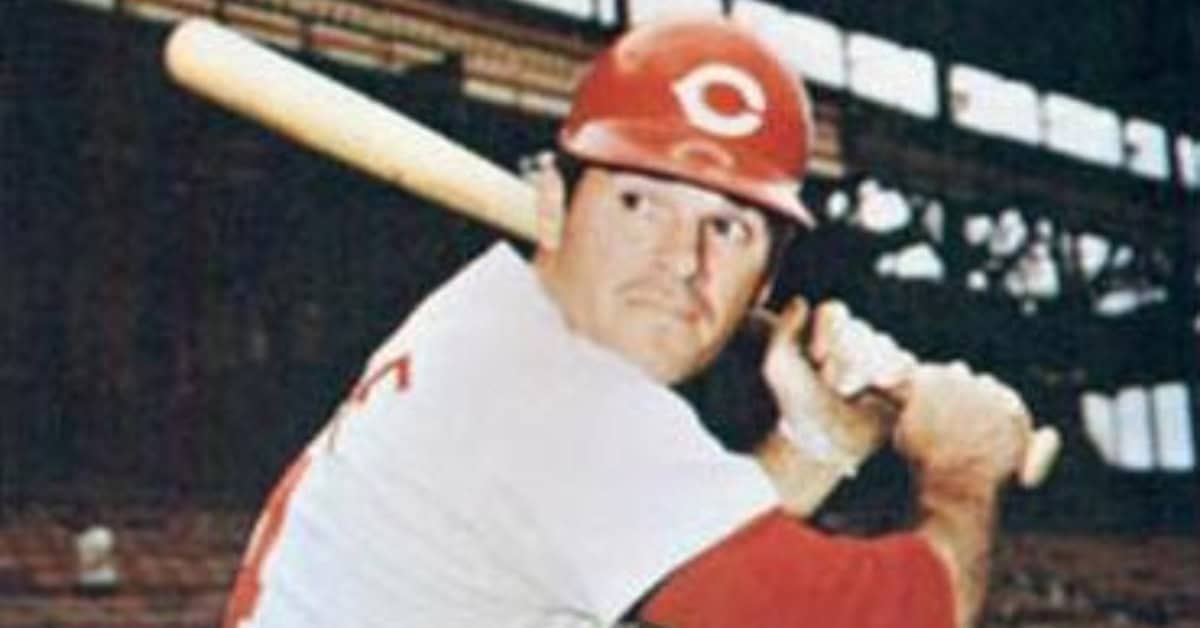
4,256 hits. The number stands alone in baseball history, a testament to Charlie Hustle’s relentless pursuit of excellence over 24 seasons. Following his death in 2024, the debate over his legacy was reignited, but his plaque will likely never hang in Cooperstown. His gambling sins were deemed unforgivable by baseball’s gatekeepers, and despite his passing, he remains on the permanently ineligible list, making him baseball’s most famous and complicated outcast.
Shoeless Joe Jackson: The Ghost of Black Sox Past
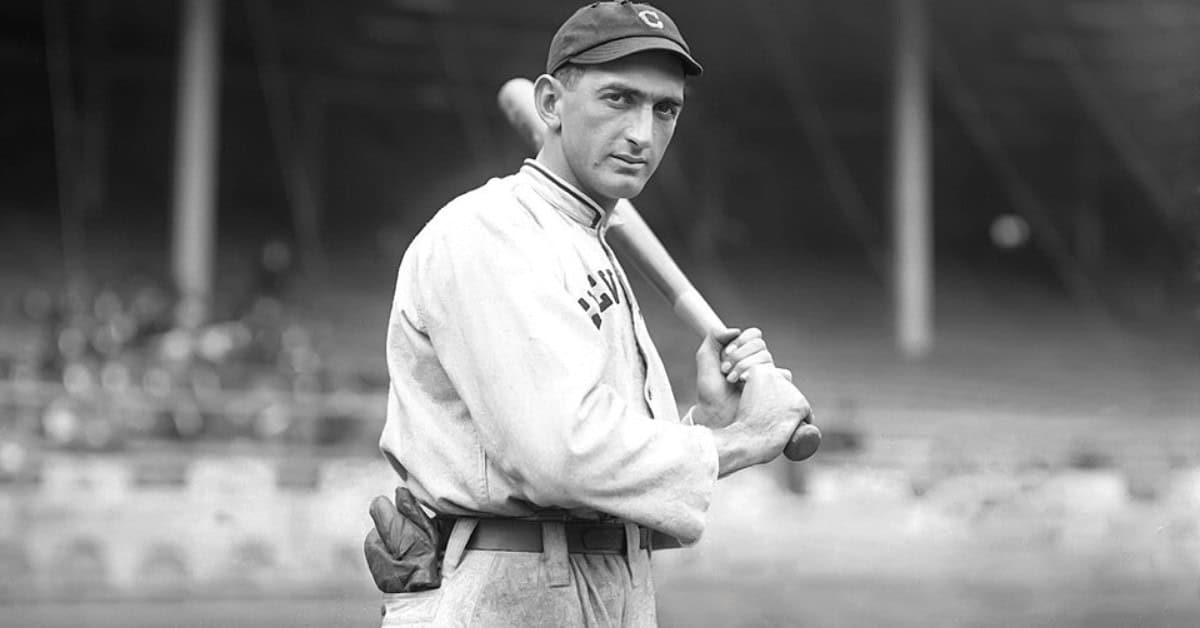
A .356 lifetime batting average speaks of unmatched hitting prowess, yet Shoeless Joe’s legacy remains forever tainted by the 1919 Black Sox scandal. Despite hitting .375 in that infamous World Series and maintaining his innocence until death, Jackson’s name became synonymous with baseball’s darkest hour. The illiterate mill worker who learned to hit by watching the movement of cotton balls remains on the outside looking in, still on baseball’s permanently ineligible list more than a century later.
Roger Maris: 61 Homers, Zero Hall of Fame Votes
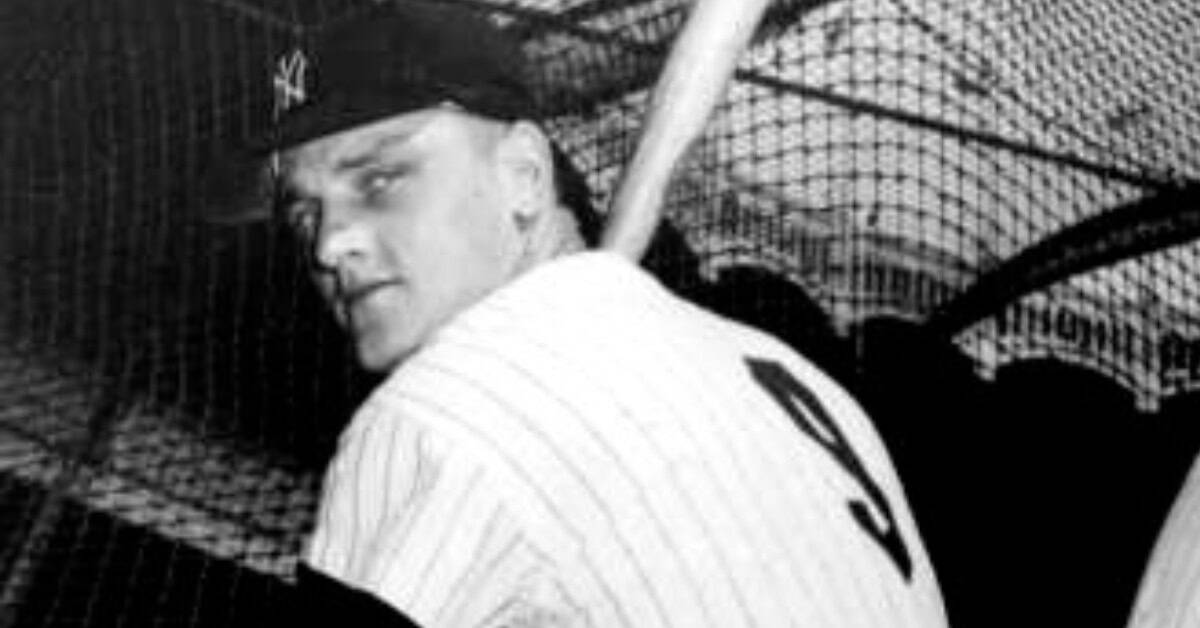
The asterisk may be gone from the record books, but the shadow it cast still dims Maris’s legacy. In 1961, under immense pressure and death threats, he achieved what many thought impossible—breaking Babe Ruth’s single-season home run record. Yet the quiet man from North Dakota, who won back-to-back MVPs and three World Series rings, never received more than 43% of Hall votes.
Graig Nettles: The Yankees’ Hot Corner Guardian
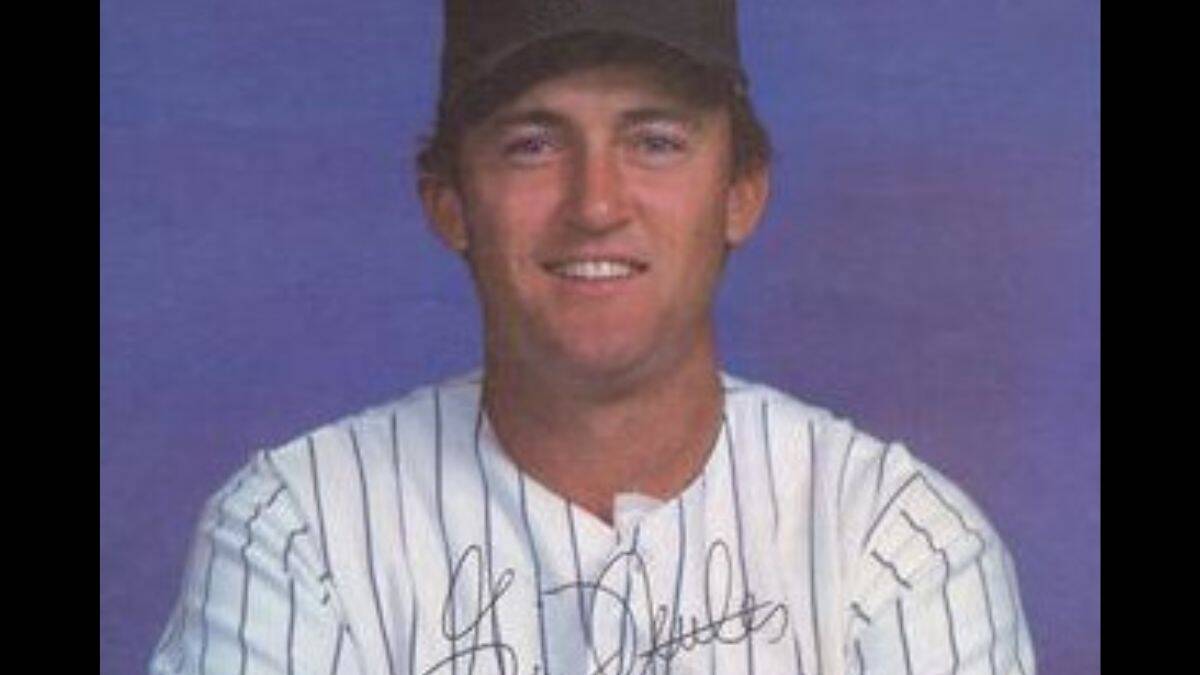
With a vacuum-like glove at third base and a powerful left-handed swing, Graig Nettles was the heart of the Yankees’ late-70s championships. He retired with 390 home runs, the most by an American League third baseman at the time, and two Gold Gloves that barely hint at his defensive dominance. Despite a career WAR (68.0) higher than many enshrined third basemen, Nettles has been consistently overlooked, a glaring omission for one of the best to ever play the hot corner.
Keith Hernandez: The Gold Glove Revolutionary

Eleven consecutive Gold Gloves tell only part of Hernandez’s defensive genius—he revolutionized first base play with his aggressive positioning and fearless charging of bunts. The 1979 NL MVP’s .296 career average and baseball IQ made him the thinking fan’s superstar, yet Cooperstown’s doors remain closed to the man who transformed his position.
Curt Flood: The Man Who Sacrificed Everything for Free Agency

Seven Gold Gloves and a .293 lifetime average only begin to measure Flood’s impact on baseball. His refusal to accept a 1969 trade challenged baseball’s reserve clause, ultimately leading to free agency—at the cost of his own career. Every multi-million dollar contract signed today owes a debt to the man who sacrificed his career for players’ rights.
Dale Murphy: The Last Boy Scout of the ’80s
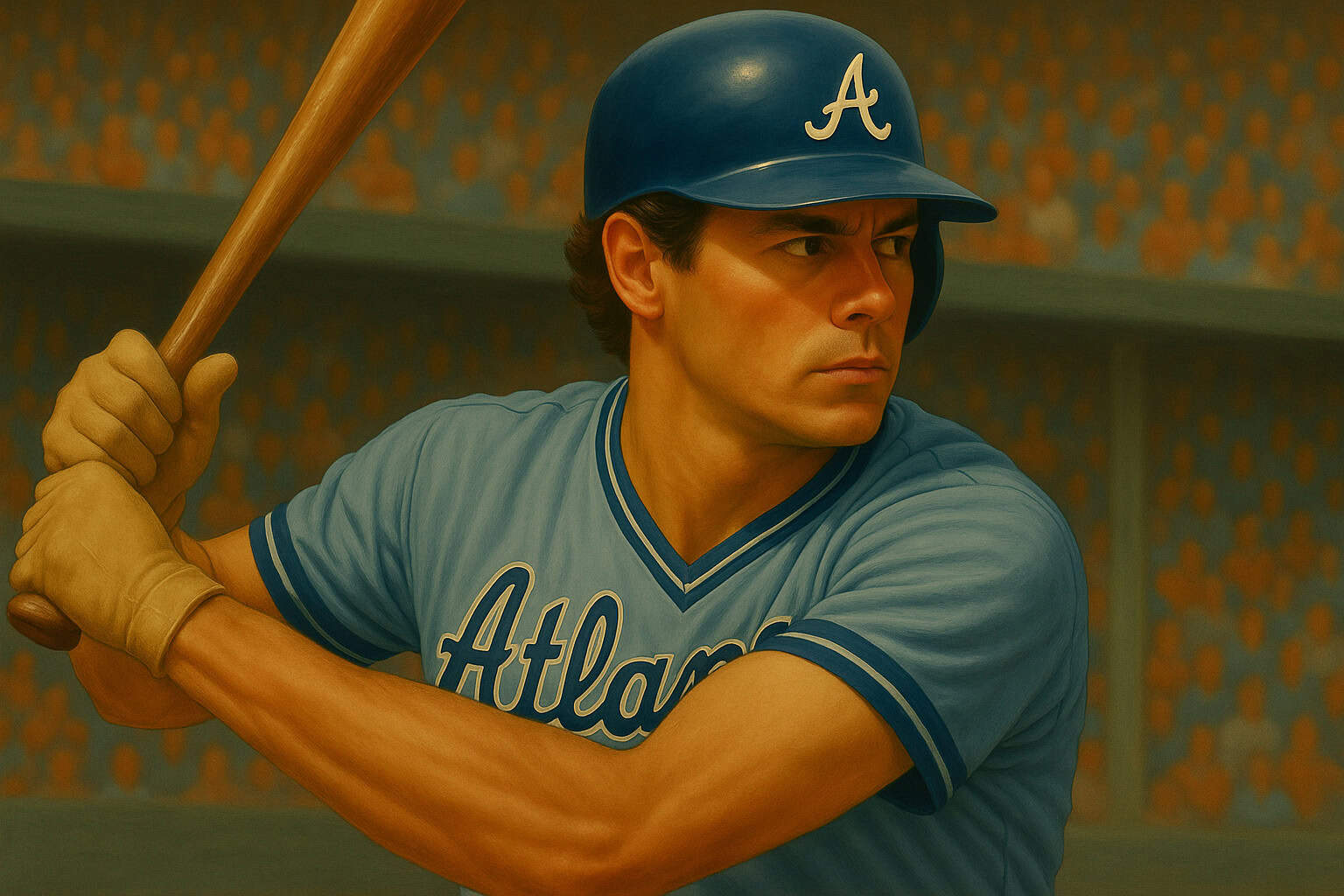
Back-to-back MVP awards, seven All-Star selections, and five Gold Gloves somehow weren’t enough for the face of the Atlanta Braves during the 1980s. Murphy’s clean-living persona and remarkable peak years defined an era, yet his decline phase seemingly overshadowed the years when he was arguably baseball’s best player.
Lou Whitaker: Half of History’s Greatest Double-Play Duo

For 19 seasons, Sweet Lou turned double plays with Alan Trammell in Detroit, forming baseball’s longest-running keystone combination. His partner made the Hall in 2018, but Whitaker—with his five All-Star appearances, three Gold Gloves, and higher career WAR than numerous Hall of Fame second basemen—fell off the ballot in his first year.
Thurman Munson: The Captain’s Tragic Final Flight
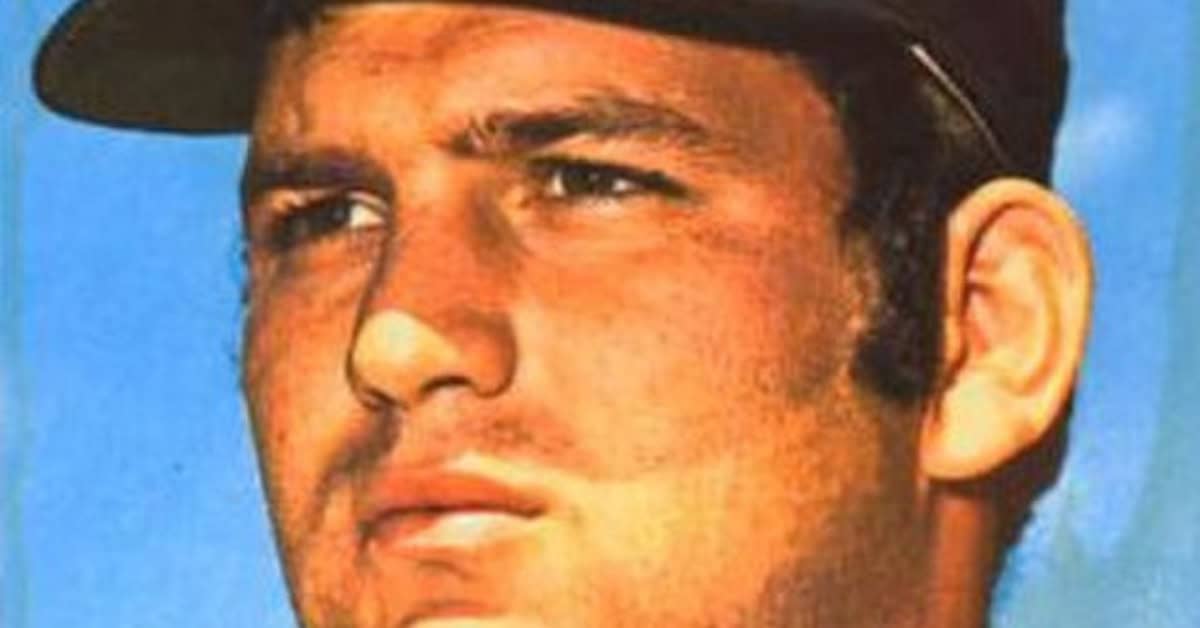
The first Yankees captain since Lou Gehrig led with grit and determination, earning MVP honors and guiding New York to two World Series titles. His tragic death in a 1979 plane crash cut short a career that included seven All-Star selections and three Gold Gloves, leaving baseball to wonder what might have been for the fierce competitor who embodied the Yankees’ 1970s renaissance.