Last Updated: June 17th, 2026 by Matthew Brown
Before closers had entrance music and saves became a sacred statistic, relief pitchers were the forgotten men of baseball—anonymous figures who emerged from the bullpen shadows when starters faltered. But somewhere between the seventh-inning stretch and the final out, these specialists transformed into the game’s most dramatic performers, carrying entire franchises on their shoulders while fans held their breath. From submarine deliveries that defied physics to knuckleballs that danced like butterflies, these twenty masters of the late innings turned the art of relief into pure theater, one save at a time.
Don't lose this article. Enter your email below, and I'll send it to you right now. Plus, we'll send you other unbelievable stories from baseball's past.
20. Mariano Rivera's Cutter That Made Yankee Stadium a House of Broken Dreams (HOF)
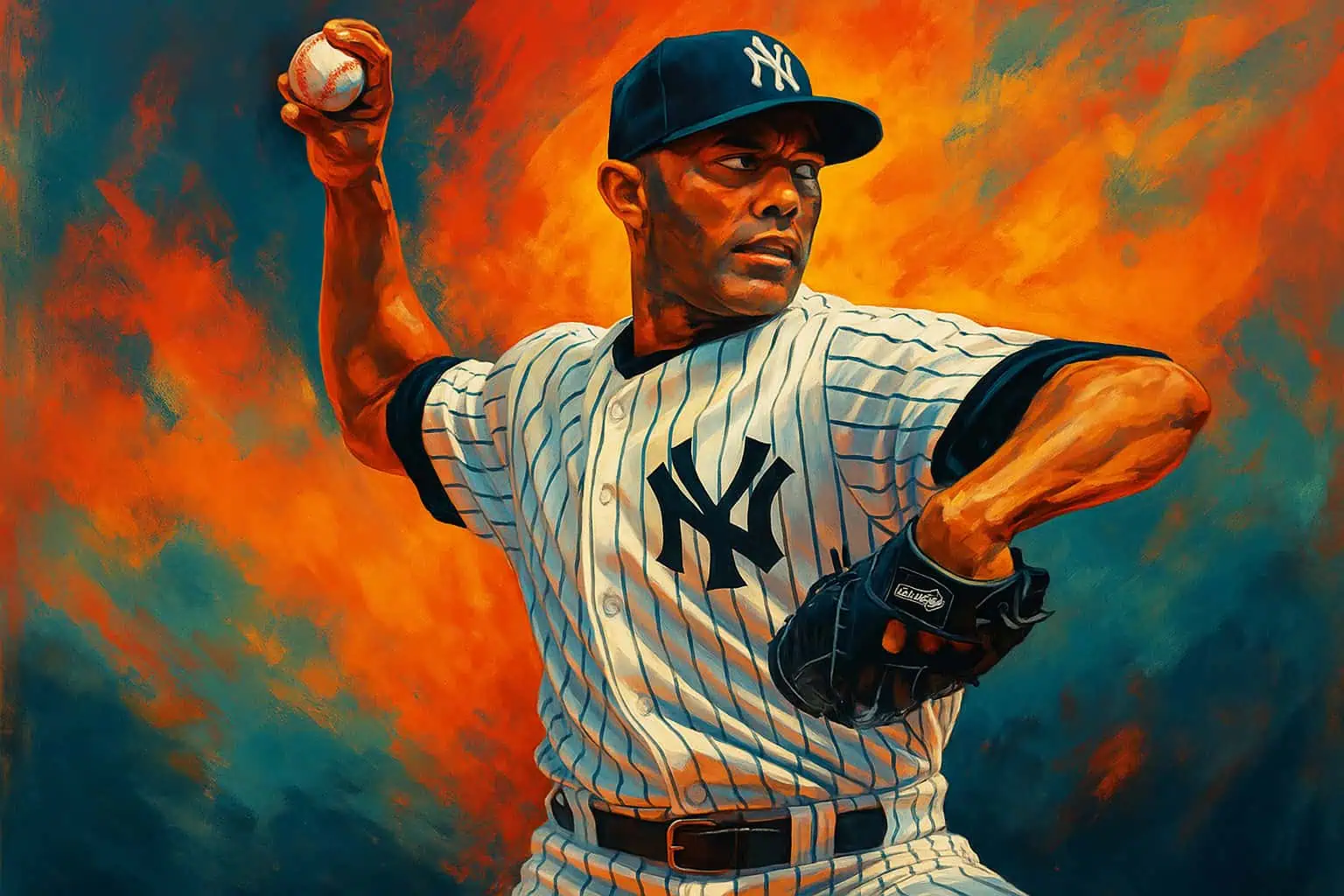
Mariano Rivera’s cutter wasn’t just a pitch—it was a religious experience delivered at 95 mph, turning the most confident hitters into broken men walking back to dugouts filled with splinters. Mo’s cutter had the supernatural ability to make million-dollar lumber look like toothpicks, creating a graveyard of shattered bats around home plate that became as iconic as the pitcher himself. When Rivera entered games to the sound of “Enter Sandman,” opposing batters knew they were about to face the Grim Reaper of baseball, armed with a cutter that could cut through both wood and dreams with equal precision.
| Mariano Rivera — Career | Total |
|---|---|
| W | 82 |
| L | 60 |
| ERA | 2.21 |
| G | 1115 |
| IP | 1283.2 |
| SO | 1173 |
| WHIP | 1.00 |
| SV | 652 |
| All-Star selections | 13 |
| World Series titles | 5 |
19. Bruce Sutter's Split-Finger That Launched a Revolution (HOF)
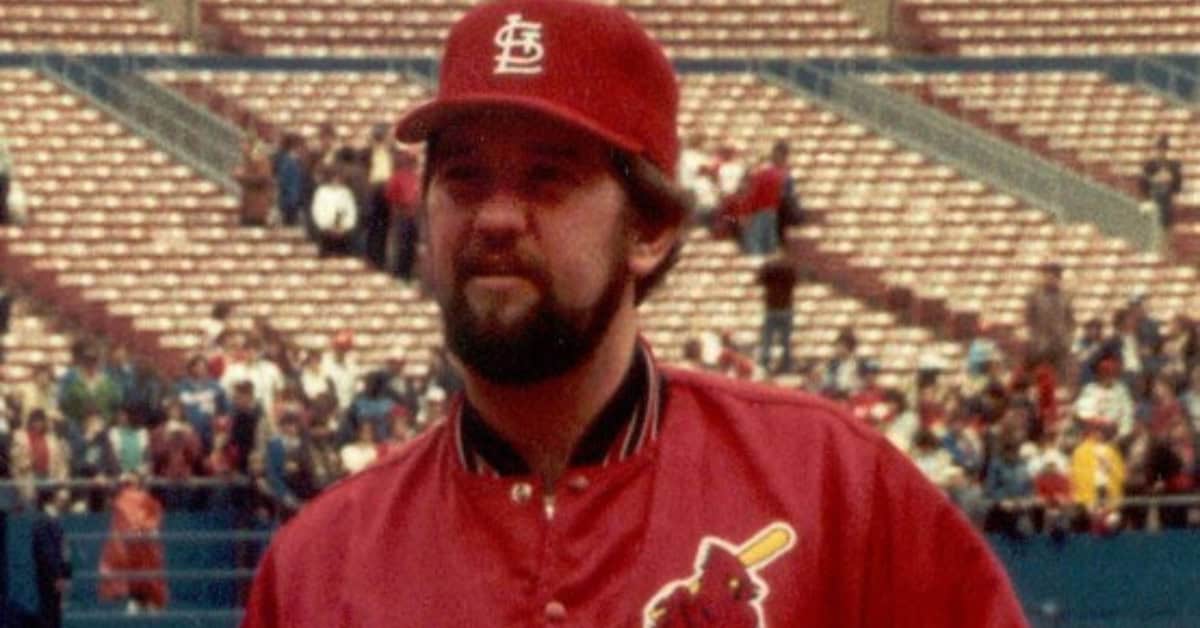
Bruce Sutter’s split-finger fastball was the bridge between the old forkball and the modern splitter, a pitch so effective it earned him a bronze plaque in Cooperstown and spawned countless imitators across baseball. Sutter’s splitter looked like a fastball leaving his hand, but dropped like a stone, hitting water, creating that magical moment when hitters’ faces went from confident to confused in the span of 60 feet. When Sutter gripped that ball with his fingers spread wide, he wasn’t just throwing a pitch—he was launching a revolution that would change relief pitching forever, turning closers from afterthoughts into superstars.
| Bruce Sutter — Career | Total |
|---|---|
| W | 68 |
| L | 71 |
| ERA | 2.83 |
| G | 661 |
| IP | 1042.0 |
| SO | 861 |
| WHIP | 1.14 |
| SV | 300 |
| Cy Young | 1 |
| All-Star selections | 6 |
| World Series titles | 1 |
18. Dan Quisenberry’s Submarine Style That Surfaced in Kansas City

Dan Quisenberry’s submarine delivery was like watching a magician perform underwater, with the Royals closer’s sidearm motion making his sinker appear to rise from the depths of Kauffman Stadium’s artificial turf. Quiz’s delivery was so unique that hitters looked like they were trying to hit a ball thrown by someone lying on the ground, creating ground ball after ground ball while Kansas City’s defense turned routine plays into works of art. When Quisenberry wound up with that distinctive motion, Royals fans knew they were watching something special—a pitcher who proved that sometimes the most effective way to get hitters out is to do the exact opposite of what everyone else is doing.
| Dan Quisenberry — Career | Total |
|---|---|
| W | 56 |
| L | 46 |
| ERA | 2.76 |
| G | 674 |
| IP | 1043.1 |
| SO | 379 |
| WHIP | 1.18 |
| SV | 244 |
| All-Star selections | 3 |
| World Series titles | 1 |
17. Hoyt Wilhelm's Knuckleball That Danced Through Decades (HOF)
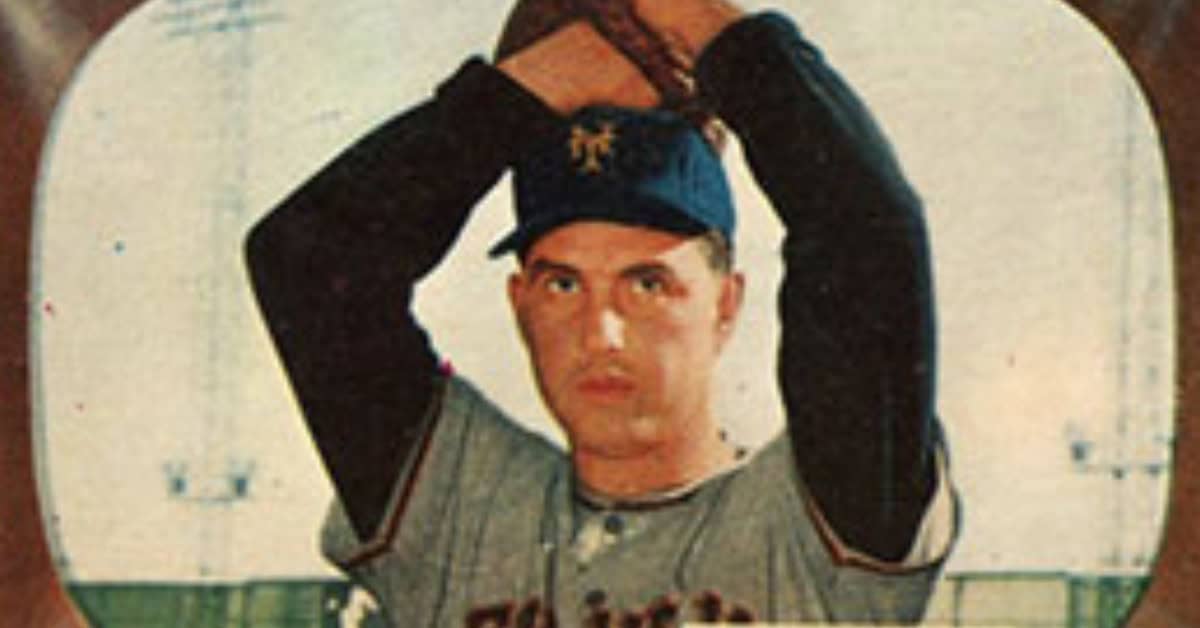
Hoyt Wilhelm’s knuckleball was like a butterfly with a mind of its own, floating through the strike zone with unpredictable movement that baffled hitters and catchers alike for over two decades. Wilhelm’s knuckler was so effective it allowed him to pitch until he was 49 years old, proving that sometimes the softest pitch can be the hardest to hit. When Wilhelm took the mound with his knuckleball dancing in the wind, fans witnessed the perfect marriage of art and longevity, watching a master craftsman use one pitch to defy Father Time and redefine what it meant to be a relief pitcher.
| Hoyt Wilhelm — Career | Total |
|---|---|
| W | 143 |
| L | 122 |
| ERA | 2.52 |
| G | 1070 |
| IP | 2254.1 |
| SO | 1610 |
| WHIP | 1.12 |
| SV | 227 |
16. Lee Smith's Giant Presence That Dominated Chicago Afternoons (HOF)
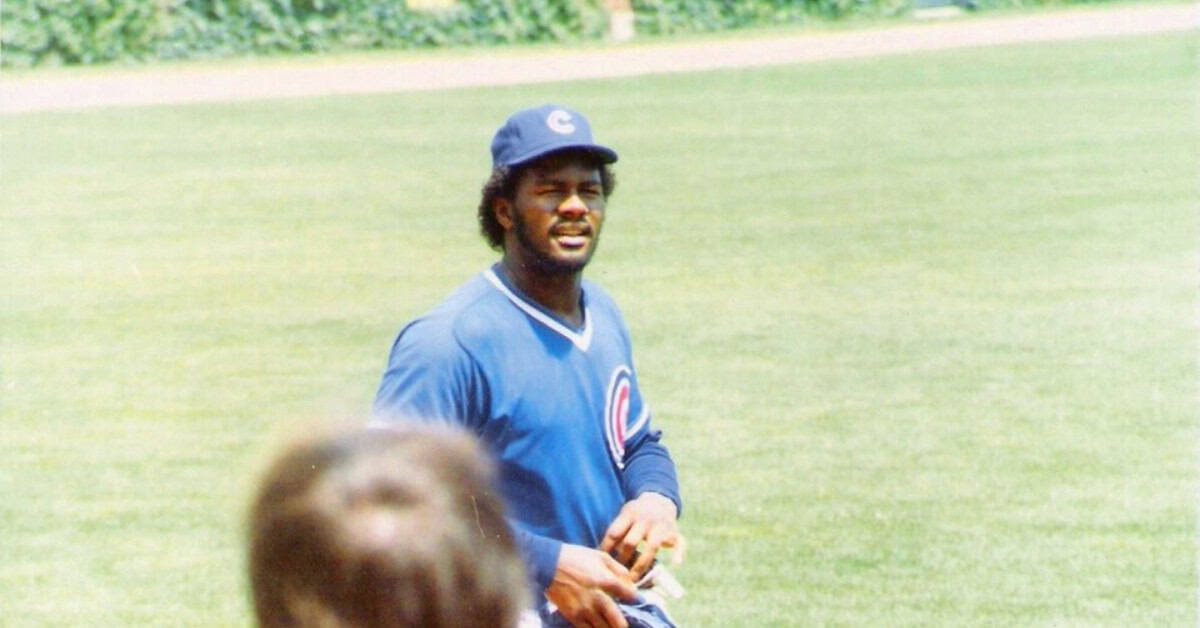
Lee Smith’s 6’6″ frame cast a shadow over Wrigley Field that seemed to stretch all the way to the ivy-covered walls, with the towering right-hander’s presence alone enough to make opposing hitters feel like they were facing a skyscraper with a 95-mph fastball. Smith’s intimidating stare and overpowering stuff made him the perfect closer for Chicago’s day games, where his fastball seemed to get faster as the afternoon sun beat down on the friendly confines. When Smith jogged in from the bullpen with his game face on, Cubs fans knew they were watching pure dominance in human form, a gentle giant who became a monster when the game was on the line.
| Lee Smith — Career | Total |
|---|---|
| W | 71 |
| L | 92 |
| ERA | 3.03 |
| G | 1022 |
| IP | 1289.1 |
| SO | 1251 |
| WHIP | 1.26 |
| SV | 478 |
| All-Star selections | 7 |
15. Goose Gossage's Fu Manchu Fear Factory That Terrorized the '70s (HOF)
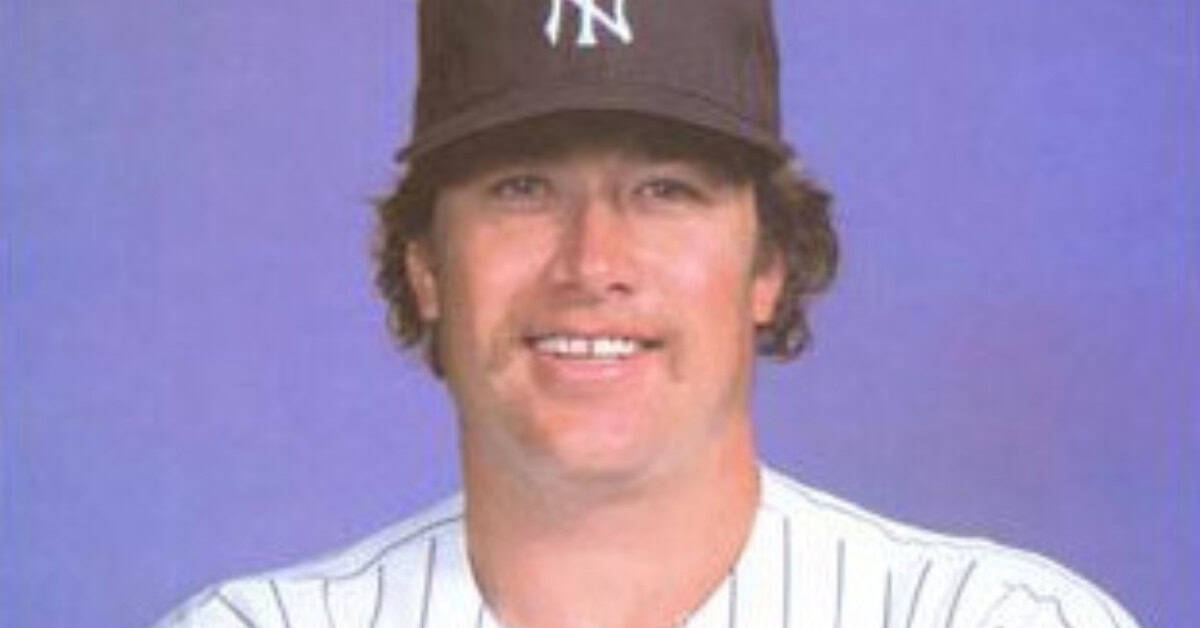
Goose Gossage’s Fu Manchu mustache was almost as intimidating as his 100-mph fastball, creating a menacing presence on the mound that made hitters feel like they were facing a Wild West gunslinger in pinstripes. Gossage’s combination of blazing speed and fierce competitiveness turned every save situation into a showdown at high noon, with opposing batters often looking defeated before they even stepped into the box. When the Goose honked his way to the mound with that distinctive facial hair bristling, fans knew they were about to witness old-school intimidation at its finest, a throwback to when relievers were hired guns who settled scores with pure heat.
| Rich Gossage — Career | Total |
|---|---|
| W | 124 |
| L | 107 |
| ERA | 3.01 |
| G | 1002 |
| IP | 1809.1 |
| SO | 1502 |
| WHIP | 1.23 |
| SV | 310 |
| All-Star selections | 9 |
| World Series titles | 1 |
14. Kent Tekulve’s Submarine Specs That Delivered Pittsburgh Gold

Kent Tekulve’s thick glasses and submarine delivery made him look like a mad scientist conducting experiments from the pitcher’s mound, but his results were pure gold for Pittsburgh’s championship team. Tekulve’s sidearm motion was so low it seemed like he was throwing underhand, creating a unique angle that made his slider nearly unhittable for right-handed batters. When Tekulve took the mound at Three Rivers Stadium with his glasses gleaming under the lights, Pirates fans knew they were watching one of baseball’s most unique characters use his distinctive style to close out another victory for the Steel City.
| Kent Tekulve — Career | Total |
|---|---|
| W | 94 |
| L | 90 |
| ERA | 2.85 |
| G | 1050 |
| IP | 1436.2 |
| SO | 779 |
| WHIP | 1.25 |
| SV | 184 |
| All-Star selections | 1 |
| World Series titles | 1 |
13. John Franco’s Brooklyn-Born Changeup That Conquered Queens
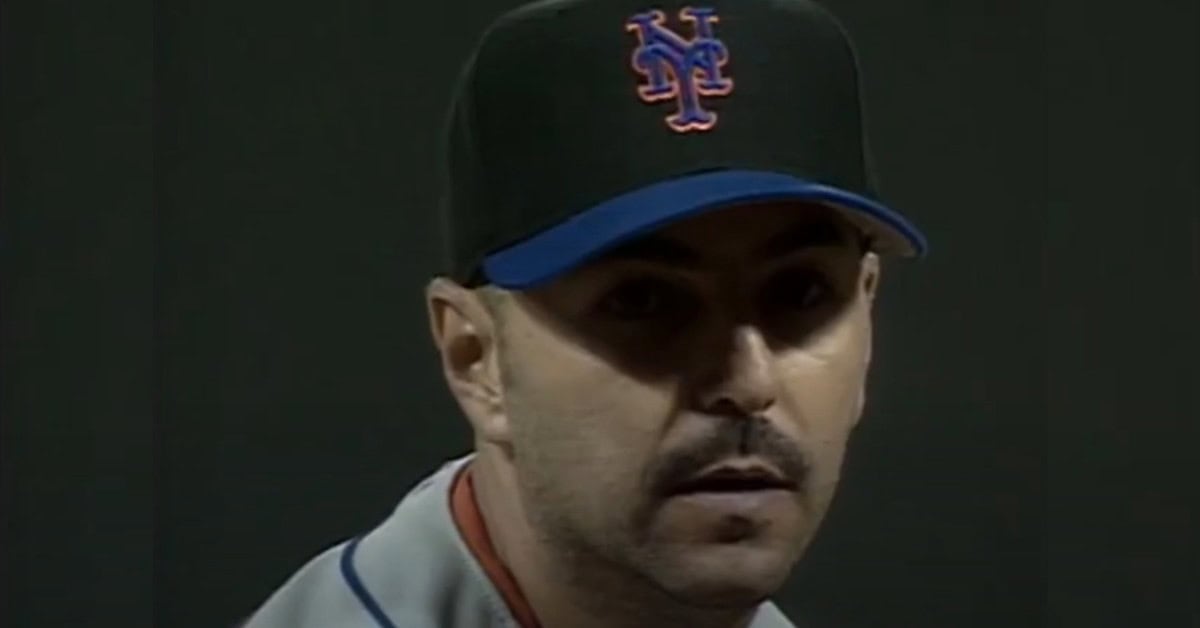
John Franco’s changeup was pure New York attitude wrapped in cowhide, with the Brooklyn native’s devastating off-speed pitch becoming the signature of his long and successful career as the Mets’ closer. Franco’s changeup had the same tough-guy swagger as the pitcher himself, floating toward the plate with deceptive ease before leaving hitters swinging at air while Shea Stadium erupted. When Franco jogged in from the bullpen with his changeup working, Mets fans knew they were watching one of their own make good on the biggest stage, a hometown hero who understood what it meant to pitch in New York and thrive under the pressure.
| John Franco — Career | Total |
|---|---|
| W | 90 |
| L | 87 |
| ERA | 2.89 |
| G | 1119 |
| IP | 1245.2 |
| SO | 975 |
| WHIP | 1.33 |
| SV | 424 |
| All-Star selections | 4 |
12. Dennis Eckersley's Eck Attack That Redefined the Closer Role (HOF)
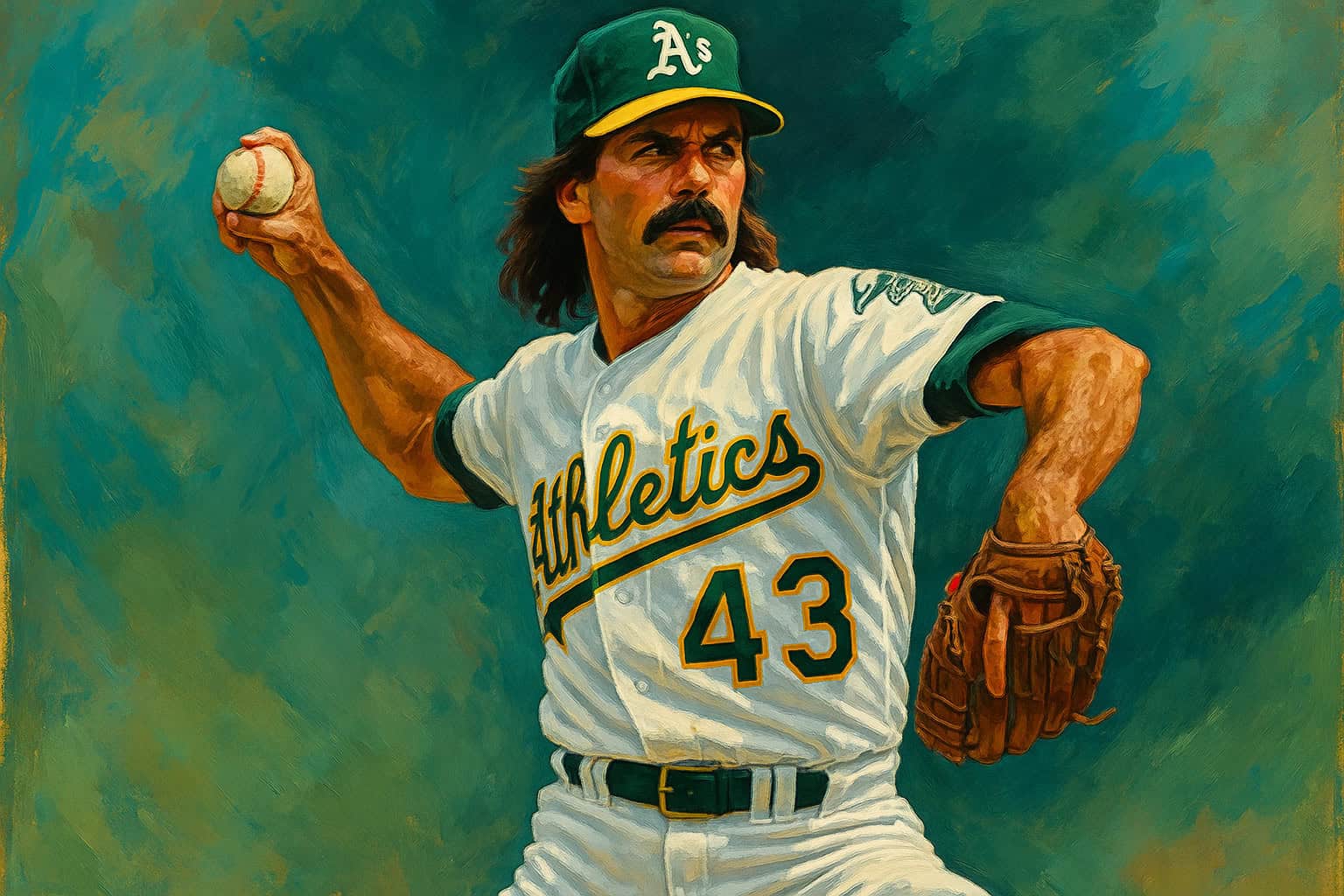
Dennis Eckersley’s slider was the pitch that transformed him from a good starter to a legendary closer, a devastating weapon that made the Oakland Coliseum’s ninth inning feel like a guaranteed victory for the green and gold. Eck’s slider was like a heat-seeking missile programmed to find the outside corner, breaking so late and so hard that hitters looked foolish even when they knew it was coming. When Eckersley strutted to the mound with his slider working and his mustache bristling, Athletics fans knew they were watching the evolution of relief pitching, a new breed of closer who could dominate with one unhittable pitch and enough personality to fill a stadium.
| Dennis Eckersley — Career | Total |
|---|---|
| W | 197 |
| L | 171 |
| ERA | 3.50 |
| G | 1071 |
| IP | 3285.2 |
| SO | 2401 |
| WHIP | 1.16 |
| SV | 390 |
| MVP | 1 |
| Cy Young | 1 |
| All-Star selections | 6 |
| World Series titles | 1 |
11. Joe Page’s Fireman Role That Started the Relief Revolution
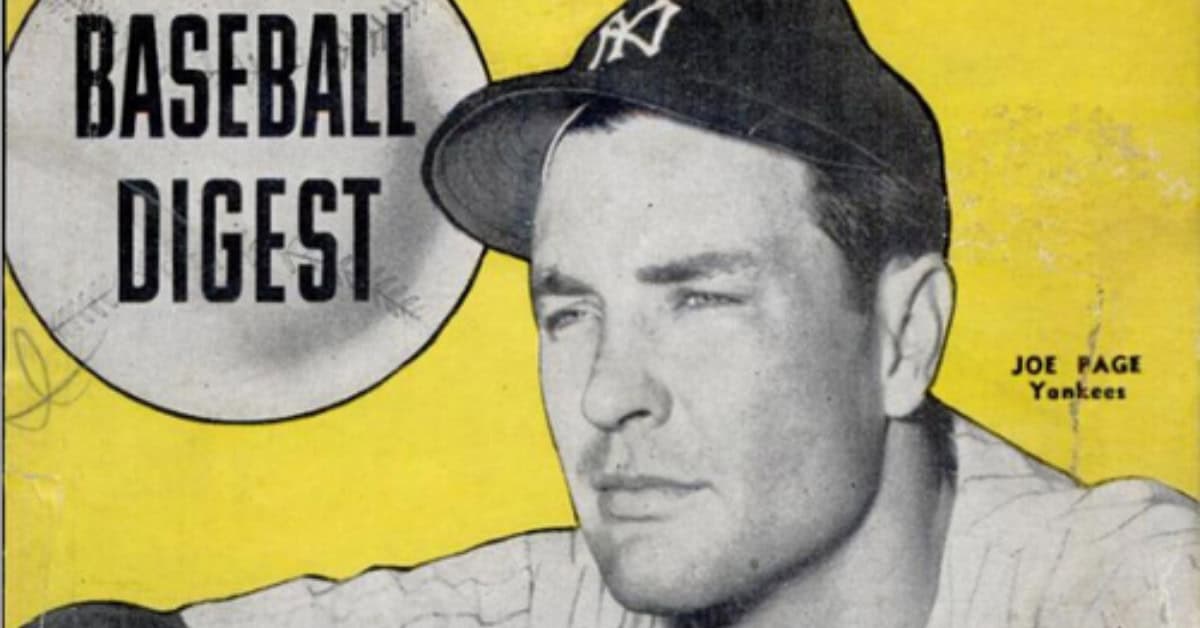
Joe Page was one of baseball’s pioneering firemen, racing in from the bullpen to put out rallies with the same urgency that real firefighters brought to five-alarm blazes in 1940s New York. Page’s fastball was the water that doused opposing teams’ championship hopes, establishing the template for what a closer should be long before anyone used that term. When Page jogged in from the Yankee Stadium bullpen with the game on the line, fans witnessed the birth of modern relief pitching, watching a pioneer who proved that sometimes the most important innings are the ones that come at the very end.
| Joe Page — Career | Total |
|---|---|
| W | 57 |
| L | 49 |
| ERA | 3.53 |
| G | 285 |
| IP | 790.0 |
| SO | 519 |
| WHIP | 1.45 |
| SV | 76 |
| All-Star selections | 3 |
| World Series titles | 2 |
10. Willie Hernandez’s 1984 Magic That Made Detroit Believe
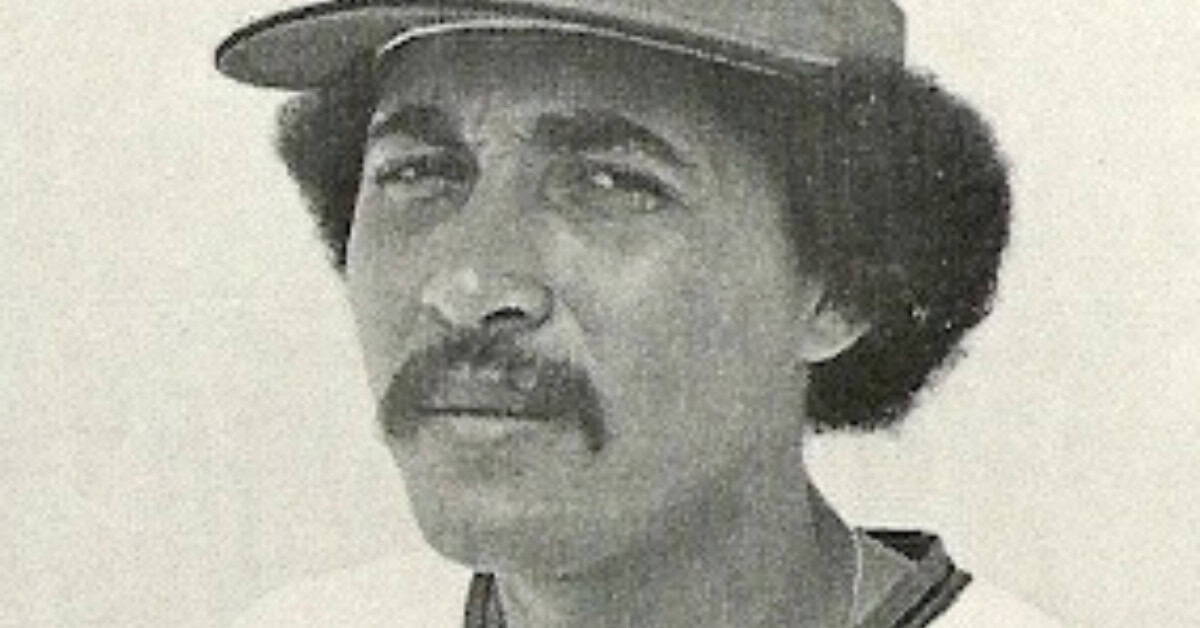
Willie Hernandez’s screwball was the closing argument in Detroit’s 1984 championship case, with the Puerto Rican reliever’s reverse-breaking pitch sealing victory after victory for the wire-to-wire Tigers. His screwball didn’t just save games—it saved a city’s season, giving Motor City fans something to celebrate during tough economic times while Tiger Stadium rocked with championship fever. When Hernandez wound up and delivered that screwball in the ninth inning, Detroit knew the game was over and another celebration was about to begin, watching a master closer use one devastating pitch to deliver the city’s first World Series title in sixteen years.
| Willie Hernandez — Career | Total |
|---|---|
| W | 70 |
| L | 63 |
| ERA | 3.38 |
| G | 744 |
| IP | 1044.2 |
| SO | 788 |
| WHIP | 1.25 |
| SV | 147 |
| MVP | 1 |
| Cy Young | 1 |
| All-Star selections | 3 |
| World Series titles | 1 |
9. Sparky Lyle’s Bronx Zoo Slider That Tamed New York
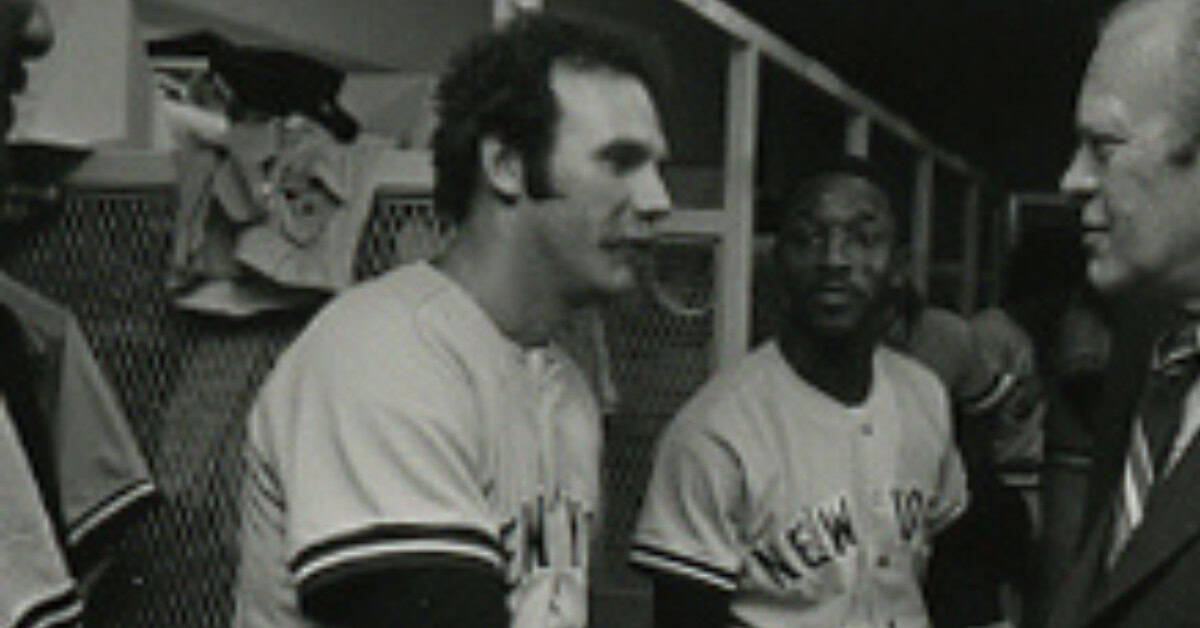
Sparky Lyle’s slider was the perfect closing argument for Yankee Stadium’s championship cases, a left-handed pitch that seemed to get sharper as the pressure mounted and the Bronx Zoo got wilder. Lyle’s slider was like a magician’s final trick—it looked ordinary until the last moment when it would dart away from hitters, leaving them swinging at shadows while the crowd erupted. When Lyle jogged in from the bullpen with his slider working, Yankees fans knew the game was over before the first pitch was thrown, watching a master craftsman use one devastating pitch to slam the door on another championship celebration in the madhouse that was 1970s New York.
| Sparky Lyle — Career | Total |
|---|---|
| W | 99 |
| L | 76 |
| ERA | 2.88 |
| G | 899 |
| IP | 1390.1 |
| SO | 873 |
| WHIP | 1.28 |
| SV | 238 |
8. Dick Radatz’s “Monster” Mastery That Haunted Fenway Nights
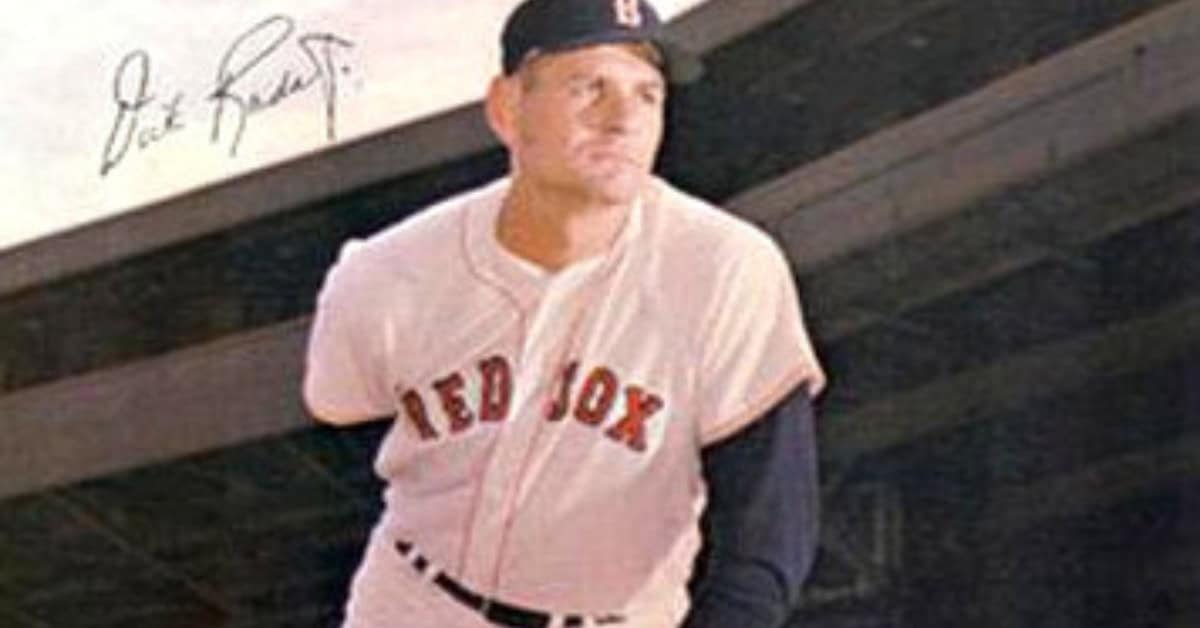
Dick “The Monster” Radatz was a 6’6″ nightmare delivered from the Fenway Park bullpen, with a blazing fastball that made the Green Monster look small by comparison. Radatz’s overpowering stuff dominated the early 1960s like no reliever before him, striking out hitters at a rate that seemed impossible for someone throwing in relief. When The Monster took the mound at Fenway with his fastball crackling, Red Sox fans witnessed the prototype for the modern power closer, watching a giant of a man use pure velocity to overpower the game’s greatest hitters while establishing himself as one of relief pitching’s first true superstars.
| Dick Radatz — Career | Total |
|---|---|
| W | 52 |
| L | 43 |
| ERA | 3.13 |
| G | 381 |
| IP | 693.2 |
| SO | 745 |
| WHIP | 1.19 |
| SV | 122 |
| All-Star selections | 2 |
7. Tom Henke’s Terminator Show That Brought Toronto a Championship
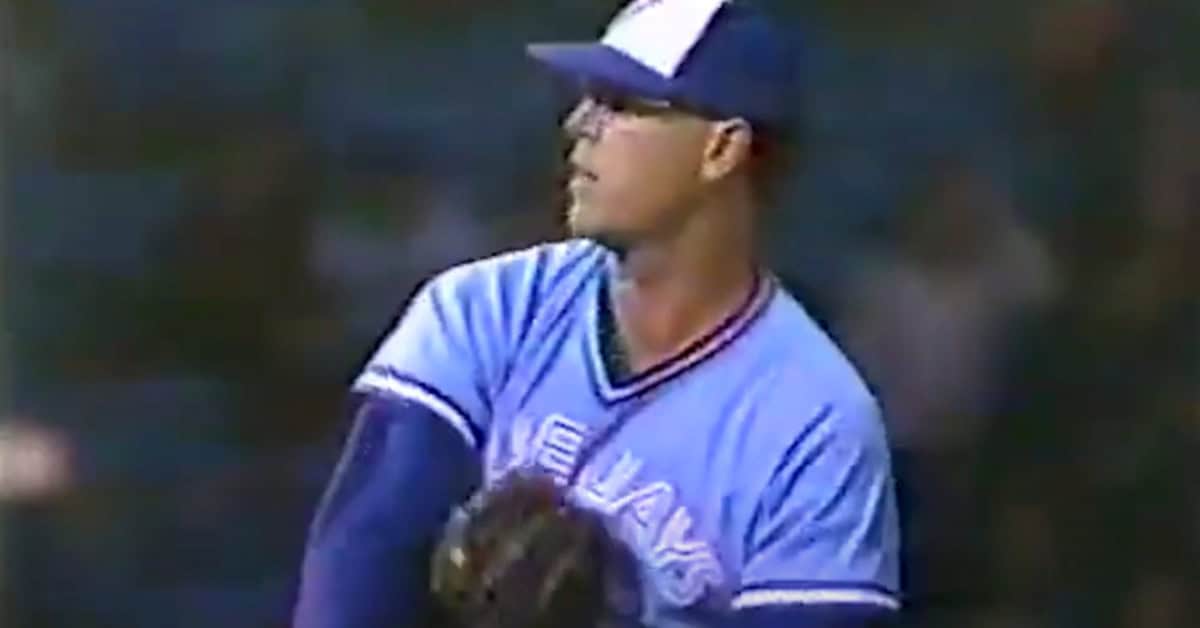
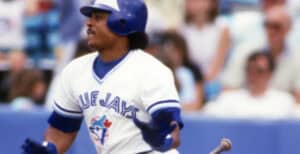
Tom Henke’s forkball was a final word in Toronto’s 1992 World Series championship, with “The Terminator” using his devastating split-finger to close out games with the efficiency of a machine. He pitched for Texas in 1993, when Toronto repeated without him. Henke’s forkball didn’t just end at-bats—it terminated hope, dropping through the strike zone like a meteor crashing to earth while SkyDome erupted in celebration. When Henke took the mound in the ninth inning with his forkball locked and loaded, Blue Jays fans knew the game was over before the first pitch was thrown, watching a closer who understood that sometimes the most effective way to finish a job is with cold, mechanical precision.
| Tom Henke — Career | Total |
|---|---|
| W | 41 |
| L | 42 |
| ERA | 2.67 |
| G | 642 |
| IP | 789.2 |
| SO | 861 |
| WHIP | 1.09 |
| SV | 311 |
| All-Star selections | 2 |
| World Series titles | 1 |
6. Tug McGraw’s “Ya Gotta Believe” That Made Two Cities Champions

Tug McGraw’s screwball was more than just a pitch—it was a philosophy wrapped in cowhide, delivered with the same infectious optimism that made “Ya Gotta Believe” the rallying cry for the Mets’ 1973 pennant run. Seven years later, he closed out the Phillies’ first World Series championship. McGraw’s reverse-breaking pitch was as unpredictable as his personality, diving away from hitters with the same joyful chaos that made him a fan favorite in both New York and Philadelphia. When McGraw wound up with his screwball ready to fire and that trademark grin spreading across his face, fans in two cities knew they were watching pure joy in motion, a pitcher who understood that sometimes the best way to win is to have fun doing it.
| Tug McGraw — Career | Total |
|---|---|
| W | 96 |
| L | 92 |
| ERA | 3.14 |
| G | 824 |
| IP | 1514.2 |
| SO | 1109 |
| WHIP | 1.25 |
| SV | 180 |
| All-Star selections | 2 |
| World Series titles | 2 |
5. Jeff Reardon’s “Terminator” Act That Closed Minnesota’s First Title
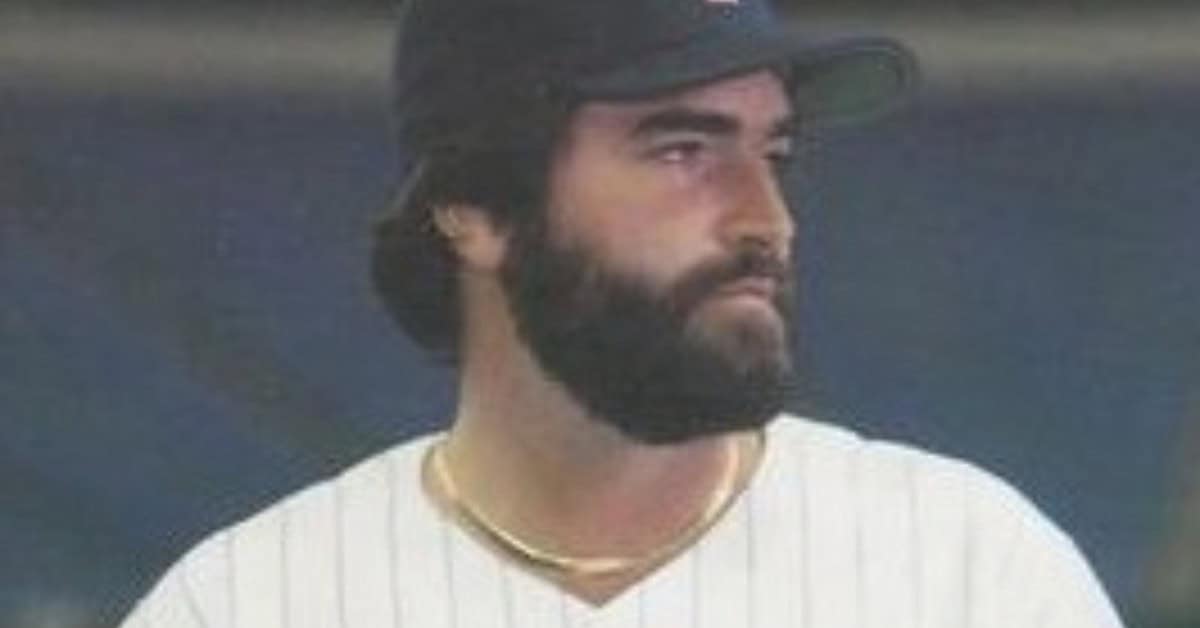
Jeff “The Terminator” Reardon’s slider was the exclamation point on Minnesota’s magical 1987 championship run, with the right-hander’s devastating breaking ball helping deliver the Twin Cities their first World Series title. Reardon’s slider was like a heat-seeking missile programmed to find the strike zone’s corners, breaking so sharply that hitters looked foolish even when they guessed correctly. When Reardon took the mound at the Metrodome with his slider working and the Hefty Bag crowd going crazy, Twins fans knew they were witnessing history in the making, watching a closer use one perfect pitch to cap off the most magical season in franchise history.
| Jeff Reardon — Career | Total |
|---|---|
| W | 73 |
| L | 77 |
| ERA | 3.16 |
| G | 880 |
| IP | 1132.1 |
| SO | 877 |
| WHIP | 1.20 |
| SV | 367 |
| All-Star selections | 4 |
| World Series titles | 1 |
4. Mike Marshall’s Iron Man Act That Broke Relief Records
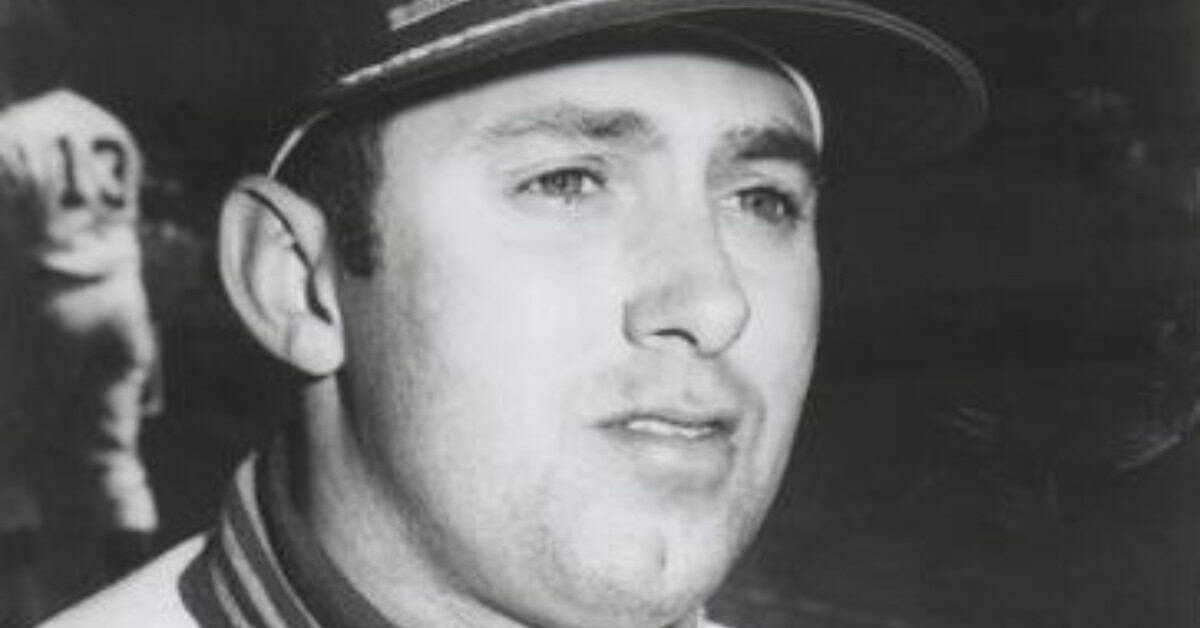
Mike Marshall’s screwball was built for endurance, the perfect pitch for a reliever who appeared in 106 games in 1974 and won the Cy Young Award doing it. The rubber-armed right-hander’s reverse-breaking pitch seemed to get stronger as games wore on, baffling tired hitters who thought they had figured out his patterns. When Marshall took the mound for what seemed like the hundredth time that season, Dodgers fans witnessed the ultimate iron man performance, watching a pitcher who proved that sometimes the most effective weapon is simply the ability to keep throwing it when everyone else has gone home.
| Mike Marshall — Career | Total |
|---|---|
| W | 97 |
| L | 112 |
| ERA | 3.14 |
| G | 722 |
| IP | 1386.2 |
| SO | 880 |
| WHIP | 1.29 |
| SV | 188 |
| Cy Young | 1 |
| All-Star selections | 2 |
3. Billy Wagner's 100-MPH Heat That Made Small Guys Dream Big (HOF)
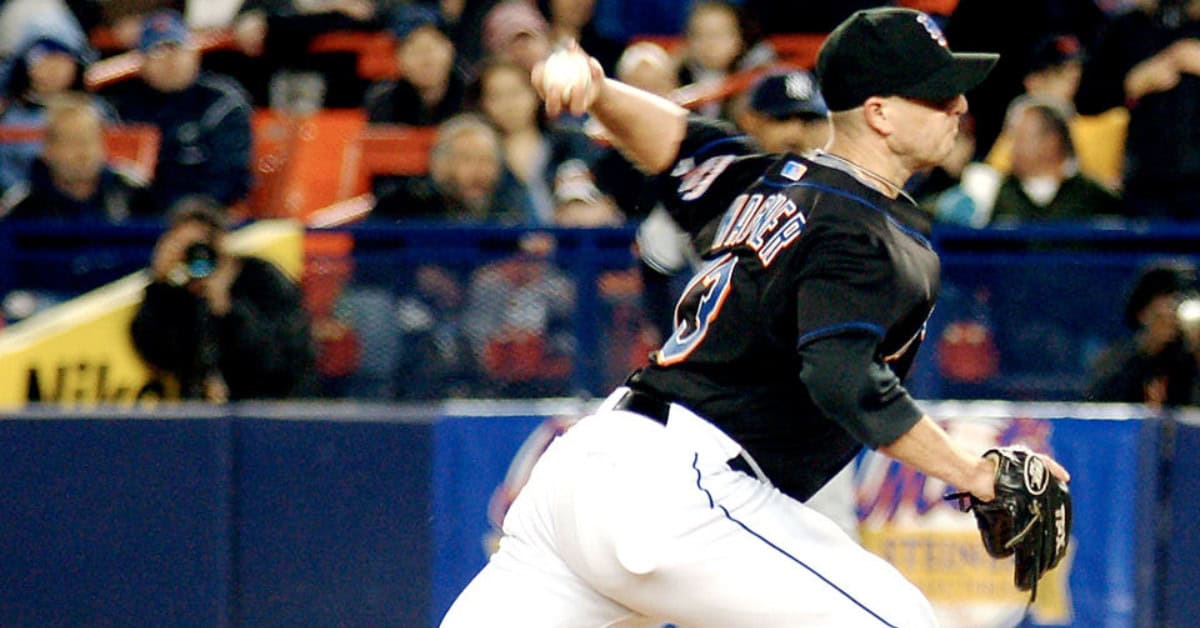
Billy Wagner’s 100-mph fastball was proof that size doesn’t matter when you have a left arm that can fire lightning bolts, with the 5’10” closer using pure velocity to overpower hitters who towered over him. Wagner’s heater was like a rocket launched from a compact frame, creating a David-versus-Goliath story every time he took the mound against bigger, stronger hitters. When Wagner wound up with his fastball crackling, fans witnessed the triumph of heart over height, watching a smaller man use bigger stuff to dominate a game designed for giants while proving that sometimes the most powerful weapons come in the smallest packages.
| Billy Wagner — Career | Total |
|---|---|
| W | 47 |
| L | 40 |
| ERA | 2.31 |
| G | 853 |
| IP | 903.0 |
| SO | 1196 |
| WHIP | 1.00 |
| SV | 422 |
2. Rollie Fingers' Handlebar Mustache Magic That Saved Oakland (HOF)
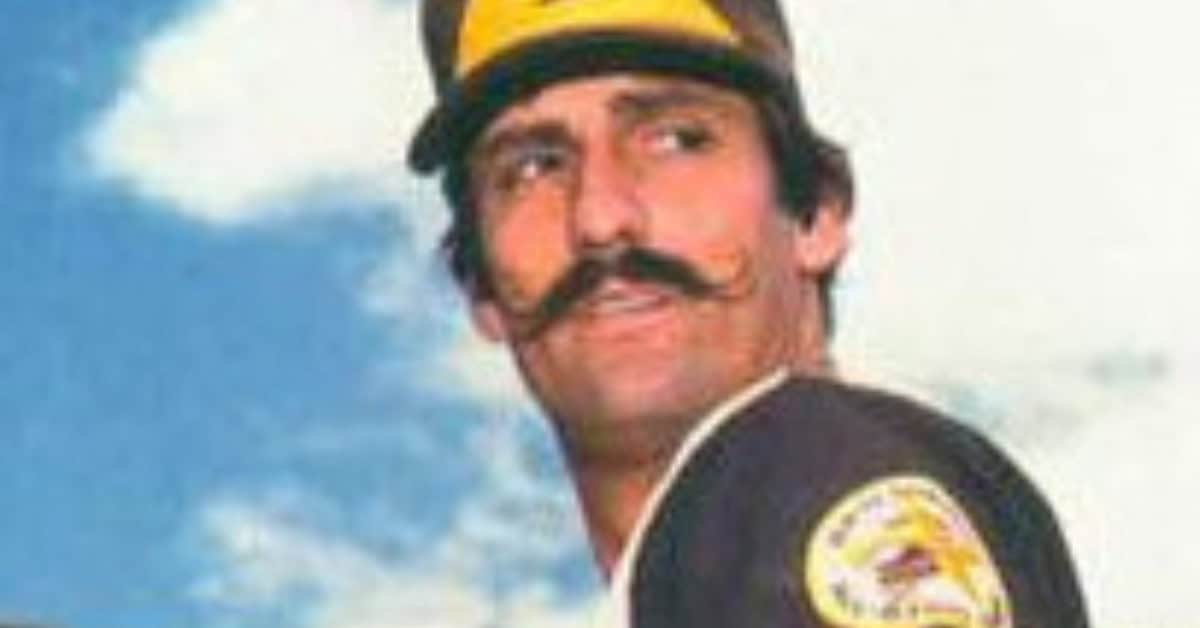
Rollie Fingers’ handlebar mustache was almost as famous as his devastating slider, creating an iconic image that defined both the Oakland Athletics dynasty and the wild, woolly world of 1970s baseball. Fingers’ slider was like his facial hair—perfectly groomed, distinctively styled, and absolutely devastating when deployed at the right moment. When Fingers strode to the mound with that magnificent mustache bristling and his slider ready to fire, Athletics fans knew they were watching pure showmanship combined with Hall of Fame talent, a closer who understood that sometimes the best way to intimidate hitters is to look like the coolest guy in the ballpark while making them look foolish.
| Rollie Fingers — Career | Total |
|---|---|
| W | 114 |
| L | 118 |
| ERA | 2.91 |
| G | 944 |
| IP | 1701.1 |
| SO | 1299 |
| WHIP | 1.16 |
| SV | 341 |
| MVP | 1 |
| Cy Young | 1 |
| All-Star selections | 7 |
| World Series titles | 3 |
1. Trevor Hoffman's "Hells Bells" That Silenced San Diego Nights (HOF)
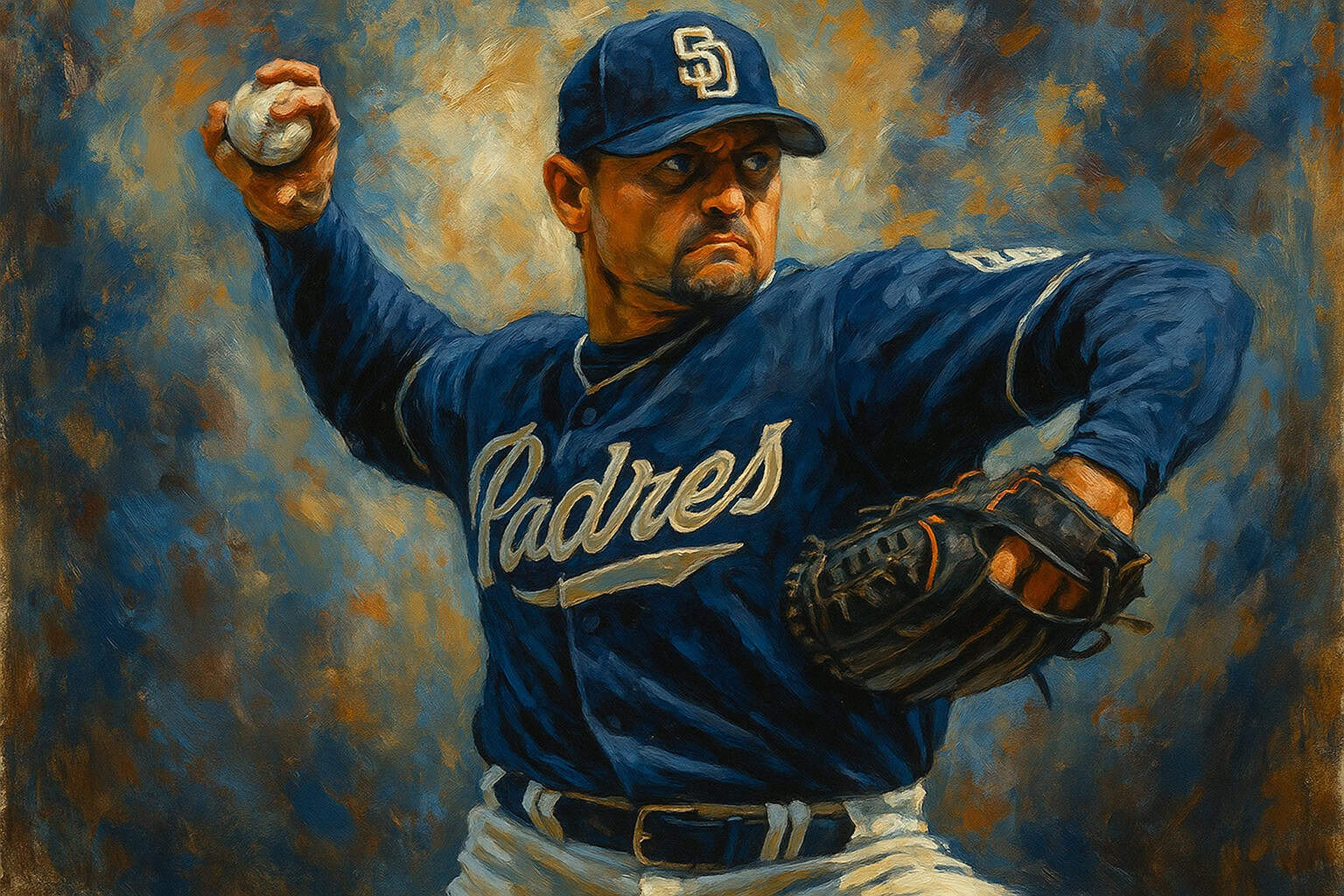
Trevor Hoffman’s changeup was the perfect complement to AC/DC’s “Hells Bells,” creating the most iconic entrance in baseball history while delivering a pitch that seemed to defy the laws of physics. Hoffman’s changeup looked like a fastball until the last moment, when it would dive toward earth, leaving hitters swinging at air while Qualcomm Stadium erupted in celebration. When the bells started ringing and Hoffman took the mound with his changeup working, Padres fans experienced pure theater at its finest, watching a master showman use one devastating pitch and the perfect soundtrack to turn every save situation into an unforgettable performance that made San Diego feel like the center of the baseball universe.
| Trevor Hoffman — Career | Total |
|---|---|
| W | 61 |
| L | 75 |
| ERA | 2.87 |
| G | 1034 |
| IP | 1089.1 |
| SO | 1133 |
| WHIP | 1.06 |
| SV | 601 |
| All-Star selections | 7 |