

Last Updated: June 17th, 2026 by Matthew Brown
Before radar guns and analytics ruled the diamond, Stan Musial shared clubhouses with legends who played baseball when the crack of ash bats echoed through intimate ballparks and every Cardinal red uniform carried the weight of tradition. These twenty teammates didn’t just witness Stan the Man’s greatness—they helped create the golden era of St. Louis baseball when every swing at Sportsman’s Park felt like poetry and every victory tasted like cold beer and hot summer nights.
Don't lose this article. Enter your email below, and I'll send it to you right now. Plus, we'll send you other unbelievable stories from baseball's past.
Bob Gibson’s Early Promise and Intimidating Potential
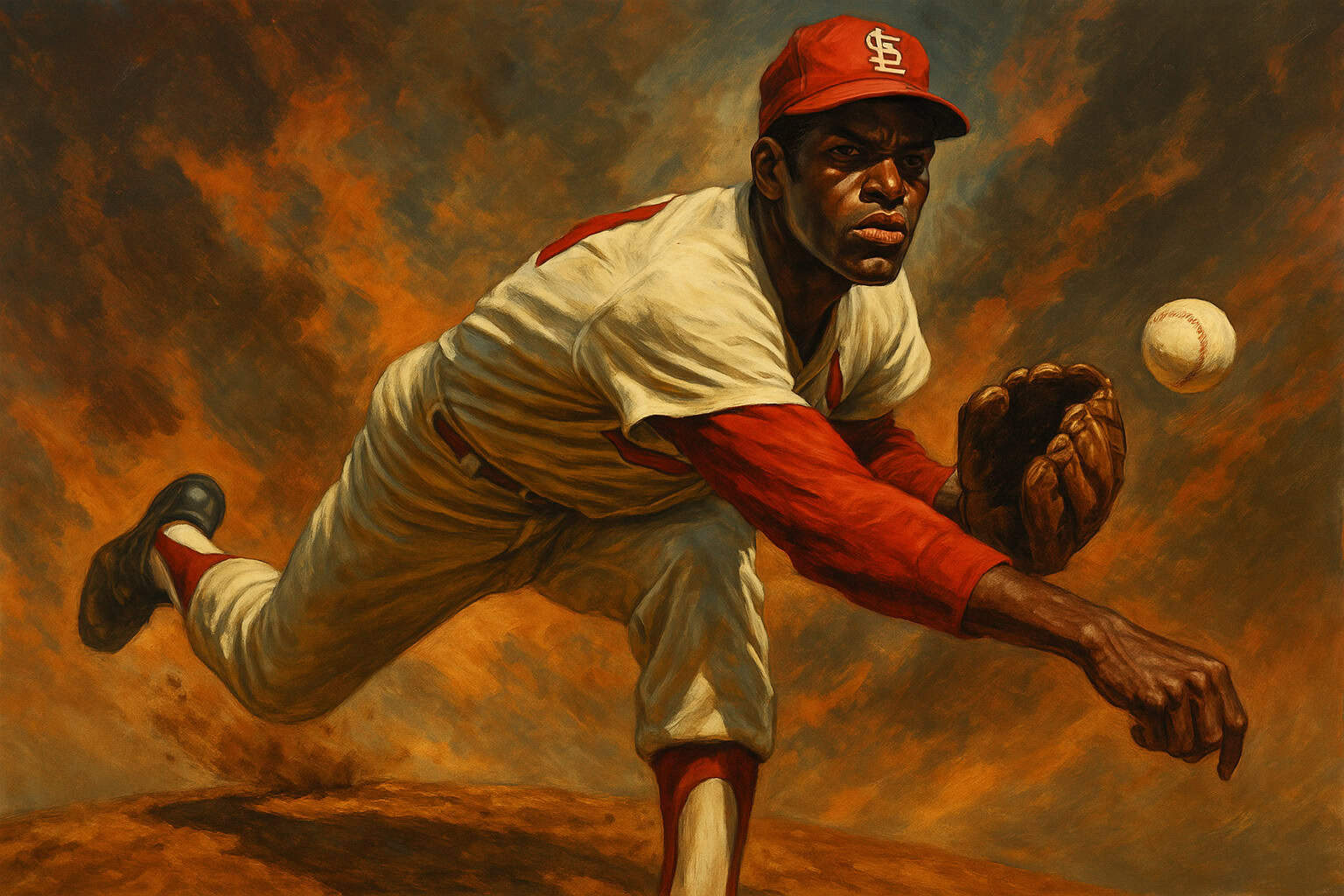
Bob Gibson’s blazing fastball and intimidating presence on the mound provided Stan Musial with a glimpse of the future greatness that would define Cardinals pitching long after the Man’s retirement. The Nebraska native’s raw talent and competitive fire were already evident during his early years with Musial, though his legendary dominance was still developing as the veteran slugger wound down his career. Gibson’s combination of power pitching and fierce determination showed Musial that the Cardinals’ tradition of excellence would continue in capable hands, proving that the franchise’s commitment to winning transcended any individual player’s career.
Enos Slaughter’s Mad Dash and Country Hardball Hustle
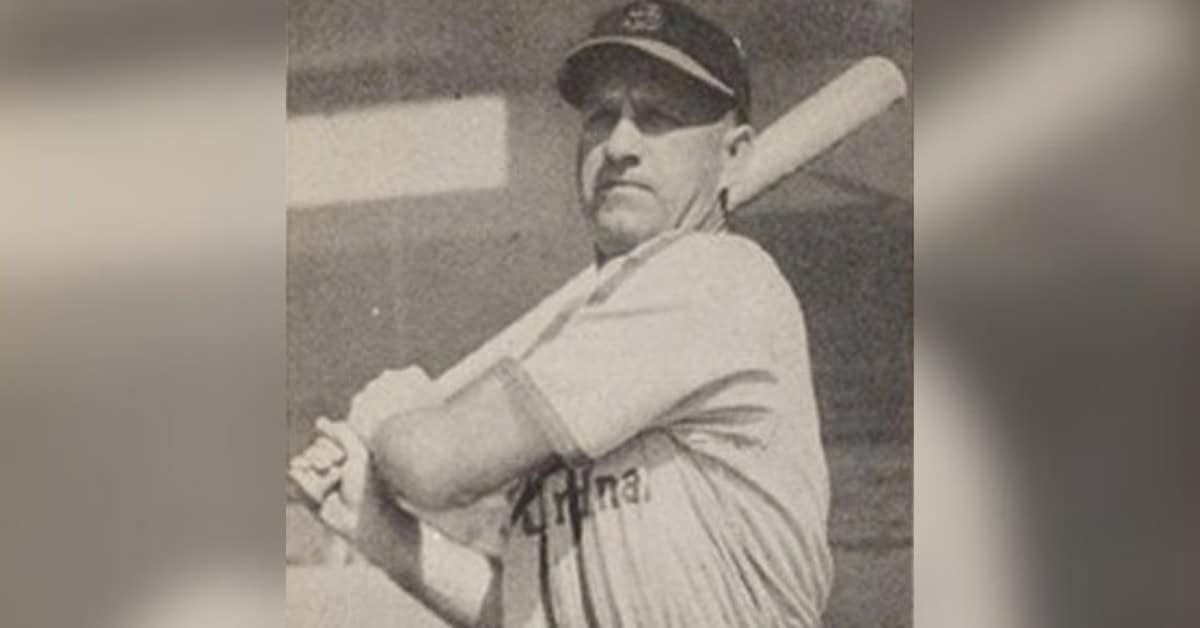
Enos Slaughter’s legendary “mad dash” in the 1946 World Series and relentless hustle on every play provided Stan Musial with the perfect teammate who embodied the Cardinals’ never-say-die spirit. The North Carolina native’s approach to baseball—running out every ground ball like the World Series depended on it—set the standard for effort and determination that influenced Musial’s own professional approach. Slaughter’s combination of natural talent and country hardball hustle demonstrated that success came from treating every at-bat and every play as if it were the most important moment of your career, proving that true greatness required both ability and an unshakeable work ethic.
Marty Marion’s Slick Fielding and Mr. Shortstop Nickname
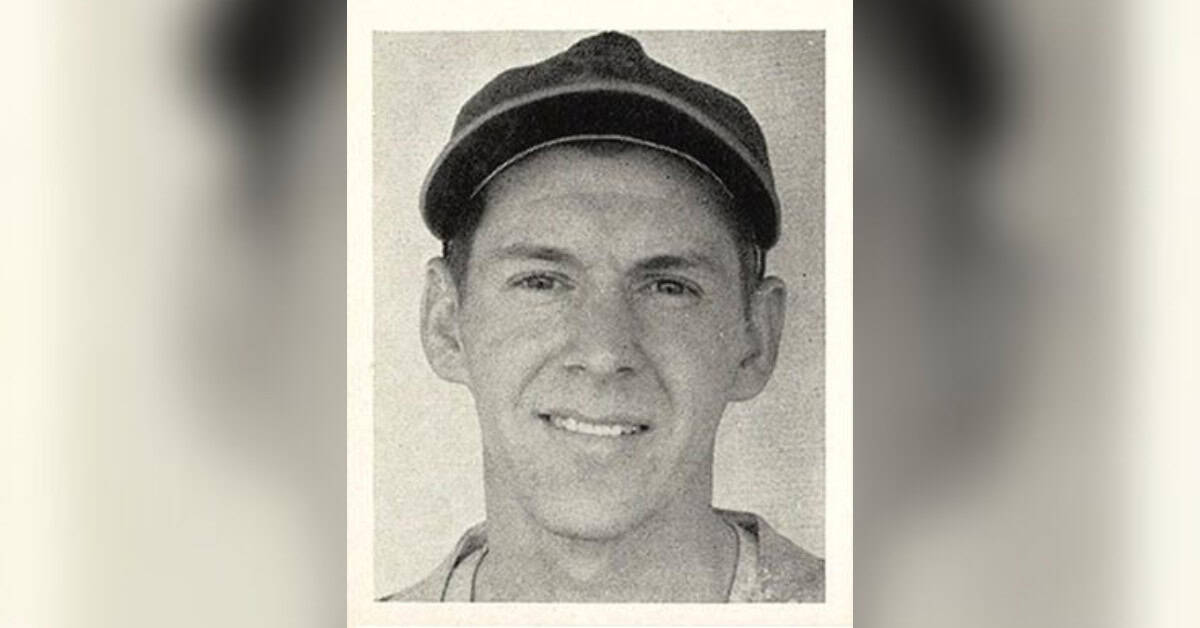
Marty Marion’s graceful fielding and intelligent play earned him the nickname “Mr. Shortstop” while providing Stan Musial with a teammate whose defensive artistry perfectly complemented the slugger’s offensive excellence. The South Carolina native’s ability to turn impossible double plays and make spectacular catches look routine anchored the Cardinals’ championship infield, while his quiet leadership and baseball intelligence made him one of the most respected players in the game. Marion’s combination of defensive mastery and professional approach showed Musial that true team success required players who could excel in every aspect of the game, proving that the most valuable teammates were often those who made everyone around them better through their own excellence.
Terry Moore’s Center Field Artistry and Defensive Wizardry
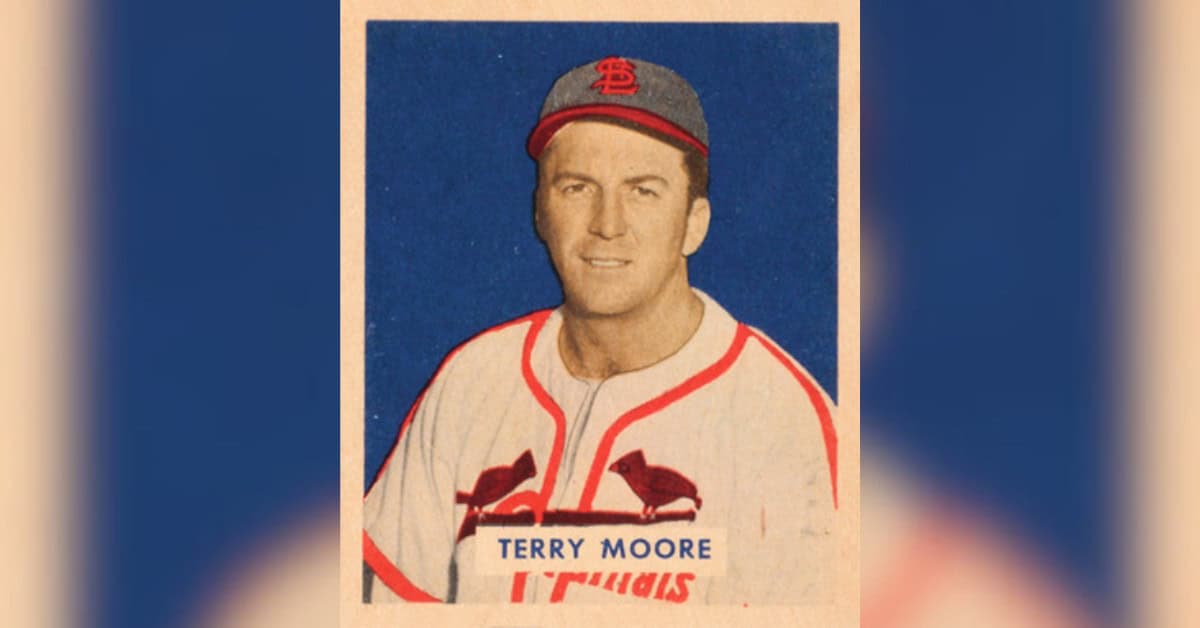
Terry Moore’s center field wizardry and uncanny ability to read fly balls provided Stan Musial with a defensive master who turned Sportsman’s Park’s spacious outfield into his personal showcase. The Alabama native’s graceful pursuit of seemingly impossible catches and perfect positioning made him one of the finest defensive center fielders of his generation, while his leadership and baseball intelligence helped anchor the Cardinals’ championship teams. Moore’s combination of athletic ability and strategic thinking demonstrated that defensive excellence required both natural talent and intellectual understanding of the game, showing Musial that true greatness came from mastering every aspect of baseball rather than relying solely on offensive ability.
Whitey Kurowski’s Third Base Power and Polish Pride
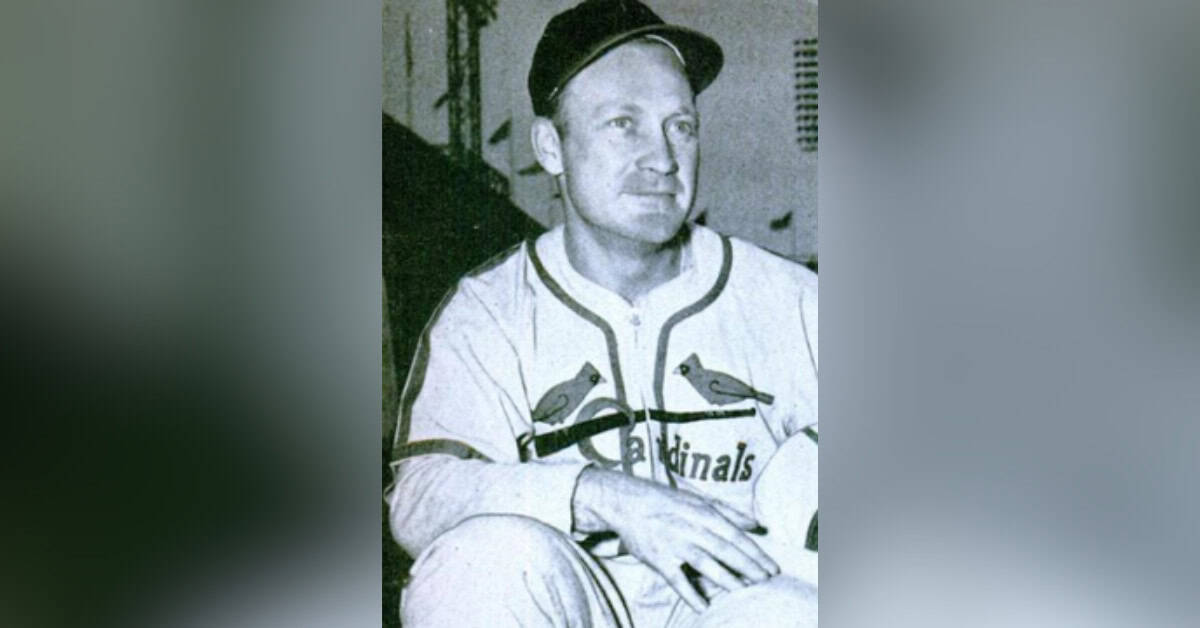
Whitey Kurowski’s powerful hitting and steady third base play provided Stan Musial with a teammate whose Polish heritage and blue-collar approach perfectly embodied the working-class spirit of St. Louis baseball. The Pennsylvania native’s ability to drive in runs and handle the hot corner with reliability made him an essential part of the Cardinals’ championship teams, while his humble demeanor and team-first attitude earned respect from teammates and fans alike. Kurowski’s combination of power hitting and defensive competence showed Musial that successful teams needed players who could contribute in multiple ways while maintaining the kind of character and work ethic that reflected the values of their community.
Johnny Mize’s Big Cat Swing and First Base Dominance

Johnny Mize’s smooth “Big Cat” swing and towering home runs provided Stan Musial with a power-hitting teammate whose effortless approach to hitting made even the most difficult pitches look manageable. The Georgia native’s ability to combine power and average made him one of the most feared hitters in the National League, while his gentle personality and professional approach created the perfect clubhouse presence for a championship team. Mize’s combination of natural hitting ability and quiet leadership demonstrated that true greatness came from making the difficult look easy while maintaining humility and respect for teammates, proving that the best players were often those who elevated everyone around them through their own excellence and character.
Harry Brecheen’s Cat Crafty Pitching and World Series Magic
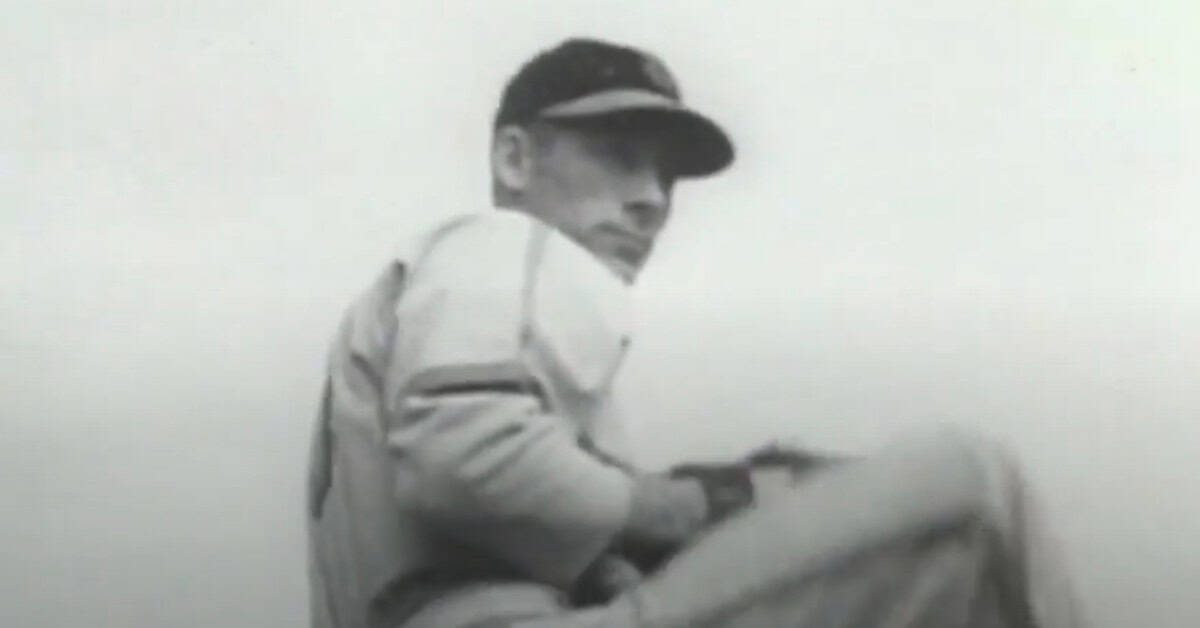
Harry “The Cat” Brecheen’s crafty left-handed pitching and clutch World Series performances provided Stan Musial with a teammate who proved that intelligence and guile could triumph over raw power. The Oklahoma native’s ability to change speeds and hit corners made him nearly unhittable during his peak years, while his three victories in the 1946 World Series showed Musial what October magic looked like. Brecheen’s combination of pitching artistry and competitive fire demonstrated that championship teams needed players who could rise to the biggest occasions, proving that the most valuable teammates were often those who saved their best performances for when the stakes were highest.
Mort Cooper’s Fastball Heat and MVP Season Glory
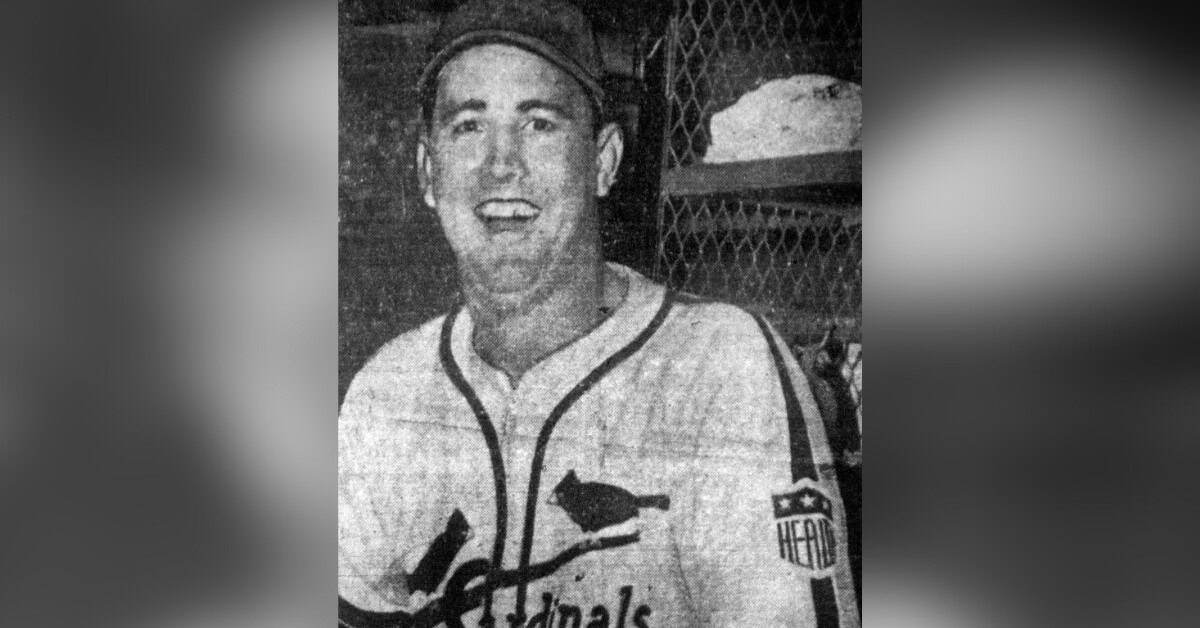
Mort Cooper’s blazing fastball and 1942 MVP Award provided Stan Musial with a teammate whose pitching dominance perfectly complemented the young slugger’s emerging offensive excellence. The Missouri native’s ability to overpower hitters with pure velocity made him one of the most feared pitchers in the National League, while his competitive fire and professional approach set the standard for what it meant to be an ace. Cooper’s combination of individual achievement and team success showed Musial that true greatness came from excelling in one’s role while contributing to collective victory, proving that the best teammates were those who could carry their share of the load while inspiring others to reach their own potential.
Walker Cooper’s Catching Excellence and Brother Battery
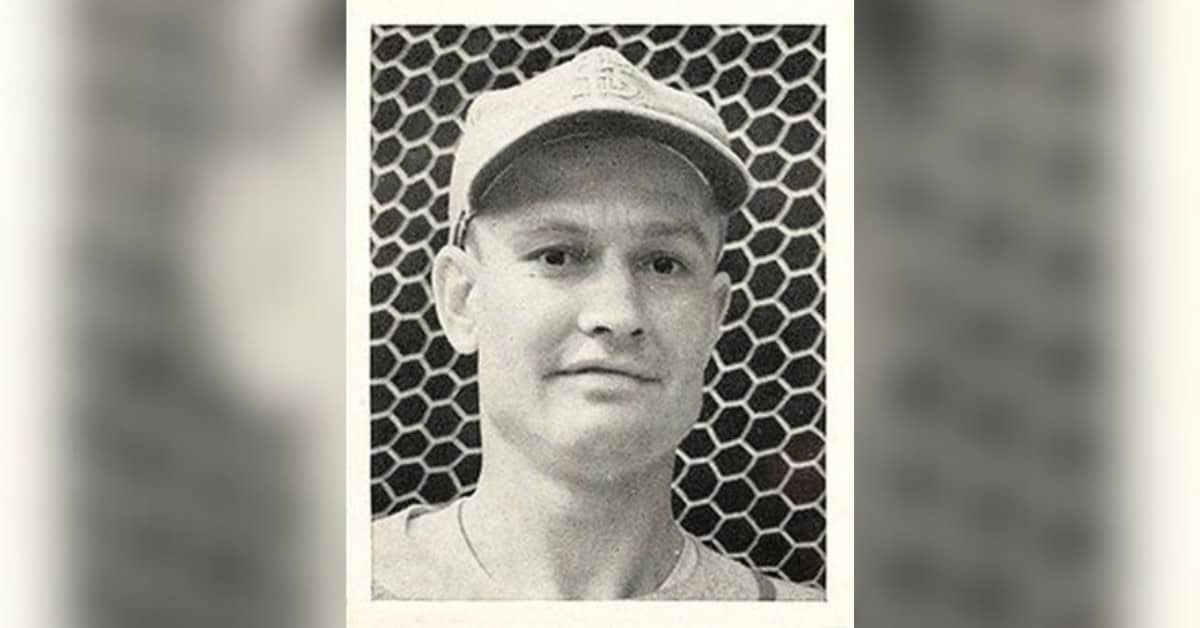
Walker Cooper’s powerful hitting and intelligent catching provided Stan Musial with a teammate whose brother battery with Mort Cooper created one of the most effective pitcher-catcher combinations in baseball history. The Missouri native’s ability to handle the toughest pitchers while contributing offensively made him one of the most complete catchers in the game, while his family connection with Mort added a unique dynamic to the Cardinals’ championship teams. Cooper’s combination of defensive excellence and offensive production demonstrated that true team chemistry sometimes came from the most unexpected sources, proving that the best teammates were often those who understood that success required both individual skill and collective harmony.
Johnny Hopp’s Utility Excellence and Outfield Versatility
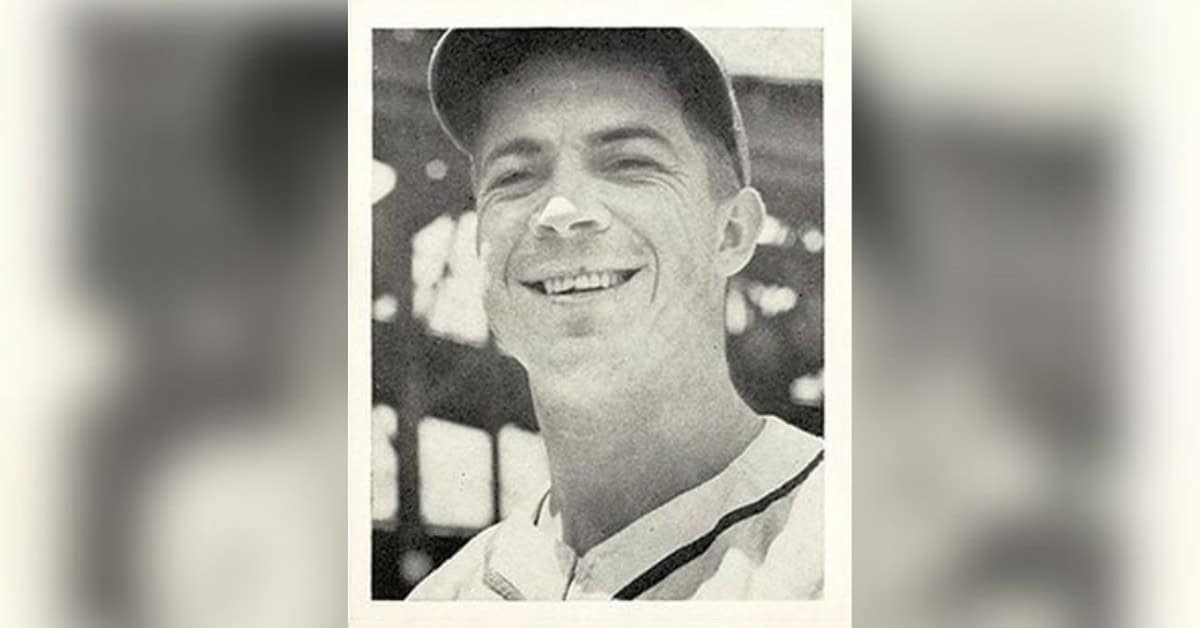
Johnny Hopp’s versatility and reliable hitting provided Stan Musial with a teammate who could excel at multiple positions while maintaining the kind of professional approach that championship teams required. The Nebraska native’s ability to play anywhere in the outfield or first base made him invaluable to managers who needed flexibility, while his consistent offensive production and clutch hitting proved that he could contribute regardless of where he played. Hopp’s combination of adaptability and reliability demonstrated that true team players were willing to sacrifice personal glory for collective success, proving that the most valuable teammates were often those who understood that winning required everyone to put the team’s needs above their own preferences.
Lon Warneke’s Arkansas Humming Bird Pitching and Control
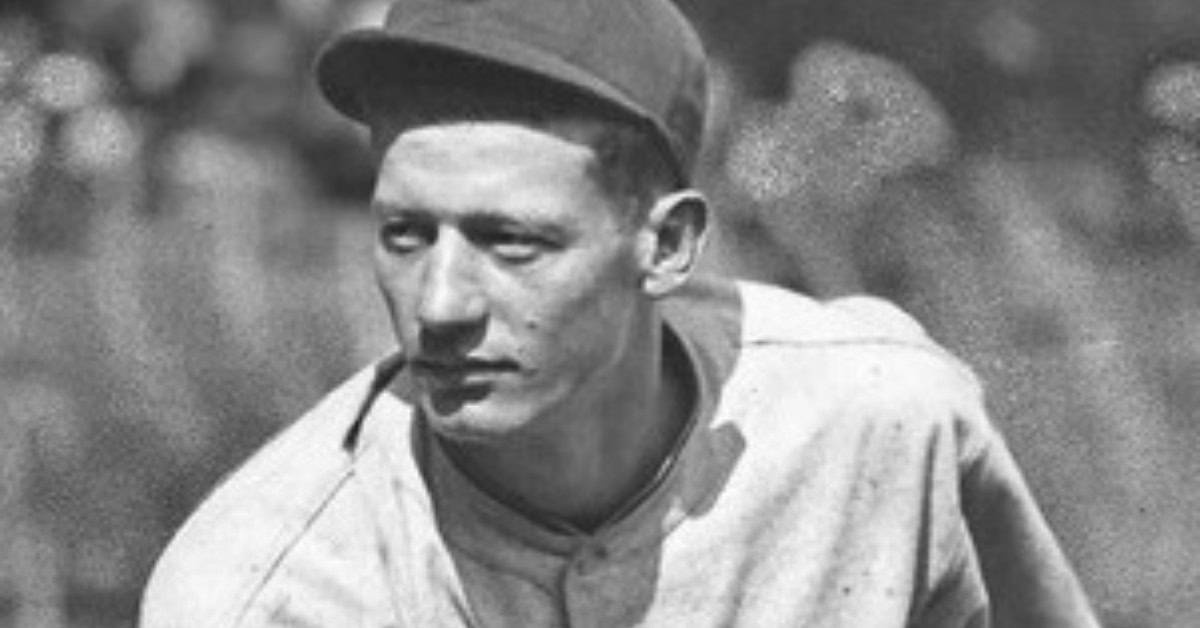
Lon Warneke’s pinpoint control and “Arkansas Humming Bird” nickname provided Stan Musial with a veteran teammate whose crafty pitching and country wisdom brought stability to the Cardinals’ rotation during the war years. The Arkansas native’s ability to hit corners and change speeds made him one of the most effective pitchers of his era, while his calm demeanor and professional approach provided valuable leadership for younger players. Warneke’s combination of pitching intelligence and personal character demonstrated that success came through preparation and consistency rather than overwhelming talent, proving that the most reliable teammates were often those who maximized their abilities through hard work and dedication.
Joe Medwick’s Ducky Wucky Nickname and Late-Career Return
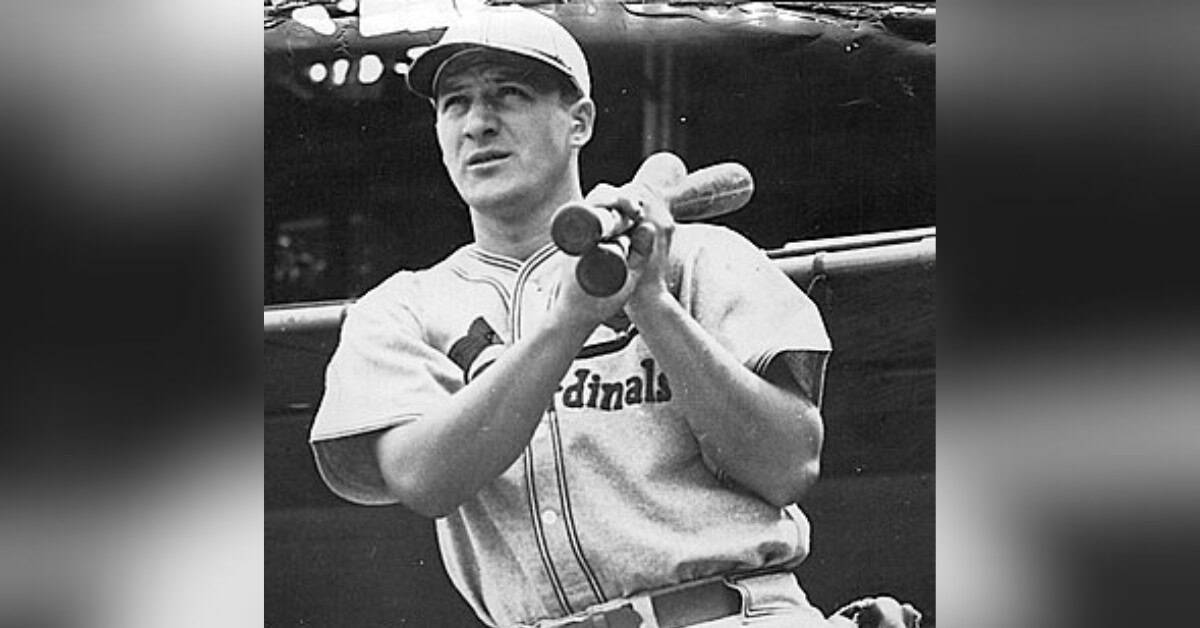
Joe Medwick’s return to St. Louis and colorful “Ducky Wucky” nickname provided Stan Musial with a teammate whose Triple Crown legacy and Gas House Gang heritage connected the present Cardinals to their legendary past. The New Jersey native’s fierce hitting and competitive fire had already made him a Cardinals legend before his late-career return, while his veteran presence and knowledge of winning baseball provided valuable guidance for the younger generation. Medwick’s combination of individual achievement and organizational loyalty demonstrated that true greatness sometimes came full circle, proving that the best teammates were often those who understood that wearing the Cardinal uniform was both a privilege and a responsibility to uphold the franchise’s winning tradition.
Tim McCarver’s Catching Intelligence and Future Broadcasting Voice
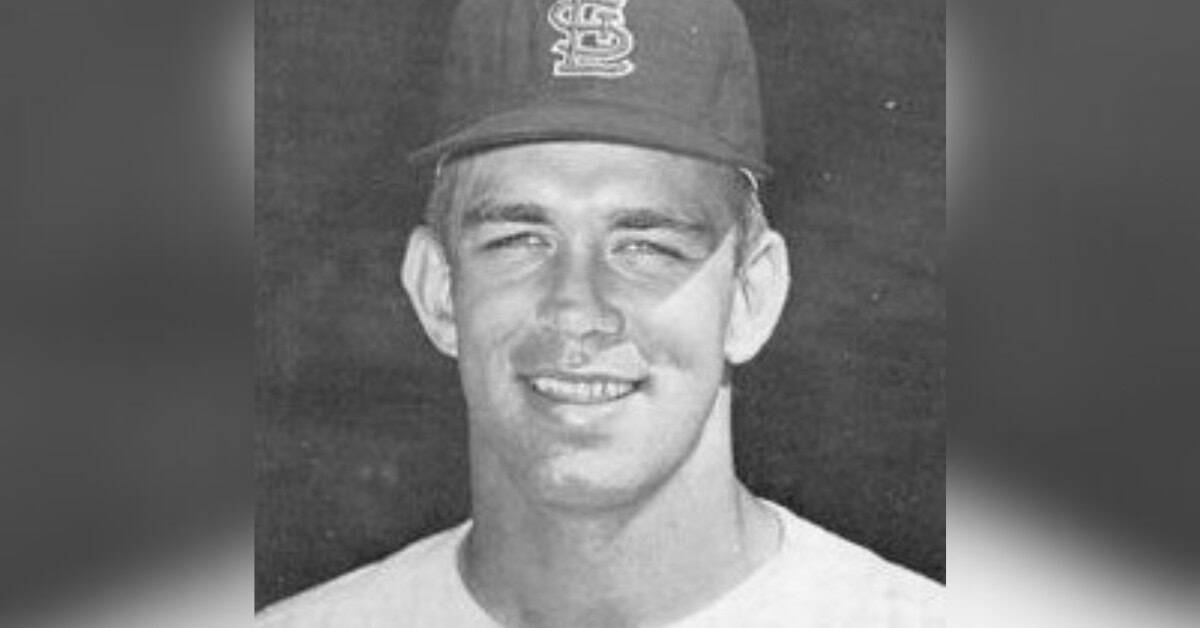
Tim McCarver’s intelligent catching and articulate understanding of the game provided Stan Musial with a young teammate whose future broadcasting greatness was already evident in his thoughtful approach to baseball. The Tennessee native’s ability to handle pitchers and call games showed a baseball intelligence that impressed veterans like Musial, while his communication skills and analytical mind foreshadowed his successful media career. McCarver’s combination of playing ability and intellectual curiosity demonstrated that the best teammates were often those who could think as well as they could play, proving that true baseball excellence required both physical skill and mental understanding of the game’s subtleties.
Dick Groat’s Shortstop Steadiness and Basketball Background
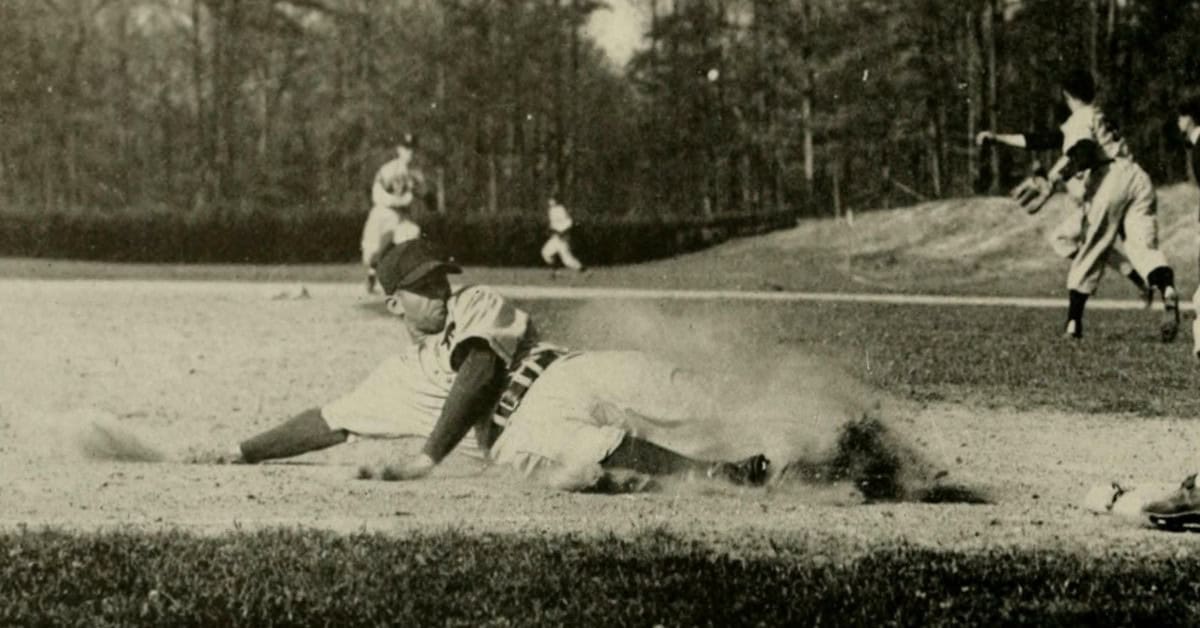
Dick Groat’s steady shortstop play and basketball background provided Stan Musial with a teammate whose athletic versatility and competitive intelligence made him valuable in any sport he chose to pursue. The Pennsylvania native’s ability to turn double plays and deliver clutch hits showed the kind of all-around athletic ability that impressed teammates, while his college basketball success at Duke demonstrated that true athletes could excel at the highest levels of multiple sports. Groat’s combination of athletic ability and competitive drive proved that the best teammates were often those who brought lessons learned from other sports to baseball, showing that true competitors found ways to win regardless of the arena.
Ken Boyer’s Third Base Excellence and Future MVP Promise
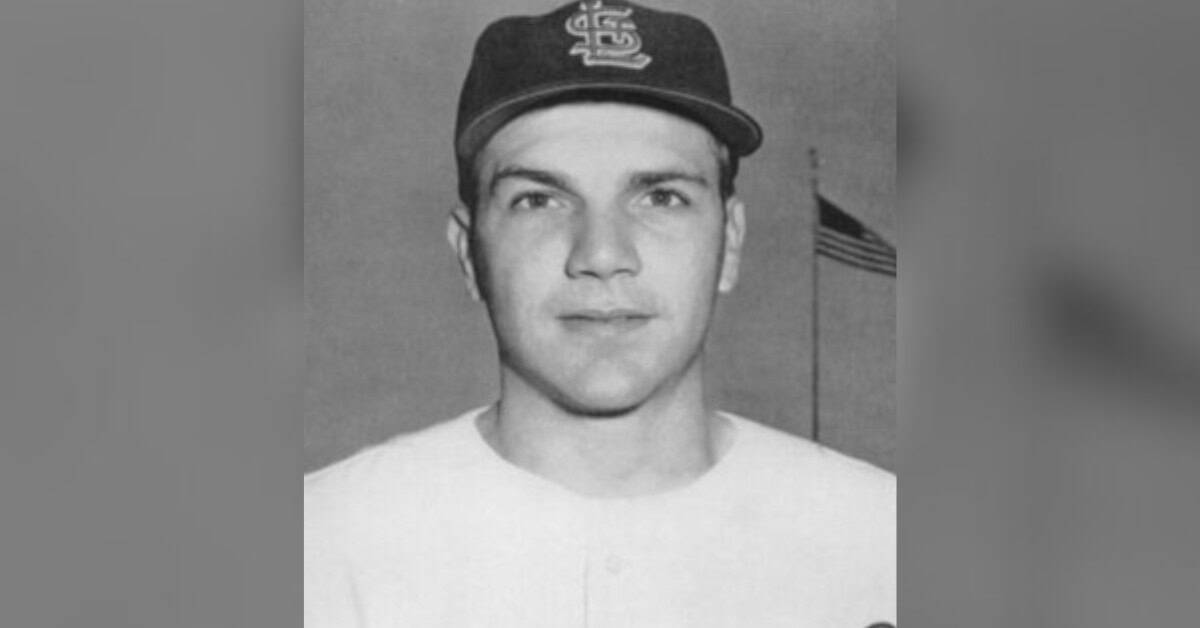
Ken Boyer’s exceptional third base play and emerging power hitting provided Stan Musial with a teammate whose future MVP greatness was already becoming evident during the veteran’s final seasons. The Missouri native’s combination of defensive excellence and offensive potential made him one of the most promising young players in the game, while his professional approach and respect for veterans like Musial showed the kind of character that would make him a future team leader. Boyer’s development during Musial’s twilight years demonstrated that the Cardinals’ tradition of excellence would continue in capable hands, proving that the greatest teammates were often those who learned from legends while preparing to create their own legacy.
Curt Flood’s Center Field Grace and Revolutionary Spirit

Curt Flood’s graceful center field play and emerging revolutionary spirit provided Stan Musial with a teammate whose future impact on baseball would extend far beyond his athletic ability. The California native’s defensive excellence and smooth hitting stroke made him one of the most promising young players in the Cardinals organization, while his thoughtful approach to the game and social issues hinted at the principled stands he would later take. Flood’s combination of athletic talent and intellectual courage demonstrated that true teammates were sometimes those who understood that their responsibilities extended beyond the baseball diamond, proving that the greatest players were often those who used their platform to advance important causes.
Ernie Broglio’s Fastball Power and Trade That Haunted Chicago
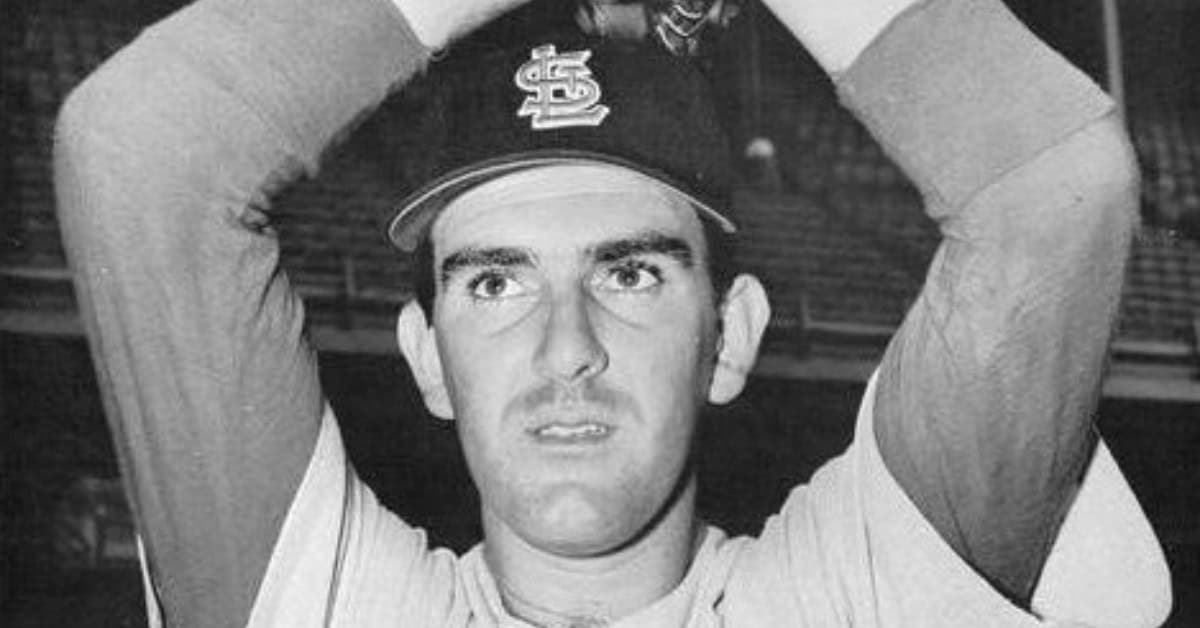
Ernie Broglio’s powerful fastball and solid pitching provided Stan Musial with a reliable teammate whose future trade to Chicago would become one of the most lopsided deals in baseball history. The California native’s ability to strike out hitters and eat innings made him a valuable member of the Cardinals’ rotation, while his professional approach and competitive fire earned respect from teammates who appreciated his dedication to winning. Broglio’s combination of pitching ability and team-first attitude showed that true value sometimes became apparent only in retrospect, proving that the best teammates were often those whose contributions were fully appreciated only after they were gone.
Ernie White’s World Series Shutout and Left-Handed Excellence
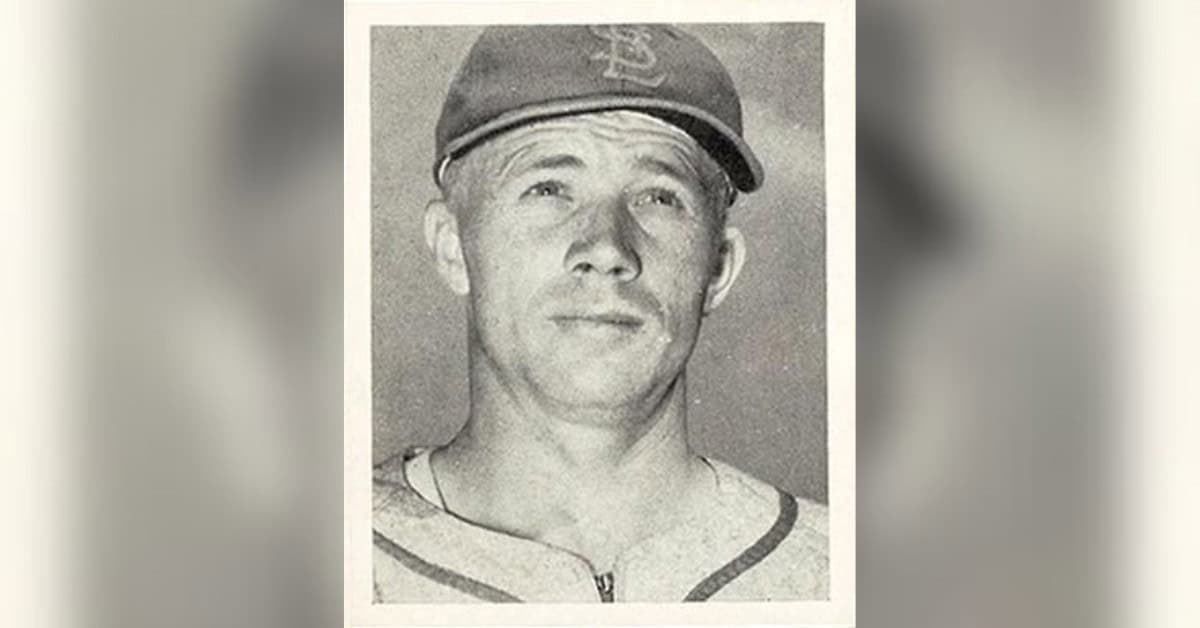
Ernie White’s World Series shutout and crafty left-handed pitching provided Stan Musial with a teammate whose October heroics helped deliver the Cardinals’ 1942 championship against the heavily favored Yankees. The Louisiana native’s ability to rise to the biggest occasions and pitch with poise under pressure made him one of the most reliable starters in the Cardinals’ rotation, while his quiet professionalism and team-first approach earned respect from teammates who appreciated his dedication. White’s combination of clutch performance and humble character demonstrated that true champions were often those who saved their best for the moments that mattered most, proving that the greatest teammates were those who could be counted on when championships hung in the balance.
Bill White’s First Base Reliability and Broadcasting Future
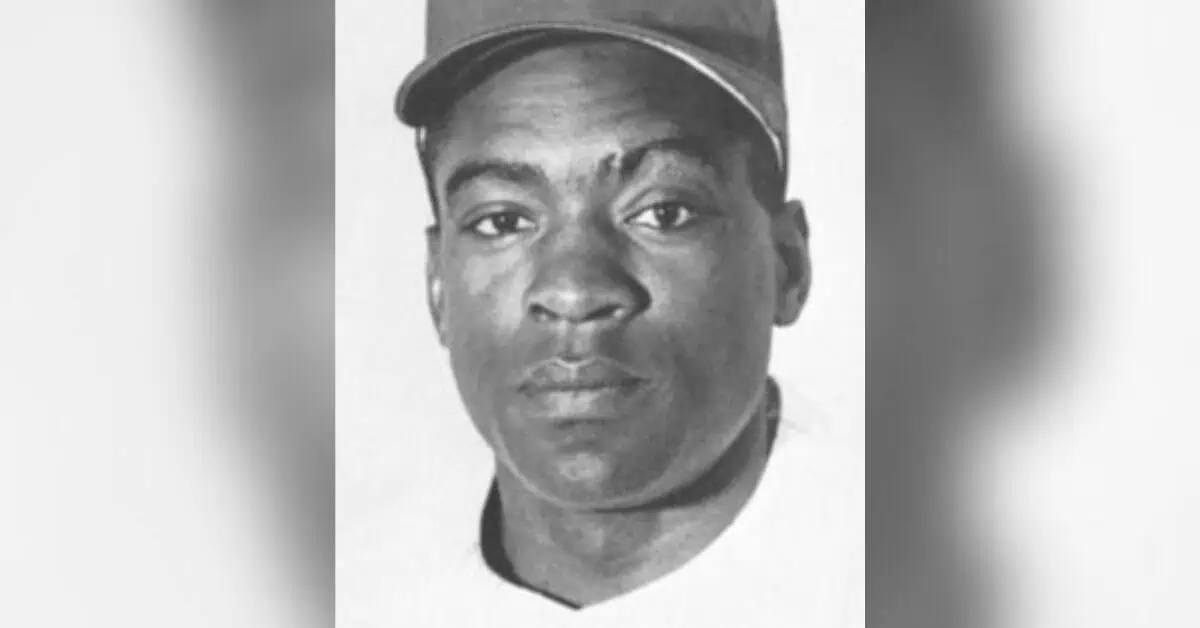
Bill White’s steady first base play and intelligent approach to the game provided Stan Musial with a teammate whose future success as a broadcaster and National League president was already evident in his thoughtful understanding of baseball. The Florida native’s ability to turn double plays and drive in runs made him a valuable contributor to the Cardinals’ success, while his articulate manner and leadership qualities showed the kind of character that would serve him well in his post-playing career. White’s combination of playing ability and intellectual curiosity demonstrated that the best teammates were often those who understood that baseball was both a game and a business, proving that true success required excellence on the field and wisdom about the larger world beyond the diamond.
Red Schoendienst’s Switch-Hitting Excellence and Cardinal Leadership
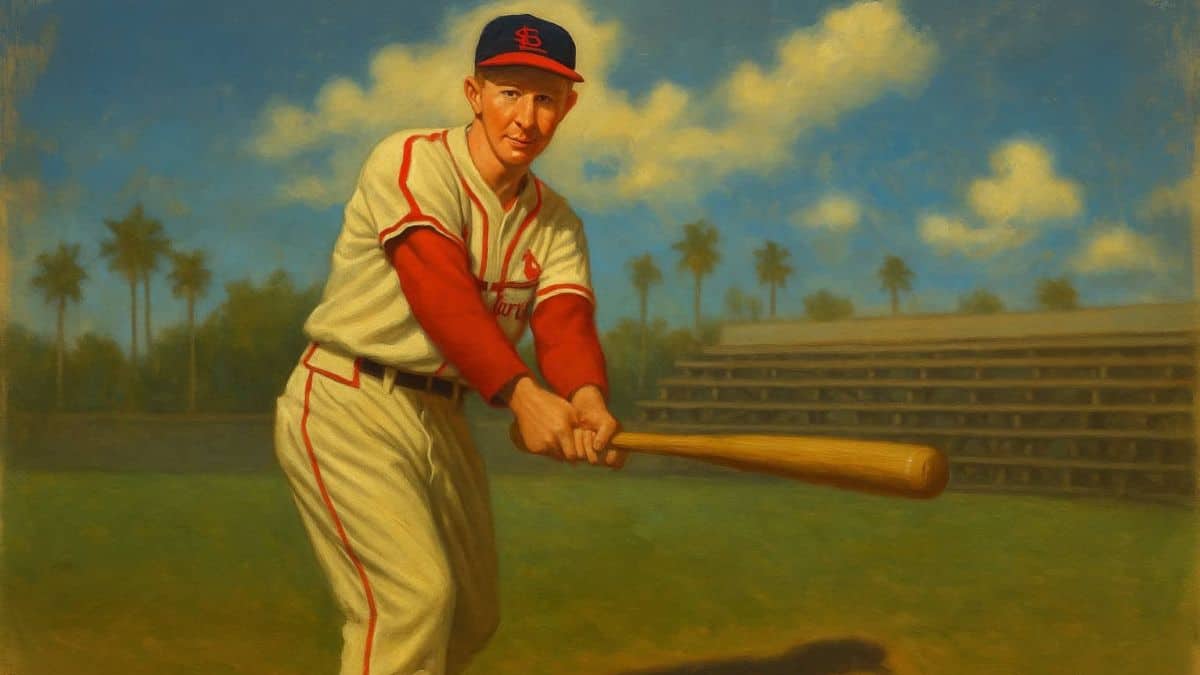
Red Schoendienst’s switch-hitting mastery and natural leadership provided Stan Musial with the perfect teammate whose Cardinal red blood and baseball intelligence embodied everything the franchise represented. The Illinois native’s ability to hit from both sides of the plate and turn double plays with balletic grace made him one of the most complete players of his generation, while his eventual transition to managing showed the kind of baseball wisdom that Musial deeply respected. Schoendienst’s combination of playing excellence and organizational loyalty demonstrated that true Cardinals were those who understood that wearing the uniform was both an honor and a lifetime commitment, proving that the greatest teammates were often those who became the living embodiment of what it meant to be a Cardinal for life.