
Last Updated: June 17th, 2026 by Michael Schatz
The 1970s were baseball’s grooviest decade, when second basemen wore their stirrups high and their mustaches thick. These were the guys who turned two with style and stole bases while disco played in the background. Here are the 20 best keystoners who defined the position during that unforgettable era.
Don't lose this article. Enter your email below, and I'll send it to you right now. Plus, we'll send you other unbelievable stories from baseball's past.
Joe Morgan – The Little General Who Ruled Cincinnati’s Big Red Machine

Standing just 5’7″ but playing like a giant, Joe Morgan was the heartbeat of Cincinnati’s Big Red Machine. His signature elbow flap became as iconic as his back-to-back MVP awards in 1975 and 1976, when he hit .327 and .320 respectively while stealing bases and turning impossible double plays. Morgan’s 67 stolen bases in ’75 proved that speed and smarts could dominate an era obsessed with power, making him the most complete second baseman of the decade.
Bobby Grich – The Angels’ Defensive Wizard with Pop
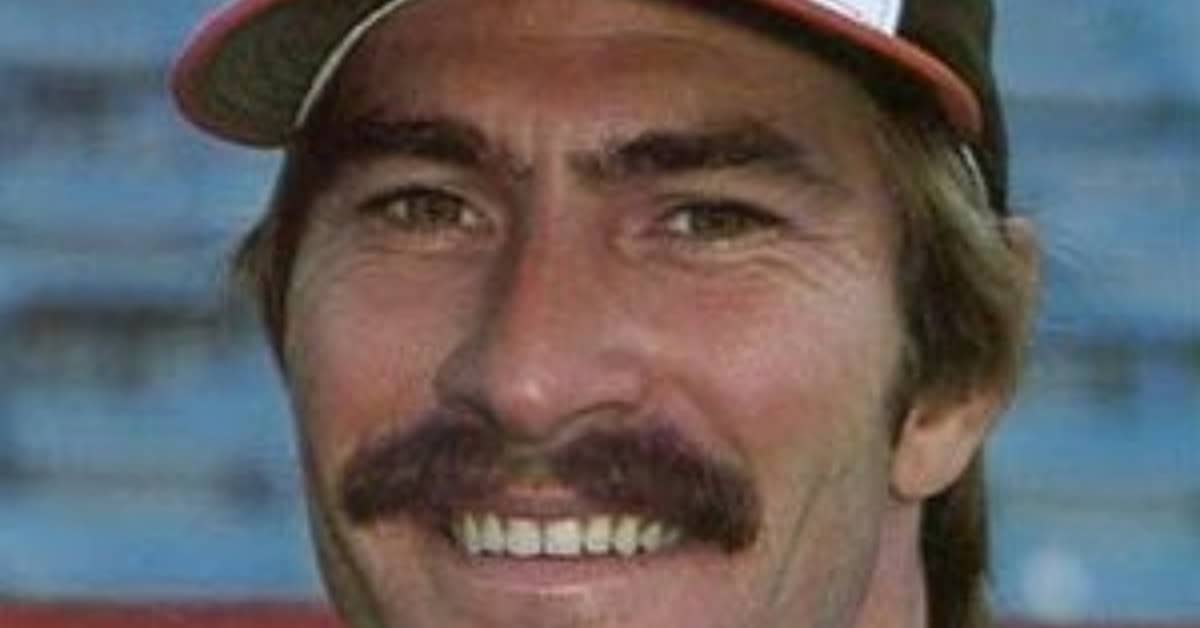
Bobby Grich set an American League record for second basemen at the time with a .995 fielding percentage in 1973, making impossible plays look routine with his cannon arm and ballet-like footwork. The UCLA product combined Gold Glove defense with surprising power, cranking 30 home runs in 1979 for the Angels. Grich’s ability to turn the 6-4-3 double play into high art while providing offensive punch made him the most underrated second baseman of his generation.
Dave Cash – Philadelphia’s Hit Machine Who Never Met a Fastball He Didn’t Like
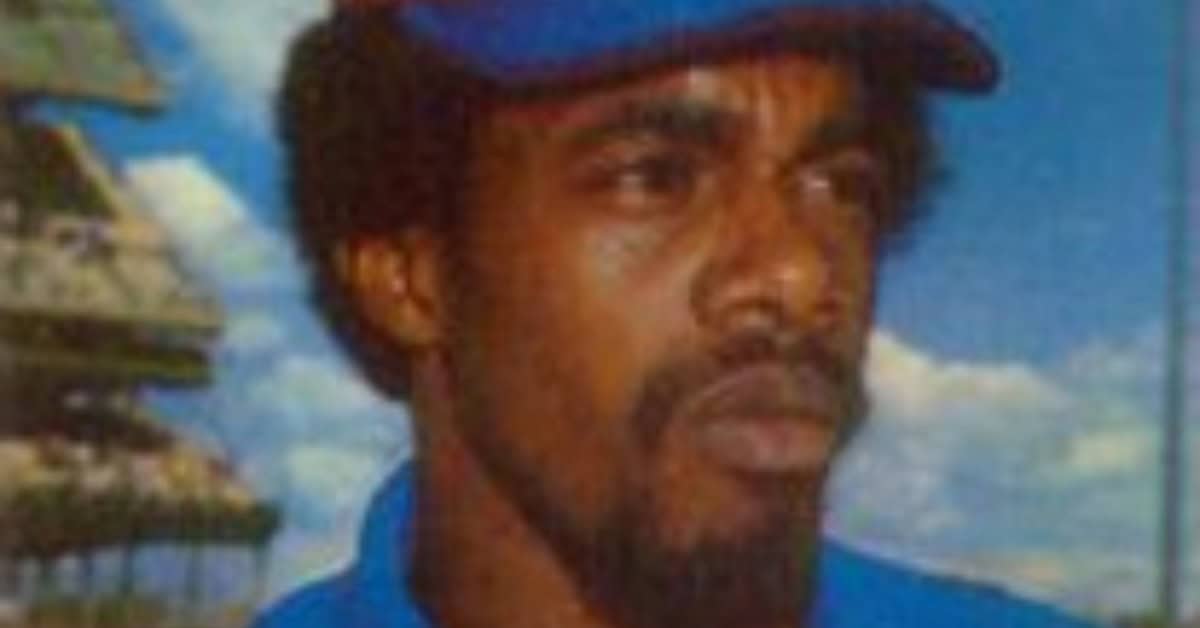
Dave Cash was the human embodiment of contact hitting, slapping singles with the consistency of a metronome and the joy of a kid in a candy store. His 213 hits in 1975 were a key part of the Phillies’ resurgence that led to their first playoff appearance in decades in 1976, while his infectious “Yes We Can” attitude became the team’s rallying cry. Cash turned the art of hitting .300 into a science, finishing with over 200 hits in both 1974 and 1975 while making three straight All-Star teams.
Davey Lopes – The Dodgers’ Base-Stealing Dynamo
Davey Lopes turned stealing bases into performance art, swiping 77 bags in 1975 and setting a record by stealing 38 consecutive bases without being caught. Part of the Dodgers’ legendary infield with Garvey, Russell, and Cey, Lopes brought electricity to Dodger Stadium every time he reached first base. His combination of speed, power (he hit 28 homers in 1979), and clutch hitting made him the perfect leadoff man for those great Dodger teams of the mid-to-late ’70s.
Frank White – Kansas City’s Gold Glove Magician
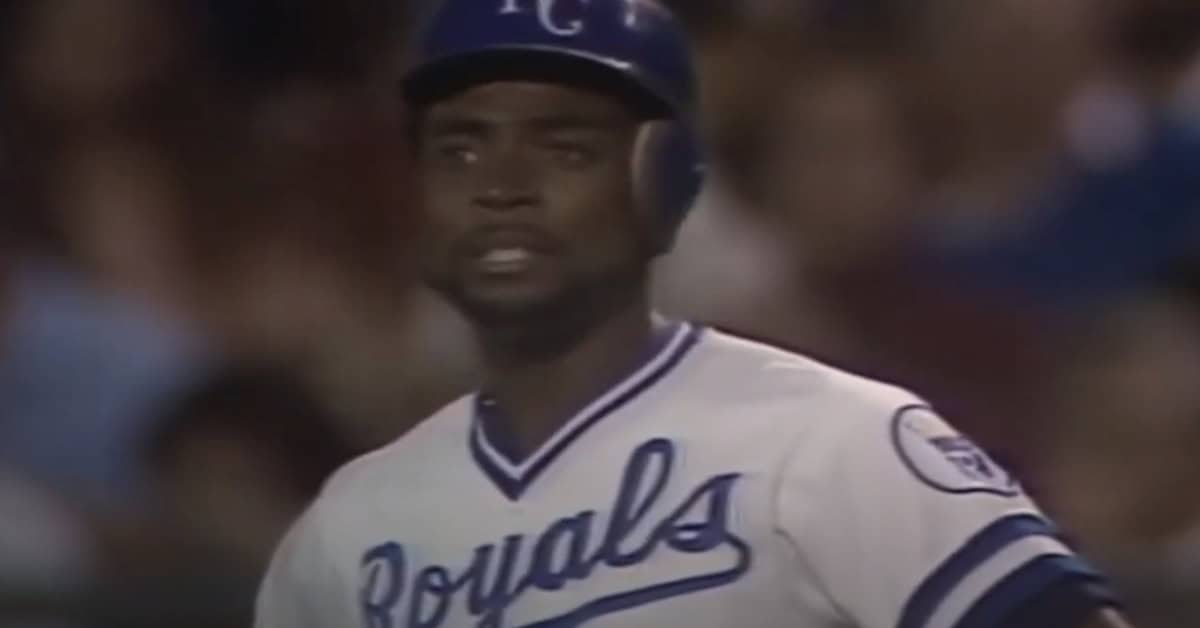
Frank White made defensive plays that defied physics, earning eight Gold Gloves and turning Kansas City’s artificial turf into his personal showcase. His acrobatic double plays and impossible diving catches became must-see TV whenever the Royals were on Game of the Week. White’s defensive wizardry was so spectacular that opposing managers would shake their heads in disbelief, knowing that routine grounders might turn into web gems against the man who redefined second base defense in the late ’70s.
Felix Millan – Atlanta’s Slap-Happy Contact King
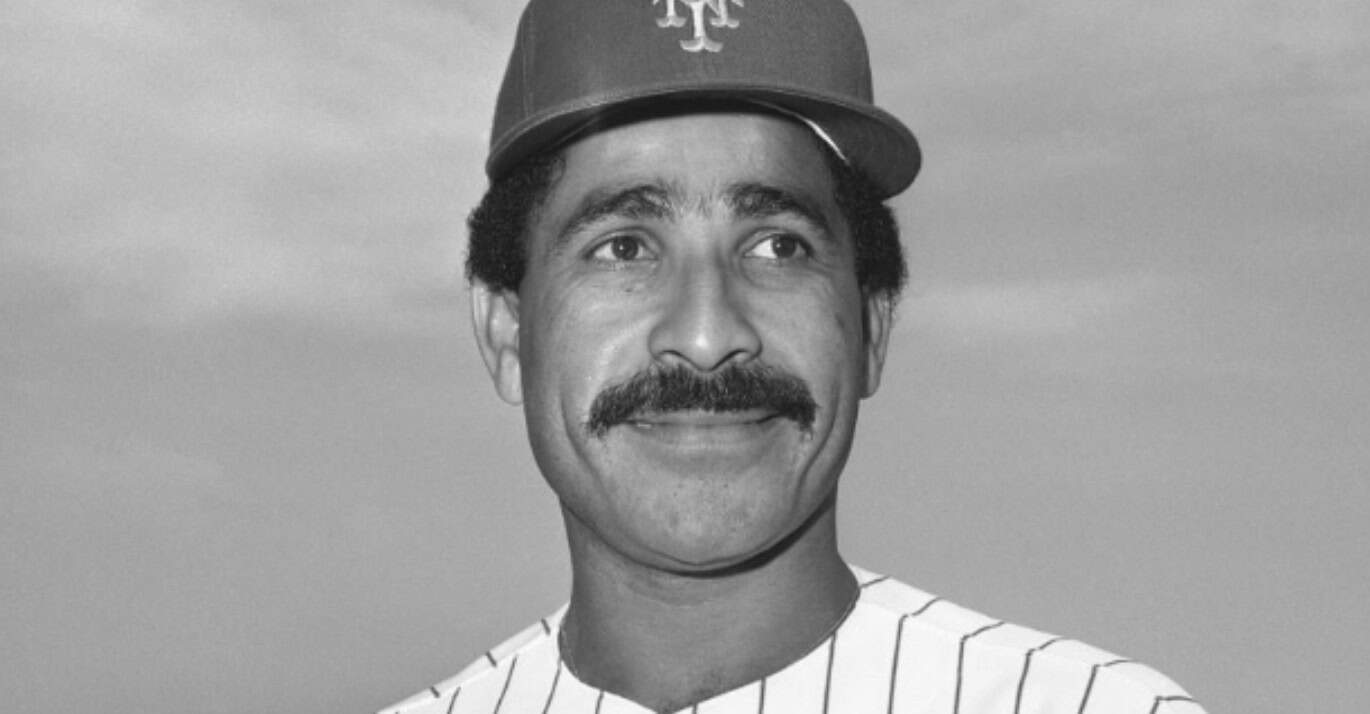
Felix Millan turned choking up on the bat into high art, slapping hits all over the field with his distinctive shortened swing and infectious smile. The Puerto Rican speedster led the National League in hits once during the early ’70s, with 191 in 1970. Millan’s ability to make contact and his lightning-quick hands made him a perfect fit for the artificial turf era, where his ground balls found gaps and his hustle turned singles into doubles.
Willie Randolph – The Yankees’ Steady Eddie
Willie Randolph brought Brooklyn cool to the Bronx, becoming the steady heartbeat of those late-’70s Yankees championship teams. His patient approach at the plate and clutch hitting in October made him the perfect complement to the Yankees’ power hitters, while his smooth fielding provided stability up the middle. Randolph’s .280 average and excellent on-base skills helped fuel the Yankees’ return to glory, proving that sometimes the best players are the ones who make everyone around them better.
Davey Johnson – Baltimore’s Power-Hitting Surprise
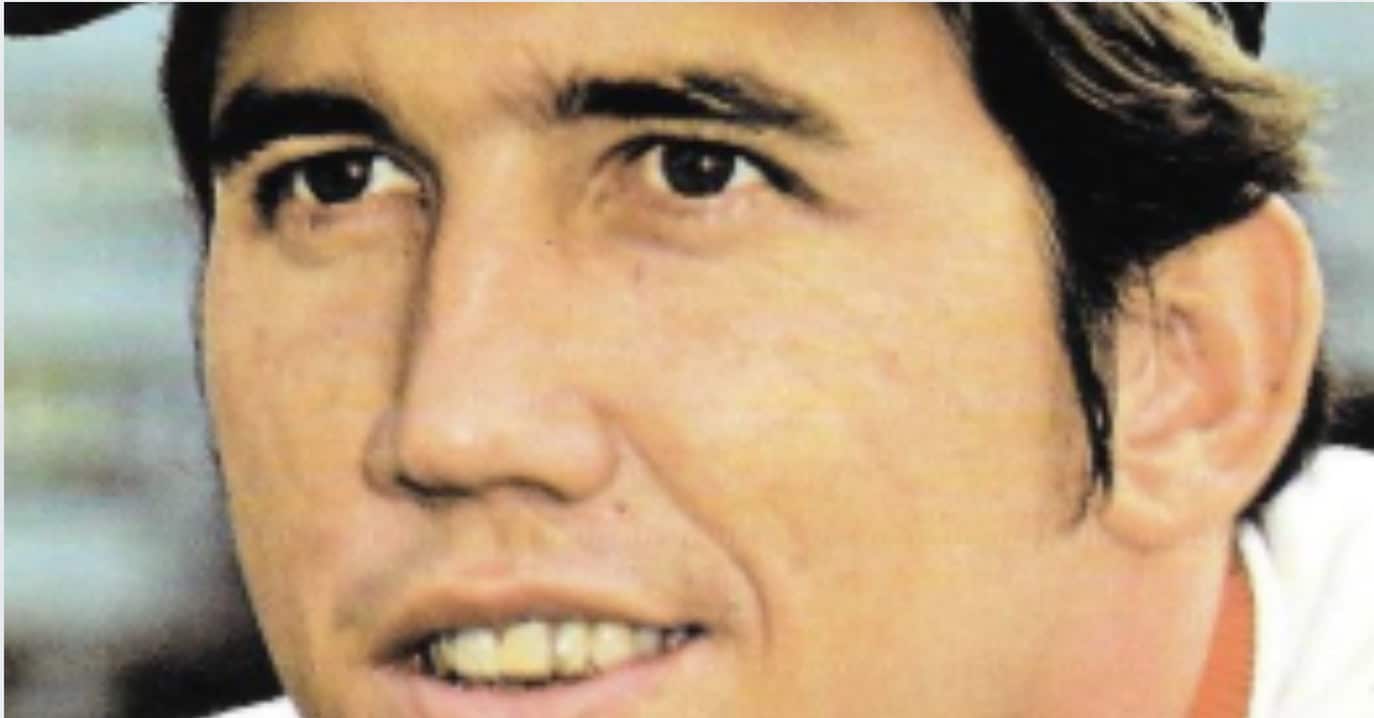
Before he became a legendary manager, Davey Johnson was crushing home runs from second base. His 43 homers in 1973 with the Atlanta Braves set a record for second basemen that stood for decades, proving that the position could produce serious power. Johnson’s analytical approach to hitting was ahead of its time, and he was a key cog in Baltimore’s early-’70s success prior to joining Atlanta, making him a significant figure of the era.
Manny Trillo – The Cubs’ Smooth-Fielding Venezuelan
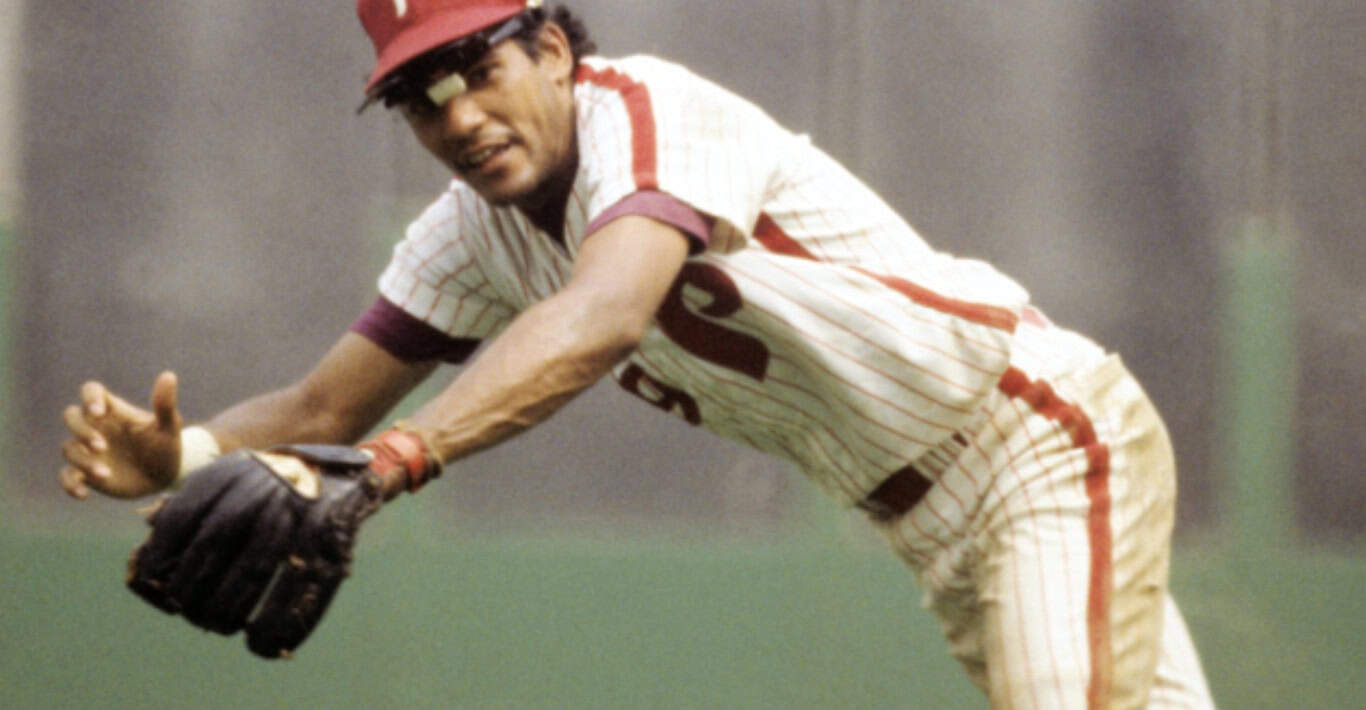
Manny Trillo glided around second base with the grace of a dancer, making difficult plays look effortless with his soft hands and quick release. The Venezuelan infielder brought international flair to the Cubs’ infield, combining solid hitting with spectacular defense that earned him multiple Gold Glove awards. Trillo’s ability to turn the double play with artistic precision made him a fan favorite at Wrigley Field, where his smooth style perfectly complemented the ivy-covered walls and afternoon baseball atmosphere.
Doug Griffin – Boston’s Scrappy Table-Setter
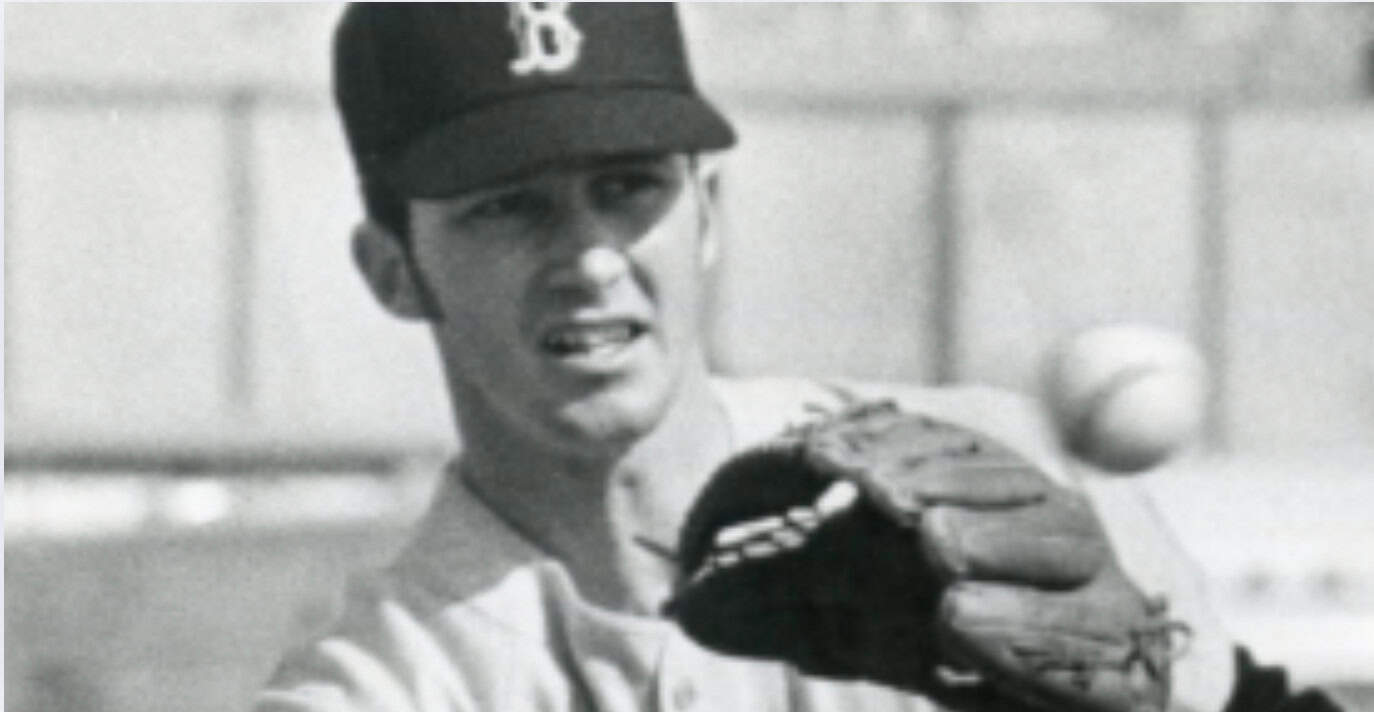
Doug Griffin embodied the scrappy spirit of 1970s baseball, diving for grounders and stretching singles into doubles with pure hustle and determination. His gritty play at second base helped anchor the Red Sox infield during their competitive years of the mid-’70s, while his ability to get on base and manufacture runs made him the perfect complement to Boston’s power hitters. Griffin’s blue-collar approach and clutch hitting in pressure situations made him a beloved figure at Fenway Park.
Paul Molitor – Milwaukee’s Rookie Sensation (Late 70s)
Paul Molitor burst onto the scene in 1978 like a comet, bringing speed and hitting ability that hinted at the Hall of Fame career to come. His rookie season showcased the tools that would make him one of baseball’s most complete players, as he hit .273 while stealing 30 bases and playing solid defense at second base. Molitor’s arrival in Milwaukee signaled the beginning of the Brewers’ rise to prominence, as his versatility and clutch hitting became cornerstones of their late-’70s success.
Jorge Orta – Chicago’s Versatile Switch-Hitter
Jorge Orta brought switch-hitting versatility to the White Sox, providing steady production from both sides of the plate throughout the decade. His ability to hit for average and steal bases made him a valuable asset during Chicago’s rebuilding years, while his infectious personality and hustle endeared him to South Side fans. Orta’s consistent .280 batting average and clutch hitting in key situations proved that sometimes the best players are the ones who simply show up and produce day after day.
Rennie Stennett – Pittsburgh’s Seven-Hit Wonder

Rennie Stennett achieved baseball immortality on September 16, 1975, when he collected seven hits in a nine-inning game, a feat that still stands as a major league record. The Panamanian speedster was more than just a one-game wonder, though, providing consistent hitting and stellar defense for the Pirates throughout the mid-’70s. Stennett’s ability to spray hits to all fields and his lightning speed on the basepaths made him a key contributor to Pittsburgh’s championship teams of the era.
Cookie Rojas – The Royals’ Veteran Leader
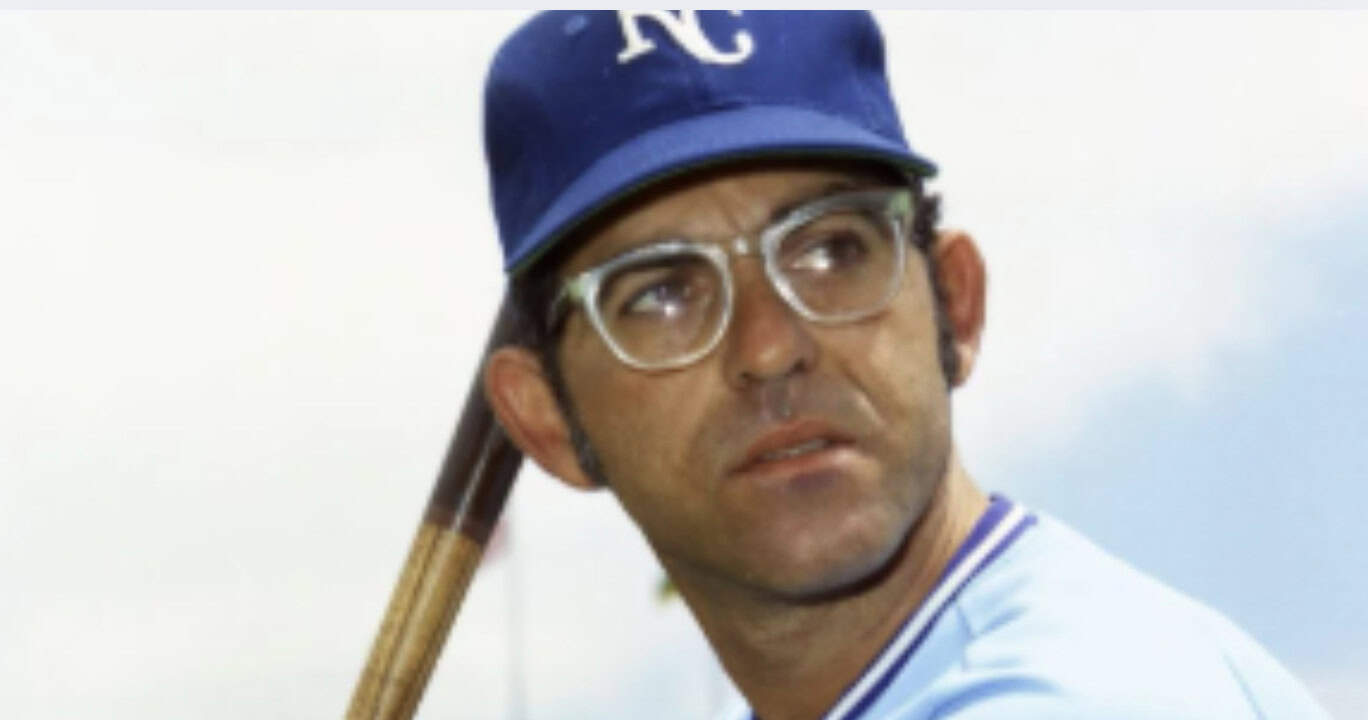
Cookie Rojas brought veteran leadership and clutch hitting to Kansas City’s early years, serving as the steady hand that guided the expansion Royals to respectability. His five All-Star appearances and consistent .270 batting average proved that experience and baseball IQ could overcome physical limitations. Rojas’ ability to mentor younger players while still producing at the plate made him invaluable to the Royals’ development into a championship contender by the end of the decade.
Ted Sizemore – The Steady Glove Man
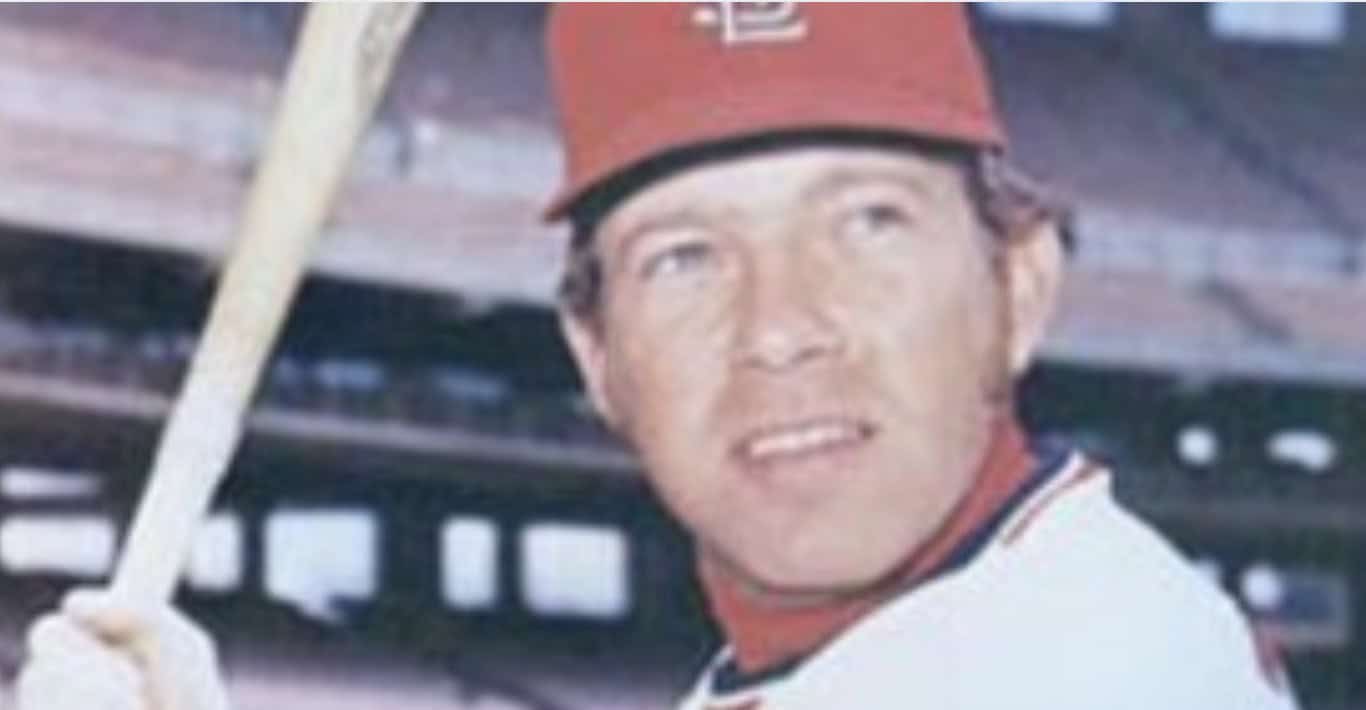
Ted Sizemore was the 1969 National League Rookie of the Year who continued his solid play into the ’70s, providing steady defense and timely hitting for the Dodgers and other clubs. His fundamentally sound approach to the game and ability to execute in clutch situations made him a valuable player. Sizemore’s consistency and professionalism set a high standard for second base play in Los Angeles during the early part of the decade, contributing to the team’s strong performances, and he continued to be a reliable player for several teams throughout the 1970s.
Jerry Remy – Boston’s Pesky Pest
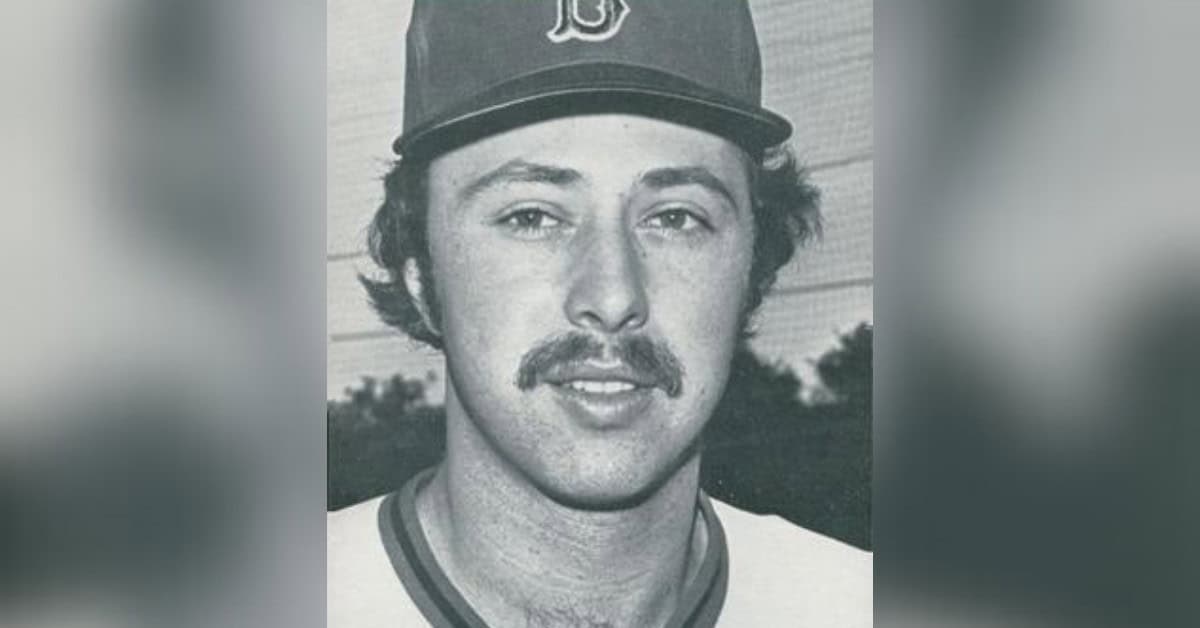
Jerry Remy brought California speed to Boston’s lineup, stealing bases and creating havoc on the basepaths with his aggressive style. His arrival from the Angels in 1978 provided the Red Sox with the catalyst they needed at the top of their order, as his ability to get on base and score runs perfectly complemented the team’s power hitters. Remy’s hustling style and clutch hitting made him an instant fan favorite at Fenway, where his scrappy play embodied the spirit of New England baseball.
Rodney Scott – Montreal’s Speedy Sparkplug
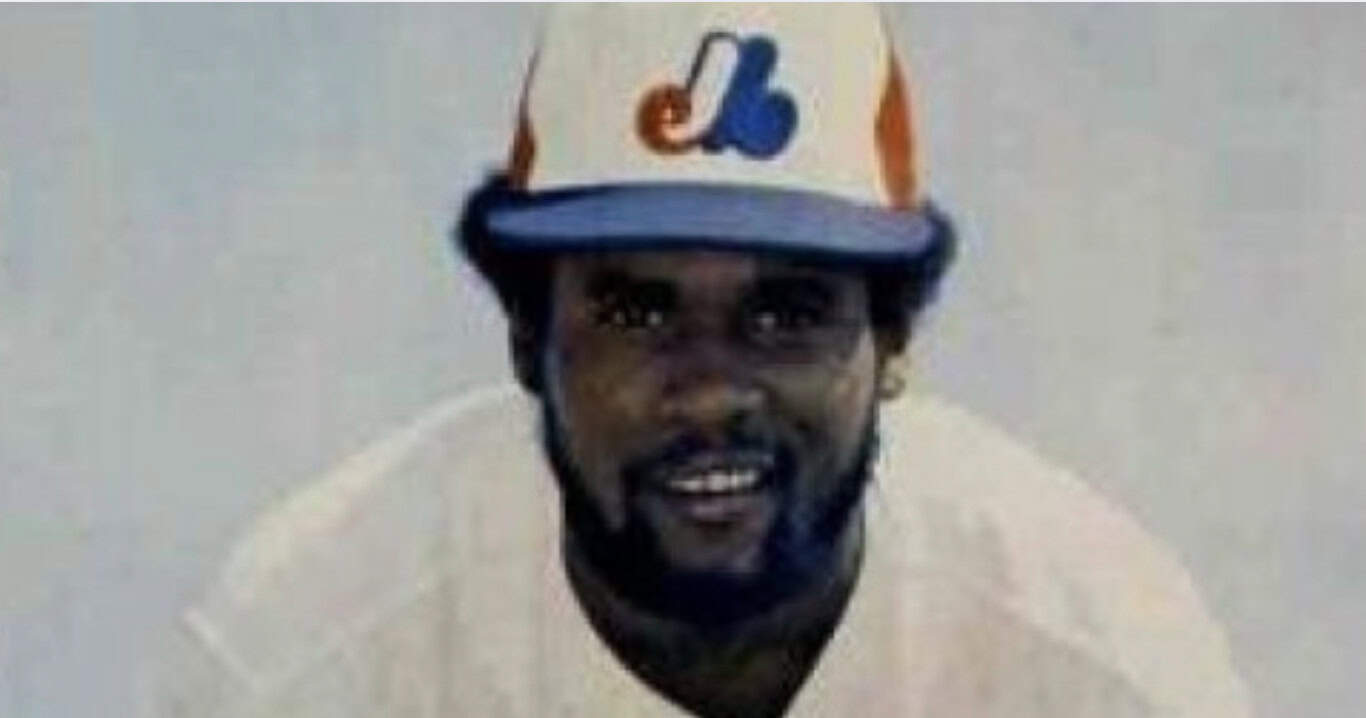
Rodney Scott brought blazing speed and infectious energy to Montreal’s lineup, stealing bases with the frequency of a metronome and the excitement of a carnival. His 63 stolen bases in 1980 (though technically after the ’70s) were preceded by consistently excellent base-stealing throughout the late ’70s. Scott’s ability to disrupt opposing pitchers and create scoring opportunities from seemingly nothing made him a perfect fit for the Expos’ up-tempo style of play in Olympic Stadium.
Julio Cruz – Seattle’s Base-Stealing Specialist
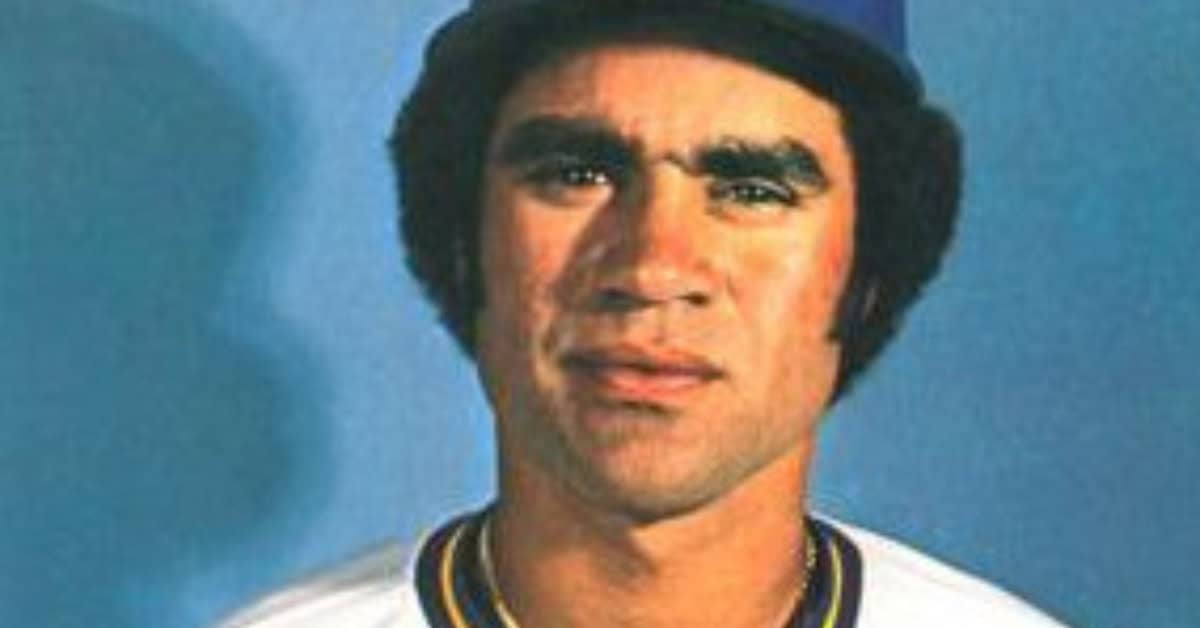
Julio Cruz arrived in Seattle as part of the Mariners’ inaugural season in 1977, bringing speed and excitement to the expansion franchise. His 59 stolen bases in 1978 gave Seattle fans something to cheer about during those lean early years, while his solid defense at second base provided stability in the infield. Cruz’s hustle and determination embodied the spirit of a young franchise trying to establish itself, making him one of the first true fan favorites in Mariners history.
Rob Andrews – Houston’s Reliable Role Player
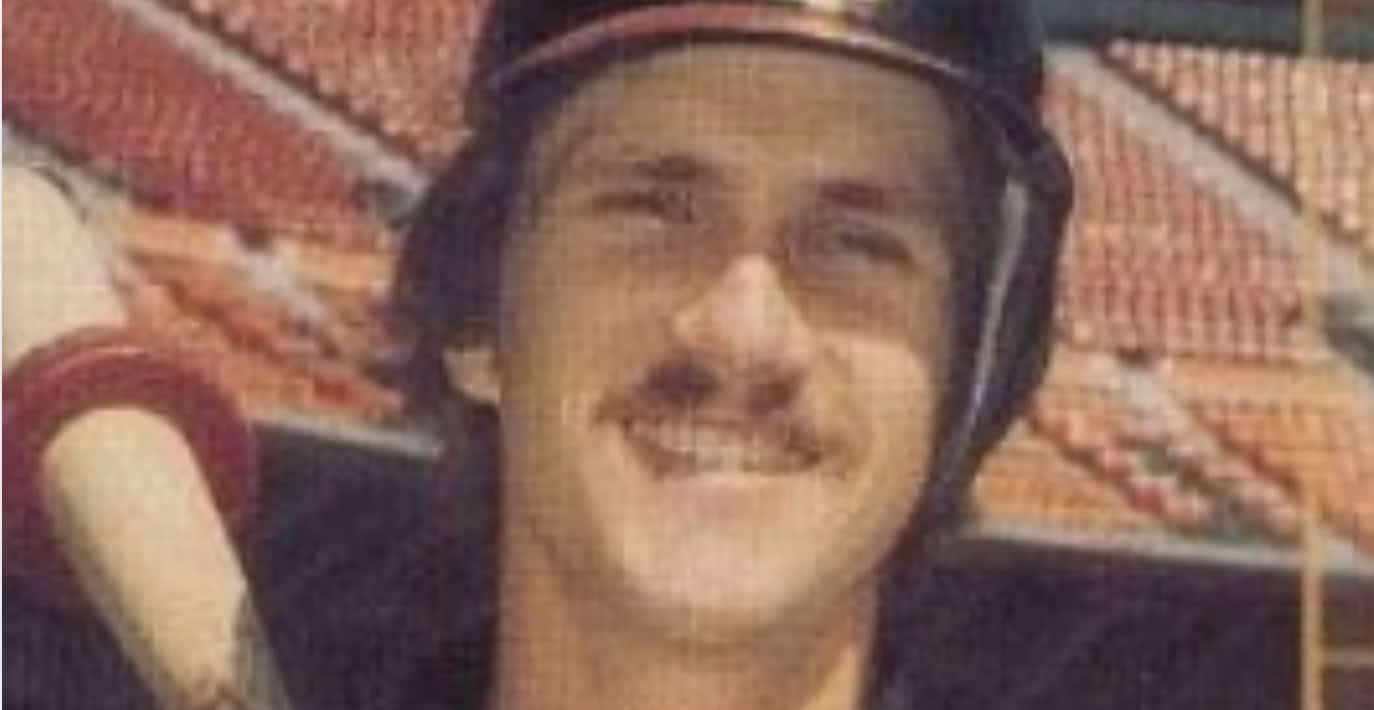
Rob Andrews provided steady, workmanlike production for the Astros during their transition years of the mid-’70s, hitting for average and playing solid defense without fanfare. His ability to execute the fundamentals and come through in clutch situations made him a valuable contributor to Houston’s improving fortunes. Andrews represented the type of player every team needs – reliable, consistent, and professional – proving that not every hero wears a cape or hits 30 home runs.
Lenny Randle – Texas’ Flashy Showboat
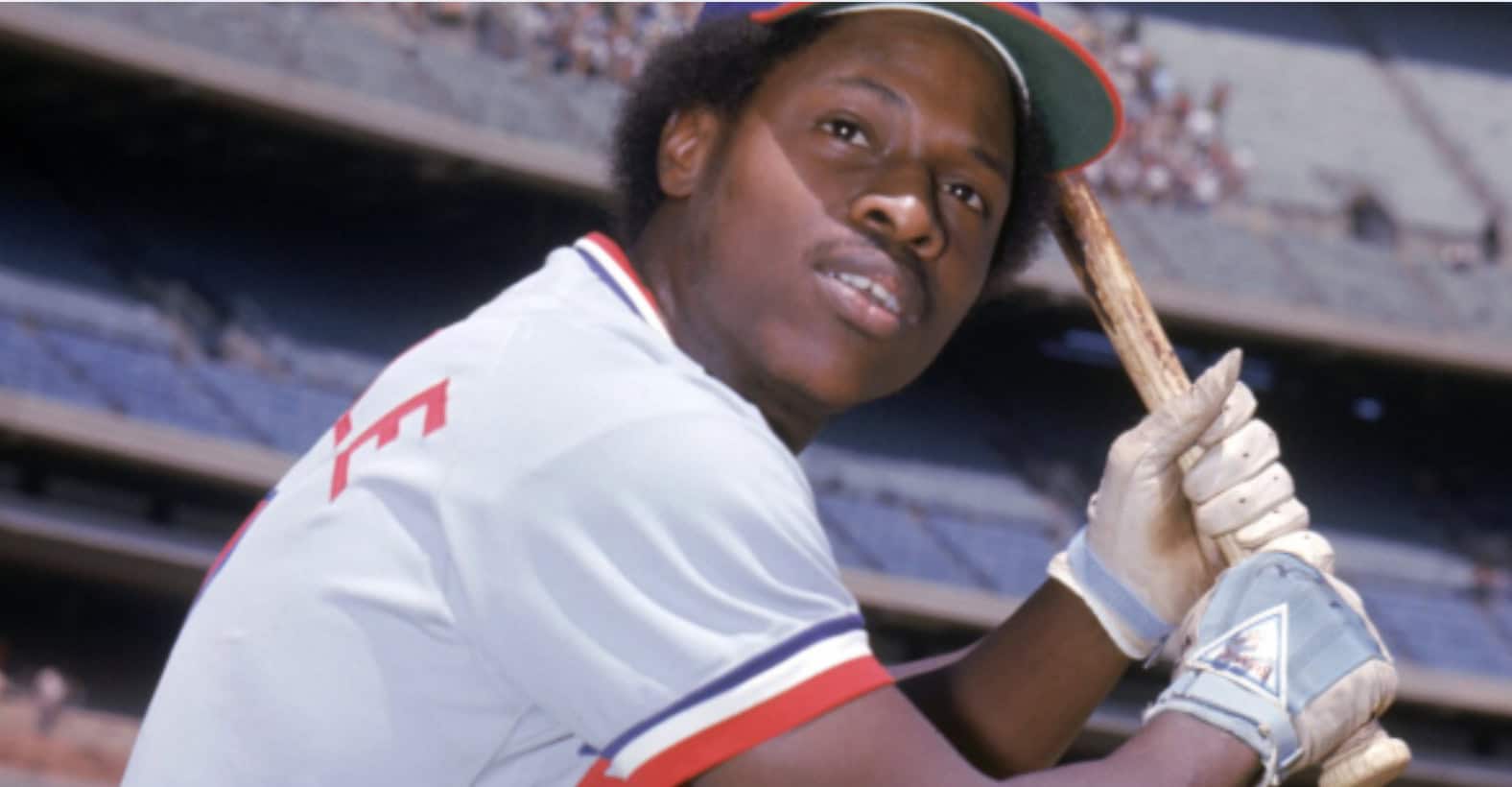
Lenny Randle brought showmanship and controversy to Texas in equal measure, combining solid hitting with memorable antics that made him one of baseball’s most colorful characters. His ability to play multiple positions and hit for average made him valuable on the field, while his famous incident of trying to blow a foul ball fair became part of baseball folklore. Randle’s flamboyant personality and clutch hitting perfectly captured the wild, anything-goes spirit of 1970s baseball, making him unforgettable even decades later.