

Last Updated: June 17th, 2026 by Michael Schatz
The 1960s were baseball’s golden age of second base play, when leather wizards and contact kings ruled the keystone sack. From Yankee Stadium’s hallowed grounds to Wrigley’s ivy-covered walls, these middle infielders defined an era with their gloves, bats, and grit.
Don't lose this article. Enter your email below, and I'll send it to you right now. Plus, we'll send you other unbelievable stories from baseball's past.
Pete Rose – The Hit King Started Here
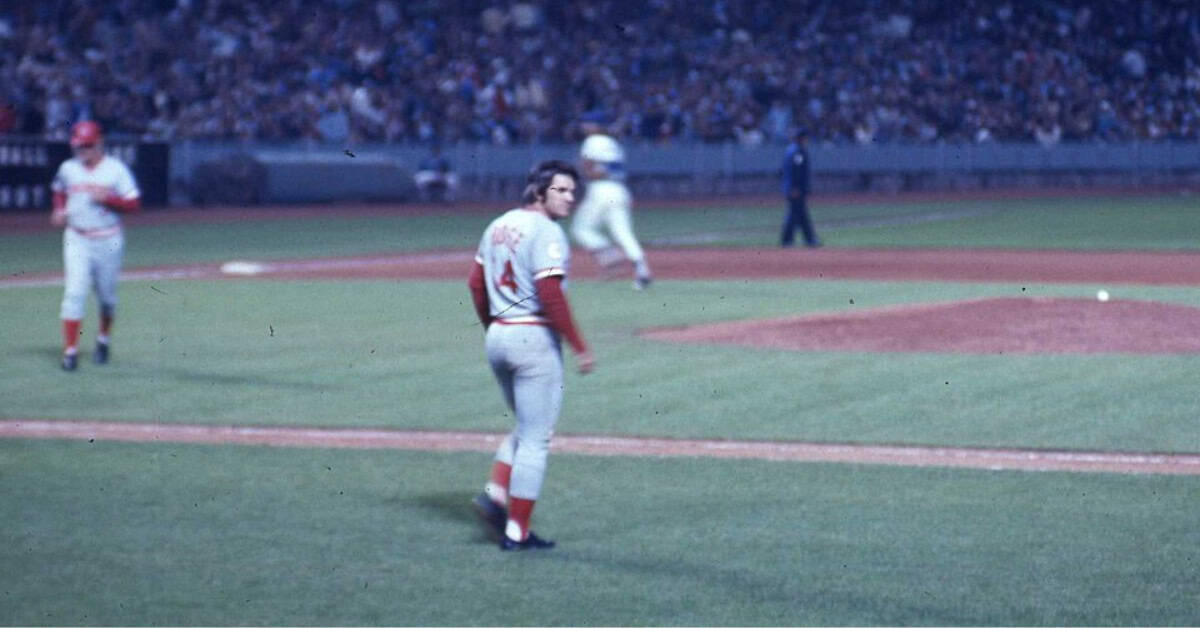
Before Charlie Hustle became baseball’s all-time hit king, he was Cincinnati’s scrappy second baseman with a crew cut and unlimited energy. Rose’s headfirst slides and aggressive base running electrified Crosley Field crowds throughout the mid-60s. His 1963 Rookie of the Year season at second base launched a career that would redefine what it meant to play the game hard every single day.
Dick McAuliffe – Detroit’s Switch-Hitting Sparkplug
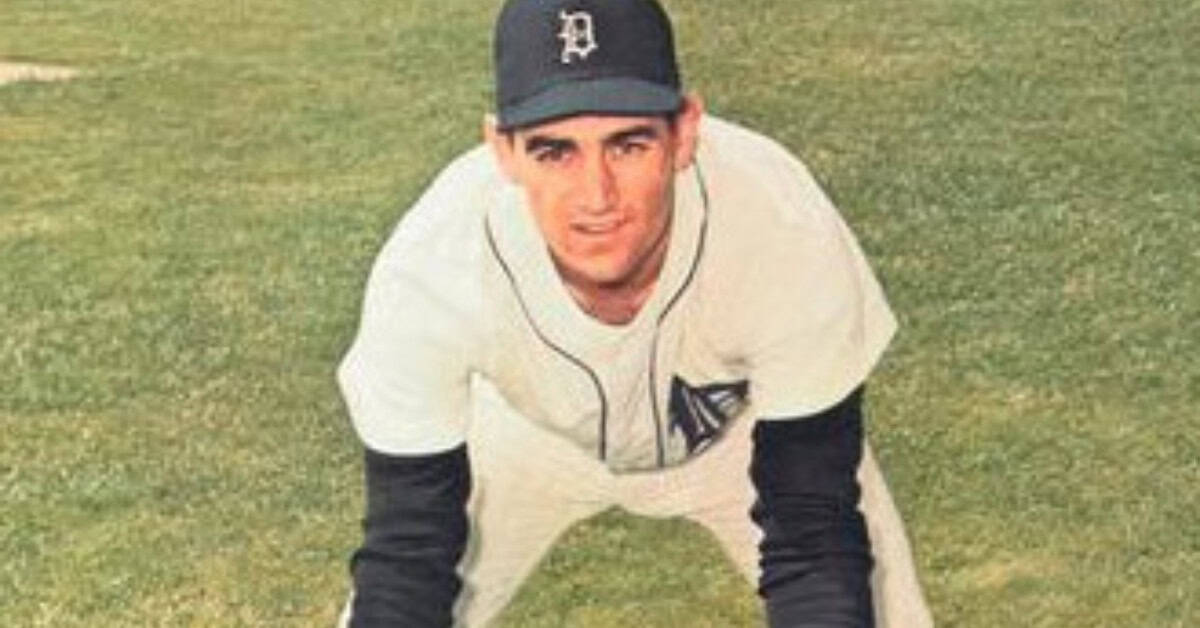
McAuliffe’s unique batting stance—feet spread impossibly wide, crouched like a catcher—became iconic at Tiger Stadium throughout the decade. The switch-hitter’s 22 home runs in 1966 helped power Detroit’s resurgence, while his defensive versatility allowed him to play both second and short. His clutch hitting in the 1968 World Series championship run cemented his place in Motor City lore.
Bill Mazeroski – The Defensive Wizard Who Owned October
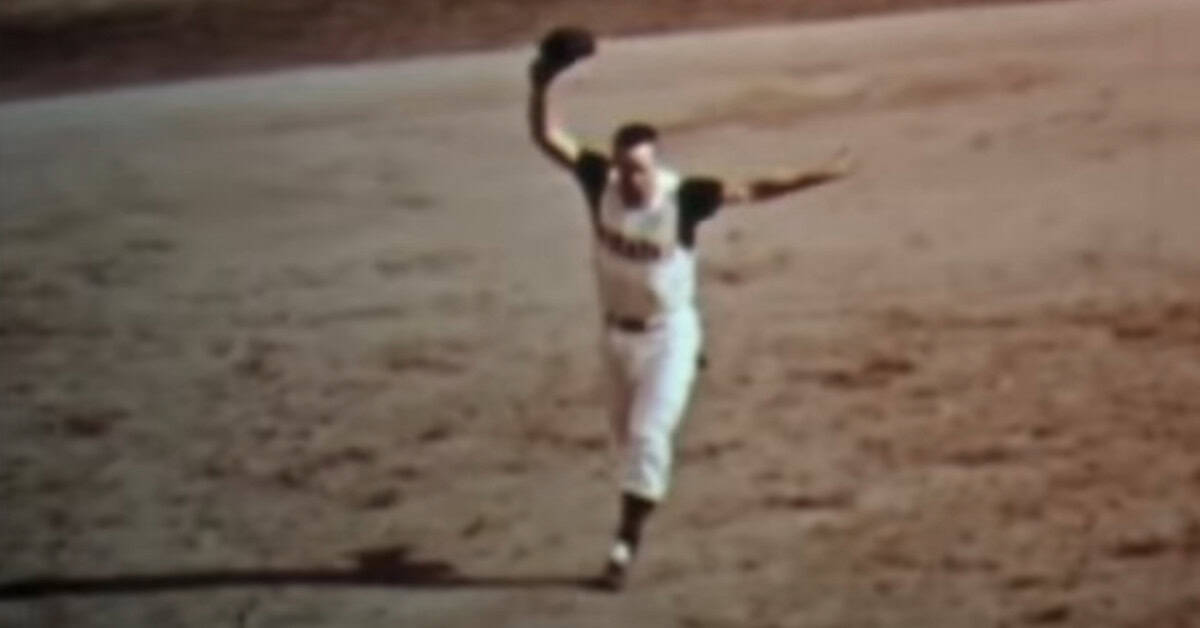
Maz’s October 13, 1960, World Series-winning home run may have technically been in the previous decade, but his defensive mastery defined Pittsburgh’s keystone throughout the 1960s. His lightning-quick pivot and cannon arm turned countless double plays at Forbes Field, while his eight Gold Gloves spoke to a defensive excellence that made him the standard by which all second basemen were measured.
Bobby Richardson – The Yankee Who Never Struck Out

Richardson’s incredible contact hitting made him a fixture in the Yankees’ championship runs of the early 1960s, striking out just 22 times in 1963 while playing 161 games. The South Carolina native’s steady glove and clutch October performances helped New York capture two World Series titles (1961 and 1962) during the decade. His 1960 World Series MVP award remains one of the few times a player from the losing team took home the honor.
Bobby Knoop – California’s Gold Glove Guardian
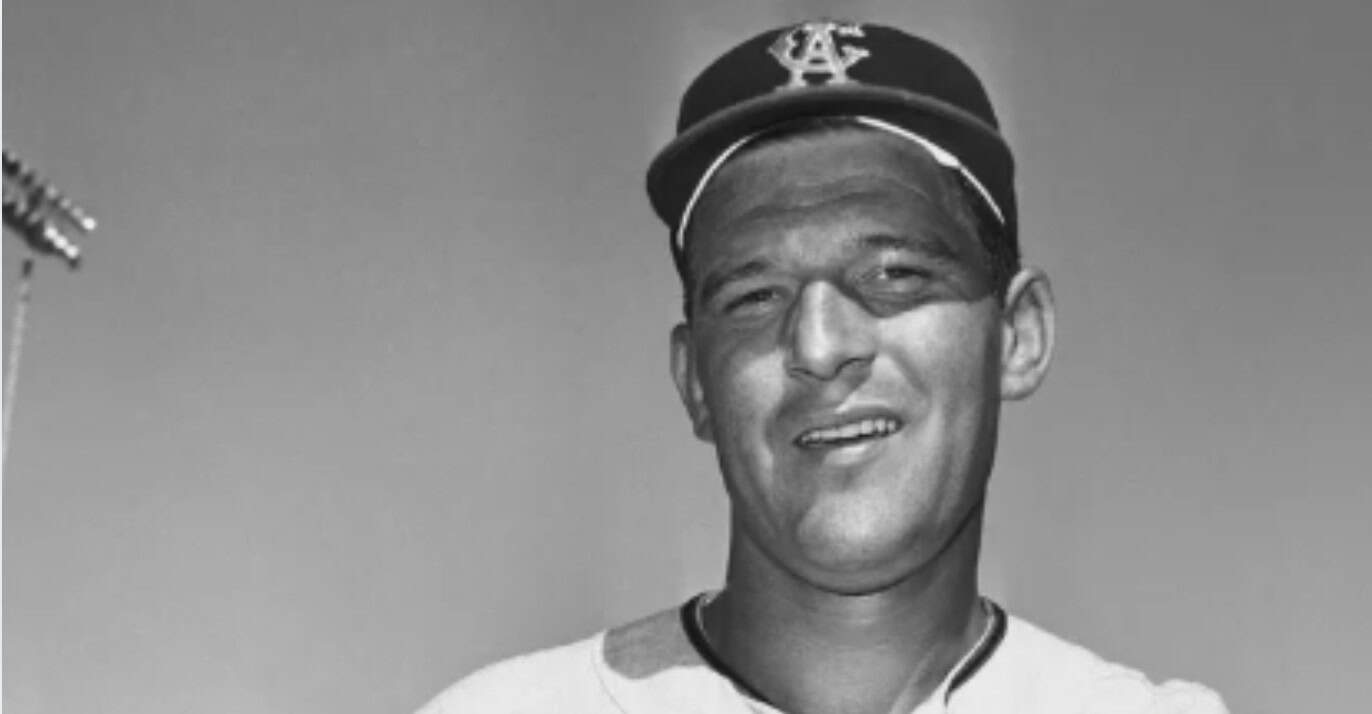
Knoop’s three consecutive Gold Gloves from 1966-1968 began with his spectacular defensive work for the California Angels in the mid-60s. His acrobatic plays at Anaheim Stadium became must-see television, while his partnership with shortstop Jim Fregosi formed one of baseball’s premier double-play combinations. Though his bat was light, his glove was pure gold under the California sun.
Glenn Beckert – Chicago’s Clutch Contact King
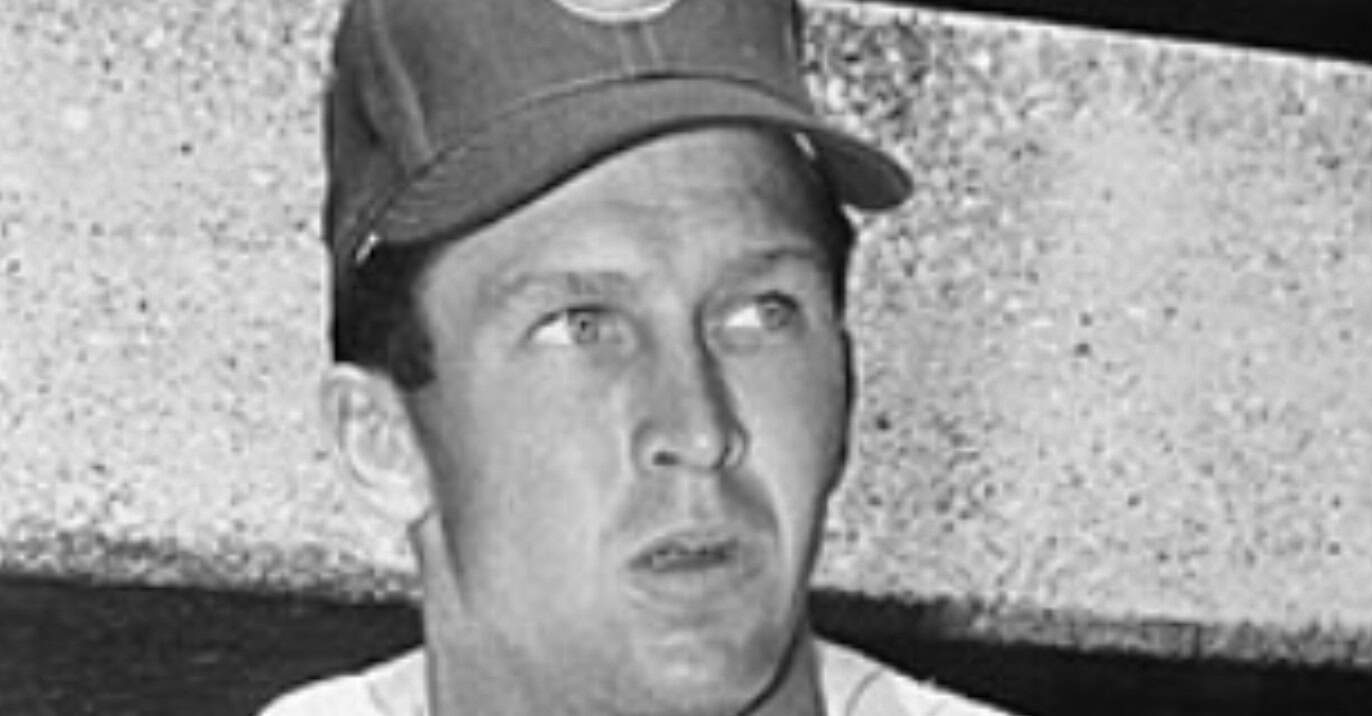
Beckert’s .283 career average and exceptional contact hitting made him a perfect fit for Wrigley Field’s day-game atmosphere throughout the late 1960s. The Pittsburgh native’s ability to work counts and find holes in the defense frustrated opposing pitchers, while his steady glove anchored Chicago’s infield. His four All-Star selections reflected his consistent excellence during the Cubs’ competitive years of the decade.
Nellie Fox – The Tobacco-Chewing Veteran’s Last Stand

Fox’s time in the early 1960s, largely with the White Sox before moving to Houston for his final two seasons (1964-1965), showcased the gritty veteran’s legendary tobacco-chewing, contact-hitting style that defined an era. The 12-time All-Star’s distinctive batting stance and perpetual cheek bulge made him instantly recognizable at Comiskey Park. Though past his prime, Fox’s veteran leadership and clutch hitting helped guide Chicago’s young players through the decade’s transition.
Davey Johnson – The Future Manager’s Playing Days
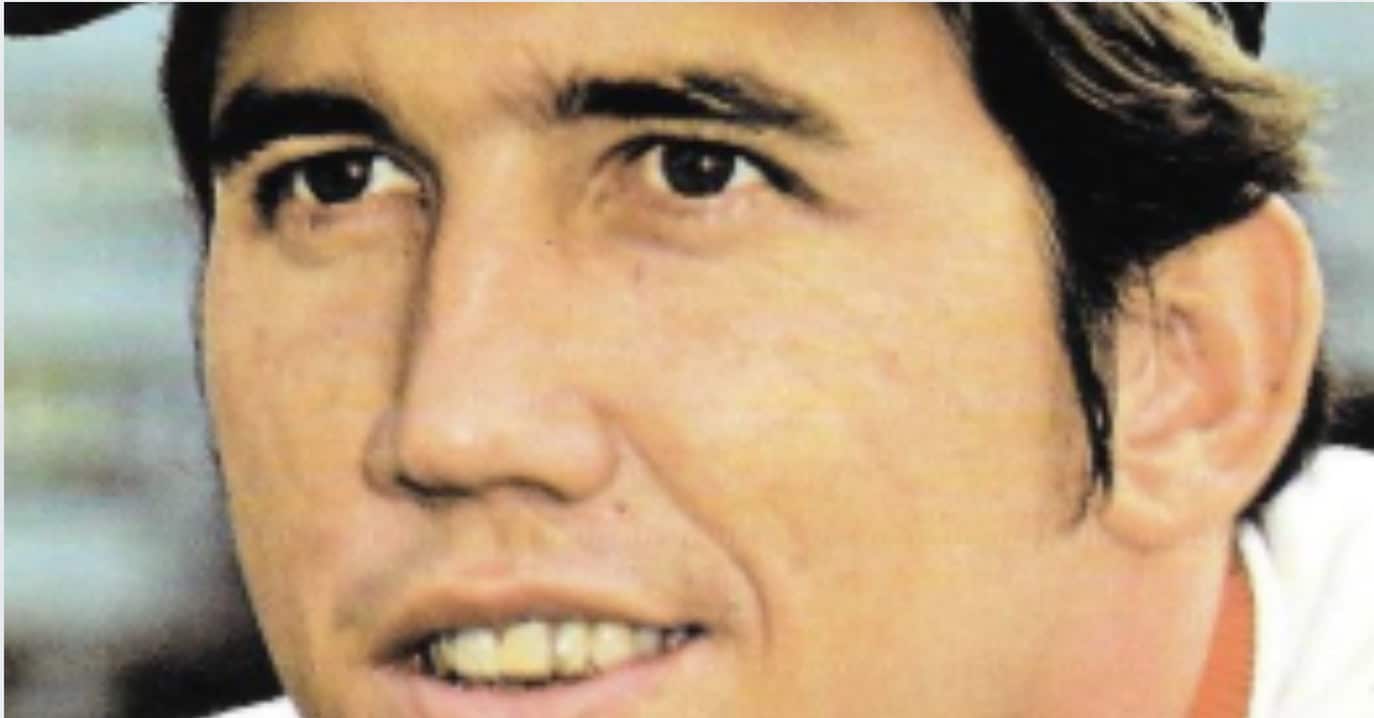
Long before Johnson managed the Mets to their 1986 World Series title, he was Baltimore’s steady second baseman during their rise to prominence in the late 1960s. His 1969 season, where he hit 10 home runs, along with his defensive consistency, helped anchor the Orioles’ championship-caliber infield. Johnson’s baseball IQ was evident even then, foreshadowing his future success in the dugout.
Felix Millan – Atlanta’s Pesky Table-Setter
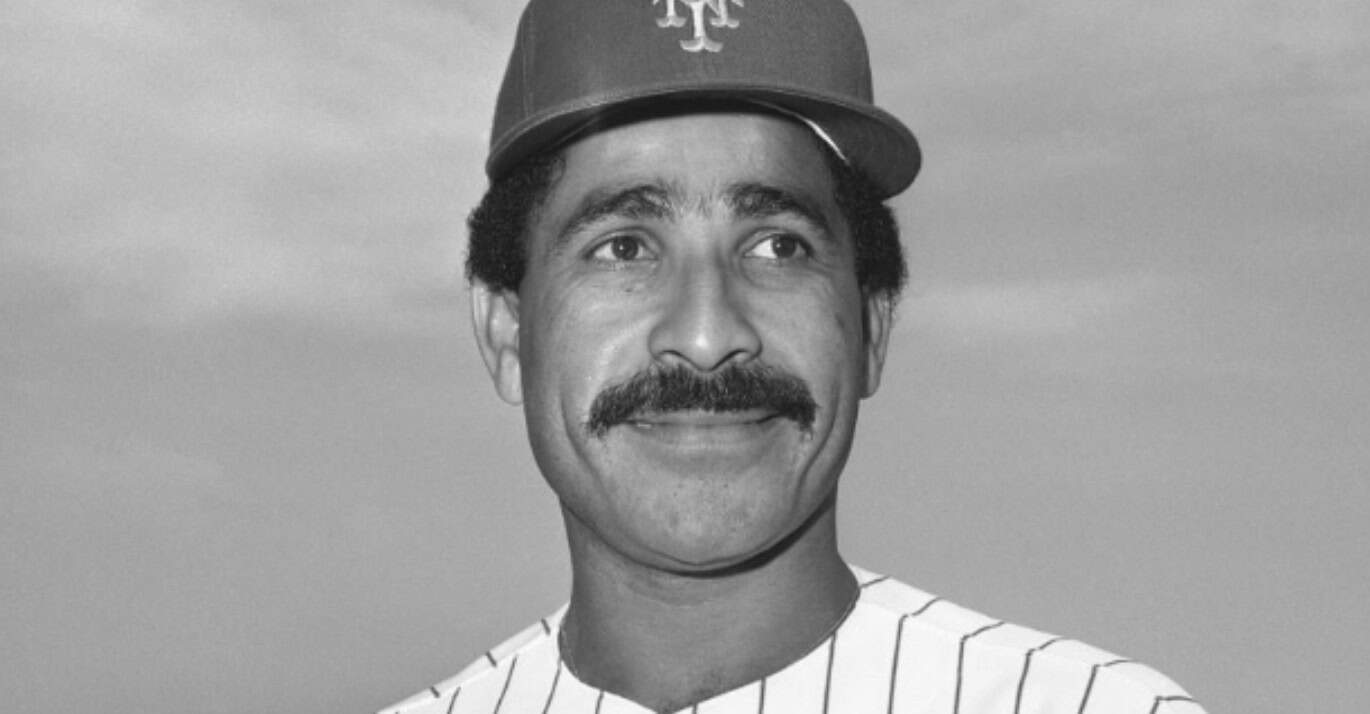
Millan’s arrival in Atlanta during the late 1960s brought a new energy to the Braves’ lineup with his pesky at-bats and aggressive base running. The Puerto Rican infielder’s ability to work counts and get on base made him a perfect leadoff hitter for Atlanta’s powerful lineup. His defensive range and quick release helped him excel in the spacious confines of Atlanta-Fulton County Stadium.
Ken Hubbs – The Rookie of the Year Tragedy
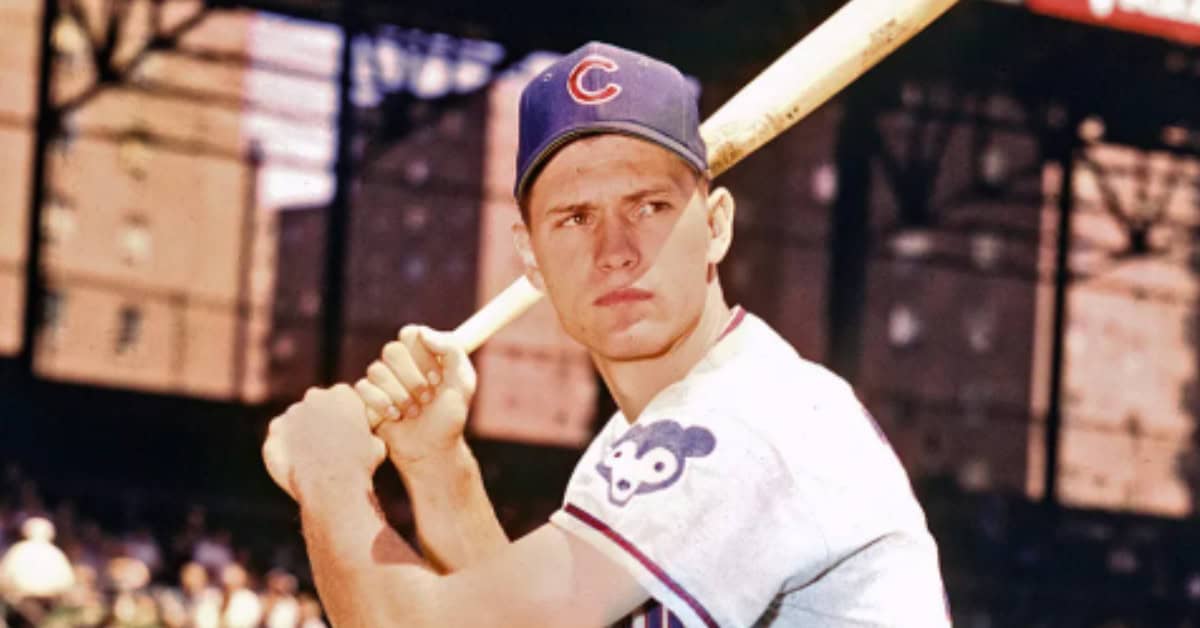
Hubbs’ 1962 National League Rookie of the Year season showcased defensive brilliance that Cubs fans had never seen at second base. His record-setting 78 consecutive games without an error demonstrated the kind of fielding excellence that promised a Hall of Fame career. Tragically, his death in a 1964 plane crash robbed baseball of what could have been one of the decade’s greatest defensive players.
Joe Morgan – The Future Hall of Famer’s Early Years
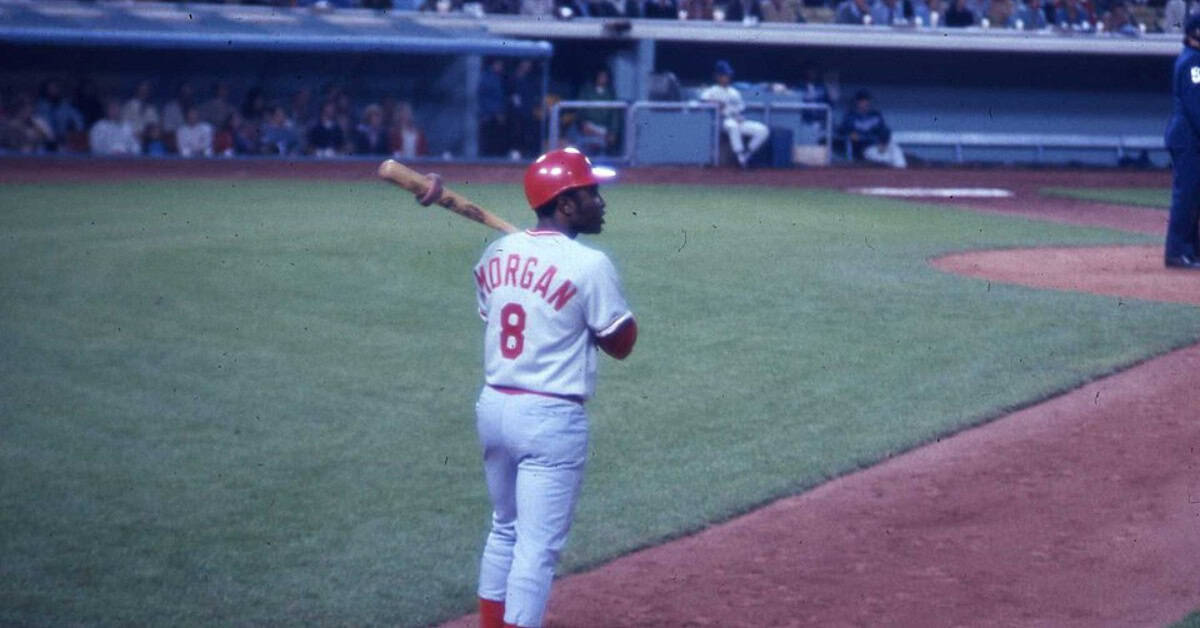
Before becoming the Big Red Machine’s engine, Morgan honed his skills in the Astrodome’s artificial turf and unique dimensions throughout the mid-1960s. His distinctive batting stance and aggressive base running were already evident in Houston, where he learned to use his speed and baseball IQ to maximum advantage. These formative years in the dome prepared him for the greatness that would define the following decade.
Don Buford – Baltimore’s Speedy Switch-Hitter
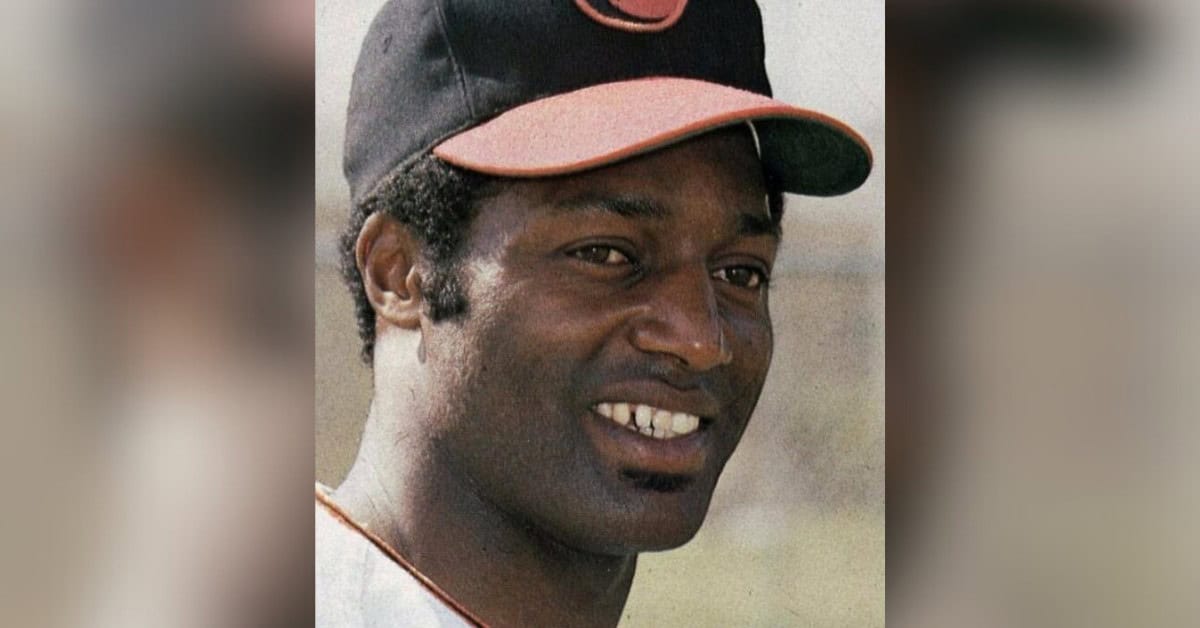
Buford’s switch-hitting ability and blazing speed made him a valuable utility player for Baltimore’s championship teams of the late 1960s. His versatility allowed him to play multiple positions while providing the Orioles with a dangerous pinch-running threat and clutch situational hitter. His World Series experience and veteran leadership proved invaluable during Baltimore’s rise to American League dominance.
Jerry Lumpe – Kansas City’s Steady Eddie
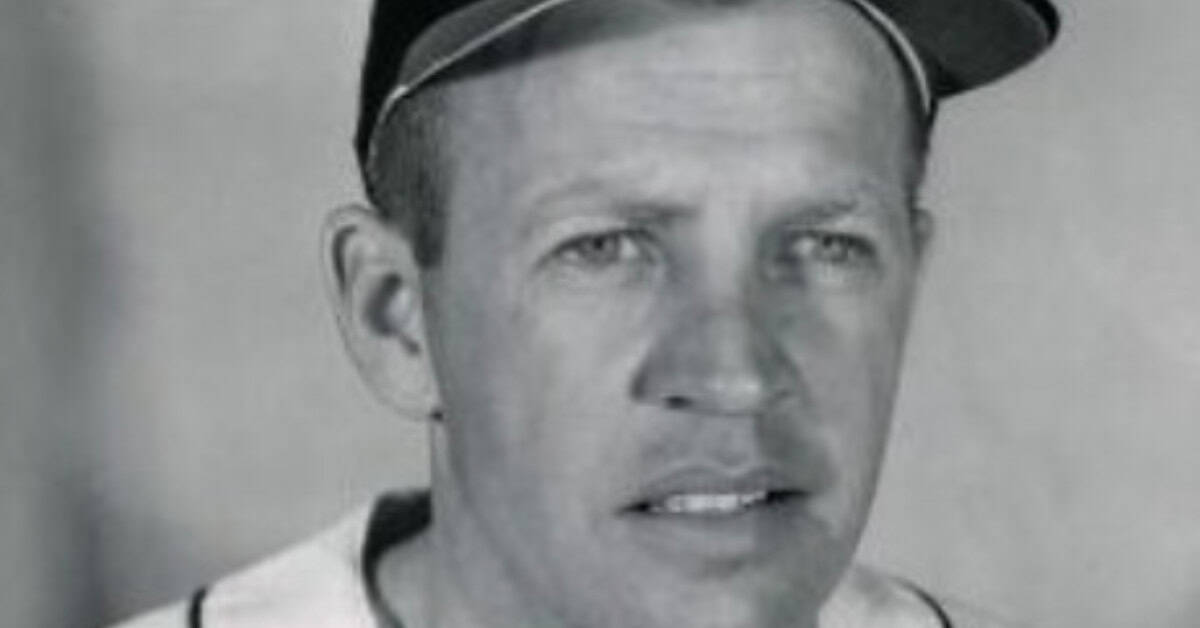
Lumpe’s consistent .270s batting averages and reliable defense made him the kind of steady veteran that kept Kansas City competitive throughout the early 1960s. His professional approach and clutch hitting in pressure situations earned respect from teammates and opponents alike at Municipal Stadium. Though never flashy, Lumpe’s dependability represented the blue-collar baseball that defined the Athletics’ Kansas City years.
Jim Lefebvre – The Dodger Who Could Do It All
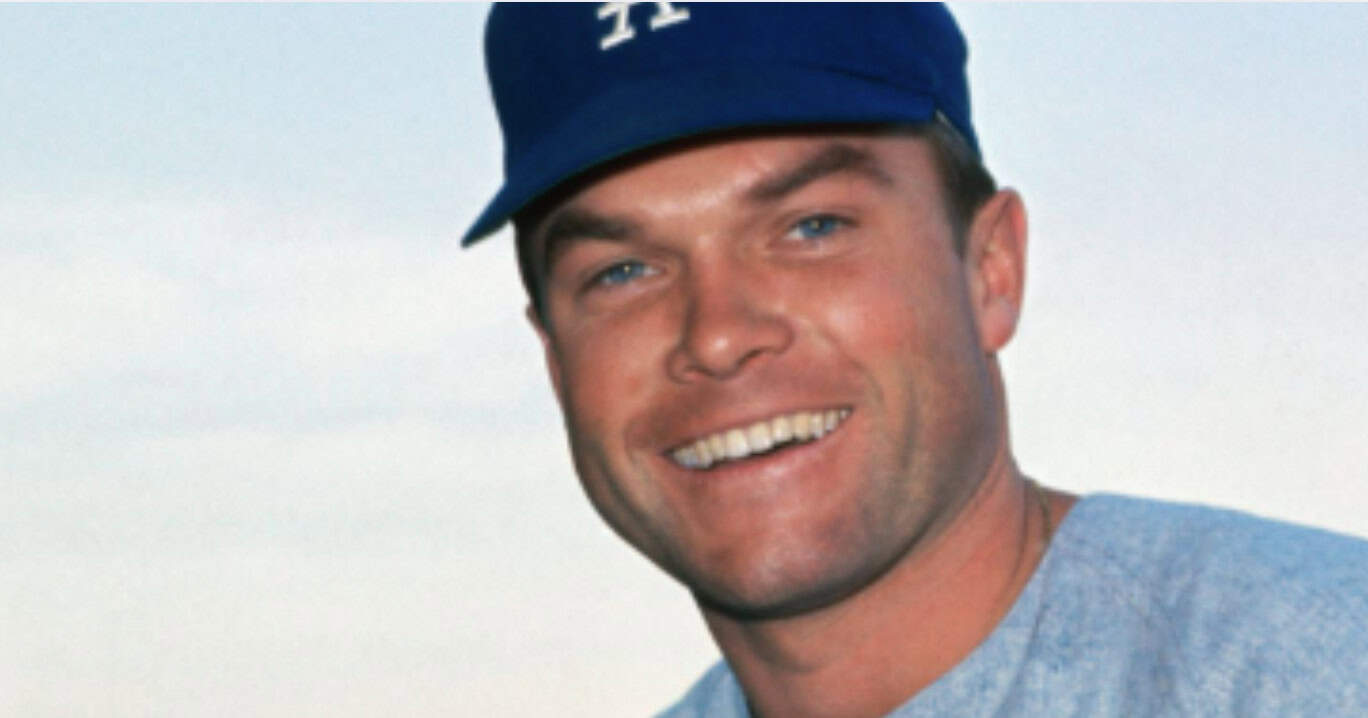
Lefebvre’s 1965 Rookie of the Year season perfectly captured the Dodgers’ blend of power and speed that dominated the mid-1960s. His 12 home runs and solid defense helped Los Angeles capture the World Series championship, while his versatility allowed him to contribute wherever manager Walter Alston needed him. The UCLA product embodied the California cool that made the Dodgers baseball’s most glamorous franchise.
Tony Taylor – Philadelphia’s Reliable Veteran
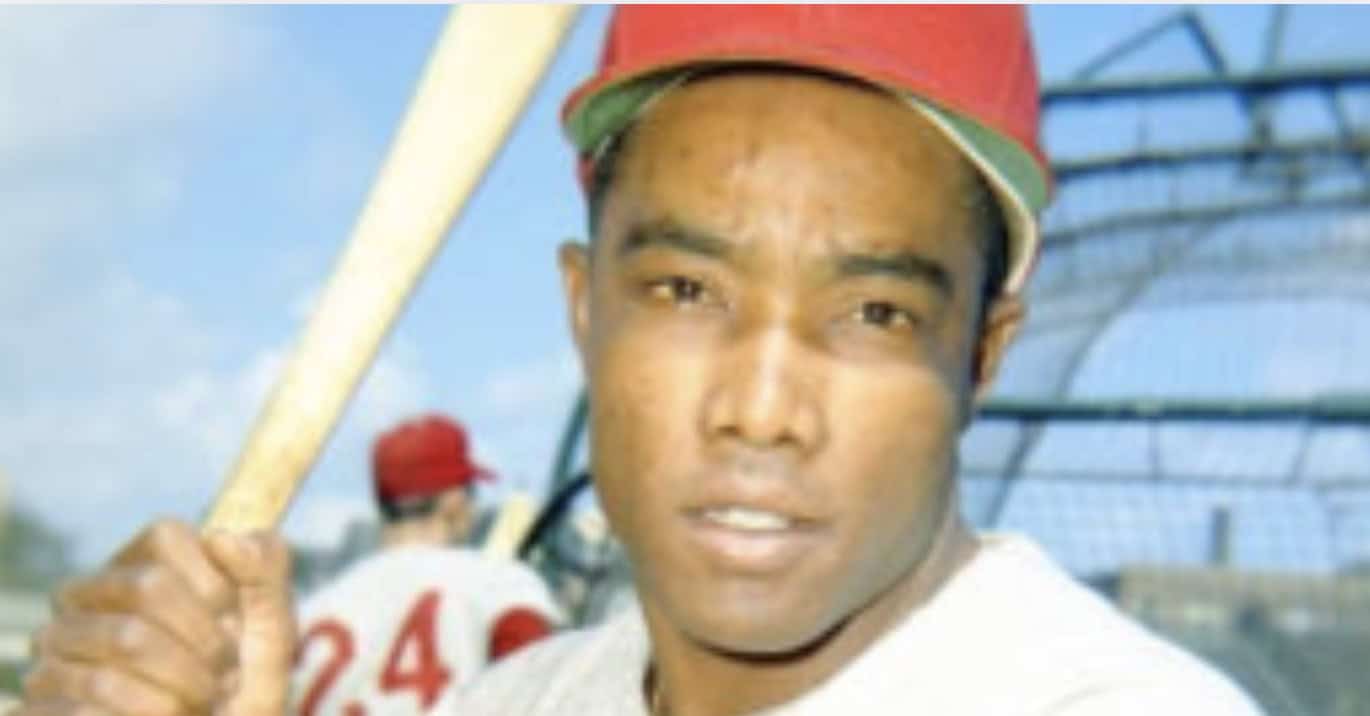
Taylor’s steady glove and consistent bat provided Philadelphia with reliable production throughout the decade’s rebuilding years. The Cuban-born infielder’s professional approach and veteran leadership helped guide younger Phillies players through the growing pains of the 1960s. His durability and clutch hitting made him a fan favorite at Connie Mack Stadium, where his hustle never went unnoticed.
Mike Andrews – Boston’s Unsung Hero
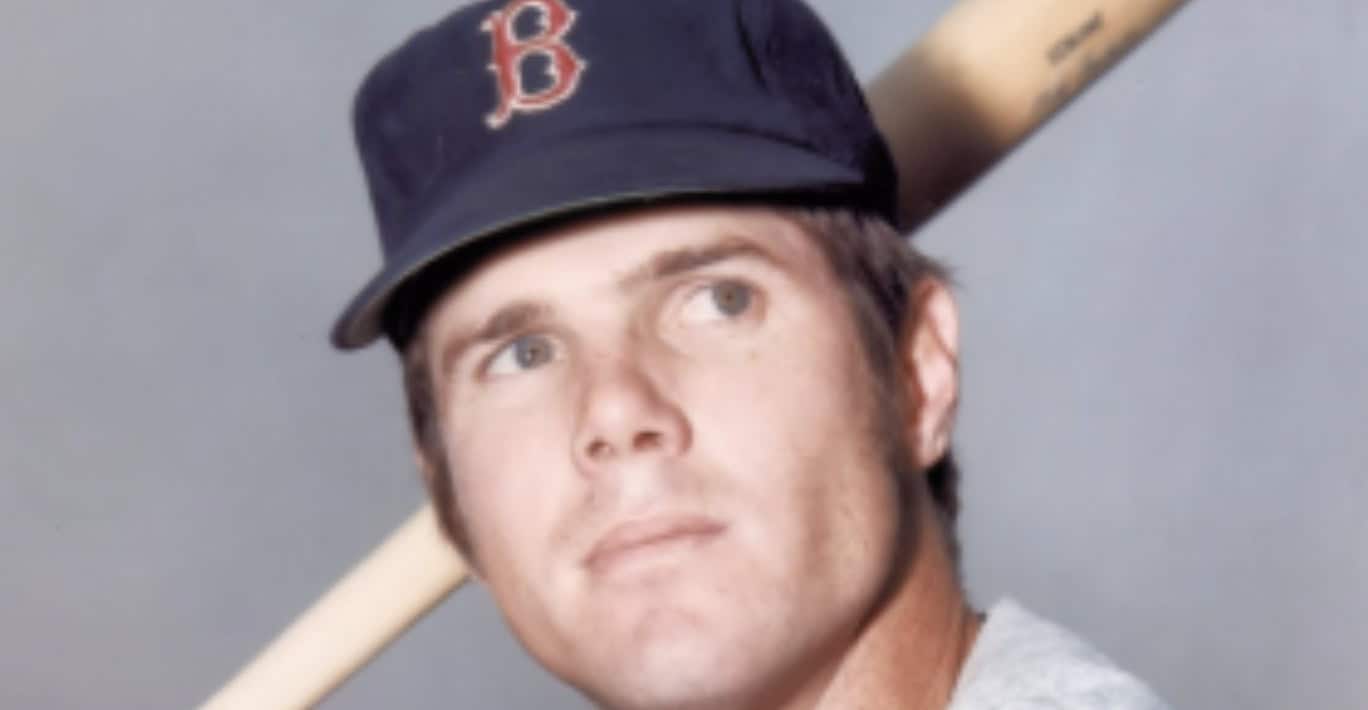
Andrews’ contributions to Boston’s “Impossible Dream” 1967 season often went overlooked amid the heroics of Carl Yastrzemski and Jim Lonborg. His steady defense and timely hitting provided the Red Sox with crucial support during their magical run to the World Series. The UCLA graduate’s intelligence and clutch performances in pressure situations helped transform Boston from also-rans to American League champions.
Rod Carew – The Hitting Machine’s Debut Decade
Carew’s 1967 American League Rookie of the Year season announced the arrival of baseball’s most gifted pure hitter since Ted Williams. His unique batting stance and uncanny ability to place hits anywhere on the field mesmerized fans at Metropolitan Stadium from his very first season. The Panamanian-born infielder’s .292 rookie average was just a preview of the hitting mastery that would define the following decades.
Julian Javier – St. Louis’s World Series Star

Javier’s clutch hitting and stellar defense helped power St. Louis to three World Series appearances during the 1960s, including championships in 1964 and 1967. The Dominican infielder’s crucial three-run home run in Game 7 of the 1967 World Series exemplified his ability to rise to the biggest moments. His partnership with shortstop Dal Maxvill formed one of the National League’s most reliable double-play combinations at Busch Stadium.
Cookie Rojas – The Utility Man’s Prime
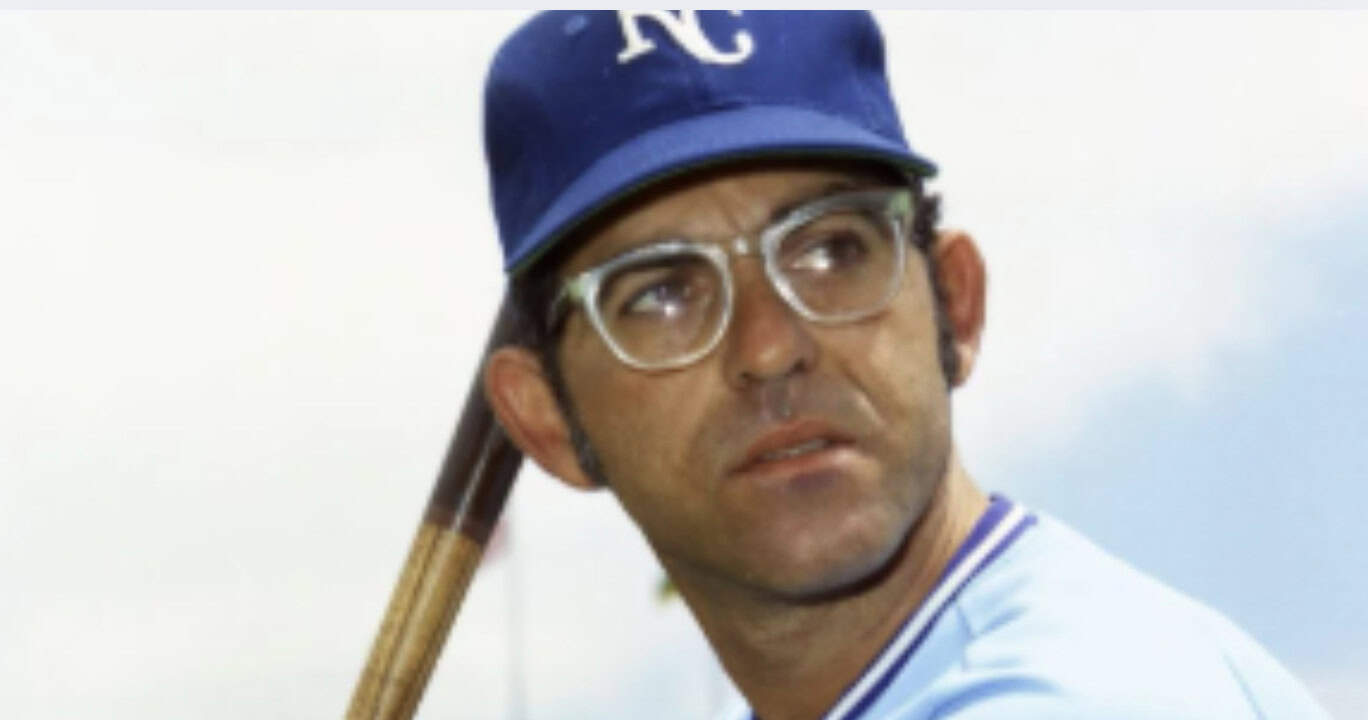
Rojas’ versatility and consistent production made him invaluable to Philadelphia throughout the mid-1960s, playing multiple positions while maintaining a solid batting average. The Cuban native’s defensive skills and clutch hitting earned him an All-Star selection during the decade (1965), reflecting his status as one of the game’s most reliable utility players. His professional approach and team-first attitude made him a favorite among teammates and fans alike.
Ron Hunt – The Master of Getting Hit by Pitches
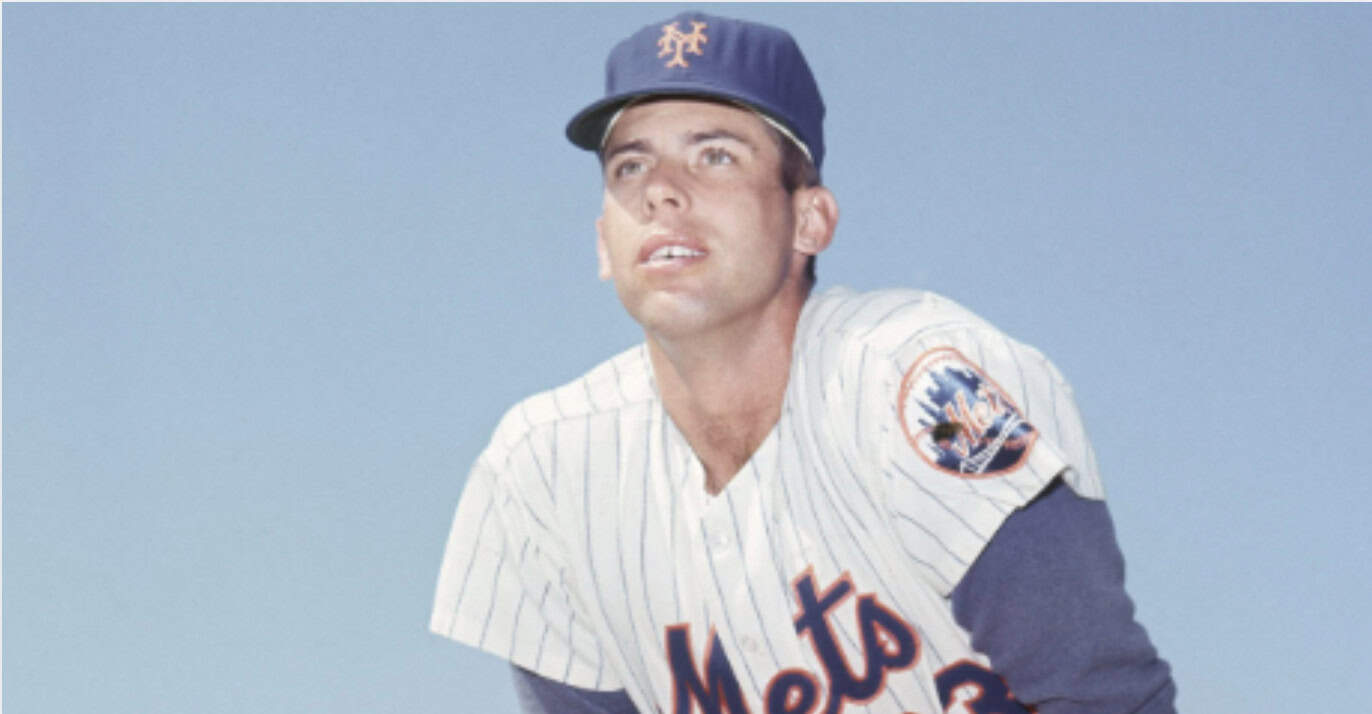
Hunt’s unique approach to hitting—crowding the plate and taking his lumps—made him one of baseball’s most distinctive players throughout the 1960s. His record-setting 50 hit-by-pitches in 1971 was built on a foundation of fearless plate coverage that began with the expansion Mets. Hunt’s willingness to sacrifice his body for the team, combined with solid defense and clutch hitting, embodied the never-say-die spirit that defined baseball’s grittiest era.