

Last Updated: June 17th, 2026 by Michael Schatz
Before sabermetrics and launch angles, when baseball was played on real grass and statistics meant something you could feel in your bones, one man’s numbers transcended mere digits on a page. Ted Williams didn’t just hit baseballs—he authored a statistical symphony that still echoes through Fenway Park’s green cathedral. These aren’t just numbers; they’re monuments to an era when greatness was measured in pure, undiluted excellence.
Don't lose this article. Enter your email below, and I'll send it to you right now. Plus, we'll send you other unbelievable stories from baseball's past.
The Last .400 Hitter: His 1941 .406 Average Still Stands Alone

On the final day of the 1941 season, Williams could have sat out a doubleheader and preserved his .400 average, but he played both games anyway—going 6-for-8 to finish at .406. That mark has stood untouched for over 80 years, through expansion, integration, and every modern marvel of training and analytics. When your grandfather talks about “real hitters,” this is the gold standard he’s measuring against.
Two Triple Crowns When Nobody Else Could Manage One
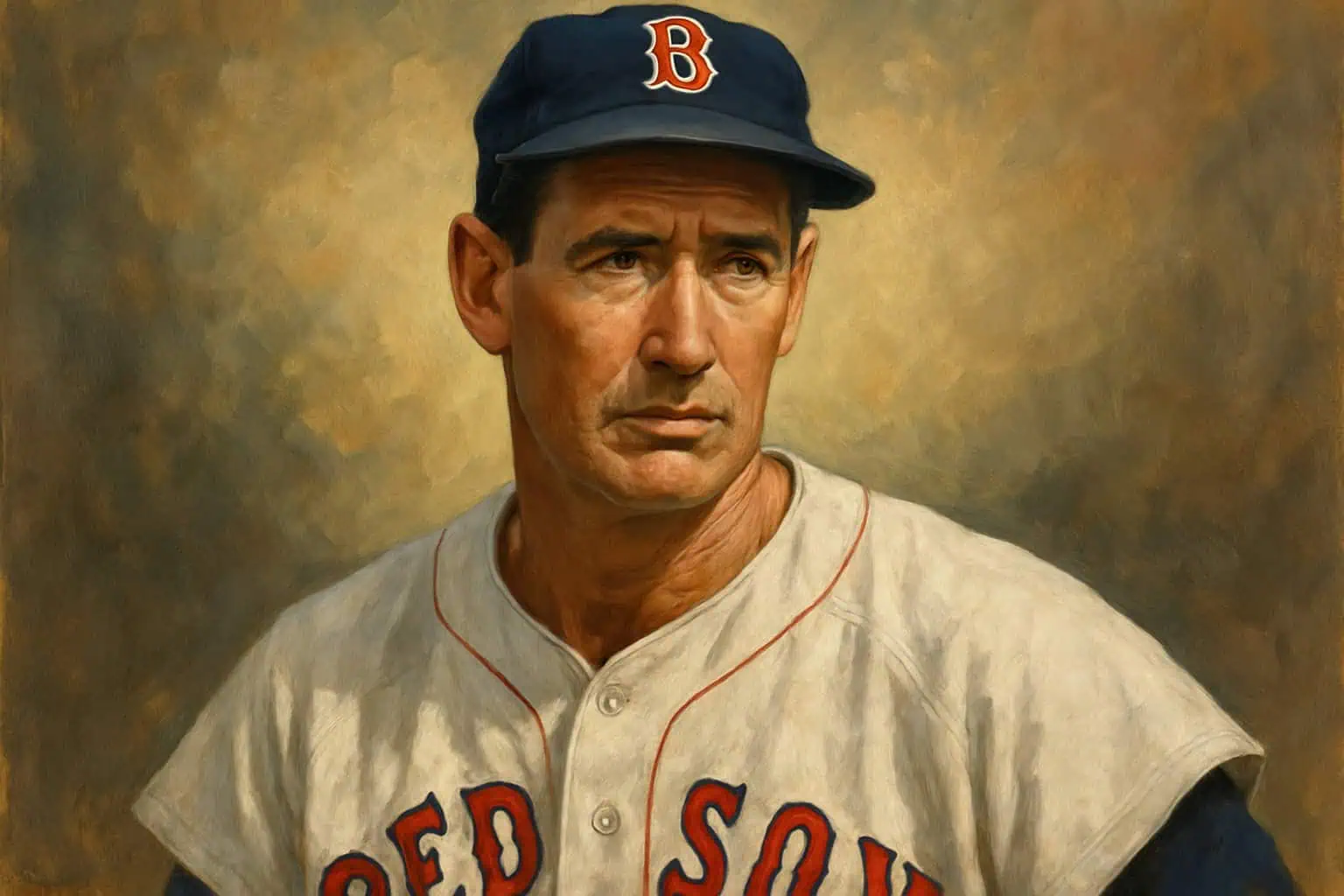
Williams captured the Triple Crown in 1942 and 1947, leading the American League in batting average, home runs, and RBIs both seasons. Consider this: only 17 players in baseball history have achieved this feat, and Williams did it twice while missing five prime seasons to military service. It’s like winning the lottery twice while deployed overseas—statistically improbable doesn’t begin to cover it.
An .482 Career On-Base Percentage That Makes Modern Stars Look Mortal

Williams reached base safely in nearly half of all his plate appearances—a .482 career on-base percentage that remains the highest in baseball history. To put this in perspective, today’s elite hitters celebrate reaching .400 for a single season. Williams maintained this otherworldly rate across 19 seasons, treating first base like his personal driveway and opposing pitchers like unwilling chauffeurs.
84 Consecutive Games Reaching Base: The Streak Nobody Talks About

From July 1949 to September 1949, Williams reached base safely in 84 straight games—the all-time MLB record that still stands today. This wasn’t just consistency; it was baseball immortality played out one at-bat at a time. While DiMaggio’s 56-game hitting streak gets the headlines, Williams’ feat required reaching base via hit, walk, or being hit by pitch for nearly half a season straight.
Five Lost Prime Years to Military Service, Still a Legend

Williams lost three years to World War II (1943-1945) and nearly two more to the Korean War (most of 1952-1953), serving his country as a Marine pilot during his statistical prime. He returned from Korea at age 34 and promptly hit .407 in 1953’s partial season. Imagine Babe Ruth losing five years between ages 24 and 34—Williams did exactly that and still finished with numbers that mock mortality.
16 Straight Plate Appearances Reaching Base in 1957

At age 39, when most players are contemplating retirement, Williams reached base in 16 consecutive plate appearances—a major league record that still stands. This wasn’t the hot streak of a young phenom; this was a master craftsman showing that age was merely a number when you understood hitting like Williams understood breathing. Sixteen straight times stepping into the box, sixteen straight times finding a way on base.
Leading the League in Walks Eight Times While Hitting for Power

Williams led the American League in walks eight times, including four consecutive seasons (1946-1949), while simultaneously terrorizing pitchers with his power. This wasn’t the patience of a slap hitter working counts—this was a slugger so feared that hurlers preferred to face the next batter. When you’re too dangerous to pitch to despite hitting 521 career home runs, you’ve transcended baseball into pure intimidation.
Six Batting Titles Across Three Different Decades

Williams captured batting titles in 1941, 1942, 1947, 1948, 1957, and 1958—spanning from the Roosevelt administration through Eisenhower’s second term. His first title came at age 23, his last at age 40, proving that true hitting genius doesn’t fade with time. Six batting crowns across three decades isn’t just longevity; it’s sustained excellence that defied every convention about athletic aging.
A .344 Career Average Despite Playing Until Age 42
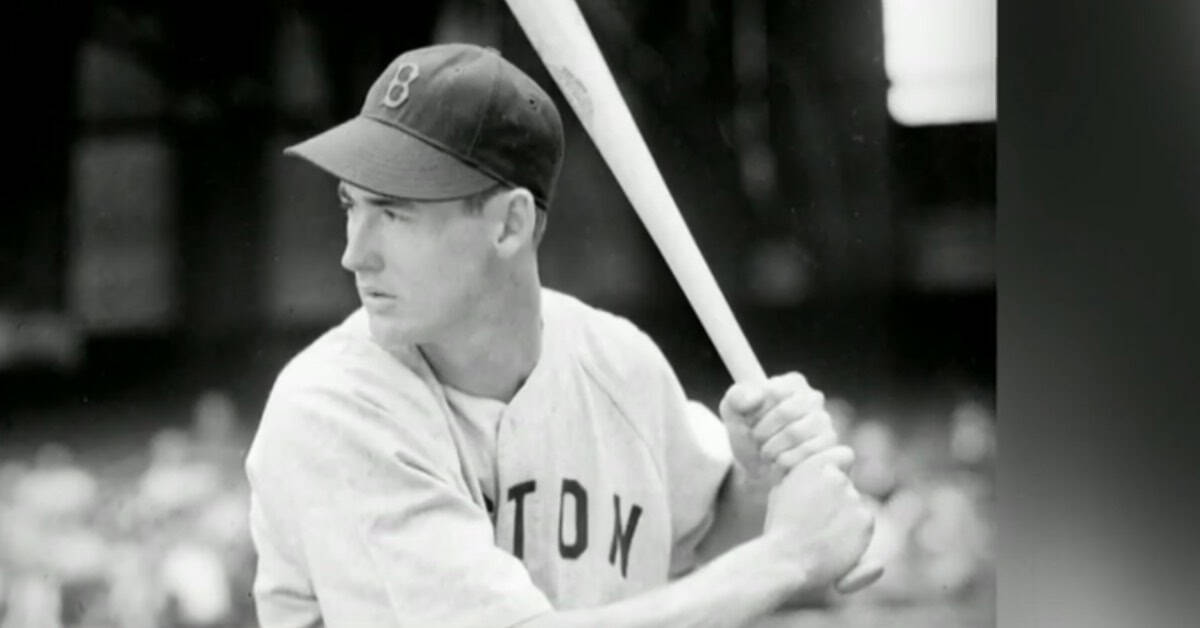
Most great hitters see their averages decline as they age, but Williams finished with a .344 career mark despite playing his final season at 42. His last at-bat was a home run, naturally—a perfect punctuation mark on a career that read like fiction. When modern players retire at 35 to “preserve their legacy,” remember the man who played until 42 and maintained a .344 average through sheer, stubborn excellence.
521 Home Runs Without Ever Striking Out 100 Times in a Season

In an era where 200 strikeouts barely raises eyebrows, Williams hit 521 home runs while never striking out 100 times in a single season—his career high was just 98 in his 1939 rookie season. This wasn’t just power; this was controlled violence, precision bombing disguised as batting practice. Today’s sluggers strike out 150+ times chasing 40 home runs, while Williams averaged 30+ homers per season with the plate discipline of a Zen master wielding a Louisville Slugger.