

Last Updated: June 17th, 2026 by Michael Griffin
Some Boston fans are still salty about the team letting Carlton Fisk leave to join the Chicago White Sox. Sure, the team thought the 32-year-old catcher was at the tail end of his career, especially given the arduous nature of the position. Oops. He went on to play for another 13 seasons. The original “Pudge” was as durable as they come, and here are 14 reasons why he’s in the Hall of Fame.
Don't lose this article. Enter your email below, and I'll send it to you right now. Plus, we'll send you other unbelievable stories from baseball's past.
Rookie of the Year, 1972: Setting the Tone Early
After limited playing time in previous seasons, Fisk kicked in the door in ’72. He nabbed both the AL Rookie of the Year award and his first All-Star selection, proving his arrival was just the start of a legendary career.
Eleven All-Star Nods—And He Earned Every One
Fisk was named to the All-Star team eleven times, a mark of excellence that spanned three different decades. His longevity was on full display in the 1991 Midsummer Classic, where he singled at the age of 43.
Most Home Runs by a Catcher—Until Piazza Broke the Mark
For years, Fisk reigned as the home run king among catchers, launching 351 out of the park—proving you could squat all day and still hit bombs. His record stood until Mike Piazza came along, but the legend was already written in the box scores.
2,226 Games Caught: The Ironman Behind the Plate
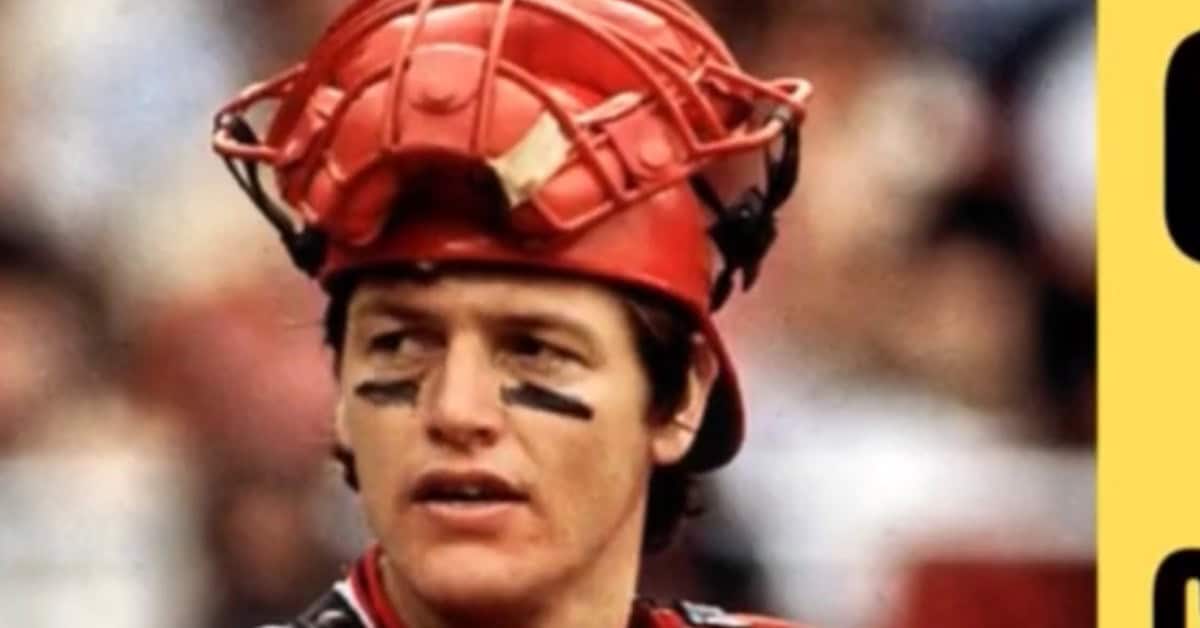
Forget load management—Fisk’s knees logged 2,226 games behind the plate, the ultimate badge of baseball endurance. He was still catching when some guys his age were coaching Little League or buying their first minivan.
Three-Time Silver Slugger Winner
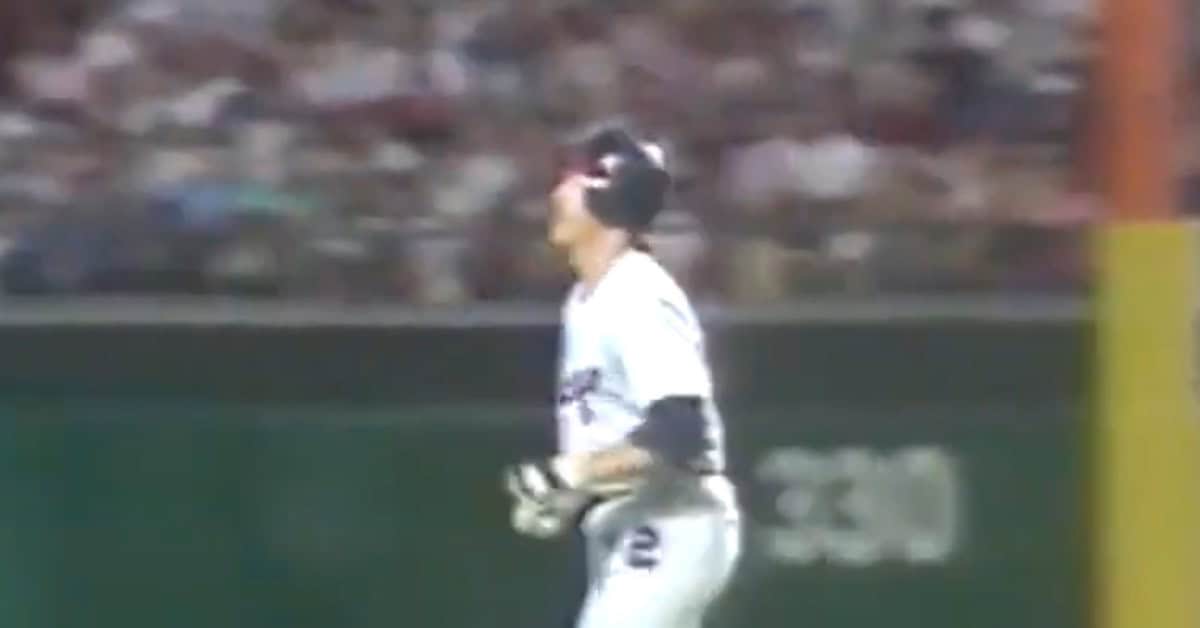
Fisk’s bat wasn’t just for show—he brought home the Silver Slugger Award three times (1981, 1985, 1988), swinging lumber like he had a vendetta against fastballs.
Gold Glove Winner: Elite with the Mitt
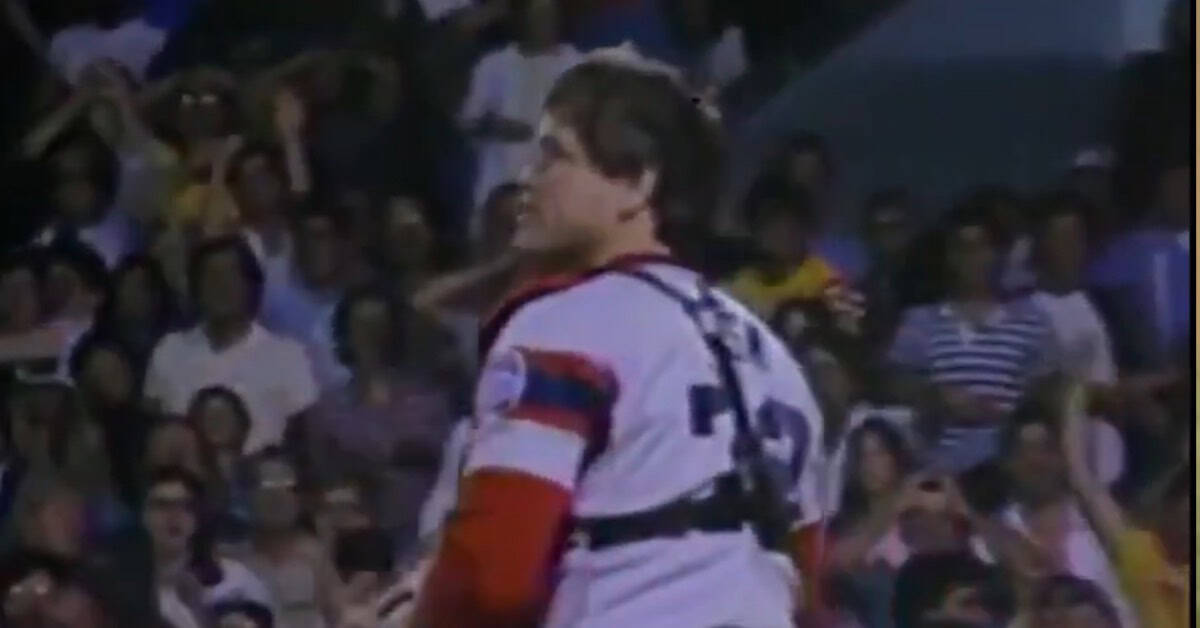
In his brilliant 1972 rookie season, Fisk didn’t just showcase his bat; he also won the American League Gold Glove Award. Known for his stellar defense and ability to call a game like a chess master, Pudge got into hitters’ heads more than a psychiatrist.
Home Runs in Four Different Decades
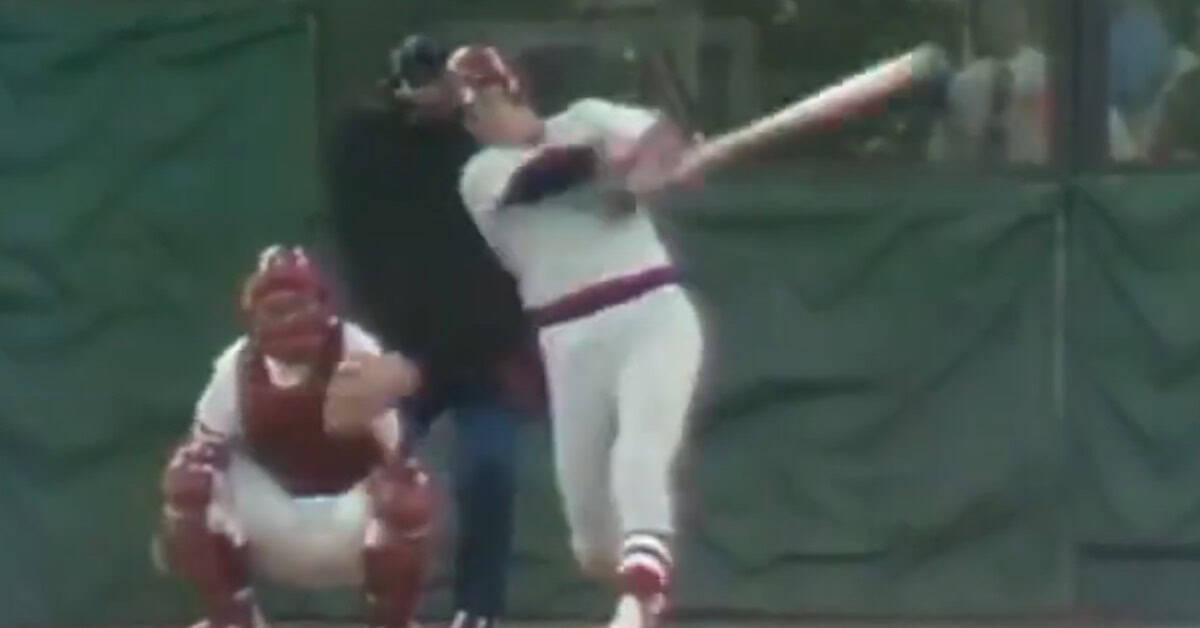
Talk about longevity… Fisk joined an exclusive club of players who homered in four different decades (1960s, ’70s, ’80s, and ’90s). He outlasted all kinds of fashion trends and presidential administrations.
Most Putouts by a Catcher—A Record That Stood Tall
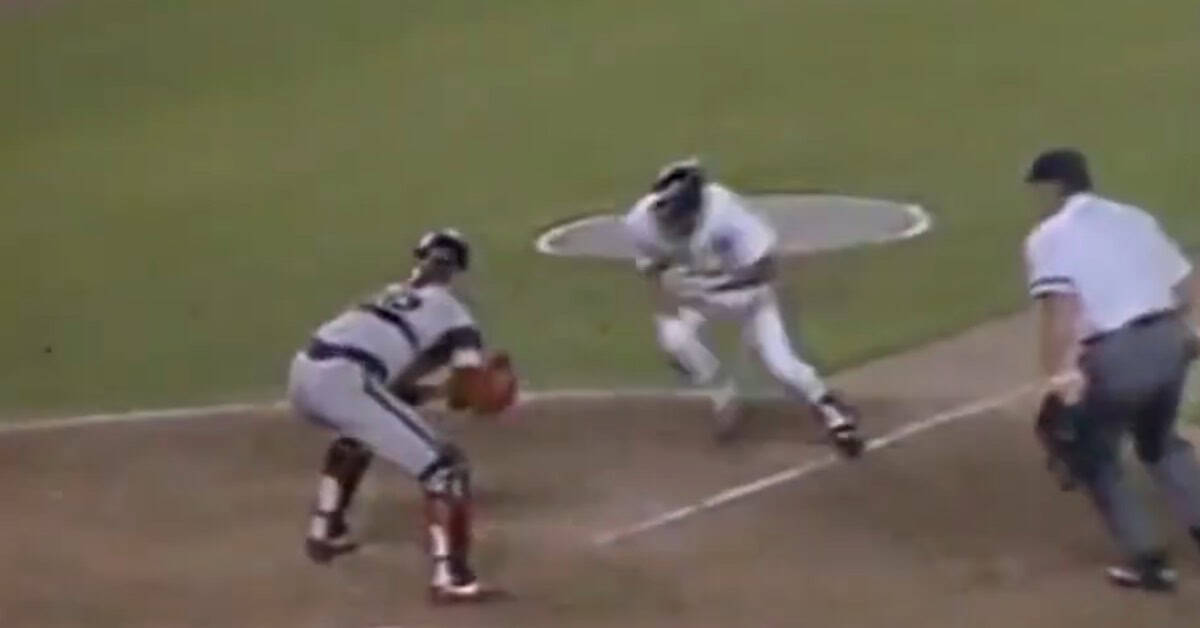
Fisk racked up more putouts than any catcher in history at the time—a testament to his toughness and the trust pitchers put in his hands. Every pop-up, every strikeout, every thump of the ball in his mitt: that was Fisk territory.
1975 World Series Heroics—Game 6’s Iconic Home Run
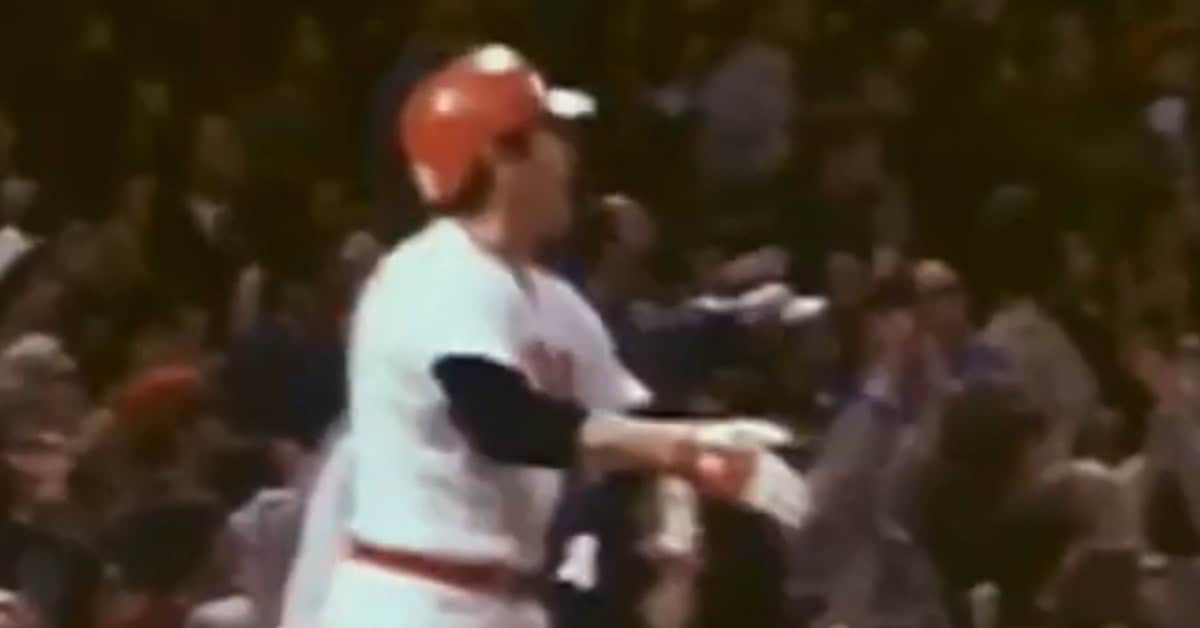
In the 1975 World Series, Fisk delivered the moment every baseball fan remembers: waving his 12th-inning home run fair to win Game 6 for the Red Sox. Although Boston lost the series, the homer still left an indelible memory in Beantown.
1,330 RBIs—Driving Runs and Driving Opponents Crazy
Fisk finished with 1,330 RBIs, a testament to his ability to focus and bear down with runners on base, even when his knees were barking from thousands of games in a catcher’s squat.
Named as an All-Century Team Finalist
In 1999, Fisk was honored as a nominee for the prestigious Major League Baseball All-Century Team. While he wasn’t selected for the final roster, being named a finalist cemented his status as one of the greatest catchers to ever play the game.
Top 10 in Career WAR for Catchers

Wins Above Replacement? Fisk is top 10 among catchers all-time—proof he wasn’t just durable, he was downright indispensable. He won games with his mind, bat, and glove.
His Number Retired—Twice!
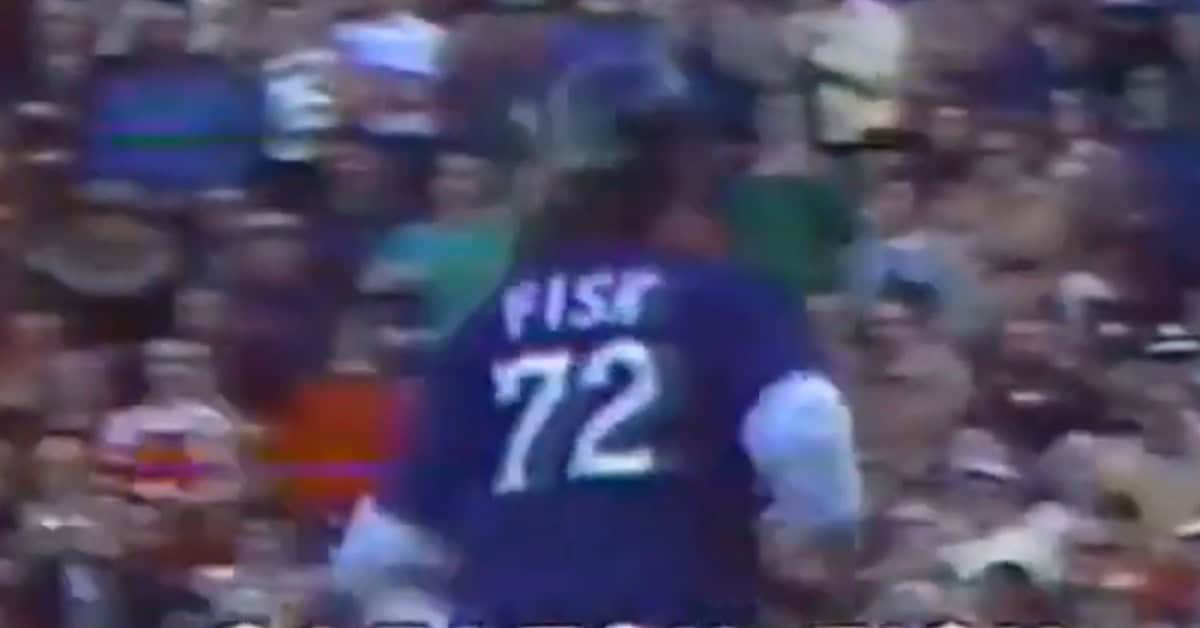
How many players have their numbers retired by two different teams? Carlton’s #27 is immortalized at Fenway and his #72 at Comiskey Park—because legends don’t need to pick just one home.
Hall of Fame Induction: Cooperstown Calls Number 27
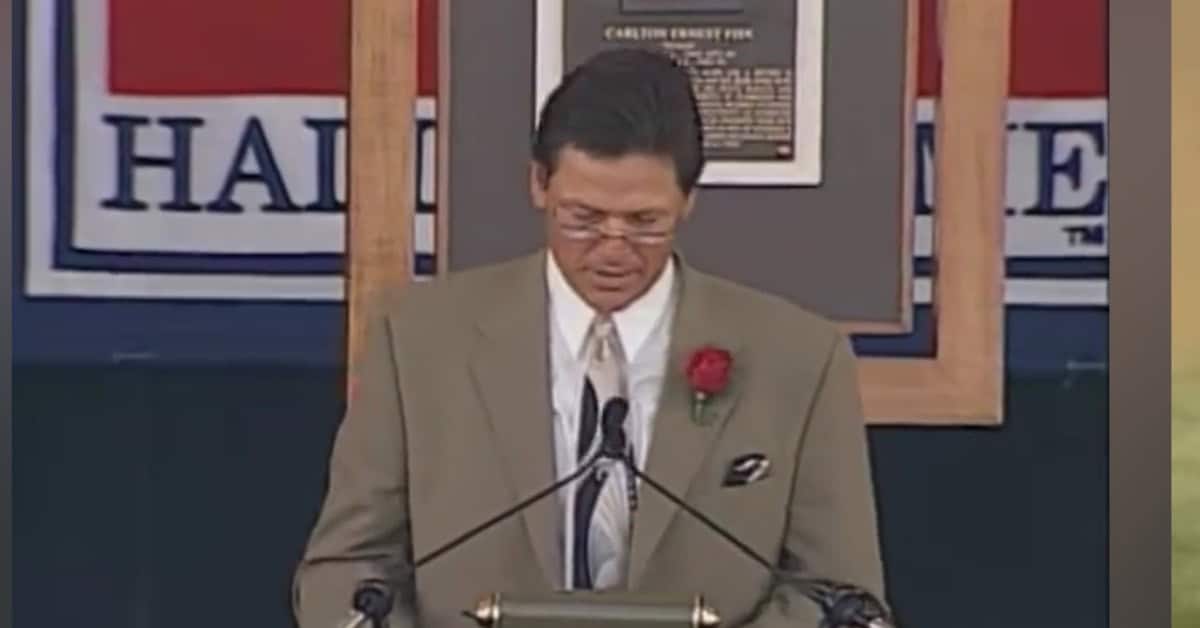
In 2000, Fisk got the ultimate call: enshrinement in the Baseball Hall of Fame. Earning 79.6% of the vote on his second ballot, he received his plaque alongside other baseball immortals, cementing his legacy forever.