

Last Updated: June 17th, 2026 by Michael Schatz
The 1990s were baseball’s golden age of superstars, but while everyone remembers Griffey’s swing and Bonds’ moonshots, some of the decade’s most talented players got lost in the shuffle. These forgotten heroes deserve their flowers—even if they’re arriving 30 years late.
Don't lose this article. Enter your email below, and I'll send it to you right now. Plus, we'll send you other unbelievable stories from baseball's past.
Tim Salmon: The Angels’ Forgotten Power Machine
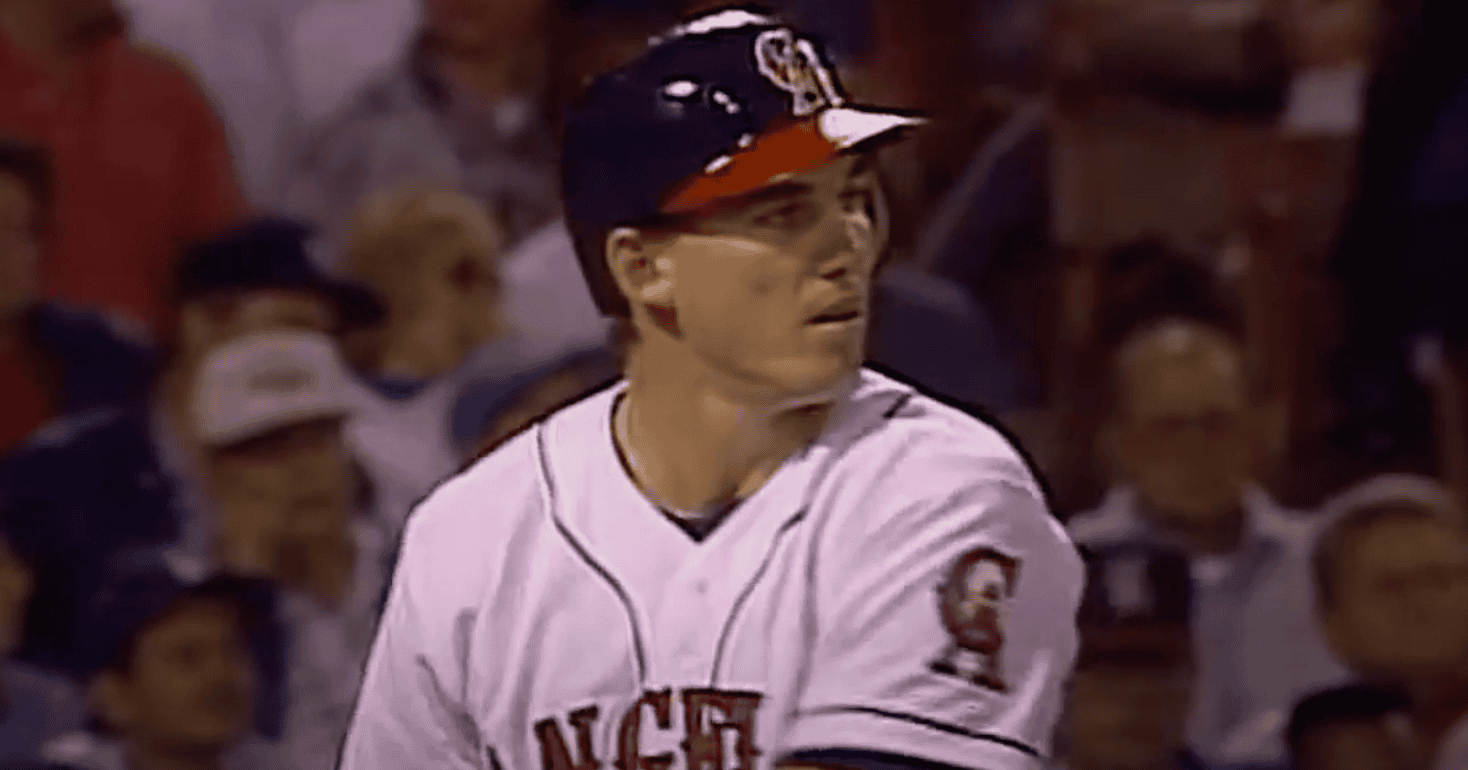
Tim Salmon spent 14 seasons terrorizing American League pitching with a .282/.385/.498 slash line and 299 home runs, yet somehow never made a single All-Star team. “Mr. Angel” was posting .330+ seasons while playing in the shadow of bigger West Coast names like Griffey and Bonds. His 1995 campaign (.330 average, 34 HRs, 105 RBIs) would have been MVP-worthy in almost any other era but got buried under the offensive explosion that defined the decade.
Edgar Martinez: The DH Who Redefined Clutch Hitting

Before Edgar Martinez, the designated hitter was often a consolation prize for aging sluggers. Martinez transformed it into an art form, posting a .312/.418/.515 career line while becoming the most feared clutch hitter in the game. His 1995 ALDS performance against the Yankees—including “The Double” that saved baseball in Seattle—should have made him a household name. Instead, DH bias kept him waiting until 2019 for his deserved Hall of Fame induction, long after casual fans had forgotten his surgical precision at the plate.
Larry Walker: The Coors Field Victim Who Deserved Better
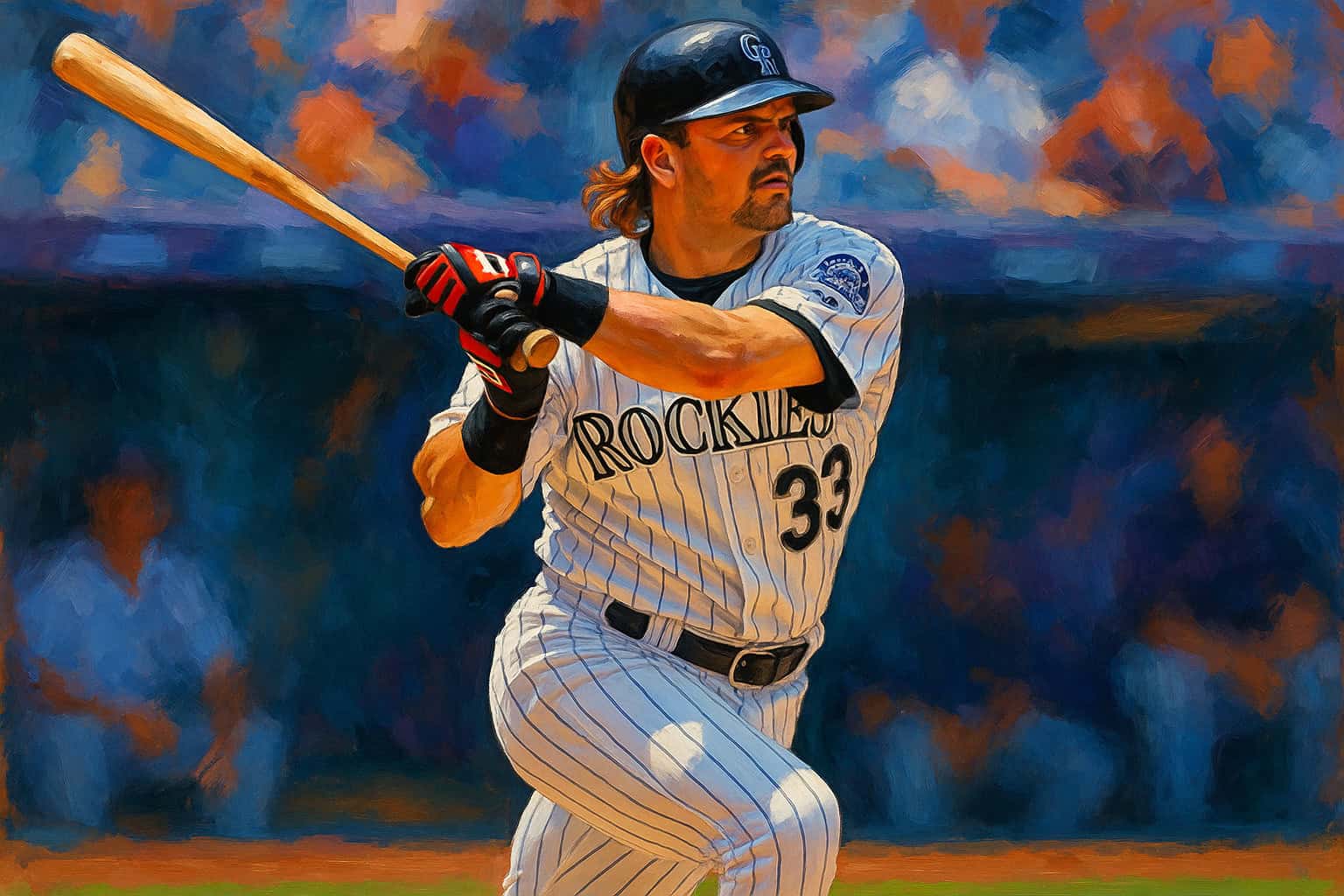
Larry Walker’s career became a cautionary tale about playing in the wrong ballpark at the wrong time. His .313/.400/.565 career numbers and the 1997 MVP award were often dismissed as “Coors Field inflation” by voters who couldn’t see past the altitude. Walker was actually a better road hitter than many of his contemporaries, but the thin-air stigma followed him through a decade-long Hall of Fame wait. The Canadian slugger finally got his Cooperstown call in 2020, vindicated by advanced metrics that proved his greatness transcended geography.
Bernie Williams: The Quiet Yankee Who Could Do It All
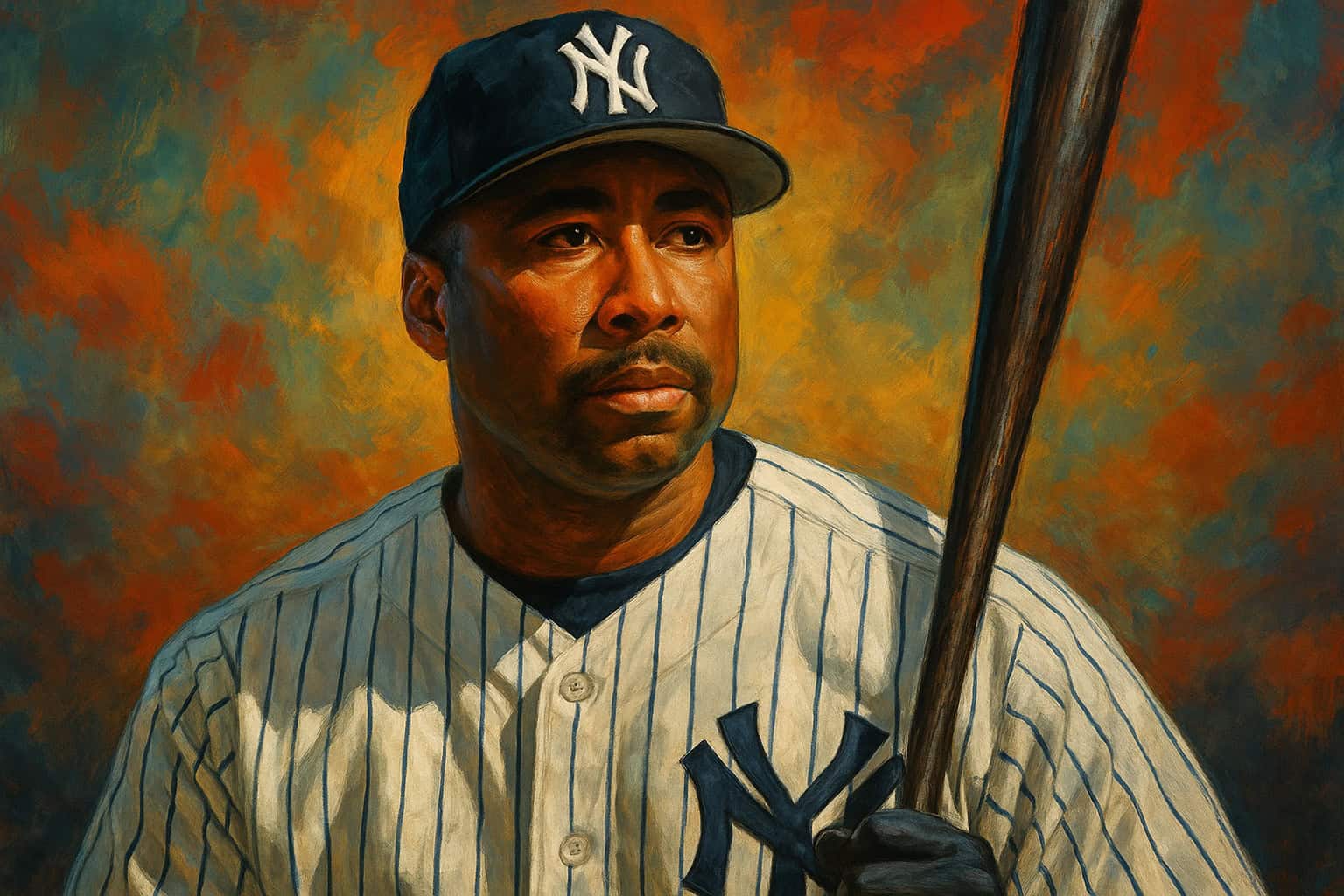
While Derek Jeter got the magazine covers, Bernie Williams was quietly the best all-around player on those late-90s Yankees dynasties. The switch-hitting center fielder won four Gold Gloves, a batting title, and hit .297/.381/.477 for his career. His guitar-playing, soft-spoken demeanor made him easy to overlook in a clubhouse full of larger-than-life personalities, but Williams was the steady heartbeat of four World Series champion teams.
Ray Lankford: The Cardinals’ Five-Tool Secret Weapon

Ray Lankford was the prototype five-tool player before it became a common term. Throughout the ’90s, he consistently delivered 20+ homers and 20+ steals while playing Gold Glove-caliber defense in center field. His excellent 1997 season (.295 average, 31 HRs, 98 RBIs) was overshadowed by Mark McGwire’s arrival and home run binge after a mid-season trade. Lankford’s ability to impact games in every facet made him invaluable, but his quiet excellence never translated to national recognition in an era obsessed with singular offensive explosions.
John Olerud: The Batting Title Winner Nobody Remembers
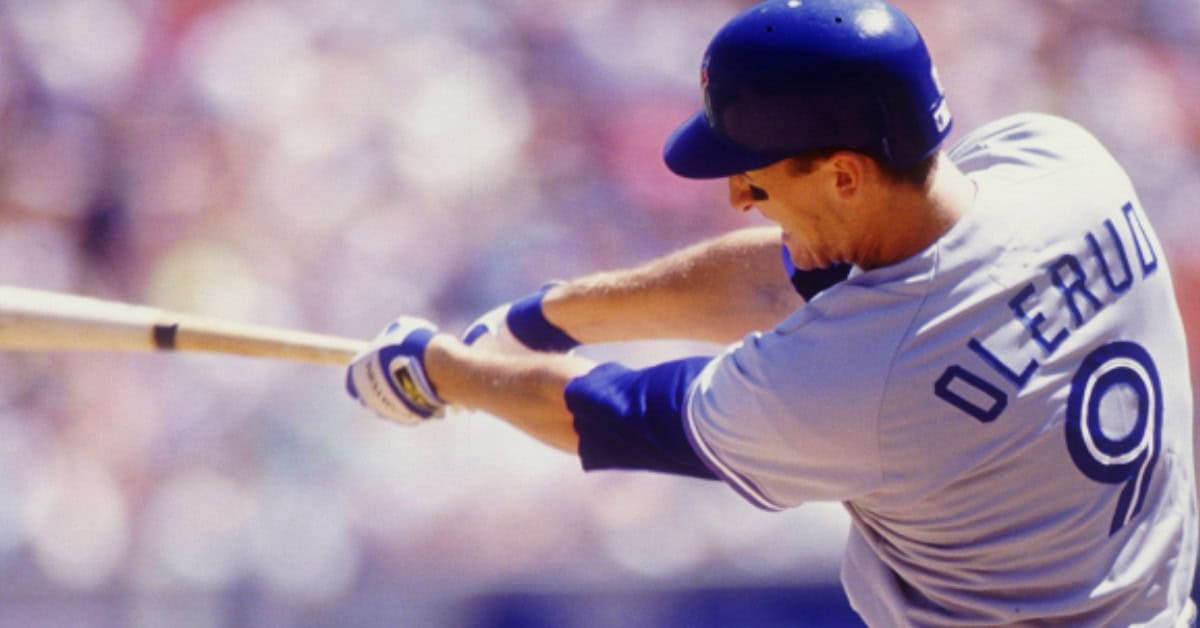
John Olerud’s 1993 season (.363/.473/.599) was one of the greatest offensive campaigns of the decade, yet it barely registered outside Toronto. The soft-spoken first baseman nearly became the first player since Ted Williams to hit .400, carrying a .400+ average into August before settling for the batting title. His cerebral approach and consistently high-average seasons made him the perfect complement to flashier teammates, but Olerud’s quiet excellence got lost in the noise. Even wearing that distinctive batting helmet in the field couldn’t make him stand out on highlight reels.
Will Clark: The Thrill Who Thrilled in San Francisco

Will “The Thrill” Clark’s sweet left-handed swing and fiery competitiveness made him a Bay Area icon, but his peak years coincided with bigger names stealing the spotlight. Clark’s 1989 NLCS performance (.650 average, 2 HRs) remains one of the greatest playoff displays ever, yet it’s often overshadowed by the earthquake that interrupted the World Series. His .303 career average and clutch gene made him the heart of competitive Giants teams, but playing in the pre-internet era meant his intensity and skill never reached the national audience they deserved.
Rafael Palmeiro: The Steroid Shadow That Hid Greatness

Rafael Palmeiro’s 569 home runs and 3,020 hits should have guaranteed him first-ballot Hall of Fame status, but his 2005 steroid suspension erased decades of excellence from public memory. Throughout the 1990s, Palmeiro was a model of consistency, averaging over 30 homers and 100 RBIs per season for much of the decade while playing stellar defense. His smooth swing and professional demeanor made him easy to root for, but the PED revelation turned him into a cautionary tale. The finger-wagging congressional testimony became his legacy, overshadowing one of the most productive careers in baseball history.
Jim Abbott: The One-Handed Wonder Who Threw a No-Hitter

Jim Abbott’s 1993 no-hitter against Cleveland was the feel-good story of the decade, but his overall excellence was often reduced to a simple inspirational tale. Born without a right hand, Abbott posted a respectable 4.25 ERA over 10 seasons, including a stellar 1991 campaign (2.89 ERA, 18 wins) that proved he belonged based on talent alone. His seamless glove-switching technique and competitive fire made him a legitimate starter, not just a novelty act. Abbott’s story transcended baseball, but that sometimes overshadowed the fact that he was simply a very good pitcher who happened to overcome extraordinary circumstances.
Bobby Bonilla: The Mets’ Misunderstood Slugger
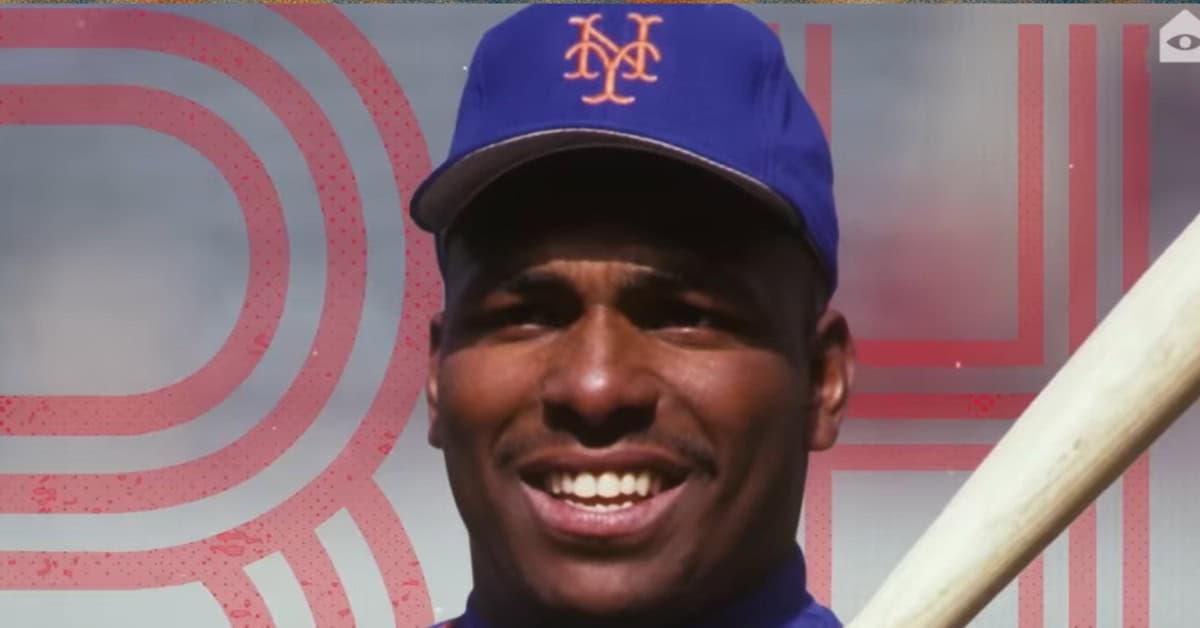
Bobby Bonilla’s deferred contract became a July 1st meme, but it obscured the fact that he was one of the decade’s most productive hitters. After finishing second and third in MVP voting with the Pirates in 1990 and 1991, he signed a record-breaking contract with the Mets. While his brash personality and the weight of the contract made him an easy target for criticism in New York, he was still a legitimate middle-of-the-order threat who could change games with one swing. The annual $1.19 million payments until 2035 turned him into a punchline, but those who watched him play remember a premier slugger of his era.