

Last Updated: June 17th, 2026 by Michael Schatz
The 1980s were a golden era for right field, when cannons for arms and sweet swings defined America’s pastime. From Tony Gwynn’s contact wizardry to Jesse Barfield’s rocket throws, these were the men who patrolled the right field grass when baseball still felt like poetry in motion.
Don't lose this article. Enter your email below, and I'll send it to you right now. Plus, we'll send you other unbelievable stories from baseball's past.
Tony Gwynn – The Contact King Who Made .300 Look Easy
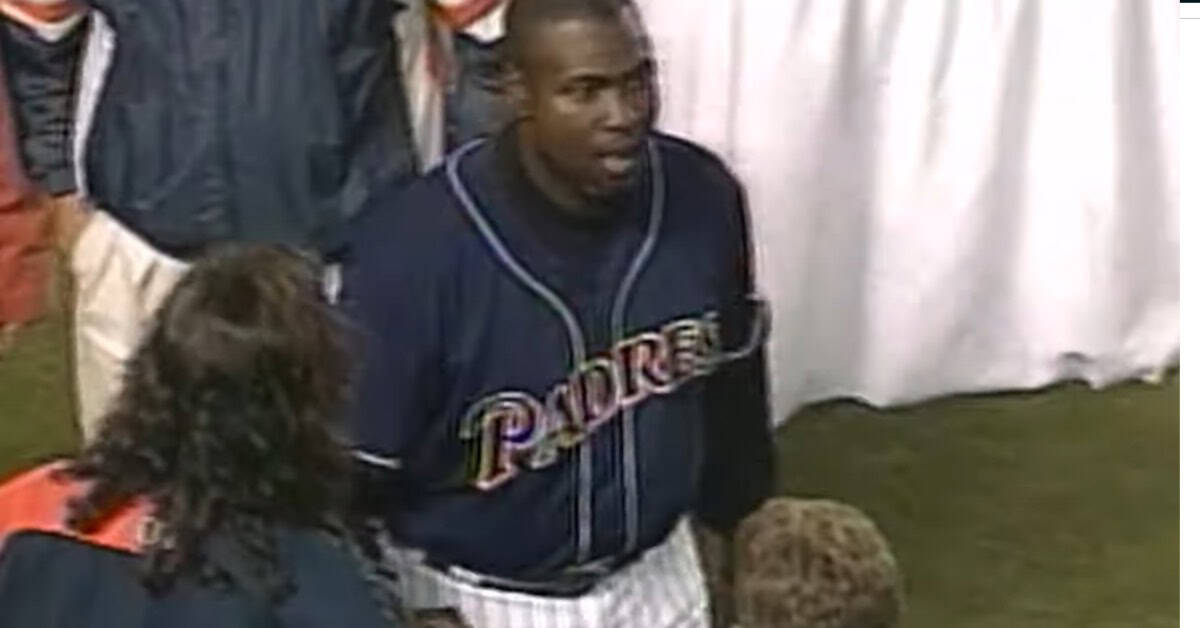
Tony Gwynn turned hitting into an art form, compiling a .338 career average that made Ted Williams nod in approval. The San Diego legend won his first batting title in 1984 and never looked back, treating .300 like a floor rather than a ceiling. In an era of power hitters swinging for the fences, Gwynn proved that precision still mattered, spraying line drives to all fields with the consistency of a Swiss watch.
Dwight Evans – The Gold Glove Machine with Fenway Magic
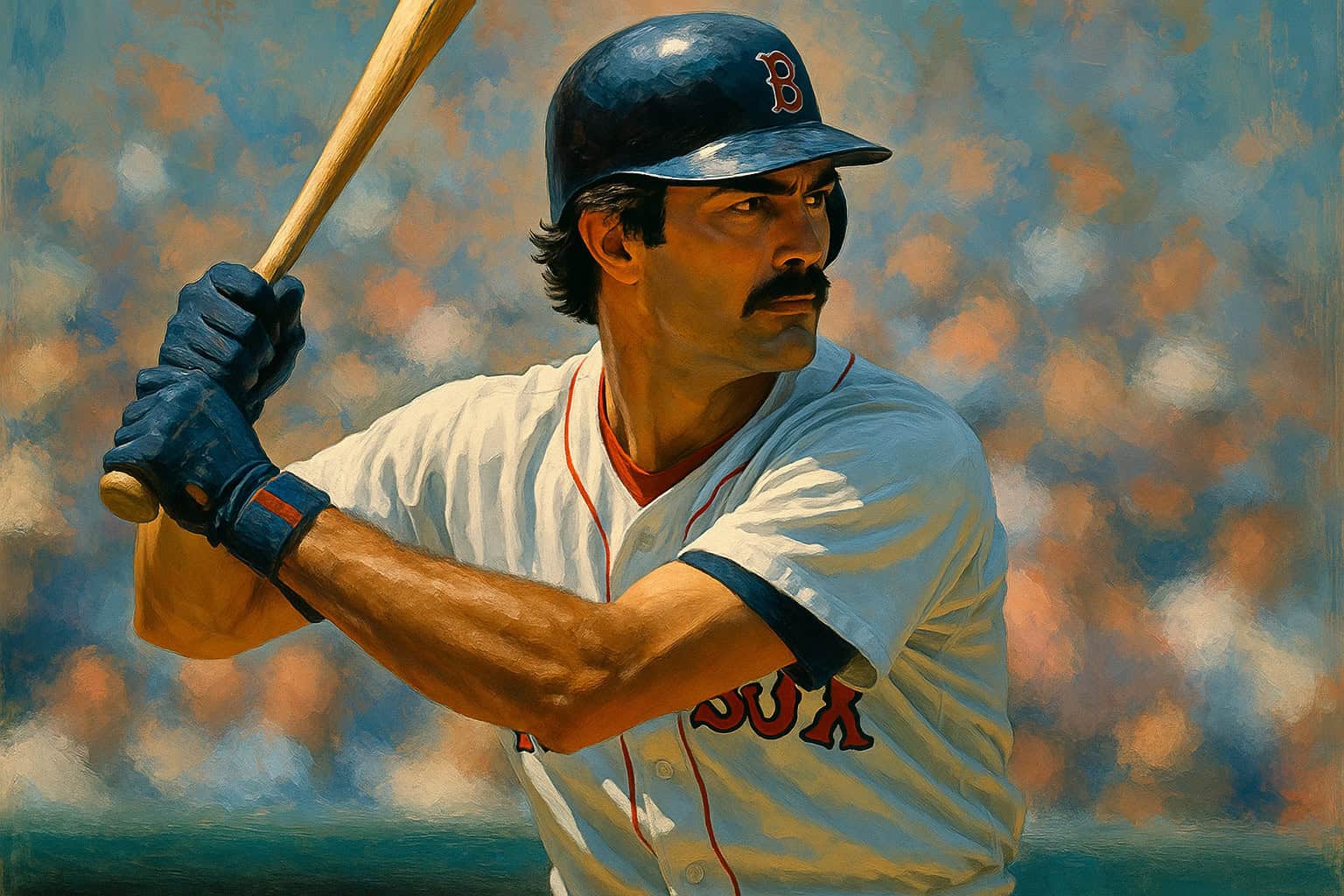
Dwight “Dewey” Evans was one of the most complete right fielders of the 1980s, combining eight Gold Gloves with surprising offensive power. His 256 home runs placed him among the decade’s top sluggers, while his defensive wizardry in Fenway’s tricky right field corner became the stuff of legend. Evans could turn routine fly balls into spectacular catches and had the arm strength to gun down runners who dared test him.
Dale Murphy – Atlanta’s Golden Boy Before the Tomahawk Chop
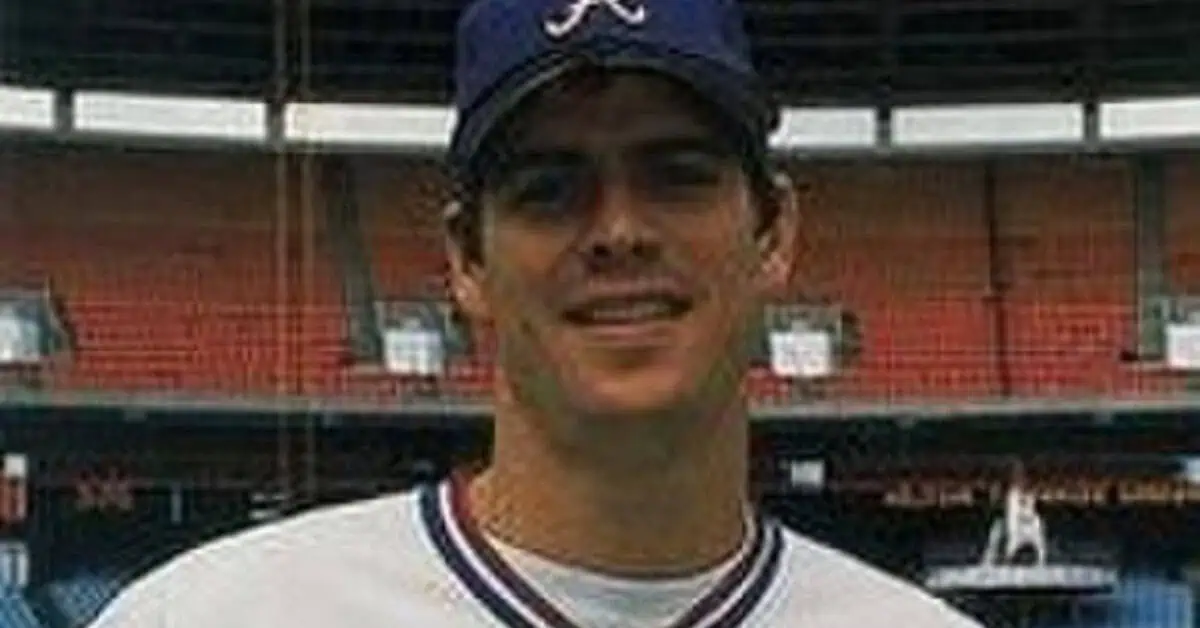
Dale Murphy embodied everything right about baseball in the 1980s, capturing back-to-back MVP awards in 1982 and 1983 while playing the game with class and dignity. The Atlanta icon combined 30-plus home run power with Gold Glove defense, becoming the face of the Braves franchise. Murphy’s all-American image and consistent excellence made him a hero to kids across the South.
Jesse Barfield – The Cannon Arm That Terrorized Base Runners
Jesse Barfield possessed one of the strongest arms in baseball, routinely throwing out runners who thought they could take an extra base. The Toronto Blue Jays star led the American League in home runs in 1986 with 40, but it was his defensive prowess that truly set him apart. Barfield’s throws from right field to third base arrived on a rope, often beating runners by several steps and earning him respect throughout the league.
Andre Dawson – The Hawk Who Soared Despite Wrigley’s Winds
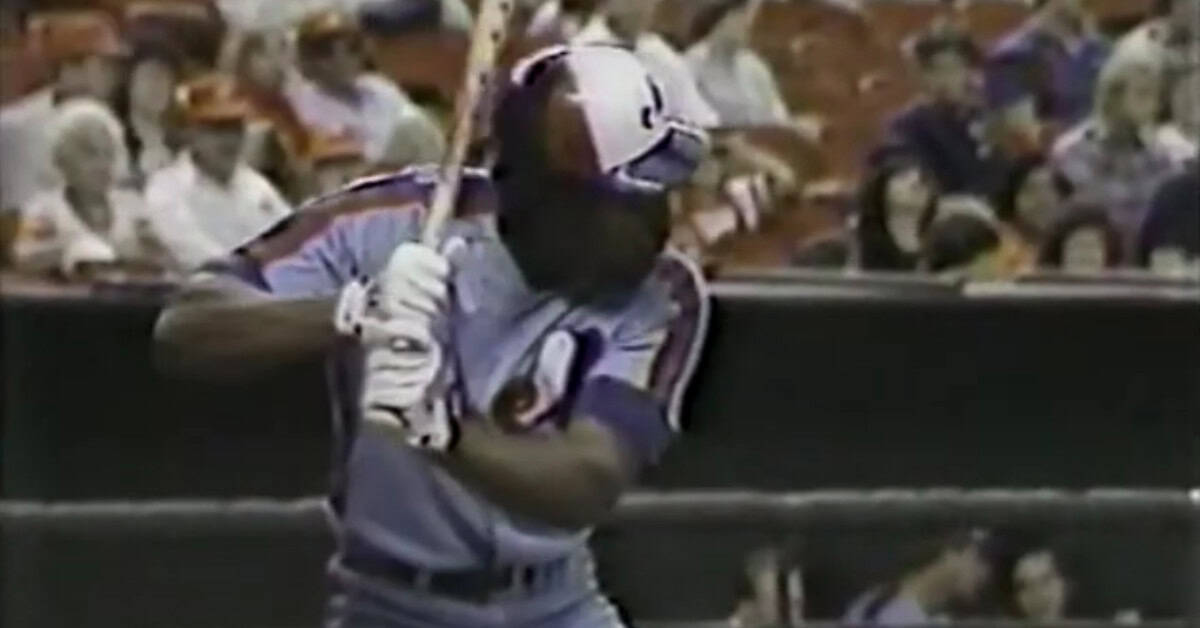
“The Hawk” brought his predatory instincts from Montreal to Chicago, where he won the 1987 MVP award despite playing for a last-place Cubs team. Dawson’s 49 home runs that season proved he could adjust his game to Wrigley Field’s friendly confines, while his aggressive baserunning and clutch hitting made him a fan favorite. His intensity and work ethic set the standard for how the game should be played, even when his knees betrayed him.
Dave Winfield – The Yankees’ Superstar Slugger
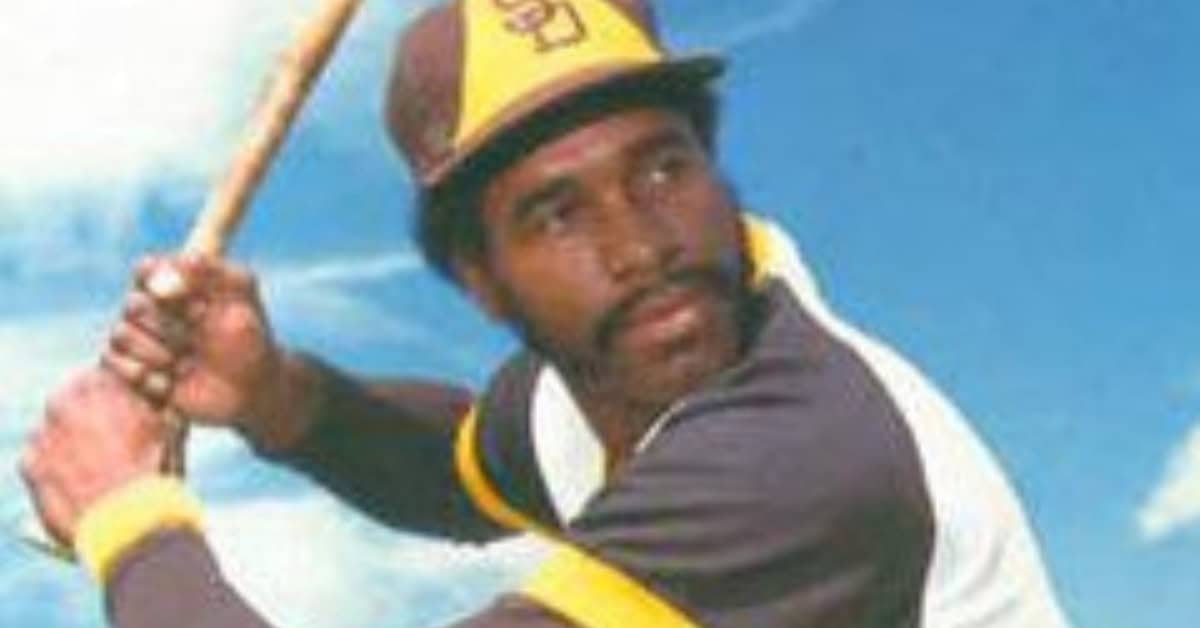
Dave Winfield’s massive 10-year contract with the Yankees made headlines, and his production justified the hype throughout the 1980s. The 6’6″ athletic marvel combined power, speed, and defense in a package that few players could match, consistently driving in 100 runs while patrolling right field with grace. Winfield’s battles with George Steinbrenner became tabloid fodder, but his performance on the field spoke louder than any controversy.
Kirk Gibson – The Mustached Warrior Who Willed Teams to Victory

Kirk Gibson embodied the gritty spirit of 1980s baseball, using his football background to play through injuries that would sideline lesser players. The Detroit Tigers icon helped lead the team to the 1984 World Series championship, combining clutch hitting with an intimidating presence. Gibson’s thick mustache and fierce competitive fire made him the perfect representative of blue-collar baseball in the Motor City.
George Bell – Toronto’s MVP RBI Machine
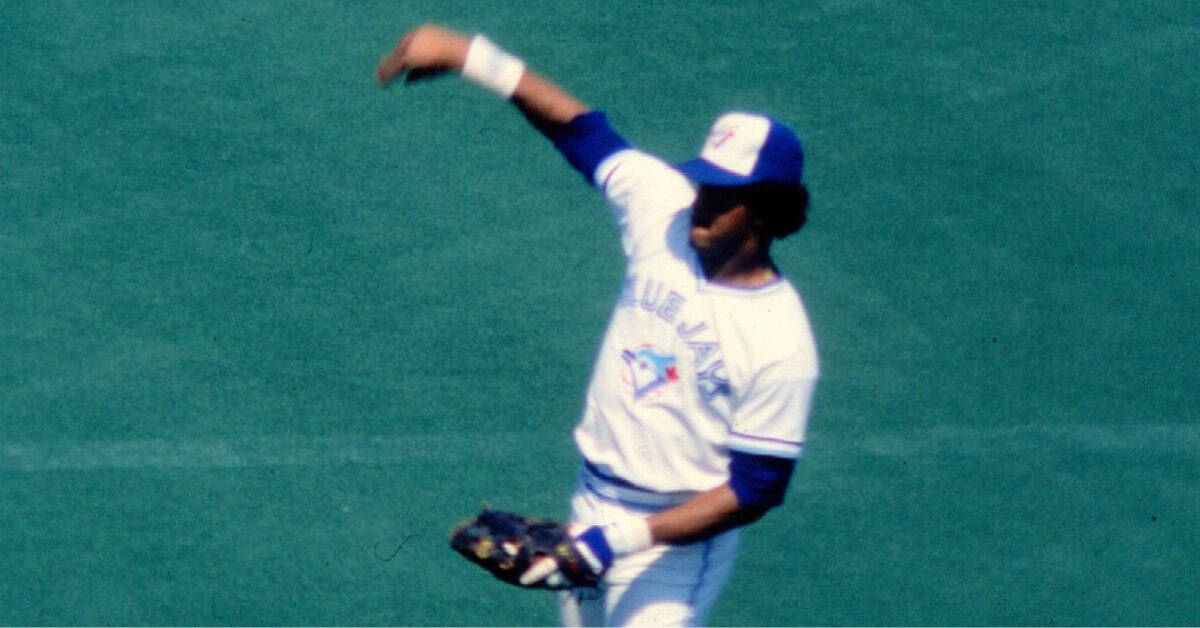
George Bell’s 1987 MVP season epitomized the Blue Jays’ rise to prominence. The Dominican slugger’s 134 RBIs that season helped establish Toronto as a legitimate contender, while his passionate play energized the SkyDome crowds. Bell’s combination of power and clutch hitting made him the perfect centerpiece for the Jays’ championship aspirations.
Darryl Strawberry – The Sweet Swing That Defined Mets Magic

Darryl Strawberry’s left-handed swing was pure poetry in motion, launching towering home runs that seemed to hang in the air forever. The lanky slugger became the face of the Mets’ championship team in 1986, combining raw power with surprising speed. Strawberry’s 39 home runs in both 1987 and 1988 showcased his incredible talent, making him one of the most feared hitters in the National League.
Harold Baines – The Quiet Assassin Who Just Kept Hitting
Harold Baines never sought the spotlight, preferring to let his consistent hitting do the talking for the Chicago White Sox. The soft-spoken slugger’s smooth swing produced line drives that found gaps with remarkable regularity, making him one of the most reliable run producers in the American League. Baines’ professionalism and steady production were hallmarks of his Hall of Fame career.
Reggie Jackson – The Enduring Legend of Mr. October
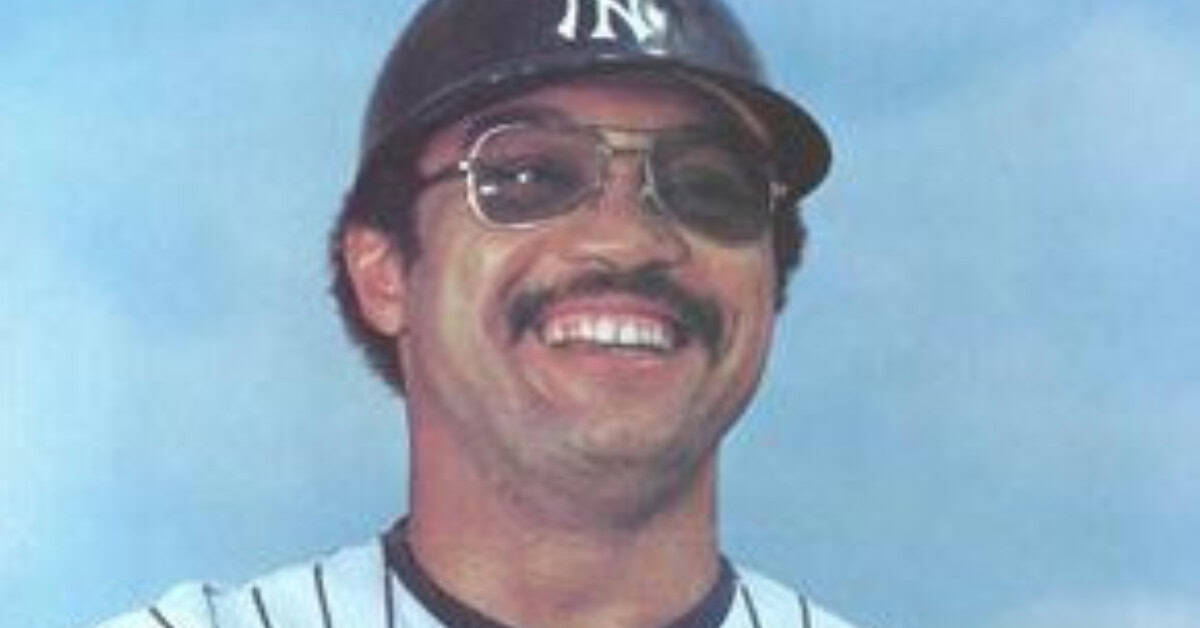
Though his famous Yankees tenure ended after 1981, Reggie Jackson’s star power didn’t fade. He brought his legendary power to the California Angels for much of the decade, reminding fans why he was Mr. October. Even as his career wound down, Jackson could still turn on a fastball and send it soaring, his larger-than-life personality making every at-bat an event.
Claudell Washington – The Versatile Journeyman

Claudell Washington’s journeyman career took him to four different teams during the 1980s, and his speed and versatility made him valuable wherever he landed. The switch-hitting outfielder could steal bases, hit for average, and provide solid defense in right field, making him the perfect utility player for teams looking to add depth. Washington’s professionalism and adaptability exemplified the blue-collar work ethic that defined 1980s baseball.
Chili Davis – The Switch-Hitter Who Brought California Cool
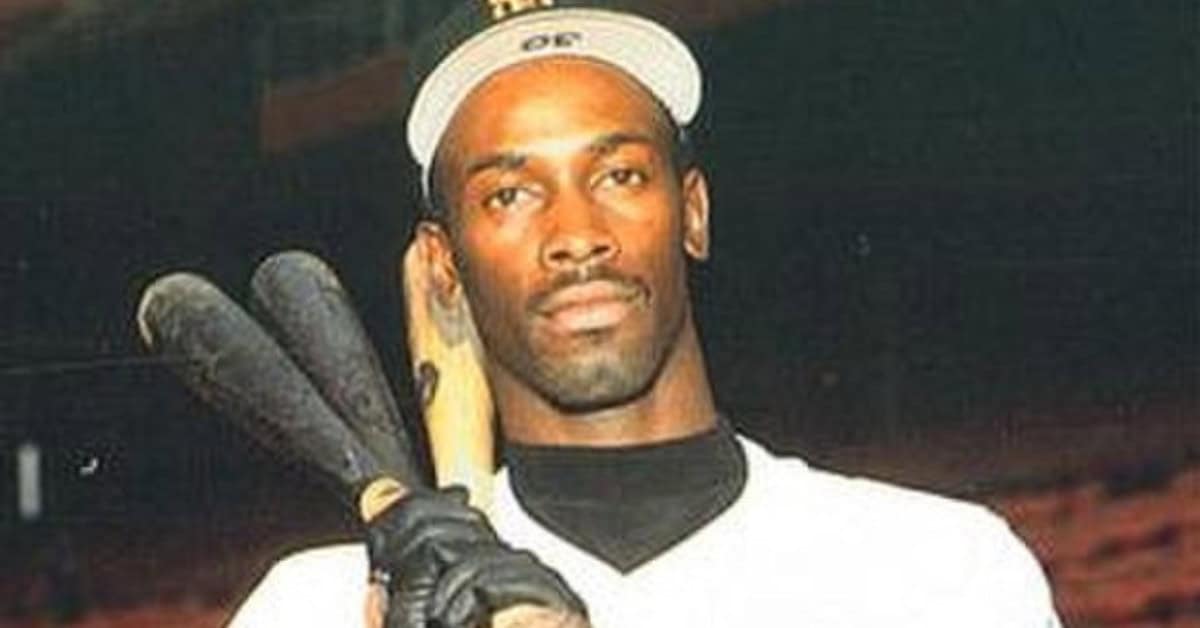
Chili Davis brought a laid-back California vibe to the San Francisco Giants, combining switch-hitting ability with surprising power. The smooth-swinging outfielder’s consistent production made him a fan favorite at Candlestick Park. Davis’s relaxed demeanor and clutch hitting ability made him the perfect complement to the Giants’ more intense personalities, providing steady production throughout the decade.
Hubie Brooks – The Versatile Star Who Shined in Montreal
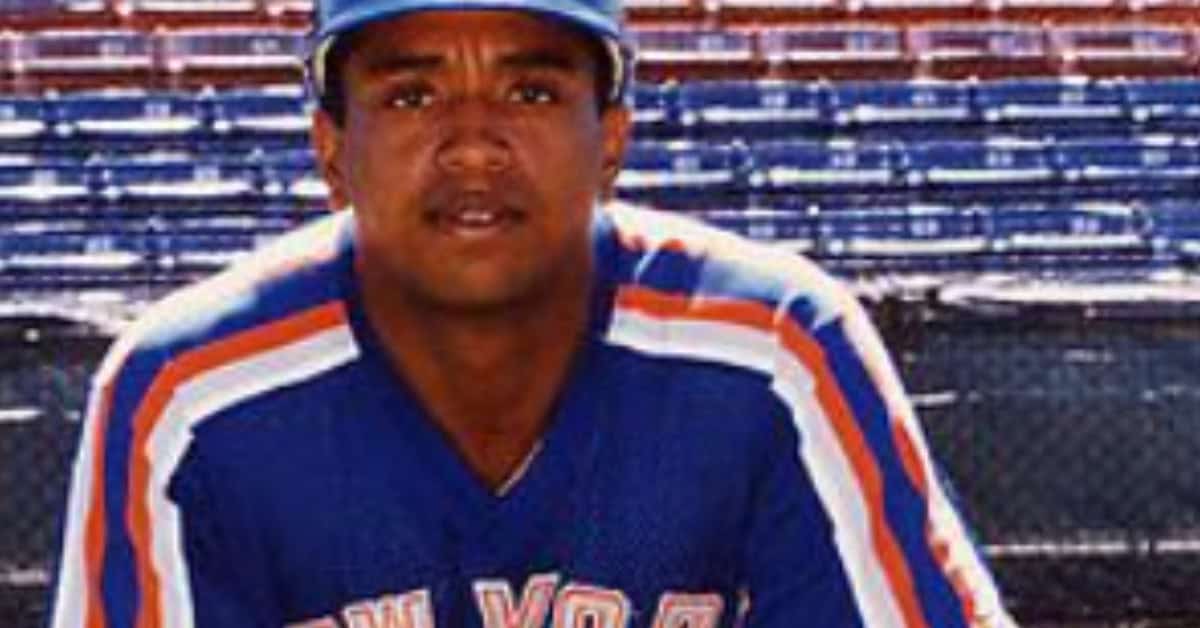
Hubie Brooks found his stride after being traded to Montreal, where his versatility and consistent hitting made him a cornerstone of the Expos’ lineup. The former shortstop adapted seamlessly to right field, providing solid defense while contributing 20 home runs and 100 RBIs in 1985. Brooks’s professional approach and clutch hitting made him a perfect fit for the Expos’ bilingual fanbase.
Glenn Wilson – Philadelphia’s Everyday Player in the Vet’s Astroturf Era
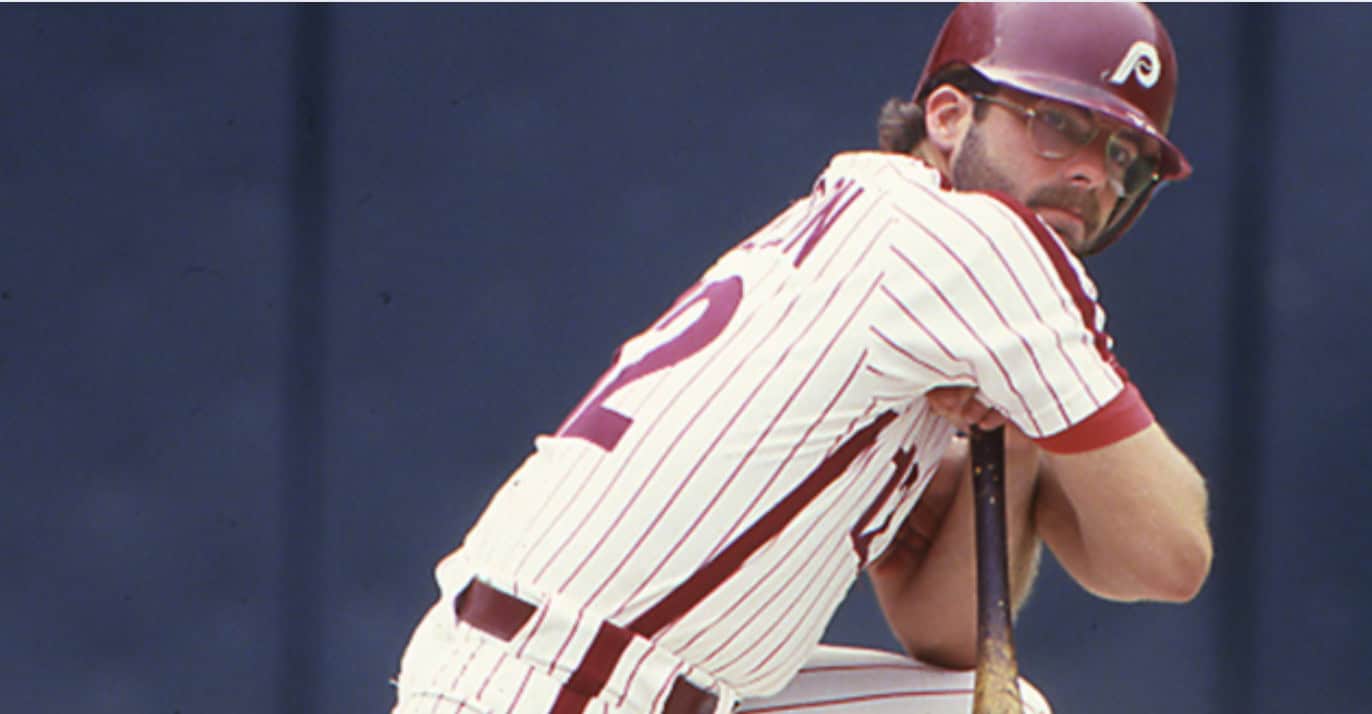
Glenn Wilson epitomized the workmanlike approach that defined Philadelphia baseball in the 1980s, playing all 162 games in 1985 while driving in 102 runs. The steady right fielder’s durability and consistent production made him a fan favorite at Veterans Stadium, where his blue-collar work ethic matched the city’s personality perfectly. Wilson’s ability to play through minor injuries and deliver in clutch situations embodied the gritty spirit of Phillies baseball.
Kal Daniels – The Rookie Sensation Who Burned Bright

Kal Daniels burst onto the scene with the Cincinnati Reds in 1986, showcasing the kind of raw power and hitting ability that made scouts drool. The young slugger’s 14 home runs in just 74 games during his rookie season hinted at superstar potential, while his smooth swing and natural hitting ability drew comparisons to the game’s elite. Daniels represented the future of baseball, combining athleticism with an advanced approach at the plate.
Kevin McReynolds – The Quiet Power Hitter Who Let His Bat Talk
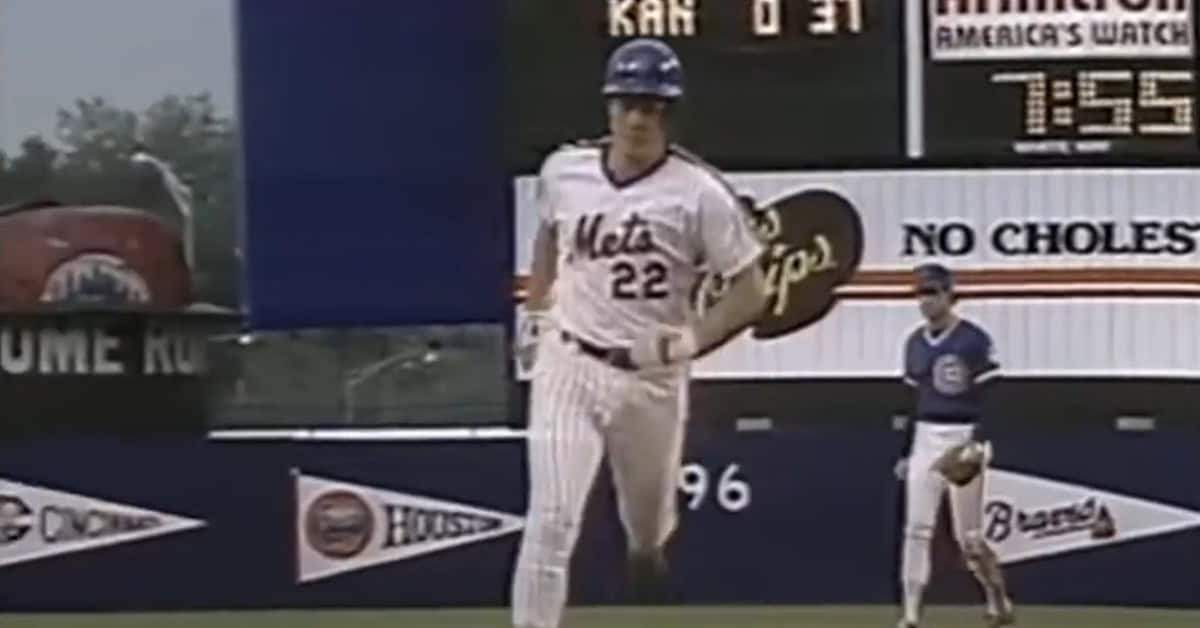
Kevin McReynolds brought understated excellence to the New York Mets, providing consistent power and RBI production without the flash of his more colorful teammates. The Arkansas native’s 29 home runs and 99 RBIs in 1988 exemplified his steady approach, while his solid defense in right field made him a complete player. McReynolds’s quiet professionalism provided the perfect counterbalance to the Mets’ more volatile personalities during their championship years.
Jose Canseco – The Bash Brother Who Redefined Power
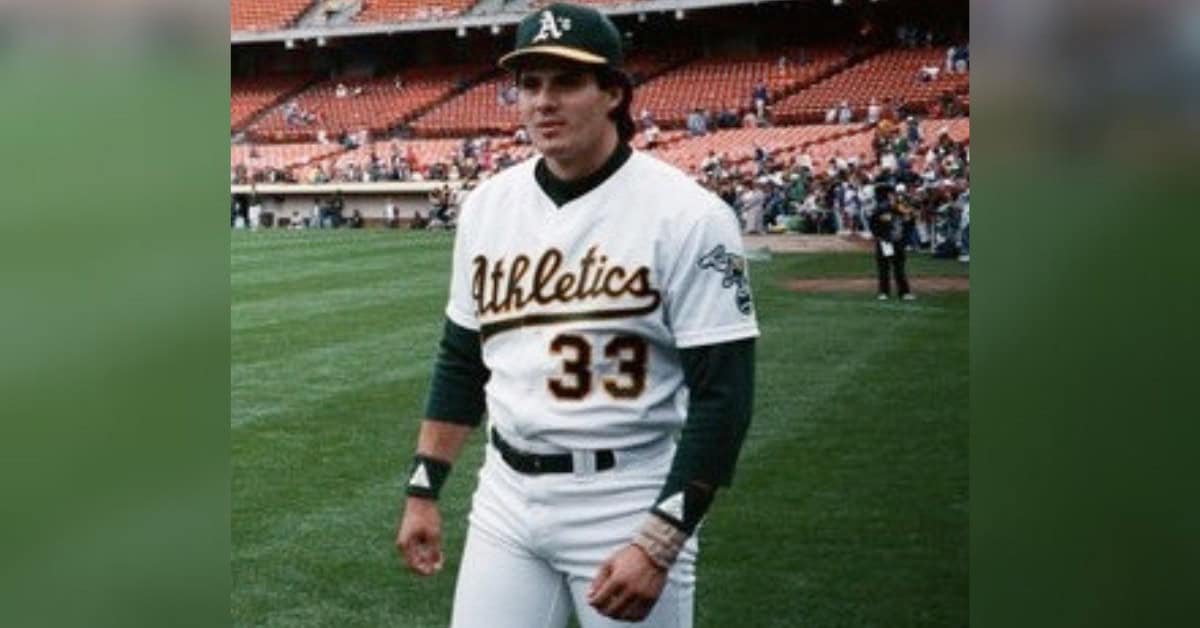
Jose Canseco’s 1988 MVP season marked the beginning of the power surge that would define baseball’s future, as he became the first player to hit 40 home runs and steal 40 bases in the same year. The muscular Cuban-American’s towering home runs and cocky demeanor made him a polarizing figure, while his partnership with Mark McGwire created the “Bash Brothers” phenomenon. Canseco’s raw power and athletic ability hinted at the enhanced era that was about to transform the game forever.
Ruben Sierra – The Rangers’ Young Gun with a Silver Slugger
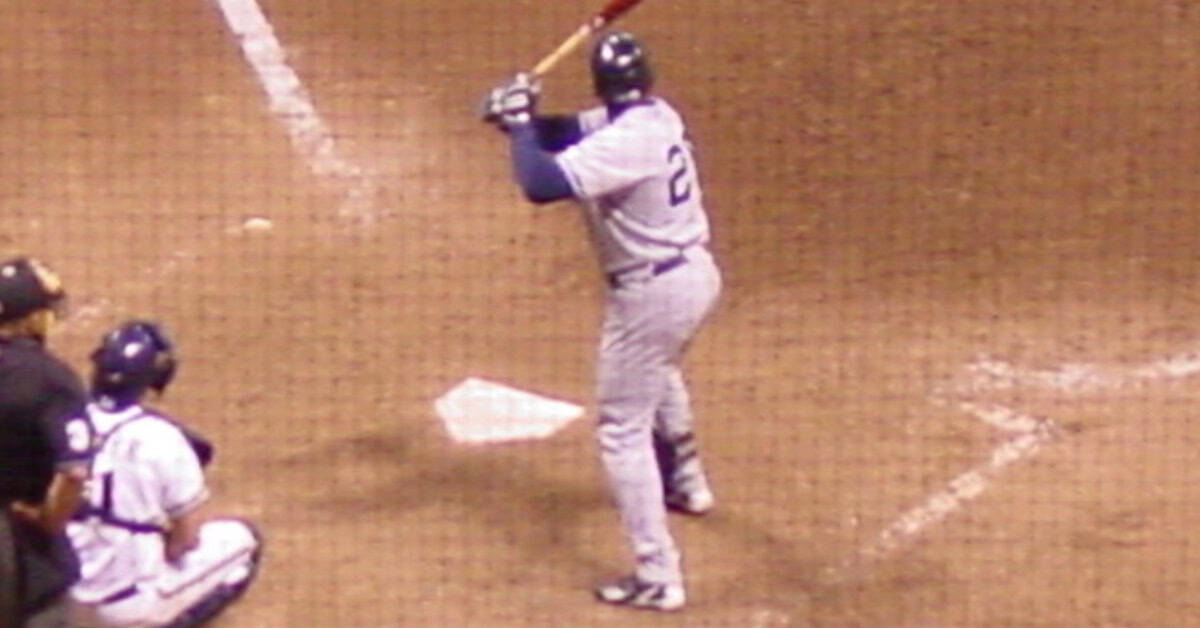
Ruben Sierra emerged as one of baseball’s brightest young stars in the late 1980s, combining power, speed, and defensive excellence for the Texas Rangers. The Puerto Rican outfielder’s incredible 1989 season, in which he led the league in RBIs (119) and slugging percentage (.543), earned him a Silver Slugger award. Sierra’s five-tool ability and youthful exuberance represented the future of the Rangers franchise and Latin American baseball.
Danny Tartabull – The Sweet Swing That Lit Up Royals Stadium
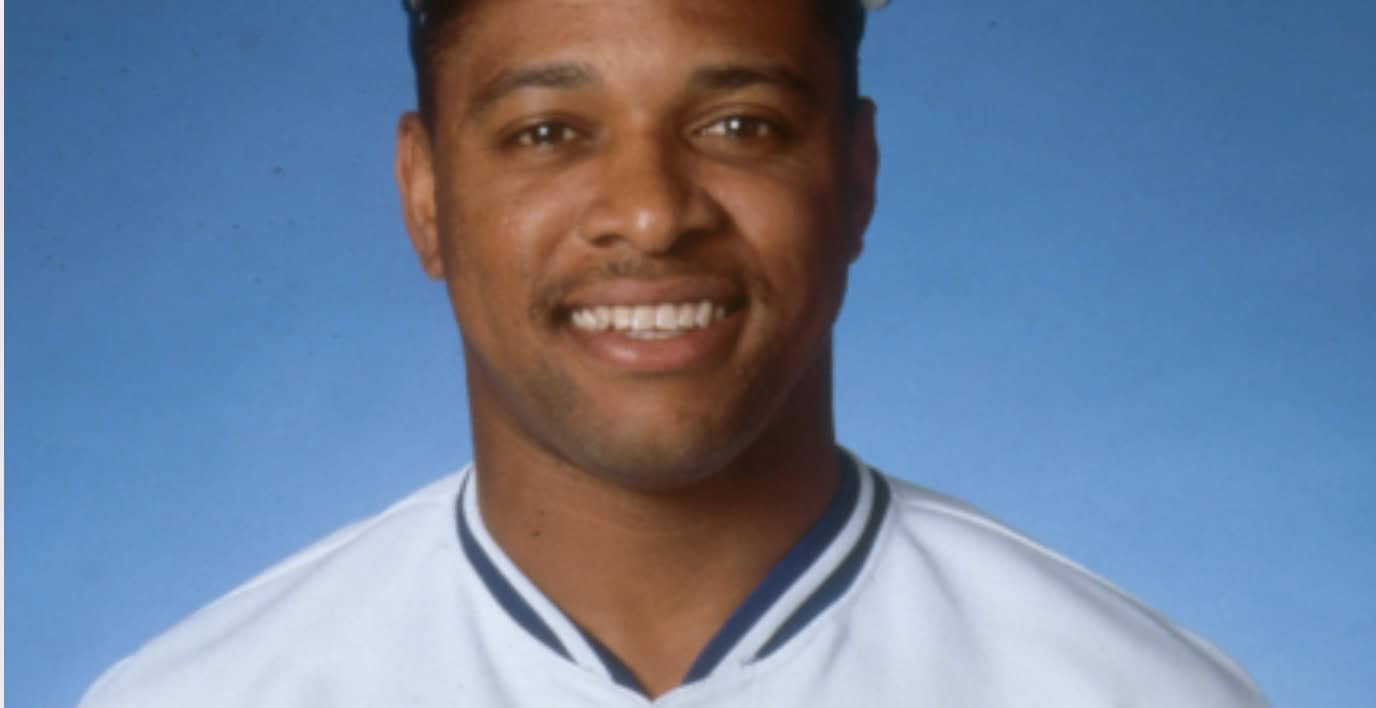
Danny Tartabull’s picture-perfect swing produced some of the most majestic home runs of the late 1980s, as he emerged as a legitimate power threat for the Kansas City Royals. The son of a former major leaguer, he possessed natural hitting ability that allowed him to drive balls out of any part of the ballpark. Tartabull’s combination of power and hitting ability made him one of the most promising young players in the American League as the decade came to a close.