

Last Updated: June 17th, 2026 by Michael Schatz
Remember when hitting .300 meant something? When contact hitters ruled the diamond and strikeouts were shameful? Ichiro Suzuki was baseball’s last samurai, wielding his bat like a precision instrument in an era increasingly obsessed with launch angles and exit velocity.
Don't lose this article. Enter your email below, and I'll send it to you right now. Plus, we'll send you other unbelievable stories from baseball's past.
262 Hits in 2004: When Ichiro Made George Sisler’s 84-Year Record Look Quaint
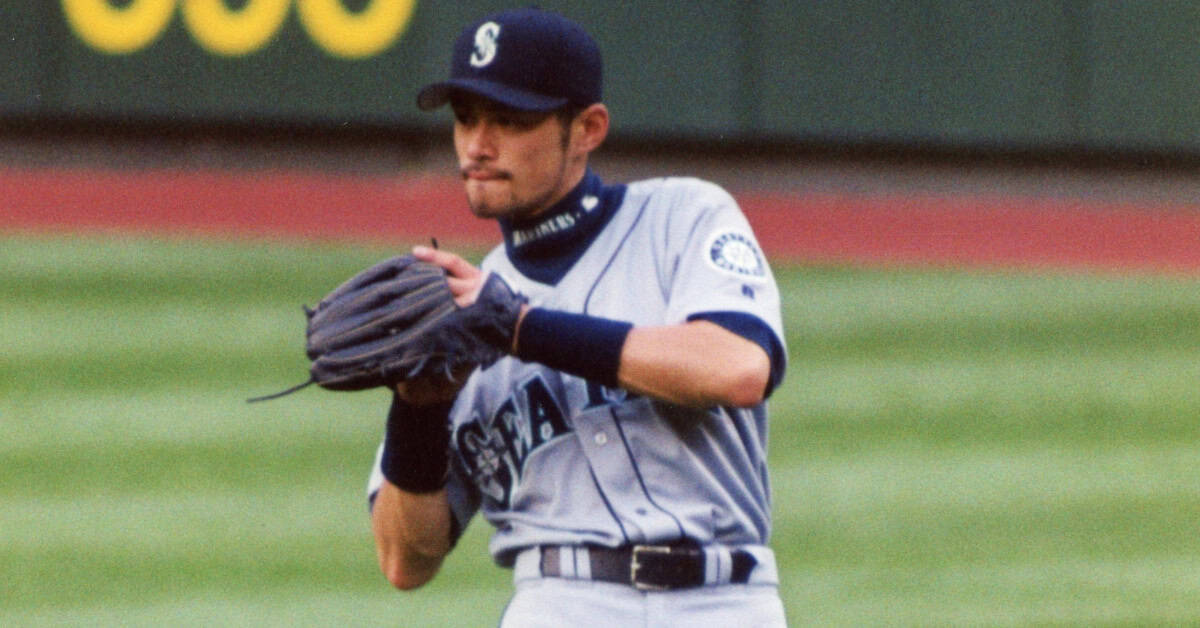
On October 1, 2004, Ichiro slapped his 258th hit past the infield, shattering George Sisler’s seemingly untouchable record that had stood since 1920—back when Babe Ruth was still pitching and radios were furniture. He didn’t stop there, finishing with 262 hits, a number so astronomical that modern players would need to bat .350 with 750 plate appearances to match it. In today’s three-true-outcomes baseball, where a .280 average wins batting titles, Ichiro’s 262 hits feel like something from a sepia-toned fever dream.
Ten Straight 200-Hit Seasons: A Decade of Pure Contact Artistry
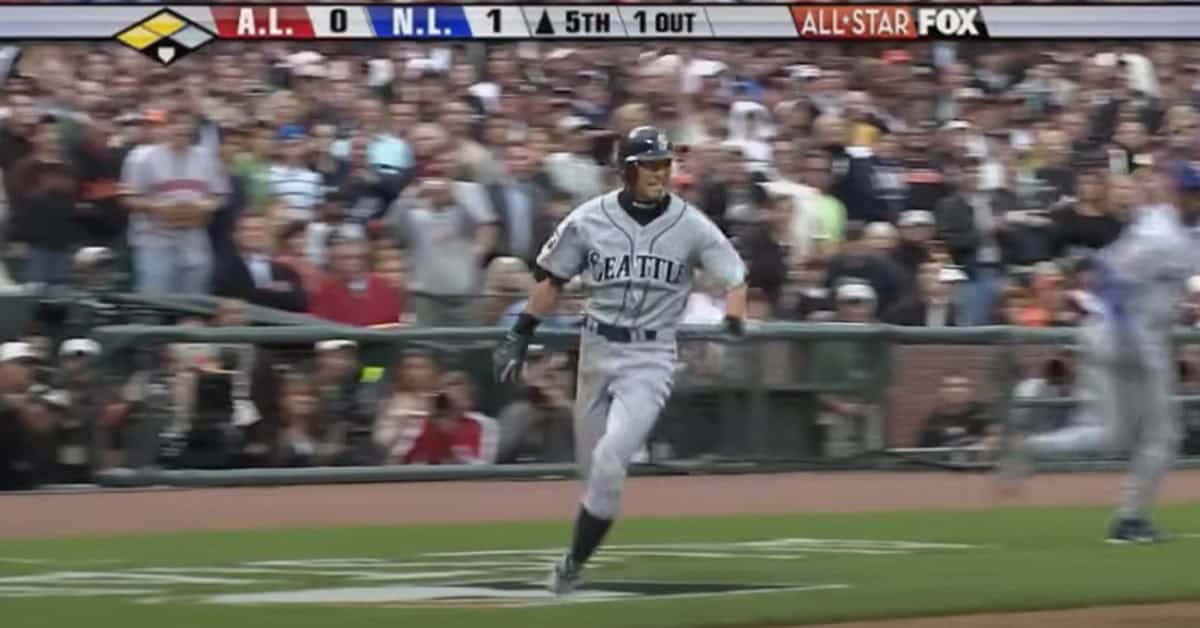
From 2001 to 2010, Ichiro collected 200 hits every single season like clockwork, the only player in MLB history to accomplish this feat consecutively. While Pete Rose managed 10 seasons with 200 hits over his career, Ichiro did it in his first decade, averaging 224 hits per season during this stretch. This was consistency that would make a Swiss watchmaker weep—the kind of reliability your grandfather’s Oldsmobile promised but rarely delivered, except Ichiro actually kept his word for an entire decade.
4,367 Professional Hits: More Than Pete Rose Ever Dreamed Of
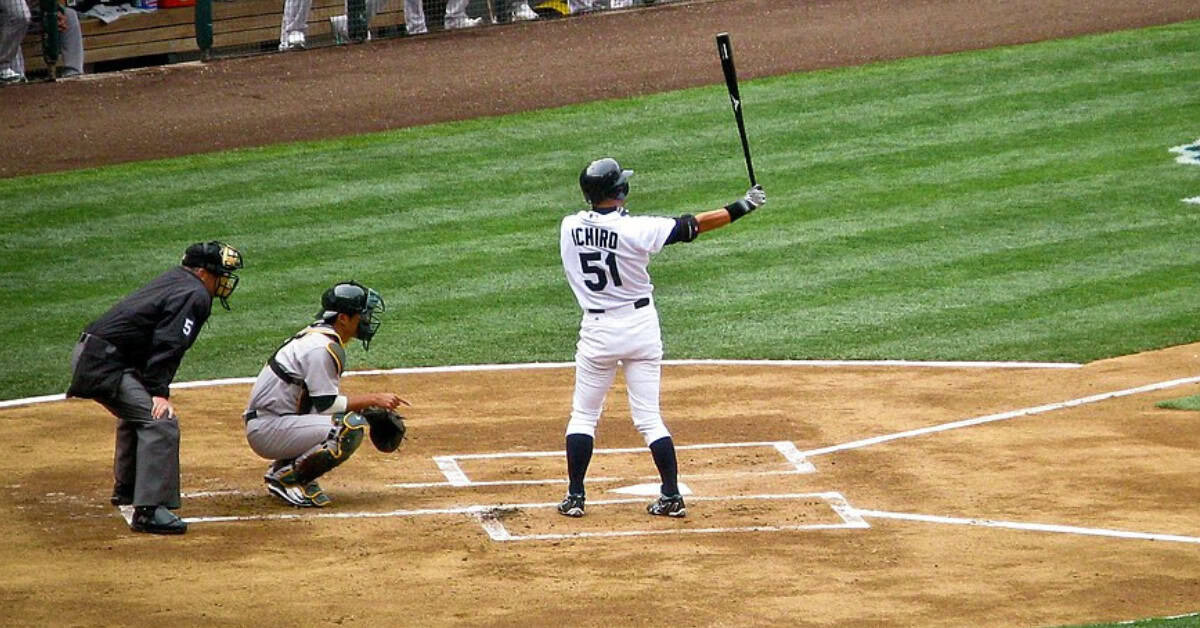
Combining his NPB and MLB totals, Ichiro amassed 4,367 professional hits—more than any player in baseball history. While purists argue about mixing leagues, the man collected 1,278 hits in Japan before adding 3,089 more in the majors, proving that hitting is a universal language. Pete Rose’s 4,256 MLB hits held the crown for decades, but when you count Ichiro’s entire professional career, Charlie Hustle looks more like Charlie Second Place—and Rose never had to adjust to foreign pitching, different baseballs, and jet lag twice a year.
Rookie MVP at 27: The Late Bloomer Who Rewrote the Rulebook
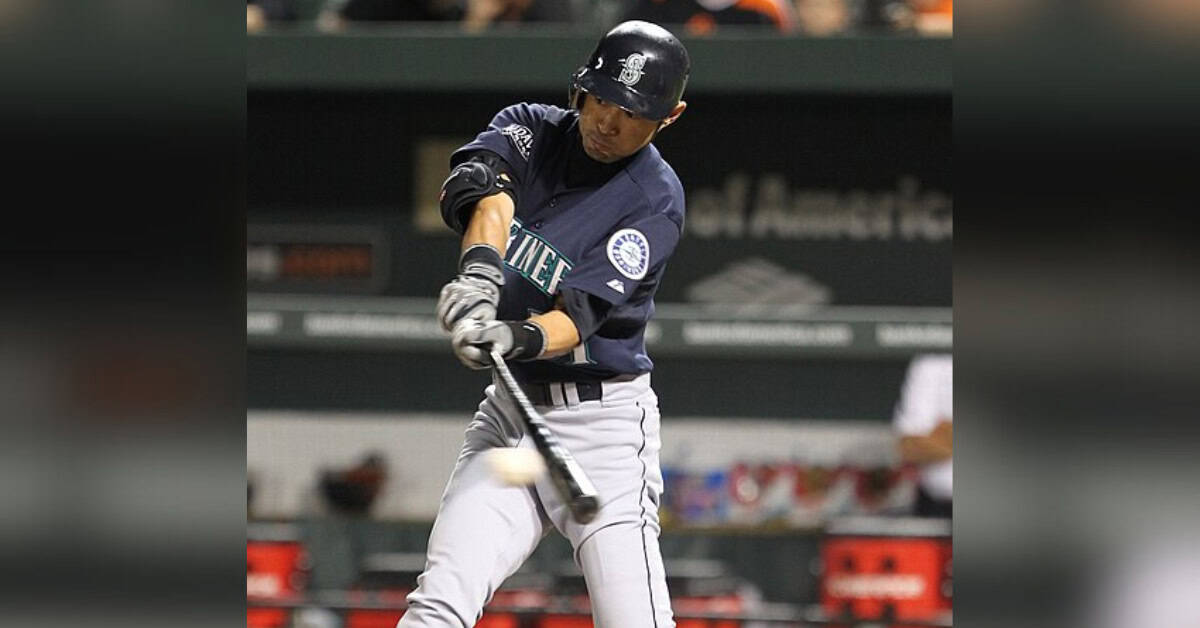
In 2001, Ichiro became the second player ever to win both Rookie of the Year and MVP in the same season, joining Fred Lynn in this exclusive club. The twist? He was 27 years old, an age when most “rookies” are considered over-the-hill prospects. Ichiro hit .350 with 242 hits and 56 stolen bases, proving that sometimes the best things in life—like aged whiskey and vintage wine—are worth the wait. His rookie season was so dominant that it made seasoned veterans question their life choices and young prospects wonder if they’d peaked too early.
Ten Gold Gloves: When Safeco’s Right Field Became “Area 51”
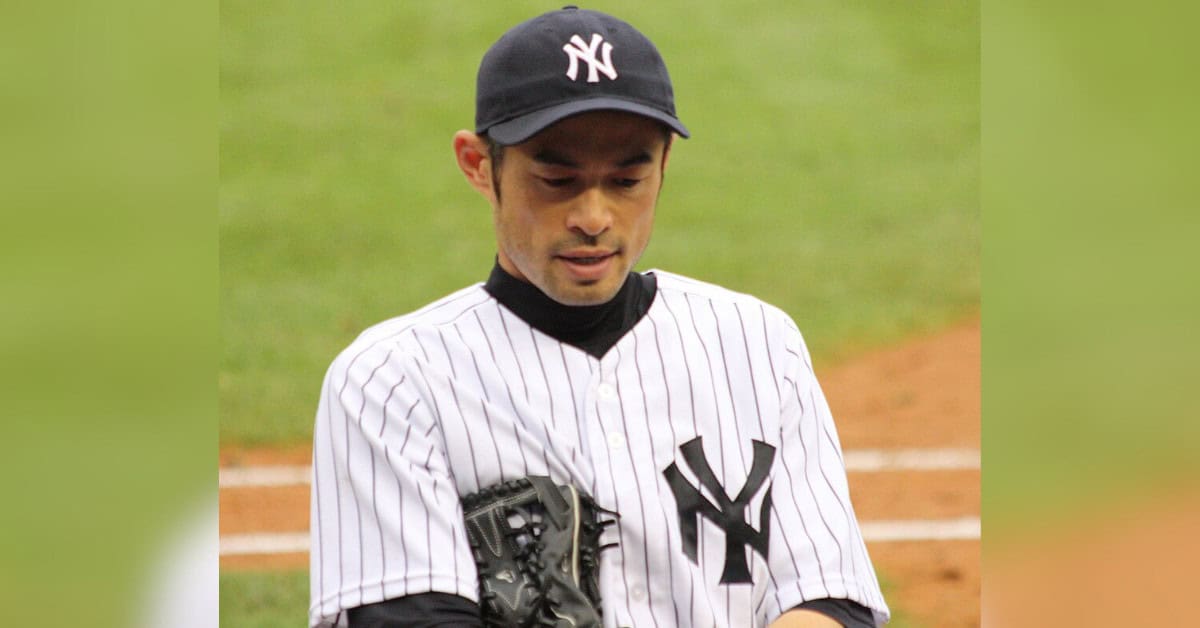
Ichiro won 10 consecutive Gold Gloves from 2001-2010, turning Safeco Field’s right field into a no-fly zone where doubles went to die. His arm was so legendary that runners stopped taking extra bases, treating him like a scarecrow that actually worked. With a career fielding percentage of .988 and countless highlight-reel throws, Ichiro made defense look like performance art—the kind of graceful athleticism that reminded you why baseball was once called America’s ballet, back when people still knew what ballet was.
3,000 MLB Hits Despite Starting at 27: Better Late Than Never
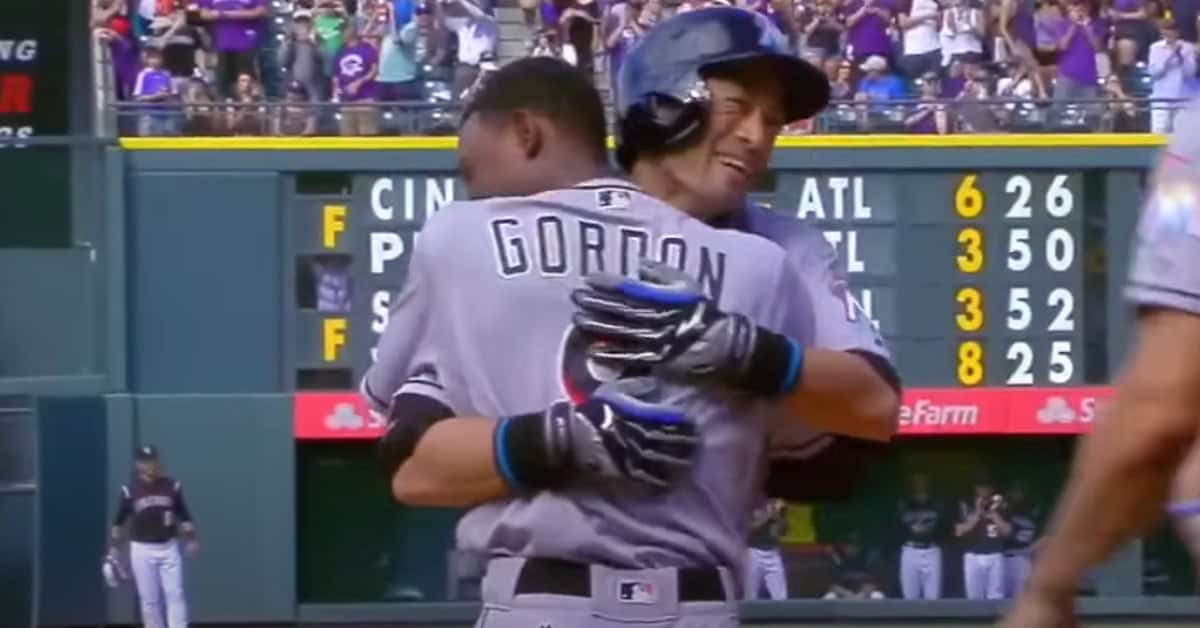
Ichiro joined the 3,000-hit club in 2016, becoming the 30th player to reach this milestone despite not playing his first MLB game until age 27. Most players in this exclusive fraternity started their careers as teenagers, giving them a 8-10 year head start on accumulating hits. Ichiro did it in 16 seasons what typically takes 20, proving that talent doesn’t expire like milk in your refrigerator. His 3,089 career hits came at a .311 clip, showing that consistency beats longevity when you’re good enough to make every at-bat count.
Leading the League in Average AND Steals: Jackie Robinson’s 1949 Encore
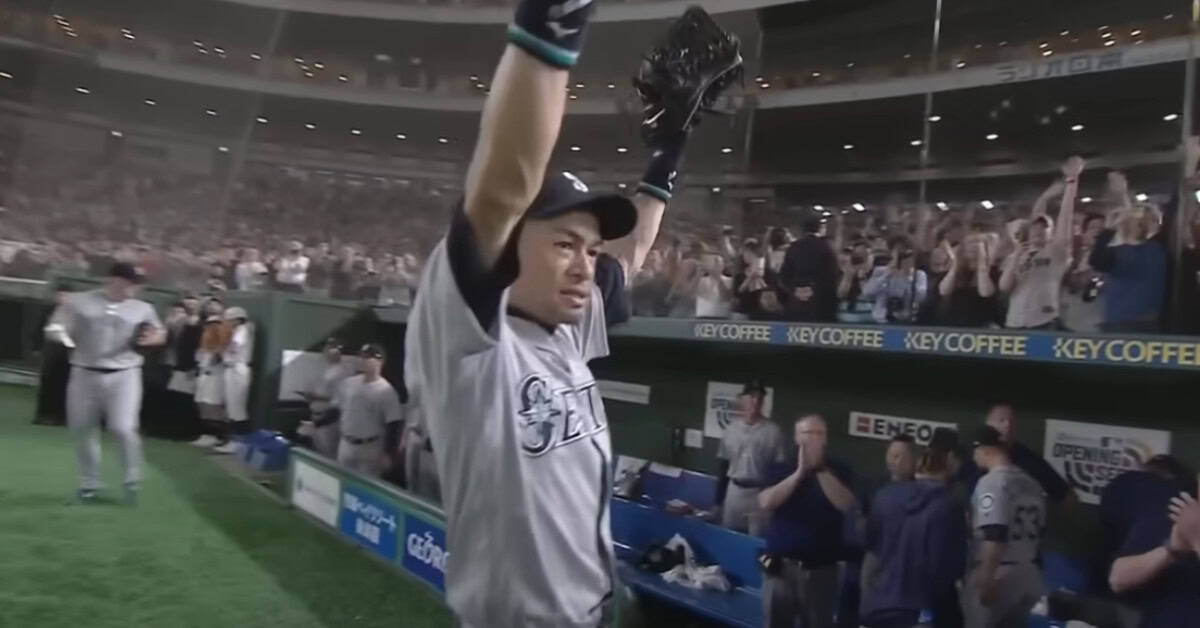
In 2001, Ichiro led the American League in both batting average (.350) and stolen bases (56), becoming the first player since Jackie Robinson in 1949 to accomplish this rare double. This combination requires the perfect marriage of contact hitting and speed—skills that modern baseball has largely divorced in favor of specialization. While today’s players either hit for power or steal bases, Ichiro did both with the kind of versatility that made him baseball’s Swiss Army knife, back when people actually carried Swiss Army knives and knew how to use all the attachments.
242 Hits as a Rookie: When Fresh Faces Still Knew How to Hit
Ichiro’s 242 hits in 2001 set the rookie record and remains the most hits by any first-year player in MLB history. To put this in perspective, most Rookie of the Year winners today are thrilled to crack 150 hits while batting .270. Ichiro’s rookie hit total would lead the majors in most seasons since 2010, making him not just the best rookie hitter of his era, but better than the best veterans of today’s game. His debut season was like watching someone play baseball on rookie difficulty while everyone else struggled with All-Star mode.
56 Stolen Bases at Age 27: Speed That Defied Father Time
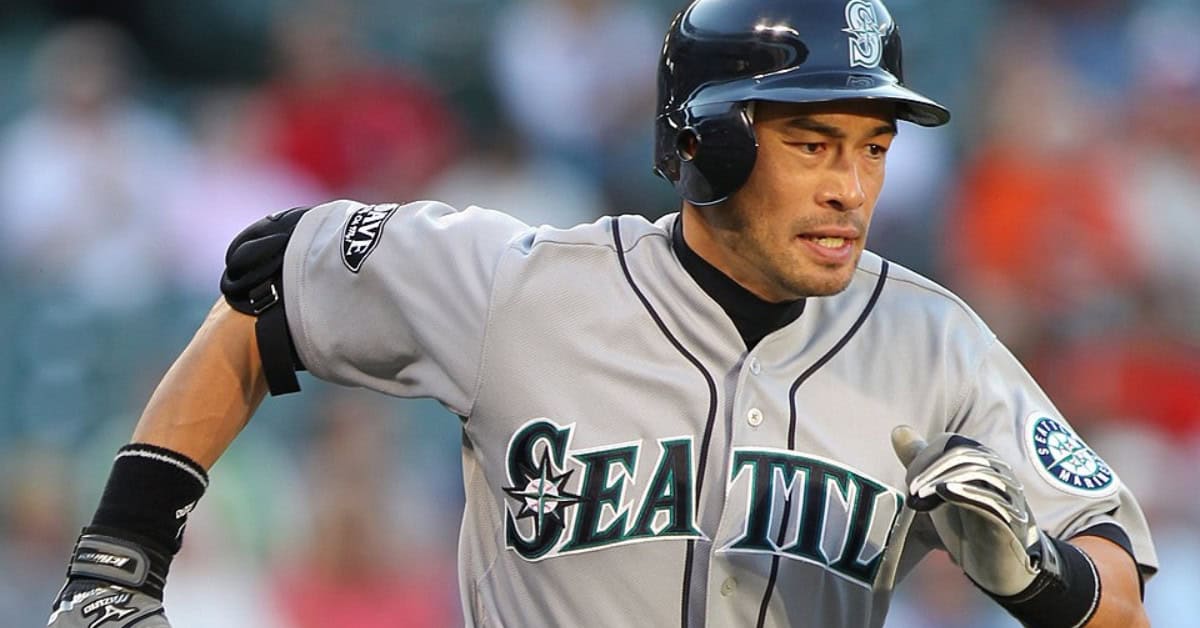
Most players lose a step by their late twenties, but Ichiro stole 56 bases in his 2001 rookie season at age 27, proving that Japanese training methods were apparently decades ahead of American sports science. He finished his career with 509 stolen bases despite starting his MLB career when most speedsters are already slowing down. Ichiro ran the bases like he was late for the last train home, with the kind of urgency and precision that made stolen bases look less like gambling and more like a sure thing—the way bank CDs used to feel before interest rates became a cruel joke.
Never More Than 69 RBIs Despite 200+ Hit Seasons: The Ultimate Leadoff Paradox
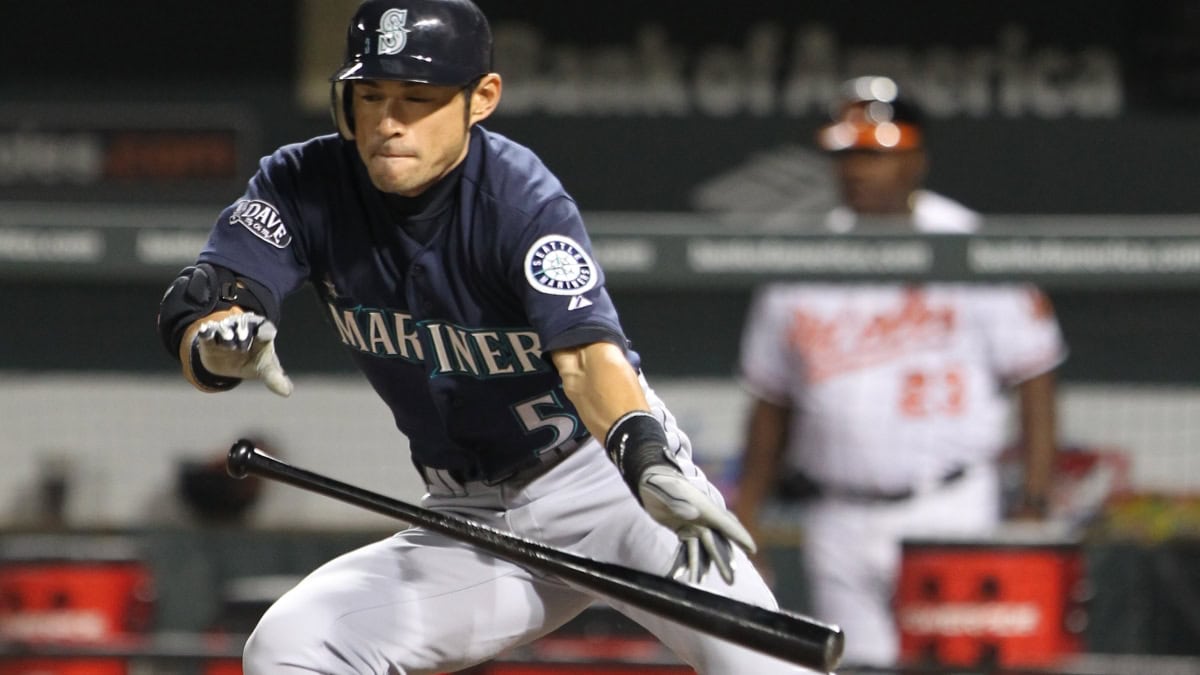
During his incredible streak of 10 consecutive 200-hit seasons, Ichiro never drove in more than 69 runs in a single campaign, creating the most beautiful statistical contradiction in baseball history. He was the ultimate table-setter, getting on base for others to drive him home rather than clearing the bases himself. This perfectly encapsulated old-school baseball strategy, where players had defined roles and stuck to them—unlike today’s game where everyone swings for the fences and hopes for the best. Ichiro’s RBI totals were proof that sometimes the most valuable player is the one who sets up everyone else’s success, like the friend who always knows the best restaurants but never gets credit for planning the perfect night out.