

Last Updated: June 17th, 2026 by Matthew Brown
Before specialized coaching staffs and analytics departments took over baseball, some of the game’s greatest leaders did double duty that would make today’s multimillion-dollar managers break out in cold sweats. These legendary figures didn’t just call the shots from the dugout—they had to execute them on the field while juggling lineups, egos, and their own batting averages. Here are the player-managers who somehow made the impossible look routine.
Don't lose this article. Enter your email below, and I'll send it to you right now. Plus, we'll send you other unbelievable stories from baseball's past.
Pete Rose Managed the Reds While Chasing Ty Cobb’s Hit Record
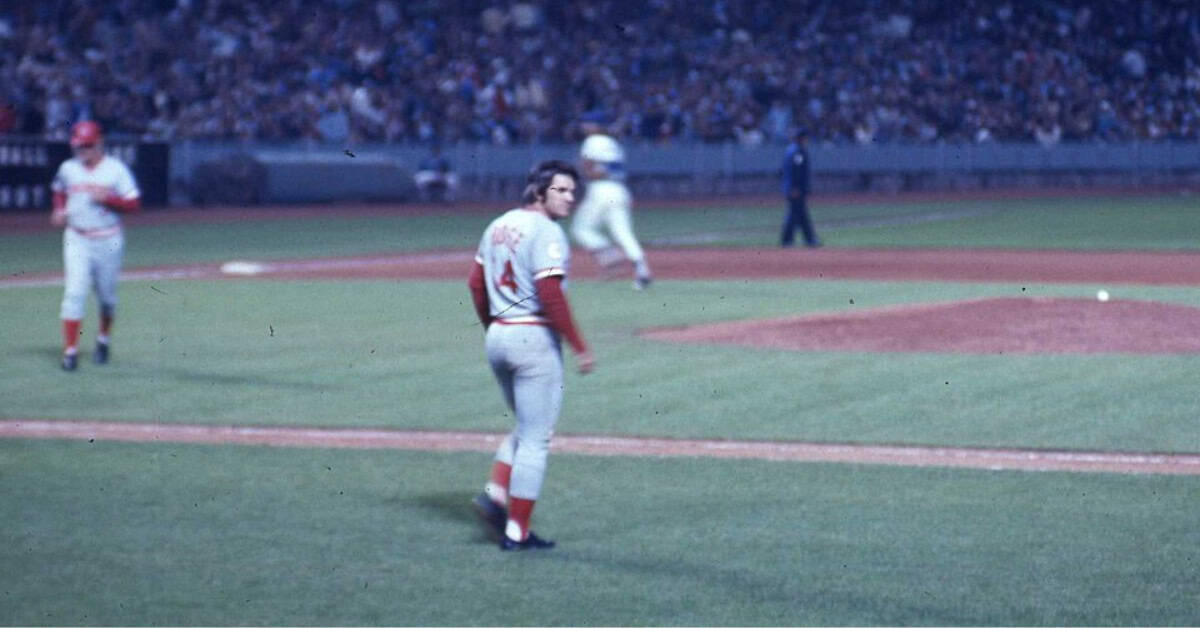
Charlie Hustle took over the Cincinnati Reds in 1984 while simultaneously chasing baseball’s most hallowed record, creating a media circus that would have crushed lesser mortals. Rose had to manage a major league clubhouse while every at-bat was dissected by reporters hunting for history, somehow keeping his team focused while the entire baseball world watched his every swing. When he finally broke Cobb’s record on September 11, 1985, Rose was doing something no manager in history had ever done—making history as both player and skipper in the same moment.
Frank Robinson Broke Baseball’s Color Barrier in the Manager’s Box
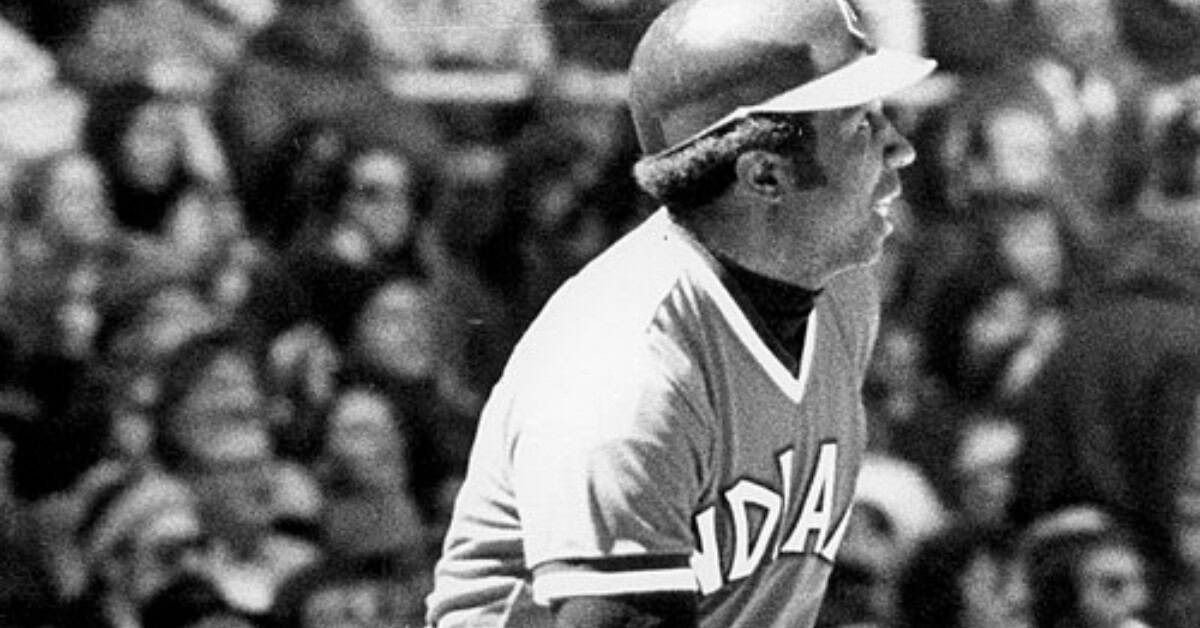
When Frank Robinson became Cleveland’s player-manager in 1975, he shattered another barrier with the same quiet dignity he’d shown throughout his Hall of Fame career. Robinson had to prove that a Black man could lead a major league team while still contributing on the field, facing scrutiny that went far beyond his batting average or managerial decisions. His first at-bat as player-manager resulted in a home run, a moment that perfectly captured Robinson’s ability to deliver when the stakes were highest and the spotlight brightest.
Lou Boudreau Won MVP While Managing Cleveland to a World Series
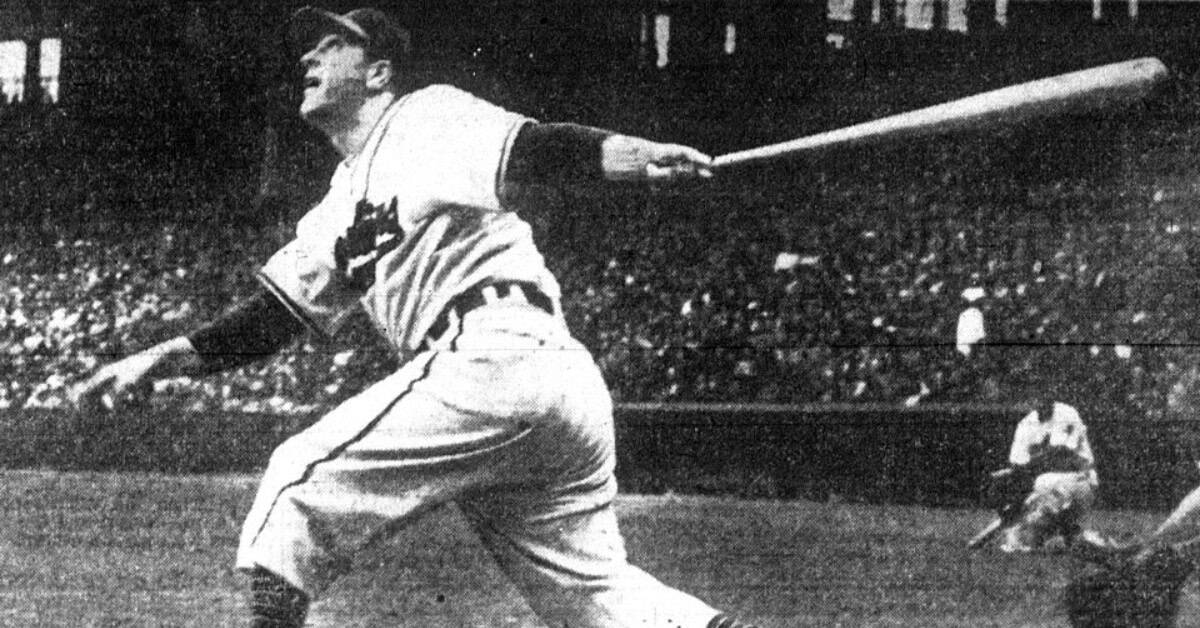
Lou Boudreau’s 1948 season remains the gold standard for player-manager excellence, as he hit .355 while leading the Cleveland Indians to their first World Series championship in 28 years. The Boy Manager had to make lineup decisions that included penciling in his own name at shortstop, all while dealing with the pressure of ending Cleveland’s championship drought. Boudreau’s MVP award that season made him the only player-manager to win the league’s top individual honor while guiding his team to a World Series title, a feat that perfectly captured the impossible balancing act these dual-role leaders mastered.
Joe Torre Briefly Juggled First Base and the Manager’s Job for the Mets
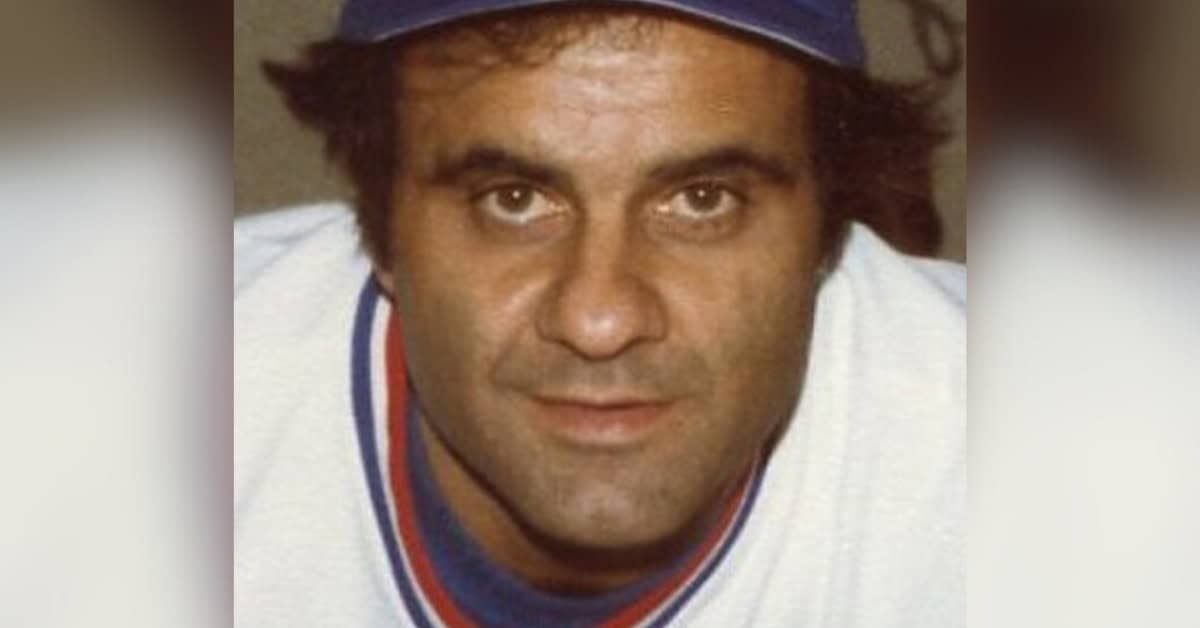
Before he was a Yankees legend, Joe Torre took on the player-manager role for the New York Mets in 1977. For a brief 18-day stretch, he had to handle the strategic duties of a big-league manager while still playing first base, a multitasking challenge that required immense focus. Shortly after, he retired as a player to focus solely on managing, but that short period gave him a unique perspective. It demonstrated the sheer difficulty of trying to execute plays on the field while simultaneously planning three moves ahead for the entire team.
Ty Cobb Terrorized Opponents as Both Detroit’s Star and Skipper

Ty Cobb’s six-year run as Detroit’s player-manager from 1921-1926 combined his legendary competitiveness with managerial authority, creating a perfect storm of intimidation that opposing teams dreaded facing. The Georgia Peach would slide into second base with spikes high, then immediately start barking orders at his own players while glaring at the opposition from the dugout between innings. Cobb’s dual role meant he could terrorize opponents both physically and psychologically, using his reputation as baseball’s fiercest competitor to gain every possible advantage while managing a team that reflected his win-at-all-costs mentality.
Don Kessinger Managed the White Sox While Playing Shortstop at Age 36
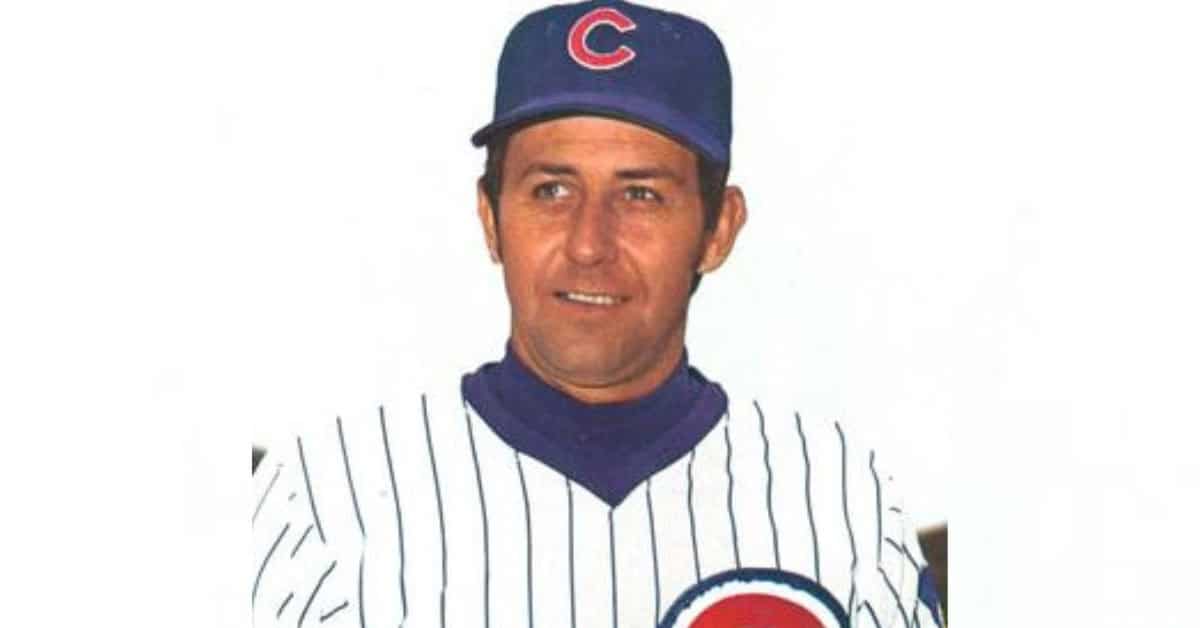
Don Kessinger’s brief stint as Chicago White Sox player-manager in 1979 proved that age was just a number when it came to baseball’s ultimate multitasking challenge. The former Cubs star had to cover the ground at shortstop that his 36-year-old legs weren’t quite ready for while making split-second managerial decisions that required the reflexes of someone half his age. Kessinger’s 56 games as player-manager represented the last gasp of an era, as he tried to prove that veteran leadership and on-field experience could still trump the specialized coaching that was beginning to take over baseball.
Rogers Hornsby Won a Title a Year After His Record-Setting Season

Rogers Hornsby’s achievements as a player-manager were so immense they couldn’t be contained in a single season. In 1925, while managing the St. Louis Cardinals, he posted a 1.245 on-base plus slugging—a National League record that stood for nearly 80 years. While the team didn’t win the pennant that year, he followed it up in 1926 by leading the Cardinals to a World Series championship. Hornsby’s ability to maintain an elite level of hitting excellence while juggling managerial duties proved that some players possessed a mental compartmentalization that bordered on superhuman.
Tris Speaker Led His Team Through Tragedy to a Title
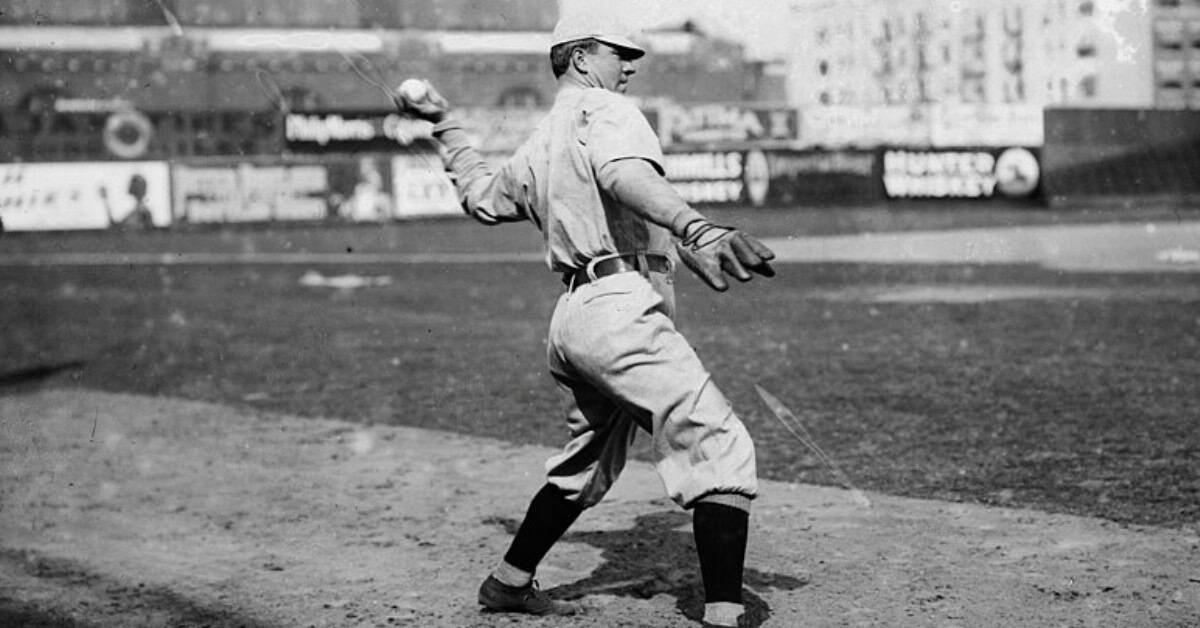
Tris Speaker’s greatest challenge came in 1920 when he was asked to take over as player-manager for Cleveland following the tragic death of his friend and teammate Ray Chapman. Speaker not only shouldered the leadership burden for a grieving clubhouse but also had one of his finest seasons, hitting .388. He guided the team through unimaginable circumstances all the way to a World Series championship, a triumph of leadership and resilience that stands as one of the most remarkable accomplishments in baseball history.
John McGraw Turned Player-Managing Into an Art Form of Intimidation
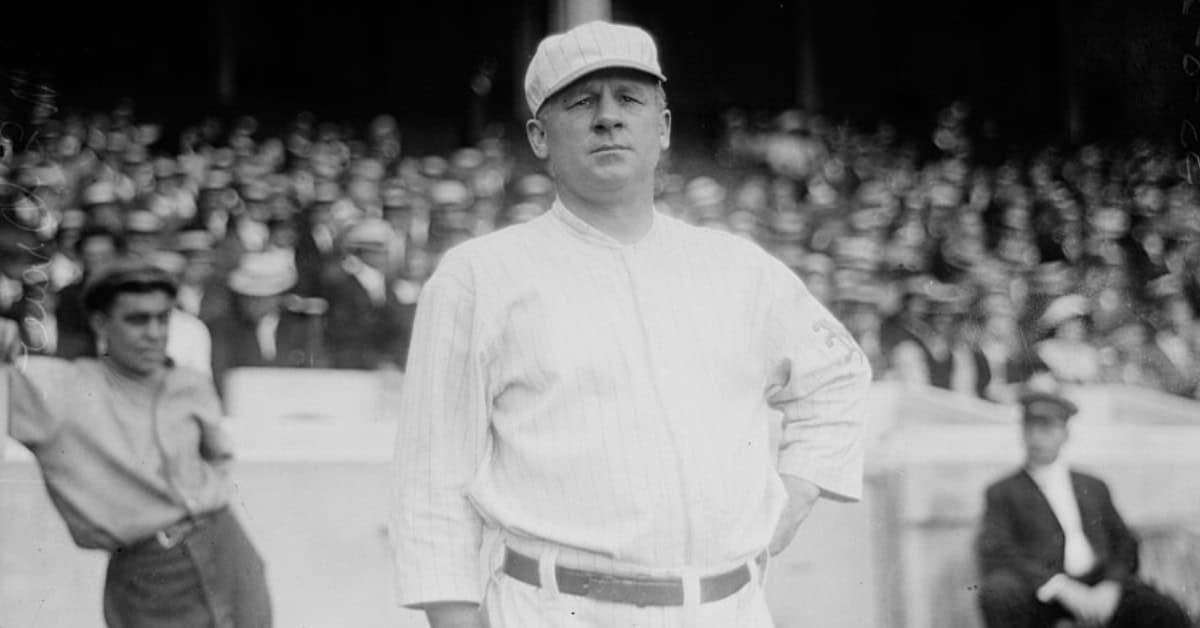
John McGraw’s early years as New York Giants player-manager established the template for fiery leadership that combined on-field grit with dugout genius, creating a reign of terror that lasted over three decades. Little Napoleon would argue with umpires as a player, then continue the fight as a manager, doubling down on his intimidation tactics in ways that made opposing teams dread coming to the Polo Grounds. McGraw’s transition from scrappy infielder to managerial mastermind proved that the best player-managers used their playing experience as psychological warfare, understanding the game from every angle and using that knowledge to gain advantages that pure managers could never achieve.
Mel Ott Led the Giants While Perfecting His Legendary Leg Kick
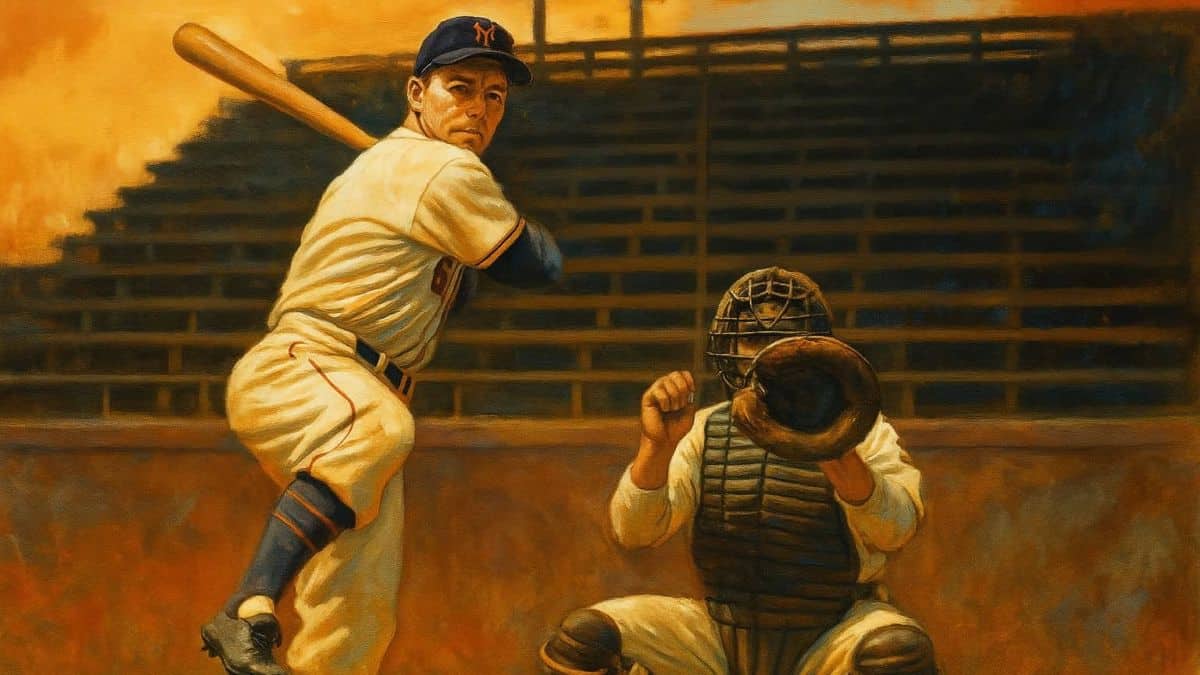
Mel Ott’s seven-year run as New York Giants player-manager from 1942-1948 showcased the gentle side of dual-role leadership, as Master Melvin guided his team with the same quiet dignity he displayed while launching home runs with his distinctive leg kick. The Hall of Fame outfielder had to balance his role as the Giants’ offensive star with the demands of managing personalities and strategies, all while maintaining the batting stance that made him one of baseball’s most recognizable figures. Ott’s player-manager tenure represented the last era when nice guys could finish first, proving that leadership didn’t always require the fire and brimstone approach of his predecessors, but could succeed through respect, consistency, and leading by example both in the batter’s box and the dugout.