

Last Updated: June 17th, 2026 by Michael Schatz
The 1940s were baseball’s golden age of unsung heroes—players who starred while the world was at war, who thrived in the shadow of legends, and who somehow slipped through the cracks of history despite achievements that would make today’s superstars jealous. These ten forgotten gems deserve their moment in the sun.
Don't lose this article. Enter your email below, and I'll send it to you right now. Plus, we'll send you other unbelievable stories from baseball's past.
Phil Cavarretta: The Cubs’ Forgotten MVP Who Outlasted Wrigley’s Curse

While Cubs fans spent decades lamenting their curse, they forgot about the hometown hero who actually delivered them a pennant. Phil Cavarretta, born and raised in Chicago, won the 1945 National League MVP award with a .355 batting average that remains the Cubs’ single-season record for a left-handed hitter. The smooth-swinging first baseman led Chicago to their last World Series appearance before 2016, yet somehow his name barely registers in Cubs lore. Cavarretta’s 20-year career included four All-Star selections and a lifetime .293 average, proving that sometimes the best players are hiding in plain sight on the North Side.
Dixie Walker: Brooklyn’s “People’s Choice” Before Jackie Changed Everything

Before Jackie Robinson became Brooklyn’s hero, Dixie Walker was the toast of Flatbush Avenue. Nicknamed “The People’s Choice” (or “Peepul’s Cherce” in Brooklyn dialect), Walker was the most beloved Dodger of the mid-1940s, leading the National League in batting average in 1944 with a .357 mark. His clutch hitting and blue-collar work ethic made him the perfect embodiment of Brooklyn’s scrappy spirit. Unfortunately, Walker’s complicated relationship with integration overshadowed his remarkable career, which included 2,064 hits and a .306 lifetime average across 18 seasons.
Bobby Doerr: The Red Sox’s Silent Slugger Who Made Ted Williams Look Good
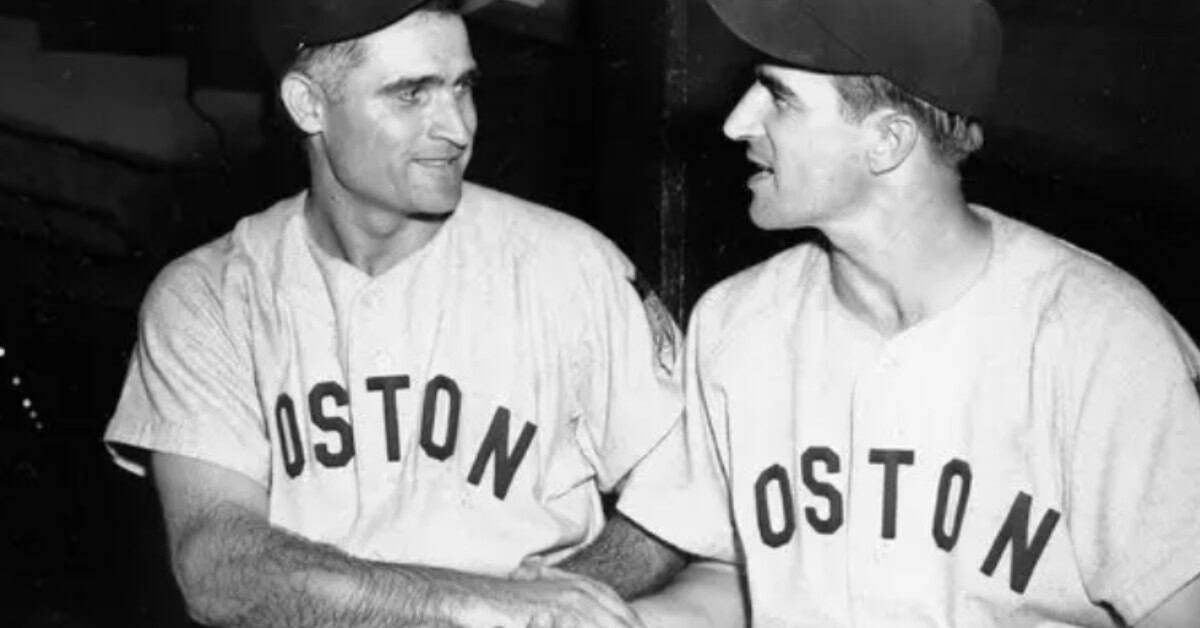
Ted Williams called him “The Silent Captain,” and Bobby Doerr earned that respect by anchoring second base for the Red Sox with quiet excellence for 14 seasons. Discovered on the same West Coast scouting trip that found Williams, Doerr was the steady hand that made Boston’s offense hum during the 1940s. He drove in over 100 runs six times, batted over .300 three times, and set a fielding record with 414 consecutive chances without an error. While Williams grabbed headlines with his swing, Doerr was the glue that held together Boston’s 1946 pennant winners, proving that sometimes the most valuable players are the ones who never seek the spotlight.
Vern Stephens: The Shortstop Who Out-Hit Most Hall of Famers

Before shortstops were expected to hit 30 home runs, Vern Stephens was doing it routinely. “Junior” Stephens belted 247 career homers and drove in 1,174 runs, including a monster 1949 season with 39 homers and 159 RBIs that tied him for the American League lead. His power numbers from the shortstop position were unprecedented—he averaged 23 homers and 105 RBIs during his prime decade from 1942-1951. Playing for the lowly St. Louis Browns and later overshadowed by Ted Williams in Boston, Stephens never got his due recognition despite offensive production that would make today’s shortstops weep with envy.
Hal Newhouser: The Only Pitcher to Win Back-to-Back MVPs During Wartime
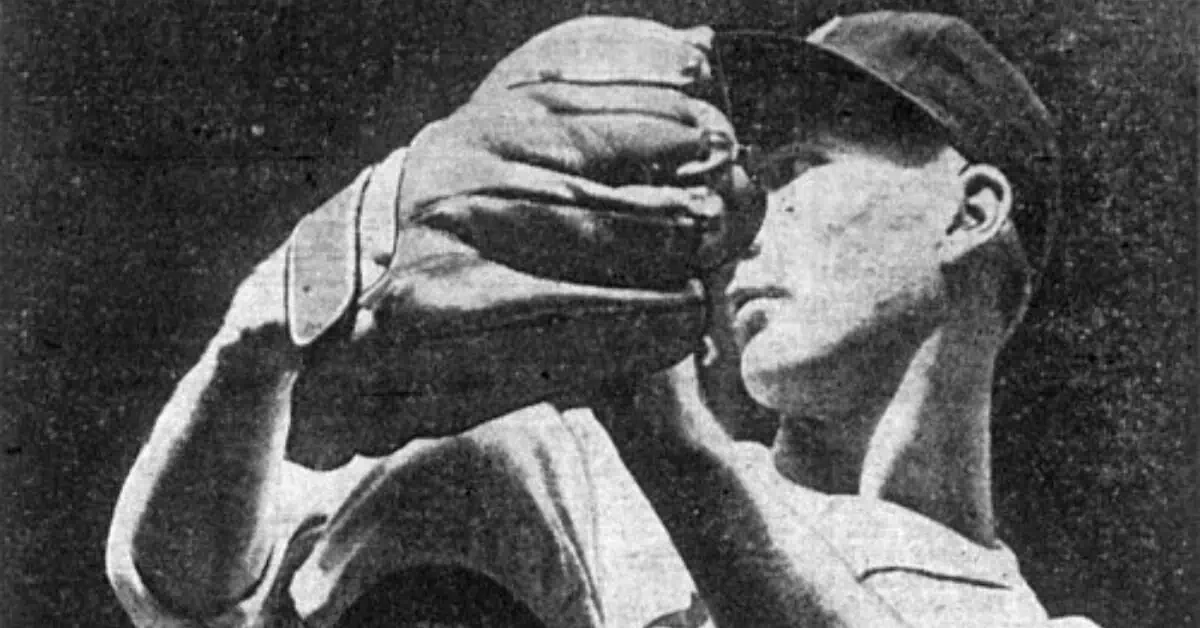
While critics dismissed Hal Newhouser’s back-to-back MVP awards in 1944 and 1945 as “wartime baseball,” they conveniently ignored his continued dominance after the veterans returned. “Prince Hal” went 29-9 with a 2.22 ERA in 1944, then followed with 25-9 and a 1.81 ERA in 1945, leading Detroit to the World Series championship. The Detroit-born southpaw remains the only pitcher in Major League history to win consecutive MVP awards. Newhouser’s 207 career wins and 3.06 ERA earned him a Hall of Fame plaque, but his wartime dominance still gets unfairly asterisked by baseball purists who forget that someone still had to get major league hitters out.
Tommy Henrich: “Old Reliable” Who Clutched Harder Than DiMaggio
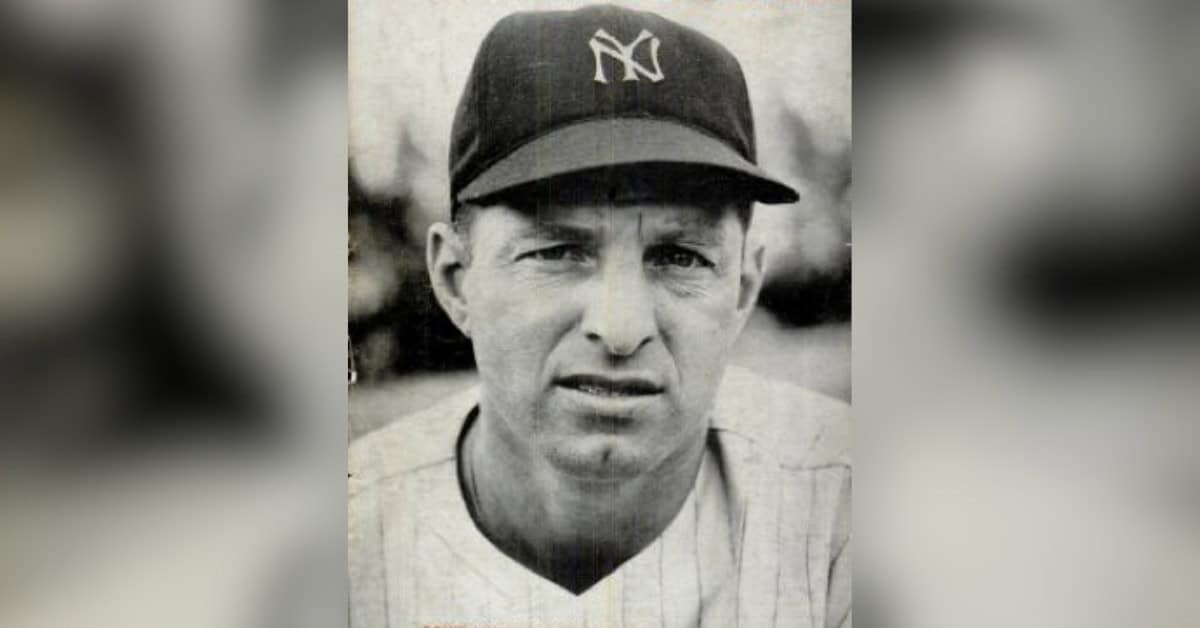
In the shadow of DiMaggio, Mantle, and Berra, Tommy Henrich was the Yankees’ most reliable clutch hitter during their 1940s dynasty. Nicknamed “Old Reliable” after a railroad locomotive, Henrich delivered when it mattered most, hitting .282 with 183 home runs across 11 seasons interrupted by military service. His most famous moment came in the 1941 World Series when he reached first on a dropped third strike, setting up the Yankees’ comeback victory. Henrich’s timing was impeccable—he led the American League in triples twice and runs scored once, while his steady .282 average and timely hitting made him the perfect complement to the Yankees’ superstars during their golden age.
Marty Marion: The Cardinals’ Slick-Fielding MVP Nobody Remembers
Standing 6’2″ when most shortstops were built like jockeys, Marty Marion revolutionized the position with his incredible range and sure hands. “Slats” Marion won the 1944 National League MVP award despite hitting just .267, proving that defense could carry a player to baseball’s highest honor. His glove work anchored St. Louis Cardinals teams that won four pennants and three World Series in the 1940s, and his eight All-Star selections reflected his peers’ respect for his fielding wizardry. Marion’s MVP season came during the Cardinals’ incredible 1944 campaign when they won 105 games, but his defensive brilliance throughout the decade made him the prototype for the modern defensive shortstop.
Luke Appling: The White Sox Legend Who Fouled His Way to Immortality

Luke Appling turned fouling off pitches into an art form, wearing down opposing hurlers while building a Hall of Fame career on Chicago’s South Side. “Old Aches and Pains” was famous for his hypochondria, but there was nothing wrong with his bat—he won American League batting titles in 1936 (.388) and 1943 (.328) while playing 20 seasons for the White Sox. Appling’s patience at the plate was legendary; he once fouled off numerous pitches in a single at-bat, reportedly as revenge for being denied better baseballs for batting practice. His .310 lifetime average and 2,749 career hits made him one of the greatest players in White Sox history, though his small-market team kept him from national recognition.
Augie Galan: The Switch-Hitting Speedster Who Pioneered Modern Baseball
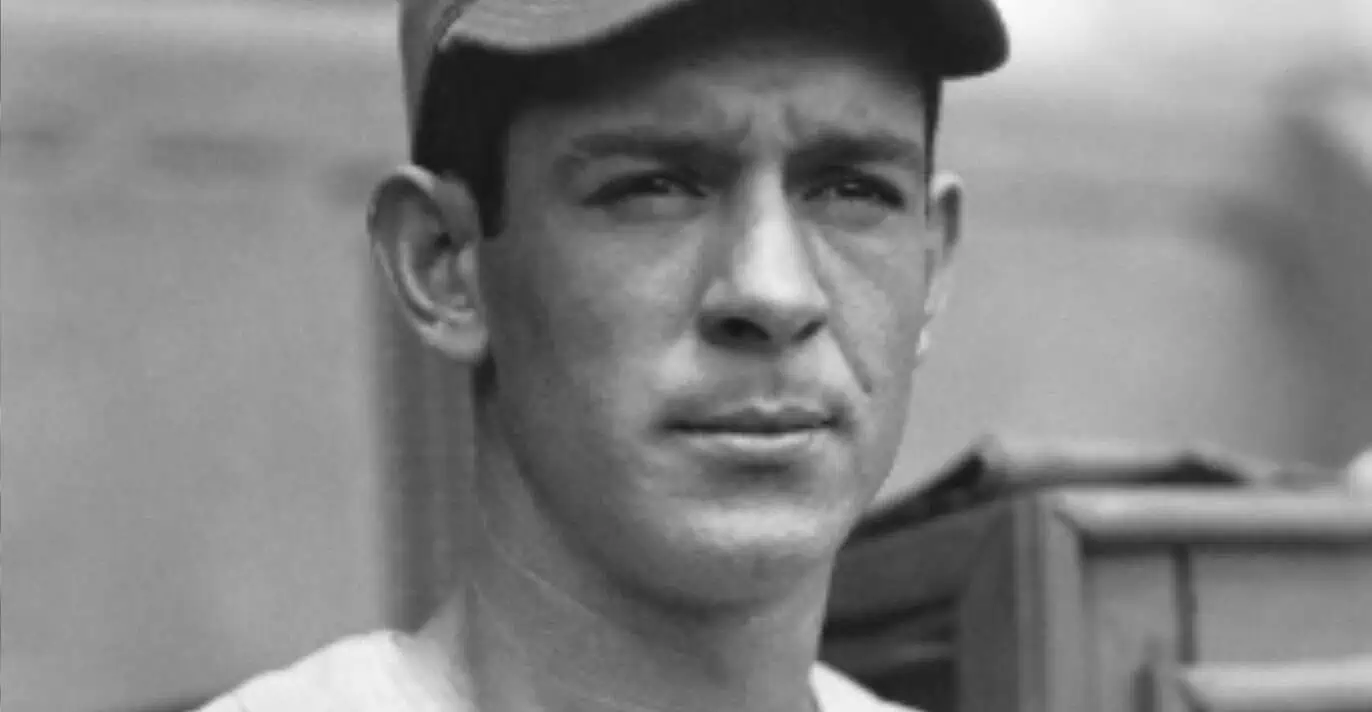
Before switch-hitting became commonplace, Augie Galan was perfecting the art while terrorizing National League pitchers. The speedy outfielder became the first player in National League history to hit home runs from both sides of the plate in the same game, accomplishing the feat in 1937 while playing for the Cubs. Galan’s 1935 season was particularly remarkable—he led the league with 133 runs scored and 22 stolen bases while hitting .314 for Chicago’s pennant winners. His career .287 average and 1,706 hits across 16 seasons made him one of the era’s most consistent performers, though his pioneering switch-hitting skills were decades ahead of their time.
Johnny Pesky: The Red Sox Sparkplug Who Got Unfairly Blamed for ’46
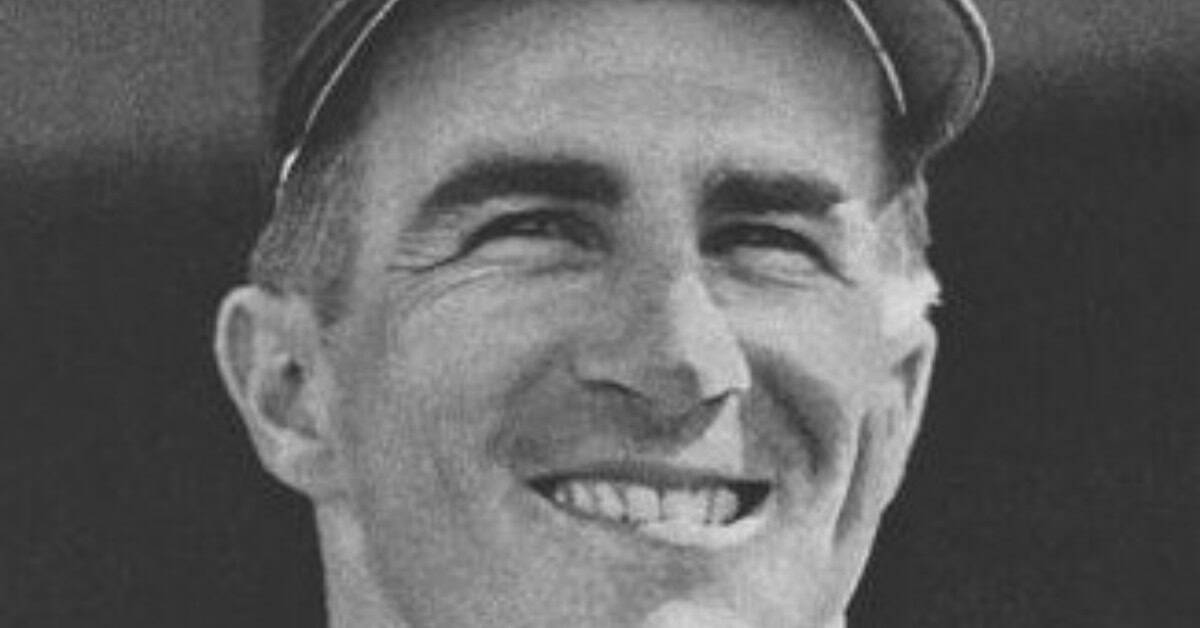
Johnny Pesky’s name became synonymous with one hesitation on a relay throw in the 1946 World Series, but that moment unfairly overshadowed one of the most consistent careers in Red Sox history. The scrappy shortstop hit .307 lifetime while leading the American League in hits three times. After debuting in 1942, Pesky served three years in the military before returning in 1946 to rack up 208 hits. His 1,455 career hits earned him the ultimate honor—Fenway Park’s right field foul pole bears his name. Despite being blamed for Boston’s World Series loss, Pesky remained a beloved figure in Red Sox lore, proving that sometimes the most endearing players are the ones who carry unfair burdens.