

Last Updated: June 17th, 2026 by Michael Schatz
Before the internet turned every batting average into a spreadsheet and every swing into slow-motion analysis, the 1990s gave us baseball stars who existed in that sweet spot between highlight reels and genuine mystery. These were the players who made SportsCenter worth watching at 11 PM, whose rookie cards you probably still have buried in a shoebox somewhere.
Don't lose this article. Enter your email below, and I'll send it to you right now. Plus, we'll send you other unbelievable stories from baseball's past.
Carlos Baerga: The Switch-Hitting Magician Who Made Second Base Sexy
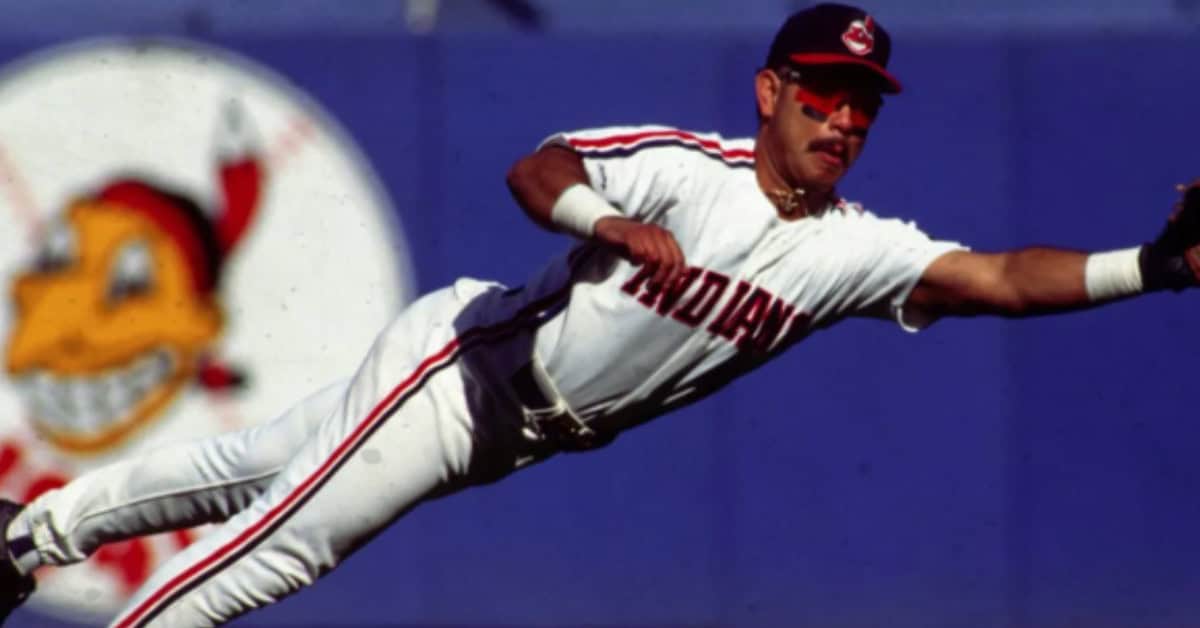
Carlos Baerga was the rare second baseman who could turn a routine double play into poetry and then step into the batter’s box to launch home runs from either side of the plate. Playing for those electric Cleveland Indians teams of the mid-90s, Baerga became the first second baseman ever to hit 20 home runs and drive in 100 RBIs in consecutive seasons. He made switch-hitting look effortless, posting identical power numbers from both sides of the plate while turning two with the grace of a ballet dancer. In an era obsessed with slugging first basemen and flame-throwing closers, Baerga proved that middle infielders could be superstars too.
Jim Abbott: The One-Handed Wonder Who Silenced Yankee Stadium

Born without a right hand, Jim Abbott didn’t just overcome adversity—he obliterated it with a 95-mph fastball and the kind of competitive fire that made grown men weep. His September 4, 1993 no-hitter against Cleveland while wearing pinstripes remains one of baseball’s most emotionally charged moments, with 51,000 fans at Yankee Stadium witnessing pure magic. Abbott’s unique fielding technique, seamlessly switching his glove from his pitching hand to field grounders, became as iconic as his devastating slider. He wasn’t just inspirational; he was legitimately dominant, posting an 18-11 record with a 2.89 ERA in 1991 and proving that heart could triumph over any perceived limitation.
Dante Bichette: Colorado’s Blake Street Bomber Who Rode the Thin Air
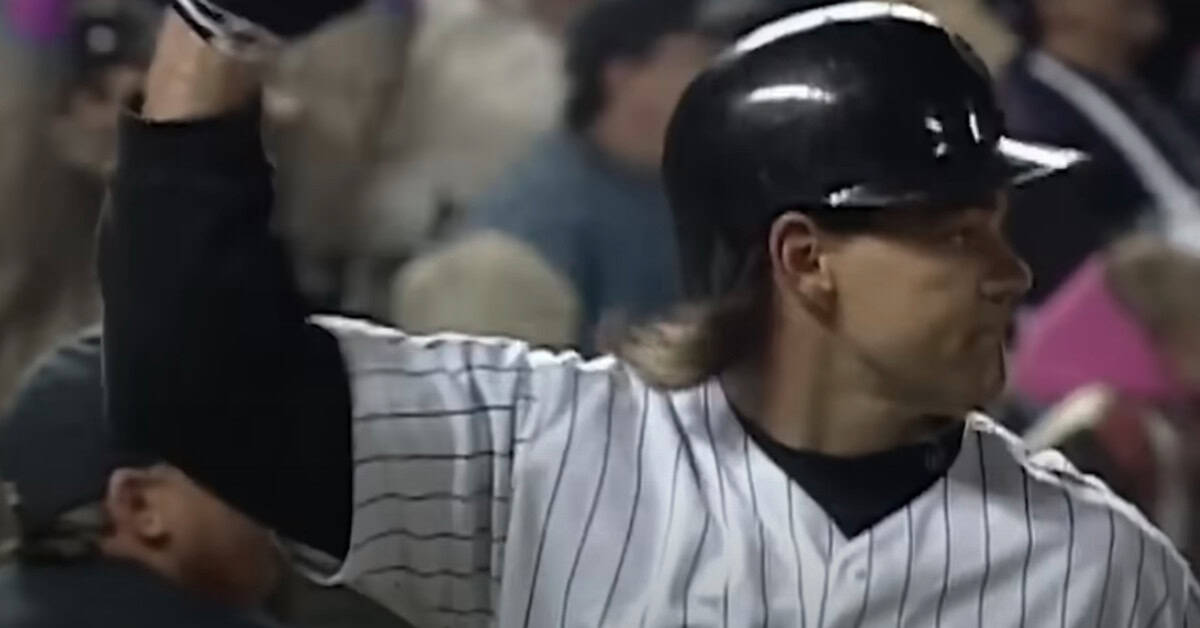
Dante Bichette turned Coors Field into his personal launching pad, leading the National League with 40 home runs and 128 RBIs in 1995 while batting a scorching .340. Part of Colorado’s legendary “Blake Street Bombers” alongside Larry Walker, Vinny Castilla, and Andres Galarraga, Bichette epitomized the mid-90s power surge that made baseball appointment television. His compact swing and gap-to-gap approach perfectly suited the thin Denver air, where routine fly balls became majestic home runs and doubles turned into triples. Critics dismissed his numbers as “Coors Field inflation,” but Bichette’s four consecutive seasons with over 100 RBIs from 1995-1998 proved he was the real deal in any ballpark.
Ray Lankford: St. Louis’s Five-Tool Enigma in Tony La Russa’s Shadow

Ray Lankford possessed the rare combination of speed and power that made him a constant threat to change games with one swing or one stolen base. Playing center field for those competitive Cardinals teams, Lankford became one of the franchise’s best power-speed threats, recording multiple 20-homer, 20-steal seasons. His 1997 campaign—31 home runs, 98 RBIs, 21 stolen bases, and a .295 average—represented peak five-tool excellence. Overshadowed by Mark McGwire’s arrival, Lankford quietly compiled fantastic numbers while patrolling center field with Gold Glove-worthy defense in spacious Busch Stadium.
Kevin Appier: Kansas City’s Ace Who Painted Corners While Others Chased Headlines
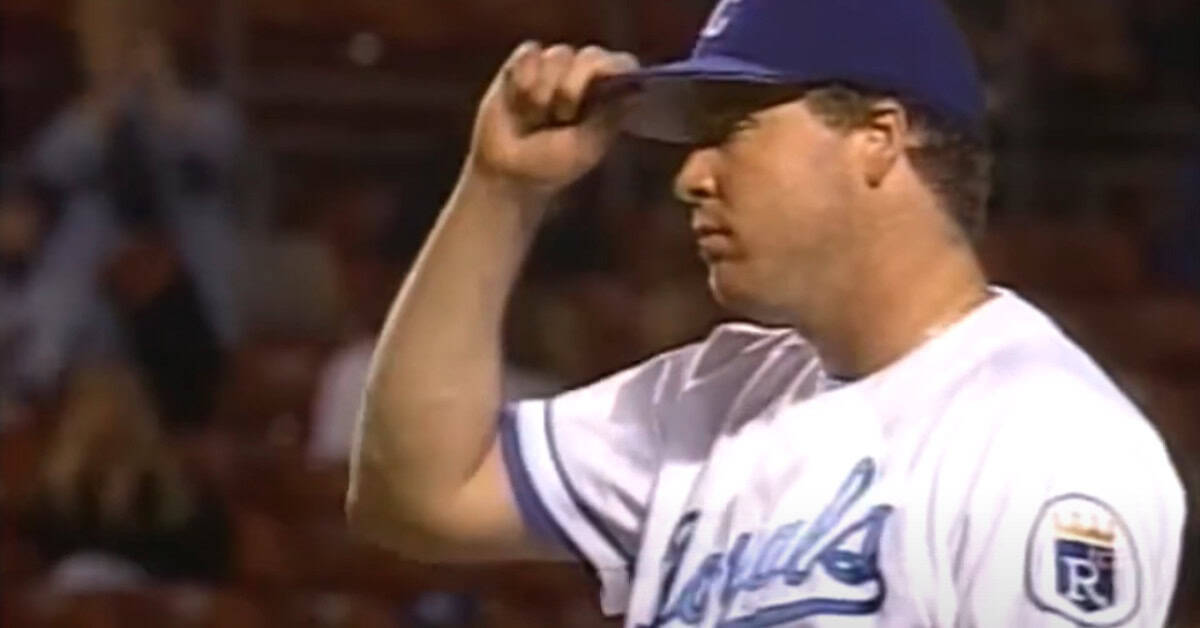
Kevin Appier was the thinking man’s ace, a cerebral right-hander who compensated for modest velocity with pinpoint control and an arsenal of breaking balls that left hitters guessing. Anchoring Kansas City’s rotation throughout the decade, Appier posted a microscopic 2.56 ERA in 1993 while striking out 186 batters in just 238 innings, establishing himself as one of the American League’s most underrated aces. His signature split-finger fastball dropped off tables like a stone, generating weak contact and frustrated swings from the game’s best hitters. Playing for small-market Kansas City meant Appier never received the national attention he deserved, but opposing batters knew they were facing a craftsman who could locate his fastball on either corner and make his breaking ball dance like a butterfly in a hurricane.
John Olerud: The Batting Title Winner Who Made .400 Look Possible
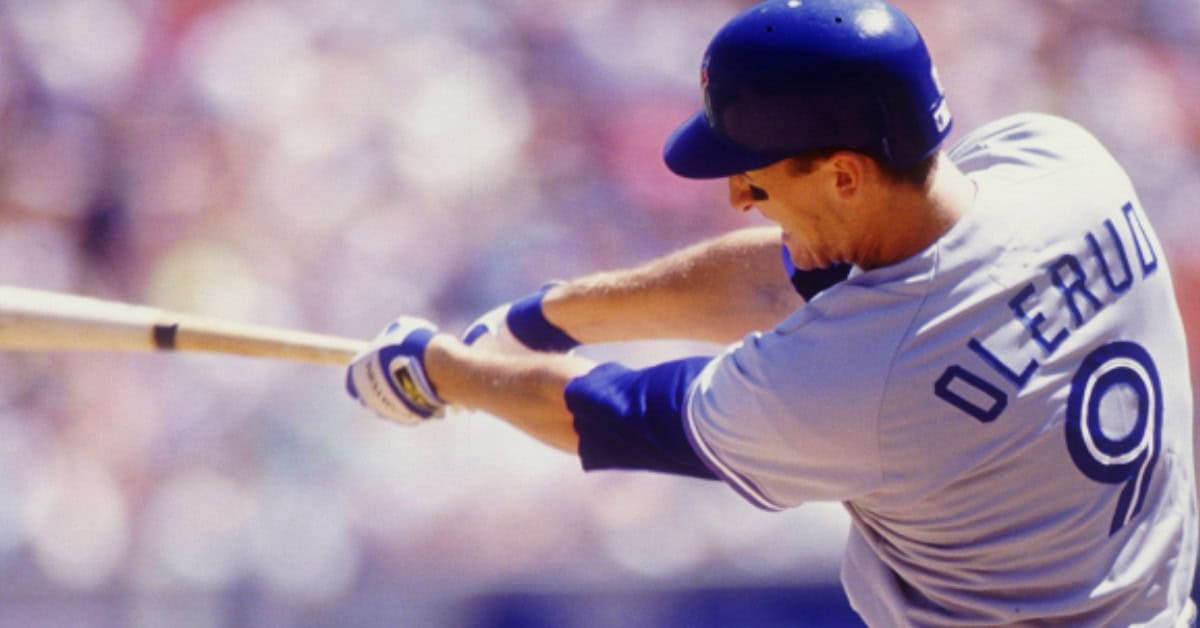
John Olerud’s 1993 season remains one of the most quietly spectacular individual campaigns in baseball history, as the soft-spoken first baseman flirted with .400 well into August while helping Toronto capture their second consecutive World Series title. His sweet left-handed swing and patient approach at the plate produced a .363 batting average, .473 on-base percentage, and 200 hits that year, numbers that would make Ted Williams nod with approval. Olerud’s unassuming demeanor and workmanlike approach masked an offensive genius who understood the strike zone better than most umpires. He combined elite contact skills with surprising power, launching 24 home runs while striking out just 65 times in 1993, proving that in an era increasingly obsessed with swing-for-the-fences mentality, pure hitting artistry could still dominate.
Robin Ventura: The Gold Glove Wizard Who Could Launch Moonshots
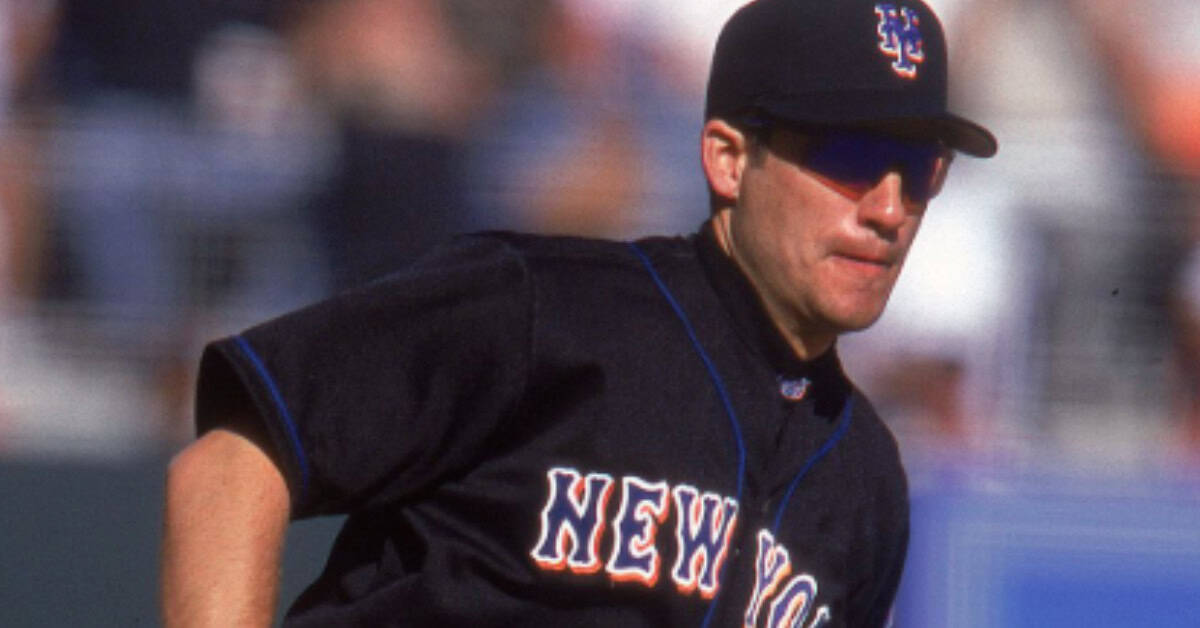
Robin Ventura redefined what it meant to play third base, combining Gold Glove defense with the kind of clutch hitting that made Chicago White Sox fans believe in magic. His defensive wizardry included five Gold Gloves in the 90s, showcasing his vacuum-cleaner glove and rocket arm. But Ventura’s bat provided the real fireworks, including two grand slams in the same game against Texas in 1995—a rare feat accomplished by only a handful of players in major league history. His smooth swing generated consistent power, including a career-high 34 home runs in 1996, while his leadership made him a player teammates gravitated toward in clutch situations.
Ellis Burks: The Injury-Prone Speedster Who Blazed When Healthy
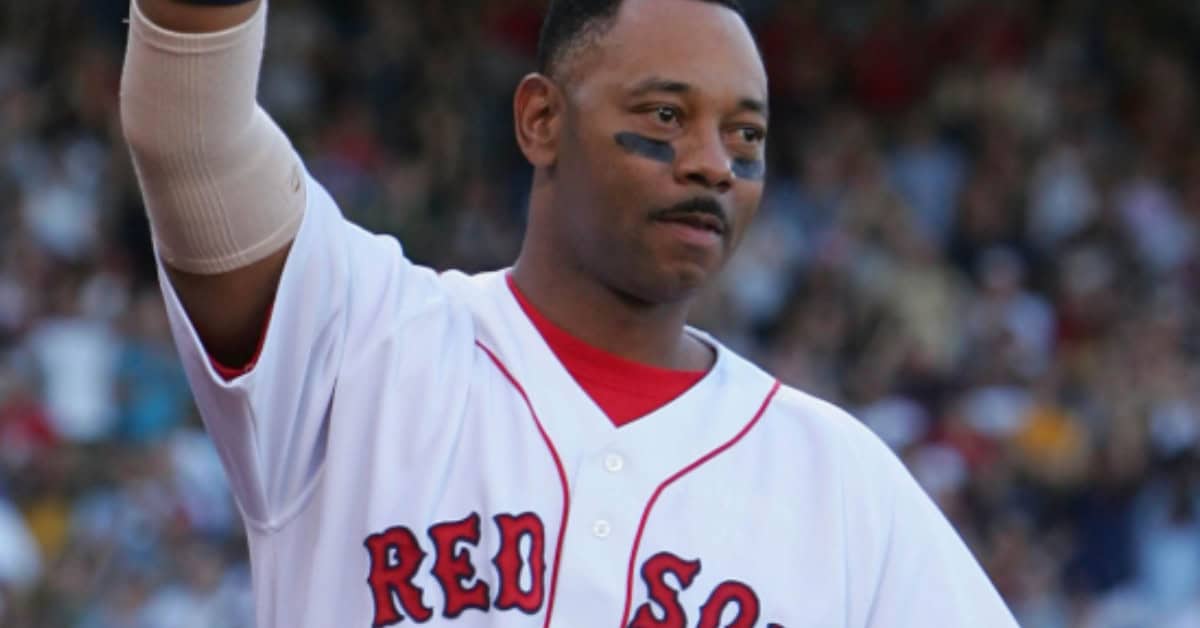
Ellis Burks was baseball’s ultimate “what if” story, a five-tool talent whose body betrayed his otherworldly abilities. When healthy, Burks was unstoppable—his 1996 season with Colorado was a spectacular display, producing 40 home runs, 32 stolen bases, and a .344 batting average in 156 games that reminded old-timers of Willie Mays. That magical season was a glimpse of his full potential, making his career-long battles with injuries all the more frustrating for fans who witnessed his prime and were left to wonder what could have been.
Mo Vaughn: The Hit Dog Who Hit Baseballs Into Orbit
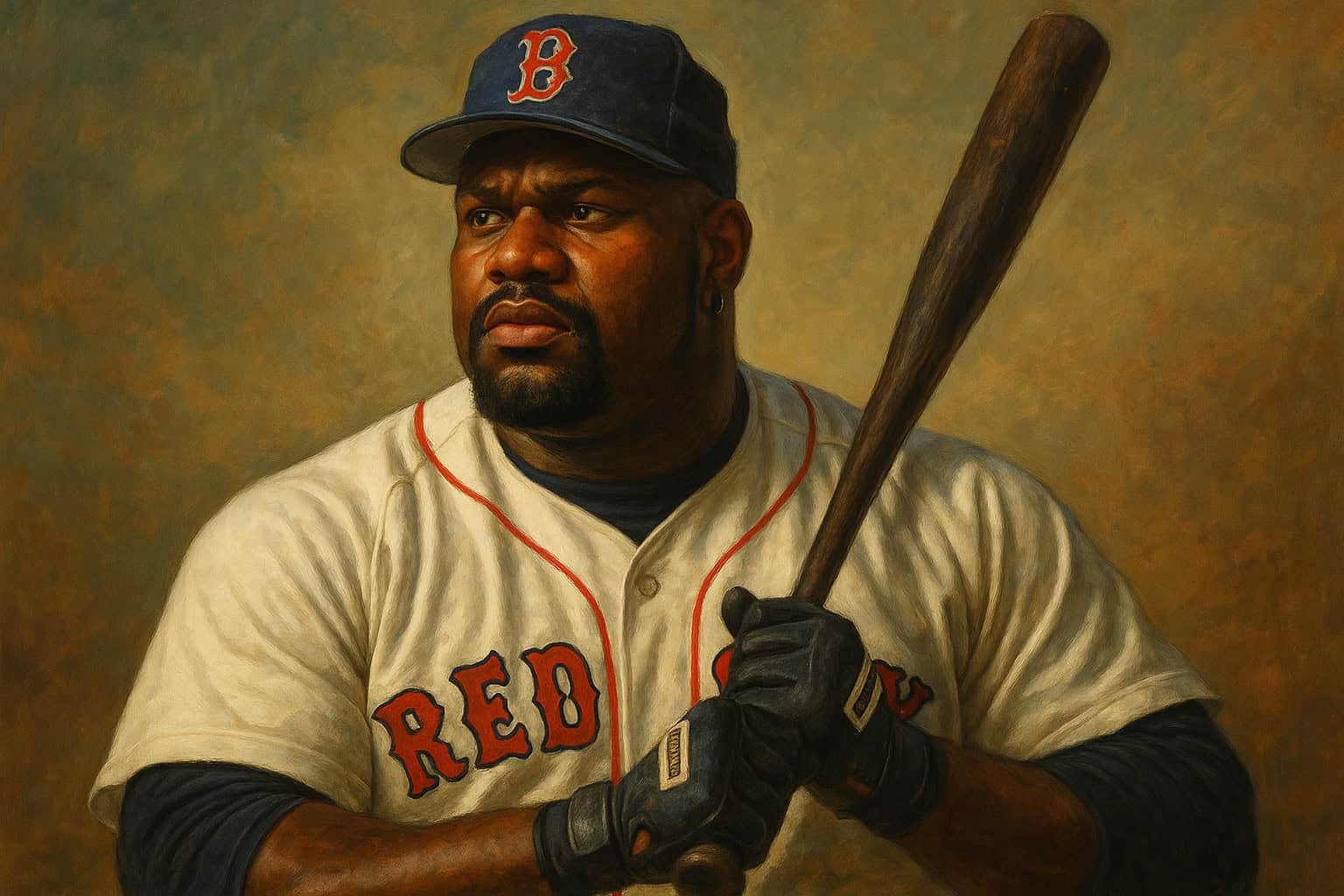
Mo Vaughn was pure intimidation at the plate, a 6’1″, 275-pound mountain of muscle whose uppercut swing could turn routine fastballs into NASA experiments. “The Hit Dog” earned American League MVP honors in 1995 by launching 39 home runs and driving in 126 runs for Boston, establishing himself as the most feared left-handed power hitter in the junior circuit. His mammoth home runs became the stuff of legend—balls that didn’t just clear fences but seemed to achieve low Earth orbit, landing in places that defied physics and left opposing pitchers shaking their heads. Vaughn’s aggressive approach and infectious enthusiasm made him a fan favorite wherever he played, but it was his ability to turn routine at-bats into must-see television that separated him from ordinary sluggers in an era packed with them.
Juan González: The Texas Two-Time MVP Lost in the Steroid Era Shuffle
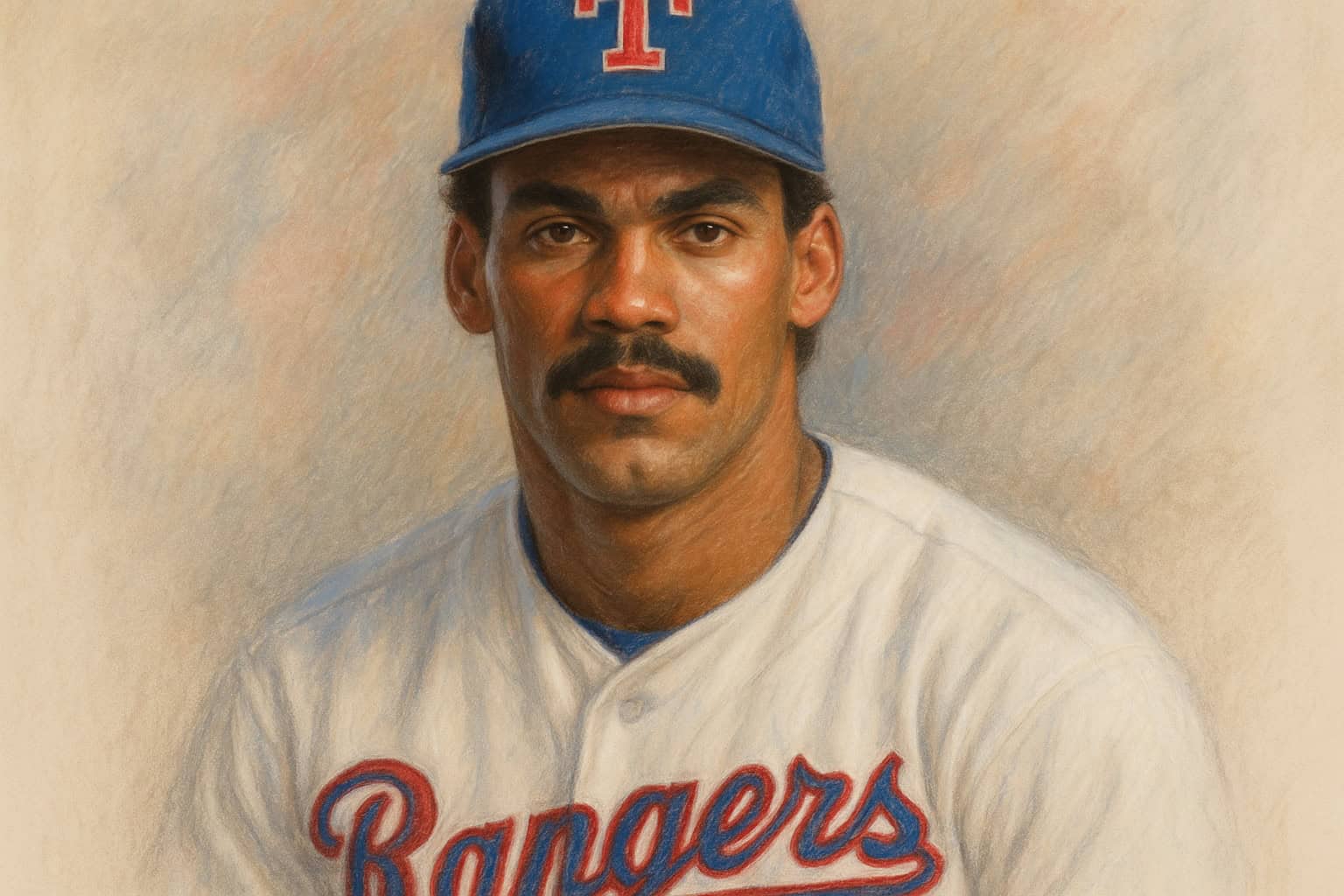
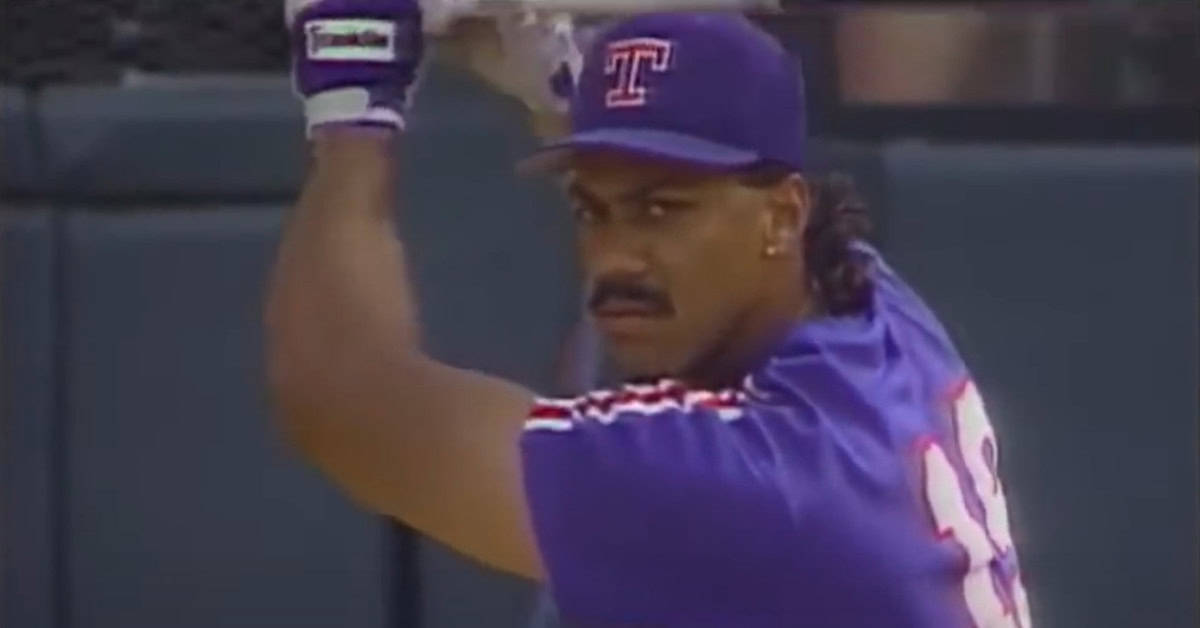
Juan González was a pure RBI machine, a right-handed slugger whose compact swing and lightning-quick hands produced two American League MVP awards in 1996 and 1998. His 1998 campaign—45 home runs, 157 RBIs, and a .318 batting average—represented peak offensive dominance in the heart of Texas’s lineup, making Arlington Stadium a launching pad for tape-measure home runs. González possessed the rare ability to drive in runs in clusters, often single-handedly deciding games with one swing of his powerful bat. Unfortunately, his prime coincided with baseball’s steroid era, and his legitimate accomplishments became overshadowed by the controversy surrounding other sluggers of the time, leaving one of the decade’s most productive hitters criminally underappreciated in baseball history discussions.