

Last Updated: June 17th, 2026 by Michael Schatz
Picture this: it’s 1947, you’re listening to the radio crackle with static as Red Barber’s voice paints the diamond, and centerfield was where legends roamed with the grace of gazelles and the instincts of bloodhounds. The 1940s produced some of baseball’s most elegant centerfielders, men who could track down fly balls like they had radar in their cleats. These weren’t just athletes—they were artists of the outfield grass.
Don't lose this article. Enter your email below, and I'll send it to you right now. Plus, we'll send you other unbelievable stories from baseball's past.
Joe DiMaggio: The Yankee Clipper’s Graceful Glide
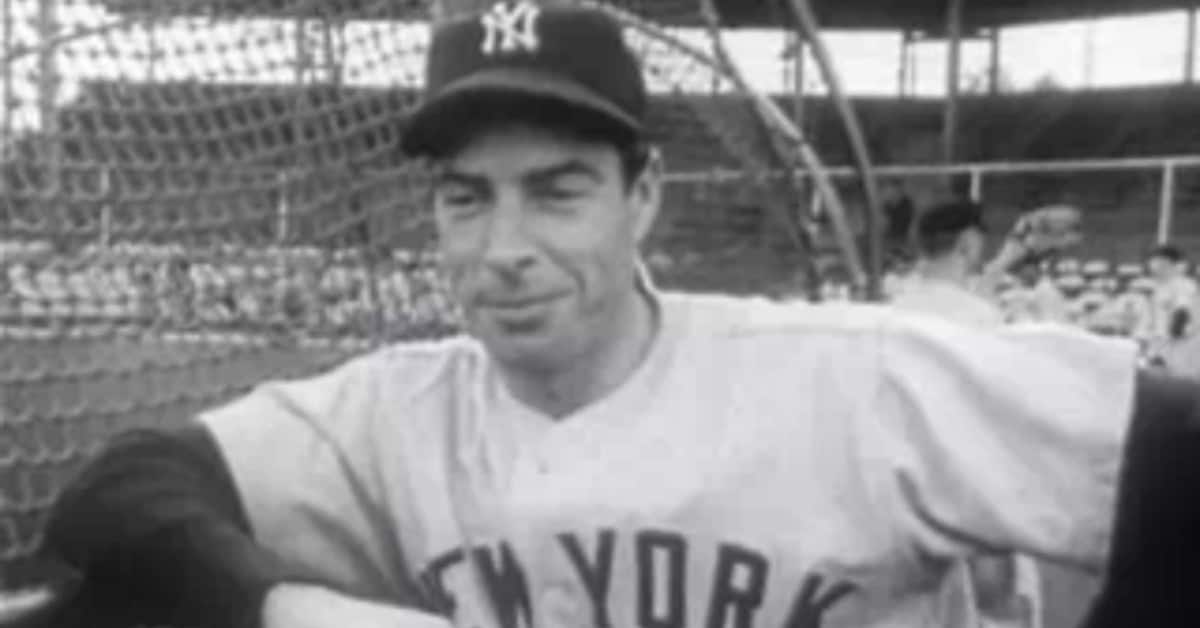
Joltin’ Joe didn’t just patrol centerfield—he owned it like a duke surveying his estate. With that effortless stride and those long legs eating up ground, DiMaggio made impossible catches look routine, never breaking a sweat even on the hottest August afternoons at Yankee Stadium. His 56-game hitting streak in 1941 gets all the glory, but old-timers still talk about how he’d drift under fly balls like he was born knowing exactly where they’d land. The man hit .325 in the 1940s while making centerfield look like poetry in motion.
Dom DiMaggio: The Little Professor’s Scholarly Approach
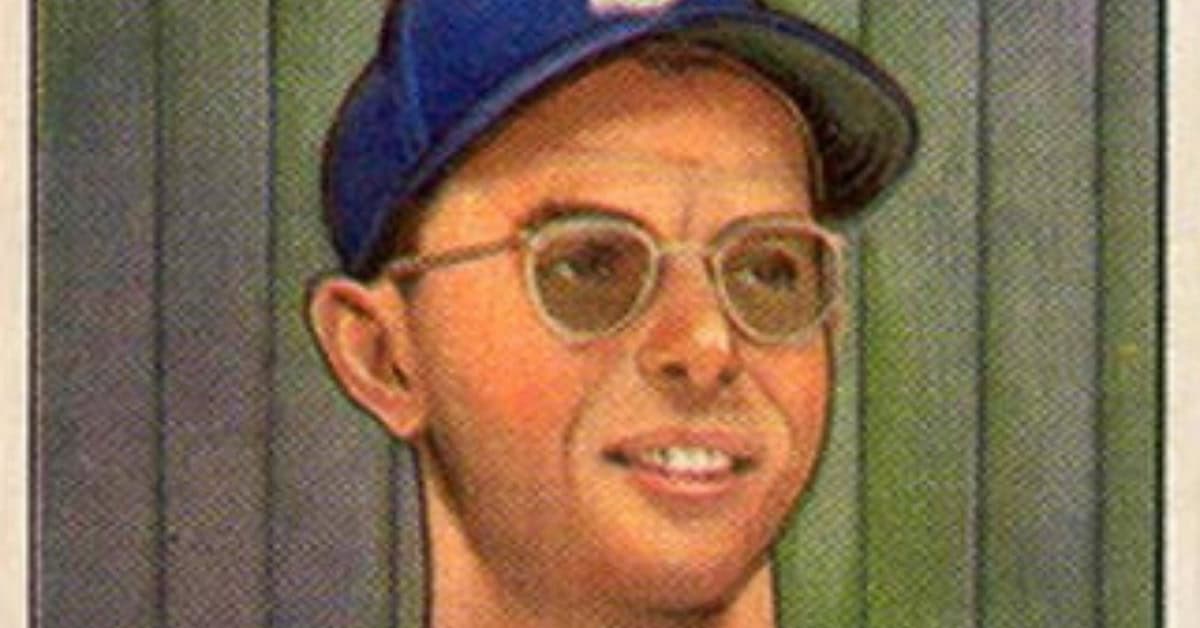
While his brother Joe got the headlines, Dom DiMaggio was quietly revolutionizing centerfield play in Boston with those thick-rimmed glasses that made him look like a college professor who’d wandered onto the diamond. The Little Professor studied every hitter like he was cramming for finals, positioning himself with mathematical precision that left opposing batters scratching their heads. He was a perennial All-Star during the decade, proving that brains could beat brawn when you knew how to read the game like a well-worn textbook.
Terry Moore: St. Louis’ Defensive Wizard

Terry Moore turned Sportsman’s Park into his personal playground, covering ground like he had springs in his spikes and a GPS in his glove. The Cardinals’ captain was so smooth in centerfield that opposing managers would shake their heads in disbelief as routine doubles turned into spectacular catches. Moore’s defensive wizardry helped anchor those great Cardinals teams of the early 1940s, and his leadership in the clubhouse was as valuable as his range in the field—the kind of player who made everyone around him better just by showing up to work every day.
Pete Reiser: Brooklyn’s Tragic Speed Demon

Pistol Pete Reiser was pure electricity in spikes, the kind of player who’d run through a brick wall if it meant catching a fly ball—and unfortunately, he often did exactly that with outfield walls. His 1941 season was the stuff of legend: leading the National League in batting average, doubles, triples, runs, and slugging percentage at just 22 years old. But Reiser’s fearless style came with a price, as concussions from wall collisions turned what should have been a Hall of Fame career into baseball’s greatest “what if” story, a reminder that sometimes the brightest flames burn out too fast.
Duke Snider: The Duke of Flatbush’s Late-Decade Debut
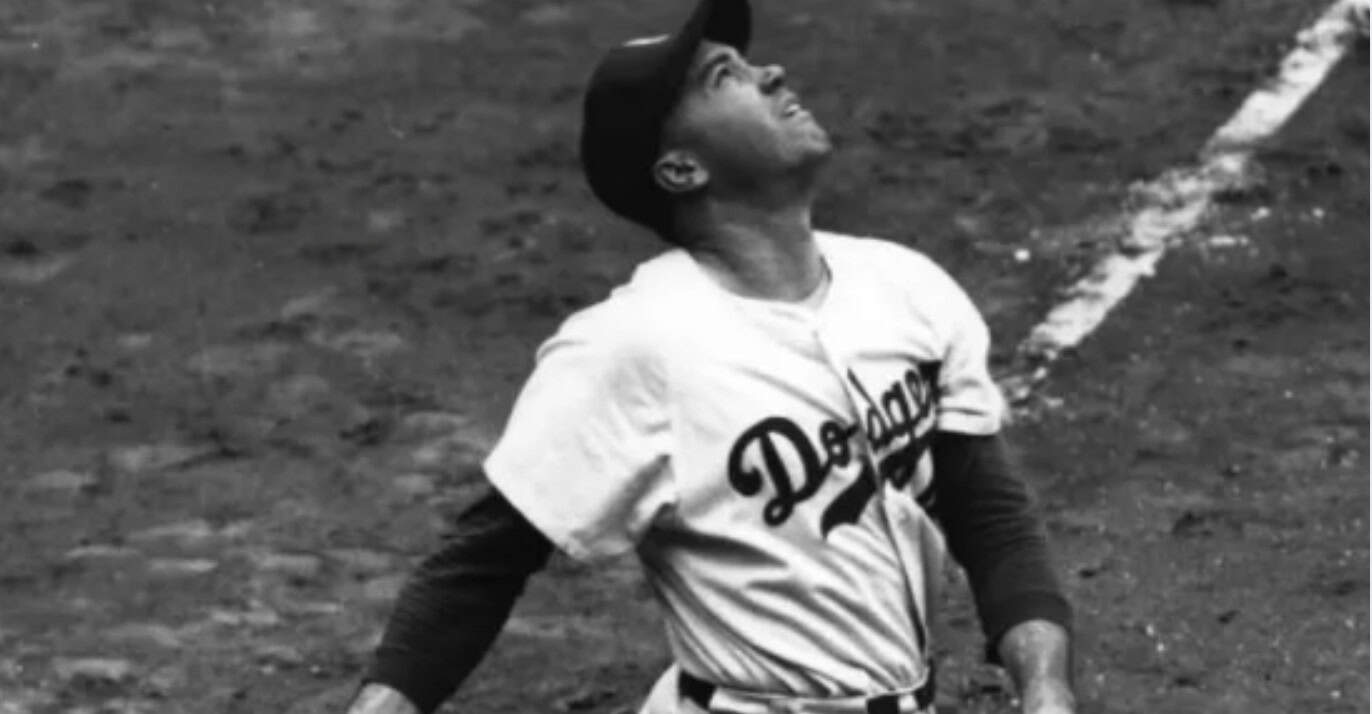
The Duke arrived in Brooklyn just as the 1940s were winding down, but his 1949 debut was like watching a master painter pick up his brush for the first time. Snider’s sweet left-handed swing was tailor-made for Ebbets Field’s cozy dimensions, and his graceful play in centerfield hinted at the greatness that would define the 1950s. Even in his rookie season, you could see the makings of a legend—the way he’d glide under fly balls with that easy confidence, like he was born to patrol the outfield grass in Dodger blue.
Larry Doby: Breaking Barriers in Cleveland
Larry Doby didn’t just integrate the American League in 1947—he did it with a quiet dignity that spoke louder than any speech, letting his glove and bat do the talking in Cleveland’s spacious outfield. Three months after Jackie Robinson broke baseball’s color barrier, Doby was tracking down fly balls in Municipal Stadium with the weight of history on his shoulders and grace in his step. His power numbers would explode in the 1950s, but in the late 1940s, he was proving that talent transcends color, one spectacular catch at a time, while enduring taunts and threats that would have broken lesser men.
Richie Ashburn: Philadelphia’s Contact King
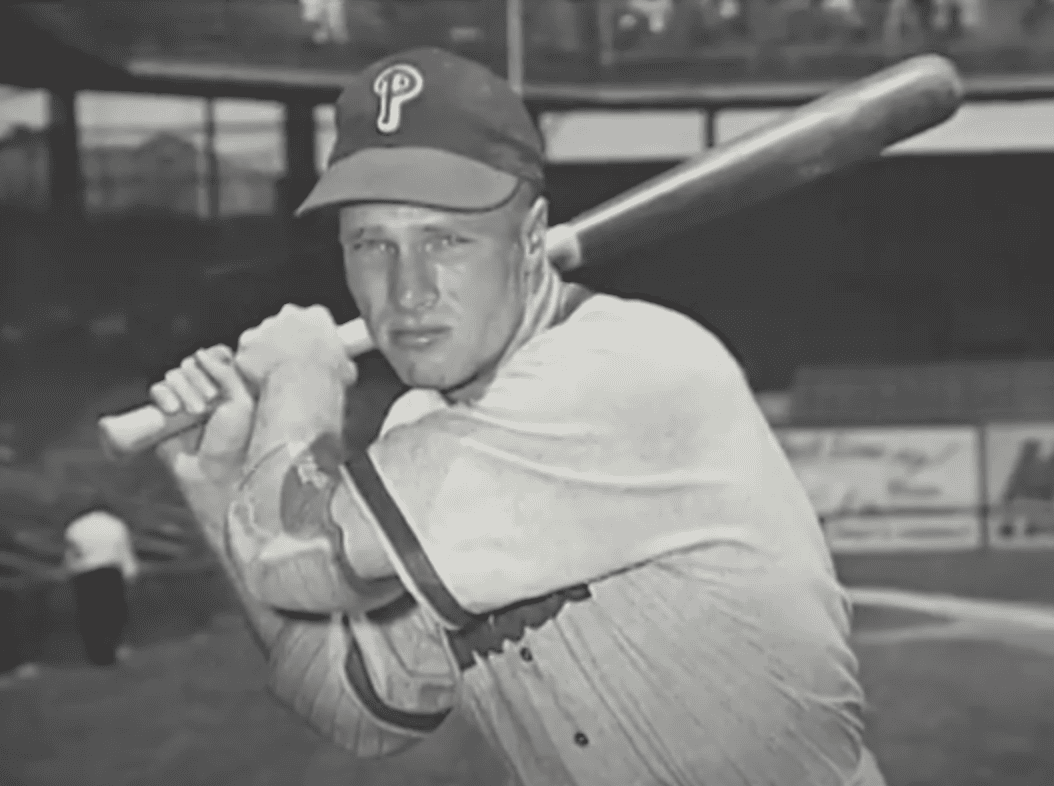
Richie Ashburn arrived in Philadelphia in 1948 like a breath of fresh air, bringing a contact-hitting approach that was pure artistry in an era increasingly obsessed with the long ball. His .333 rookie batting average wasn’t just impressive—it was a masterclass in how to work counts, find gaps, and turn singles into doubles with smart baserunning. Ashburn’s defensive range in the Phillies’ outfield was matched only by his ability to get on base, setting the table for bigger bats while proving that sometimes the most valuable players are the ones who do the little things perfectly, day after day.
Sam Chapman: The A’s Athletic Marvel
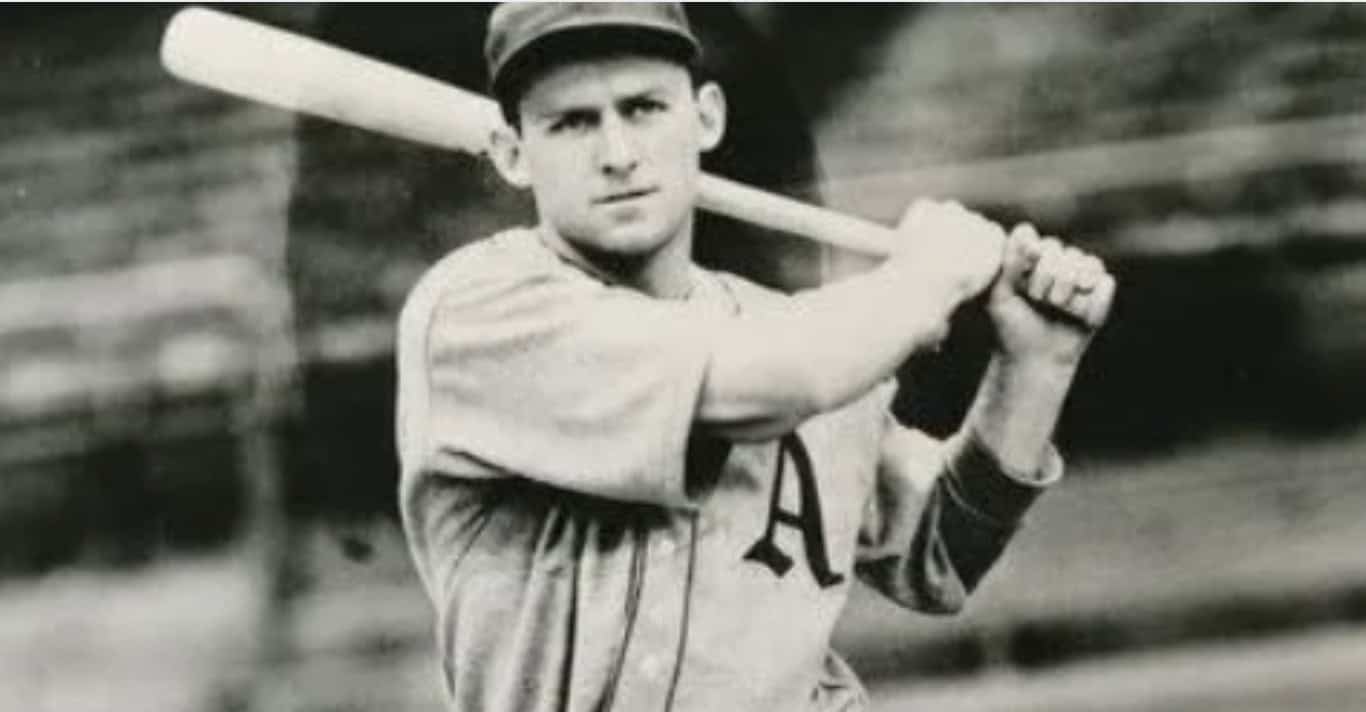
Sam Chapman was the kind of natural athlete who looked like he was carved from marble and moved like he was powered by lightning, equally comfortable tracking down fly balls or launching home runs into the Philadelphia night. His 20-homer season in 1946 after returning from military service showed the power that made him a constant threat, while his speed in centerfield covered enough ground to make Shibe Park feel smaller than it actually was. Chapman represented that perfect blend of power and athleticism that defined the era’s best centerfielders, a two-way threat who could beat you with his bat or his glove on any given day.
Barney McCosky: Detroit’s Forgotten Speedster
Barney McCosky was pure speed wrapped in a Tigers uniform, the kind of player who’d leg out infield singles and turn routine fly balls into adventures for opposing pitchers. His 200-hit season in 1940 showcased a contact hitter who understood that sometimes the best offense is simply putting the ball in play and letting your legs do the rest. McCosky’s three seasons of military service robbed him of his prime years, but his .312 career average tells the story of a player who maximized every ounce of his natural ability, turning hustle into an art form during those golden Detroit summers of the early 1940s.