

Last Updated: June 17th, 2026 by Matthew Brown
Before the Cubs and White Sox became just another interleague matchup, this crosstown rivalry burned through Chicago like a prairie fire, spanning from the 1906 World Series to backyard charity games that mattered more than the standings. These are the players who made that Chicago hatred personal, one swing at a time across more than a century of baseball.
Don't lose this article. Enter your email below, and I'll send it to you right now. Plus, we'll send you other unbelievable stories from baseball's past.
Ernie Banks’ Eternal Optimism That White Sox Fans Couldn’t Crush
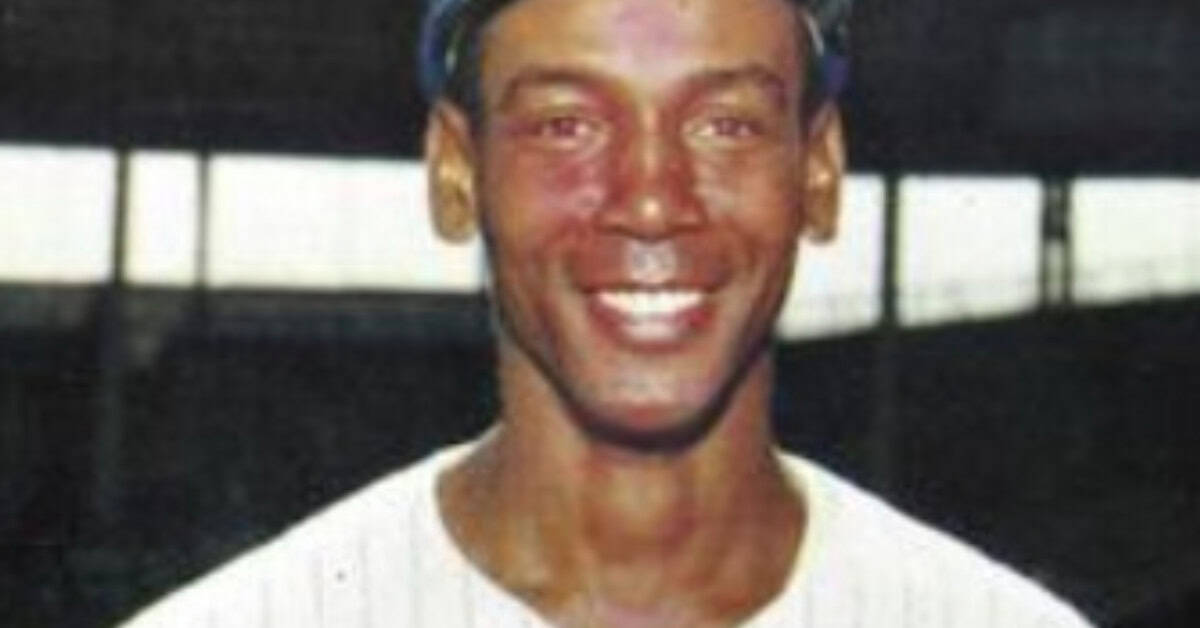
Mr. Cub’s infectious “Let’s play two!” enthusiasm somehow survived decades of losing seasons and White Sox superiority without losing its genuine sparkle. Banks’ ability to find joy in baseball even when his team was getting shellacked made him impossible to hate, which probably frustrated South Side fans more than any home run ever could during those annual City Series exhibitions.
Three Finger Brown’s Curveball That Couldn’t Stop the Hitless Wonders
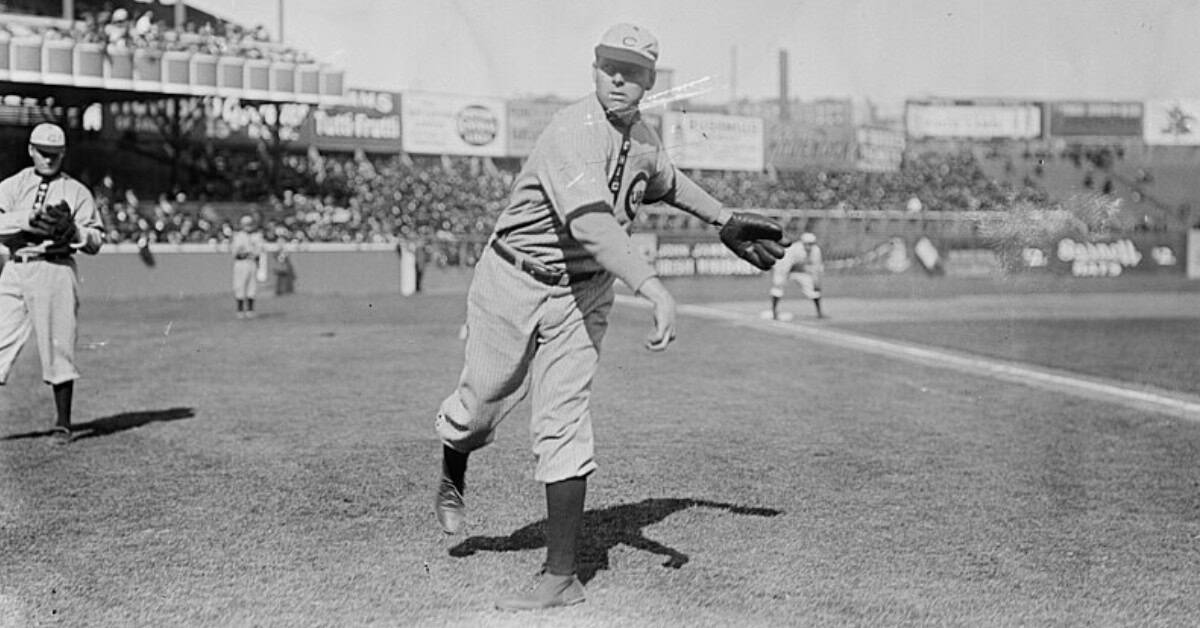
Brown’s devastating curveball, delivered with the help of his mangled pitching hand, made him nearly unhittable during the Cubs’ dominant 1906 season that should have guaranteed a World Series title. His inability to solve the White Sox’s Hitless Wonders in that crosstown World Series became the perfect symbol of how this rivalry could make the impossible feel inevitable, turning sure things into heartbreak with Chicago-style cruelty.
Ed Walsh’s Spitball That Dominated the 1906 World Series
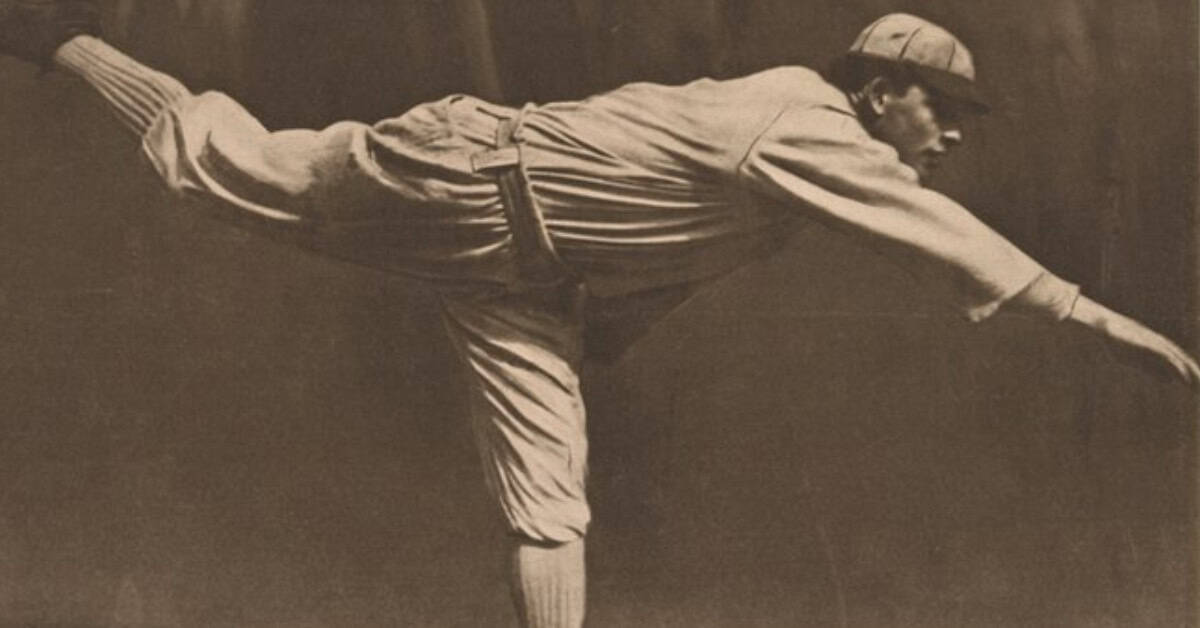
Big Ed’s legal spitball danced through the strike zone like a knuckleball on steroids, his mastery of the wet one giving the underdog White Sox exactly the kind of pitching magic they needed to shock the mighty Cubs. Walsh’s ability to make the baseball do impossible things perfectly captured the unpredictable nature of the crosstown rivalry, where talent and logic meant nothing compared to Chicago’s cruel sense of humor.
Joe Tinker’s Shortstop Poetry That Started the Double Play Magic
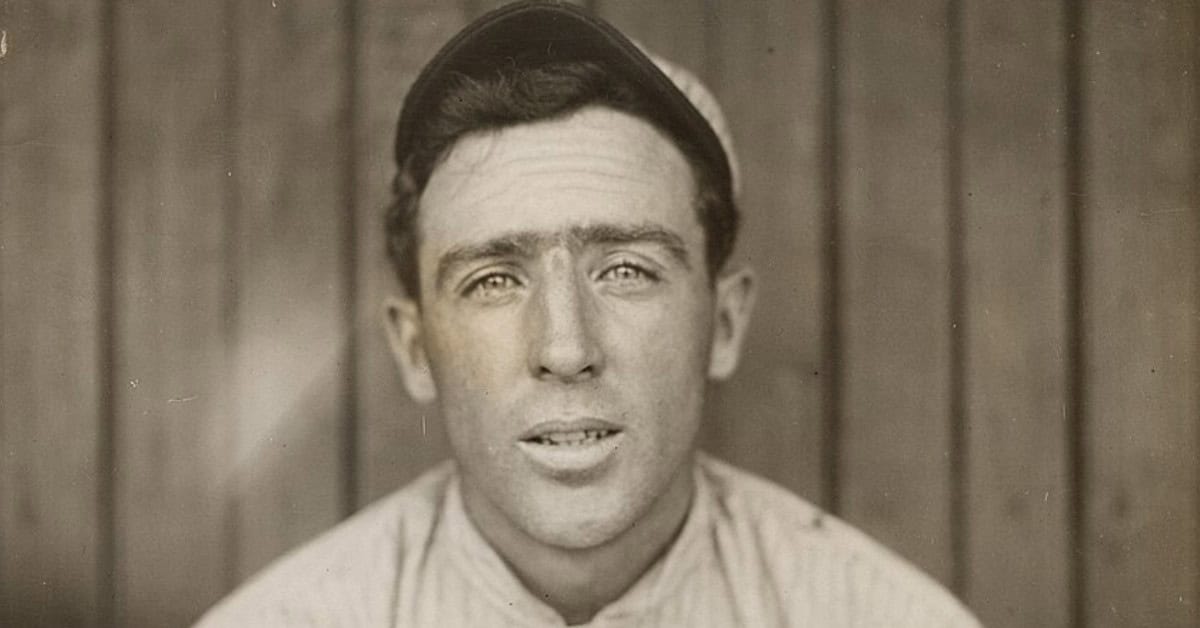
Tinker’s smooth fielding and quick release made him the anchor of baseball’s most famous double-play combination, his partnership with Evers and Chance becoming the stuff of poetry and legend. His defensive wizardry helped establish the Cubs as baseball’s premier franchise during the dead-ball era, creating a standard of excellence that would make every future crosstown comparison feel like a measuring stick for both Chicago teams throughout their long and complicated relationship.
Nellie Fox’s Chaw and Hustle That Defined South Side Grit

Little Nell’s perpetual chaw and scrappy approach to the game embodied everything that made South Side baseball beautiful during the 1950s and early 1960s. His ability to get on base and manufacture runs while playing Gold Glove defense gave White Sox fans the kind of blue-collar hero who made Cubs supporters jealous during those City Series postseason exhibitions that kept the rivalry burning year after year.
Ryne Sandberg’s Second Base Ballet That Southsiders Grudgingly Admired
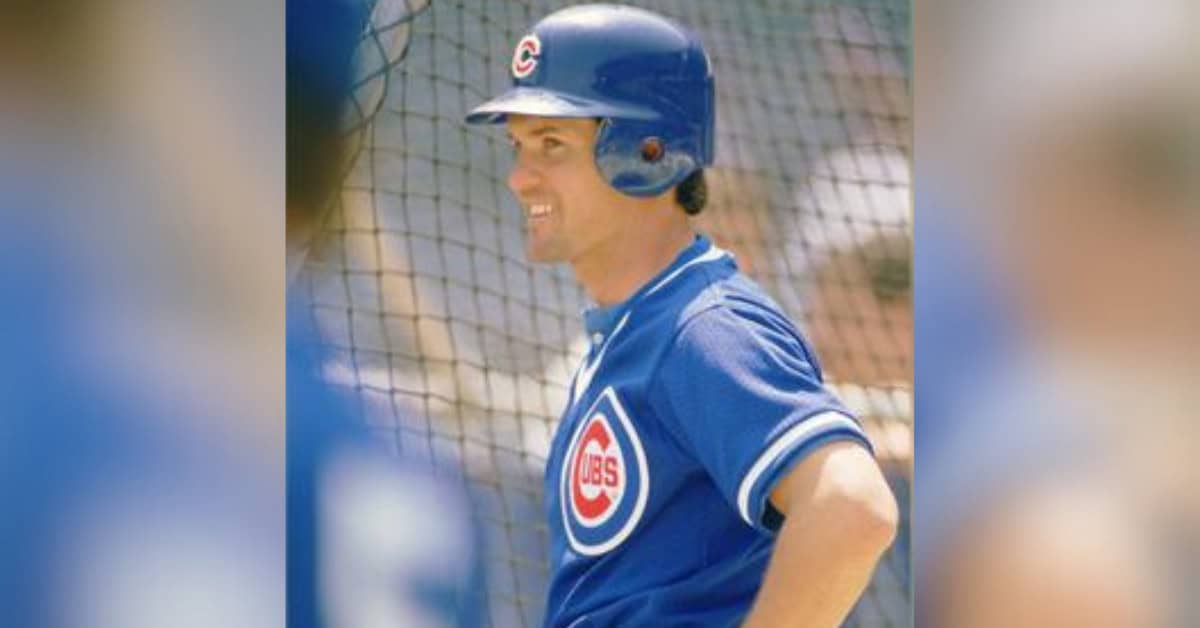
Ryno’s graceful turns at second base made double plays look like choreographed dance numbers, his combination of power and finesse representing everything White Sox fans wished they had during the lean years. His ability to make the routine spectacular while delivering clutch hits gave Cubs supporters something to brag about during those annual crosstown exhibitions when bragging rights mattered more than standings.
Ron Santo’s Journey From White Sox Prospect to Cubs Legend

Santo’s transformation from rejected White Sox prospect to Cubs icon became the perfect symbol of how this crosstown rivalry could shape careers and break hearts. His emotional heel-clicking celebrations and passionate play for the North Side made South Side fans wonder what might have been if they’d recognized his talent first, turning every crosstown meeting into a reminder of the one that got away.
Carlton Fisk’s Leadership That Brought Respect to the South Side
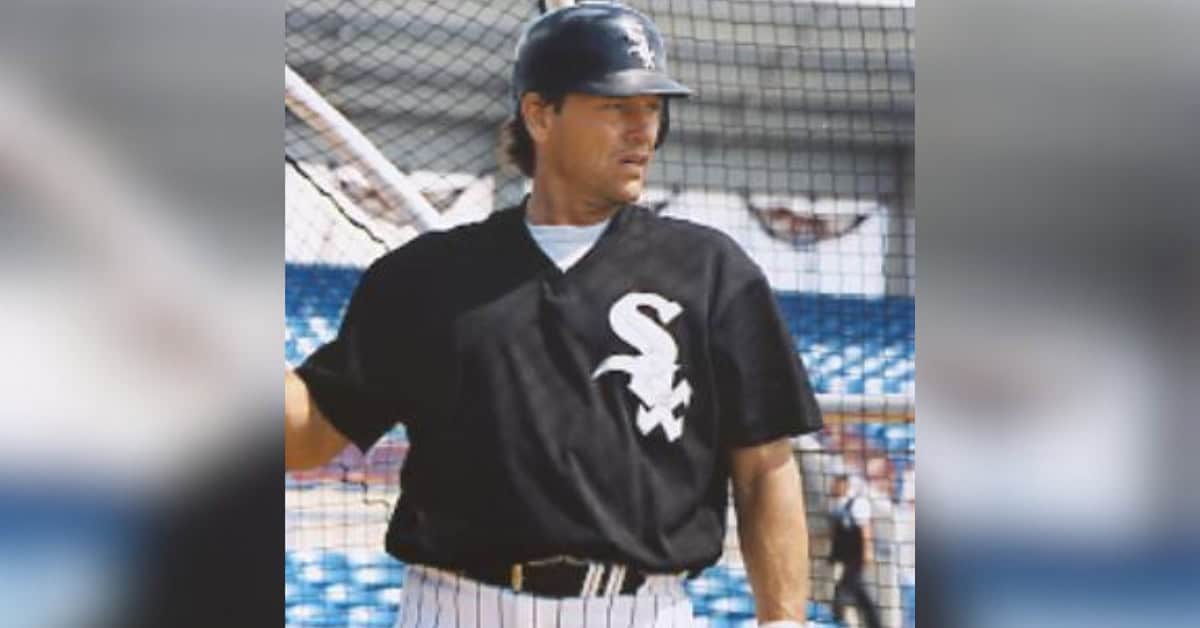
Pudge’s arrival on the South Side brought instant credibility to a White Sox franchise that had been playing second fiddle to the Cubs for too long. His veteran leadership and clutch hitting during those Windy City Classic exhibitions gave South Side fans a legitimate Hall of Famer to point to when North Side supporters got too comfortable with their supposed superiority.
Mark Grace’s Sweet Swing That White Sox Fans Secretly Loved
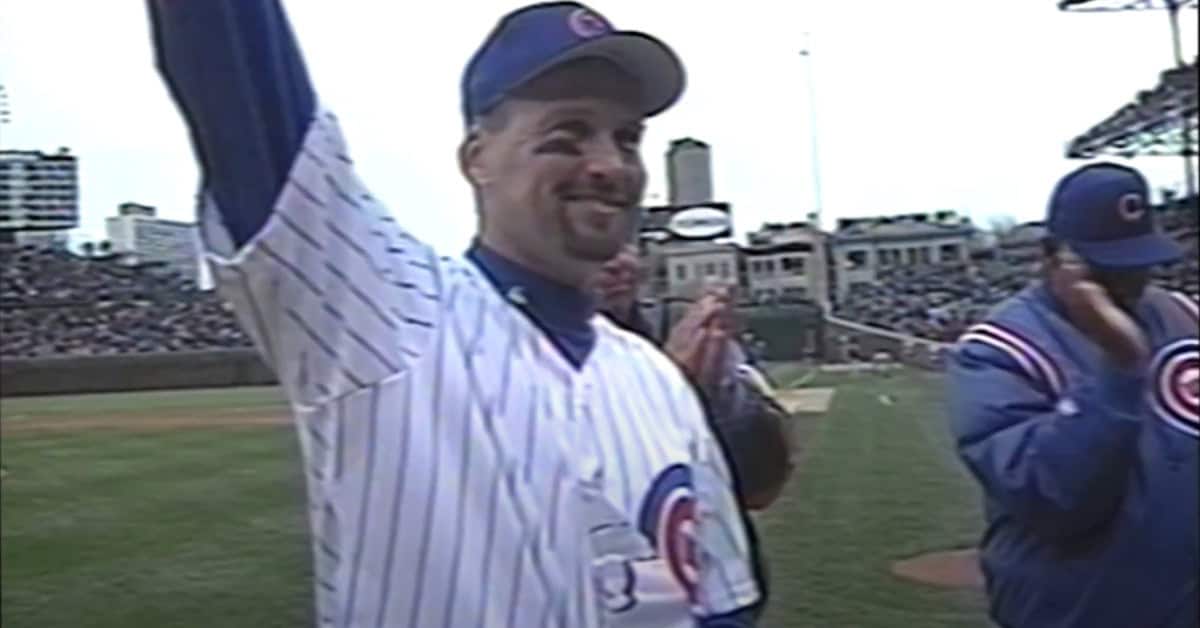
Gracie’s line-drive stroke and professional approach made him the kind of hitter that even White Sox fans had to respect, his consistency and clutch gene representing everything that made baseball beautiful. His ability to spray hits to all fields while playing Gold Glove defense gave Cubs supporters a legitimate superstar during those charity exhibitions when individual excellence mattered more than team success.
Kerry Wood’s Rookie Dominance That Made White Sox Fans Take Notice

Wood’s electric rookie season and 20-strikeout masterpiece announced the arrival of a Cubs ace who could finally match anything the South Side had to offer. His blazing fastball and devastating slider gave North Side fans hope that their pitching drought was finally over, making every interleague matchup feel like a referendum on which side of town had the better young talent.
Paul Konerko’s South Side Loyalty That Cubs Fans Respected
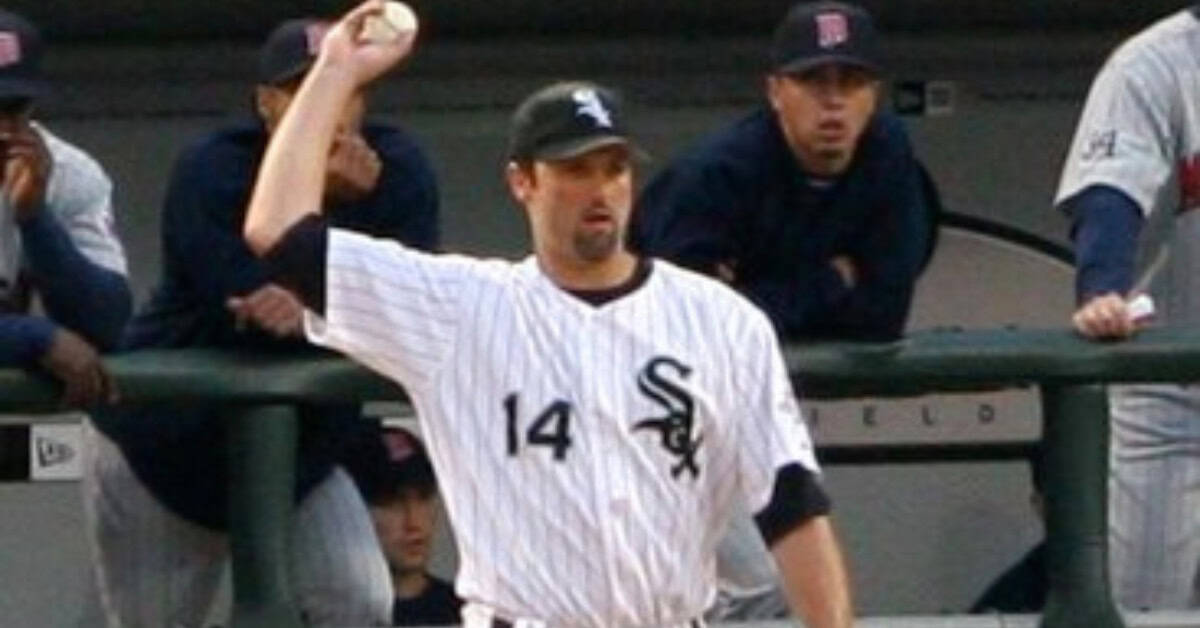
Captain Konerko’s unwavering loyalty to the White Sox and steady leadership made him the kind of franchise cornerstone that Cubs fans wished they could clone for their own roster. His ability to deliver clutch hits while representing everything classy about South Side baseball earned grudging respect from North Side supporters who appreciated his professional approach to the crosstown rivalry.
Sammy Sosa’s Double Agent Career in Both Chicago Uniforms
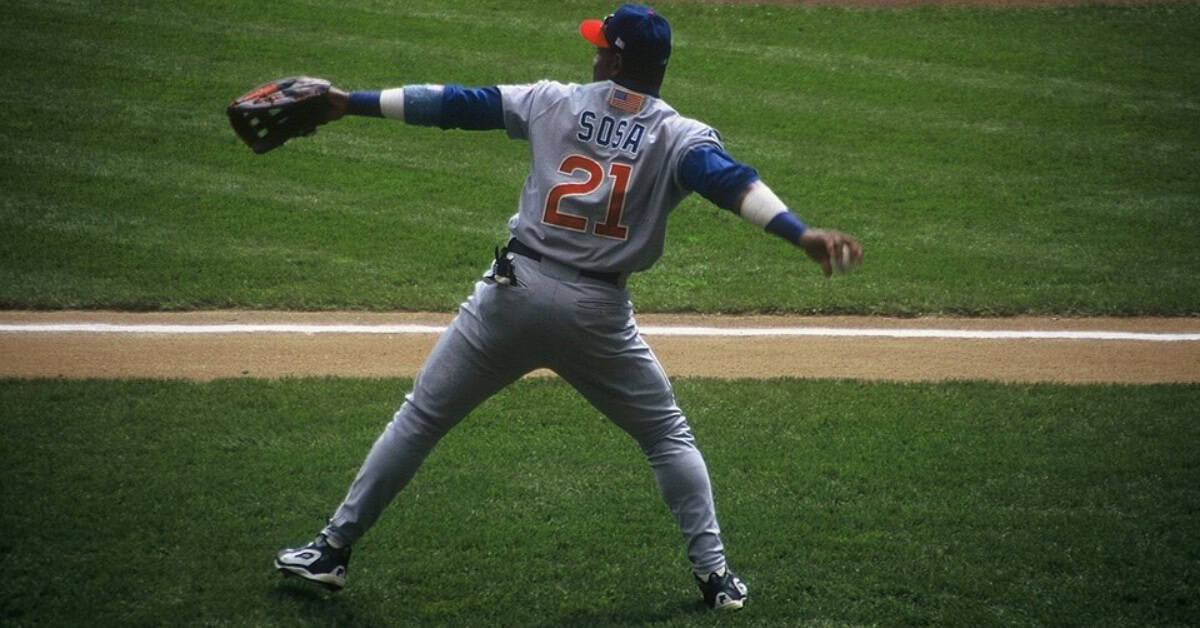
Slammin’ Sammy’s journey from White Sox prospect to Cubs superstar became the ultimate crosstown betrayal story, his transformation into a home run king happening after the South Side gave up on his potential. His 600 home runs and corked bat controversy gave both fan bases ammunition for decades of arguments about what might have been if he’d stayed on the South Side, where his career began.
Jermaine Dye’s Powerful Swing That Terrorized North Side Pitching
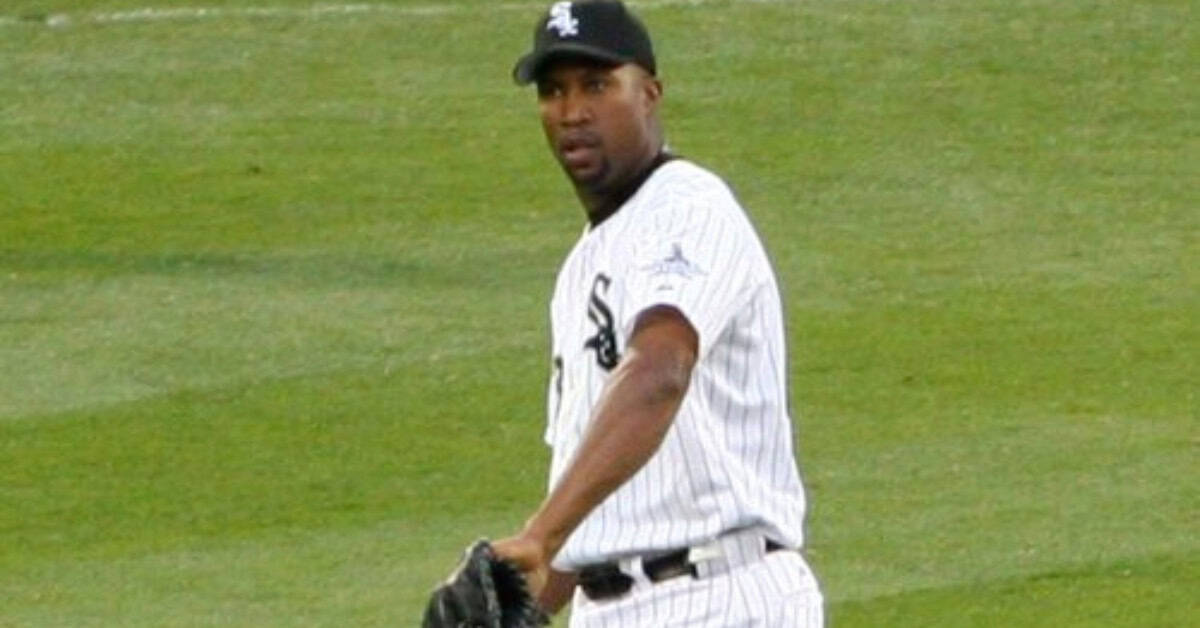
Dye’s compact swing and clutch gene made him a nightmare for Cubs pitchers during interleague play; his ability to turn any mistake pitch into a souvenir perfectly captured the opportunistic nature of White Sox baseball. His consistent power and professional approach gave South Side fans the kind of reliable run producer who could be counted on to deliver when the crosstown rivalry reached its peak intensity.
Johnny Evers’ Crosstown Journey From Cubs Hero to White Sox Veteran
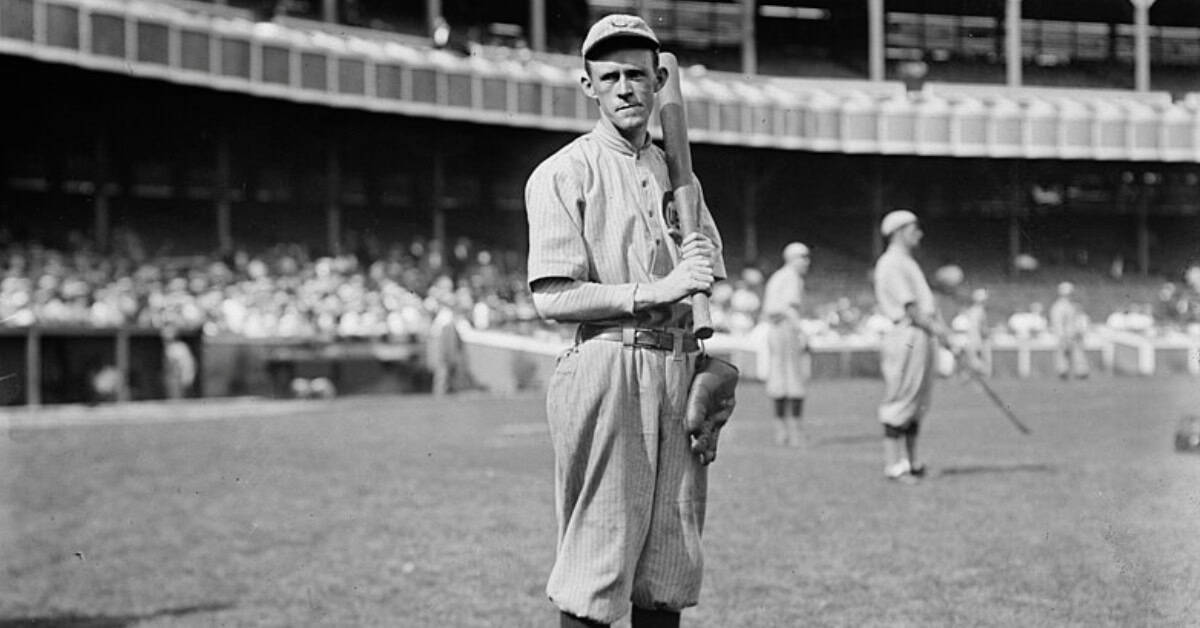
The Crab’s transformation from Cubs double-play wizard to White Sox veteran created one of the first crosstown betrayal stories, his journey between rivals proving that baseball loyalty could be more complicated than simple geography. Evers’ fiery temperament and clutch gene served both franchises well, making him a bridge between the early days of Chicago baseball when players could cross town without causing riots.
Magglio Ordonez’s Sweet Swing That Made Cubs Fans Jealous
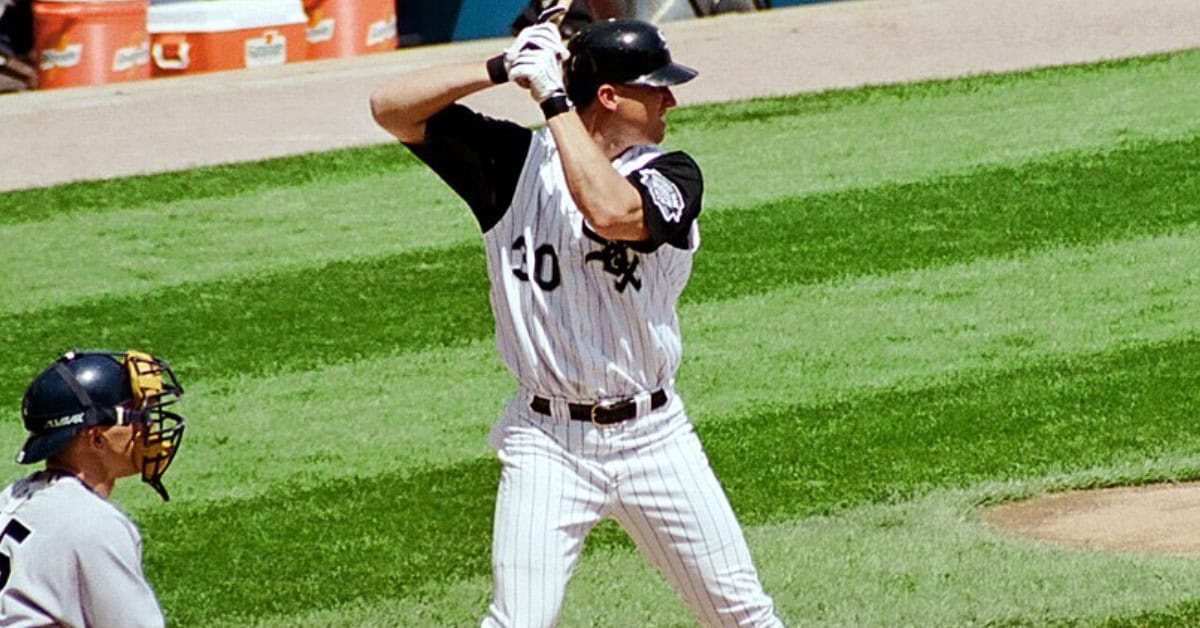
Magglio’s smooth right-handed stroke and consistent production made him the kind of complete hitter that Cubs fans could only dream about during the lean years. His ability to hit for average and power while playing solid defense gave White Sox supporters a legitimate All-Star to brag about during interleague play when individual matchups became personal battles for city supremacy.
Anthony Rizzo’s Leadership That Finally Broke the North Side Curse
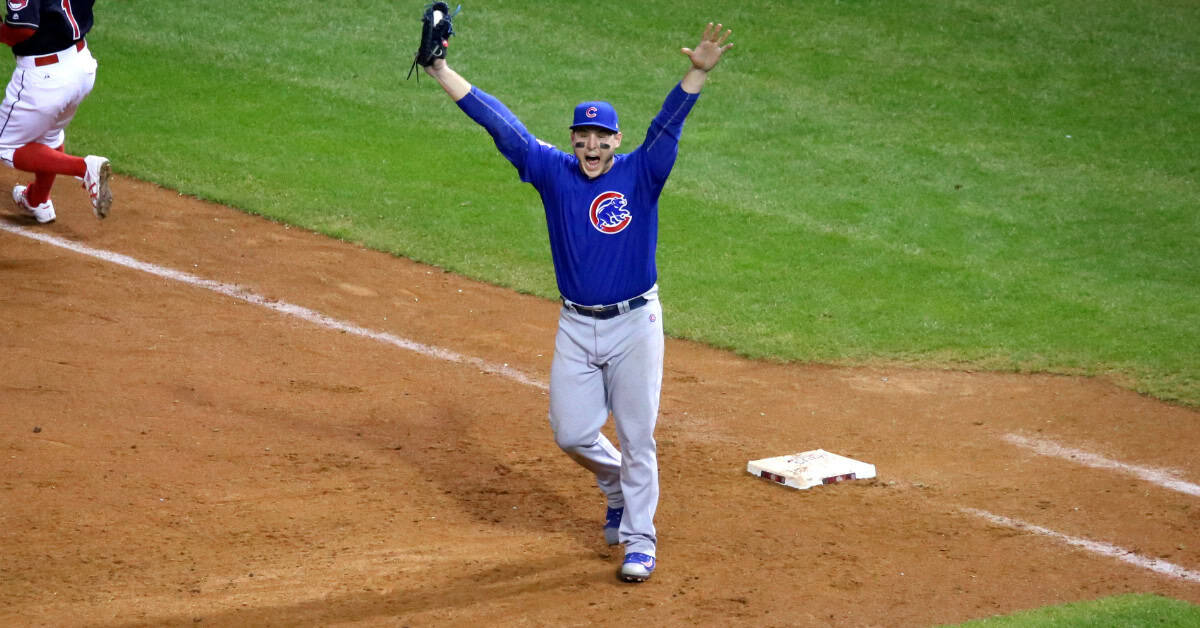
Rizzo’s steady leadership and clutch hitting helped deliver the Cubs their first World Series title in 108 years, finally giving North Side fans ammunition in their eternal arguments with White Sox supporters. His ability to stay calm under pressure and deliver in big moments proved that sometimes the Cubs could have nice things too, shifting the balance of crosstown bragging rights for the first time in generations.
Mark Buehrle’s Perfect Game That Silenced Wrigley Faithful

Buehrle’s perfect game and no-hitter gave White Sox fans the kind of pitching excellence that Cubs supporters could only envy, his crafty left-handed approach proving that finesse could triumph over power. His ability to work quickly and efficiently while delivering clutch performances made him the perfect symbol of South Side baseball during an era when the White Sox finally had something to brag about across town.
George Davis’ Leadership of the Hitless Wonders’ Miracle
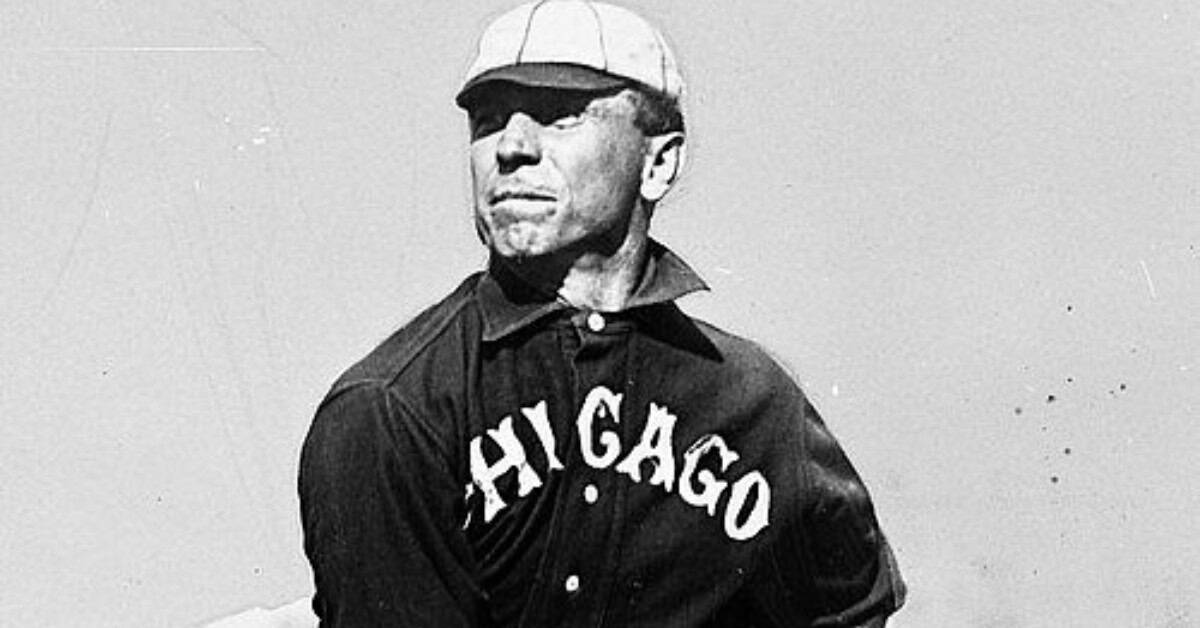
Davis’s veteran leadership and clutch hitting helped guide the underdog White Sox to their stunning upset of the mighty Cubs in the 1906 World Series, proving that sometimes heart could triumph over talent. His ability to deliver in pressure situations gave the Hitless Wonders exactly the kind of steady presence they needed to shock Chicago and establish the crosstown rivalry’s unpredictable nature from its very beginning.
Frank Chance’s Peerless Leader Legacy That Defined Cubs Baseball
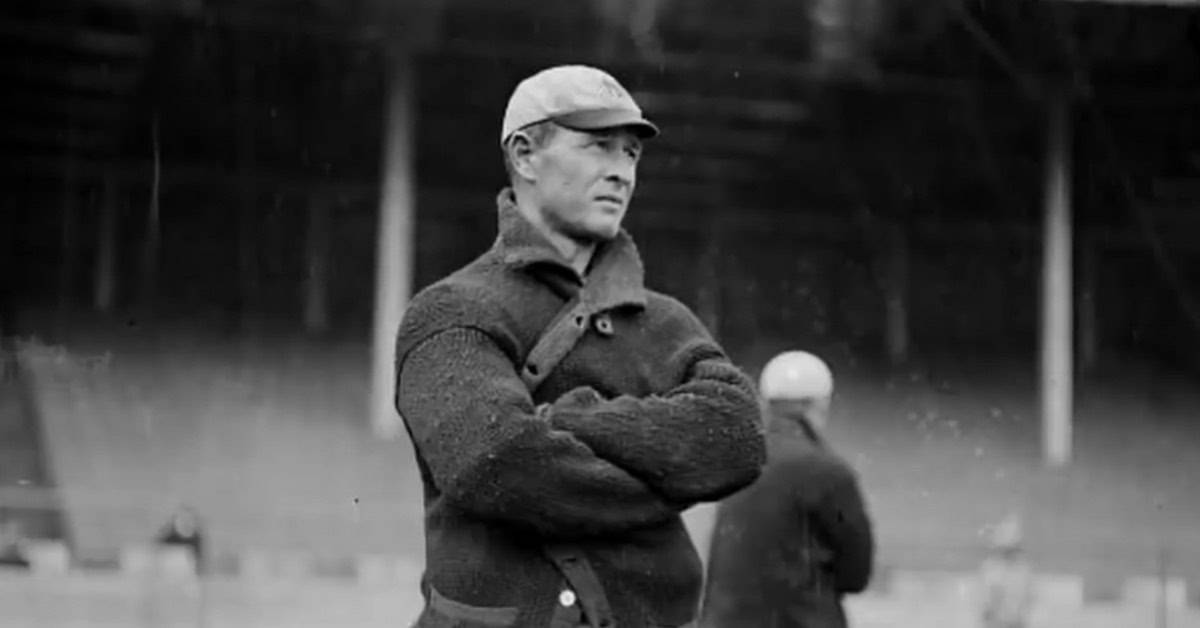
The Peerless Leader’s aggressive style and championship pedigree made him the perfect symbol of early Cubs dominance, his ability to get the most out of talented rosters setting the standard for North Side excellence. Chance’s leadership during the Cubs’ golden age created expectations that would haunt the franchise for over a century, making every crosstown meeting a reminder of what Cubs baseball could be when everything went right.
Frank Thomas’ Big Hurt That Made Wrigley Field Wince

The Big Hurt’s massive frame and picture-perfect swing made him the most feared hitter in Chicago during the 1990s, his consecutive MVP awards serving as a painful reminder of South Side superiority. Thomas’ ability to crush baseballs with scientific precision gave White Sox fans the perfect weapon to torture their North Side counterparts during those Windy City Classic charity games that somehow felt more important than the regular season.