

Last Updated: June 17th, 2026 by Michael Griffin
Before the public called certain athletes only by their first name —Michael, Bo, Mickey, or Kobe —there was The Babe. Others knew George Herman Ruth as the Bambino. This was for very good reasons, since he was someone who upended what everyone thought baseball could be. Here are 20 ways that he did that:
Don't lose this article. Enter your email below, and I'll send it to you right now. Plus, we'll send you other unbelievable stories from baseball's past.
The Called Shot That Made Grown Men Weep in Wrigley
October 1, 1932, Game 3 of the World Series—Ruth stepped into the box at Wrigley Field and pointed. This image doesn’t tell whether it was toward the center field bleachers, the crowd, or even the Chicago Cubs dugout. The legend is that he delivered on a promise to homer, but it’s still baseball’s most debated moment. Did he really indicate that he was about to send the ball into the bleachers? Was he merely indicating how many strikes were on him? It certainly made for great storytelling about a homer that silenced 49,000 hostile fans and created a legend that grew with each retelling.
60 Home Runs When America Still Counted by Hand

September 30, 1927—Ruth’s 60th home run off Washington’s Tom Zachary didn’t just break his own record, it shattered what Americans thought was humanly possible. In an era when scoreboards were operated by hand and radio announcers painted pictures with words alone, Ruth’s swing created a number so mythical that it would stand untouchable for 34 years, surviving the Great Depression, World War II, and the dawn of television.
The First Ball to Clear Yankee Stadium’s Death Valley
The House That Ruth Built opened in 1923 with dimensions so vast that left-center field earned the nickname “Death Valley”—a 460-foot expanse that seemed designed to humble even the mightiest sluggers. Ruth could use the whole field, though, and he could hit balls in that area.
Home Run #714: The Last Swing Before Television Changed Everything
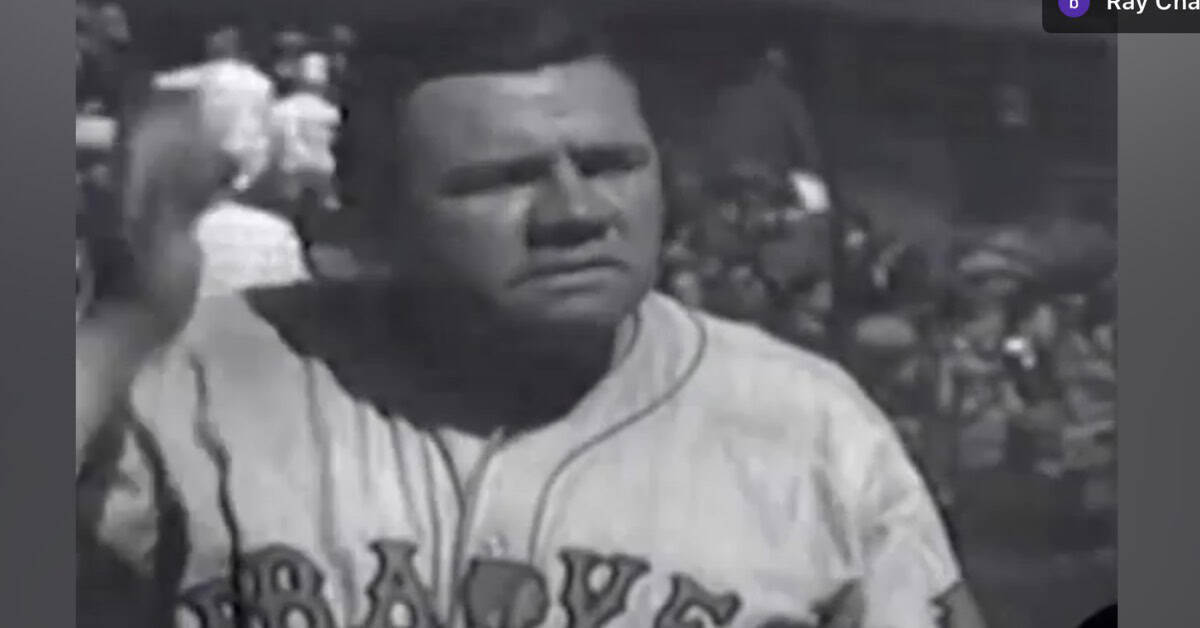
May 25, 1935, at Forbes Field in Pittsburgh—Ruth’s final home run came in the twilight of both his career and baseball’s radio-only era. Home run #714 sailed over the right field wall as one of the last great moments witnessed primarily through crackling radio broadcasts and next-day newspaper accounts, before television would forever change how America experienced its heroes.
The Polo Grounds Shot That Bent Physics and Broke Hearts
The Polo Grounds’ bizarre horseshoe shape created a ballpark where 257 feet down the foul lines felt like a Little League field, but dead center stretched to an impossible 483 feet. Ruth routinely exploited those short porches, sending balls over walls that seemed close enough to touch, while Giants fans watched their pitchers learn the hard way that some ballparks favor certain types of greatness.
Ruth’s First Yankee Homer: When Boston Fans Knew They’d Been Robbed
May 1, 1920—Ruth’s first home run in Yankee pinstripes wasn’t just a ball clearing a fence; it was the sound of Boston’s championship window slamming shut. Red Sox fans who had watched their hero help deliver three World Series titles now faced the crushing reality that their owner had traded away baseball’s greatest talent for cash, beginning an 86-year championship drought that would become known as the Curse of the Bambino.
Home Run #500: Milestone Magic in Cleveland’s Concrete Cathedral

August 11, 1929, at Cleveland’s League Park—Ruth became the first player ever to reach 500 home runs, a number so astronomical that sportswriters struggled to find adequate comparisons. In an era when most players never hit 100 career homers, Ruth’s 500th represented not just personal achievement but the creation of an entirely new category of athletic excellence that redefined what fans thought possible.
The Opening Day Blast That Made Newspaper Boys Rich
Ruth’s Opening Day home runs became as reliable as spring itself, sending newspaper circulation soaring as editors scrambled to capture the magic in bold headlines. These ceremonial blasts — he hit seven of them — launched not just baseballs but entire seasons of hope, turning the ritual of baseball’s return into appointment viewing for a nation emerging from winter’s grip and hungry for heroes who delivered exactly when the moment demanded it most.
Ruth’s Revenge Homer After Being Called “Washed Up”

Throughout his career, doubters periodically declared Ruth finished—too old, too fat, too slow for modern baseball. His response was always the same: a towering home run that silenced critics and reminded everyone why you never count out a legend. These revenge blasts became Ruth’s signature, proof that greatness doesn’t fade quietly but roars back with the crack of ash against horsehide.
The 1916 World Series: 14 Shutout Innings That Made Pitchers Weep
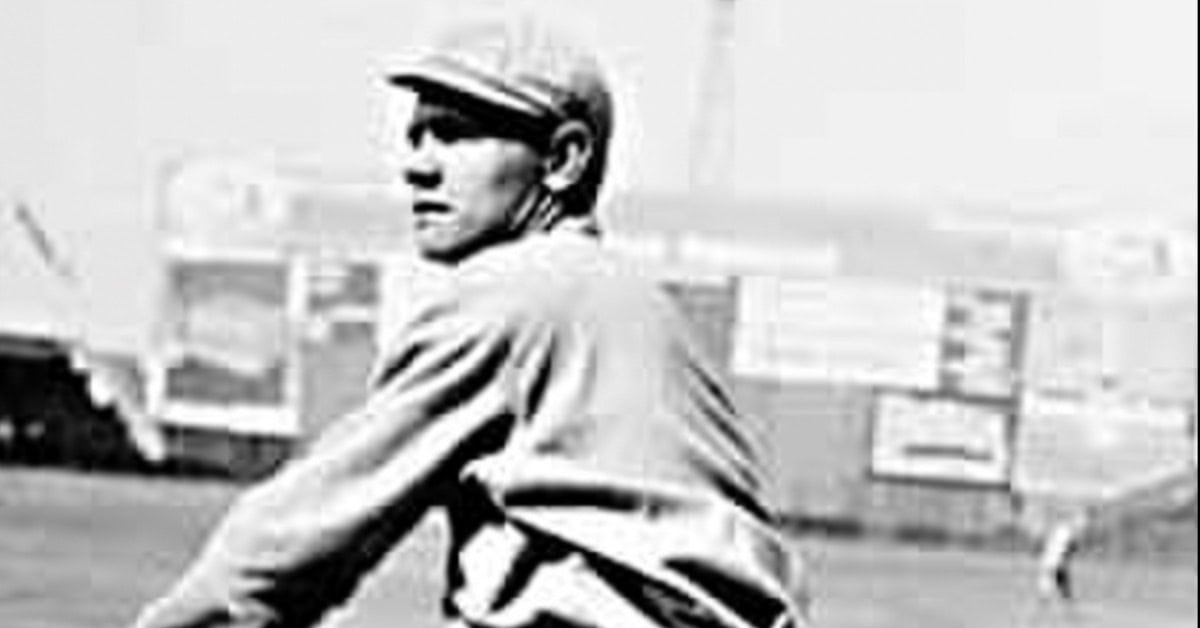
October 9, 1916—before Ruth became synonymous with home runs, he was a left-handed pitcher who threw 14 consecutive scoreless innings in World Series play, a record that stood for 43 years. Watching the 21-year-old Ruth dominate the Brooklyn Robins’ lineup with pinpoint control and devastating curveballs, fans witnessed the early chapters of a career that would redefine not just pitching excellence, but athletic greatness itself.
Home Run #1: The Polo Grounds Blast That Started Everything
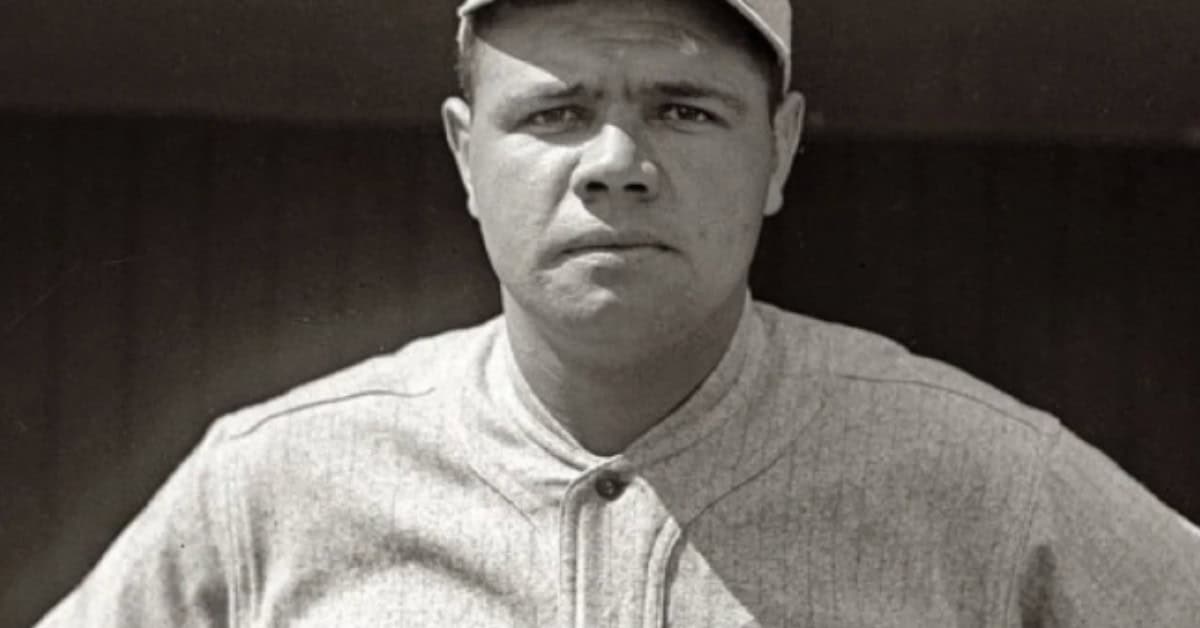
May 6, 1915, at the Polo Grounds—Ruth’s first major league home run off Jack Warhop seemed like just another swing in just another game. But that blast into the upper deck began a journey that would see Ruth hit 714 more, transforming baseball from a game of singles and stolen bases into a sport where one swing could change everything, creating the template for power hitting that every slugger since has tried to follow.
The No-Hitter Ruth Started But Shore Finished After the Ejection
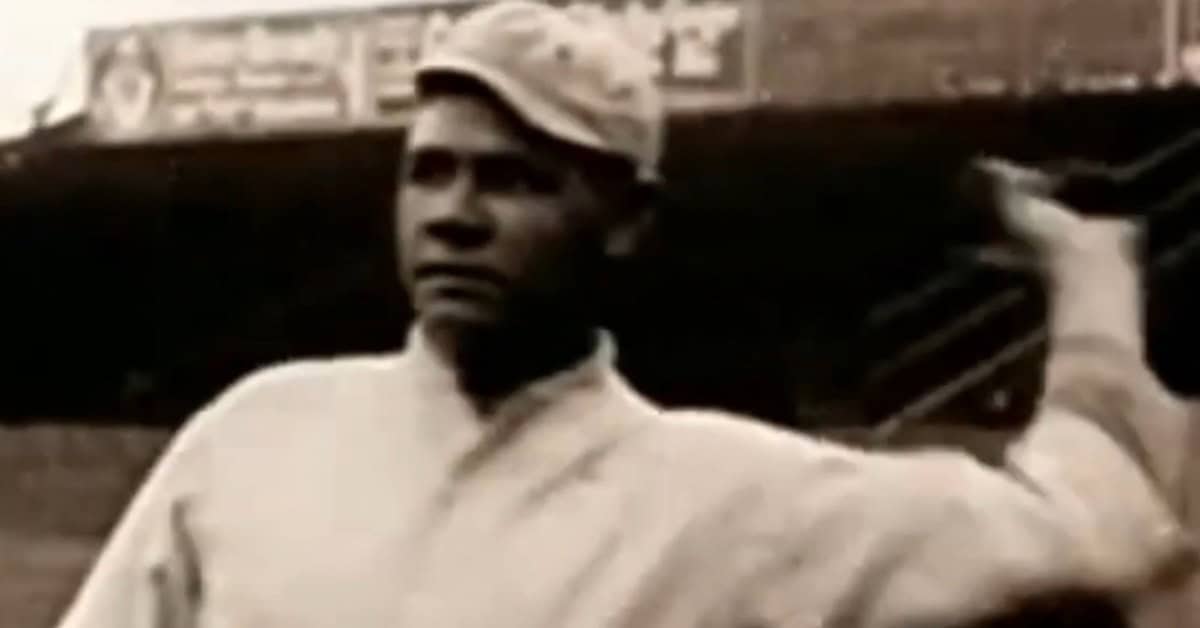
June 23, 1917—Ruth walked Washington’s first batter and got so mad that he punched the umpire, Brick Owens. Naturally, that earned him an ejection; he was lucky social media was a long way off. The hurler then watched from the clubhouse as Ernie Shore entered in relief. When the runner was caught stealing, Shore proceeded to retire the next 26 batters for a perfect game, creating baseball’s strangest no-hitter and proving that even Ruth’s ejections could become part of baseball lore.
Ruth’s Final Yankee Stadium Homer: When 49,000 Stood Silent
September 30, 1934—Ruth’s final home run at Yankee Stadium came in the twilight of his Yankee career, a bittersweet blast that sent 49,000 fans into stunned silence as they realized they were witnessing the end of an era. The ball cleared the wall, but the moment hung in the air longer, a farewell that captured both the glory of what had been and the melancholy of what was ending.
The Detroit Tiger Stadium Shot That Cleared the Right Field Roof
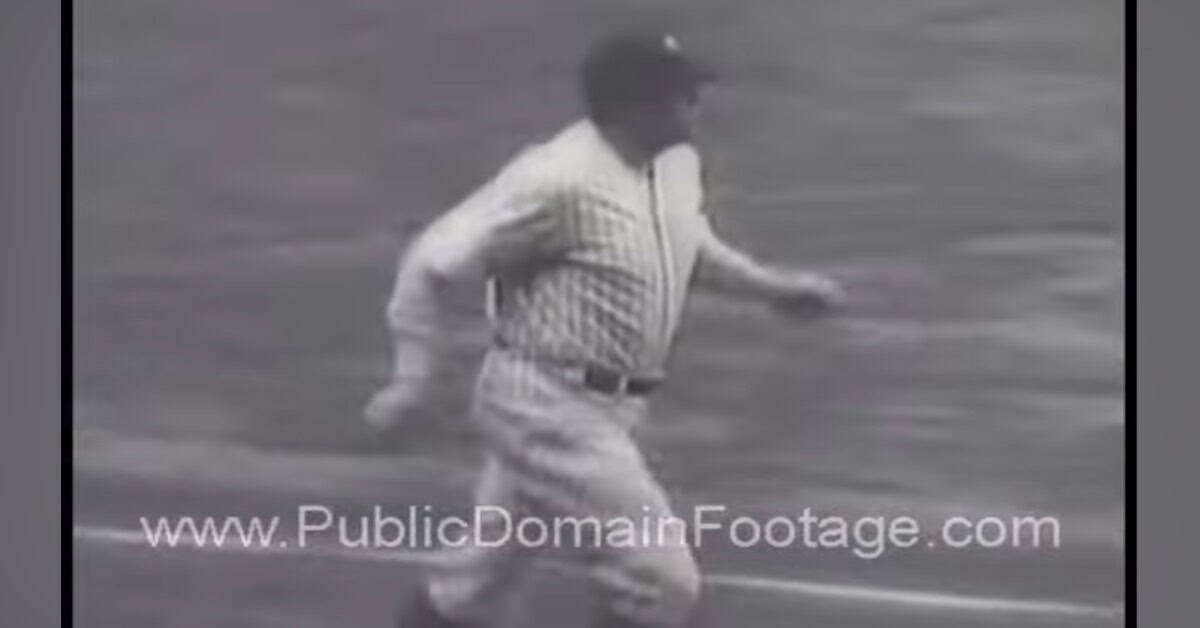
Detroit’s Navin Field (later Tiger Stadium) featured a right field roof that seemed to mock visiting sluggers with its impossible height and distance. Ruth treated it like a personal challenge, regularly launching balls not just over the wall but over the entire roof structure, sending baseballs into the Detroit streets and creating a new standard for what constituted a truly mammoth home run.
Three World Series Wins on the Mound Before He Changed Everything
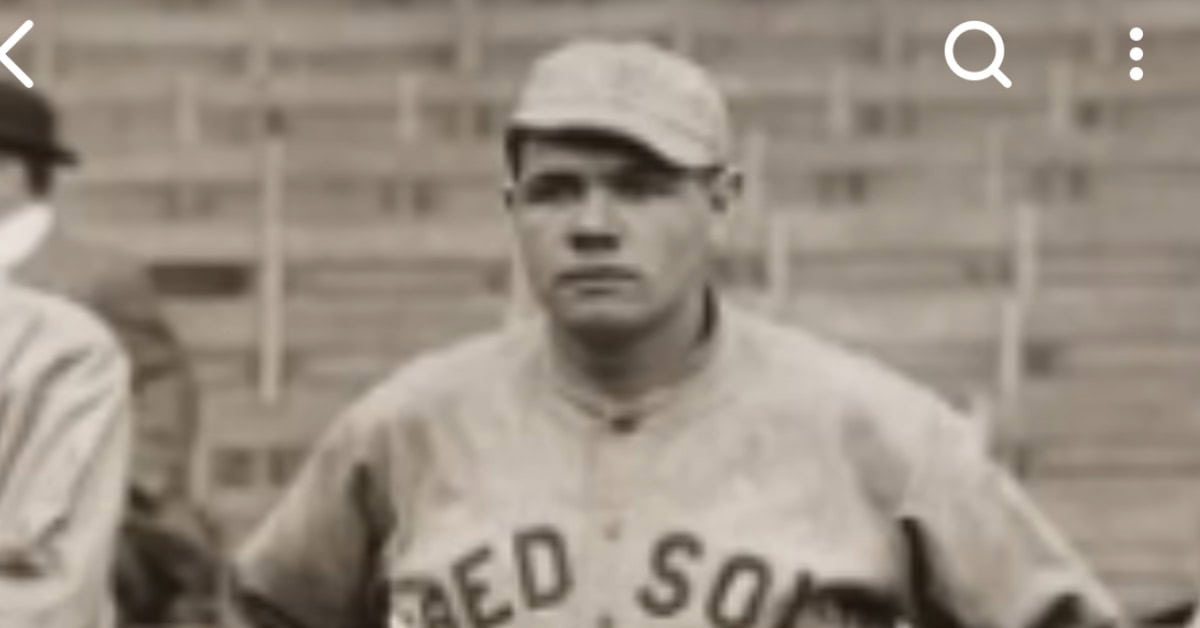
Before Ruth revolutionized hitting, he was simply the best left-handed pitcher in baseball, helping the Red Sox win World Series titles in 1915, 1916, and 1918. His 29⅔ consecutive scoreless innings in World Series play stood as a record for decades, a reminder that Ruth’s greatness wasn’t limited to one position but encompassed every aspect of baseball excellence.
The 1932 World Series Game 4 Clincher in Chicago
October 2, 1932—Ruth’s two home runs in Game 4 at Wrigley Field, including the legendary called shot, completed a four-game sweep that silenced the hostile Chicago crowd and delivered the Yankees’ fourth championship in Ruth’s era. The performance capped a World Series where Ruth batted .333 with three homers, proving that even at 37, he remained baseball’s ultimate clutch performer.
Ruth’s Three-Homer Game That Made History in St. Louis
Ruth’s multiple three-home-run games became the stuff of legend, with his performance at Sportsman’s Park in St. Louis standing as perhaps the most dominant single-game display of power hitting ever witnessed. Each blast traveled farther than the last, transforming a routine afternoon game into an exhibition of athletic artistry that left fans and players alike shaking their heads in disbelief.
The Forbes Field Farewell: Three Swings, Three Homers, One Legend
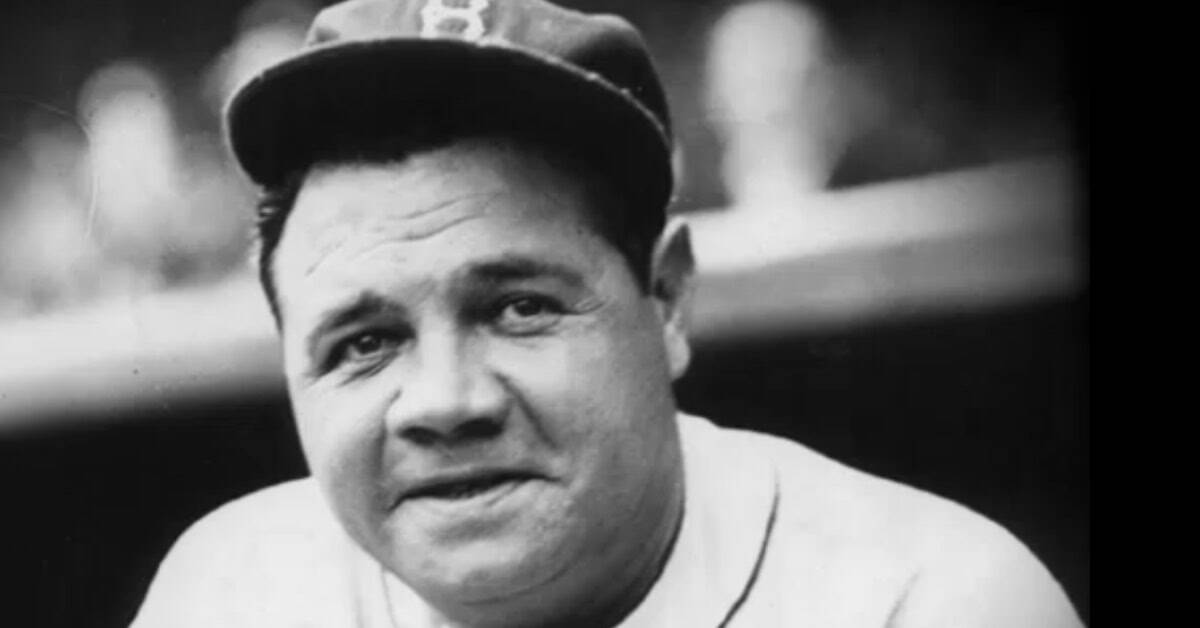
May 25, 1935, at Forbes Field in Pittsburgh—Ruth’s final moment of glory came in the most poetic way possible, three home runs in his last great game, including the 714th and final homer of his career. Playing for the Boston Braves in the twilight of his career, Ruth reminded everyone why he was called the Sultan of Swat, delivering a farewell performance that perfectly captured the magic he’d brought to baseball for two decades.
The 1927 Season Finale That Sealed Baseball Immortality
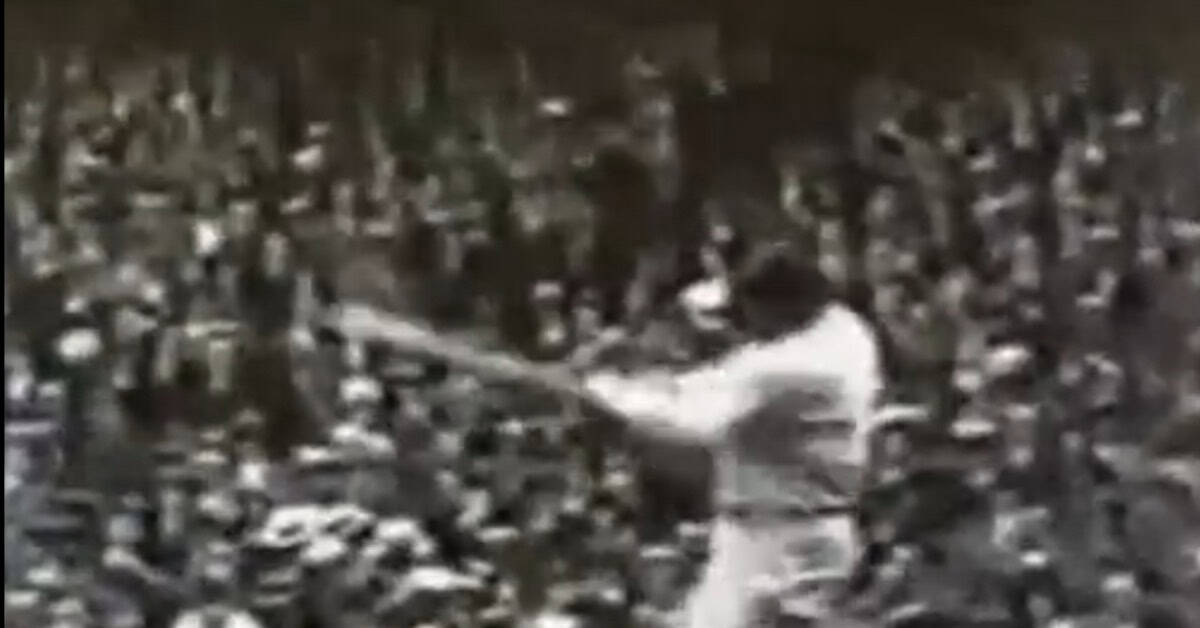
September 30, 1927—the final game of Ruth’s 60-home-run season wasn’t just the end of a remarkable year, but the completion of baseball’s most iconic individual achievement. As the Yankees clinched their second consecutive pennant and Ruth’s record stood complete, fans realized they had witnessed something that transcended sports—a single season that redefined what was humanly possible and created a benchmark that would haunt sluggers for generations.
When the Babe Pitched and Hit His Way to Dual Dominance
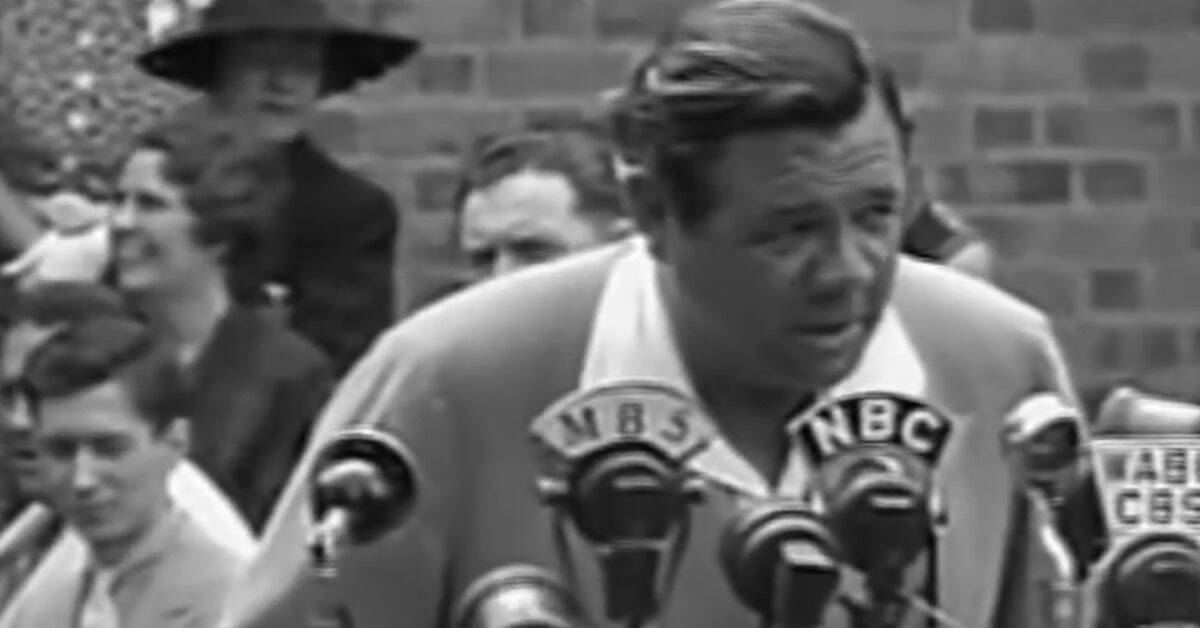
This is one of the many reasons Babe Ruth was a first-ballot shoo-in for the Hall as part of its opening class. In 1918 and 1919, Ruth achieved something that will be hard to replicate, even by Shohei Ohtani or others: Dominance as both a pitcher and hitter. He won 18 games on the mound while leading the league in home runs, creating a two-way excellence that made him not just the greatest player of his era, but the one of the most complete athletes in baseball history, a living reminder that some talents are simply too vast to be contained by traditional roles.