

Last Updated: June 17th, 2026 by Matthew Brown
Baseball, that grand old game of summer afternoons and Cracker Jack, has always fancied itself a cathedral of tradition, a place where rules were rules and haircuts were short. But beneath the pinstripes and the organ music, there’s always been a current of rebellion, a rogue’s gallery of players who didn’t just play the game—they questioned it, stretched it, and sometimes flat-out broke its unwritten codes, leaving it forever changed in their wake.
Don't lose this article. Enter your email below, and I'll send it to you right now. Plus, we'll send you other unbelievable stories from baseball's past.
Jackie Robinson: The Man Who Stole Home Plate from Jim Crow Baseball
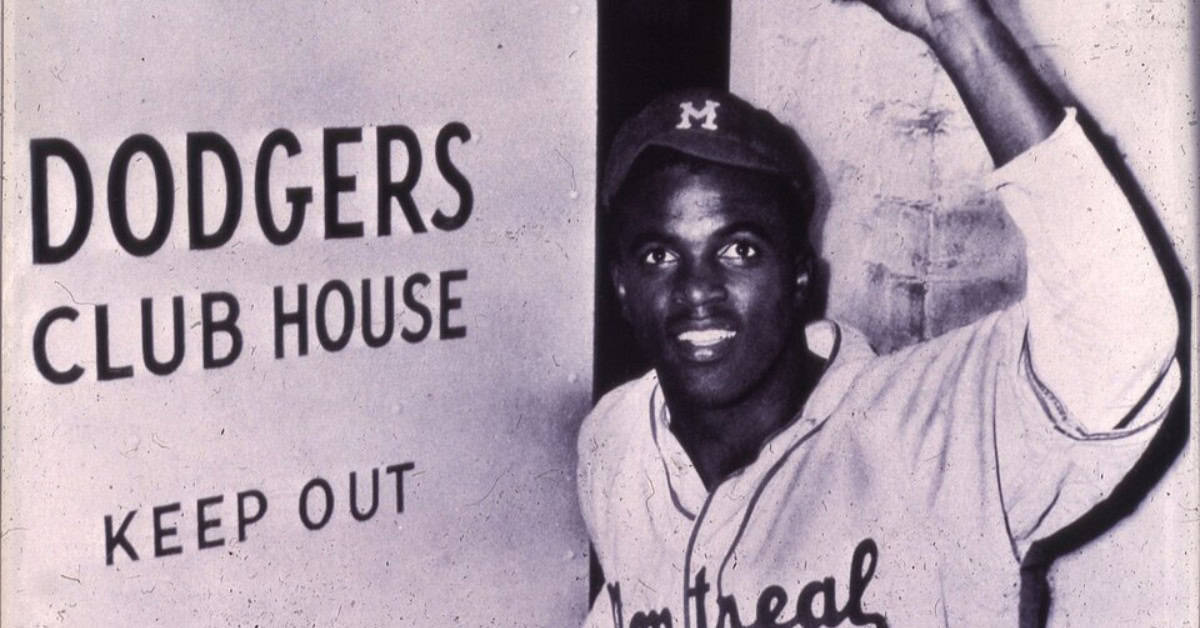
Jackie Robinson didn’t just break the color barrier; he shattered it with the quiet thunder of his dignity and the lightning crack of his bat, turning every stolen base into a defiant stride against a century of bigotry. His daring on the basepaths, especially that iconic steal of home, was a metaphor for his entire career—boldly taking what was his, what was right, from a system determined to deny him. He didn’t just integrate a sport; he forced America to look in the mirror, making every jeer he endured a testament to his monumental courage.
Curt Flood: The Lone Wolf Who Took on the Owners and Unchained Every Player

Curt Flood wasn’t just traded; he was treated like property, a “$100,000 slave” in his own words, and he decided that was one indignity too many for a man who played like a prince in center field. His lonely, costly court battle against the reserve clause was a kamikaze mission against the baseball establishment, but his sacrifice ultimately paved the way for free agency. Every multimillion-dollar contract signed today owes a debt to the man who dared to say he owned himself, even if it cost him everything.
Rickey Henderson: “I Am the Greatest” – And He Stole the Bases to Prove It

Rickey Henderson talked about Rickey in the third person, snatched chains off his neck before sliding headfirst, and declared himself the greatest before anyone else had the chance—and then he backed it all up with a blur of speed that left catchers looking like they were throwing at ghosts. His record 1,406 stolen bases weren’t just stats; they were acts of defiant artistry, a one-man show that turned the simple act of getting on base into the most exciting event in baseball. Rickey didn’t just run; he performed, challenging every pitcher, every catcher, and every unwritten rule about humility.
Ted Williams: The Rebel Slugger Who Answered Only to His Swing and His Country

Ted Williams wanted two things in life: to be the greatest hitter who ever lived and to be left alone, and he pursued both with a stubborn, single-minded fury that often alienated fans and sportswriters alike. He spat at the stands, refused to tip his cap, and analyzed hitting with the obsessive precision of a scientist, all while interrupting his career twice to fly fighter jets for his country. The “Splendid Splinter” was a study in glorious contradiction, a rebel who played by his own rules and whose only master was the perfect swing.
Bill “Spaceman” Lee: The Lefty from Another Planet Who Questioned Earthly Baseball
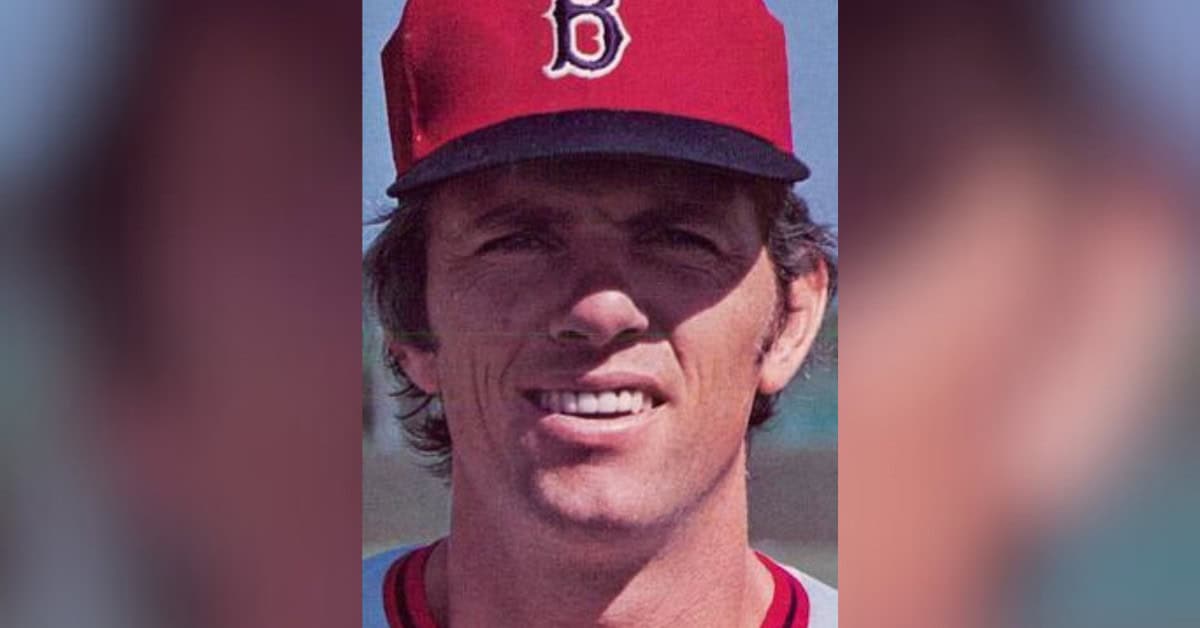
Bill “Spaceman” Lee threw a baffling “Leephus” pitch and spouted pronouncements that seemed beamed in from another galaxy, famously advocating for marijuana use and sprinkling his interviews with Zen philosophy and biting critiques of baseball’s establishment. He was the kind of guy who’d jog to Fenway from his suburban home or threaten to bite an umpire’s ear off, a genuine eccentric in a sport that prized conformity. The Spaceman reminded everyone that baseball, for all its traditions, could also be wonderfully weird and refreshingly honest if you just let it.
Jim Bouton: The Knuckleballer Who Told Baseball’s Dirty Little Secrets in “Ball Four”
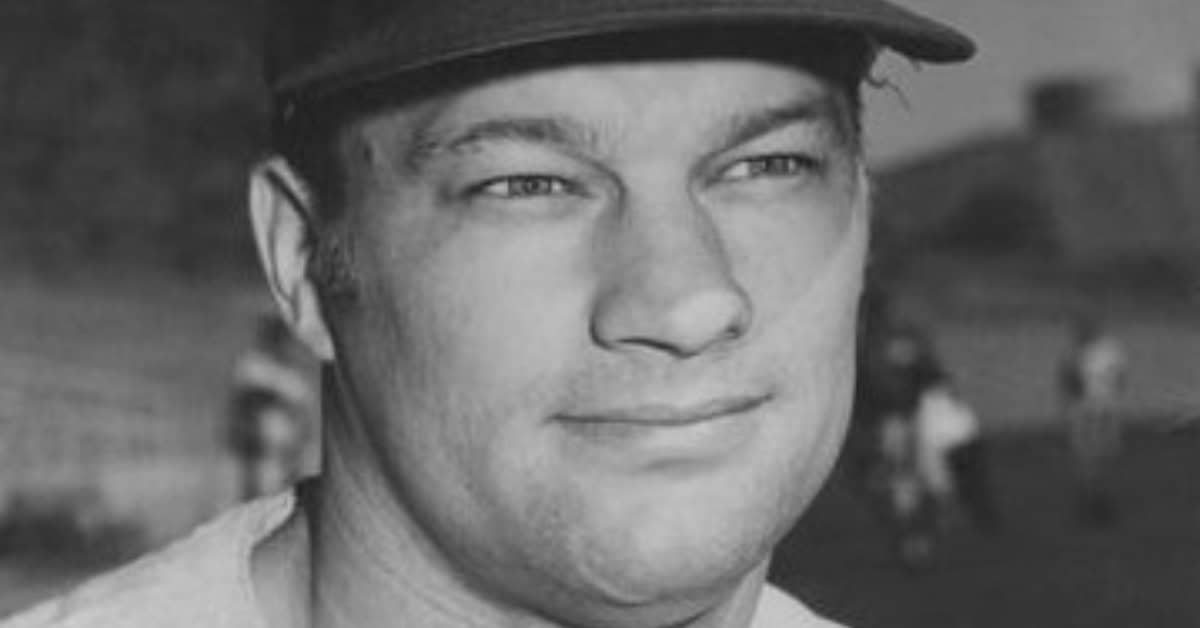
Jim Bouton was a fading pitcher trying to hang on with a knuckleball when he penned “Ball Four,” a diary that ripped the sacred veil off America’s pastime, revealing its heroes as flawed, flatulent, and often hilariously human. The baseball world reacted like he’d desecrated a shrine, blackballing him for telling tales of “beaver shooting” and amphetamine use, but fans devoured the truth. Bouton redefined sports literature, proving that the real stories were often funnier, sadder, and far more interesting than the myths.
Mark “The Bird” Fidrych: The Kid Who Talked to Baseballs and Made America Smile
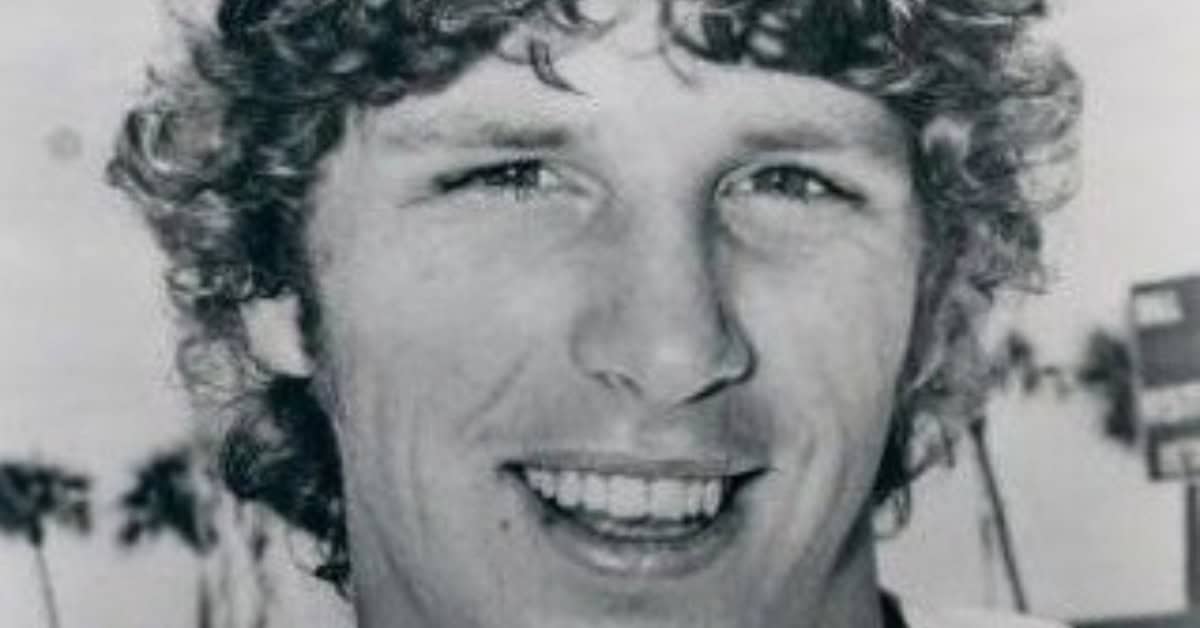
In the cynical summer of ’76, a lanky kid named Mark Fidrych burst onto the scene, looking like a Muppet and acting like he’d just discovered the sheer joy of throwing a baseball for a living. “The Bird” would groom the mound with his bare hands, talk to the ball like it was his best friend, and celebrate strikeouts with an unbridled enthusiasm that was utterly infectious. His flame burned out far too quickly, but for one glorious season, Fidrych reminded a jaded nation that baseball could be pure, unadulterated fun, played with the heart of a child.
Dick Allen: The Wampum Walloper Who Refused to Be Anyone But Himself
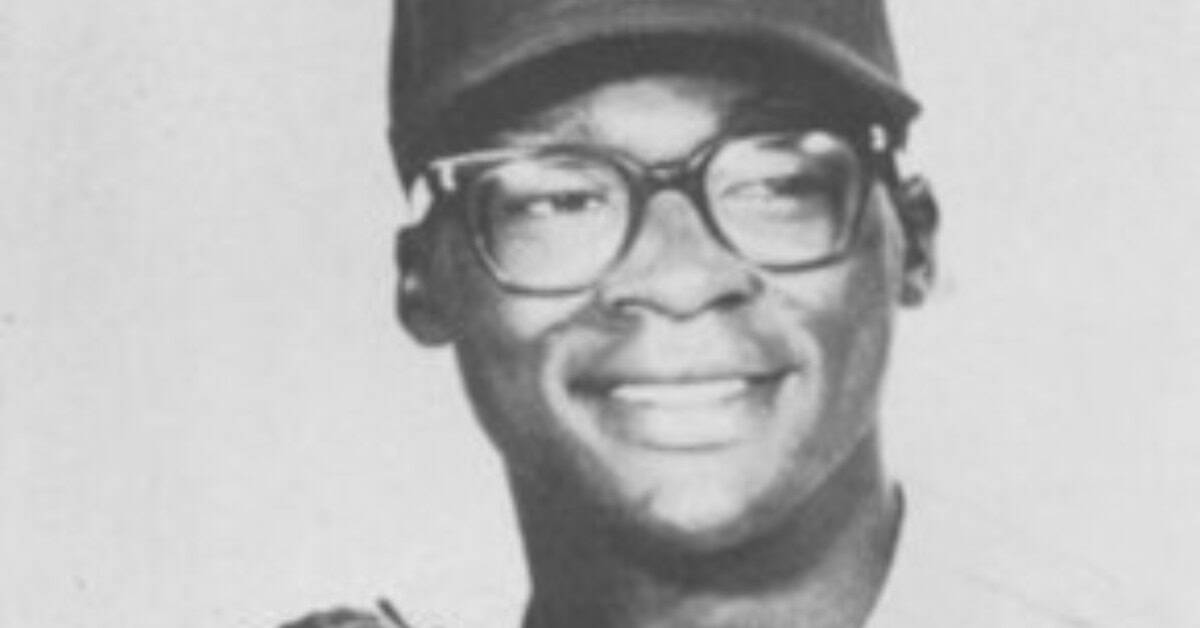
Dick Allen swung a telephone pole for a bat, drew pictures in the dirt with his spikes, and smoked cigarettes in the dugout, all while enduring racist taunts and a media that couldn’t figure out if he was a misunderstood genius or a clubhouse cancer. He was arguably the most feared hitter of his era, a man who played by his own often inscrutable rules and demanded to be treated as an individual in a sport that often prioritized conformity. Allen’s rebellion was simply being himself, unapologetically, in a time when that was the most rebellious act of all for a Black superstar.
Satchel Paige: The Ageless Wonder Who Proved Black Baseball Was Always Major League
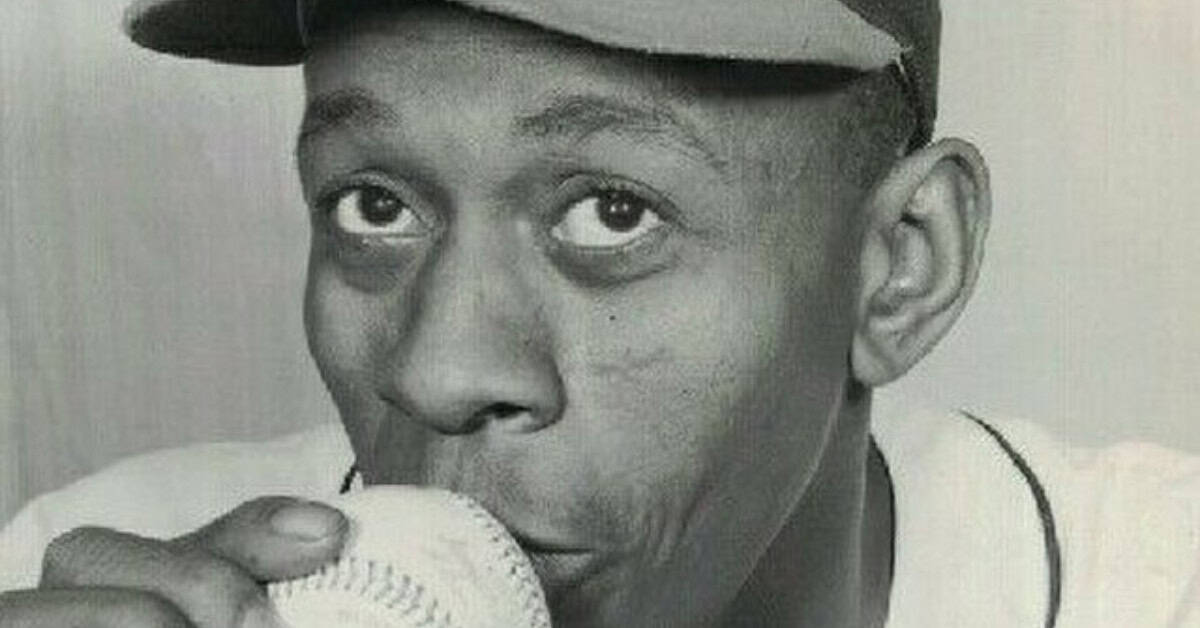
Satchel Paige was a legend before most of white America ever saw him pitch, a man whose fastball was a rumor and whose “hesitation pitch” was a myth whispered from barnstorming towns to Negro League stadiums. When he finally got his MLB shot as a “rookie” somewhere in his 40s (or 50s, who really knew?), he proved what Black players had known all along: they weren’t just good enough, they were often better. Satch’s folksy wisdom (“Don’t look back. Something might be gaining on you.”) and enduring talent were a joyful, two-fingered salute to the decades of segregation.
Dock Ellis: The Psychedelic Pitcher Who No-Hit Batters and Baseball’s Norms
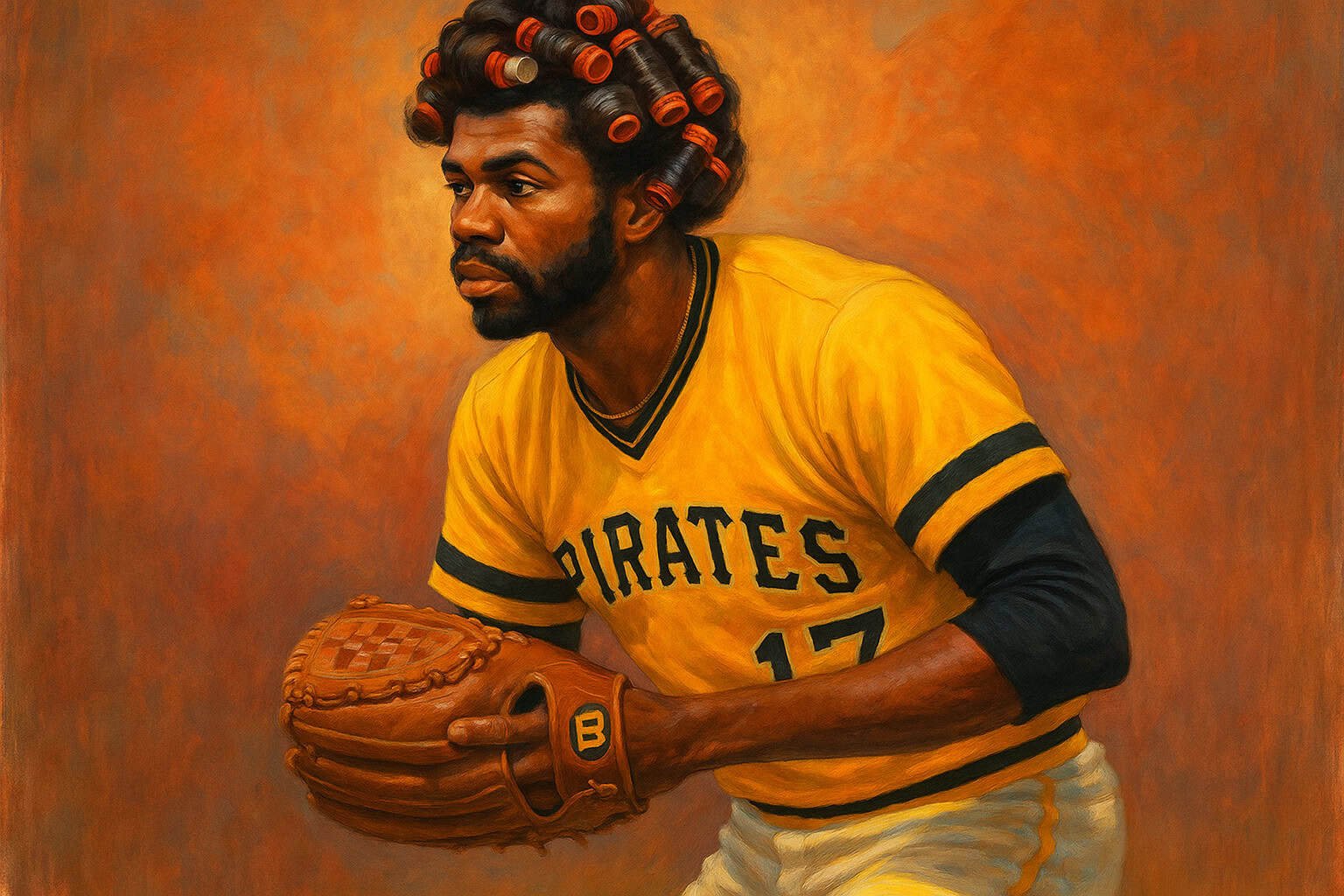
Dock Ellis once wore hair curlers on the field during warmups, started a game against the “Big Red Machine” by intentionally hitting the first three batters, and famously claimed to have pitched a no-hitter while high on LSD—a feat of psychedelic daring that baseball traditionalists still can’t quite comprehend. He was outspoken, flamboyant, and a fierce advocate for Black players’ rights, a walking embodiment of 1970s counterculture in a sport that still clung to the 1950s. Dock didn’t just pitch; he made statements, challenging every staid convention with a fastball and a glare.