

Last Updated: June 17th, 2026 by Michael Schatz
The 1960s were a transformative era for catching, when backstops wore gear that looked like medieval armor and called pitches with hand signals that seemed like secret codes. These iron-masked warriors crouched behind the plate through doubleheaders in wool uniforms, their knees creaking like old stadium seats.
Don't lose this article. Enter your email below, and I'll send it to you right now. Plus, we'll send you other unbelievable stories from baseball's past.
Joe Torre – The Future Manager Who Could Actually Hit
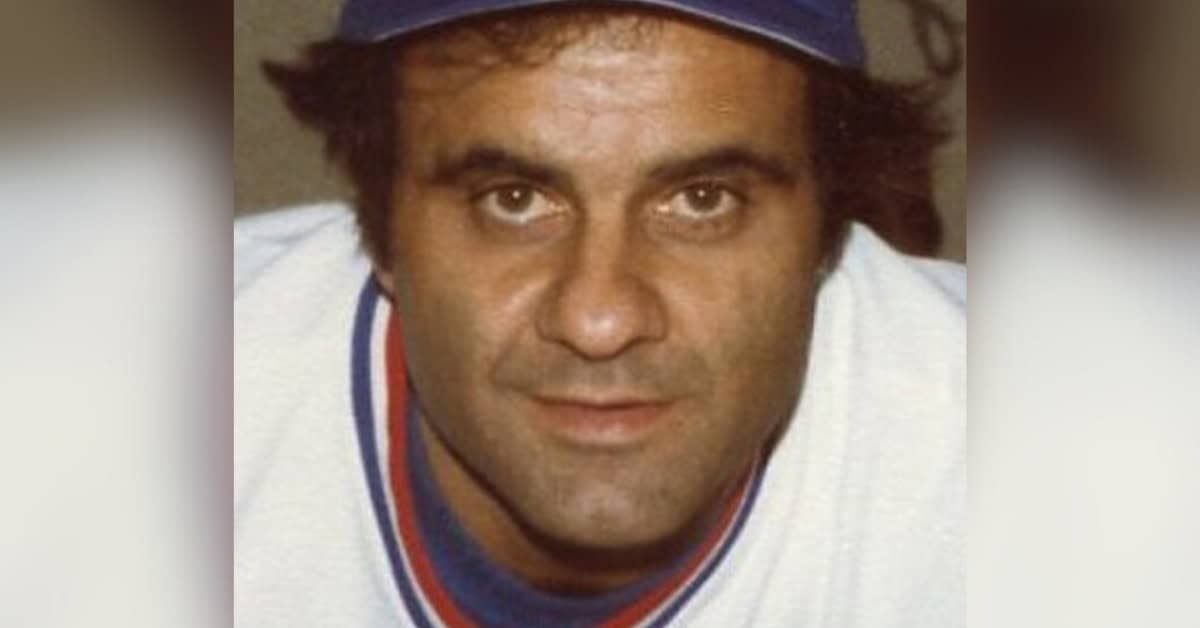
Before Joe Torre became the Yankees’ stoic skipper, he was a hitting machine behind the plate for the Braves. In 1964, he smacked 20 home runs and drove in 109 runs, proving that backstops didn’t have to be automatic outs. Torre’s smooth swing and high baseball IQ made him a threat every time he stepped into the batter’s box, foreshadowing the strategic mind that would later win four World Series rings as a manager.
Johnny Bench – The Rookie Phenom Who Changed Everything
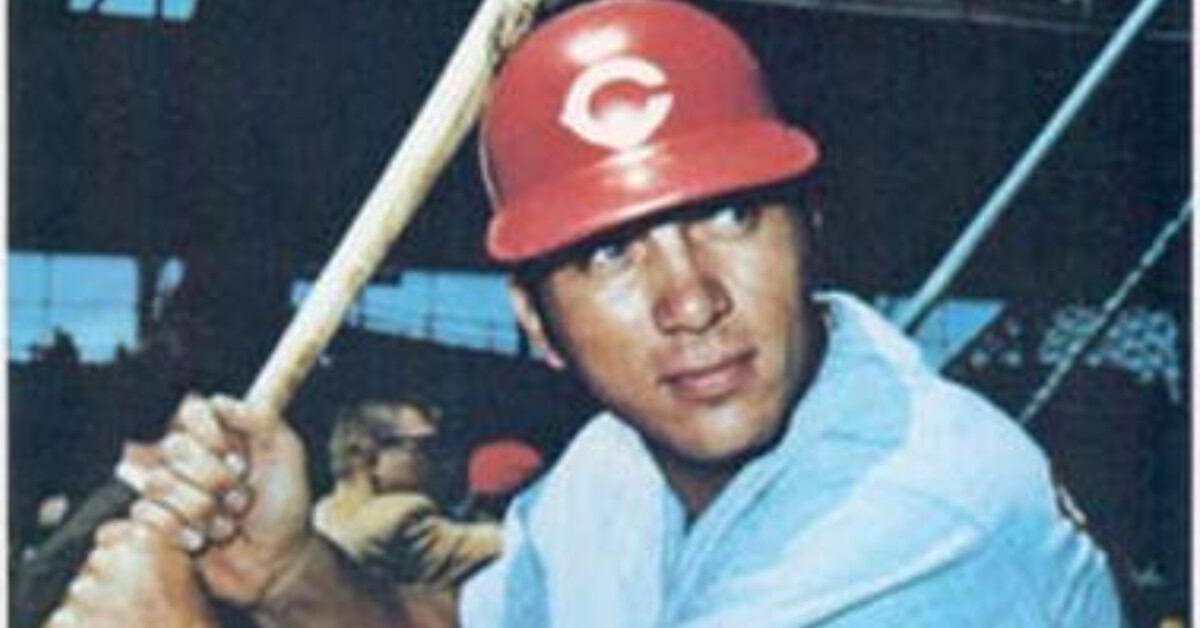
Johnny Bench burst onto the scene in the late ’60s like a comet, his cannon arm and massive hands revolutionizing the position. After a brief call-up in 1967, he won the National League Rookie of the Year award in 1968, already throwing out runners from his knees and one-handing fastballs. Bench’s arrival marked a new era for the modern backstop, combining power, defense, and an almost supernatural ability to handle a pitching staff.
Elston Howard – Breaking Barriers Behind the Plate
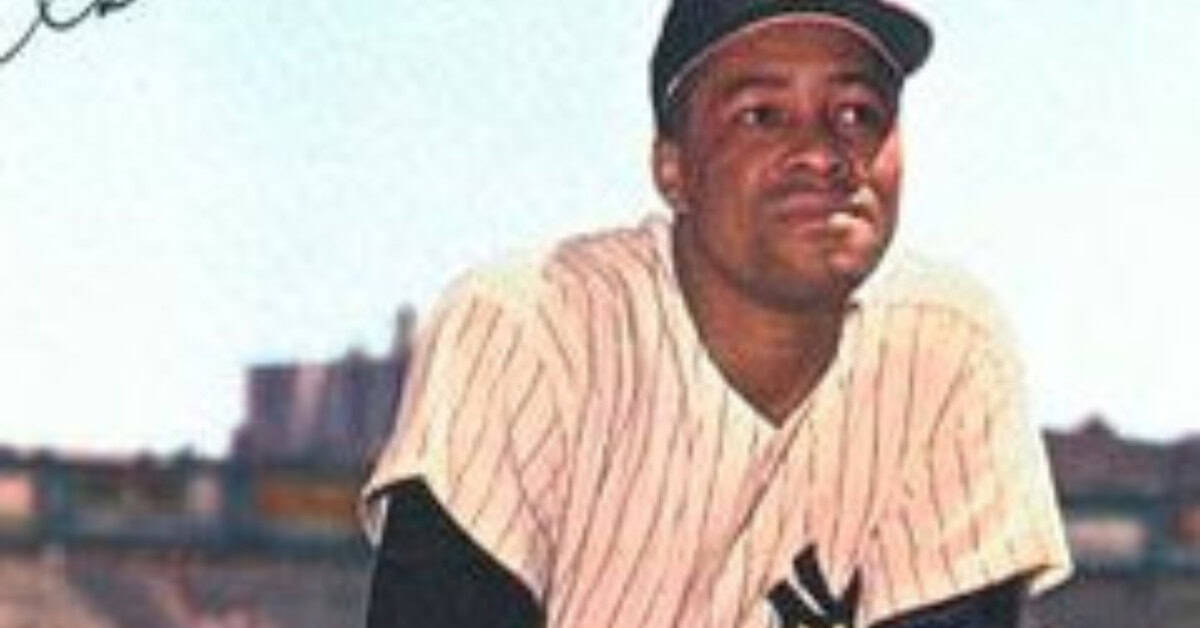
Elston Howard carried himself with the dignity of a statesman while calling pitches for Whitey Ford and handling the Yankees’ championship machinery. The first Black player to don pinstripes, Howard won the 1963 AL MVP award and earned universal respect through his steady leadership and clutch hitting. His presence behind the plate was as reassuring as his warm smile, and he mentored countless pitchers while helping the Yankees capture five pennants during the decade.
Bill Freehan – Detroit’s Gold Glove Guardian
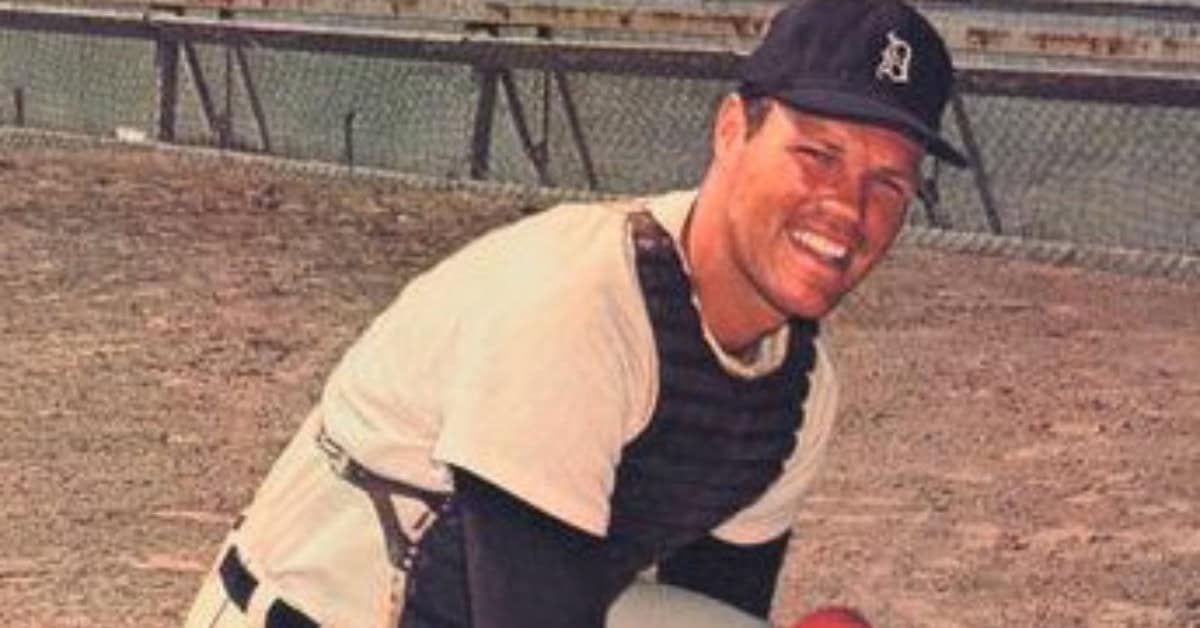
Bill Freehan was the backbone of Detroit’s 1968 World Series championship team, his five consecutive Gold Gloves (1965-1969) gleaming like the chrome on a ’68 Mustang. Built like a linebacker, Freehan blocked the plate with the determination of a bouncer at a dive bar. He was a consistent power threat at the plate, and his leadership helped guide Mickey Lolich and Denny McLain through their historic seasons.
Earl Battey – The Twins’ Three-Time Gold Glove Winner
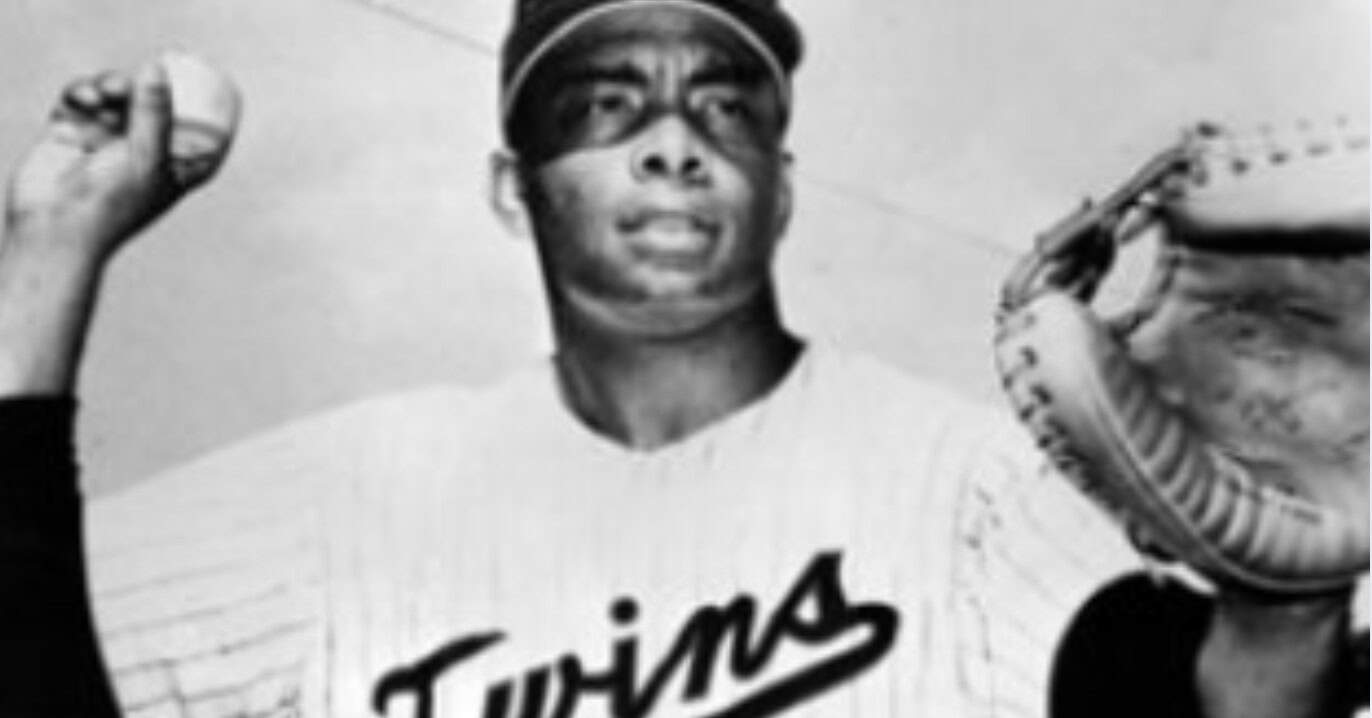
Earl Battey made catching look smooth, his three consecutive Gold Gloves from 1960-1962 testament to his defensive artistry. The Minnesota Twins’ backstop had soft hands and a throwing arm that could nail runners trying to steal second. Battey’s quiet professionalism and steady .270 career average made him the perfect complement to Harmon Killebrew’s booming bat in the Twins’ lineup.
Tim McCarver – The Cardinal Who Caught Bob Gibson
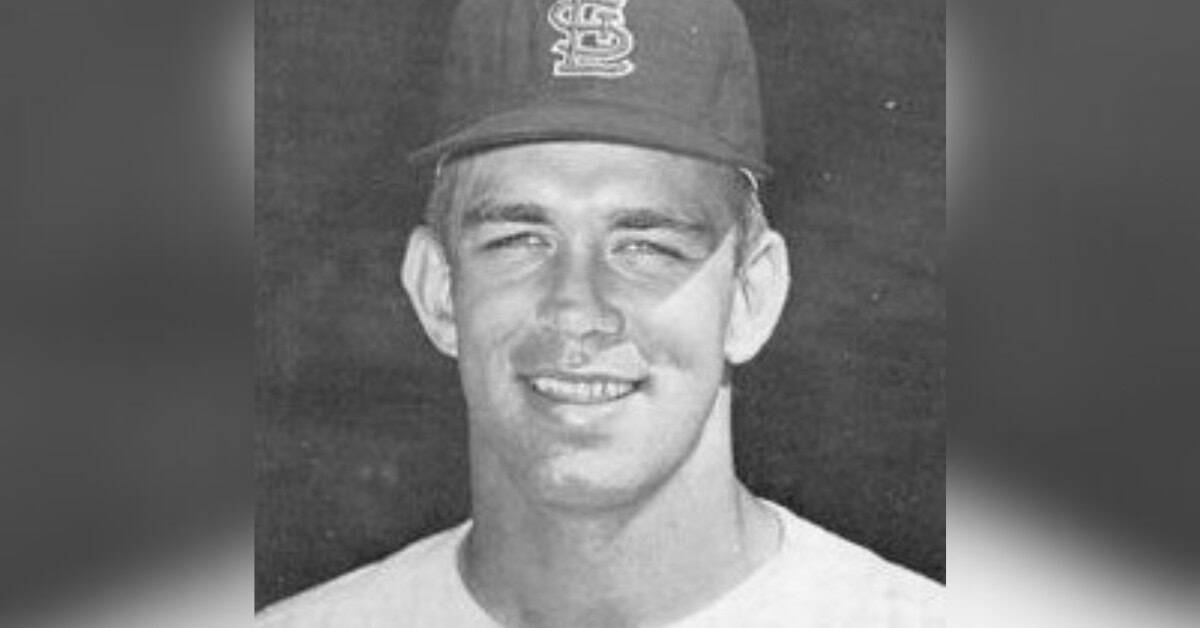
Tim McCarver had the unenviable task of catching Bob Gibson’s blazing fastballs and intimidating scowl, a job that required equal parts courage and intelligence. McCarver’s baseball IQ was renowned, and his ability to call a game helped Gibson dominate hitters. The future broadcaster’s smooth left-handed swing and clutch hitting made him a key component of the Cardinals’ 1964 and 1967 World Series championships.
Jerry Grote – The Mets’ Defensive Wizard

Jerry Grote was the defensive anchor of the Miracle Mets, his glove work as precise as a Swiss watchmaker’s tools. Grote compensated for his size with positioning that seemed almost telepathic and a throwing arm that could thread a needle. His ability to handle the young Mets pitching staff was crucial to their stunning 1969 World Series triumph, proving that sometimes the smallest cog makes the biggest difference in a championship machine.
John Roseboro – Dodger Blue’s Steady Presence
John Roseboro was the calm in the storm of Dodger Stadium, his steady presence behind the plate as reliable as the California sunshine. Roseboro’s two Gold Gloves and four All-Star appearances spoke to his defensive excellence, while his ability to handle Sandy Koufax’s curveball and Don Drysdale’s intimidating presence made him invaluable. His famous bat-swinging incident with Juan Marichal in 1965 showed his toughness, though he preferred to let his glove do the talking.
Tom Haller – The Giant Who Could Launch Moonshots
Tom Haller stood 6’4″ and swung a bat like Paul Bunyan wielding his axe, establishing himself as a legitimate power threat. The Giants’ backstop combined his imposing physical presence with surprising agility behind the plate, making him a three-time All-Star. Haller’s booming voice could be heard calling pitches from the upper deck, and his towering home runs at Candlestick Park often disappeared into the San Francisco fog.
Johnny Edwards – Cincinnati’s Pre-Bench Backstop
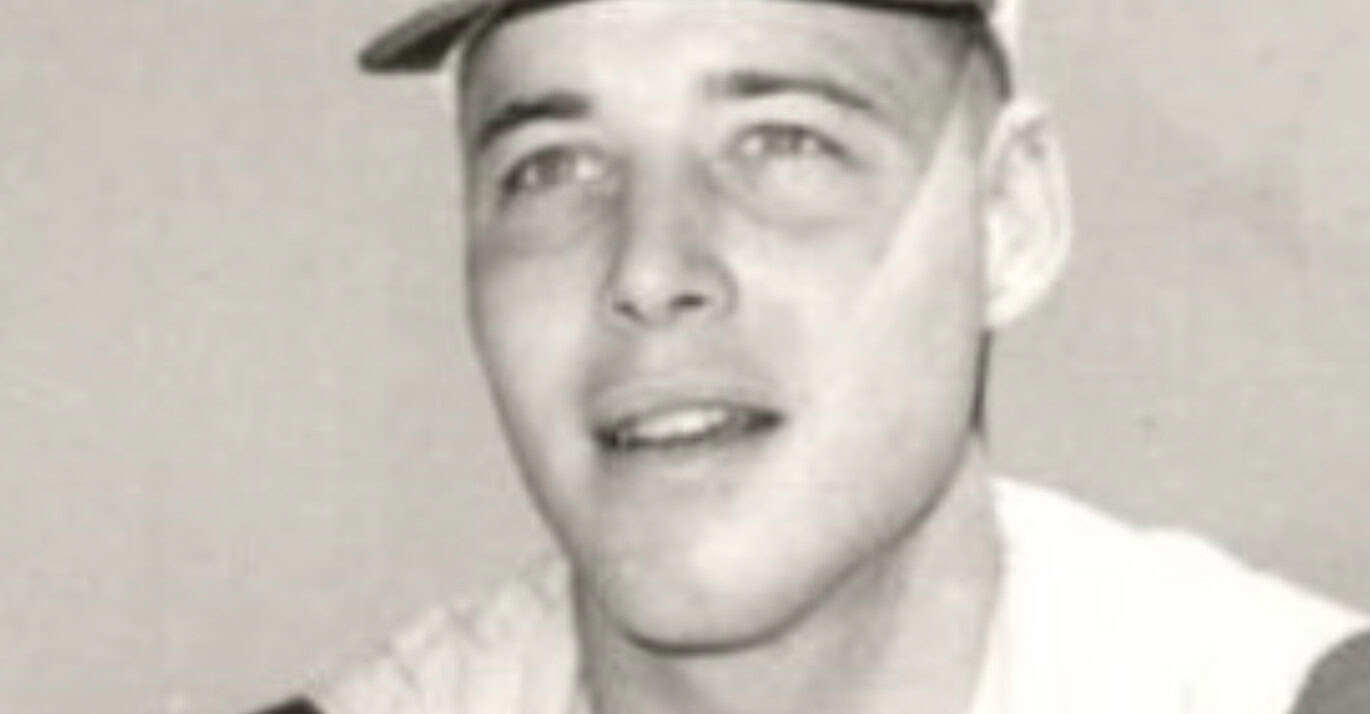
Johnny Edwards was Cincinnati’s answer to the catching question before Johnny Bench arrived, his three Gold Gloves and steady presence making him a reliable fixture behind the plate. Edwards had the misfortune of being overshadowed by his legendary successor, but his defensive skills were top-notch. His ability to handle the Reds’ pitching staff with patience made him a valuable asset during the team’s transitional years in the mid-1960s.
Randy Hundley – The Cubs’ Iron Man Behind the Plate

Randy Hundley revolutionized catching with his one-handed style and hinged mitt, innovations that spread through baseball like wildfire. The Cubs’ backstop caught 160 games in 1968, a feat that would make modern catchers weep into their ice baths. Hundley’s durability was legendary, his knees absorbing foul tips and wild pitches like a human shock absorber while his rifle arm kept runners honest. His son Todd would later follow in his footsteps, proving that catching ability can run in the family.
Del Crandall – The Veteran Who Bridged Two Eras
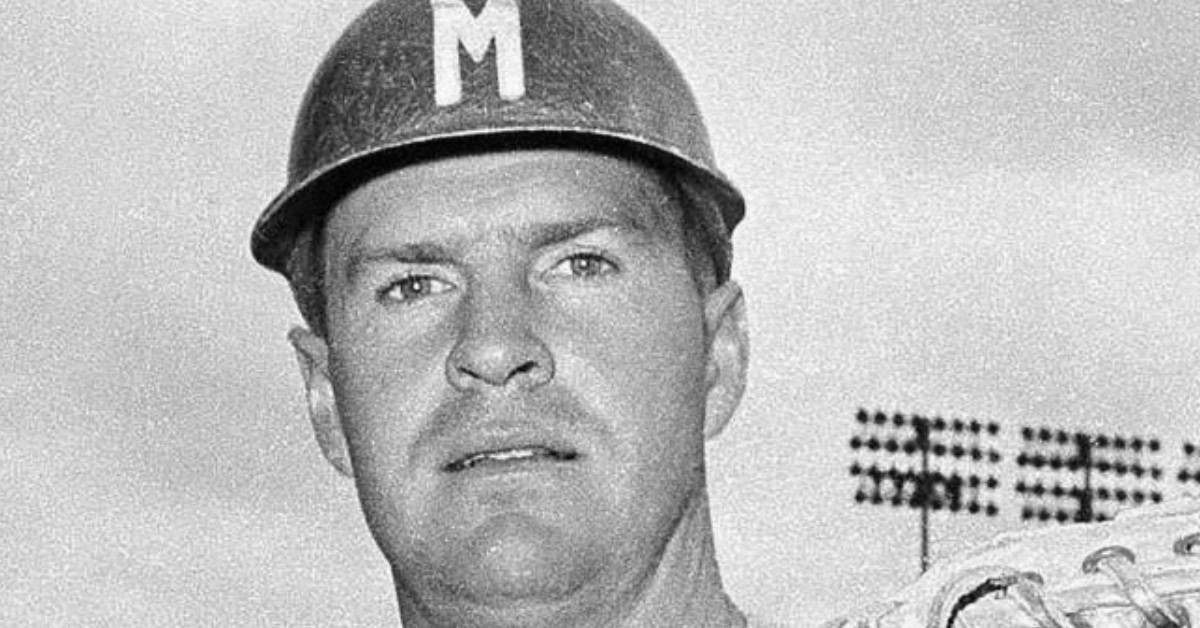
Del Crandall was the wise old owl of catching, his career spanning from the 1940s into the 1960s like a bridge connecting baseball’s past and future. The veteran backstop earned four Gold Gloves and was renowned for his ability to handle legendary pitchers like Warren Spahn. Crandall’s leadership and defensive excellence were highly valued, and his mentorship of younger catchers was as important as his on-field contributions.
Clay Dalrymple – Philadelphia’s Underrated Defensive Ace
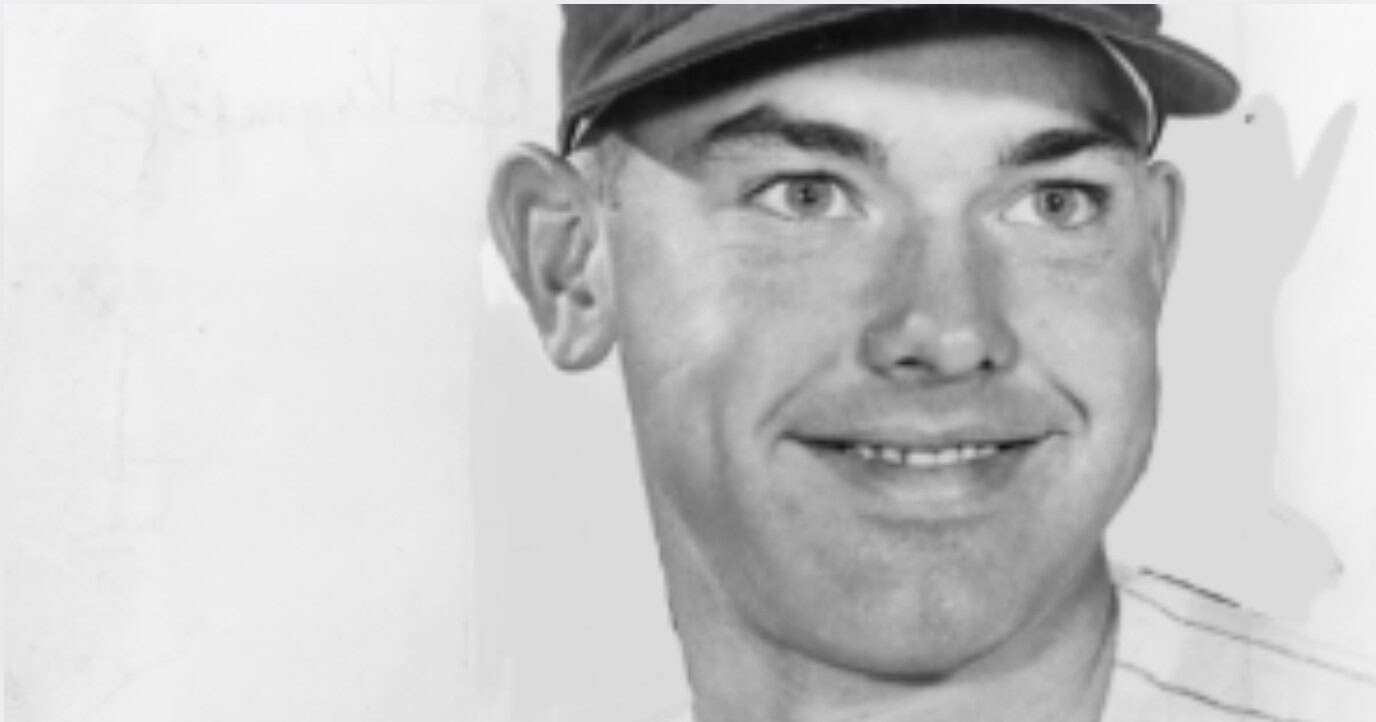
Clay Dalrymple was Philadelphia’s best-kept secret, a defensive wizard often hidden behind the Phillies’ struggles. While he didn’t win a Gold Glove, his soft hands and quick release made him one of the era’s most respected and underrated backstops. His ability to handle knuckleball pitchers was legendary among his peers, and his quiet professionalism made him a favorite of pitchers who appreciated his game-calling acumen and steady presence behind the plate.
J.C. Martin – The White Sox Workhorse
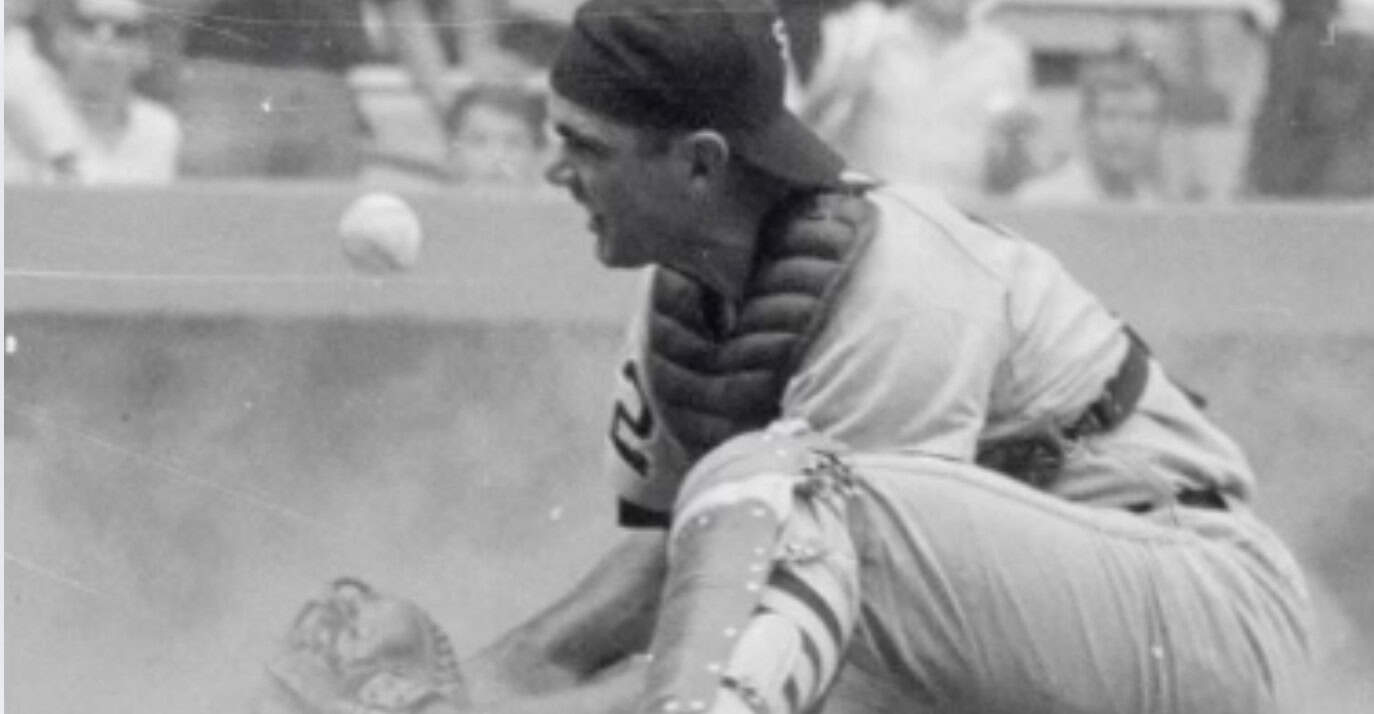
J.C. Martin was the White Sox’s blue-collar backstop, his workmanlike approach to catching as reliable as a factory timecard. Martin’s defensive consistency and ability to handle Chicago’s pitching staff made him a valuable asset during the team’s competitive years in the early 1960s. His left-handed swing provided occasional pop, and his leadership qualities were evident in the way pitchers trusted him with their most important games.
Johnny Romano – Cleveland’s Power-Hitting Backstop
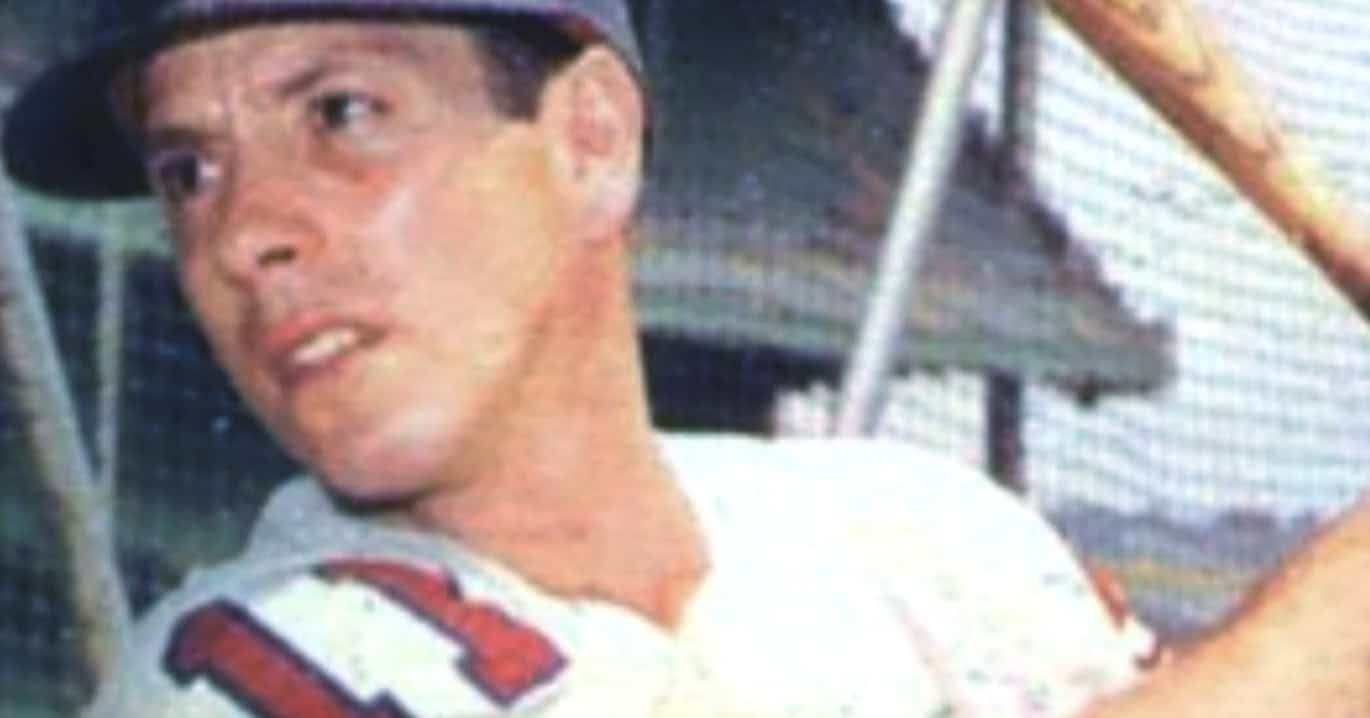
Johnny Romano was Cleveland’s answer to the offensive-minded catcher, his 25 home runs in 1962 proving that backstops could be legitimate run producers. Romano’s compact swing generated surprising power for a catcher, and his two All-Star appearances reflected his ability to contribute both offensively and defensively. His tenure with the Indians coincided with some of the team’s more competitive years, and his veteran presence helped stabilize the team.
Joe Azcue – The Steady Hand in Cleveland
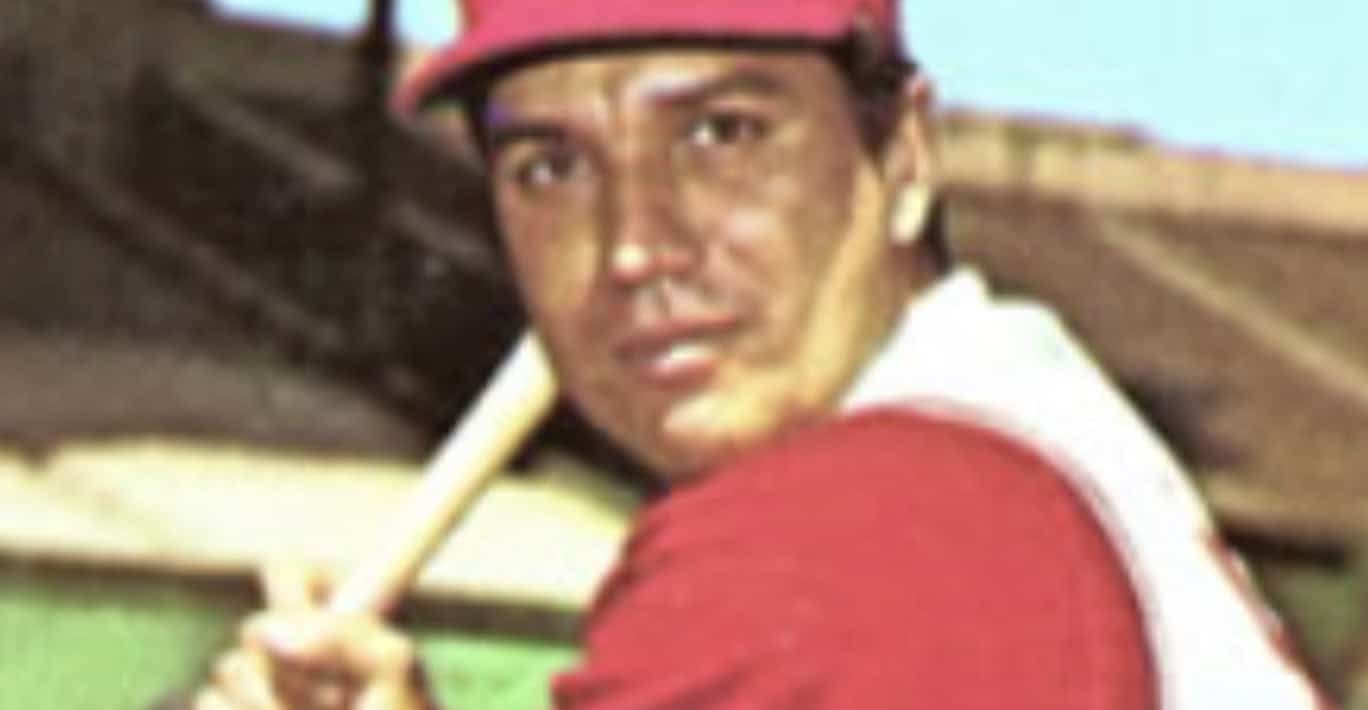
Joe Azcue was the steady hand that guided Cleveland’s pitching staff through the turbulent 1960s, his defensive reliability as comforting as a warm blanket on a cold Lake Erie night. The Cuban-born catcher was highly regarded for his defensive excellence throughout the decade. Azcue’s ability to handle different pitching styles and his calm demeanor made him a favorite among Cleveland’s hurlers, who appreciated his game-calling skills and steady presence.
John Bateman – Houston’s Reliable Receiver

John Bateman was Houston’s dependable backstop during the franchise’s early years, his solid defense and occasional power making him a valuable asset in the Astrodome’s cavernous confines. Bateman’s ability to handle the Astros’ young pitching staff was crucial during the team’s formative years, and his veteran leadership helped establish a culture. His 17 home runs in 1966 showed he could contribute offensively, while his defensive consistency provided the stability that expansion teams desperately needed behind the plate.
Buck Rodgers – The Angel Who Became a Manager

Buck Rodgers was the California Angels’ cerebral backstop, his baseball IQ as sharp as a tack. Rodgers’ defensive skills and leadership qualities were evident early in his career, foreshadowing his future success as a manager. His ability to handle pitchers and call games made him invaluable during the Angels’ early years, and his steady presence behind the plate provided a foundation for the franchise’s development in the American League.
Gus Triandos – The Oriole Giant Behind the Plate
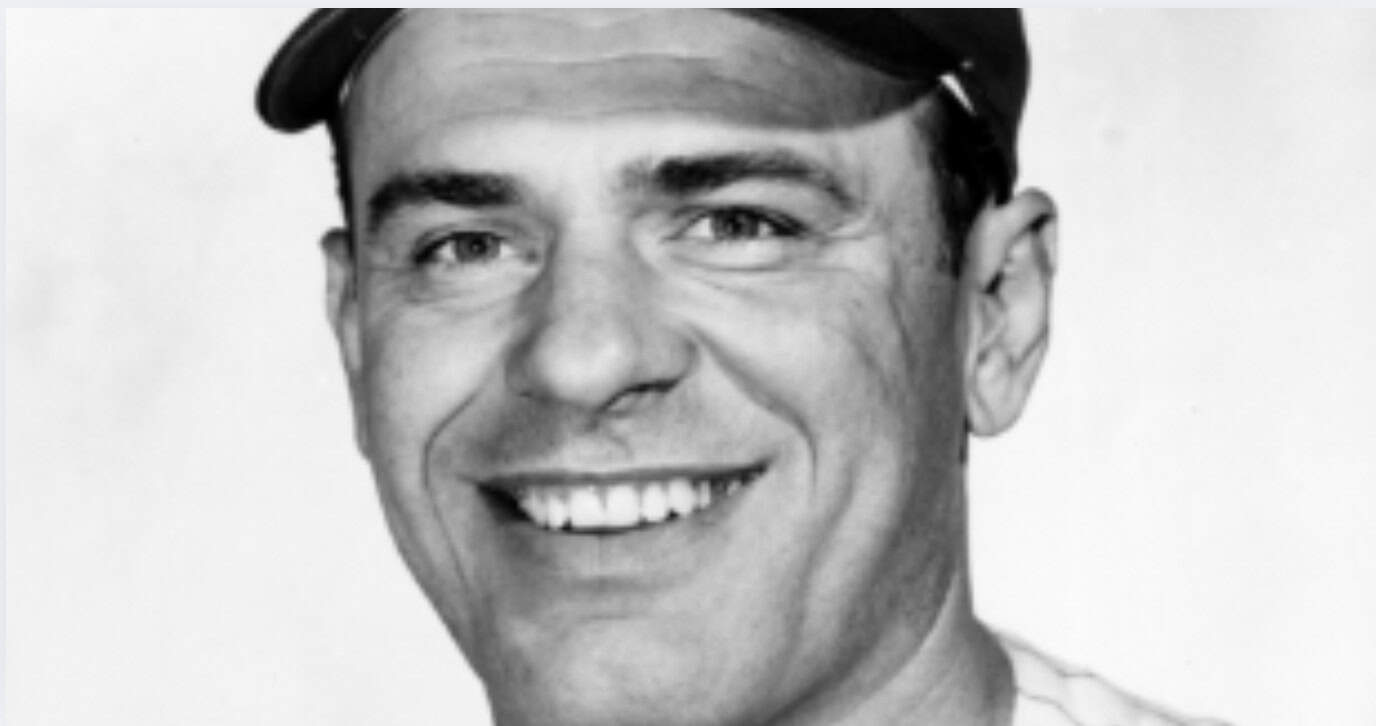
Gus Triandos was a mountain of a man behind the plate, his 6’3″ frame and powerful swing making him one of the more intimidating catchers of the era. The Baltimore Orioles’ backstop was famous for catching Hoyt Wilhelm’s knuckleball, a task that required great patience and skill. Triandos’s power potential was well-known, and his presence in the early 1960s helped establish the Orioles as a competitive franchise in the American League.
Jim Pagliaroni – The Journeyman Who Made His Mark
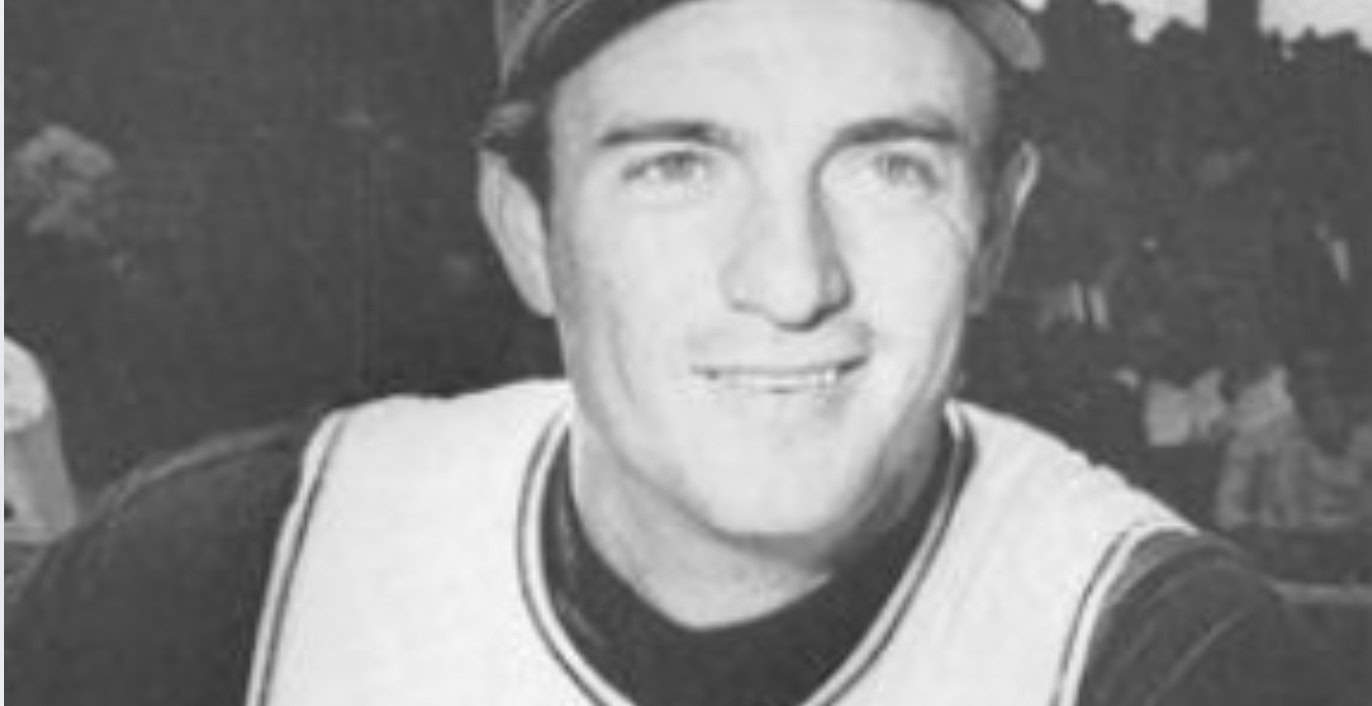
Jim Pagliaroni was the ultimate journeyman catcher, his travels through multiple organizations like a baseball nomad with a mitt and mask. Despite bouncing between teams, Pagliaroni’s defensive skills and veteran savvy made him a valuable asset wherever he landed. His ability to handle different pitching staffs and adapt to new situations was remarkable, and his 1962 season with the Red Sox showed glimpses of his potential. Pagliaroni represented the blue-collar work ethic that defined 1960s baseball, proving that persistence and professionalism could carve out a successful career.