
Last Updated: September 18th, 2026 by Michael Schatz
The 1990s were a golden era for catchers, when the position demanded both defensive prowess and offensive firepower. These backstops didn’t just call pitches—they anchored dynasties, launched moonshots, and embodied the gritty soul of America’s pastime during its most turbulent decade.
Don't lose this article. Enter your email below, and I'll send it to you right now. Plus, we'll send you other unbelievable stories from baseball's past.
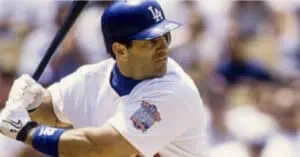
20. Mike Piazza: The Hitting Machine Behind the Plate (HOF)

Mike Piazza's story is one worth telling because he was a 62nd-round pick. The guy ended up hitting 427 career homers, which is the most ever for a catcher, and in the 90s in particular, he hit 219 of those.
He really just redefined what a lot of people thought was possible for a catcher, which historically is a position where you're just not expecting a ton of offense. He ended up being a 10-time Silver Slugger, Rookie of the Year in '93, and a 12-time All-Star.
| Mike Piazza — Career | Total |
|---|---|
| G | 1912 |
| AB | 6911 |
| H | 2127 |
| HR | 427 |
| RBI | 1335 |
| SB | 17 |
| AVG | .308 |
| OBP | .377 |
| SLG | .545 |
| OPS | .922 |
| All-Star selections | 12 |
| Silver Sluggers | 10 |
| Rookie of the Year | 1 |
19. Ivan "Pudge" Rodriguez: The Gold Glove Magician (HOF)
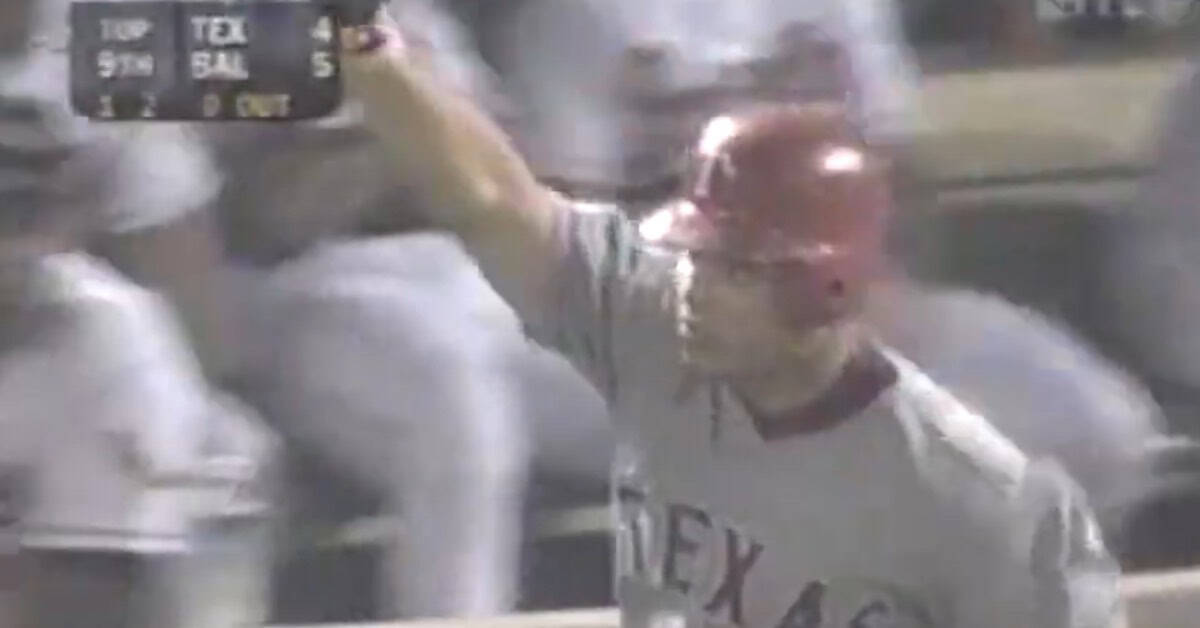
Ivan "Pudge" Rodriguez: The Gold Glove Magician
The guy won 13 Gold Gloves in a row from '92 to 2001 and had a career caught-stealing percentage of 46%, which is absolutely insane. He took home the '99 MVP award, which isn't something a catcher does often.
He's often caught up in a lot of the steroid talk, which maybe clouds how some people feel about him, but there's no denying that when Pudge was in his prime, he was unlike anybody else.
| Ivan Rodriguez — Career | Total |
|---|---|
| G | 2543 |
| AB | 9592 |
| H | 2844 |
| HR | 311 |
| RBI | 1332 |
| SB | 127 |
| AVG | .296 |
| OBP | .334 |
| SLG | .464 |
| OPS | .798 |
| MVP | 1 |
| All-Star selections | 14 |
| Gold Gloves | 13 |
| Silver Sluggers | 7 |
| World Series titles | 1 |
18. Gary Carter: The Kid's Veteran Leadership (HOF)
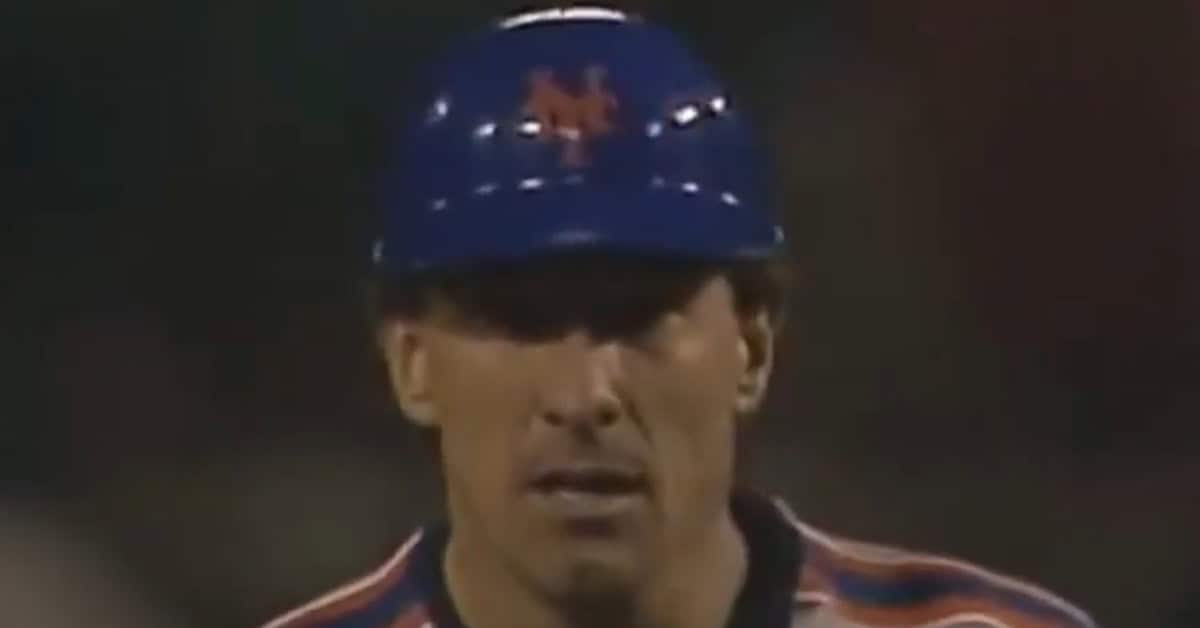
Gary Carter didn't play throughout the entire 90s. His peak really was in the 80s, but he still put together a couple of good stints in the early 90s when he was probably past his prime.
The Kid got into the Hall of Fame in 2003, and the list just didn't feel right without him, as he was turning in 15-homer, 75-RBI campaigns in his late 30s, even in the early 90s, showing he still had it.
| Gary Carter — Career | Total |
|---|---|
| G | 2296 |
| AB | 7971 |
| H | 2092 |
| HR | 324 |
| RBI | 1225 |
| SB | 39 |
| AVG | .262 |
| OBP | .335 |
| SLG | .439 |
| OPS | .774 |
| All-Star selections | 11 |
| Gold Gloves | 3 |
| Silver Sluggers | 5 |
| World Series titles | 1 |
17. Jason Varitek: Boston’s Gritty Captain
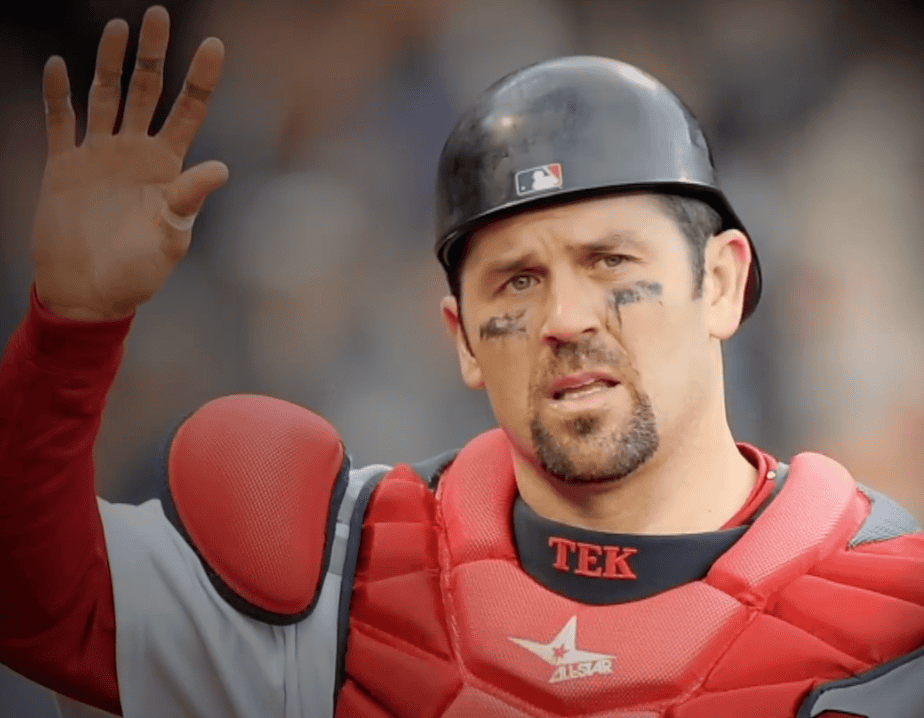
Who remembers the name Heathcliff Slocumb? Red Sox fans do, because that's how they got Jason Varitek, who became known as the captain in Boston.
He was a huge part of their early 2000s success, but he got it started in the late '90s. He was a switch-hitter who gave you a solid bat in the lineup and was known as the Thinking Man's Catcher.
| Jason Varitek — Career | Total |
|---|---|
| G | 1546 |
| AB | 5099 |
| H | 1307 |
| HR | 193 |
| RBI | 757 |
| SB | 25 |
| AVG | .256 |
| OBP | .341 |
| SLG | .435 |
| OPS | .776 |
| All-Star selections | 3 |
| Gold Gloves | 1 |
| Silver Sluggers | 1 |
| World Series titles | 2 |
16. Sandy Alomar Jr.: The Quiet All-Star
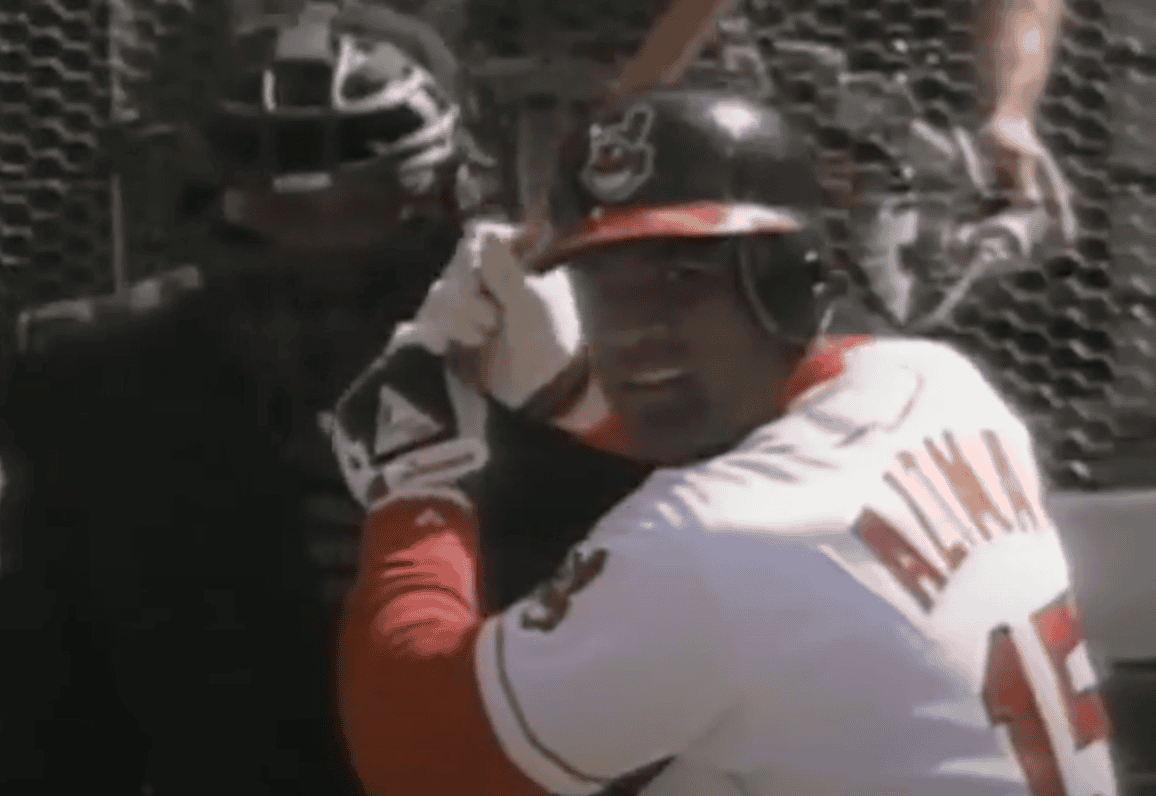
Sandy Alomar Jr., a six-time All-Star who won the 1990 Rookie of the Year Award with Cleveland, is kind of a forgotten man who sits quietly in the background on those really good Cleveland teams of the mid-90s, where we think about names like Albert Belle, Manny Ramirez, and Kenny Lofton.
But the guy was known for his quiet professionalism, certainly more than you could say about his brother Roberto, and he's a bit of a forgotten All-Star of this era.
| Sandy Alomar Jr. — Career | Total |
|---|---|
| G | 1377 |
| AB | 4530 |
| H | 1236 |
| HR | 112 |
| RBI | 588 |
| SB | 25 |
| AVG | .273 |
| OBP | .309 |
| SLG | .406 |
| OPS | .715 |
| All-Star selections | 6 |
| Gold Gloves | 1 |
| Rookie of the Year | 1 |
15. Darren Daulton: Philadelphia’s Tough-as-Nails Leader

Darren Daulton was a Phillie from the early eighties through 1997. He played through multiple knee surgeries and was known as a tough, no-nonsense catcher and teammate, and a huge cog in the wheel of the 1993 Phillies team that went to the World Series.
He put up a campaign with 24 homers and 105 RBIs, and he did that on limited mobility thanks to his previous knee injuries.
| Darren Daulton — Career | Total |
|---|---|
| G | 1161 |
| AB | 3630 |
| H | 891 |
| HR | 137 |
| RBI | 588 |
| SB | 50 |
| AVG | .245 |
| OBP | .357 |
| SLG | .427 |
| OPS | .784 |
| All-Star selections | 3 |
| Silver Sluggers | 1 |
| World Series titles | 1 |
14. Todd Hundley: The Mets’ Home Run King
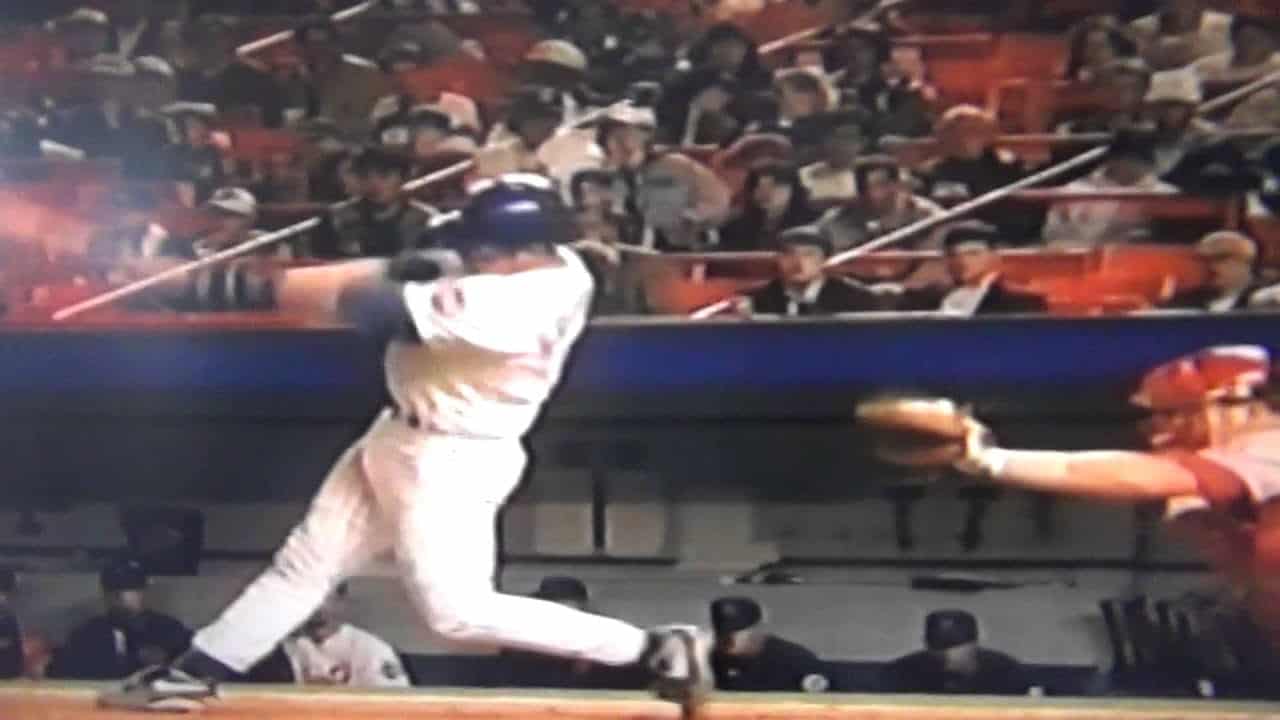
Todd Hundley might be a bit of a surprise on this list, but the guy just had a monster year in 1996, blasting 41 homers to pass Roy Campanella's mark set in 1953, taking advantage of the short porch in Shea Stadium.
He obviously had his ups and downs, and then dealt with back injuries and elbow surgery later in the '90s. It was a short-lived peak, but he had some truly memorable moments.
| Todd Hundley — Career | Total |
|---|---|
| G | 1225 |
| AB | 3769 |
| H | 883 |
| HR | 202 |
| RBI | 599 |
| SB | 14 |
| AVG | .234 |
| OBP | .320 |
| SLG | .443 |
| OPS | .763 |
| All-Star selections | 2 |
13. Dan Wilson: Seattle’s Steady Backstop
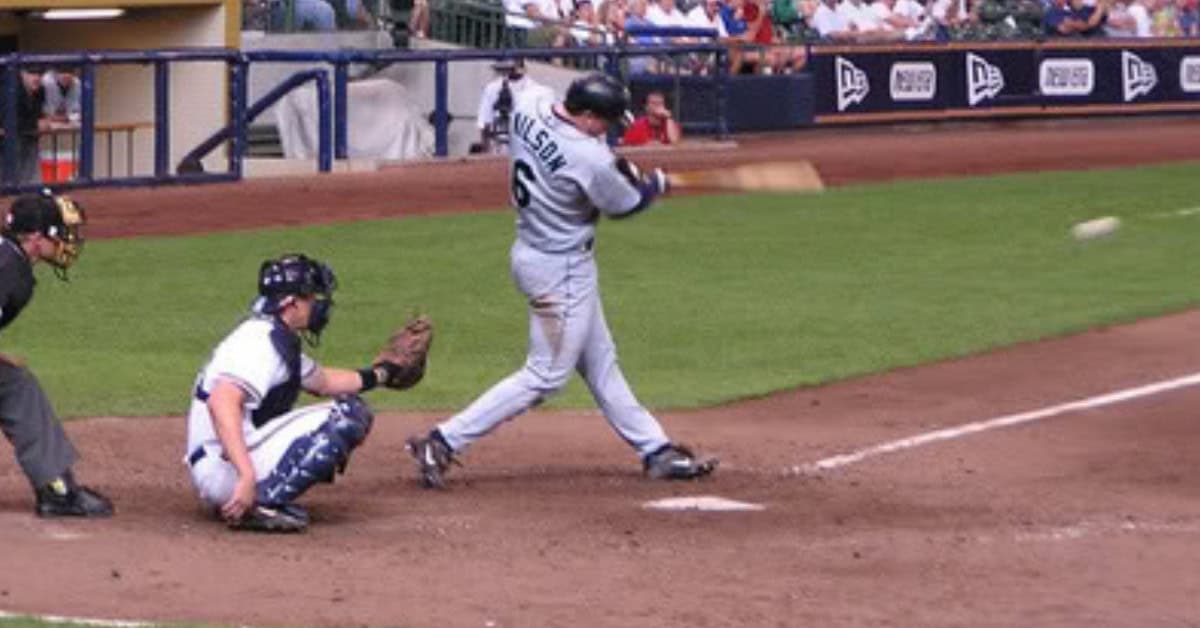
Dan Wilson is another guy from the Sandy Alomar camp who was a bit of a quiet, unsung guy on a team with people like Randy Johnson, Ken Griffey Jr., and Edgar Martinez. He caught over 1,100 games for the Mariners starting in 1994 and going through the mid-2000s.
He was the everyday catcher during the famous 1995 Mariners season, where they won the divisional series over the Yankees. Pitchers loved this guy. He went on to win a Gold Glove in 1996 and was considered one of the best catchers of the 90s.
| Dan Wilson — Career | Total |
|---|---|
| G | 1299 |
| AB | 4186 |
| H | 1097 |
| HR | 88 |
| RBI | 519 |
| SB | 23 |
| AVG | .262 |
| OBP | .309 |
| SLG | .382 |
| OPS | .691 |
| All-Star selections | 1 |
12. Terry Steinbach: Oakland’s Clutch Performer
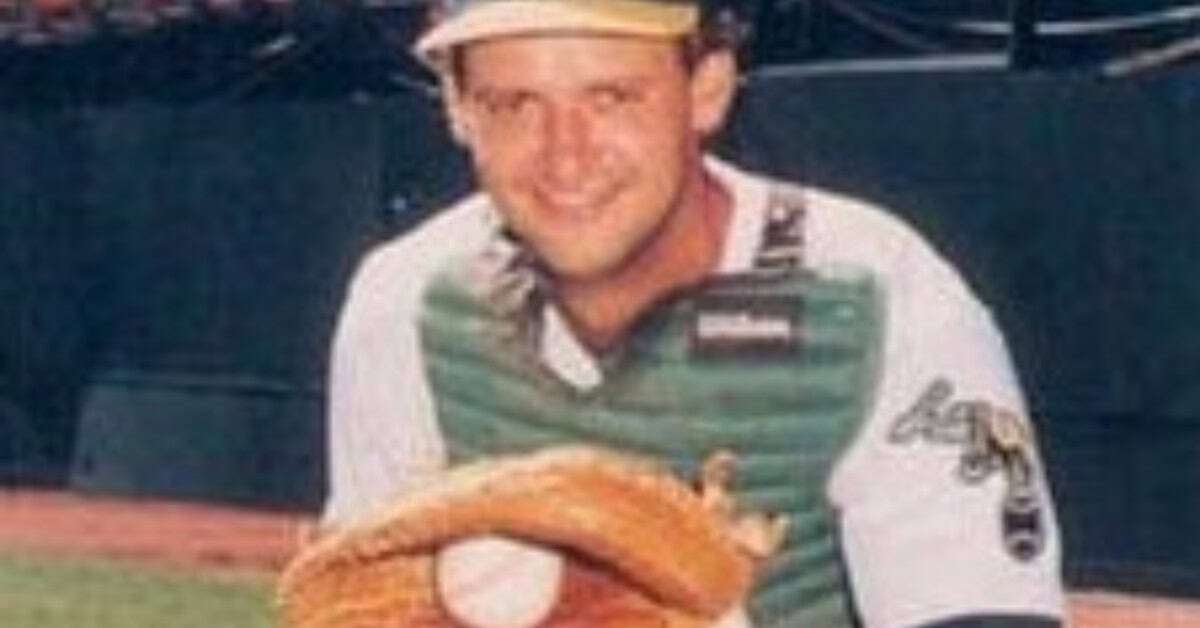
Terry Steinbach was a clutch blue-collar catcher and a real fan favorite in Oakland in the '90s. Of course, Oakland started their big run in the late '80s with the Bash Brothers, so guys like Terry Steinbach were a little bit overshadowed. But he was part of those teams in the late '80s up through '90 when they won the Pennant, though they ultimately lost to the Reds in the World Series.
He typically hit seventh or eighth in the lineup but would drive in 60 or 70 runs. Solid defender but not elite. He was more known for his offense and clubhouse presence on some really good baseball teams.
| Terry Steinbach — Career | Total |
|---|---|
| G | 1546 |
| AB | 5369 |
| H | 1453 |
| HR | 162 |
| RBI | 745 |
| SB | 23 |
| AVG | .271 |
| OBP | .326 |
| SLG | .420 |
| OPS | .746 |
| All-Star selections | 3 |
| World Series titles | 1 |
11. Joe Girardi: The Thinking Man’s Catcher
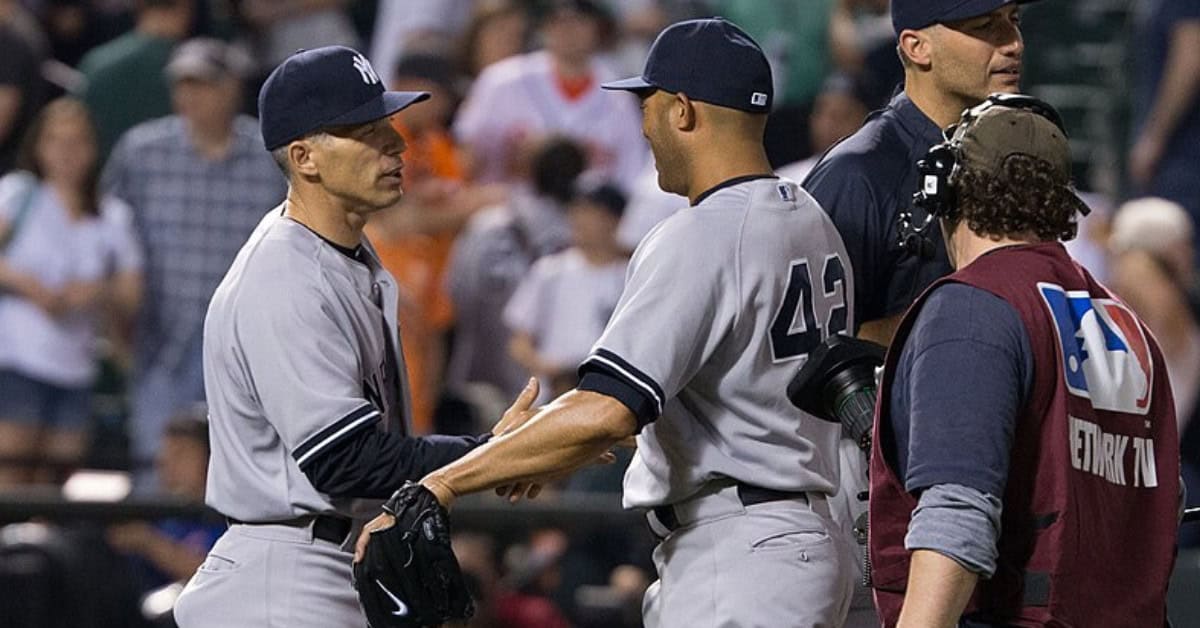
Joe Girardi had modest power with a .267 career average, but was known for his leadership and his defensive ability, particularly on the Yankees World Series teams of '96, '98, and '99.
Definitely an unsung anchor on the team. He was known as a thinking player and backed it up with an engineering degree from Northwestern. That ultimately led to him becoming a manager after his playing career.
| Joe Girardi — Career | Total |
|---|---|
| G | 1277 |
| AB | 4127 |
| H | 1100 |
| HR | 36 |
| RBI | 422 |
| SB | 44 |
| AVG | .267 |
| OBP | .315 |
| SLG | .350 |
| OPS | .665 |
| All-Star selections | 1 |
| World Series titles | 3 |
10. Jason Kendall: Pittsburgh’s Scrappy Speedster

Jason Kendall redefined what was possible in the catcher position in a lot of ways when he stole 26 bases in 1998 while batting over .300, as most catchers never steal a base in their life. He ended up with almost 200 career steals, which is a record for the position.
Kendall batted .288 overall, was a three-time All-Star for the Pirates, and was known to foul off a lot of pitches and generally be a tough out throughout his career.
| Jason Kendall — Career | Total |
|---|---|
| G | 2085 |
| AB | 7627 |
| H | 2195 |
| HR | 75 |
| RBI | 744 |
| SB | 189 |
| AVG | .288 |
| OBP | .366 |
| SLG | .378 |
| OPS | .744 |
| All-Star selections | 3 |
9. Charles Johnson: Florida’s Defensive Wizard
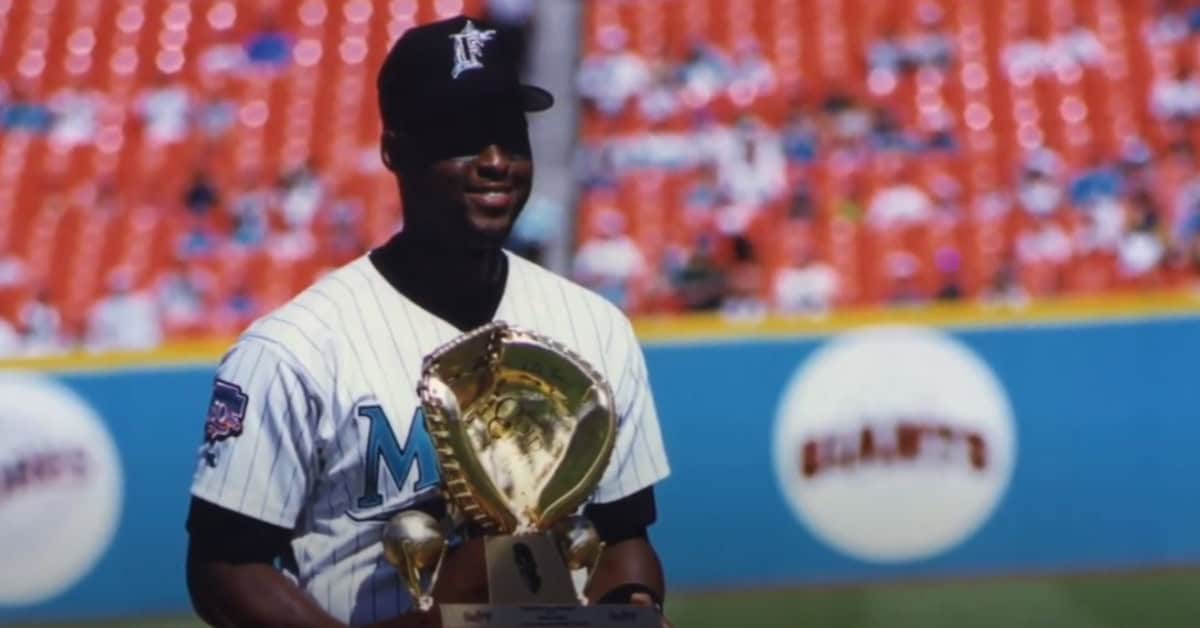
Charles Johnson played some amazing defense and provided clutch hitting for the 1997 Florida Marlins World Series team. He ended up winning four consecutive Gold Gloves from '95 to '98, and was known to be one of the better defensive catchers of that era, great at framing pitches and always toward the top in caught-stealing percentage.
He could hit a little bit too. Not high-power numbers, but in '97 he hit 19 homers and batted around .250. Solid contribution from a guy who was already playing Gold Glove-caliber defense.
| Charles Johnson — Career | Total |
|---|---|
| G | 1188 |
| AB | 3836 |
| H | 940 |
| HR | 167 |
| RBI | 570 |
| SB | 6 |
| AVG | .245 |
| OBP | .330 |
| SLG | .433 |
| OPS | .763 |
| All-Star selections | 2 |
| Gold Gloves | 4 |
| World Series titles | 1 |
8. Jorge Posada: The Yankees’ Switch-Hitting Star
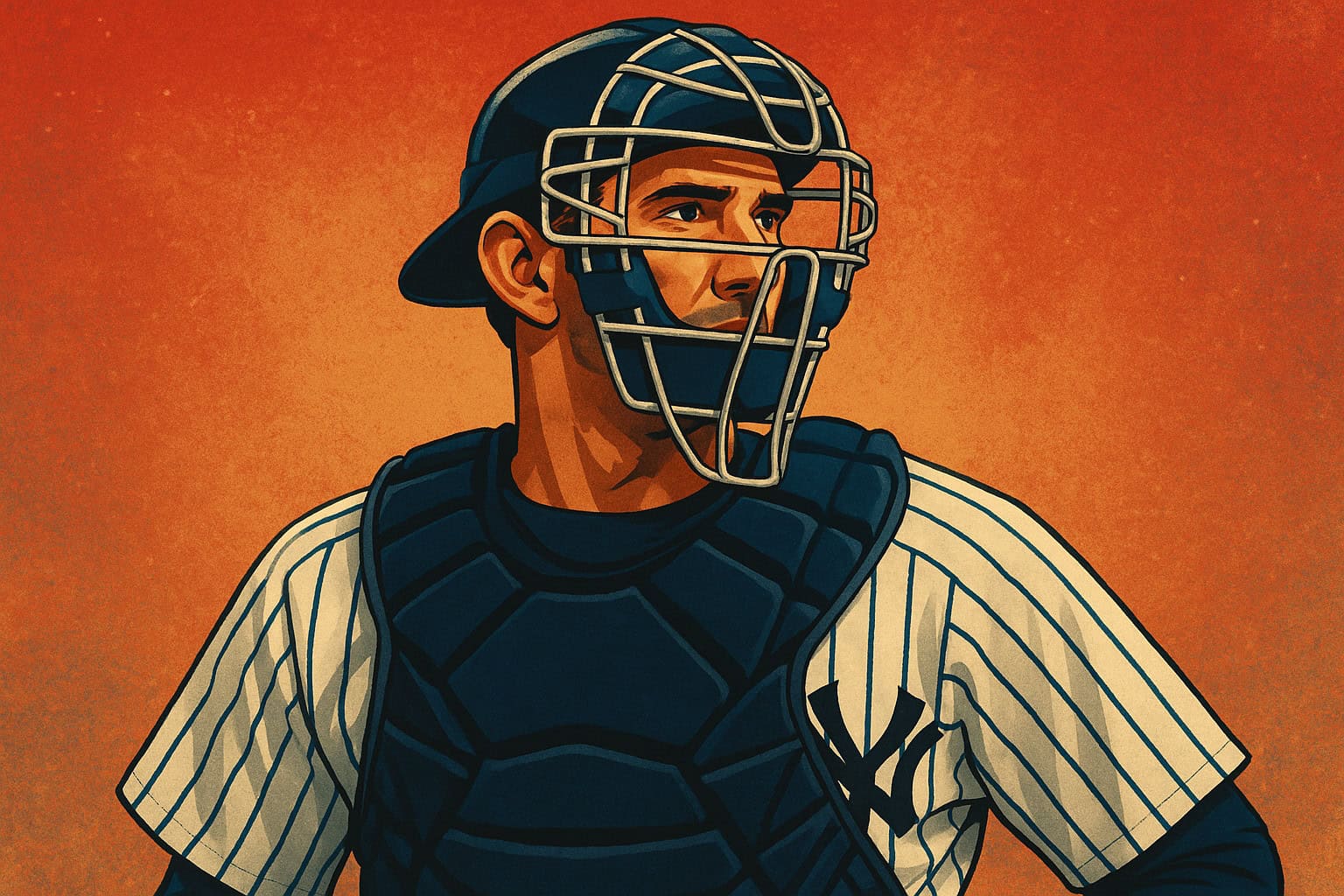
Jorge Posada was a switch-hitter on some great Yankees teams and really emerged at the end of the 90s, with his prime coming in the 2000s. He's worth mentioning here as he went on to win the Silver Slugger, had some 30-homer seasons, and won four World Series rings starting in '98 with the Yankees.
He ultimately became a core part of their dynasty over that five- to ten-year period. He was known for a fiery personality and being a leader on those great Yankee teams.
| Jorge Posada — Career | Total |
|---|---|
| G | 1829 |
| AB | 6092 |
| H | 1664 |
| HR | 275 |
| RBI | 1065 |
| SB | 20 |
| AVG | .273 |
| OBP | .374 |
| SLG | .474 |
| OPS | .848 |
| All-Star selections | 5 |
| Silver Sluggers | 5 |
| World Series titles | 4 |
7. Benito Santiago: The Rocket-Armed Rookie of the Year
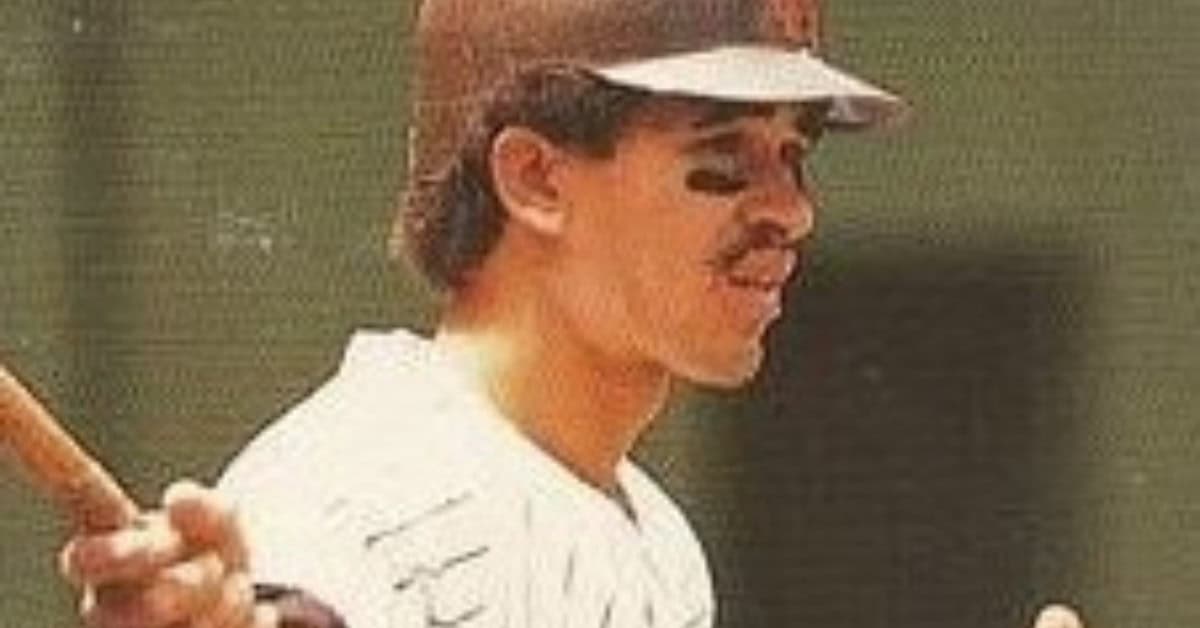
Loved watching Benito Santiago as a kid. He won the '87 Rookie of the Year Award with the Padres and set a rookie record at the time with a 34-game hitting streak. I personally love watching him throw out baserunners from his knees, and he always had these seemingly weird catching positions that he would sit in.
He just kind of had a unique vibe to him. Four-time Gold Glove winner, five-time All-Star, and he played in a time when base stealers like Rickey Henderson and Vince Coleman dominated the game, which made it a tough era for defensive catchers.
| Benito Santiago — Career | Total |
|---|---|
| G | 1978 |
| AB | 6951 |
| H | 1830 |
| HR | 217 |
| RBI | 920 |
| SB | 91 |
| AVG | .263 |
| OBP | .307 |
| SLG | .415 |
| OPS | .722 |
| All-Star selections | 5 |
| Gold Gloves | 3 |
| Silver Sluggers | 4 |
| Rookie of the Year | 1 |
6. Mickey Tettleton: The Power-Hitting Journeyman
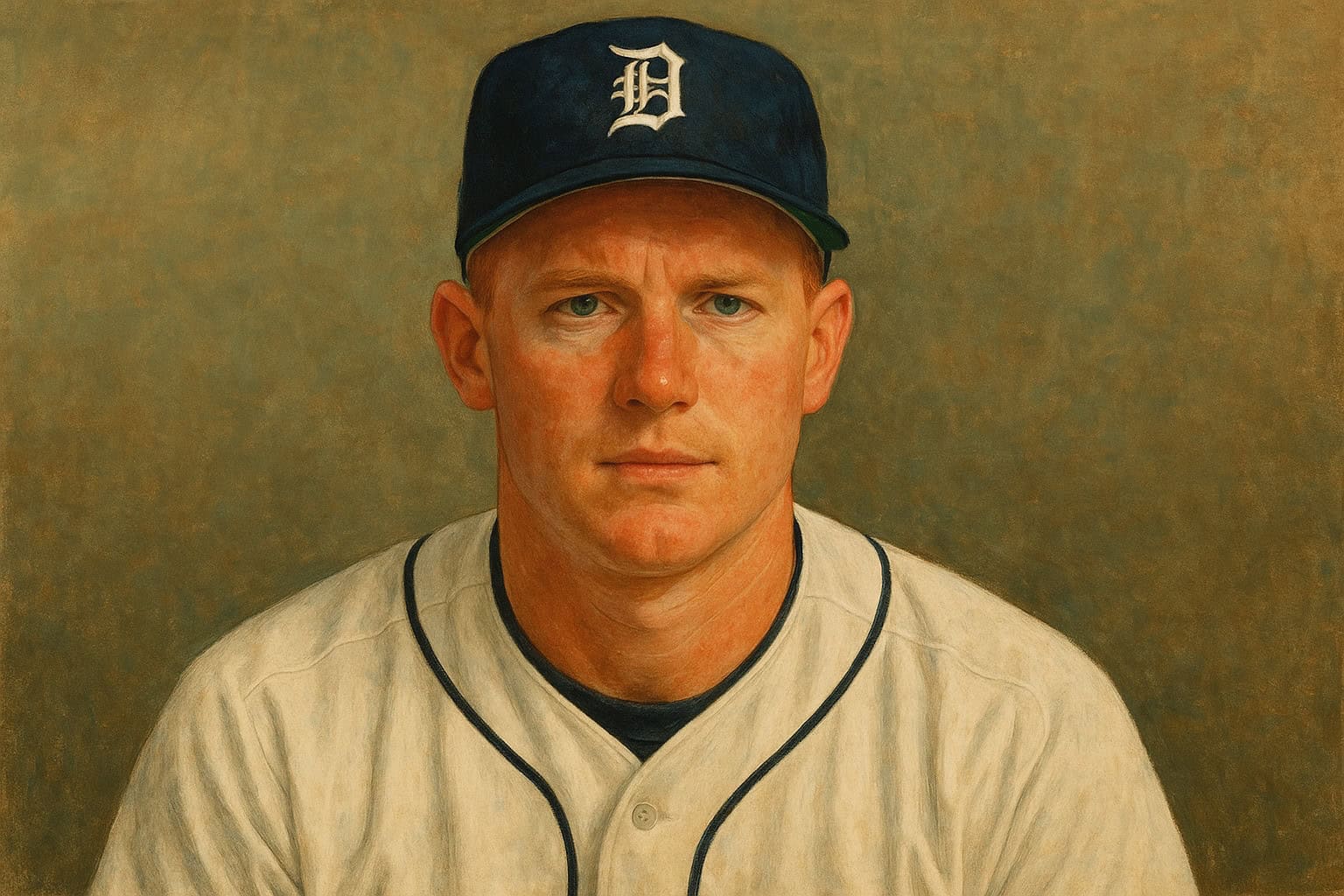
Mickey Tettleton was a switch-hitting power hitter for Detroit and Texas in the '90s. He hit 31 homers in '91, and he genuinely had some pop, which he backed up with 32 homers in '93 when he was with Detroit. He also put up a pretty solid on-base percentage, with seasons where he would get 100 walks.
He ended up being a journeyman over 14 seasons, but at a position where you didn't expect a lot of offense at the time, Tettleton brought some thump to the middle of the lineup.
| Mickey Tettleton — Career | Total |
|---|---|
| G | 1485 |
| AB | 4698 |
| H | 1132 |
| HR | 245 |
| RBI | 732 |
| SB | 23 |
| AVG | .241 |
| OBP | .369 |
| SLG | .449 |
| OPS | .818 |
| All-Star selections | 2 |
| Silver Sluggers | 3 |
5. Chris Hoiles: Baltimore’s Underrated Slugger
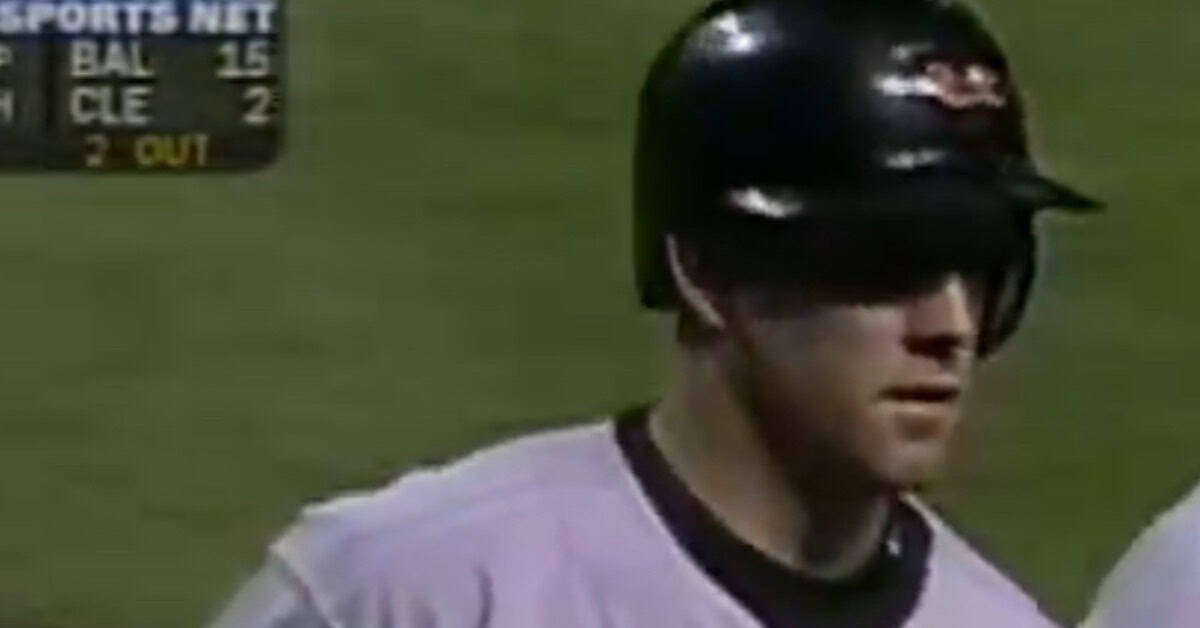
Chris Hoiles makes the list primarily because of 1993, when he had 29 homers and batted .310, one of the best seasons for any catcher, particularly of that decade. He always had elite walk rates, which gave him a really good on-base percentage that modern advanced stat guys would love.
He was definitely underrated and overshadowed by guys like Ripken and Alomar on the same team, and then just didn't have a very long career, cut short by injuries. Primarily an offensive weapon, not great defensively, but still worth an honorable mention on the list.
| Chris Hoiles — Career | Total |
|---|---|
| G | 894 |
| AB | 2820 |
| H | 739 |
| HR | 151 |
| RBI | 449 |
| SB | 5 |
| AVG | .262 |
| OBP | .366 |
| SLG | .467 |
| OPS | .833 |
4. Rick Wilkins: Chicago’s One-Season Wonder
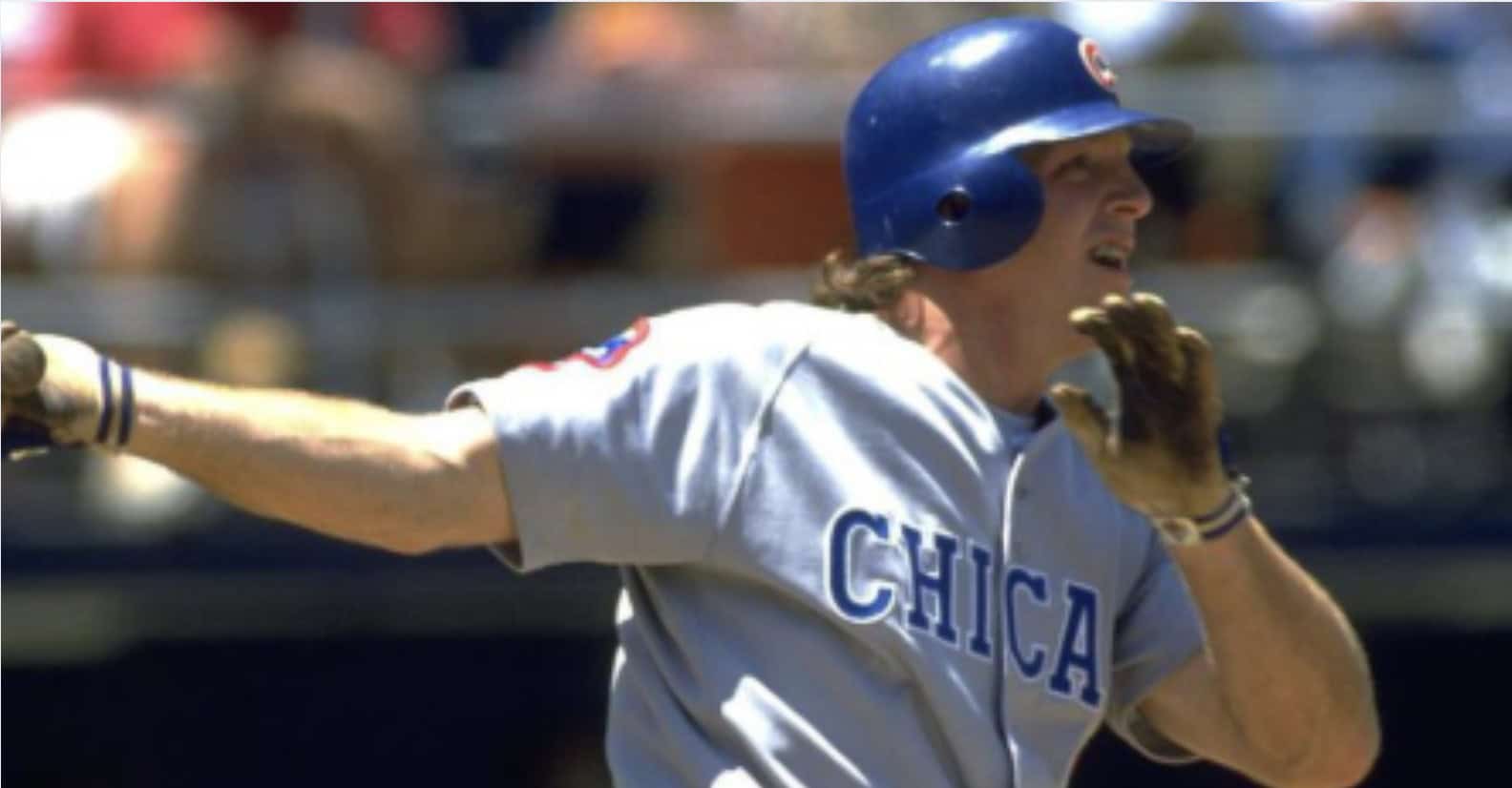
Wilkins might be a bit of a stretch here. He had a breakout season in '93 with 30 homers and 73 RBIs, making the All-Star team. But after that, it was pretty much over. Flash in the pan, he never hit more than seven homers in a season after that.
Still, he was a key reason the Cubs were in contention in '93. Definitely one of those guys who had a career year and just couldn't sustain it over a long period of time.
| Rick Wilkins — Career | Total |
|---|---|
| G | 720 |
| AB | 2114 |
| H | 515 |
| HR | 81 |
| RBI | 275 |
| SB | 9 |
| AVG | .244 |
| OBP | .332 |
| SLG | .410 |
| OPS | .742 |
3. Tom Pagnozzi: St. Louis’ Gold Glove Specialist

Tom Pagnozzi is a fun name to say, but if you're a fan of the Cardinals, you definitely remember this guy in the 90s, particularly in the early 90s. He won three Gold Gloves in '91, '92, and '94 and was simply an elite defender during that time frame.
He was known around the league for being an exceptional pitch-framing catcher and definitely hung his hat on his defense. His offense wasn't much to speak of. Career batting average mostly around the .250s, bottom-of-the-lineup kind of guy, but disciplined, fundamental, textbook Cardinal-style catching. Injuries ultimately caught up to him, so he had a short prime.
But during his early 90s run, Pagnozzi was one of the best defensive catchers in the league.
| Tom Pagnozzi — Career | Total |
|---|---|
| G | 927 |
| AB | 2896 |
| H | 733 |
| HR | 44 |
| RBI | 320 |
| SB | 18 |
| AVG | .253 |
| OBP | .299 |
| SLG | .359 |
| OPS | .658 |
| All-Star selections | 1 |
| Gold Gloves | 3 |
2. Mike Macfarlane: Kansas City’s Steady Veteran
Mike Macfarlane played on some not-so-great Royals teams. George Brett was ending his run. They were still figuring some stuff out, but he popped 20 homers in '93, which is a pretty good number for the era.
He provided durability, defense, and a workmanlike approach. Never an all-star, but definitely a trusted everyday guy. If you followed this team in the '90s, you have fond memories of him.
| Mike Macfarlane — Career | Total |
|---|---|
| G | 1164 |
| AB | 3602 |
| H | 906 |
| HR | 129 |
| RBI | 514 |
| SB | 12 |
| AVG | .252 |
| OBP | .322 |
| SLG | .430 |
| OPS | .752 |
1. Matt Nokes: The Bat-First Backstop
Matt Nokes was definitely one of those power-hitting catchers who later turned DH, and his offense certainly outweighed his defense. First on the scene in '87, he hit 32 homers as a rookie, finishing third in Rookie of the Year voting. He was never a standout defender, which ultimately led to the move away from catcher.
He hit 20 homers in 1990 but never quite got back to that '87 peak. Still, he was a guy who could go yard at any time, which was fairly unique for the position.
| Matt Nokes — Career | Total |
|---|---|
| G | 902 |
| AB | 2735 |
| H | 695 |
| HR | 136 |
| RBI | 422 |
| SB | 8 |
| AVG | .254 |
| OBP | .308 |
| SLG | .441 |
| OPS | .749 |
| All-Star selections | 1 |
| Silver Sluggers | 1 |