
Last Updated: June 17th, 2026 by Matthew Brown
Before sabermetrics and WAR calculations, All-Star selections meant something different—they were about the players who made you lean forward in your living room chair, the ones whose batting stances you mimicked in the backyard. These 20 stars earned their Midsummer Classic stripes yet somehow slipped through the cracks of baseball immortality, overshadowed by flashier names and bigger markets.
Don't lose this article. Enter your email below, and I'll send it to you right now. Plus, we'll send you other unbelievable stories from baseball's past.
Thurman Munson: The Captain Who Caught Fire Before the Tragedy
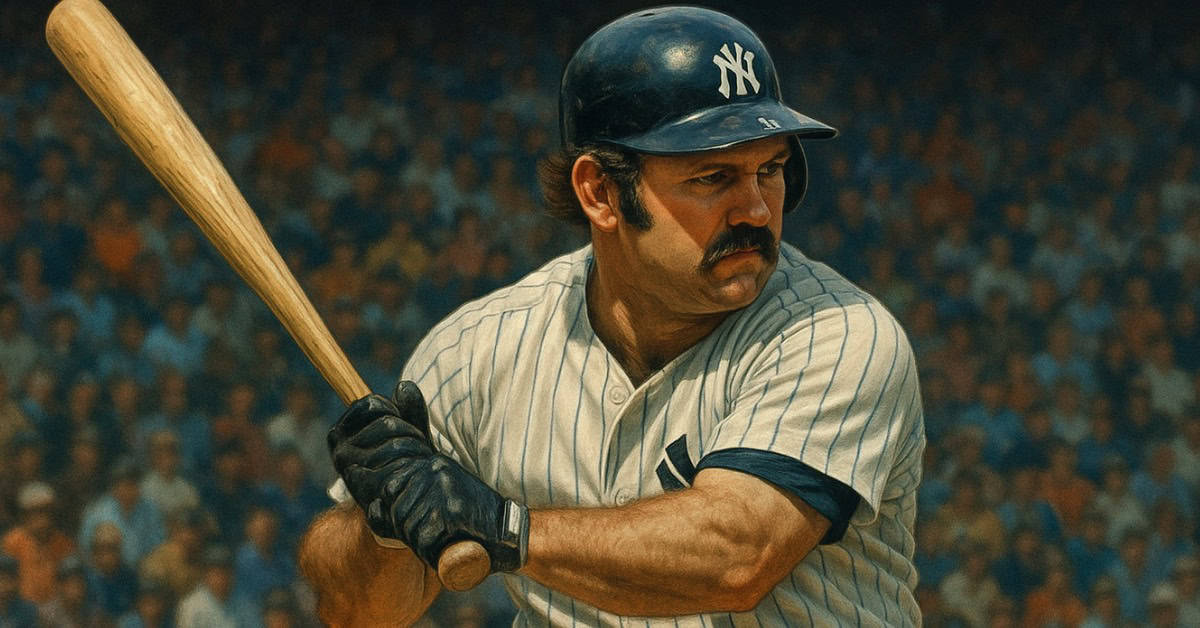
Munson’s seven All-Star appearances captured the gritty essence of 1970s baseball—a stocky catcher who looked like he’d rather be fixing cars than posing for baseball cards. His clutch hitting and fierce leadership made him the heart of those Yankees championship teams, but his career ended too soon in that tragic plane crash. The Captain’s legacy lives on in the memories of fans who remember when catchers were gladiators, not just guys who called pitches.
Ken Boyer: The Cardinal Captain’s Seven All-Star Seasons at Third
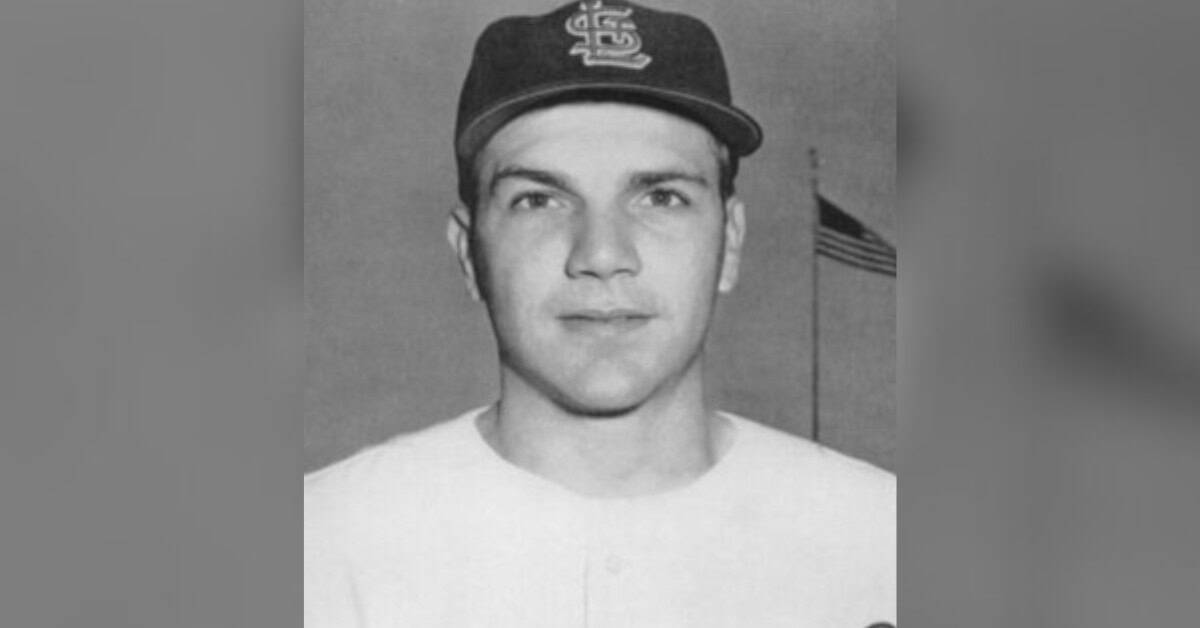
Boyer’s seven All-Star selections and 1964 NL MVP award represent the forgotten excellence of those great Cardinals teams. His smooth fielding and clutch hitting anchored St. Louis’s golden era, but he gets lost among other third base legends. Ken Boyer proved that leadership didn’t always come with the loudest voice—sometimes it came with the most reliable glove and the most timely hits.
Harvey Kuenn: The Quiet Hitter Who Made Contact Look Easy
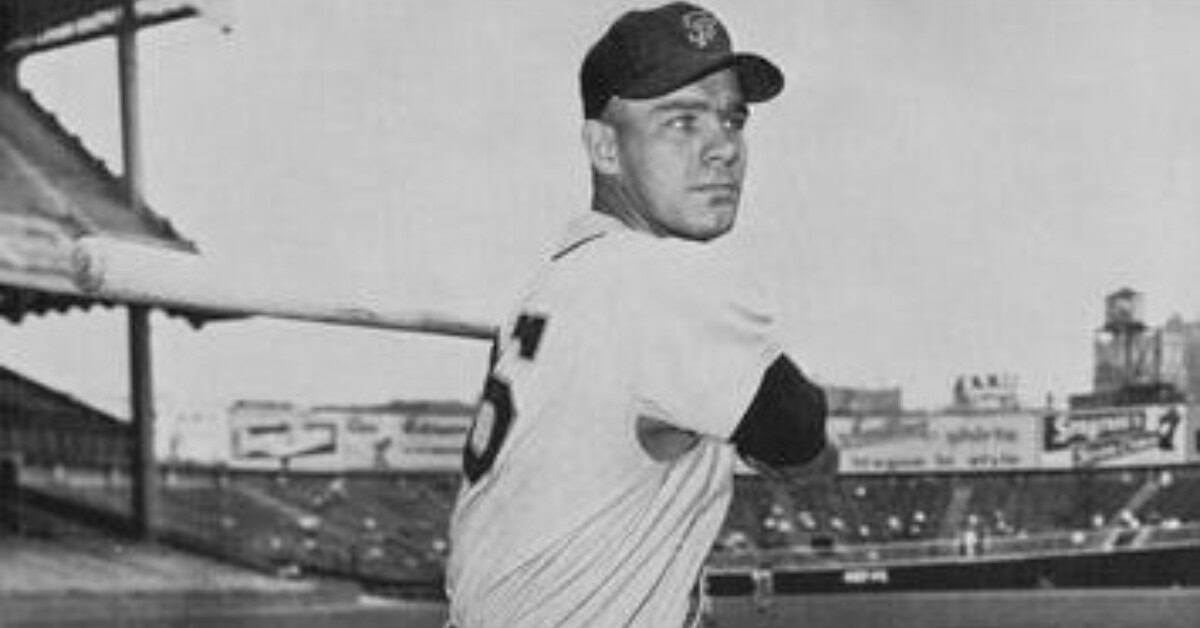
Kuenn’s eight All-Star appearances showcased the lost art of pure hitting—no showboating, no bat flips, just a man who could find gaps in any defense. His 1959 AL batting title and consistent .300 averages made him the perfect representative of baseball’s quieter era. Harvey Kuenn hit line drives the way other people breathe—naturally and without thinking about it.
Bobby Grich: The Second Baseman Who Made Gold Gloves Look Easy
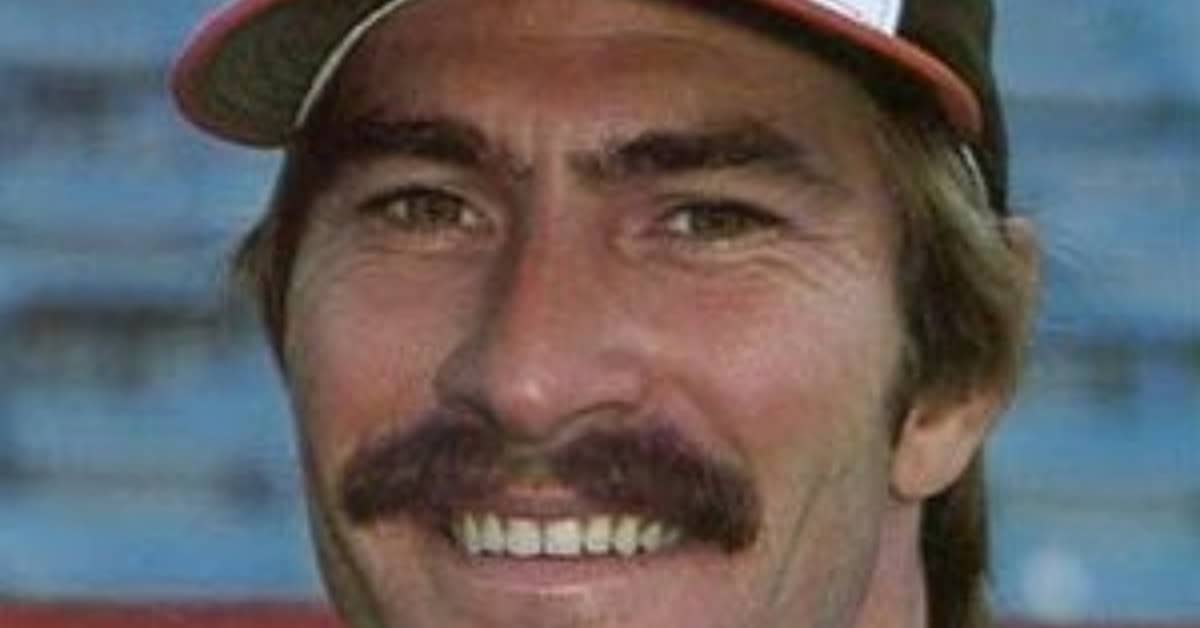
Grich’s six All-Star selections and four Gold Gloves represent the perfect blend of offense and defense that modern analytics love but 1970s fans took for granted. His smooth double-play turns and surprising power made him the ideal second baseman for an era that valued complete players. Bobby Grich was the Swiss Army knife of baseball—versatile, reliable, and always exactly what you needed.
Lance Parrish: The Big Wheel’s Eight All-Star Games Behind the Plate
Parrish’s eight All-Star appearances and three Gold Gloves made him the premier catcher of the early 1980s, but his Detroit Tigers tenure is often overshadowed by the 1984 championship team’s other stars. His rocket arm and surprising power redefined what catchers could accomplish offensively. The Big Wheel rolled through the American League like a tank, intimidating runners and launching home runs with equal effectiveness.
Fernando Valenzuela: Fernandomania’s Six All-Star Screwballs

Fernando’s six All-Star selections and 1981 Cy Young Award launched a cultural phenomenon that transcended baseball, but his sustained excellence is sometimes lost in the Fernandomania hype. His screwball and sky-high leg kick made him appointment television every fifth day, bridging communities and languages through pure pitching artistry. Valenzuela proved that baseball magic could come from anywhere, delivered with a smile and a devastating breaking ball.
Keith Hernandez: The Mustached Magician at First Base

Hernandez’s five All-Star appearances and 11 Gold Gloves revolutionized first base defense, turning routine plays into works of art with his anticipation and range. His 1979 NL MVP award and clutch hitting for the 1986 Mets made him a thinking fan’s favorite. Keith Hernandez played first base like a chess master, always three moves ahead of the opposition.
Dave Stieb: The Blue Jays’ Ace Who Dominated the AL East
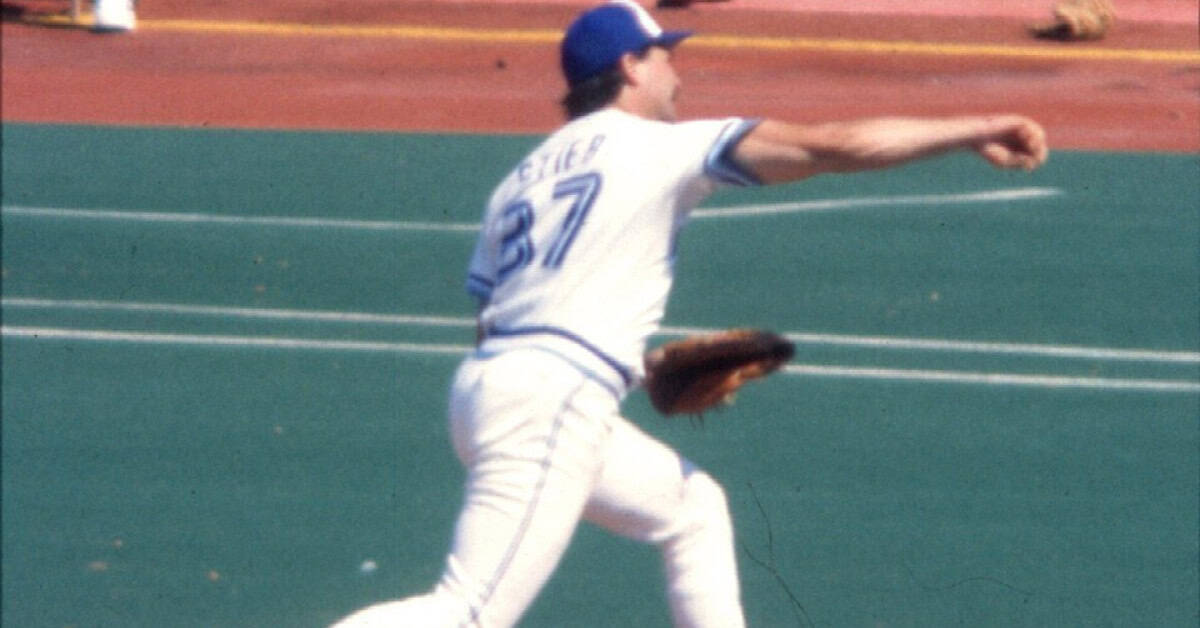
Stieb’s seven All-Star selections and five ERA titles made him the most dominant pitcher in the AL East during the 1980s, but playing in Toronto kept him out of the American spotlight. His slider and competitive fire carried the Blue Jays through their early years, establishing a winning culture north of the border. Dave Stieb was the ace who proved that excellence didn’t need a New York zip code to be legitimate.
Darrell Evans: The Quiet Third Baseman Who Hit 414 Home Runs
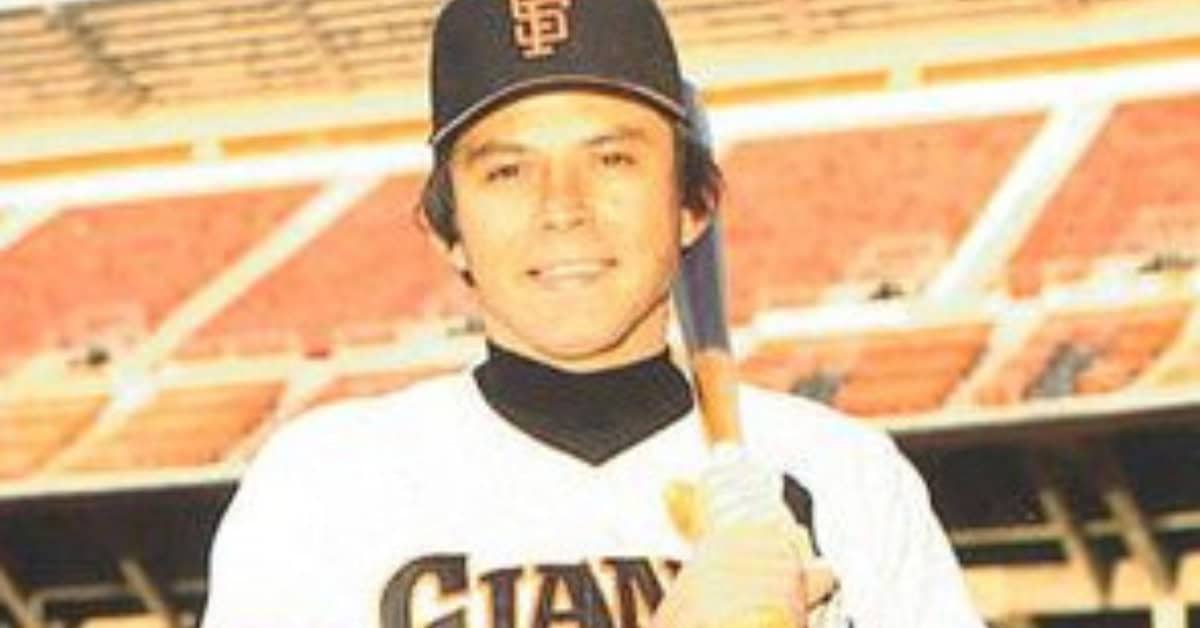
Evans’ two All-Star appearances barely hint at his remarkable career consistency—414 home runs and the distinction of being the first player to hit 40 homers in both leagues. His patient approach and late-career power surge with Detroit made him the prototype for the modern three-true-outcomes hitter. Darrell Evans accumulated excellence quietly, like compound interest in a baseball uniform.
Cecil Fielder: Big Daddy’s Moonshot Home Runs in the Tiger Den
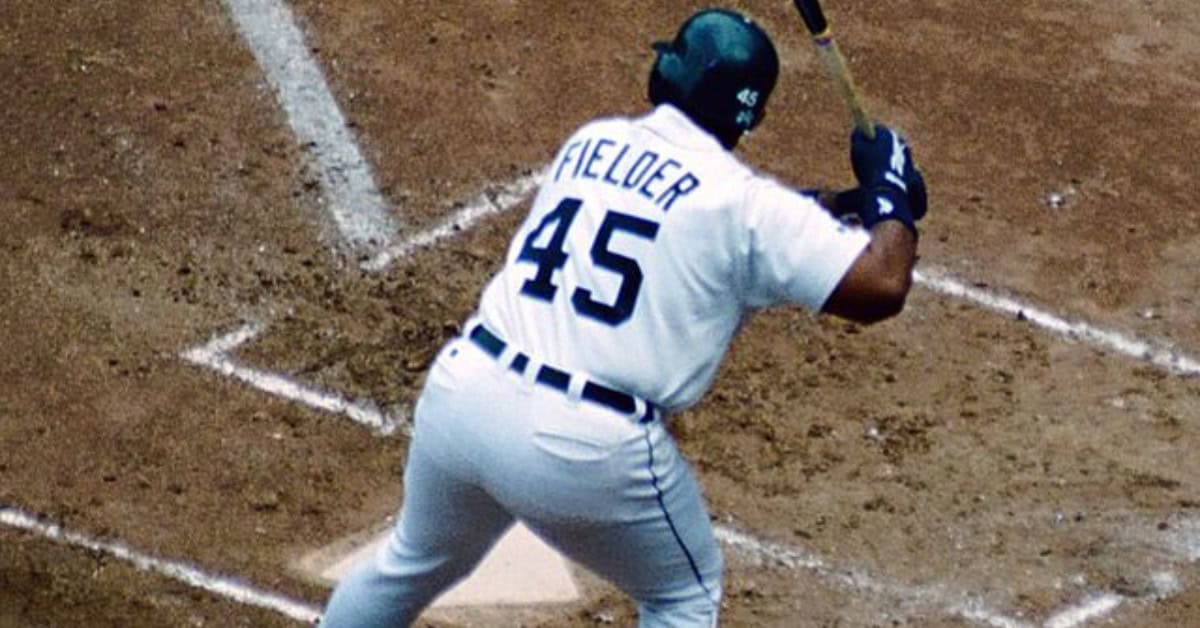
Fielder’s three All-Star selections and back-to-back 50-home run seasons brought old-school power back to baseball after his return from Japan. His massive frame and upper-deck shots at Tiger Stadium created some of the most memorable home runs of the early 1990s. Big Daddy swung for the fences when everyone else was playing small ball, proving that sometimes bigger really was better.
Don Baylor: The Groove’s Six All-Star Selections and Fearless Hitting
Baylor’s six All-Star appearances and 1979 AL MVP award showcased his unique blend of power and intimidation—he crowded the plate like he owned it. His record for hit-by-pitches and clutch hitting made him the perfect designated hitter for baseball’s expansion era. Don Baylor turned getting plunked into an art form, wearing those bruises like badges of honor.
Bobby Bonilla: Bobby Bo’s Four All-Star Seasons Before the Mets Mess
Bonilla’s six All-Star selections and consistent production get overshadowed by his infamous Mets contract and July 1st paydays, but he was truly one of the best players of the late 1980s and early 1990s. His switch-hitting power and versatility made him a valuable commodity before the back-loaded deal became a punchline. Bobby Bo was a legitimate star who became a cautionary tale about deferred money.
Steve Garvey: The Iron Man’s Ten All-Star Games at First Base
Garvey’s ten All-Star selections and consecutive games streak made him the face of 1970s baseball reliability, but his squeaky-clean image and later scandals complicated his legacy. His clutch hitting and durability anchored those great Dodgers teams through their golden era. Steve Garvey was baseball’s perfect player until real life proved perfection was just another illusion.
Ruben Sierra: The Switch-Hitting Slugger’s Four All-Star Seasons
Sierra’s four All-Star appearances and 1989 AL RBI title showcased his explosive potential, but inconsistency and attitude issues kept him from sustained greatness. His switch-hitting power and cannon arm made him a five-tool talent when he was locked in and focused. Ruben Sierra was the player who could have been anything, if only he’d wanted it badly enough.
Dave Concepcion: The Big Red Machine’s Slick-Fielding Shortstop
Concepcion’s nine All-Star selections and five Gold Gloves made him the defensive anchor of Cincinnati’s Big Red Machine, but he is often overshadowed by his more famous teammates. His smooth fielding and clutch hitting provided the steady foundation that allowed the flashier stars to shine. Dave Concepcion was the oil that kept the Big Red Machine running smoothly—essential but often invisible.
Orel Hershiser: The Bulldog’s Quiet Excellence in Dodger Blue

Hershiser’s three All-Star appearances and 1988 Cy Young Award captured lightning in a bottle, but his record 59 consecutive scoreless innings gets lost in baseball’s statistical avalanche. His bulldog mentality and pinpoint control made him the perfect big-game pitcher for October moments. Orel Hershiser proved that heart and determination could overcome superior talent, at least for one magical season.
Fred Lynn: The California Angel’s Nine All-Star Seasons

Lynn’s nine All-Star selections and 1975 AL MVP award showcased his five-tool excellence, but injuries and high expectations kept him from reaching his full potential. His graceful swing and center field defense made him the prototype for the modern complete player. Fred Lynn was baseball’s golden boy who couldn’t quite live up to his own impossible promise.
Will Clark: The Thrill’s Sweet Swing That Made Candlestick Electric
Clark’s six All-Star selections and 1989 NLCS MVP performance made him the face of Giants baseball during their late-1980s resurgence, but playing in San Francisco kept him out of the national spotlight. His picture-perfect swing and clutch hitting turned the cold, windy Candlestick Park into a launching pad for memorable moments. Will Clark was the Thrill who made baseball look like poetry in motion.
Dale Murphy: The Smiling Slugger Who Owned the 1980s
Murphy’s seven All-Star selections and back-to-back NL MVP awards made him the most beloved player of the 1980s, but his Atlanta market and late-career decline kept him out of Cooperstown. His genuine smile and clean image provided the perfect antidote to baseball’s growing cynicism, while his tape-measure home runs gave fans something to cheer about in the pre-cable era. Dale Murphy was the last innocent superstar, a reminder of when baseball heroes didn’t need asterisks or explanations.
Dwight Evans: Dewey’s Rocket Arm That Terrorized Fenway’s Right Field
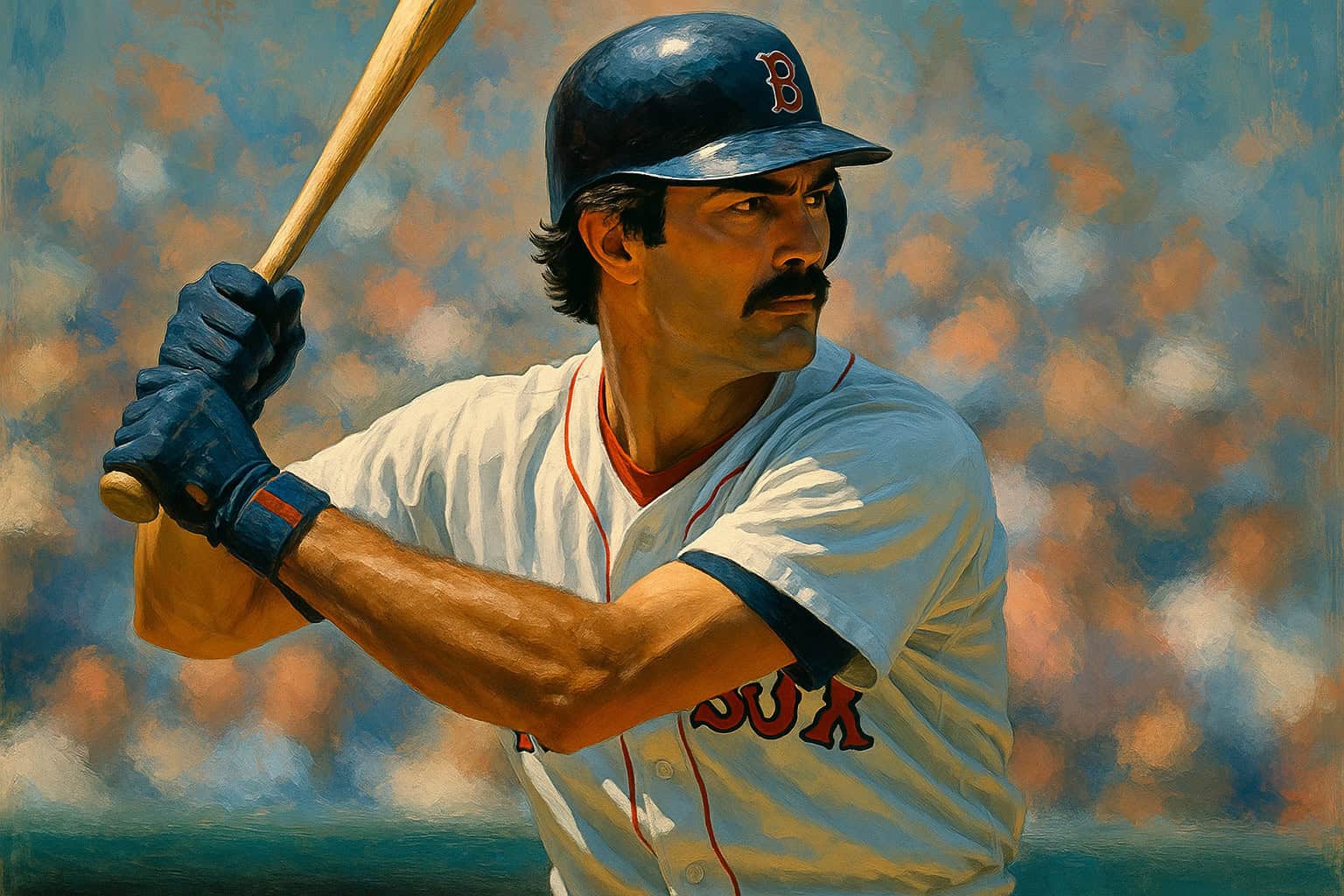
Evans’ three All-Star selections and eight Gold Gloves made him the premier right fielder of his era, but playing alongside more famous Red Sox teammates kept him in the shadows. His rocket arm and patient approach at the plate made him the perfect complementary player for Boston’s star-studded lineups. Dewey was the steady professional who made the spectacular look routine, year after year.