

Last Updated: June 17th, 2026 by Michael Schatz
Before fantasy baseball and sabermetrics, when baseball cards still came with that perfect pink rectangle of gum, Tony Oliva was rewriting the record books with a swing as smooth as Sunday morning coffee. The Cuban-born outfielder didn’t just play baseball in the 1960s and 1970s; he painted masterpieces on the diamond that still leave old-timers shaking their heads in wonder.
Don't lose this article. Enter your email below, and I'll send it to you right now. Plus, we'll send you other unbelievable stories from baseball's past.
First Rookie Ever to Win a Batting Title and Rookie of the Year

In 1964, Tony Oliva accomplished what no rookie had done before or since—leading the American League in batting average (.323) and capturing Rookie of the Year honors in the same season. This wasn’t just impressive; it was historically unprecedented, like winning both the lottery and finding a parking spot at the mall on Black Friday. Oliva’s .323 average beat out seasoned veterans who had been swinging bats since he was learning English, proving that sometimes the best things come in rookie packages.
Won Batting Titles in His First Two Full Seasons

After conquering the American League as a rookie with a .323 average, Oliva followed up in 1965 by winning his second consecutive batting title with a .321 mark. This back-to-back achievement was like lightning striking twice in the same spot—except this lightning wore a Twins uniform and could turn on a fastball faster than your dad could change the channel with the remote. Most players spend their entire careers chasing one batting title; Oliva collected two before his 27th birthday like they were baseball cards at a corner drugstore.
Led the American League in Hits Five Times
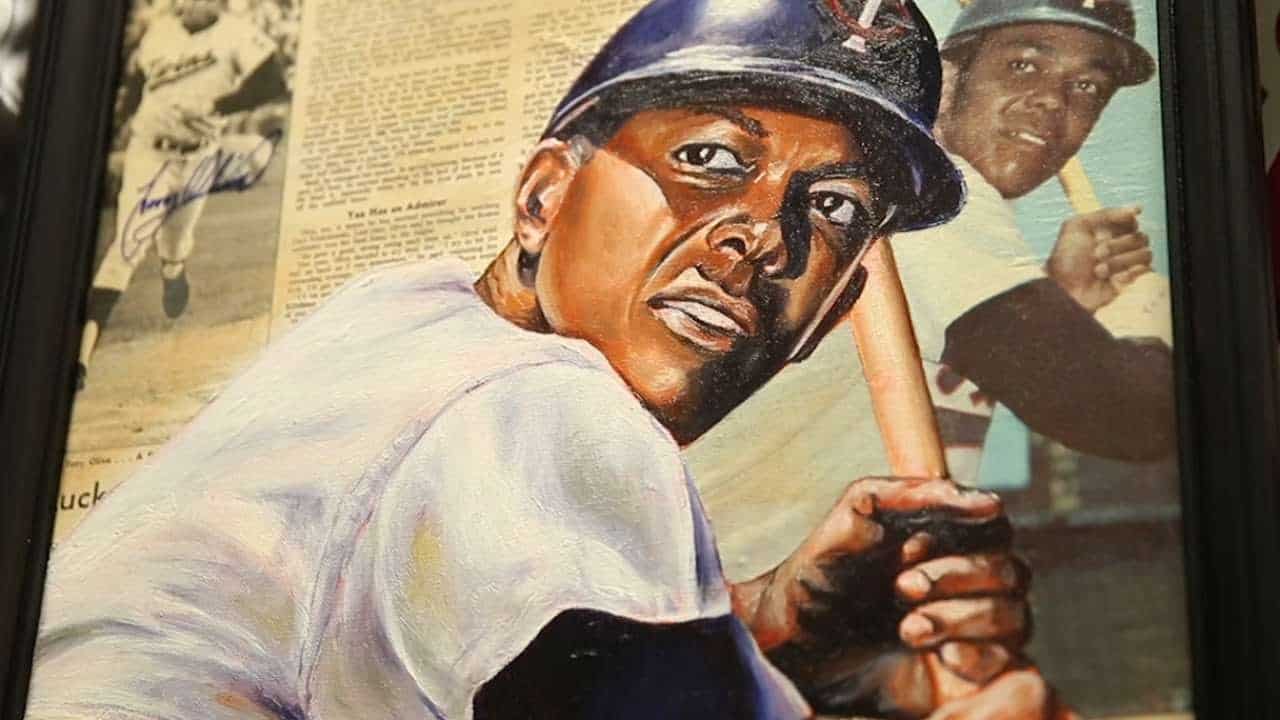
Oliva topped the American League in hits five times during his career (1964, 1965, 1966, 1969, and 1970), a feat that speaks to his remarkable consistency at the plate. In an era when pitchers threw complete games like they were delivering newspapers and didn’t worry about pitch counts, Oliva found ways to collect hits as reliably as a Swiss watch keeps time. His ability to lead the league in hits across multiple seasons wasn’t just impressive—it was like being the neighborhood’s best snow shoveler five different winters, except instead of snow, he was moving runners around the bases.
Four-Time American League Doubles Champion
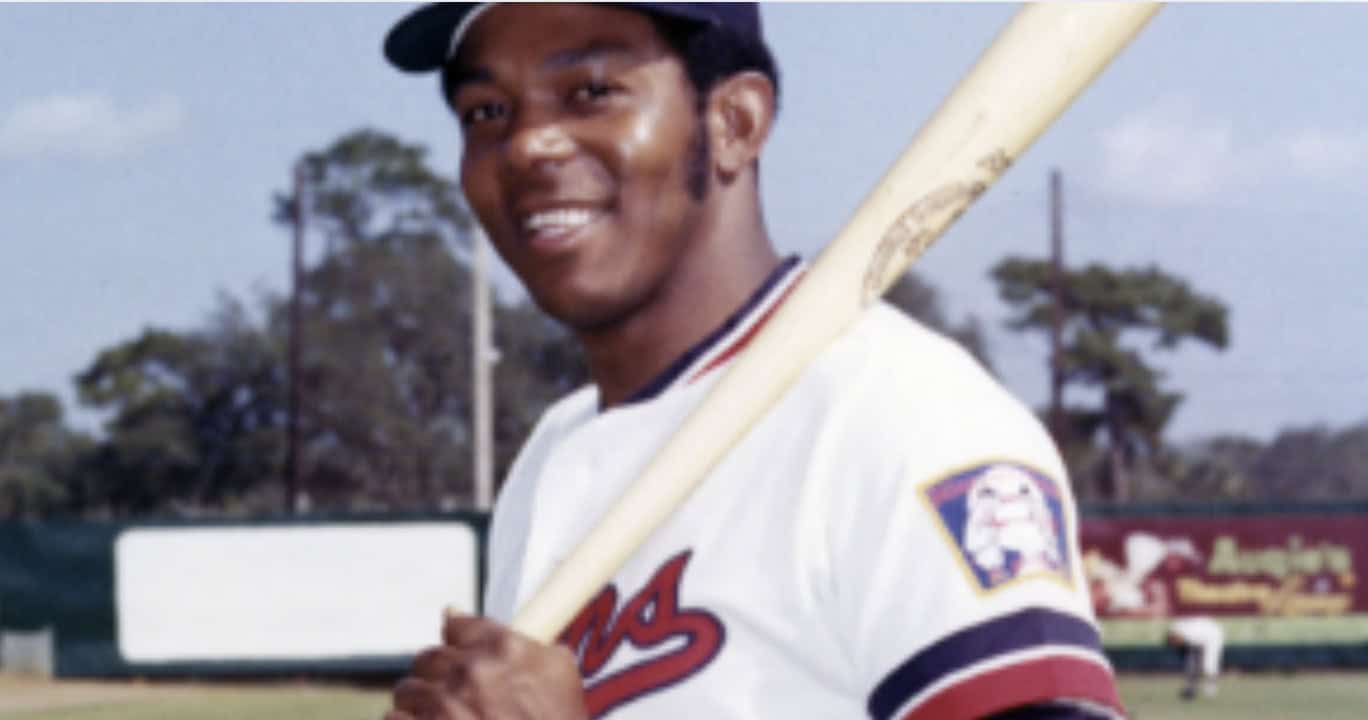
Oliva led the American League in doubles four times (1964, 1967, 1970, and 1971), including a remarkable 43 two-baggers as a rookie. His doubles prowess was like having a secret weapon in your back pocket—not as flashy as home runs, but devastatingly effective at moving runners into scoring position. In 1964, those 43 doubles helped establish him as a gap-to-gap hitter who could find the sweet spots in ballparks the way your grandmother could find the perfect tomato at the grocery store.
Eight Consecutive All-Star Selections (1964-1971)
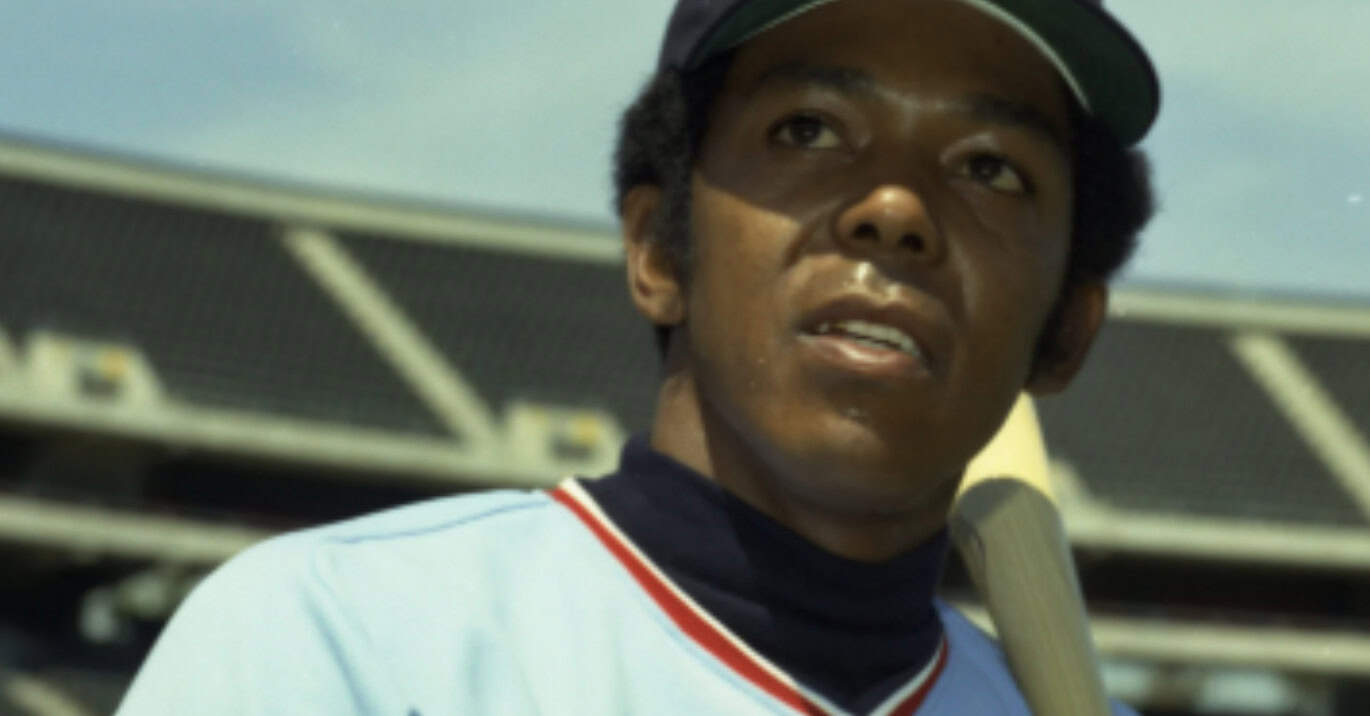
From 1964 through 1971, Oliva was selected for eight consecutive All-Star Games, a streak that began with his rookie season and continued through his peak years. This wasn’t just recognition—it was validation that he belonged among the game’s elite year after year, like being invited to the same family reunion eight years in a row because everyone wanted you there. During this stretch, Oliva was as reliable as your favorite TV show’s time slot, consistently performing at an All-Star level when the league’s best players gathered each July.
Career .304 Batting Average Over 15 Seasons
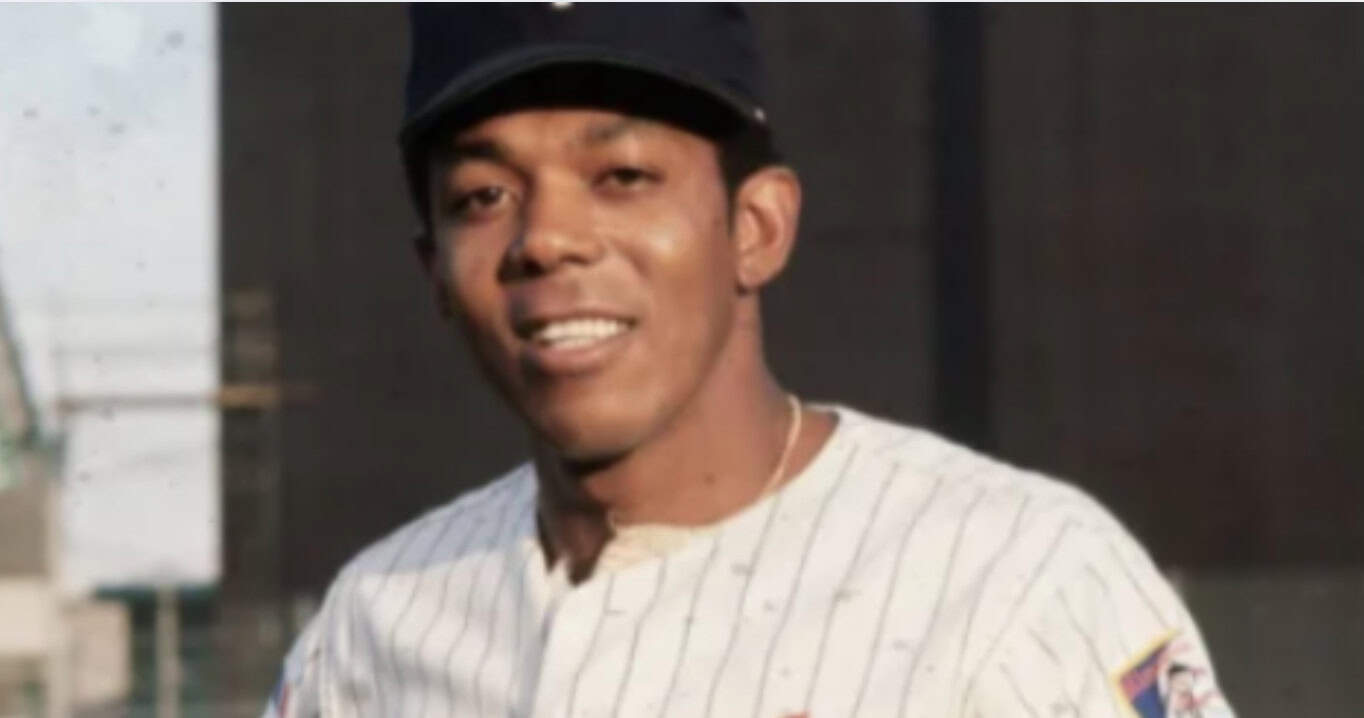
Oliva’s career .304 batting average over 15 seasons represents the kind of sustained excellence that defined baseball’s golden era. This wasn’t a flash-in-the-pan performance or a small sample size—it was a decade and a half of consistent hitting that weathered rule changes, different ballparks, and evolving pitching strategies. A .304 average across 15 seasons is like maintaining a perfect lawn for fifteen consecutive summers; it requires skill, dedication, and the kind of attention to detail that separates the good from the great.
217 Hits as a Rookie – Still a Twins Record

Oliva’s 217 hits in his 1964 rookie season remains a Minnesota Twins franchise record that has stood for nearly six decades. This achievement is particularly remarkable considering it came in his first full season, like a rookie driver somehow navigating the Indianapolis 500 faster than seasoned veterans. Those 217 hits weren’t just singles—they included 43 doubles and 32 home runs, showing that Oliva wasn’t just making contact, but making meaningful contact that helped his team win games and establish him as a cornerstone player.
Led AL in Total Bases Three Times
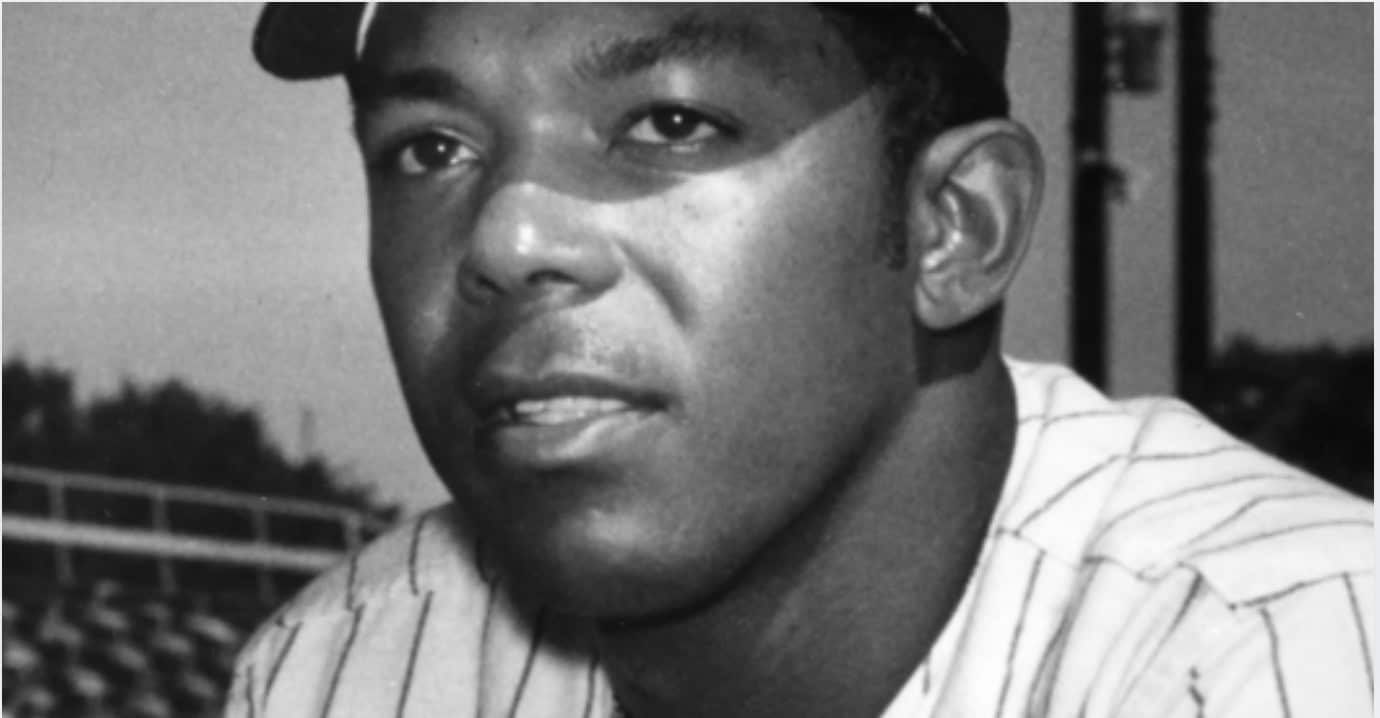
Oliva led the American League in total bases three times (1964, 1969, and 1970), including an impressive 374 total bases as a rookie that tied the rookie record. Total bases measure a player’s complete offensive contribution, combining singles, doubles, triples, and home runs into one comprehensive statistic. Leading the league in total bases is like being the neighborhood’s most productive gardener—you’re not just growing vegetables; you’re producing the most abundant harvest in the neighborhood, while others are still figuring out how to plant seeds.
Three Batting Titles in Eight Peak Seasons

During his peak years from 1964-1971, Oliva captured three American League batting titles (1964, 1965, and 1971), demonstrating his dominance over nearly a decade of baseball. This wasn’t just occasional excellence—it was sustained supremacy at the plate, like being the town’s best baker who wins the county fair three times in eight years while consistently placing in the top tier every other year. His third batting title in 1971 (.337) came seven years after his first, proving that his hitting prowess wasn’t just youthful exuberance, but mature mastery of his craft.
1,917 Career Hits Despite Knee Injuries
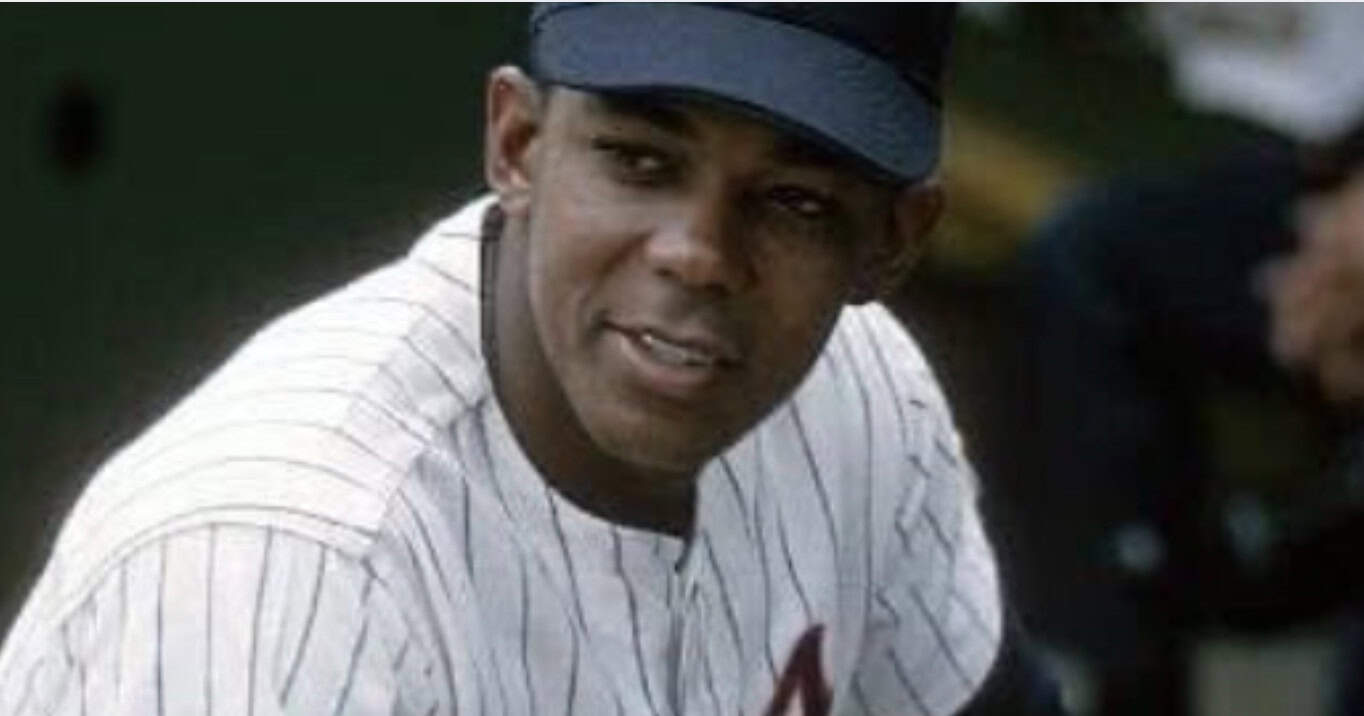
Oliva finished his career with 1,917 hits despite suffering significant knee injuries that limited his mobility in his later years. This total becomes even more impressive when you consider that knee problems forced him to become primarily a designated hitter, robbing him of the defensive positioning that might have extended his career. His ability to accumulate nearly 2,000 hits while battling physical limitations was like completing a marathon while running the last ten miles with a limp—it showed not just talent, but the kind of determination that defined his generation of ballplayers, who played through pain that would sideline modern athletes.