

Last Updated: June 17th, 2026 by Michael Schatz
Before the analytics revolution changed everything, a special breed of pitcher quietly dominated the 2000s while the spotlight shone on household names like Pedro Martinez and Randy Johnson. These were the workhorses, the strike-throwers, and the innings-eaters who kept their teams competitive year after year without the fanfare they deserved.
Don't lose this article. Enter your email below, and I'll send it to you right now. Plus, we'll send you other unbelievable stories from baseball's past.
Brad Radke: The Strike-Throwing Machine Who Never Walked Anyone
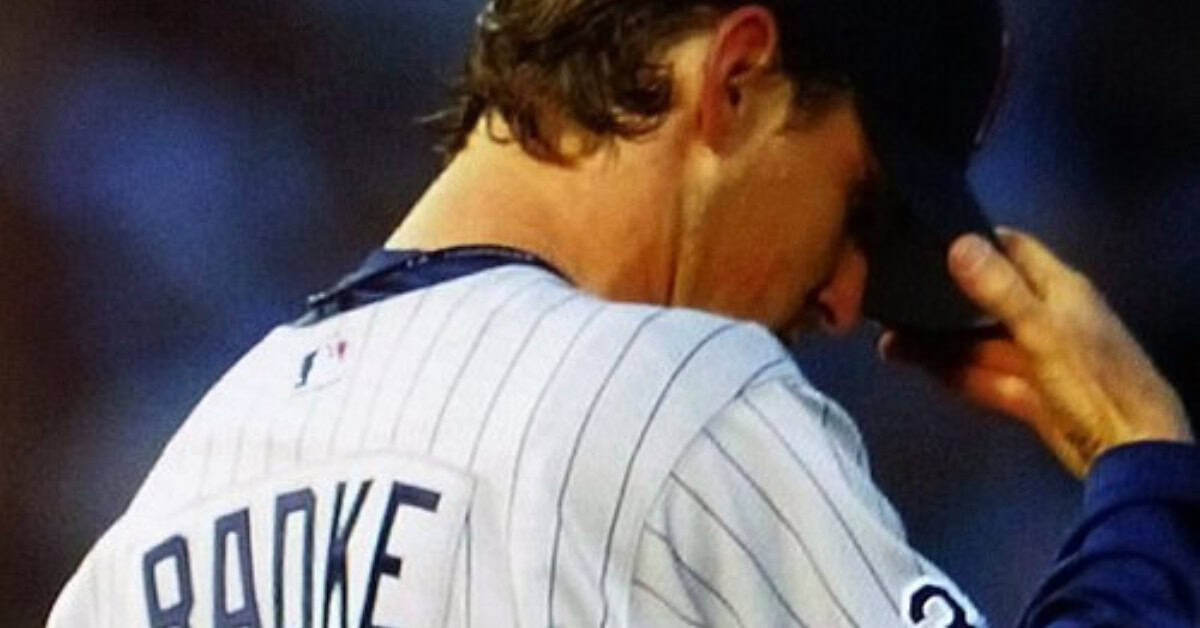
Brad Radke possessed the rarest skill in baseball: the ability to throw strikes without grooving fastballs down the middle. His 1.6 walks per nine innings is the lowest rate since 1960 among pitchers with 2,000-plus innings, yet he managed to win 148 games for mostly mediocre Twins teams. While flashier pitchers grabbed headlines, Radke was the steady heartbeat of Minnesota’s surprising playoff runs in 2002 and 2003, finishing third in Cy Young voting in 1997 with a 20-10 record that felt as dependable as a Midwestern sunrise.
Roy Oswalt: The Small-Town Ace Who Quietly Dominated Houston
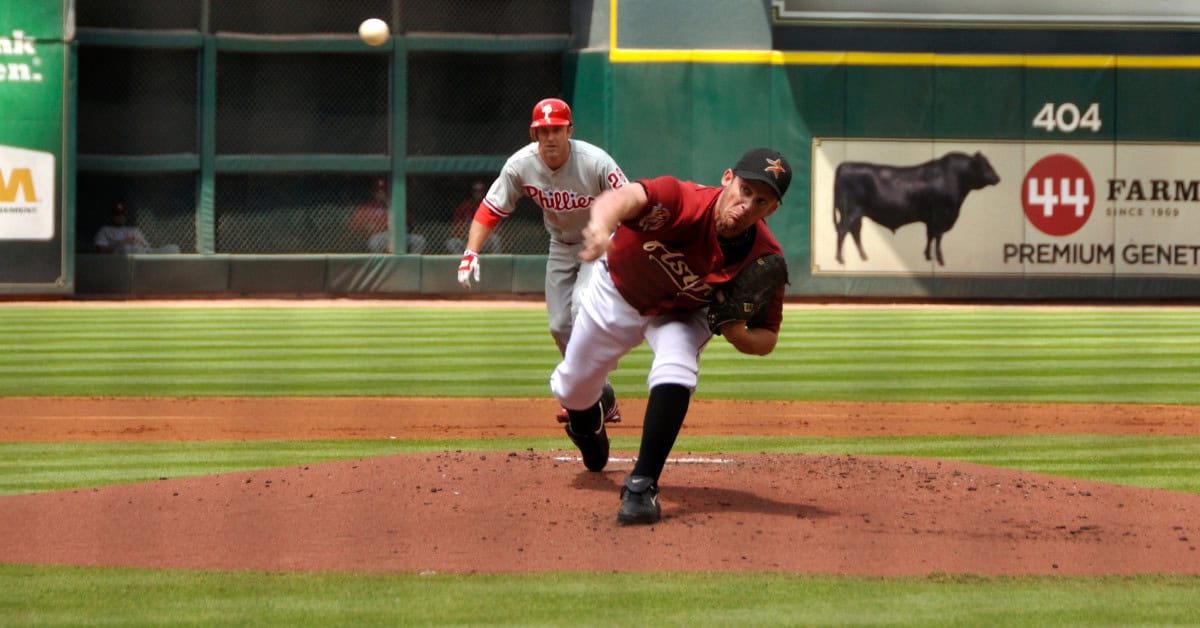
Roy Oswalt emerged from tiny Weir, Mississippi (population 553) to become one of the most underrated aces of the 2000s, finishing in the top five of Cy Young voting three times without ever winning one. His 143 wins and 1,852 strikeouts anchored Houston’s golden era, including their magical 2005 World Series run, where his Game 6 victory kept the Astros alive. Oswalt’s 170 ERA+ in 2004 was quietly dominant, but playing in Houston’s shadows meant his brilliance was often overlooked by national media focused on bigger markets.
Mark Buehrle: The Southpaw Who Made Perfect Games Look Easy

Mark Buehrle worked faster than a McDonald’s drive-through and threw strikes like he was playing catch in his backyard, completing games in under two hours when everyone else was pushing three. His 2007 no-hitter against Texas and 2009 perfect game against Tampa Bay made him only the sixth pitcher in history to throw both, yet he somehow remained baseball’s best-kept secret. Buehrle’s 214 career wins and five All-Star selections came with the efficiency of a Swiss watch, proving that sometimes the most devastating weapon is simply throwing the ball over the plate.
Javier Vazquez: The Strikeout Artist Everyone Forgot About
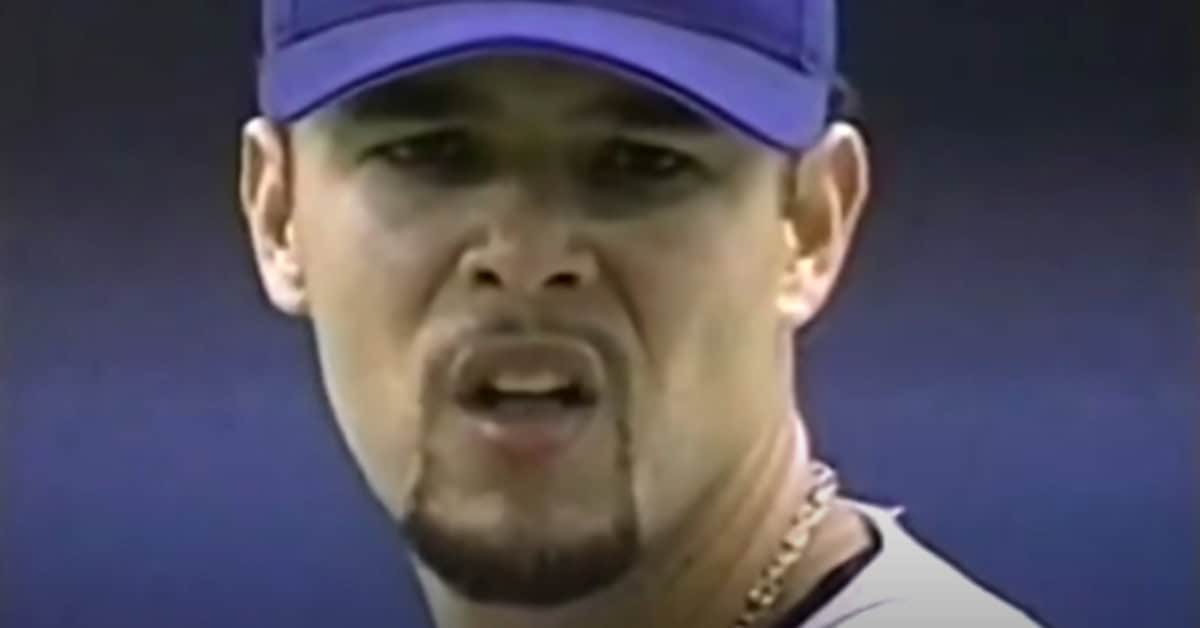
Javier Vazquez accumulated 2,536 career strikeouts while bouncing between Montreal, New York, Chicago, and Atlanta, somehow becoming invisible despite consistent excellence. His slider was nastier than a New York subway platform in August, generating whiffs at a rate that would make modern relievers jealous. During his best years, Vazquez topped 200 strikeouts multiple times, including a monster 2009 campaign with Atlanta where he struck out 238 batters. Yet his nomadic career path meant he never became the face of any franchise long enough to earn proper recognition.
Tim Hudson: The Sinker-Baller Who Won Everywhere He Went
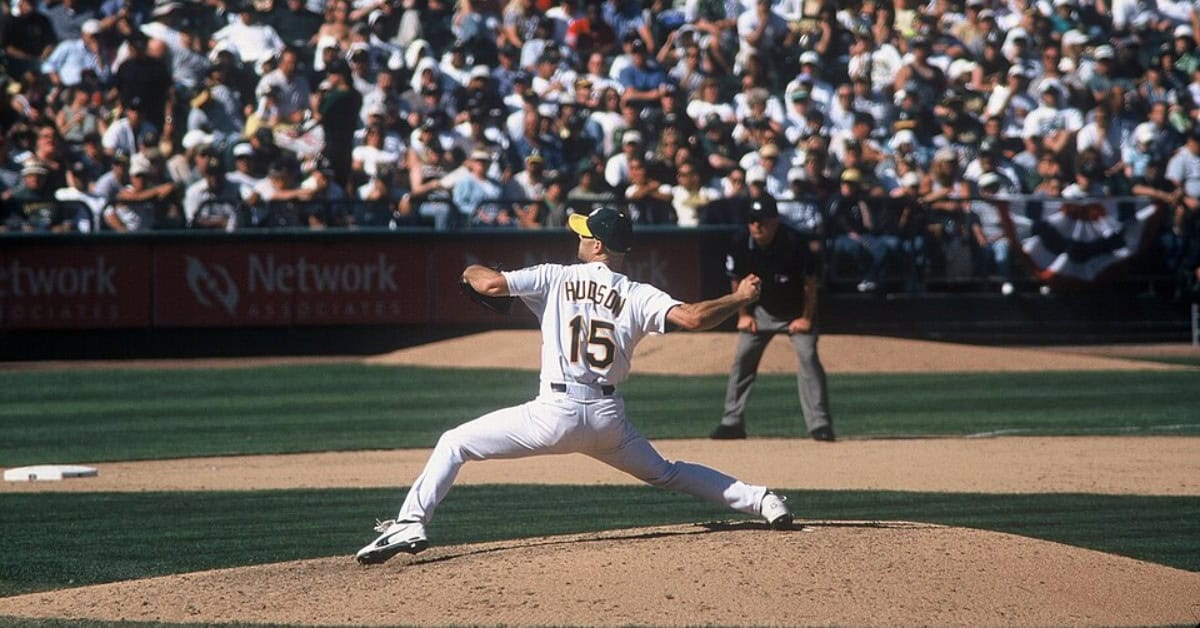
Tim Hudson’s sinker dropped like a stone through water, generating ground balls at a rate that made shortstops rich and earned him 222 career victories across three different franchises. Part of Oakland’s legendary “Big Three” alongside Barry Zito and Mark Mulder, Hudson was the steady professional who continued to win long after his flashier teammates faded. His 3.49 career ERA and four All-Star selections came with the reliability of a Honda Civic, proving that sometimes the most valuable players are the ones who show up every fifth day and give you seven solid innings without drama.
Aaron Cook: The Ground-Ball Magician in the Thin Air of Colorado
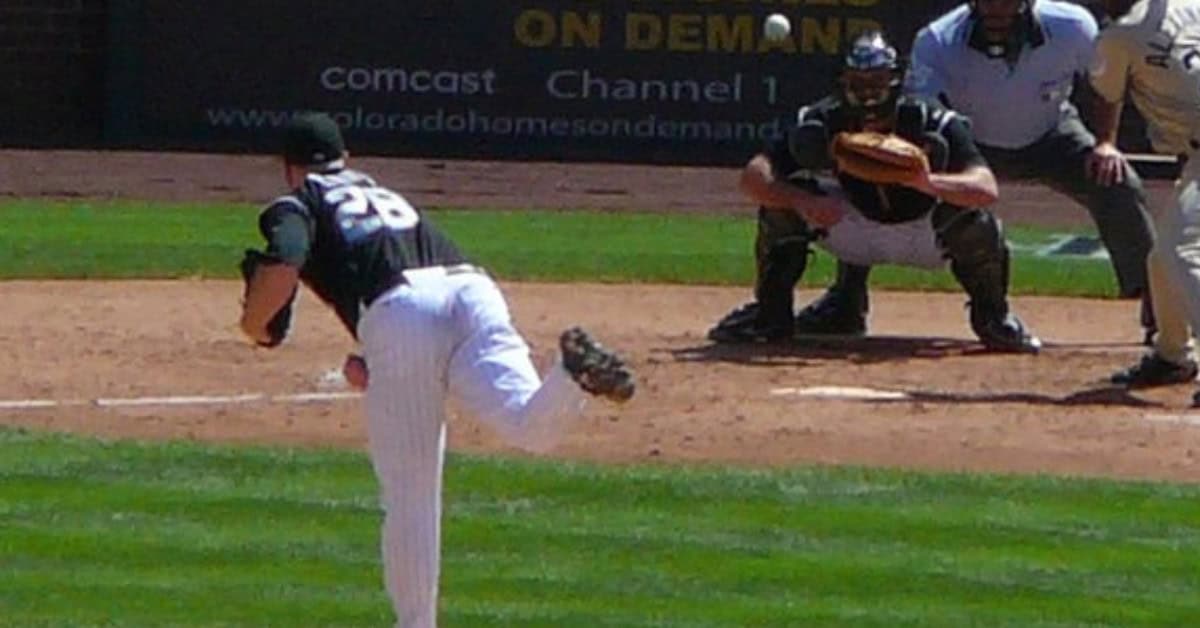
Aaron Cook accomplished the impossible: he made Coors Field look like a pitcher’s paradise by keeping the ball on the ground when everyone else was watching home runs sail into the Rocky Mountain sky. His sinker was so heavy it could have been used as a paperweight, generating ground ball rates that defied the laws of physics at altitude. Cook’s 2008 season (16-9, 3.96 ERA at Coors) was a masterpiece of location and movement, proving that sometimes the best way to succeed in an impossible environment is to simply refuse to let the ball leave the infield.
Bronson Arroyo: The Cornrow-Wearing Workhorse Who Ate Innings

Bronson Arroyo looked like he belonged in a reggae band rather than a major league rotation, but his cornrows and 70-mph curveball somehow combined for 148 career wins and over 2,400 innings pitched. His deliberate windup sometimes took longer than a mortgage application, yet he consistently threw 200-plus innings per season when pitch counts were becoming gospel. Arroyo’s 2006 season with Cincinnati (14-11, 3.29 ERA, 240.2 innings) exemplified his value as a durable starter who could eat innings and keep his team competitive, even if his unconventional style made scouts nervous.
Carlos Zambrano: The Fiery Venezuelan Who Could Hit and Pitch
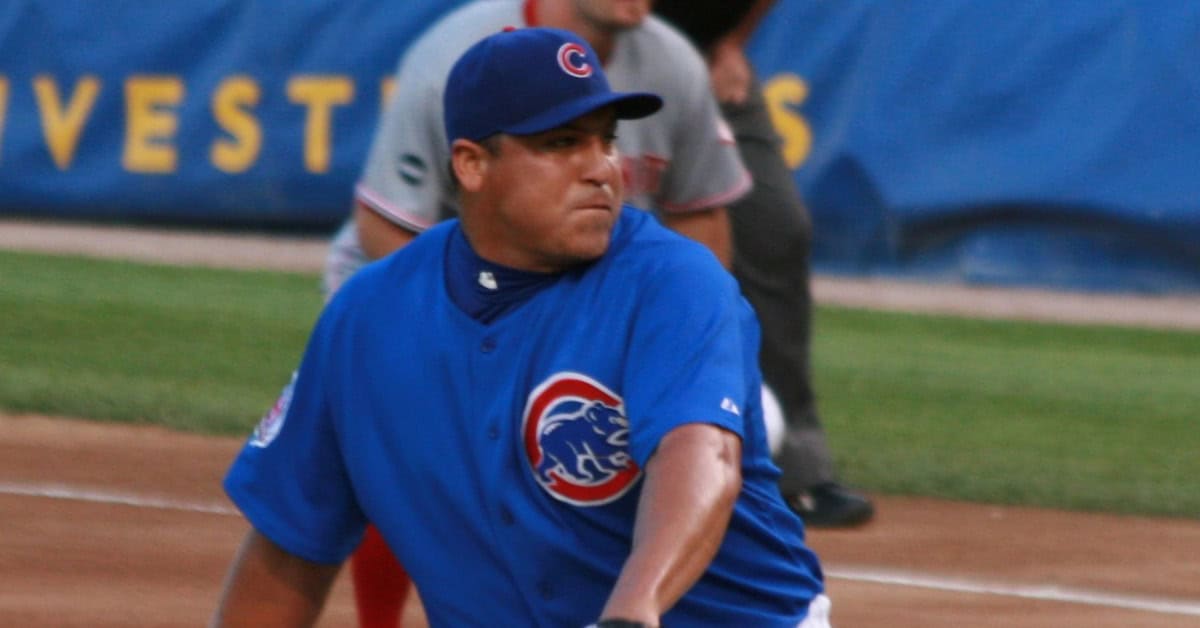
Carlos Zambrano brought Latin passion to the mound with an intensity that could power Wrigley Field’s lights, combining a mid-to-upper 90s fastball with hitting ability that made him the best two-way player since Babe Ruth. His 2008 no-hitter against Houston was pure dominance, while his .238 career batting average with 24 home runs proved he belonged in the lineup even on days he wasn’t pitching. Zambrano’s four consecutive 5-WAR seasons from 2003 to 2006 ranked him among the elite pitchers of his era, but his emotional outbursts sometimes overshadowed his remarkable talent and durability.
Jon Garland: The Consistent Innings-Eater Who Never Got His Due
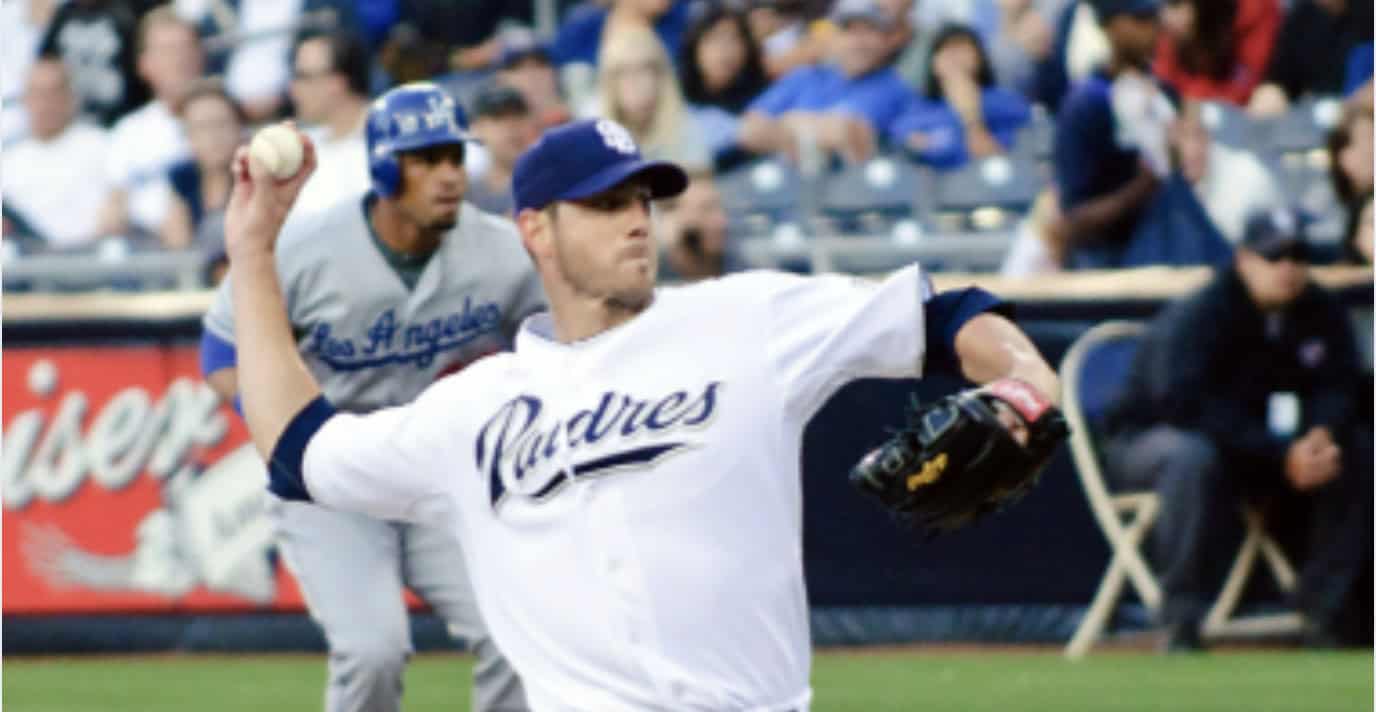
Jon Garland was the definition of steady reliability, throwing 200-plus innings in six consecutive seasons while helping anchor the White Sox’s 2005 World Series championship rotation. His 18-10 record that magical season came with a 3.50 ERA and the kind of consistent performance that made managers sleep better at night. Garland’s career 4.37 ERA might not scream dominance, but his ability to take the ball every fifth day and give his team a chance to win made him invaluable in an era when durability was becoming increasingly rare among starting pitchers.
Freddy Garcia: The Venezuelan Ace Who Anchored Championship Teams
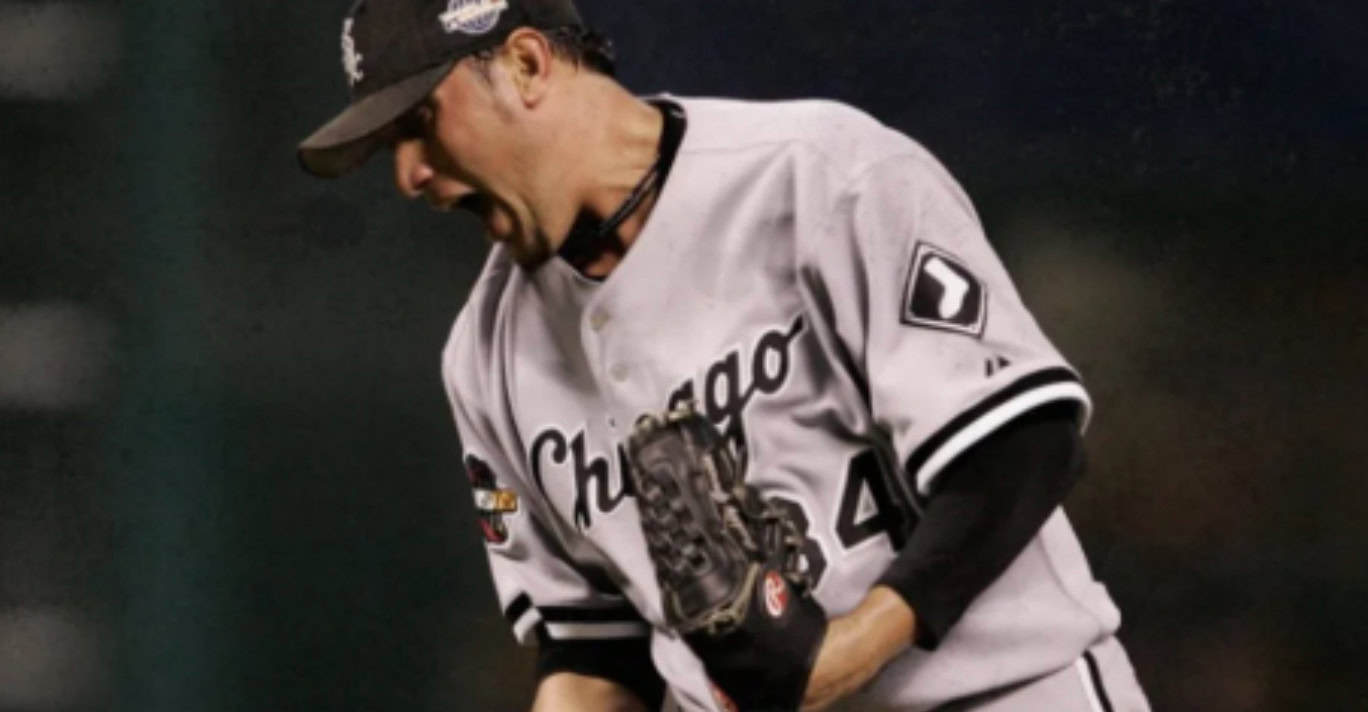
Freddy Garcia’s curveball had more break than a teenage heart, helping him win 156 games while anchoring playoff rotations in Seattle and Chicago during the 2000s. His 18-6 record with a 3.05 ERA for the 2001 Mariners’ historic 116-win season proved he could perform on the biggest stages, yet he somehow remained overshadowed by flashier teammates. Garcia’s two All-Star selections and key role in the White Sox’s 2005 championship run demonstrated his clutch gene, but playing in smaller markets meant his considerable talents never received the national recognition they deserved.