
Last Updated: June 17th, 2026 by Michael Schatz
The 1960s represented a transformative era in baseball, where power and finesse merged to create unforgettable moments at first base. From mammoth home runs to graceful defensive plays, these first basemen defined an era when baseball truly was America’s pastime. Join us as we celebrate the masters of first base who made the decade truly special.
Don't lose this article. Enter your email below, and I'll send it to you right now. Plus, we'll send you other unbelievable stories from baseball's past.
20. Mike Hegan: The Defensive Specialist
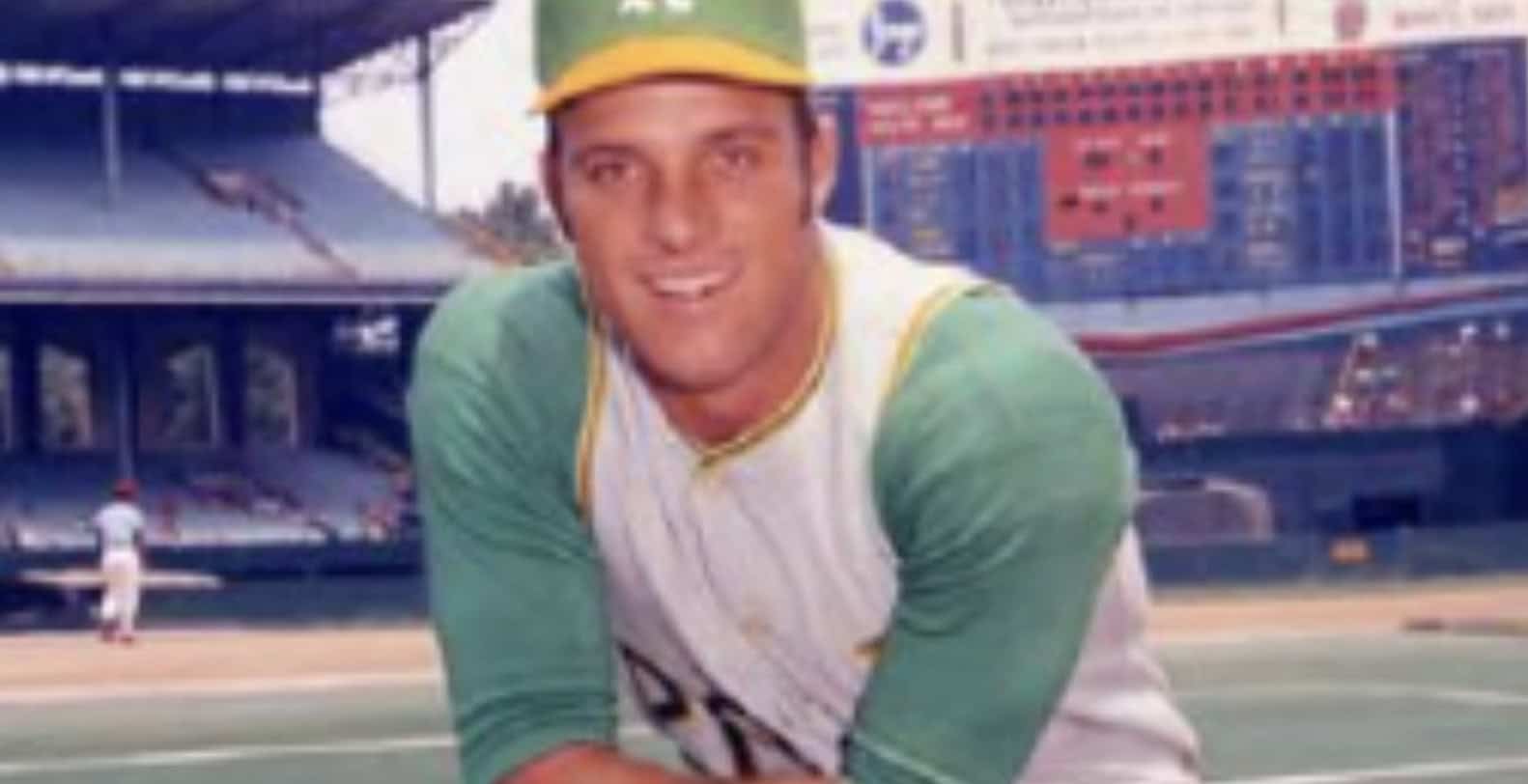
Hegan’s defensive excellence made him a valuable player for multiple teams in the late 1960s. His work with the expansion Seattle Pilots showed his ability to anchor an infield. Hegan’s fundamentally sound approach to first base defense influenced many young players of the era.
| Mike Hegan — Career | Total |
|---|---|
| G | 966 |
| AB | 2080 |
| H | 504 |
| HR | 53 |
| RBI | 229 |
| SB | 28 |
| AVG | .242 |
| OBP | .341 |
| SLG | .371 |
| OPS | .712 |
| All-Star selections | 1 |
| World Series titles | 1 |
19. Lee Thomas: The Clutch Performer
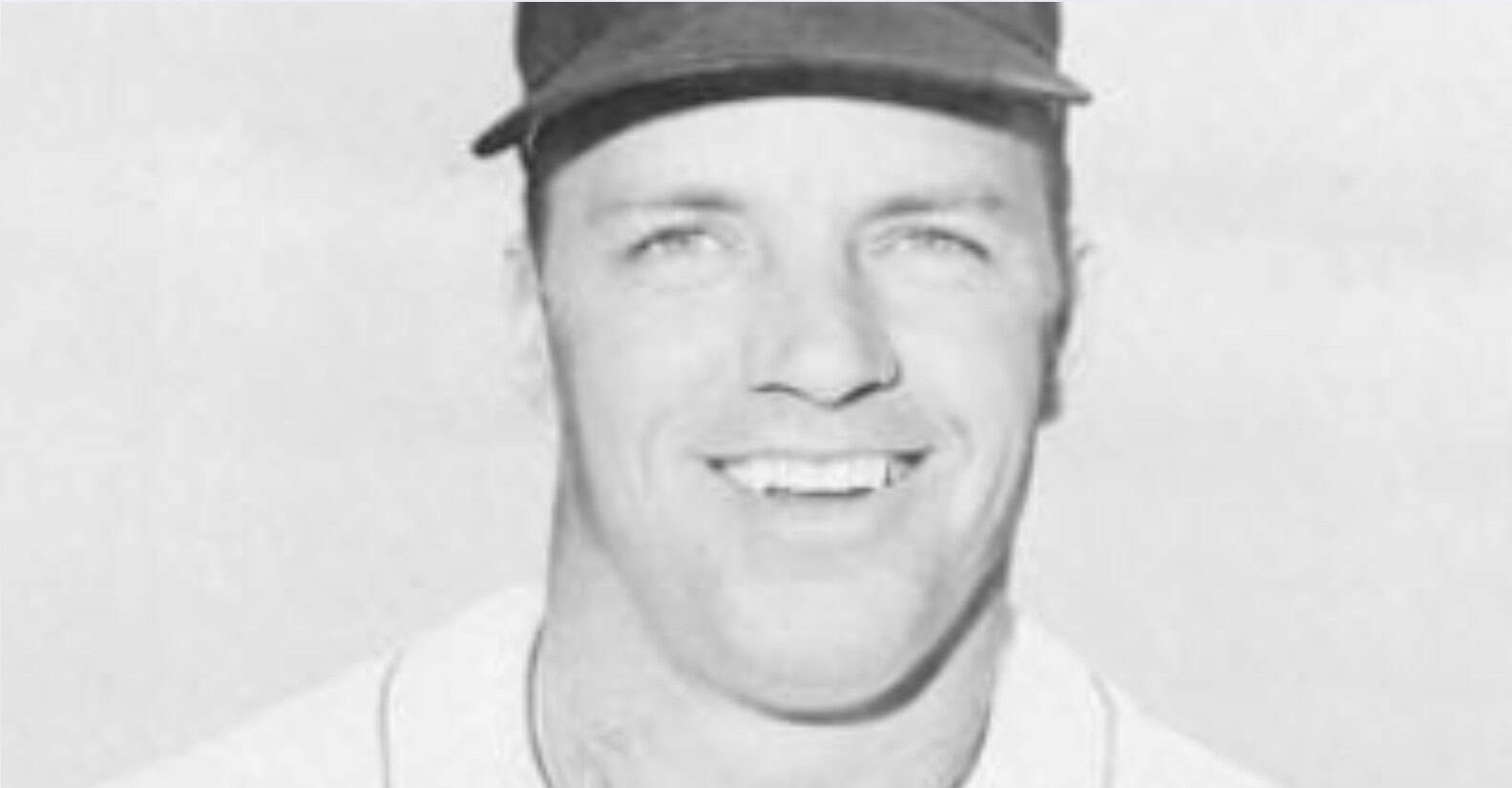
Thomas emerged as a reliable first baseman for the Angels in the early 1960s, earning an All-Star selection in 1962. His versatility and clutch hitting made him a valuable asset throughout the decade. Thomas’s consistent play helped establish the expansion Angels as a competitive force.
| Lee Thomas — Career | Total |
|---|---|
| G | 1027 |
| AB | 3324 |
| H | 847 |
| HR | 106 |
| RBI | 428 |
| SB | 25 |
| AVG | .255 |
| OBP | .327 |
| SLG | .397 |
| OPS | .724 |
| All-Star selections | 1 |
18. Ken Harrelson: The Hawk Takes Flight
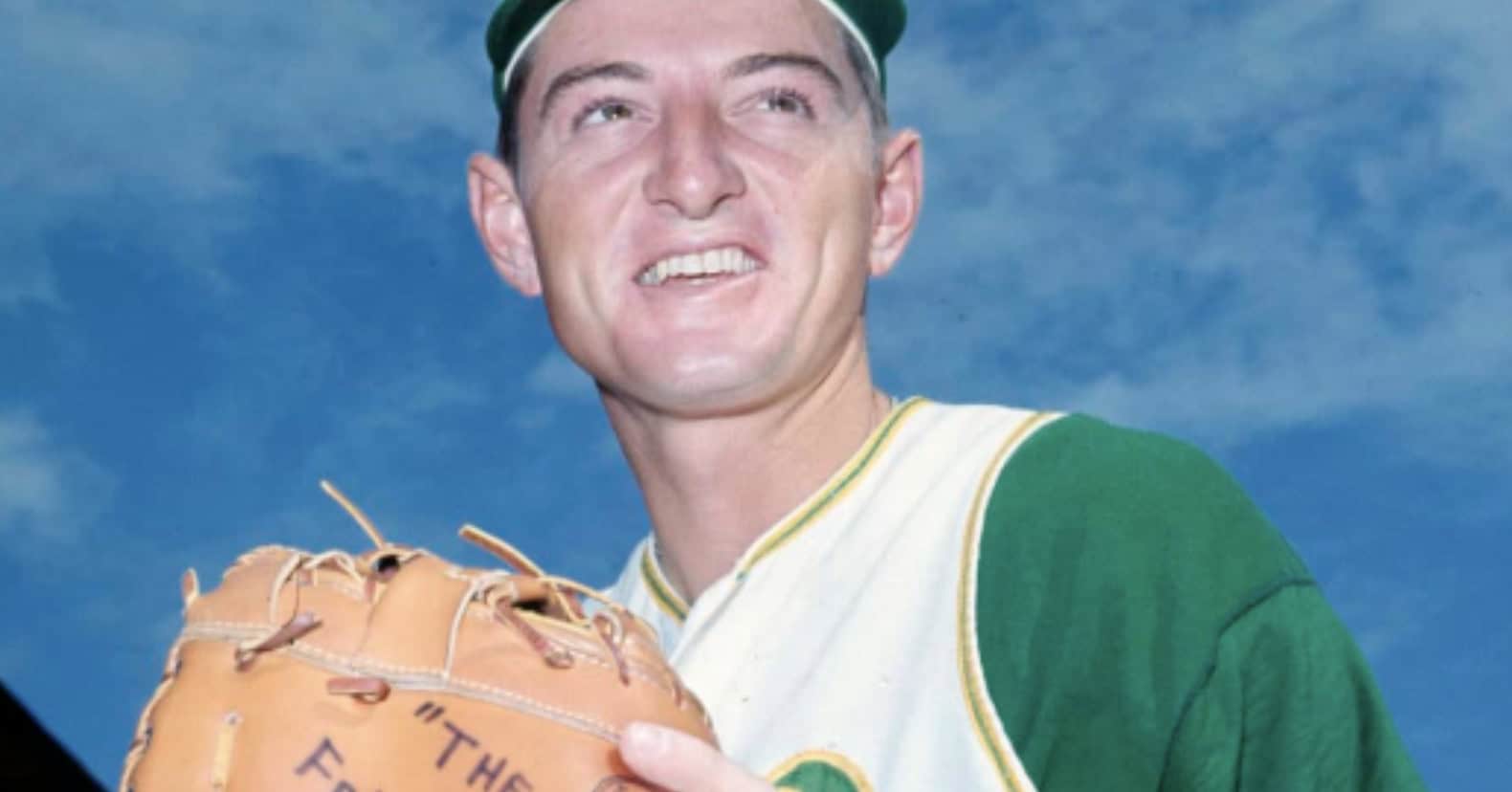
“Hawk” emerged as a star with Boston in 1968, driving in 109 runs and making the All-Star team. His flamboyant personality and clutch hitting made him a fan favorite. Harrelson’s unique batting stance and power-hitting ability made him stand out among his peers.
| Ken Harrelson — Career | Total |
|---|---|
| G | 900 |
| AB | 2941 |
| H | 703 |
| HR | 131 |
| RBI | 421 |
| SB | 53 |
| AVG | .239 |
| OBP | .325 |
| SLG | .414 |
| OPS | .739 |
| All-Star selections | 1 |
17. Jim Gentile: Baltimore’s Power Pioneer

Gentile’s remarkable 1961 season saw him drive in 141 runs and blast 46 home runs. His power hitting helped establish the Orioles as an American League powerhouse. Gentile’s left-handed power perfectly suited Baltimore’s Memorial Stadium.
| Jim Gentile — Career | Total |
|---|---|
| G | 936 |
| AB | 2922 |
| H | 759 |
| HR | 179 |
| RBI | 549 |
| SB | 3 |
| AVG | .260 |
| OBP | .368 |
| SLG | .486 |
| OPS | .854 |
| All-Star selections | 3 |
16. Tito Francona: The Professional Hitter
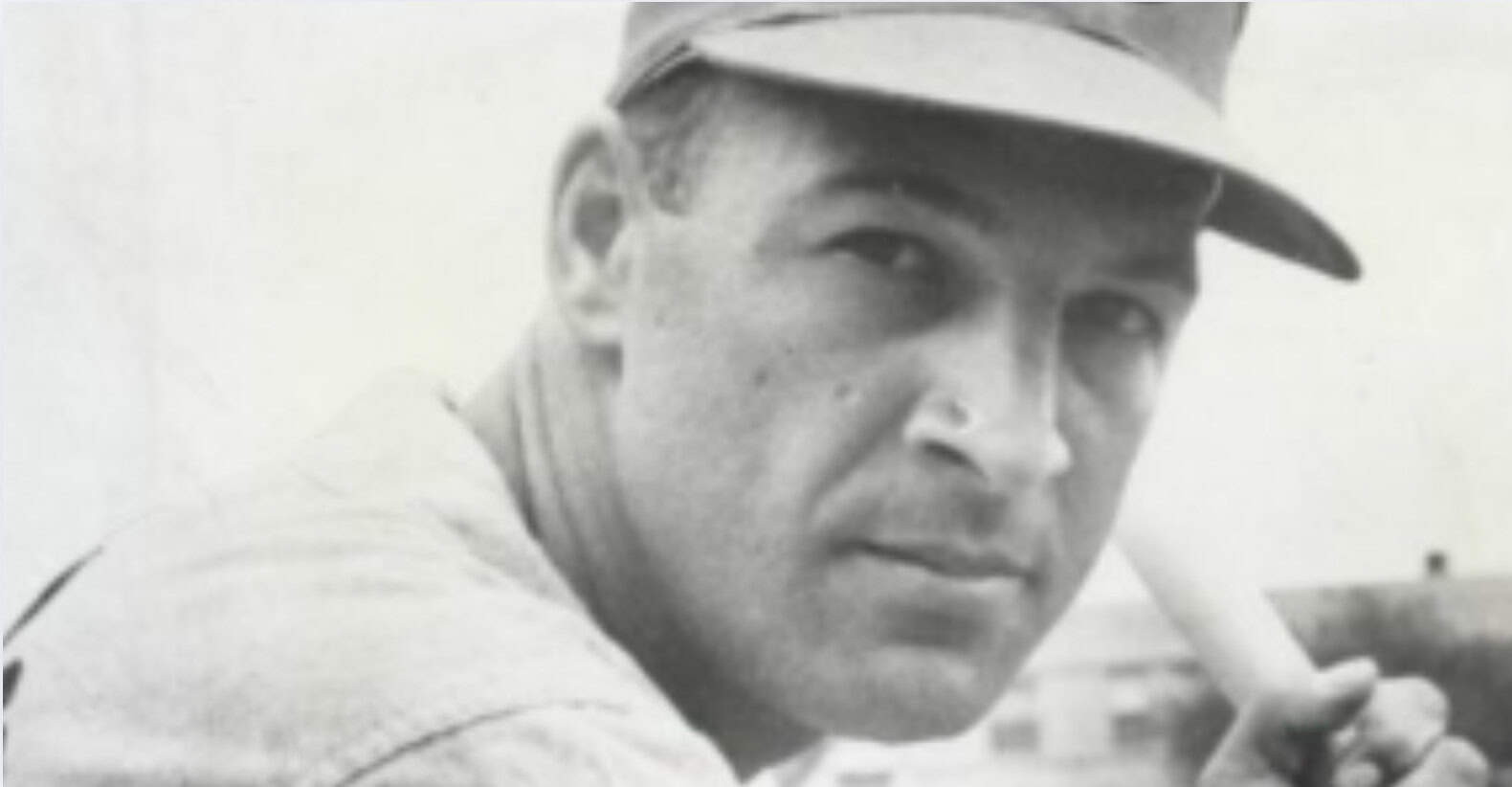
Francona’s pure hitting ability made him a valuable asset throughout the decade. His .363 average in 1959 carried over into consistent performance in the 1960s. Francona’s professional approach and versatility made him a respected figure in the game.
| Tito Francona — Career | Total |
|---|---|
| G | 1719 |
| AB | 5121 |
| H | 1395 |
| HR | 125 |
| RBI | 656 |
| SB | 46 |
| AVG | .272 |
| OBP | .343 |
| SLG | .403 |
| OPS | .746 |
| All-Star selections | 1 |
15. Felipe Alou: The Versatile Veteran

Though primarily an outfielder, Alou’s ability to play first base effectively added to his value. His consistent batting average and veteran leadership made him invaluable to multiple teams. Alou’s versatility exemplified the changing nature of baseball during the era.
| Felipe Alou — Career | Total |
|---|---|
| G | 2082 |
| AB | 7339 |
| H | 2101 |
| HR | 206 |
| RBI | 852 |
| SB | 107 |
| AVG | .286 |
| OBP | .328 |
| SLG | .433 |
| OPS | .761 |
| All-Star selections | 3 |
14. Ron Fairly: The Steady Hand
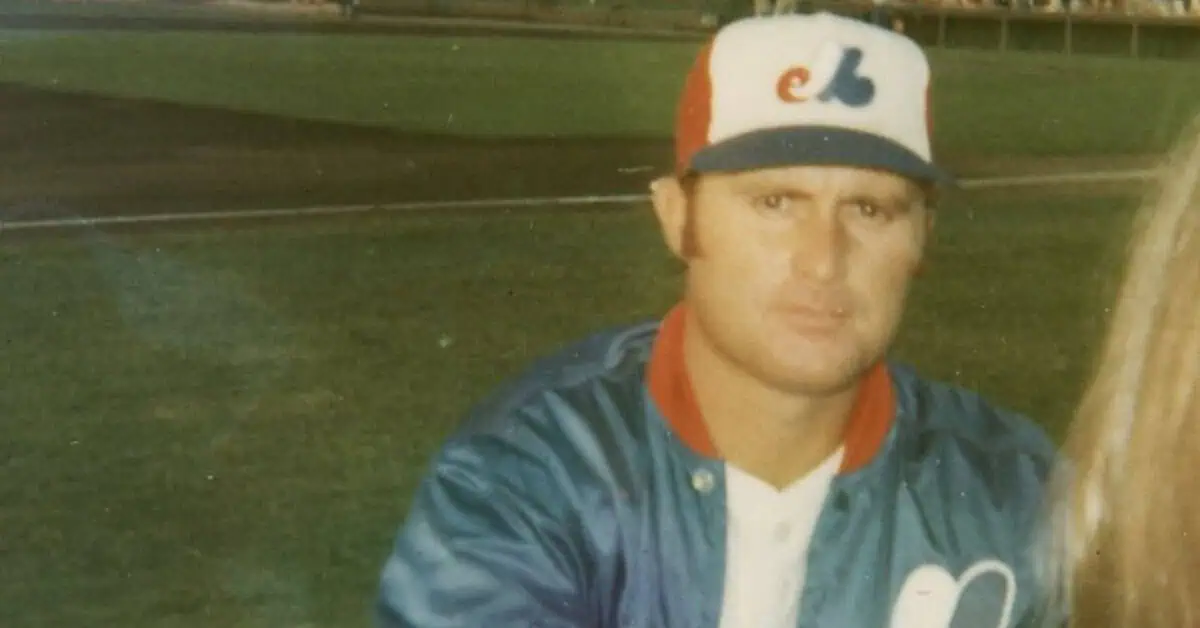
Fairly’s consistency helped the Dodgers win multiple pennants in the 1960s. His versatility in playing both first base and outfield made him especially valuable. Fairly’s clutch hitting in the 1965 World Series highlighted his importance to the team.
| Ron Fairly — Career | Total |
|---|---|
| G | 2442 |
| AB | 7184 |
| H | 1913 |
| HR | 215 |
| RBI | 1044 |
| SB | 35 |
| AVG | .266 |
| OBP | .360 |
| SLG | .408 |
| OPS | .768 |
| All-Star selections | 2 |
| World Series titles | 3 |
13. Willie Montañez: Philadelphia’s Flair Master
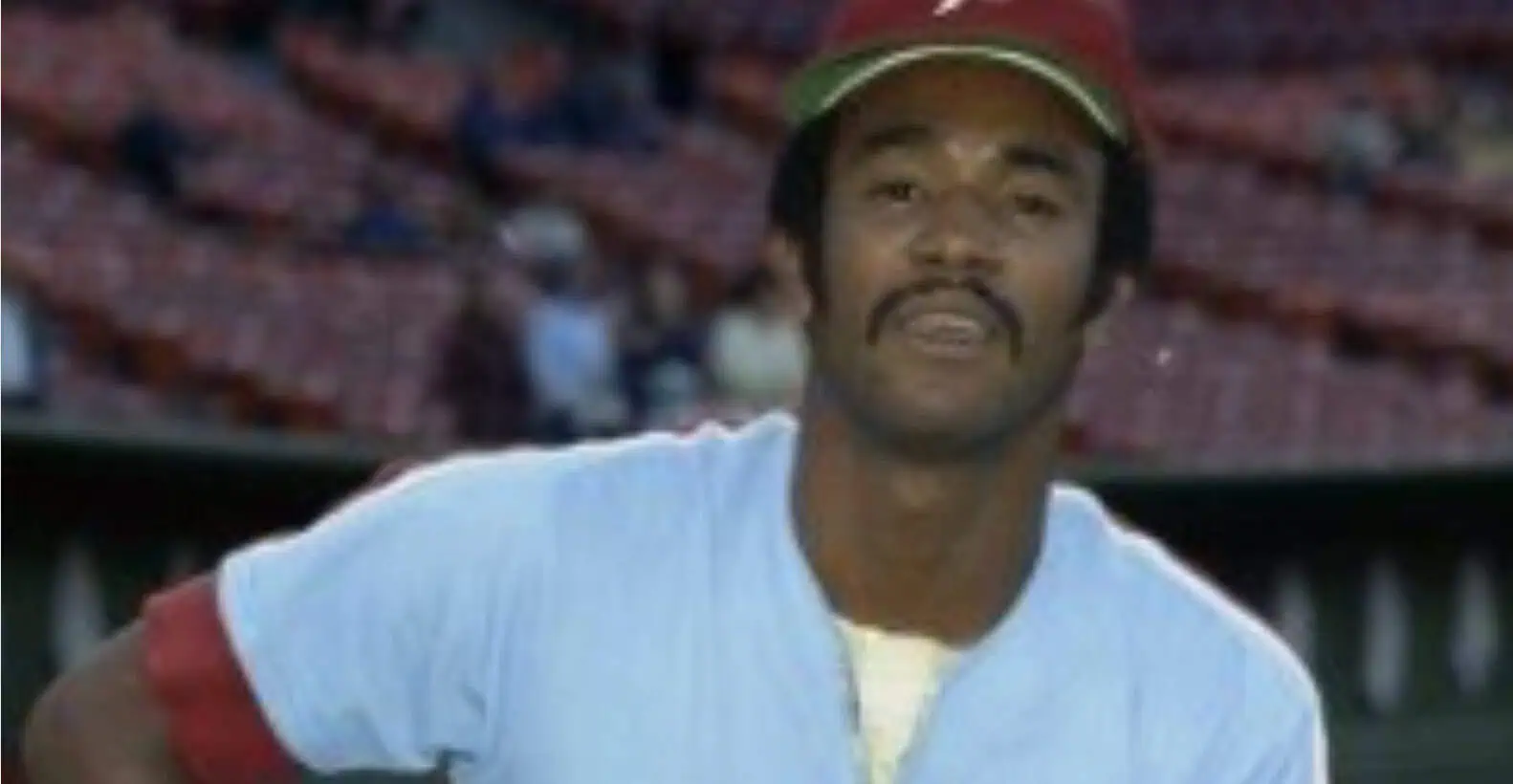
Montañez brought Latin flair and defensive wizardry to first base late in the decade. His unique style of catching throws with a flourish entertained fans while proving highly effective. Montañez’s emergence helped establish a new era of defensive excellence at first base.
12. George Scott: Boston’s Booming Bat

“Boomer” burst onto the scene in 1966, combining power hitting with excellent defense. His Gold Glove performance and 19 home runs in 1967 helped lead Boston to the pennant. Scott’s unique personality and defensive prowess made him a Fenway favorite.
| George Scott — Career | Total |
|---|---|
| G | 2034 |
| AB | 7433 |
| H | 1992 |
| HR | 271 |
| RBI | 1051 |
| SB | 69 |
| AVG | .268 |
| OBP | .333 |
| SLG | .435 |
| OPS | .768 |
| All-Star selections | 3 |
| Gold Gloves | 8 |
11. Donn Clendenon: The Original Met Marvel
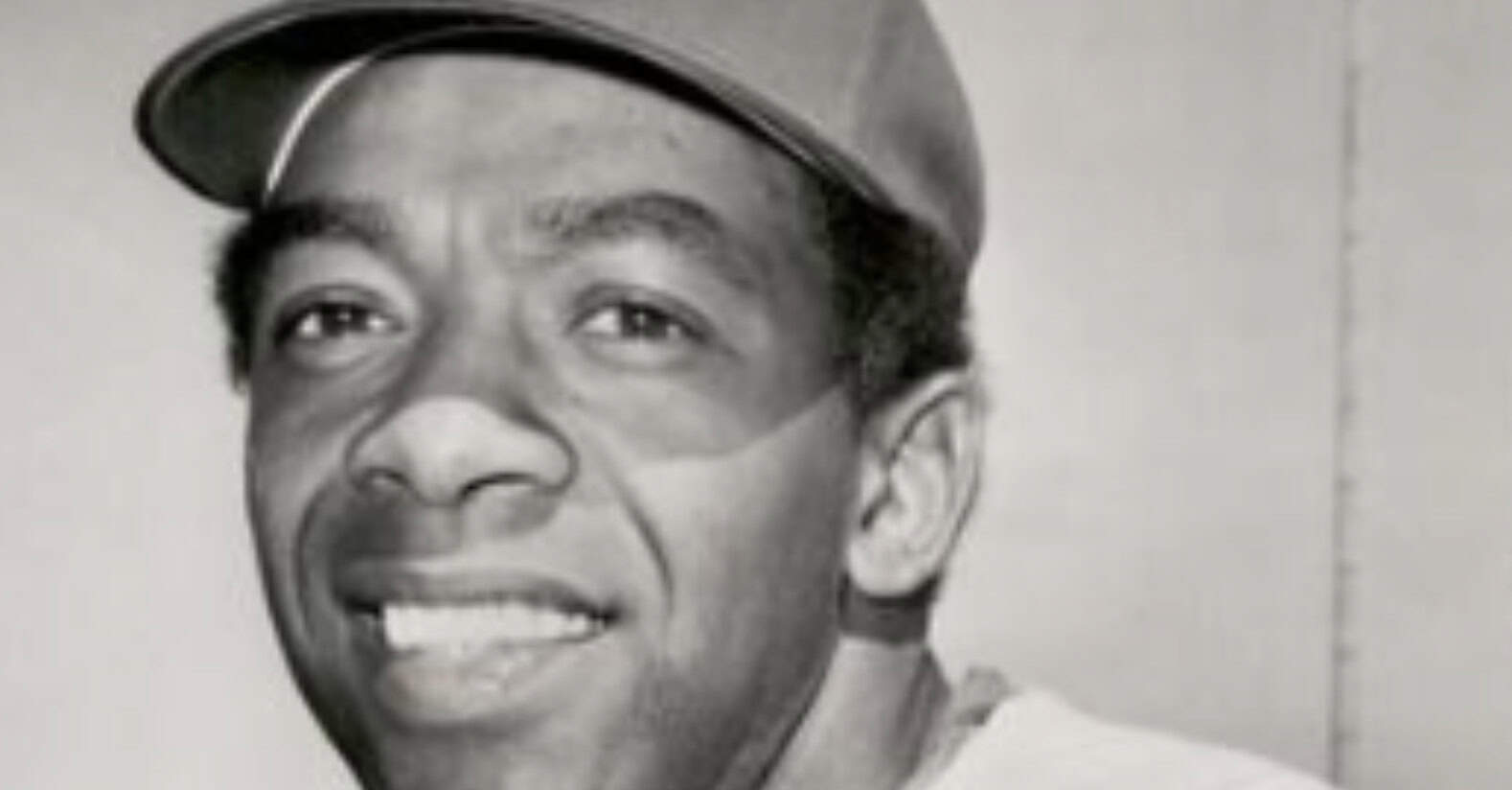
Clendenon became a hero of the 1969 Miracle Mets after starring with the Pirates earlier in the decade. His MVP performance in the ’69 World Series highlighted his clutch abilities. Clendenon’s leadership and timely hitting made him invaluable to both franchises.
| Donn Clendenon — Career | Total |
|---|---|
| G | 1362 |
| AB | 4648 |
| H | 1273 |
| HR | 159 |
| RBI | 682 |
| SB | 90 |
| AVG | .274 |
| OBP | .328 |
| SLG | .442 |
| OPS | .770 |
| World Series titles | 1 |
10. Pete Ward: Chicago’s Underrated Star
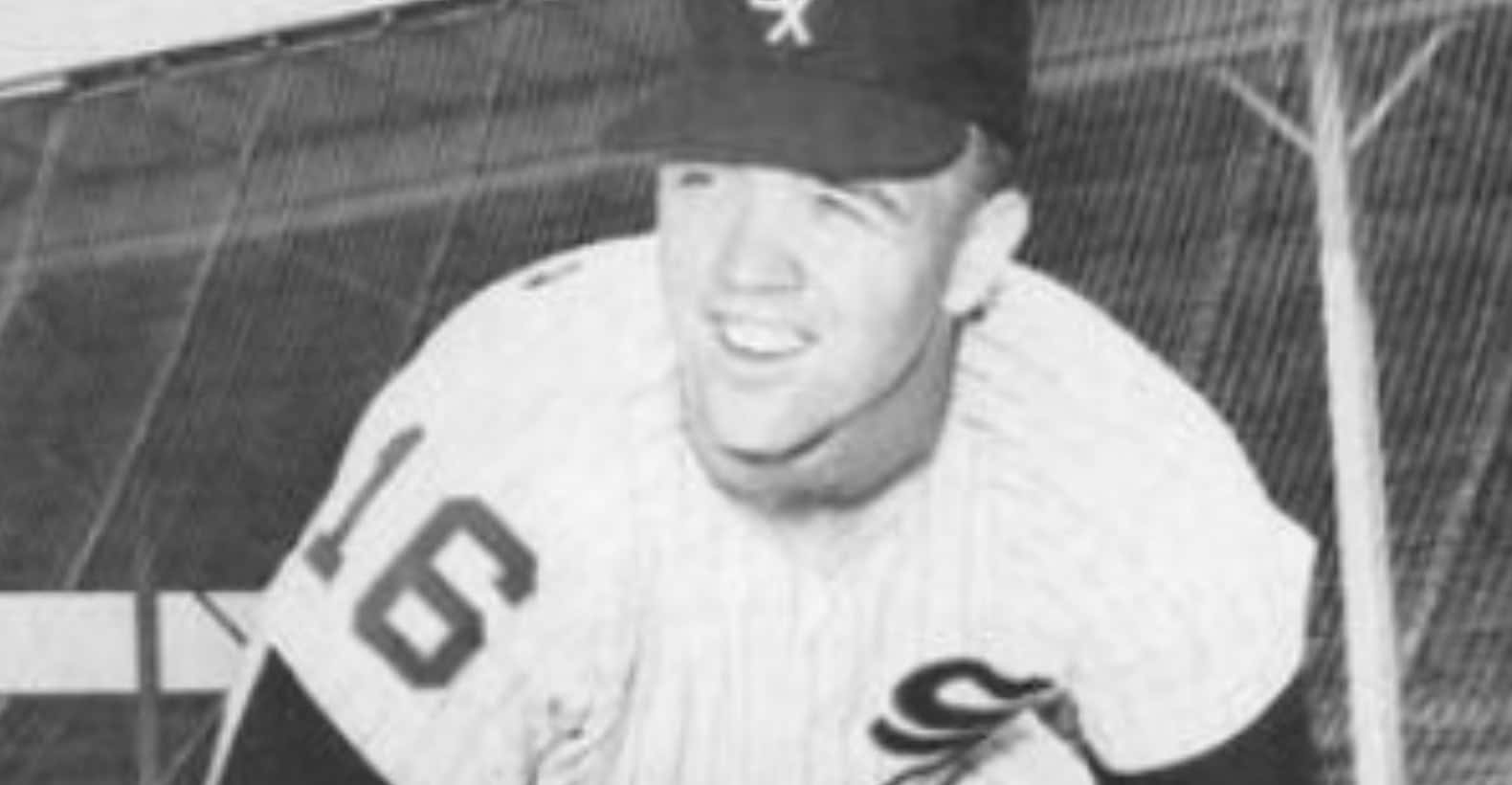
Ward’s versatility made him valuable to the White Sox, excelling at both first and third base. His breakout 1963 rookie season saw him hit .295 with 22 home runs. Ward’s steady presence helped anchor the White Sox infield throughout the decade.
| Pete Ward — Career | Total |
|---|---|
| G | 973 |
| AB | 3060 |
| H | 776 |
| HR | 98 |
| RBI | 427 |
| SB | 20 |
| AVG | .254 |
| OBP | .339 |
| SLG | .405 |
| OPS | .744 |
9. Joe Pepitone: Yankees’ Stylish Slugger

Pepitone brought flair and fashion to first base, while backing it up with solid play. He won three Gold Gloves and made three All-Star teams during the 1960s. His combination of style and substance made him a perfect fit for the Yankees during the decade.
| Joe Pepitone — Career | Total |
|---|---|
| G | 1397 |
| AB | 5097 |
| H | 1315 |
| HR | 219 |
| RBI | 721 |
| SB | 41 |
| AVG | .258 |
| OBP | .301 |
| SLG | .432 |
| OPS | .733 |
| All-Star selections | 3 |
| Gold Gloves | 3 |
8. Boog Powell: Baltimore’s Barbecue King
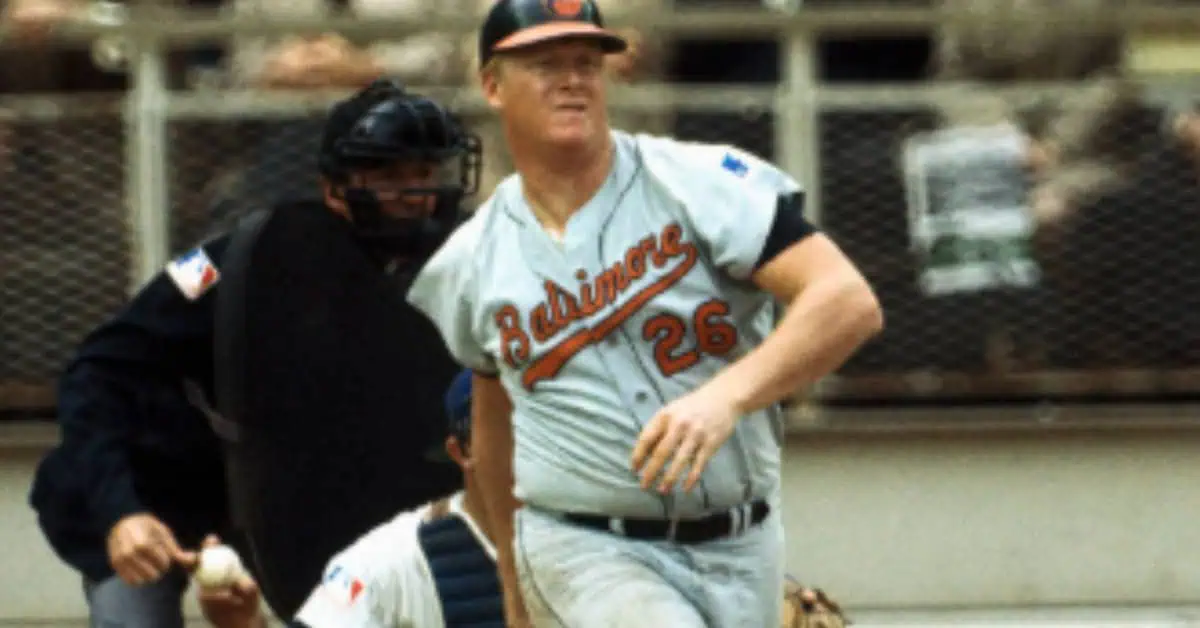
The massive Powell became a Baltimore institution, combining power hitting with surprisingly nimble defense. His best season came in 1964 when he slugged 39 home runs and drove in 99 runs. Powell’s presence in the heart of the Orioles’ lineup helped establish their dynasty.
| Boog Powell — Career | Total |
|---|---|
| G | 2042 |
| AB | 6681 |
| H | 1776 |
| HR | 339 |
| RBI | 1187 |
| SB | 20 |
| AVG | .266 |
| OBP | .361 |
| SLG | .462 |
| OPS | .823 |
| MVP | 1 |
| All-Star selections | 4 |
| World Series titles | 2 |
7. Dick Stuart: Dr. Strangeglove’s Power Show

Despite his infamous nickname due to defensive challenges, Stuart was one of the decade’s most feared power hitters. His 1963 season with Boston saw him drive in 118 runs and blast 42 homers. Stuart’s colorful personality and tremendous power made him a fan favorite wherever he played.
| Dick Stuart — Career | Total |
|---|---|
| G | 1112 |
| AB | 3997 |
| H | 1055 |
| HR | 228 |
| RBI | 743 |
| SB | 2 |
| AVG | .264 |
| OBP | .316 |
| SLG | .489 |
| OPS | .805 |
| All-Star selections | 1 |
| World Series titles | 1 |
6. Ernie Banks: Mr. Cub’s Twilight Excellence
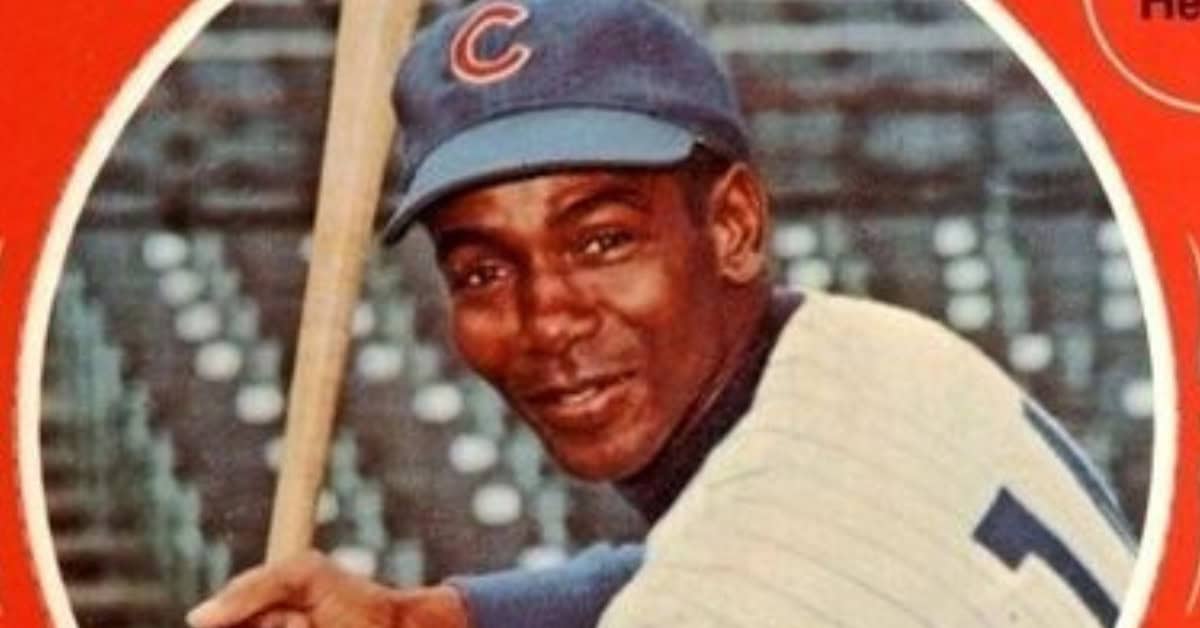
Though known primarily as a shortstop in the 1950s, Banks transitioned to first base in the 1960s and continued his excellence. His positive attitude and powerful bat remained constants, as he hit over 260 home runs during the decade. Mr. Cub’s leadership and defensive adaptability showed his true greatness as a complete ballplayer.
| Ernie Banks — Career | Total |
|---|---|
| G | 2528 |
| AB | 9421 |
| H | 2583 |
| HR | 512 |
| RBI | 1636 |
| SB | 50 |
| AVG | .274 |
| OBP | .330 |
| SLG | .500 |
| OPS | .830 |
| MVP | 2 |
| All-Star selections | 11 |
| Gold Gloves | 1 |
5. Bill White: The Cardinals’ Consistent Captain
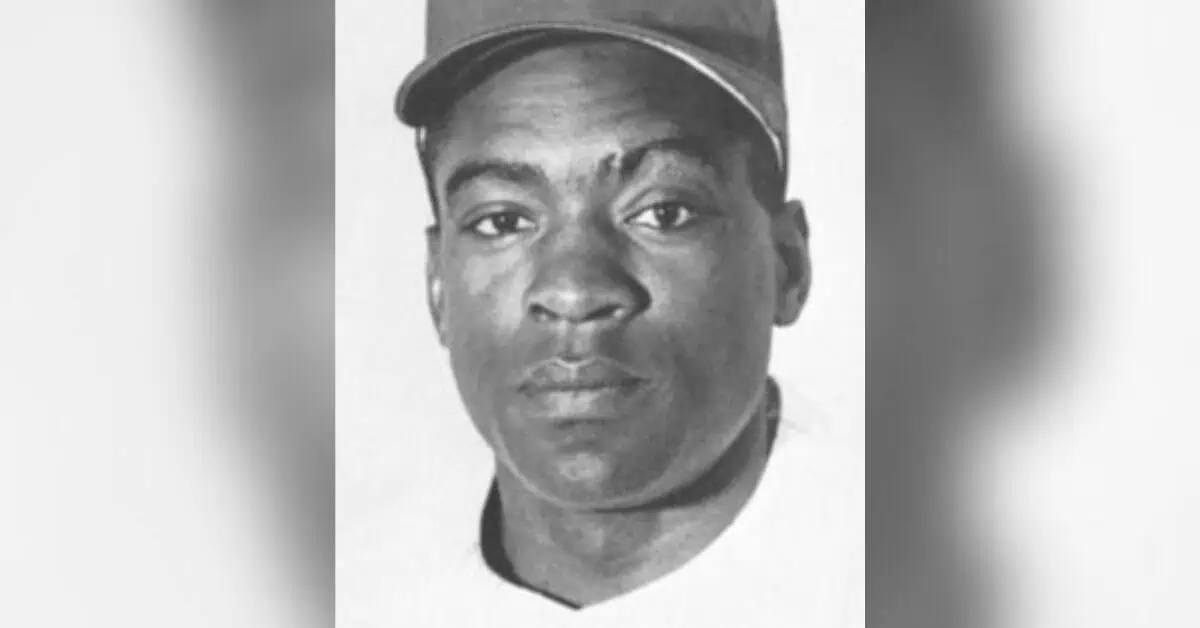
White’s consistency was remarkable, collecting over 1,400 hits during the 1960s. His seven consecutive Gold Gloves, beginning in 1960, demonstrated his defensive excellence, while his leadership in the Cardinals’ clubhouse was invaluable. White’s smooth left-handed swing and exceptional fielding made him the complete package at first base.
| Bill White — Career | Total |
|---|---|
| G | 1673 |
| AB | 5972 |
| H | 1706 |
| HR | 202 |
| RBI | 870 |
| SB | 103 |
| AVG | .286 |
| OBP | .351 |
| SLG | .455 |
| OPS | .806 |
4. Norm Cash: Detroit’s Diamond in the Rough
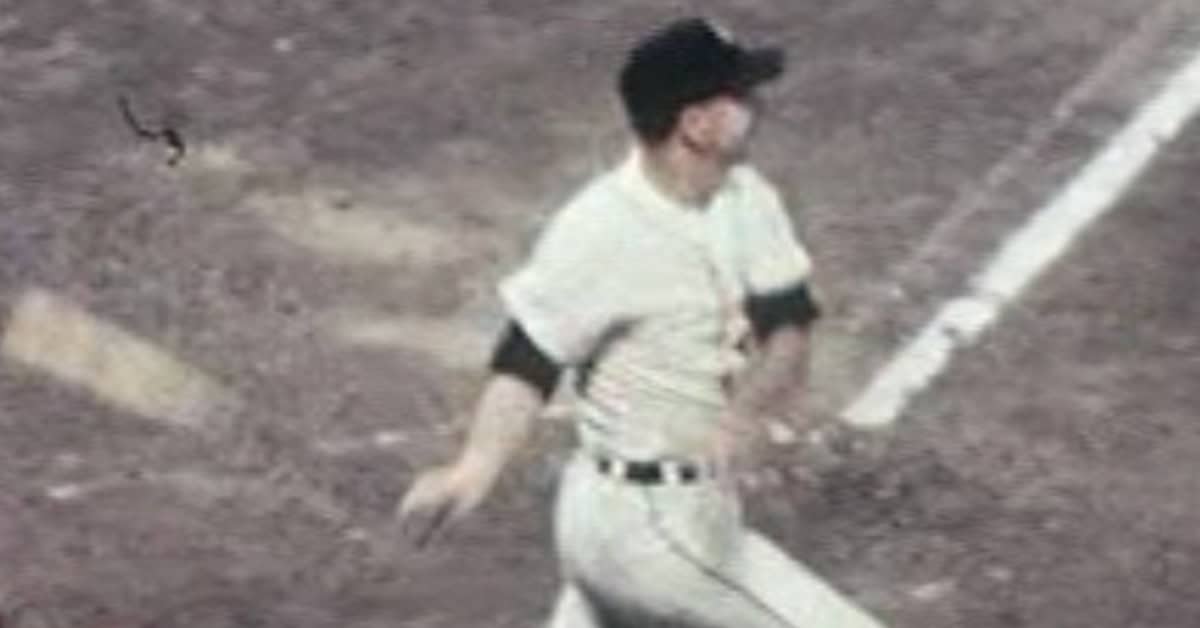
“Stormin’ Norman” was the backbone of Detroit’s infield throughout the 1960s, highlighted by his phenomenal 1961 season when he hit .361. His steady glove work and consistent power made him one of the decade’s most reliable first basemen. Cash’s legendary sense of humor and clutch hitting endeared him to Tigers fans throughout the era.
| Norm Cash — Career | Total |
|---|---|
| G | 2089 |
| AB | 6705 |
| H | 1820 |
| HR | 377 |
| RBI | 1103 |
| SB | 43 |
| AVG | .271 |
| OBP | .374 |
| SLG | .488 |
| OPS | .862 |
| All-Star selections | 4 |
| World Series titles | 1 |
3. Orlando Cepeda: Baby Bull’s Golden Decade
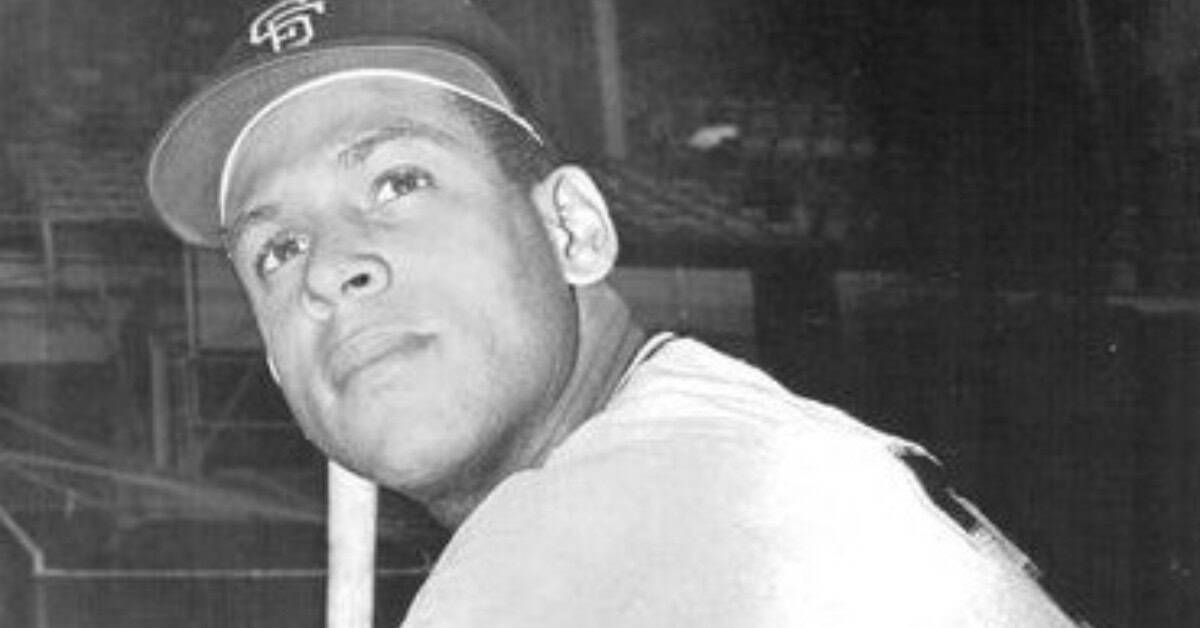
The “Baby Bull” earned MVP honors in 1967, leading the Cardinals to a World Series championship with his .325 batting average and 111 RBIs. His infectious enthusiasm and clutch hitting made him a fan favorite wherever he played. Cepeda’s quick feet and soft hands around the bag revolutionized first base defense in the National League.
| Orlando Cepeda — Career | Total |
|---|---|
| G | 2124 |
| AB | 7927 |
| H | 2351 |
| HR | 379 |
| RBI | 1365 |
| SB | 142 |
| AVG | .297 |
| OBP | .350 |
| SLG | .499 |
| OPS | .849 |
| MVP | 1 |
| All-Star selections | 7 |
| World Series titles | 1 |
| Rookie of the Year | 1 |
2. Harmon Killebrew: The Gentle Slugger
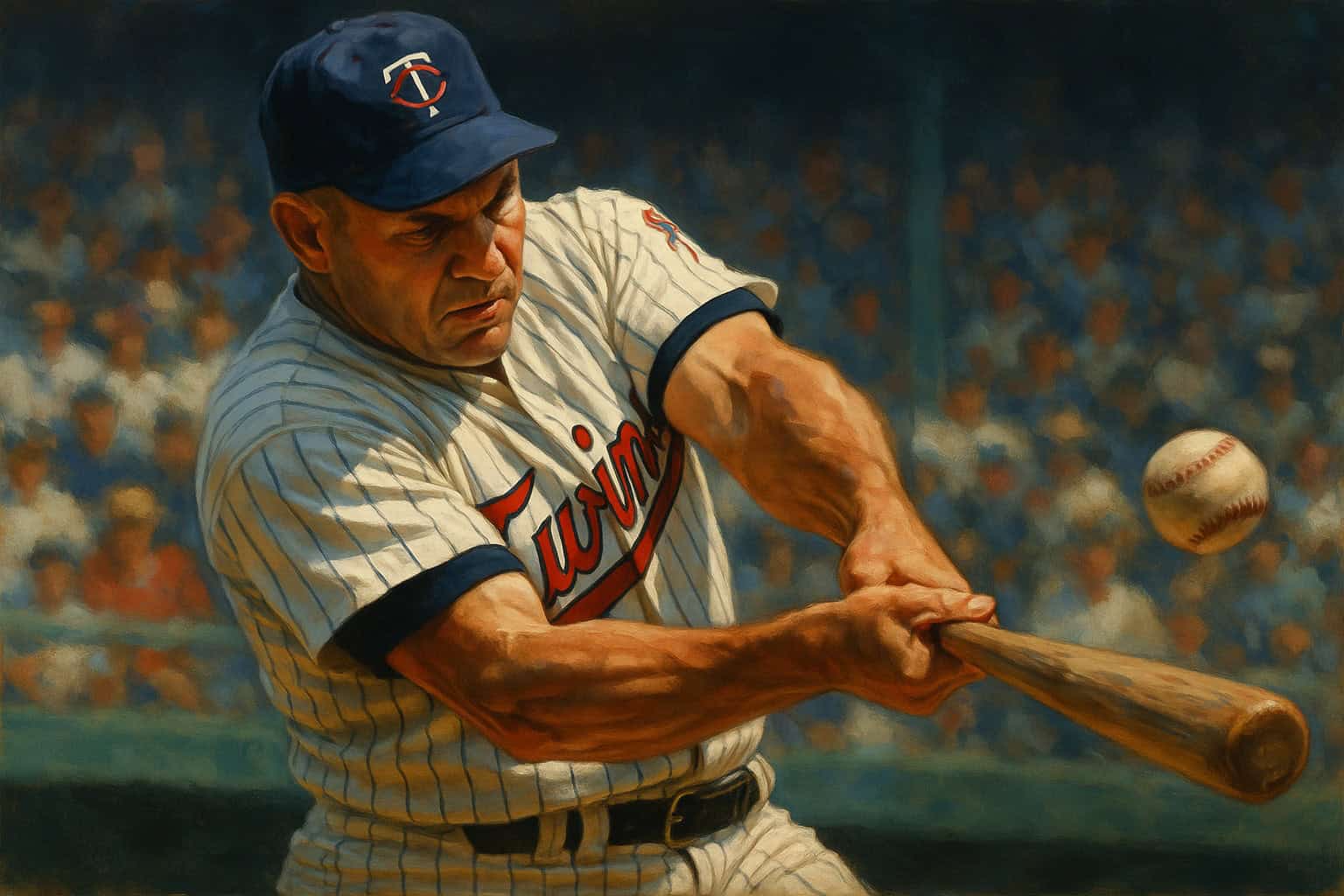
Known as “Killer” for his batting prowess but beloved for his gentle demeanor, Killebrew defined power hitting in the 1960s. He led the American League in home runs five times during the 1960s (part of six such titles in his career), including a career-high 49 in 1969. The Twins’ slugger combined raw power with surprising agility at first base.
| Harmon Killebrew — Career | Total |
|---|---|
| G | 2435 |
| AB | 8147 |
| H | 2086 |
| HR | 573 |
| RBI | 1584 |
| SB | 19 |
| AVG | .256 |
| OBP | .376 |
| SLG | .509 |
| OPS | .885 |
| MVP | 1 |
| All-Star selections | 11 |
1. Willie McCovey: The Giant Among Giants
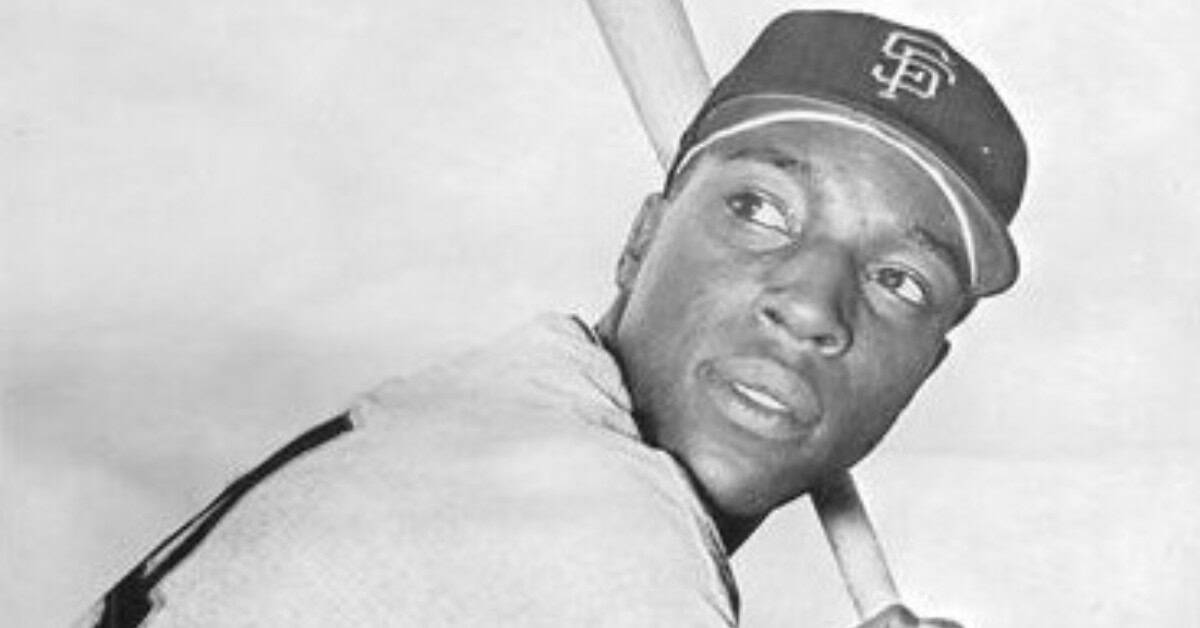
“Stretch” dominated the 1960s, earning the NL MVP award in 1969 with a spectacular .320 batting average, 45 home runs, and 126 RBIs. His powerful left-handed swing terrorized pitchers throughout the decade, particularly at Candlestick Park. McCovey’s graceful defense and intimidating presence at the plate made him the decade’s premier first baseman.
| Willie McCovey — Career | Total |
|---|---|
| G | 2588 |
| AB | 8197 |
| H | 2211 |
| HR | 521 |
| RBI | 1555 |
| SB | 26 |
| AVG | .270 |
| OBP | .374 |
| SLG | .515 |
| OPS | .889 |
| MVP | 1 |
| All-Star selections | 6 |
| Rookie of the Year | 1 |