

Last Updated: June 17th, 2026 by Michael Schatz
The 1960s were baseball’s golden decade, when left field belonged to legends who could turn a lazy afternoon at the ballpark into pure magic. These were the men who made fathers lean forward in their seats and kids dream of swinging for the fences under those towering stadium lights.
Don't lose this article. Enter your email below, and I'll send it to you right now. Plus, we'll send you other unbelievable stories from baseball's past.
Billy Williams – The Cubs’ Iron Man Who Made Wrigley Hum
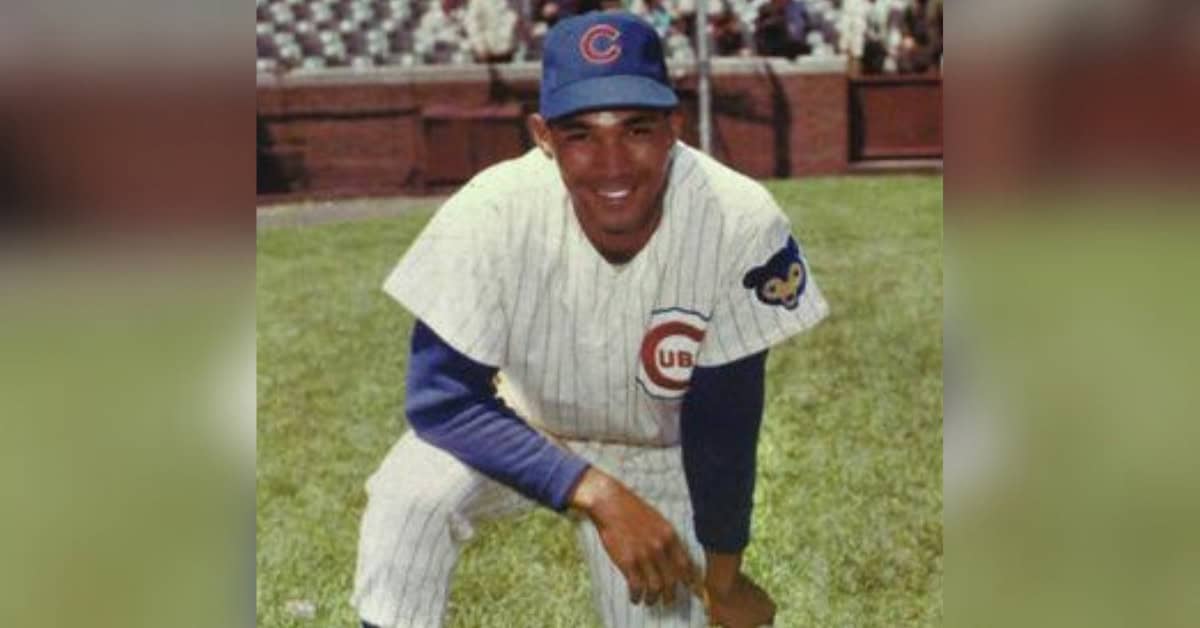
Sweet Billy Williams was the heartbeat of Wrigley Field throughout the ’60s, playing in 1,117 consecutive games while batting .296 with 203 home runs for the decade. His smooth left-handed swing and quiet leadership made him the Cubs’ most beloved player, earning him Rookie of the Year in 1961 and six All-Star selections. Williams had that rare ability to make the difficult look effortless, whether tracking down fly balls in Wrigley’s tricky winds or driving in runs when it mattered most.
Carl Yastrzemski – Boston’s Triple Crown Prince of Fenway
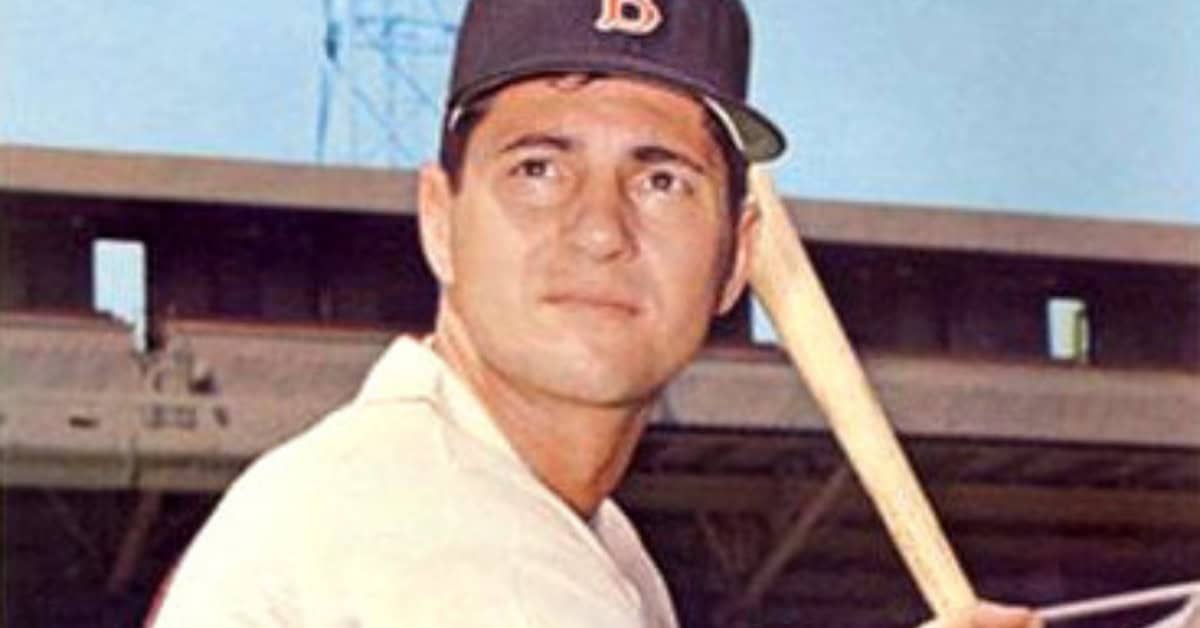
Yaz carried the impossible burden of replacing Ted Williams and somehow made it look easy, culminating in his legendary 1967 Triple Crown season that brought Boston its first pennant in 21 years. His .301 average, 230 home runs, and 704 RBIs defined excellence in left field during the decade’s second half. That famous swing, perfectly tailored for Fenway’s Green Monster, turned him into New England’s most cherished athlete and proved that greatness could indeed follow greatness.
Rocky Colavito – The Rock’s Moon Shots That Lit Up Cleveland
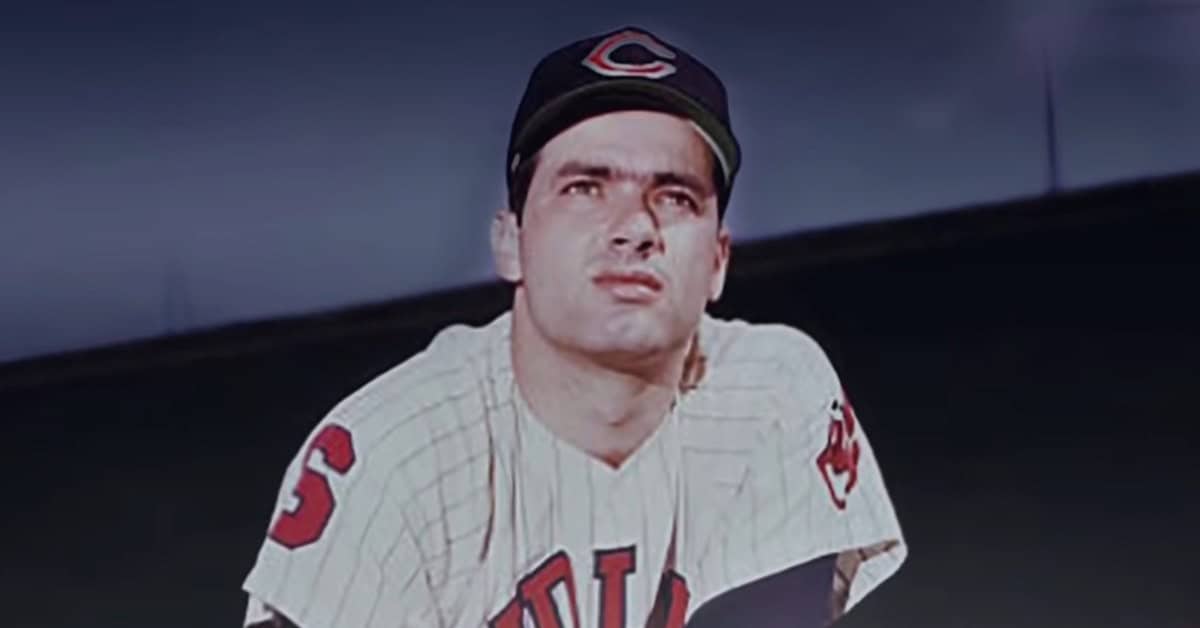
The Rock was Cleveland’s golden boy until that fateful 1960 trade to Detroit broke a city’s heart, but his early ’60s power display remained legendary throughout the decade. His 173 home runs from 1960 to 1968 included some of the longest balls ever hit in Municipal Stadium, launched with that distinctive high leg kick that became his trademark. Colavito’s movie-star looks and tape-measure home runs made him the kind of player kids imitated in sandlot games, even years after he left town.
Lou Brock – Speed Demon Who Stole Hearts in St. Louis
Brock’s arrival from Chicago in 1964 transformed the Cardinals into champions and redefined what left field could be, stealing 445 bases during the decade while hitting .293. His lightning speed turned routine singles into doubles and made every at-bat an adventure, as pitchers constantly looked over their shoulders. The sight of Brock taking his lead, those long legs coiled like springs, became synonymous with Cardinal baseball’s golden era and two World Series championships.
Frank Howard – The Capitol Punisher’s Tape-Measure Blasts
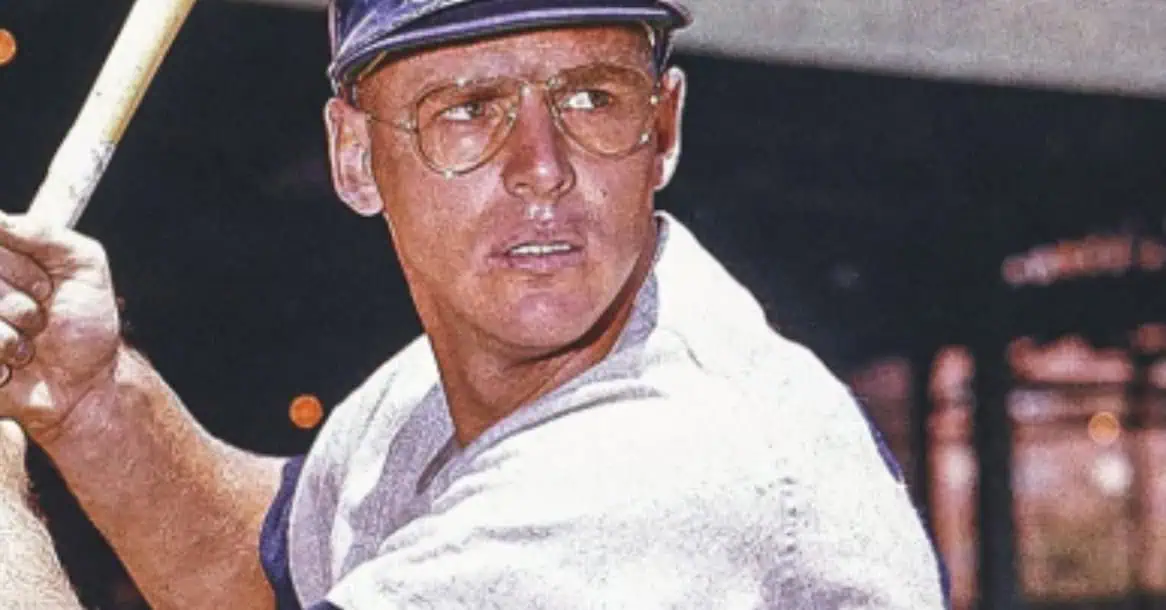
Standing 6’7″ and swinging from the heels, Hondo became Washington’s most feared slugger, belting 237 home runs in the decade’s final years with distances that defied belief. His mammoth shots at RFK Stadium were measured in city blocks rather than feet, and his 1968-1970 power surge gave long-suffering Senators fans something to cheer about. Howard’s gentle giant personality off the field contrasted beautifully with his Paul Bunyan-like presence in the batter’s box, making him a beloved figure in the nation’s capital.
Leon Wagner – Daddy Wags and His Sweet Swing Symphony
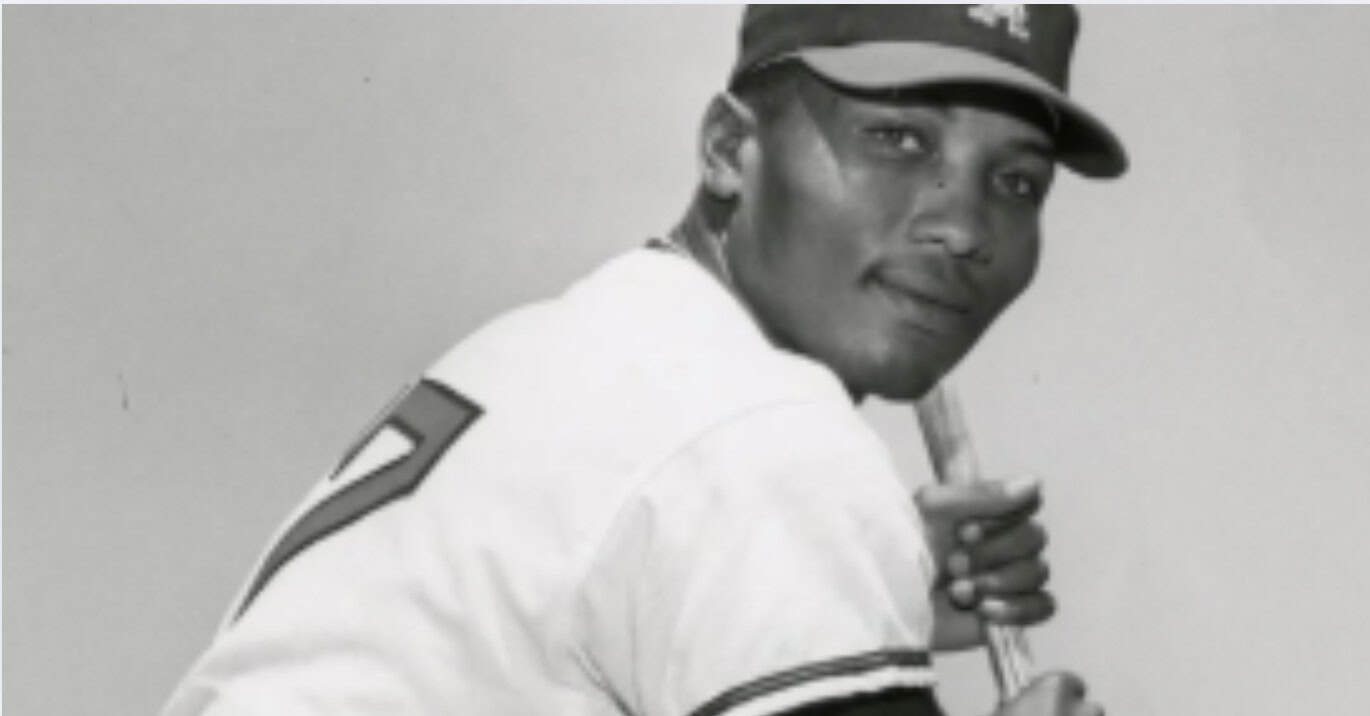
Daddy Wags brought style and substance to the expansion Angels, hitting 190 home runs during the ’60s with a swing so smooth it looked choreographed. His flamboyant personality and clutch hitting made him Anaheim’s first real star, while his infectious enthusiasm turned Angel Stadium into a party. Wagner’s ability to come through in pressure situations, combined with his colorful quotes and genuine love for the game, made him the perfect ambassador for baseball’s newest franchise.
Tommy Davis – The Dodger Blue Batting Champion
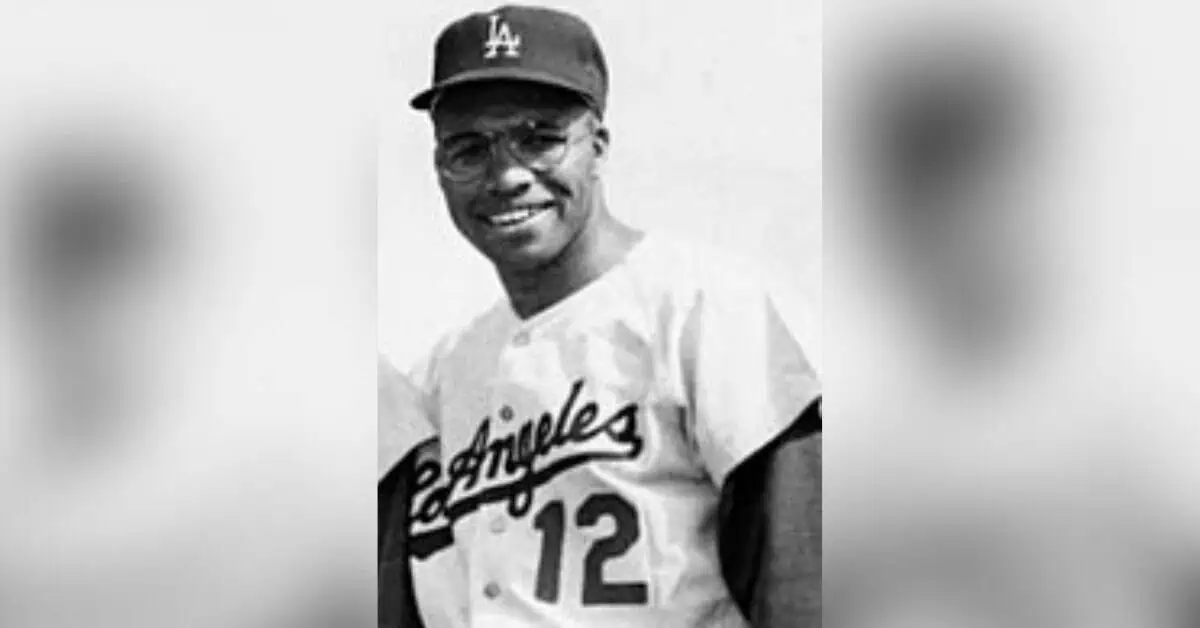
Davis owned the early ’60s with back-to-back batting titles in 1962 and 1963, hitting .346 and .326 while driving in 230 runs over those two magical seasons. His line-drive swing was pure poetry in motion, perfectly suited for spacious Dodger Stadium and the franchise’s championship aspirations. Before a devastating ankle injury derailed his career, Davis represented everything beautiful about hitting, spraying doubles into the gaps with the effortless grace that made Dodger fans fall in love with baseball all over again.
Willie Stargell – Pops’ Pittsburgh Power Before the Glory Days

Before becoming the spiritual leader of the ’70s Pirates dynasty, Stargell was already launching moonshots out of Forbes Field with that distinctive windmill swing that terrorized pitchers. His 138 home runs during the ’60s were just a preview of the power that would eventually make him a Hall of Famer and Pittsburgh icon. Even in those early years, Pops displayed the leadership qualities and infectious smile that would later unite a championship team, while his towering home runs gave Steel City fans glimpses of the glory days ahead.
Minnie Minoso – The Cuban Comet’s Final Decade of Fire
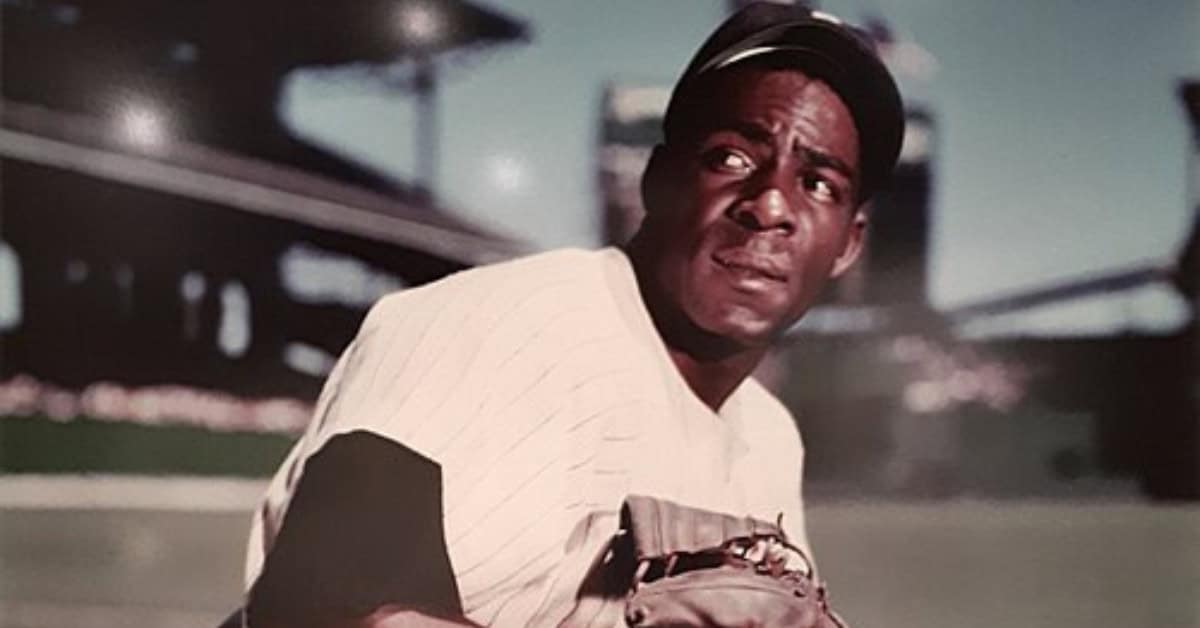
The ageless wonder continued his brilliant career well into the ’60s, proving that class and determination never go out of style. Minoso’s fearless approach at the plate and graceful defense in left field made him a South Side favorite for over a decade, while his trailblazing role as one of baseball’s first Latino stars inspired generations. His infectious joy for the game and willingness to take a pitch off the body to reach base embodied the never-say-die spirit that Chicago fans cherished throughout those lean years.
Willie Horton – Detroit’s Hometown Hero with the Golden Glove

Horton emerged in the decade’s final years as Detroit’s homegrown superstar, combining powerful hitting with a cannon arm that runners learned to respect. His 151 home runs from 1965 to 1969 helped fuel the Tigers’ championship run, while his deep roots in the Motor City made him a beloved figure during turbulent times. The sight of Horton unleashing one of his laser throws from left field to nail a runner became a signature moment at Tiger Stadium, where his blue-collar work ethic perfectly matched the city’s spirit.
Wally Moon – The Moon Man’s Unique Stance and Polo Grounds Magic
Moon’s distinctive crouched stance and ability to pull outside pitches over the short left field wall made him a master of the Coliseum’s unique dimensions during the Dodgers’ early LA years. His 142 career home runs included dozens of “Moon Shots” that barely cleared the 251-foot foul pole, earning him a special place in West Coast baseball lore. The former Cardinal brought veteran leadership and clutch hitting to those transitional Dodger teams, proving that adaptation and intelligence could overcome any ballpark’s quirks.
Tito Francona – The Steady Hand Before His Son’s Fame
Long before his son, Terry, became a World Series-winning manager, Tito was grinding out quality at-bats and playing solid defense for multiple teams throughout the 1960s. His .272 career average and professional approach made him the kind of reliable veteran that managers loved, while his work ethic set an example that would later influence his famous offspring. Francona’s journeyman career took him from Cleveland to St. Louis to Philadelphia, but everywhere he went, teammates and coaches respected his dedication to doing things the right way.
Deron Johnson – The Quiet Slugger’s Consistent Excellence

Johnson’s 130 home runs during the ’60s came with little fanfare but maximum effectiveness, as the soft-spoken slugger quietly became one of the decade’s most reliable run producers. His smooth swing and gap power made him a perfect fit for Cincinnati’s Crosley Field, where his doubles often turned into triples in the spacious outfield. While flashier players grabbed headlines, Johnson went about his business with workmanlike efficiency, earning the respect of teammates and opponents who recognized pure hitting ability when they saw it.
Roy White – The Yankee Switch-Hitter Who Bridged Eras
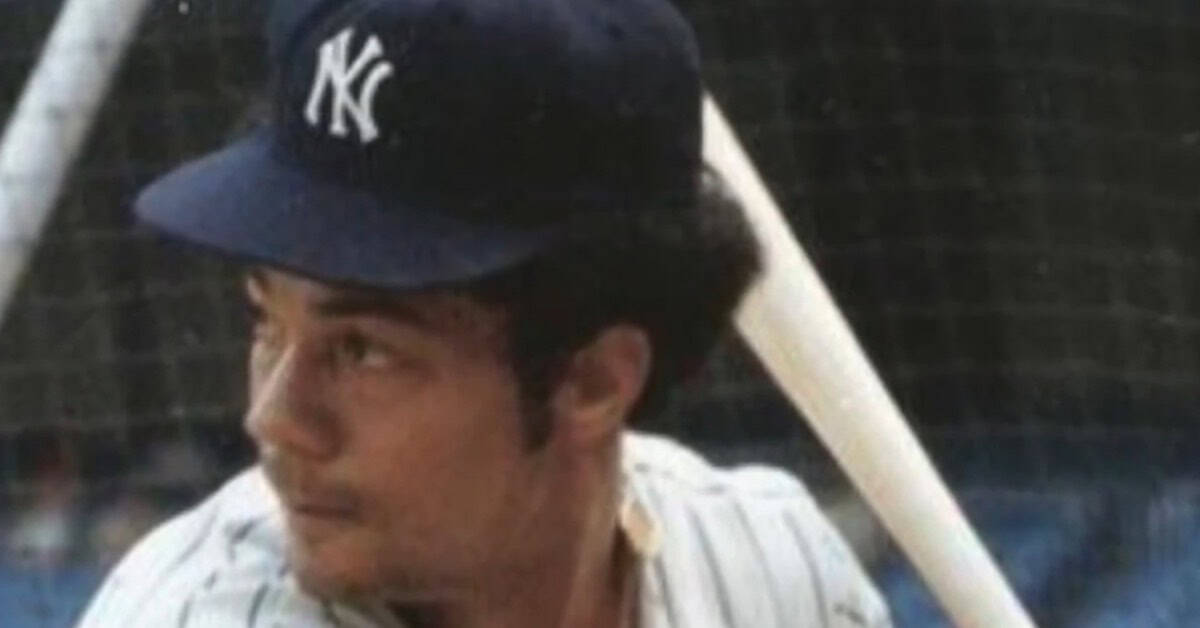
White arrived in the Bronx just as the great Yankee dynasty was ending, bringing speed, versatility, and switch-hitting ability to a franchise searching for a new identity. His patient approach at the plate and solid defense helped bridge the gap between the Mickey Mantle era and the championship teams of the ’70s. Though he played in the shadows of greater stars, White’s professionalism and clutch performances in big moments embodied the Yankee tradition during some of the organization’s most challenging years.
Jim Lemon – Washington’s Forgotten Fence-Buster
Lemon’s 164 home runs during the early ’60s provided the only excitement for long-suffering Senators fans, as his all-or-nothing swing produced either towering home runs or mighty strikeouts. His 1960 season of 38 home runs and 100 RBIs represented the peak of power hitting in the nation’s capital, while his friendly demeanor made him a fan favorite despite the team’s struggles. Though often overlooked in baseball history, Lemon’s prodigious power and dedication to a hopeless franchise earned him a special place in Washington’s baseball heart.
Alex Johnson – The Mysterious Talent Who Won a Batting Title
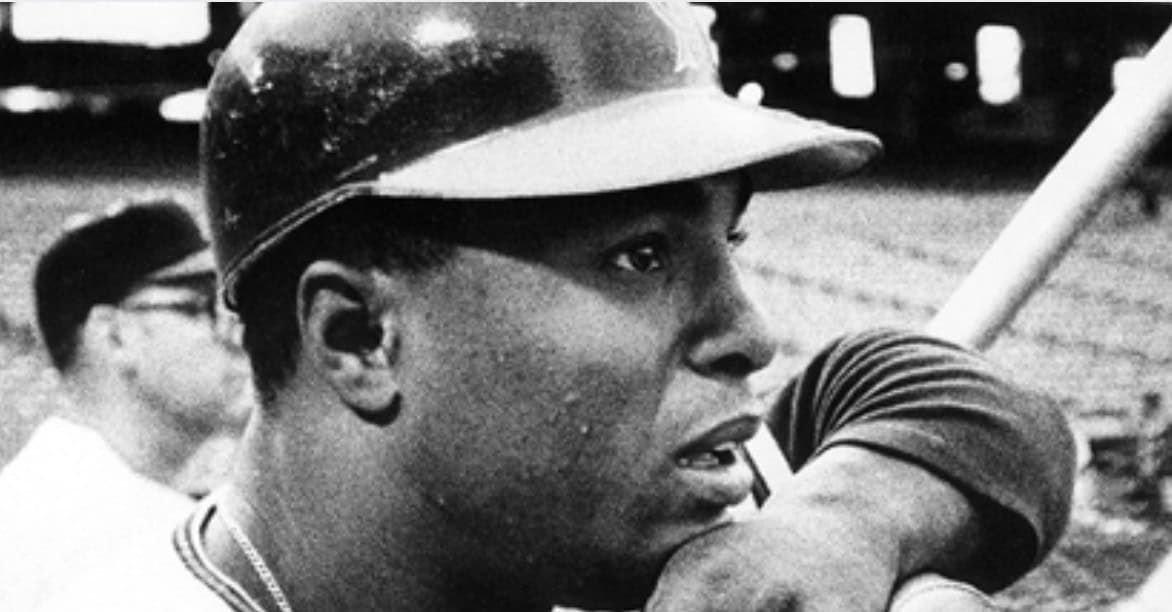
Johnson’s natural hitting ability was undeniable, as evidenced by his 1970 batting title, but his enigmatic personality and conflicts with management made him one of baseball’s most puzzling figures. His smooth stroke and line-drive power showed flashes of brilliance during the late ’60s, particularly with the Cardinals and Angels. Despite the controversies that would later define his career, Johnson possessed pure hitting talent that reminded observers of what might have been if circumstances had been different.
Bob Skinner – Pittsburgh’s Versatile Veteran
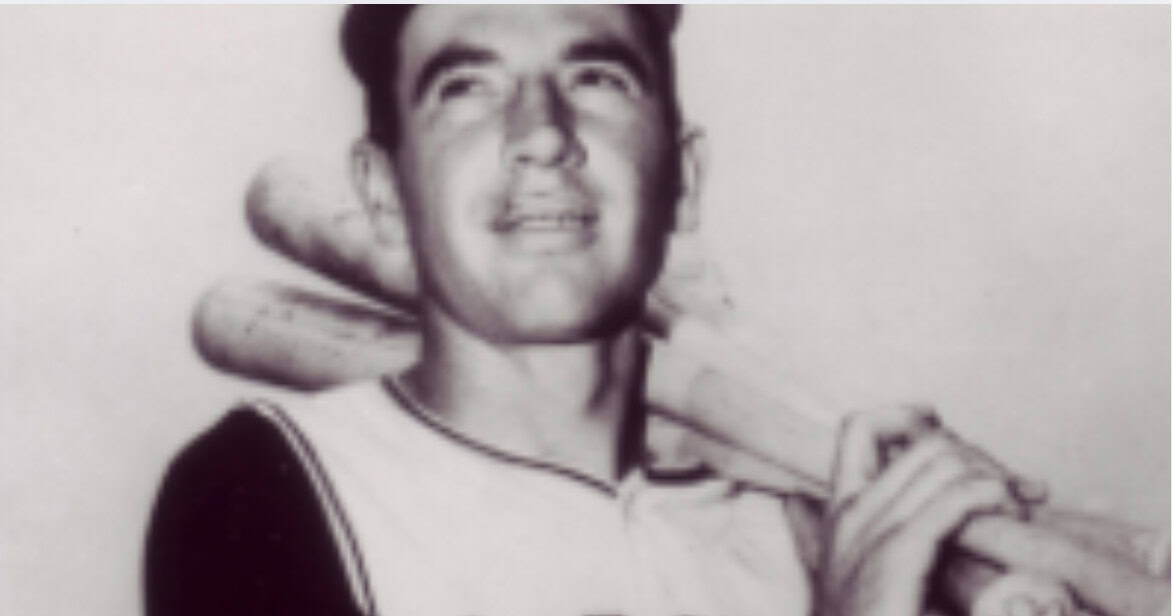
Skinner’s steady presence in Pittsburgh’s outfield during the early ’60s provided leadership and consistency as the Pirates transitioned from their 1960 championship team. His .277 career average and ability to play multiple positions made him invaluable to manager Danny Murtaugh, while his clutch hitting in pressure situations earned teammates’ respect. Though never a superstar, Skinner represented the kind of solid, professional ballplayer that championship teams are built around, contributing wherever needed without seeking individual glory.
Tom Tresh – The Yankee Switch-Hitter’s Promising Start
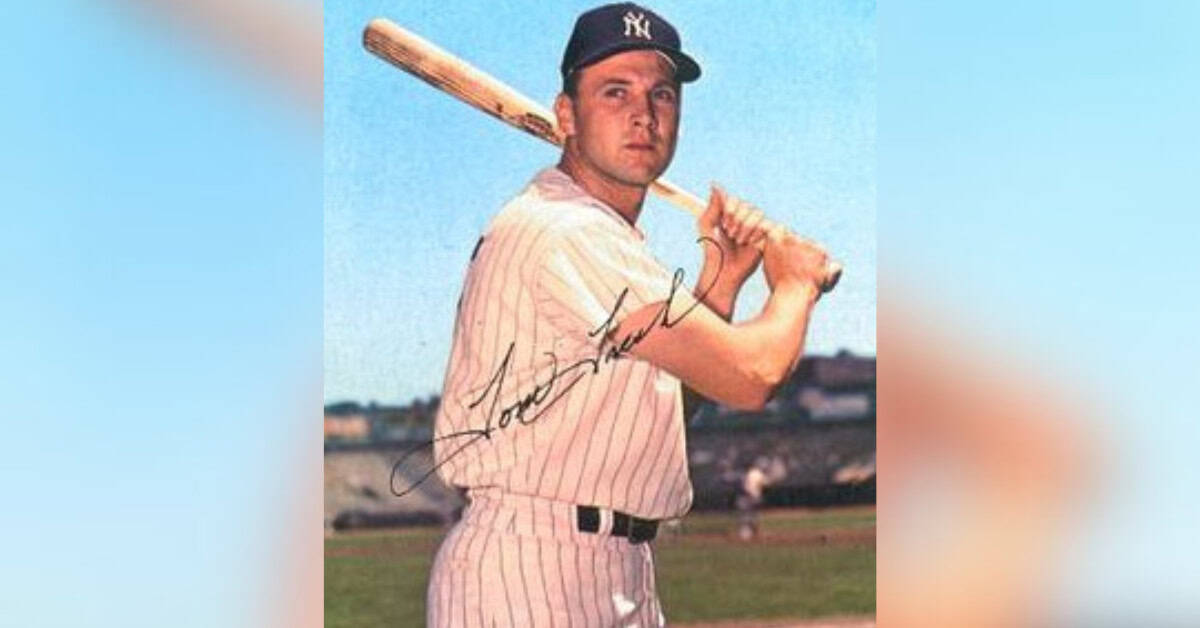
Tresh burst onto the scene as the 1962 Rookie of the Year, bringing switch-hitting power and defensive versatility to the Yankees’ final championship runs of the decade. His 20 home runs and clutch performances in the ’62 World Series seemed to herald a bright future in pinstripes, while his ability to play both left field and shortstop made him Casey Stengel’s dream player. Though injuries would later limit his impact, Tresh’s early promise and World Series heroics made him a beloved figure during the transition from the great Yankee dynasty.
Rico Carty – The Dominican Dandy’s Sweet Natural Swing
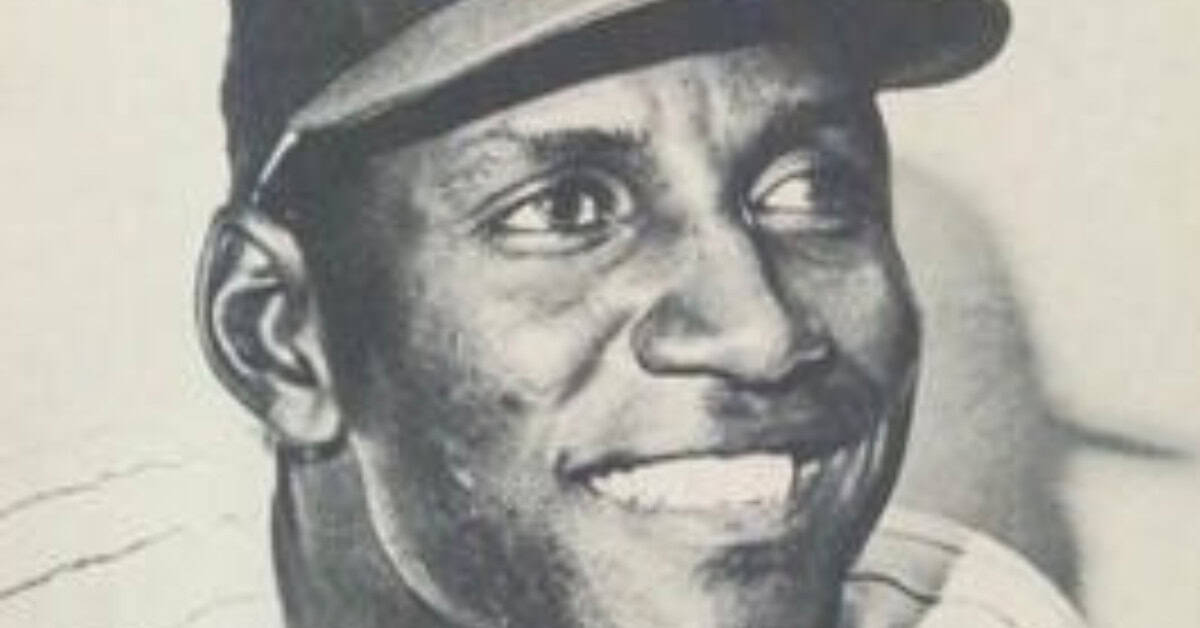
Carty’s emergence in the late ’60s showcased one of baseball’s most natural swings, as the Dominican Republic native brought Latin flair and serious hitting ability to Atlanta. His .330 average from 1969 to 1970 demonstrated the kind of pure hitting talent that transcended language and cultural barriers, while his infectious personality made him a fan favorite in the South. Though tuberculosis interrupted his career, Carty’s brief peak years revealed a hitter whose natural ability and joy for the game represented baseball’s growing international appeal.
Cleon Jones – The Miracle Met Who Caught the Final Out
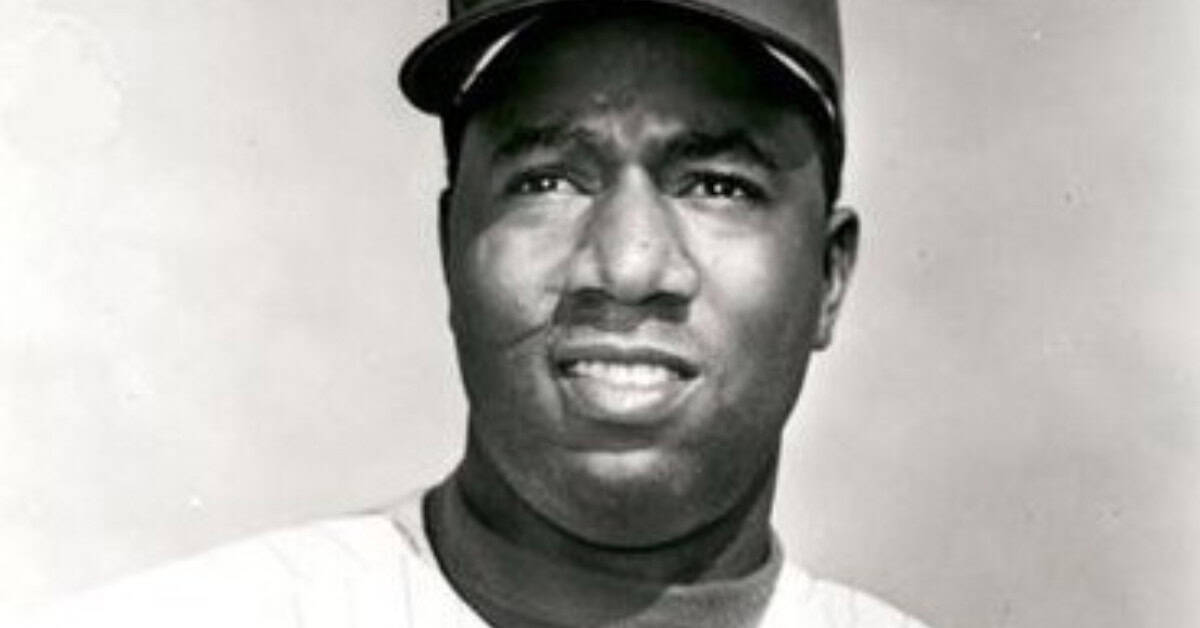
Jones spent most of the ’60s toiling in anonymity for the hapless Mets, but his steady improvement and clutch 1969 season helped transform New York’s lovable losers into world champions. His .340 average during that miracle season, combined with his sure glove in left field, made him an essential piece of baseball’s greatest Cinderella story. The image of Jones squeezing Davey Johnson’s fly ball for the final out of the 1969 World Series became forever etched in baseball lore—the perfect ending to a decade that proved anything was possible in America’s pastime.