

Last Updated: June 17th, 2026 by Michael Schatz
The 1990s were baseball’s boom years—when home runs flew like confetti and sluggers became household names. But while everyone remembers McGwire, Sosa, and Griffey, some of the decade’s most dangerous hitters have faded into the shadows of nostalgia. These ten forgotten mashers deserve a second look from fans who lived through the era when baseball ruled America’s summer nights.
Don't lose this article. Enter your email below, and I'll send it to you right now. Plus, we'll send you other unbelievable stories from baseball's past.
Mo Vaughn: The Hit Dog Who Made Fenway Shake Before Big Papi
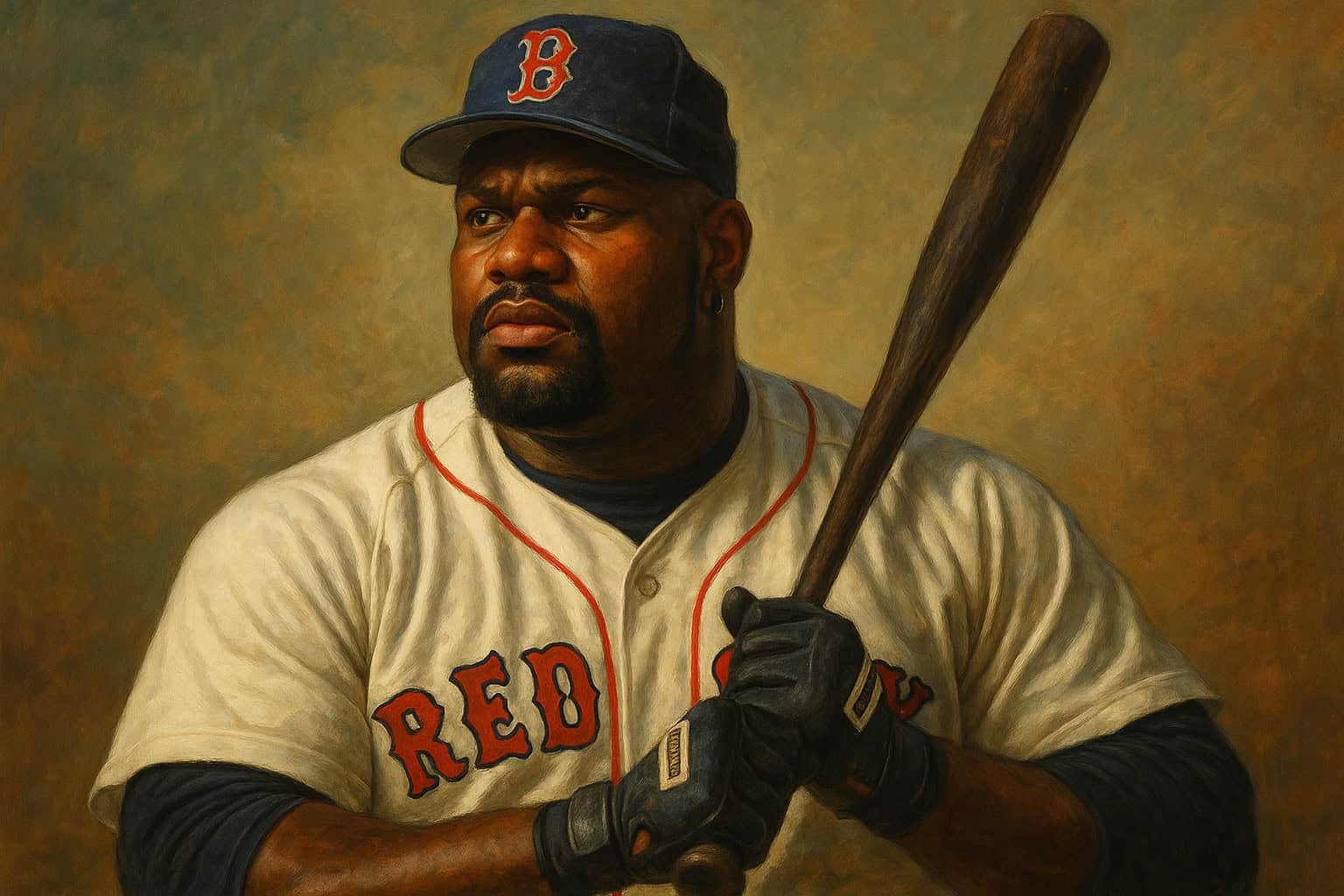
Before David Ortiz became Boston’s beloved designated hitter, Mo Vaughn was the Red Sox’s most feared slugger, earning the nickname “The Hit Dog” thanks to his aggressive approach at the plate. The burly first baseman smashed 230 home runs during the 1990s, including his MVP-caliber 1995 season when he hit .300 with 39 homers and 126 RBIs. Vaughn’s departure to Anaheim in 1999 left a massive hole in Boston’s lineup that wouldn’t be properly filled until Big Papi arrived, making him the forgotten bridge between the franchise’s power-hitting eras.
Albert Belle: Cleveland’s Volcanic Slugger Who Terrified Pitchers and Reporters
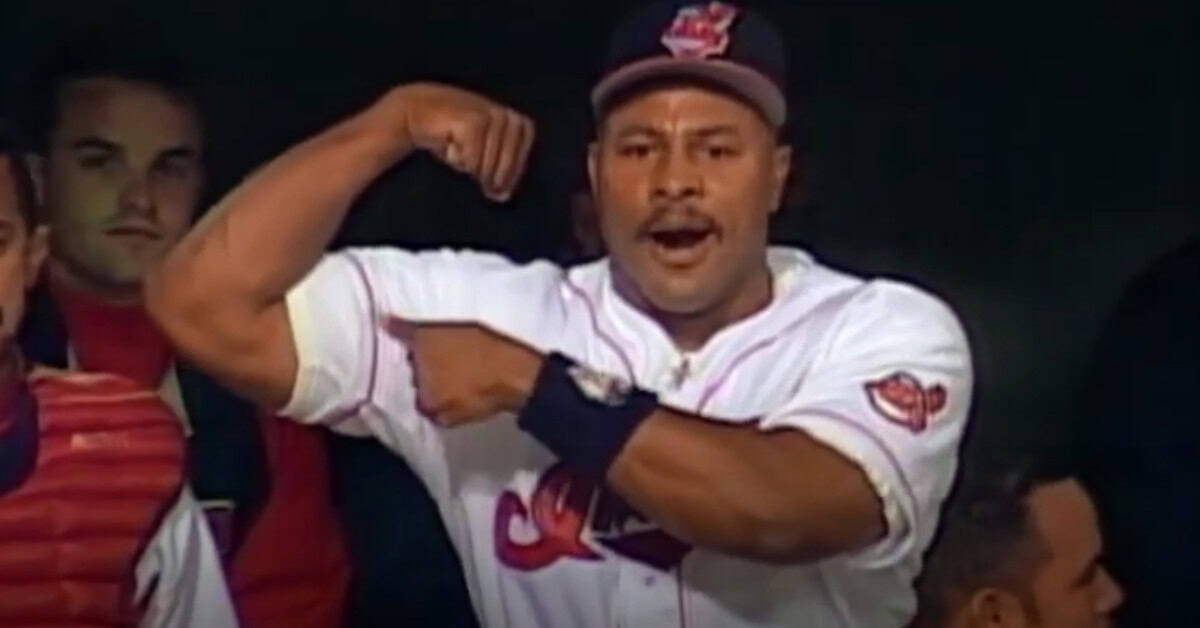
Albert Belle was a volcanic force who hit baseballs like he was settling personal grudges, averaging 36 home runs per season throughout the 1990s while maintaining a .295 batting average. His legendary 1995 campaign—50 home runs, 126 RBIs, and a .317 average—should have earned him the MVP award over Mo Vaughn. Belle’s surly demeanor with the media overshadowed his incredible production, but Cleveland fans remember how his bat carried the Indians to two World Series appearances and made the 1990s the franchise’s golden era.
Greg Vaughn: The Quiet Thunder Who Hit 45 Homers in Milwaukee’s Shadow
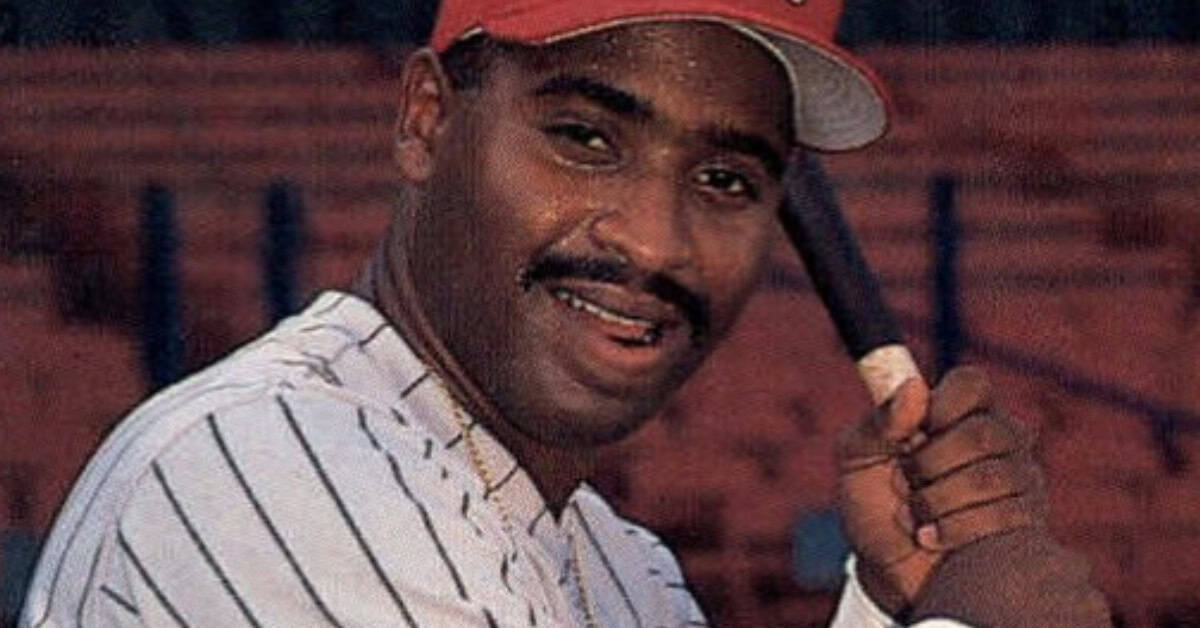
While playing in baseball’s smallest market, Greg Vaughn assembled one of the most consistent power displays of the decade, belting 245 home runs during the 1990s, including a spectacular 45-homer season in 1996. The former first-round pick possessed a picture-perfect swing that generated tremendous power to all fields, but Milwaukee’s perpetual rebuilding mode kept him out of the spotlight. His 1998 season in San Diego—50 home runs and 119 RBIs—finally gave him national recognition, proving what Brewers fans had known for years about their understated slugger.
Ray Lankford: St. Louis’ Five-Tool Star Lost in the McGwire Madness

Ray Lankford was the Cardinals’ most complete player during the 1990s, combining 228 home runs with 250 stolen bases and Gold Glove-caliber defense in center field. His peak came in 1997 when he hit 31 homers, drove in 98 runs, and stole 21 bases while patrolling Busch Stadium’s vast outfield with grace. Unfortunately, Mark McGwire’s arrival in 1997 and subsequent home run chase overshadowed Lankford’s remarkable versatility, relegating him to footnote status despite being one of the most valuable all-around performers of the decade.
Jim Edmonds: The Angels’ Acrobatic Slugger Before His Cardinal Glory Days
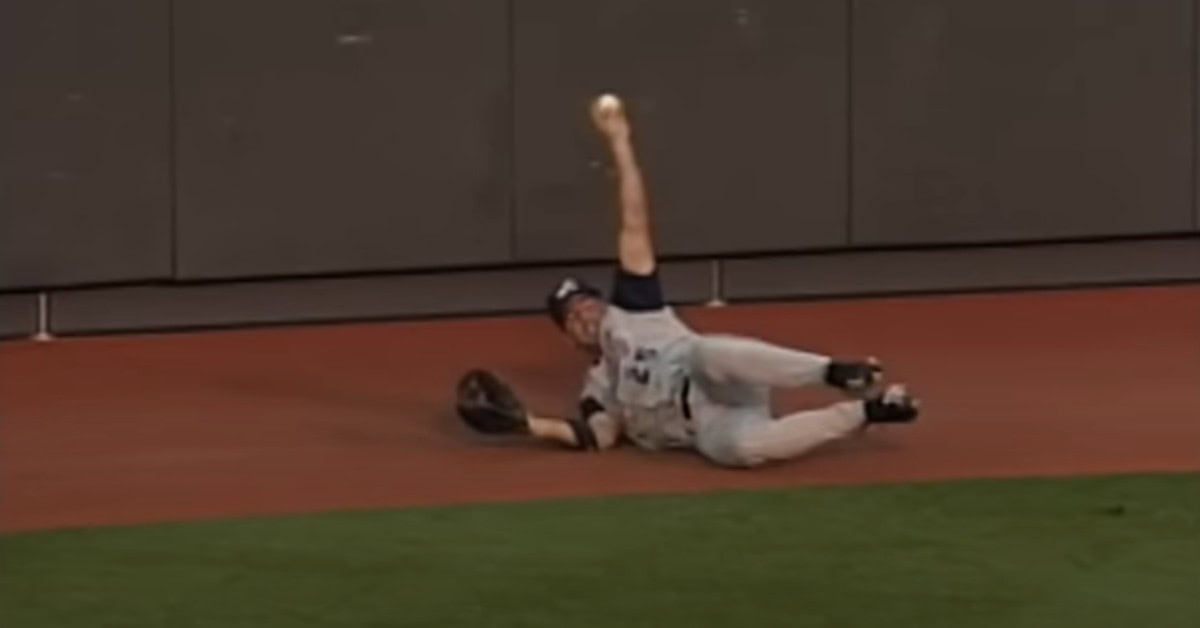
Before becoming a postseason hero in St. Louis, Jim Edmonds spent seven seasons in Anaheim, combining spectacular defensive plays with impressive power numbers that went largely unnoticed. The graceful outfielder hit 150 home runs for the Angels during the 1990s while making highlight-reel catches that would later make him famous in Cardinal red. His 1995 breakout season—33 homers, 107 RBIs, and a .290 average—established him as one of baseball’s premier center fielders, but California’s perpetual mediocrity kept his talents hidden from the national spotlight.
Dean Palmer: Texas Heat Lightning Who Made the Ballpark Dangerous
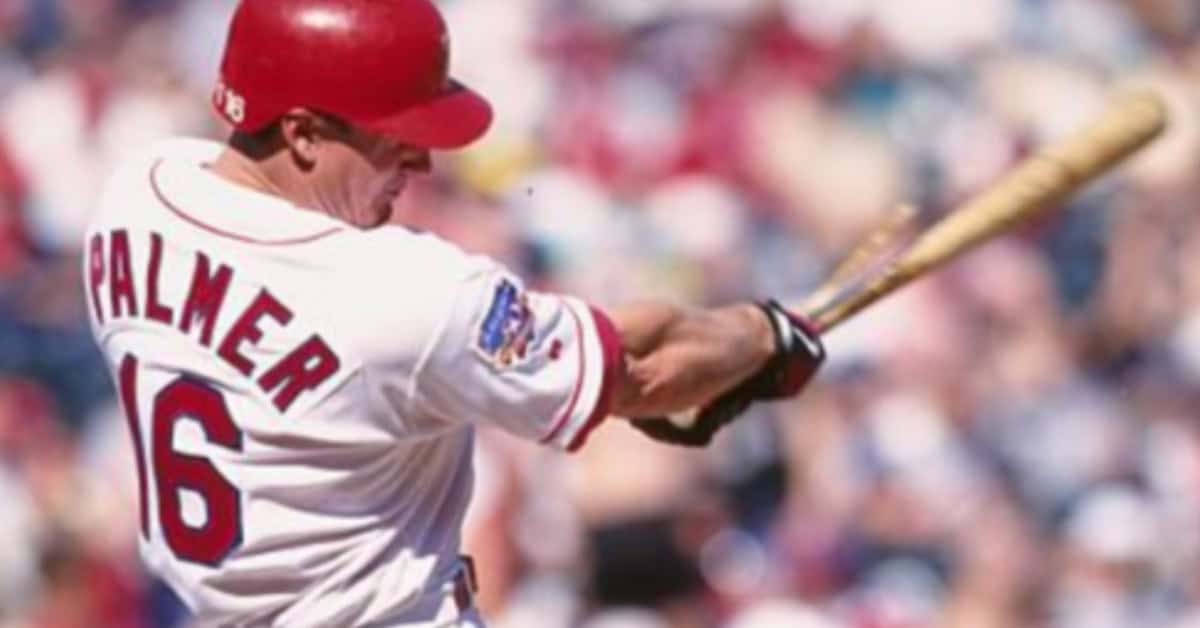
Dean Palmer turned the Ballpark in Arlington into his personal launching pad, crushing 212 home runs during the 1990s with a swing perfectly suited for Texas heat and favorable wind currents. The converted catcher’s 38-homer season in 1993 helped establish the Rangers as a legitimate offensive threat, while his 1996 campaign—38 homers and 107 RBIs—coincided with the team’s first-ever playoff appearance. Palmer’s towering home runs became a signature attraction at the new ballpark, though his high strikeout totals and defensive struggles prevented him from achieving widespread recognition beyond the Lone Star State.
Vinny Castilla: Coors Field’s Original Blake Street Bomber
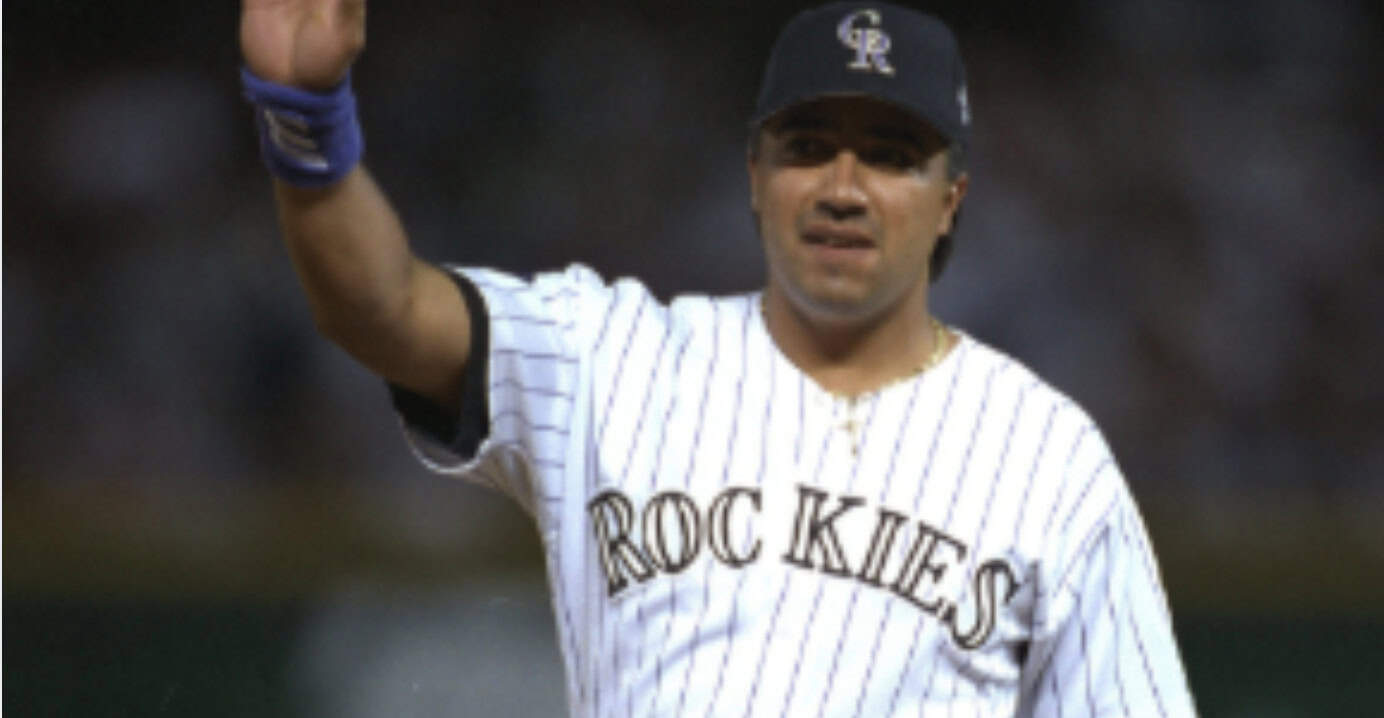
Before Larry Walker and Todd Helton became household names, Vinny Castilla was Coors Field’s original power threat, launching 239 home runs during the 1990s while anchoring third base for the expansion Rockies. His monster 1996 season—40 homers, 113 RBIs, and a .304 average—helped Colorado reach its first playoff berth and established him as one of the National League’s premier run producers. Castilla’s clutch hitting and steady defense made him the foundation of Denver’s early baseball success, though playing for a new franchise in a smaller market kept his considerable talents from receiving national attention.
Jose Canseco: The Bash Brother Who Hit Moon Shots Before the Controversy
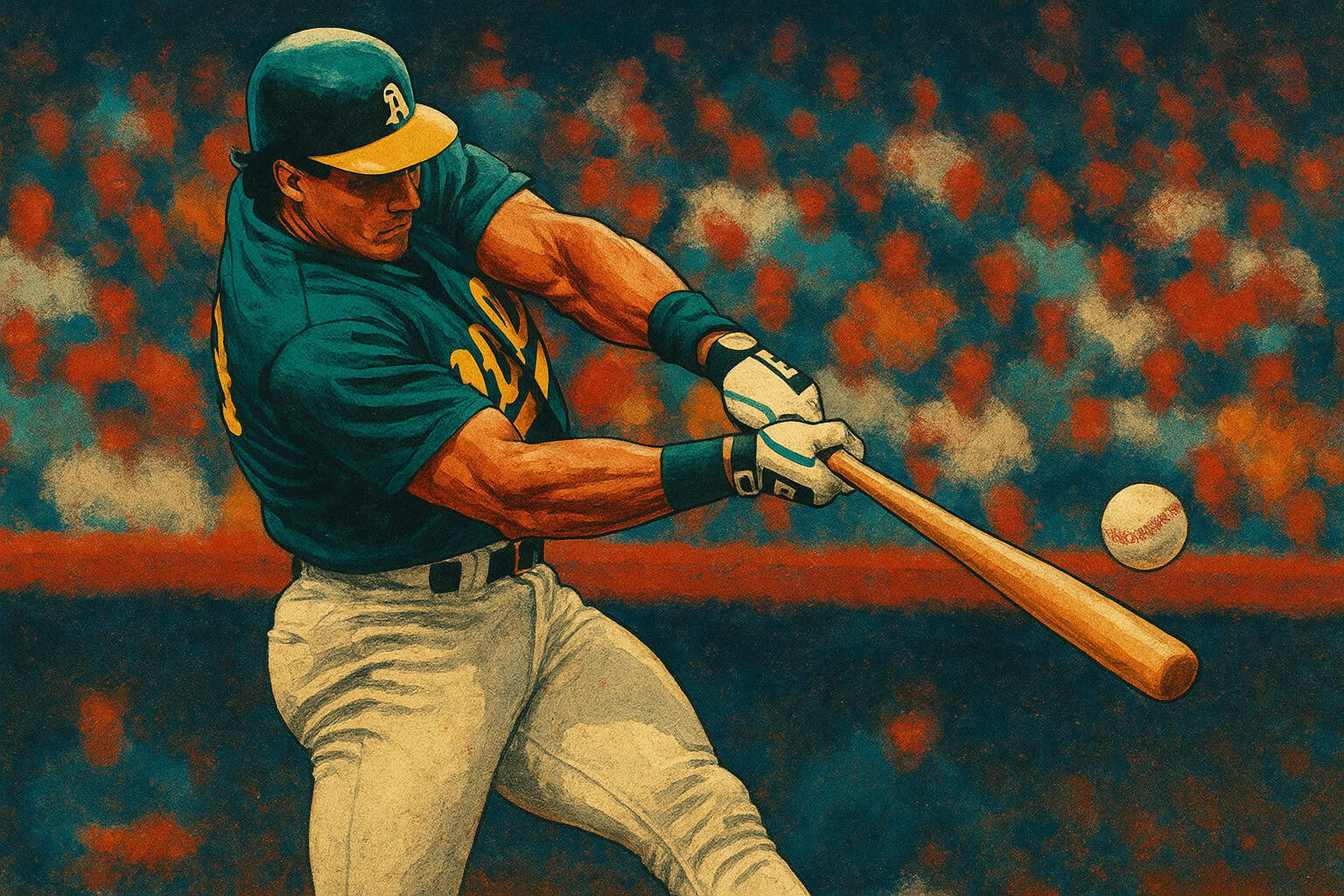
Jose Canseco’s 1990s production—246 home runs and 760 RBIs—gets overshadowed by his later steroid revelations, but during the decade, he remained one of baseball’s most feared sluggers with mammoth home runs that seemed to defy physics. His 1991 comeback season in Oakland produced 44 homers and 122 RBIs after missing most of 1990 with injury, while his 1998 campaign with Toronto saw him launch 46 home runs at age 33. Canseco’s towering blasts and muscular frame made him a fan favorite wherever he played, though his controversial later years have unfairly diminished memories of his legitimate 1990s dominance.
Tim Salmon: The Angel Who Flew Under the Radar in Anaheim

Tim Salmon spent his entire career in Anaheim’s shadow, quietly assembling Hall of Fame-caliber numbers, including 251 home runs during the 1990s, while the Angels struggled to find their identity. His 1995 season—34 homers, 105 RBIs, and a .330 average—represented one of the decade’s finest individual campaigns, though it occurred during another disappointing season for the team, which kept him out of MVP discussions. Salmon’s patient approach and tremendous power made him the Angels’ most consistent threat throughout the decade, but California’s perpetual mediocrity and West Coast late games prevented him from achieving the recognition his production deserved.
Dave Justice: Atlanta’s Clutch Masher Who Delivered When It Mattered
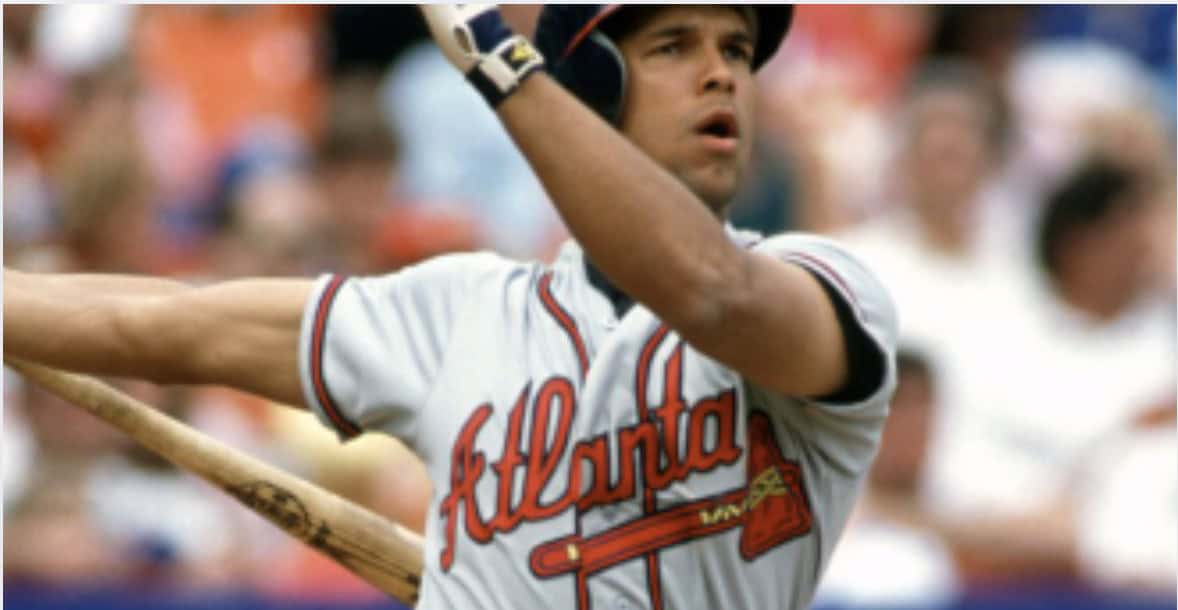
Dave Justice was the Atlanta Braves’ most reliable power source during their 1990s dynasty, hitting 203 home runs while providing clutch hits in countless playoff moments that helped secure the franchise’s 1995 World Series championship. His 1993 season—40 homers, 120 RBIs, and a .270 average—represented the peak of his considerable talents, while his dramatic postseason performances made him a legend in Atlanta. Justice’s ability to rise to the occasion in October, combined with his steady regular-season production, made him an integral part of the Braves’ unprecedented success, though playing alongside Chipper Jones and other superstars often left him as the forgotten member of baseball’s most dominant lineup.