


Last Updated: June 17th, 2026 by Michael Schatz
The 1960s were baseball’s golden age, where legends were made and records were shattered. From perfect games to impossible home run chases, this decade gave us some of the most memorable moments in baseball history. These 20 players didn’t just play the game – they defined an era that baseball fans still talk about with misty-eyed reverence.
Don't lose this article. Enter your email below, and I'll send it to you right now. Plus, we'll send you other unbelievable stories from baseball's past.
Willie Mays: The Say Hey Kid’s Golden Decade
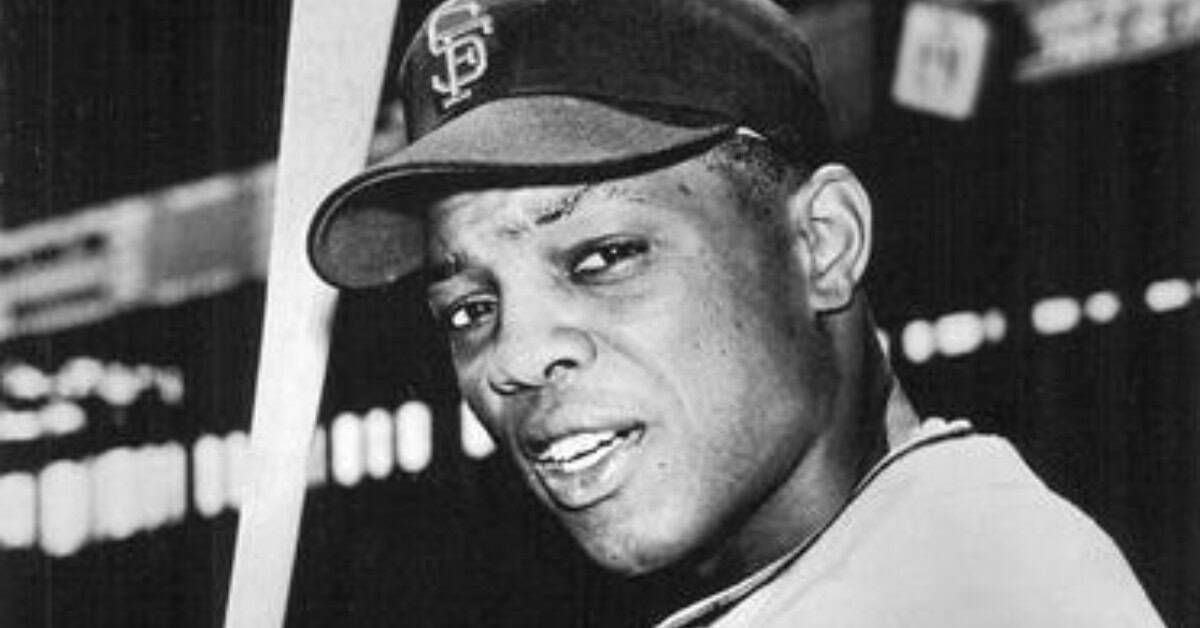
The 1960s saw Willie Mays at his magnificent peak, hitting .300 with 350 home runs and 1,003 RBIs across the decade. His combination of power and speed produced incredible numbers, including leading the league with 10.6 WAR in 1965. The Say Hey Kid’s defensive wizardry in center field remained unmatched, earning him Gold Gloves every year of the decade while thrilling fans with his signature basket catches.
Mickey Mantle: The Commerce Comet’s Last Hurrah
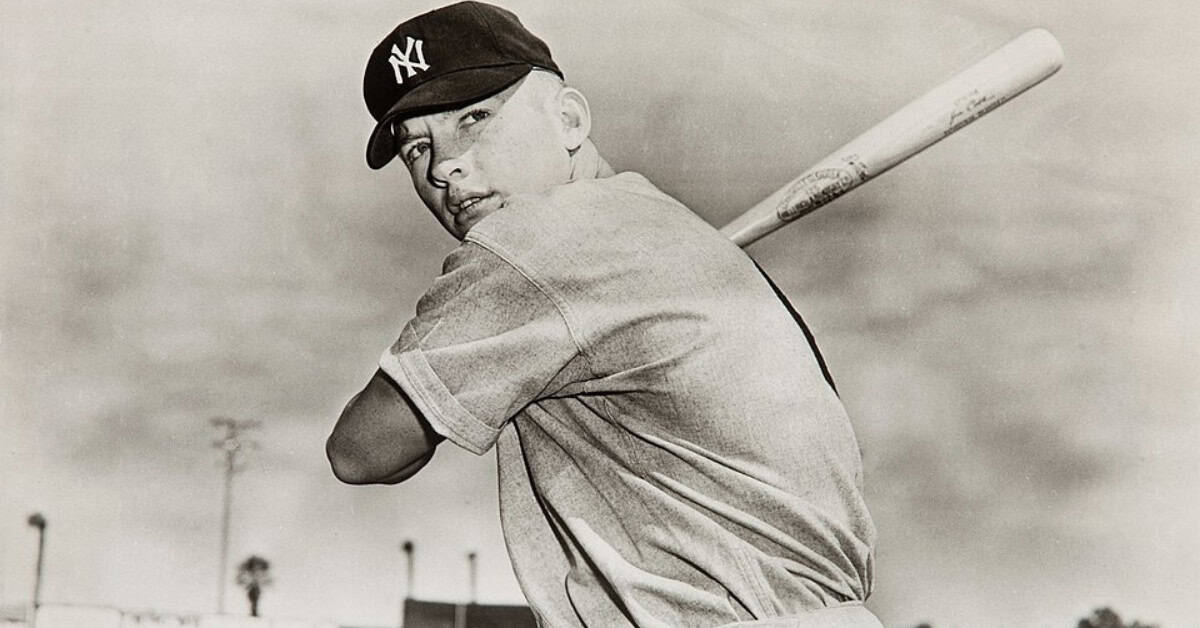
Though injuries began taking their toll, Mantle remained baseball’s most magnetic star early in the decade. In 1961, he launched 54 home runs while supporting teammate Roger Maris’s historic chase. Despite playing on deteriorating knees, The Commerce Comet still managed to hit 536 career home runs before retiring in 1968, leaving an indelible mark on Yankees history.
Sandy Koufax: The Left Arm of God
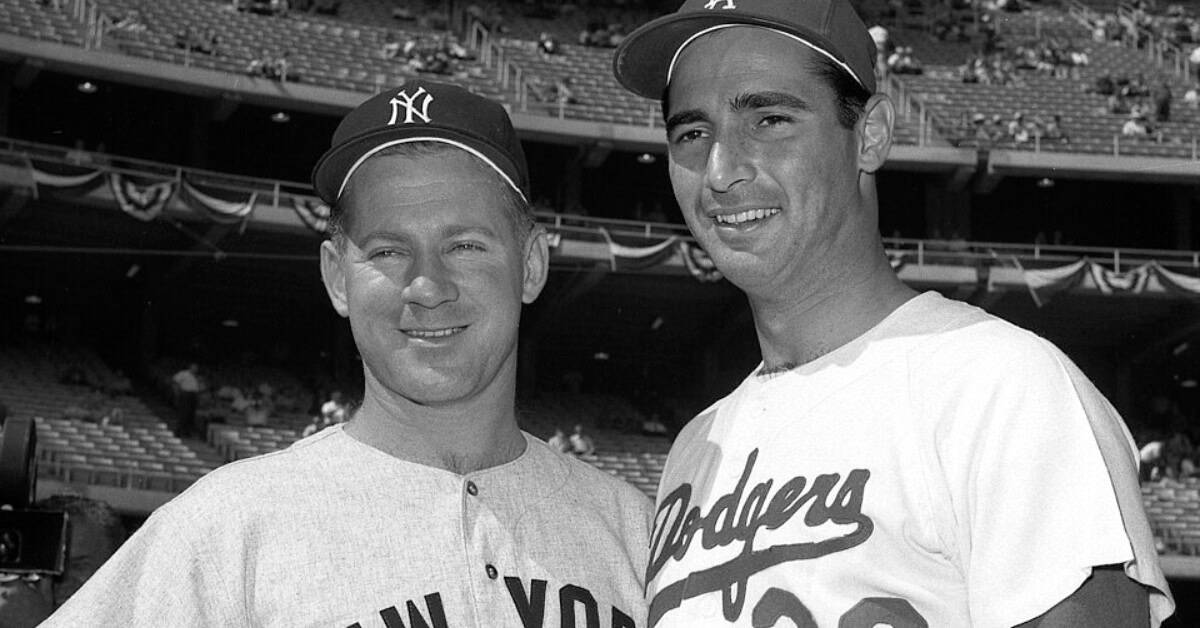
Koufax’s dominance from 1963-1966 represents perhaps the most spectacular peak by any pitcher in baseball history. His 1963 season was otherworldly: 25-5 record, 1.88 ERA, 11 shutouts, and 306 strikeouts. In his final four seasons, he posted a microscopic 1.86 ERA and threw four no-hitters, including a perfect game, before arthritis forced his retirement at age 30.
Roberto Clemente: Pride of Puerto Rico
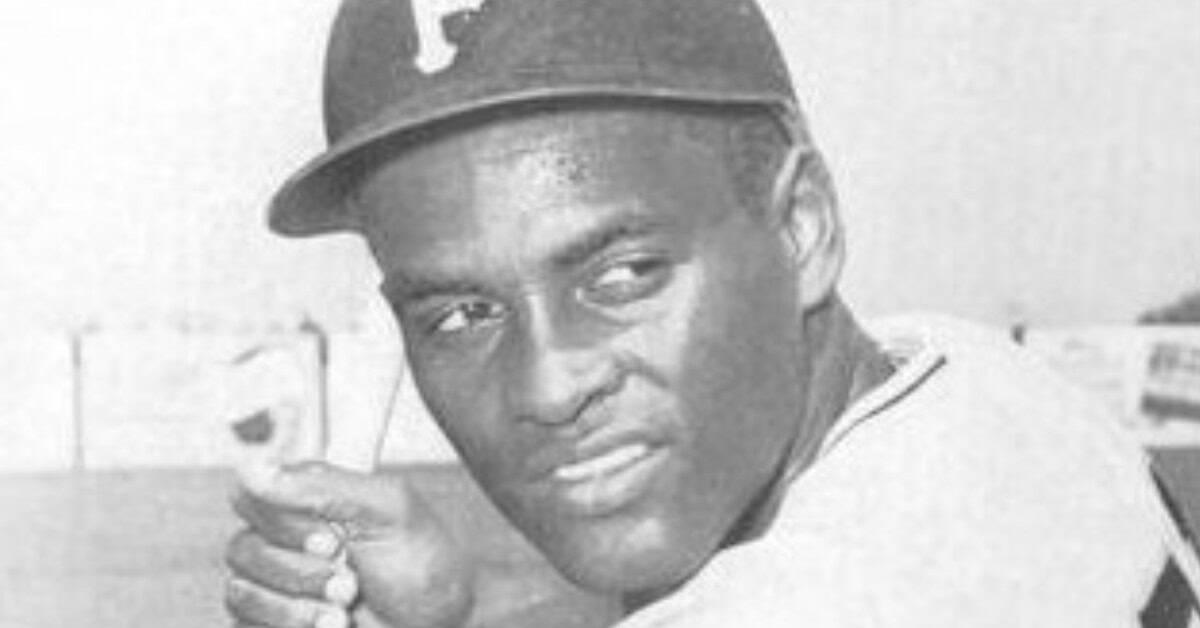
Clemente’s brilliance peaked in the 1960s, winning the NL batting title in 1961, 1964, 1965, and 1967. His rocket arm in right field became legendary, while his .357 average in 1967 was the highest in the National League since Stan Musial in 1946. Beyond the numbers, Clemente’s grace and style revolutionized the game and inspired a generation of Latin American players.
Hank Aaron: Chasing the Impossible Dream
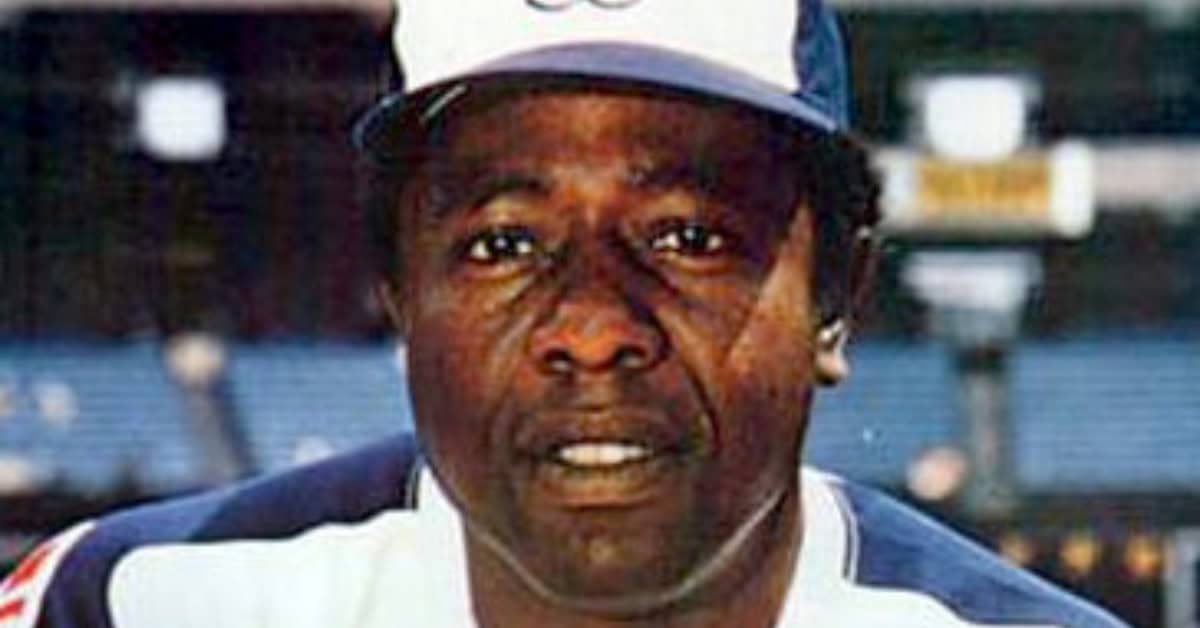
Aaron’s consistency during the 1960s was remarkable, hitting 375 home runs and driving in over 1,000 runs in the decade. He led the league in total bases four times, won his third Gold Glove in 1960, and became the first player to reach 3,000 hits and 500 home runs. By decade’s end, he was closing in on Babe Ruth’s seemingly unbreakable record.
Bob Gibson: The Most Intimidating Season Ever (1968)
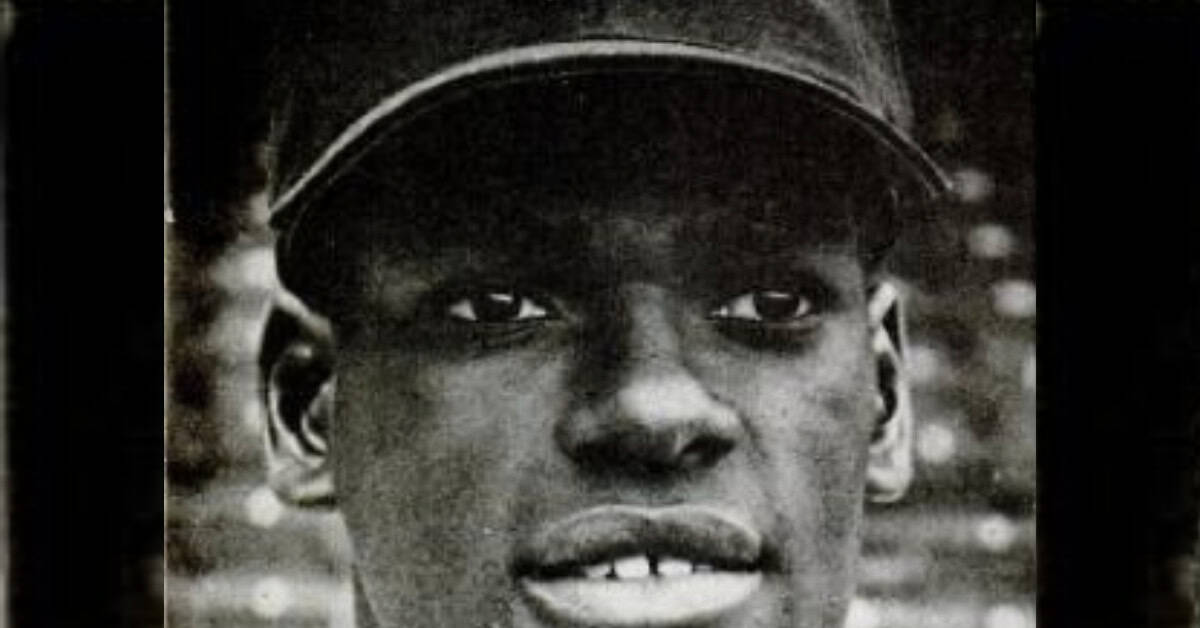
Gibson’s 1968 season remains one of baseball’s greatest achievements: a 1.12 ERA, 13 shutouts, and 268 strikeouts. His intimidating presence and devastating slider helped lead the Cardinals to two World Series titles in the decade. Gibson’s dominance was so complete that MLB lowered the pitcher’s mound the following year in response to his overwhelming success.
Carl Yastrzemski: The Triple Crown Hero of ’67
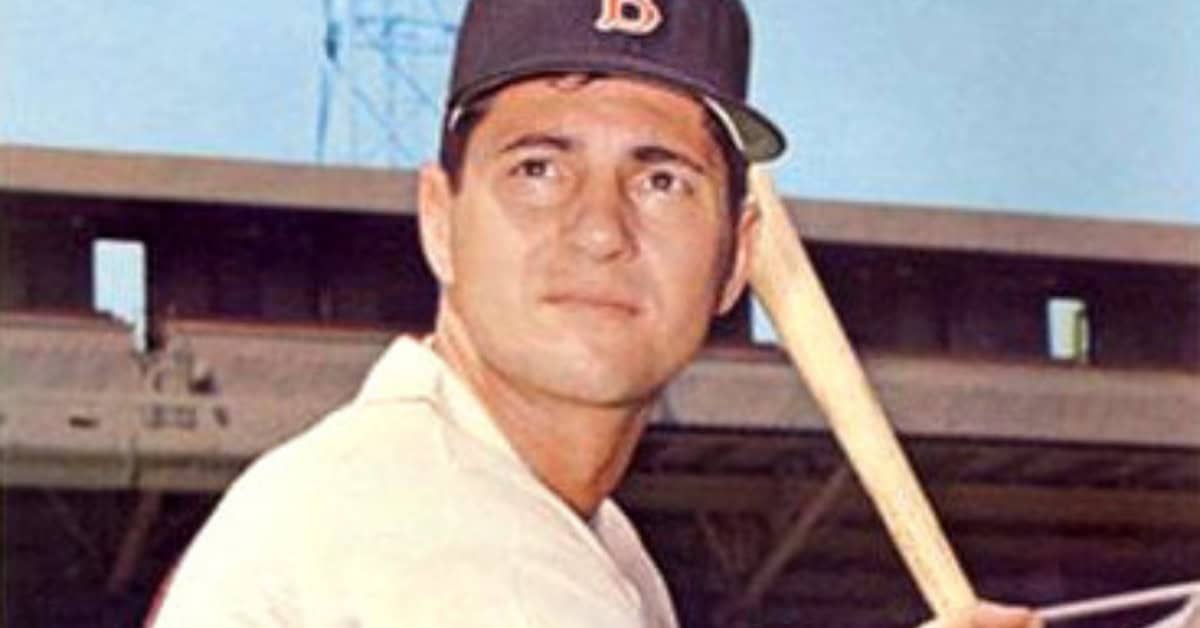
Yaz’s magical 1967 season saw him win the Triple Crown with a .326 average, 44 home runs, and 121 RBIs while leading the “Impossible Dream” Red Sox to the pennant. His performance in the season’s final two weeks, hitting .523 during a crucial pennant race, remains one of baseball’s greatest clutch performances.
Brooks Robinson: The Human Vacuum Cleaner
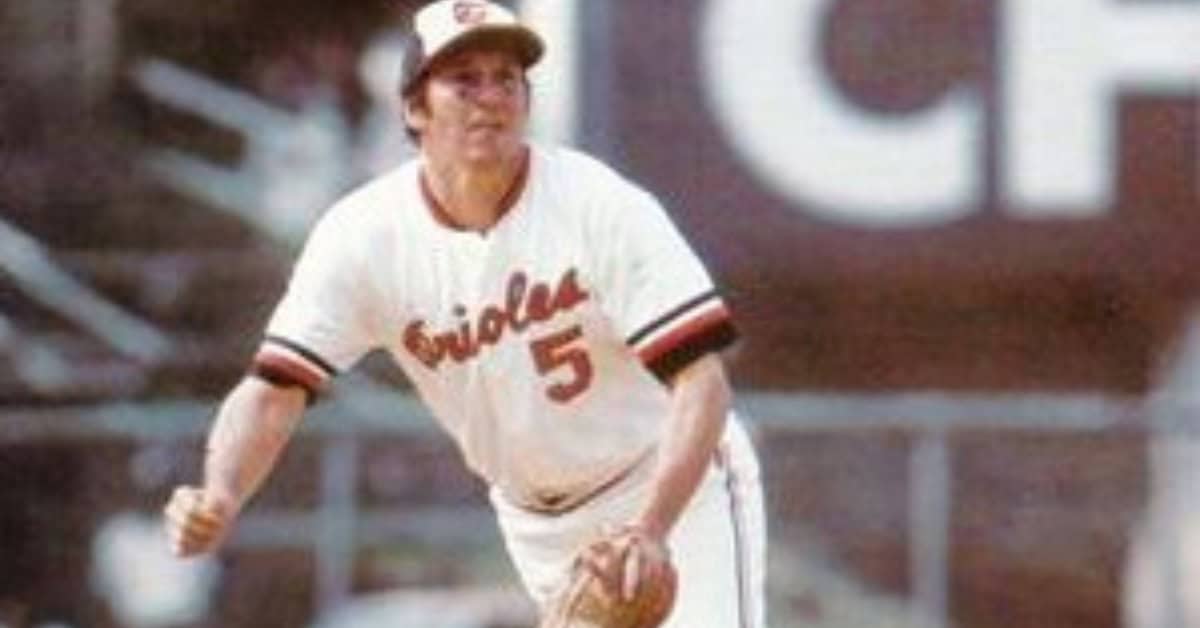
Robinson revolutionized third base play during the 1960s, winning the Gold Glove every year of the decade. His defensive masterpiece came in the 1970 World Series, where his spectacular plays frustrated the Cincinnati Reds. The 16-time Gold Glove winner combined his defensive wizardry with consistent offensive production, including the 1964 AL MVP award.
Frank Robinson: Making History in Both Leagues
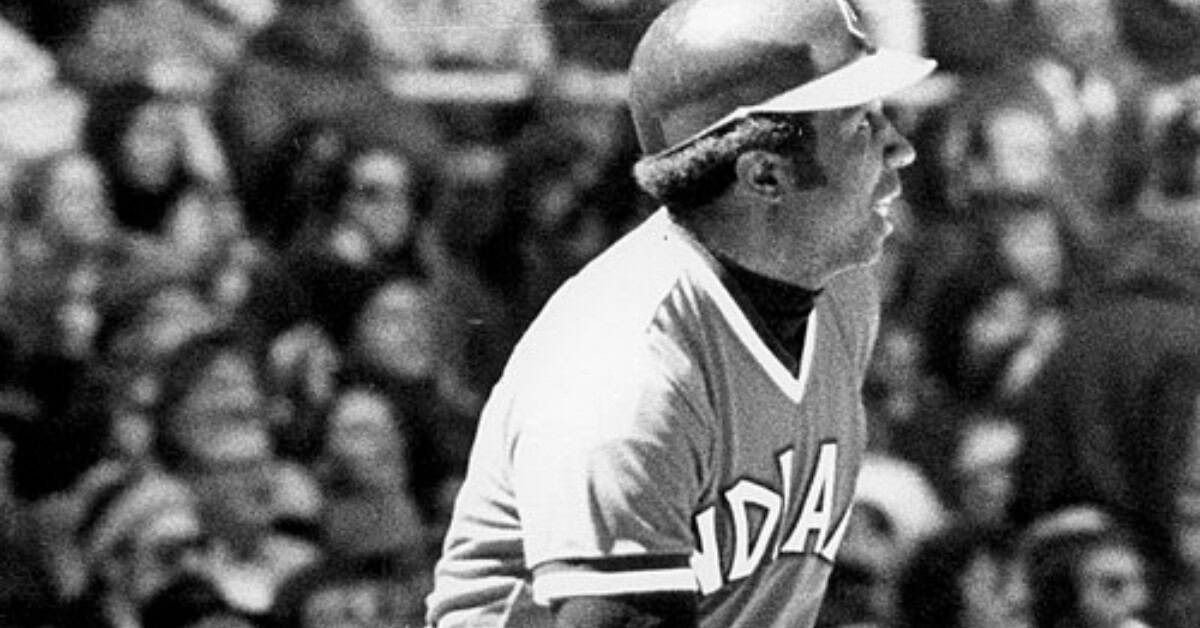
After winning the 1961 NL MVP with Cincinnati, Robinson made history by winning the 1966 Triple Crown and AL MVP with Baltimore, becoming the first player to win MVP honors in both leagues. His leadership transformed the Orioles into a dynasty, culminating in two World Series appearances and one championship in the decade.
Roger Maris: 61 in ’61
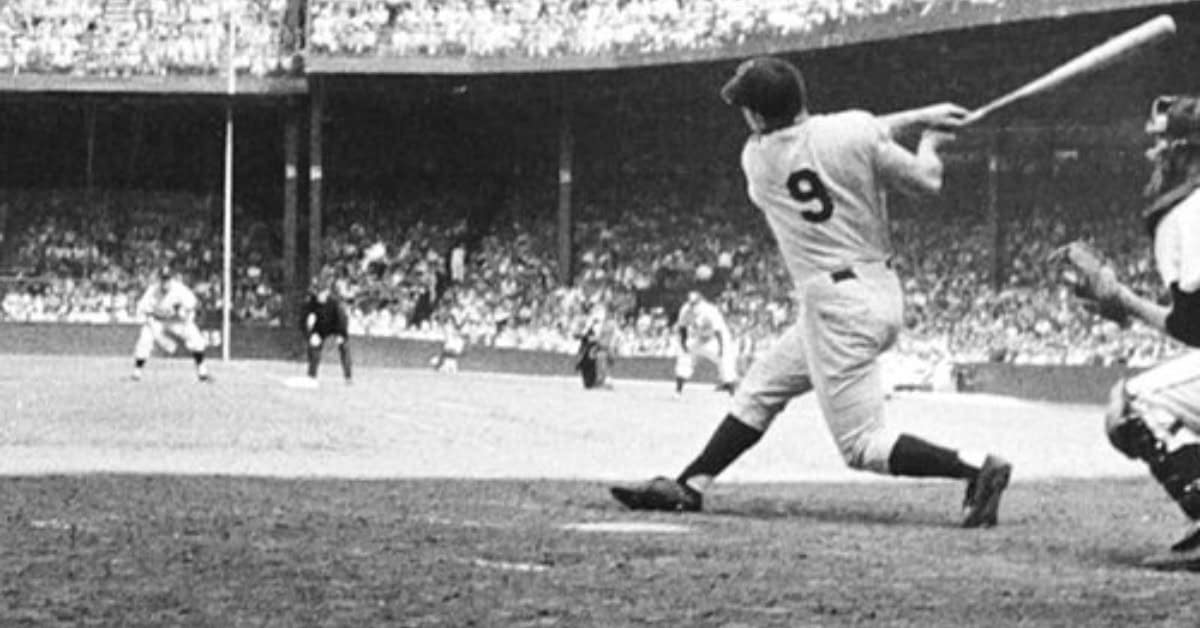
In 1961, Maris accomplished what many thought impossible, breaking Babe Ruth’s single-season home run record with 61 homers. Despite the controversy surrounding the achievement, Maris’s record stood for 37 years. His back-to-back MVP seasons in 1960 and 1961 represent one of baseball’s greatest power-hitting peaks.
Don Drysdale: The 58 Scoreless Innings Man
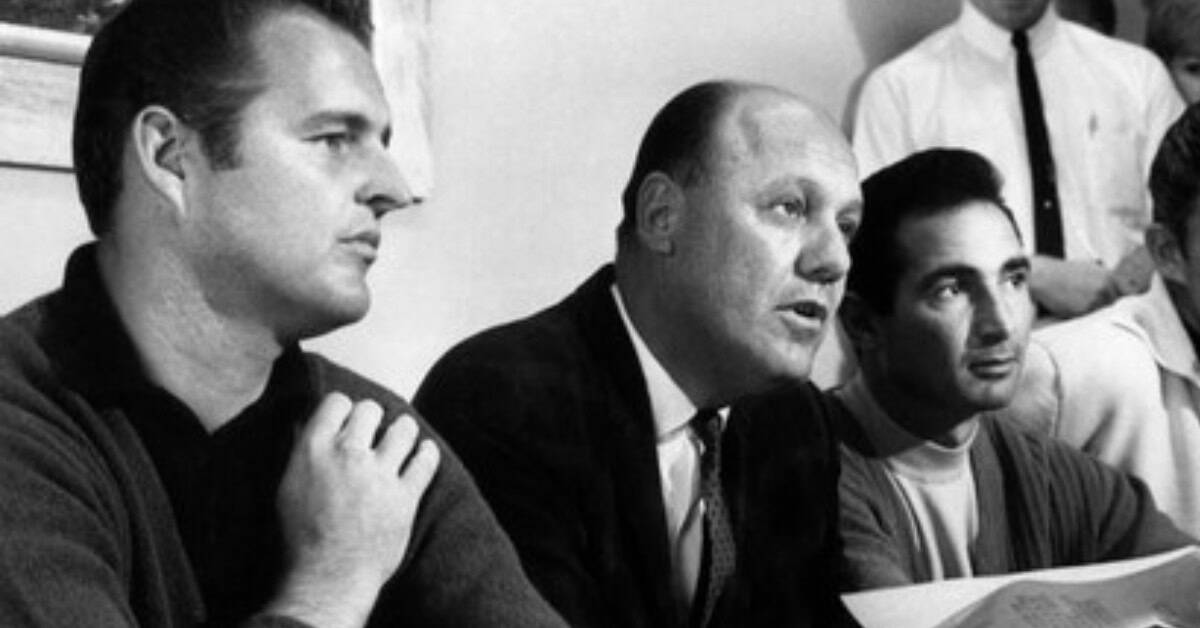
Drysdale’s 1968 streak of 58⅔ consecutive scoreless innings stood as a record for 20 years. The intimidating right-hander won 209 games during his career, led the league in strikeouts three times, and was part of three World Series championship teams with the Dodgers. His sidearm delivery and willingness to pitch inside made him one of the most feared pitchers of his era.
Juan Marichal: The Dominican Dandy’s High Kick
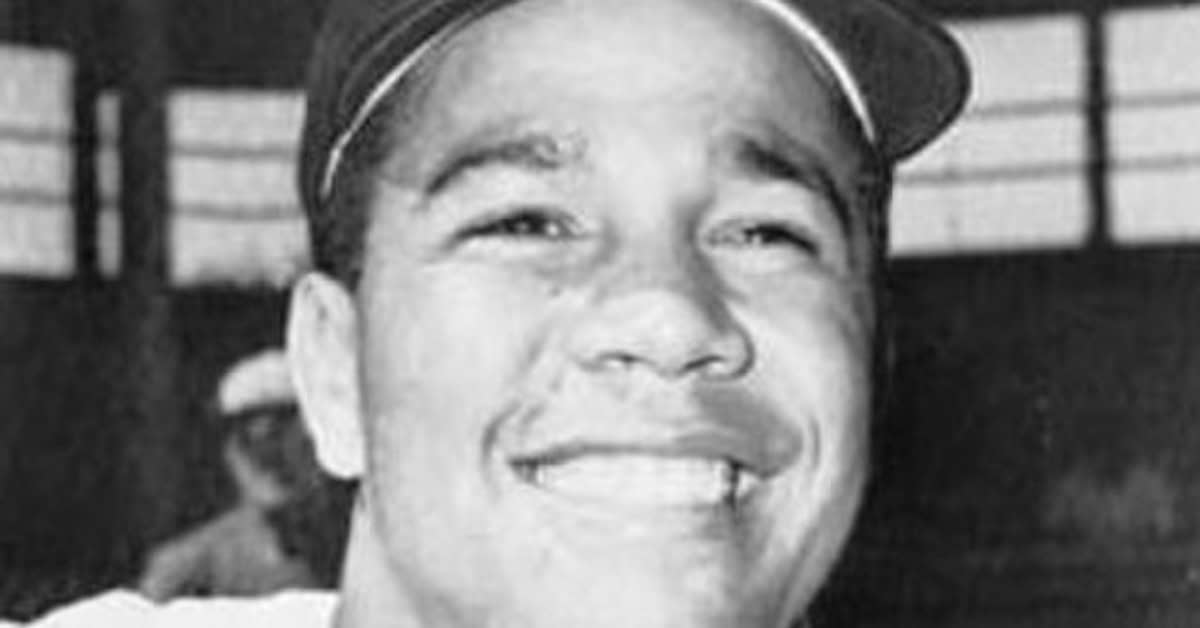
Marichal’s distinctive high-kick delivery became baseball’s most recognizable pitching motion of the 1960s. He won more games (191) than any other pitcher during the decade, including an incredible 25-win season in 1963. The Dominican Dandy’s career 2.89 ERA and 243 wins helped pave the way for future Latin American pitching stars.
Whitey Ford: The Chairman of the Mound
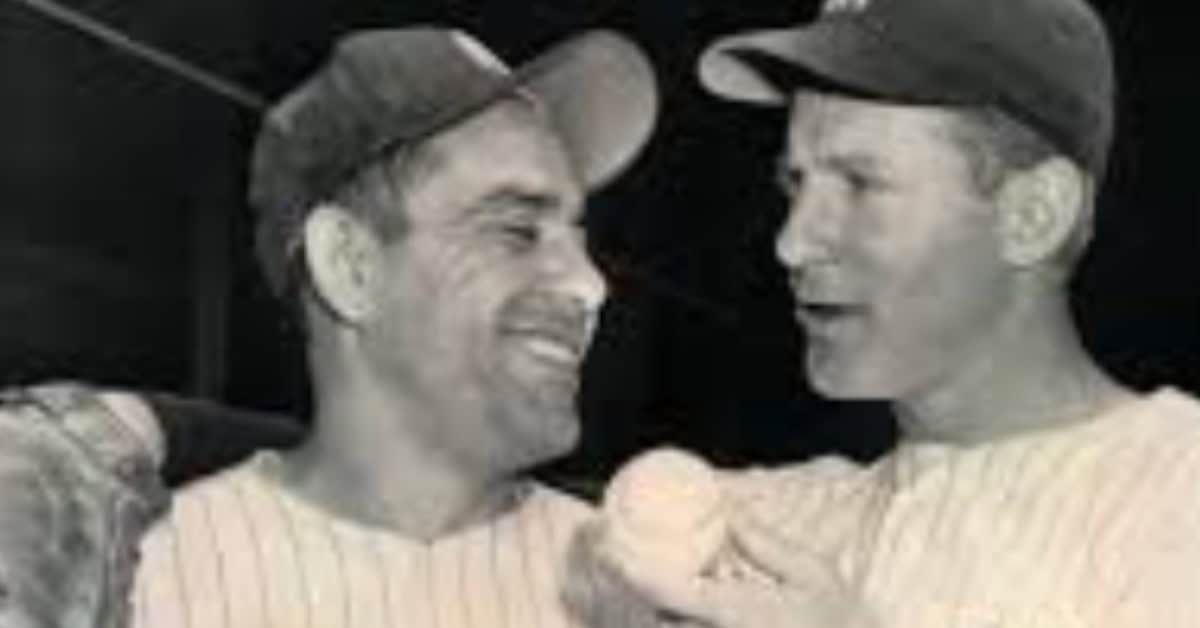
Ford began the decade by winning the Cy Young Award in 1961 with a 25-4 record and 3.21 ERA. The Chairman of the Board’s craftiness and control helped him win 236 games in his career, and his 10 World Series victories remain a record. His mastery of the art of pitching made him the anchor of the Yankees’ dynasty.
Al Kaline: Mr. Tiger’s Decade of Excellence
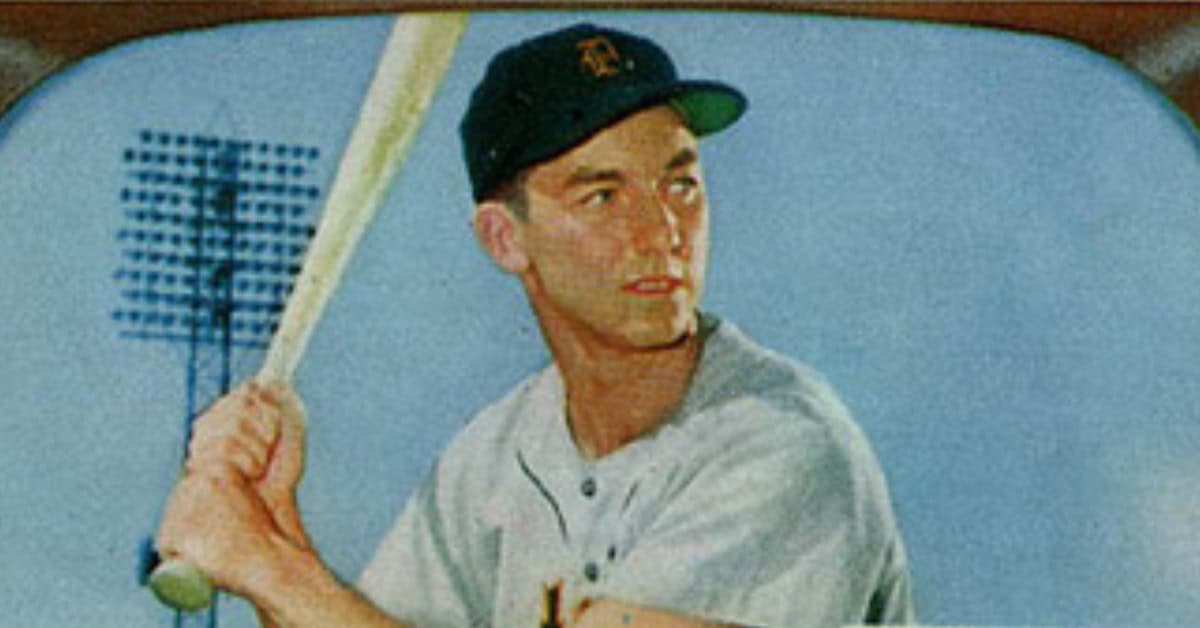
Kaline’s consistency throughout the 1960s was remarkable, as he collected his 2,000th hit before age 31. Mr. Tiger earned 10 Gold Gloves during his career, including seven in the 1960s. His combination of hitting (.297 lifetime average) and defensive excellence made him one of the most complete players of his era.
Ernie Banks: Mr. Cub’s “Let’s Play Two” Era
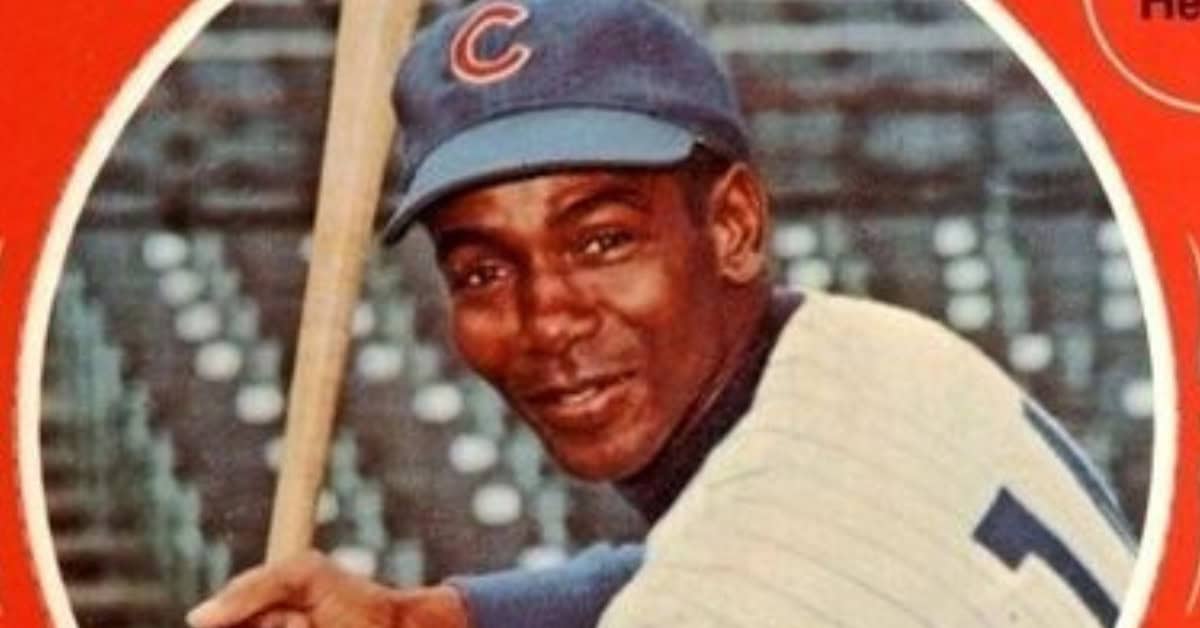
Banks’s infectious enthusiasm and powerful bat made him Chicago’s most beloved player. Despite playing for perpetually struggling Cubs teams, Mr. Cub maintained his legendary optimism while hitting 315 home runs during the 1960s. His back-to-back MVP seasons in 1958-59 set the stage for a decade of continued excellence.
Billy Williams: Sweet-Swinging Consistency

Williams’s smooth left-handed swing produced remarkable consistency throughout the 1960s. He played in 1,117 consecutive games, demonstrating his durability and dedication. The Hall of Famer hit .296 with 245 home runs during the decade, earning Rookie of the Year honors in 1961 and setting the stage for a stellar career.
Willie McCovey: Stretch’s Rise to Greatness
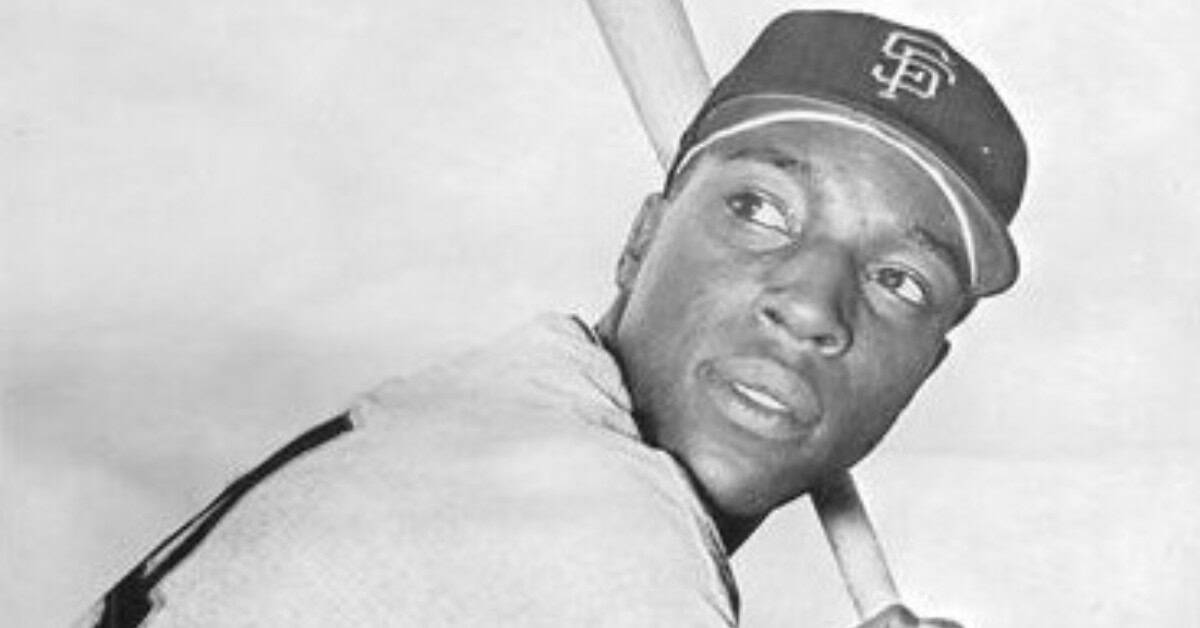
McCovey’s powerful left-handed swing struck fear into opposing pitchers throughout the 1960s. He won the NL MVP in 1969, hitting .320 with 45 home runs and 126 RBIs. Stretch’s presence in the Giants’ lineup alongside Willie Mays created one of baseball’s most formidable offensive duos.
Pete Rose: Charlie Hustle’s Rookie Revolution
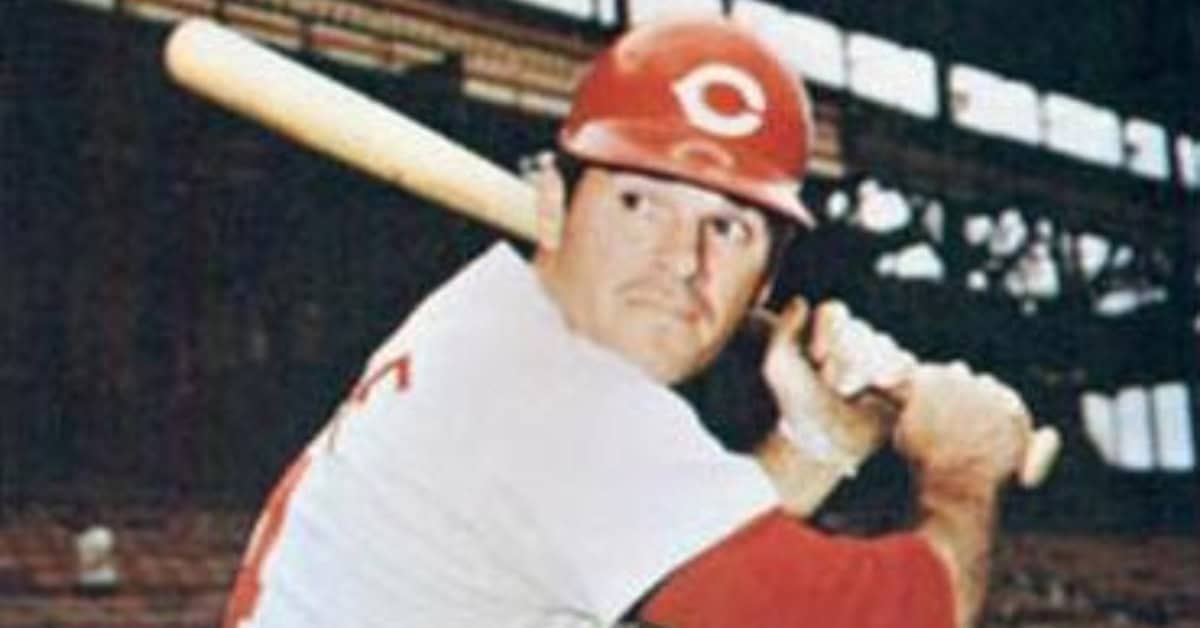
Rose burst onto the scene in 1963, winning Rookie of the Year and establishing his trademark hustle. By decade’s end, Charlie Hustle had accumulated 1,777 hits, winning the batting title in 1968 (.335) and helping transform the Reds into a powerhouse. His head-first slides and aggressive style changed how the game was played.
Lou Brock: The Base-Stealing Revolutionary
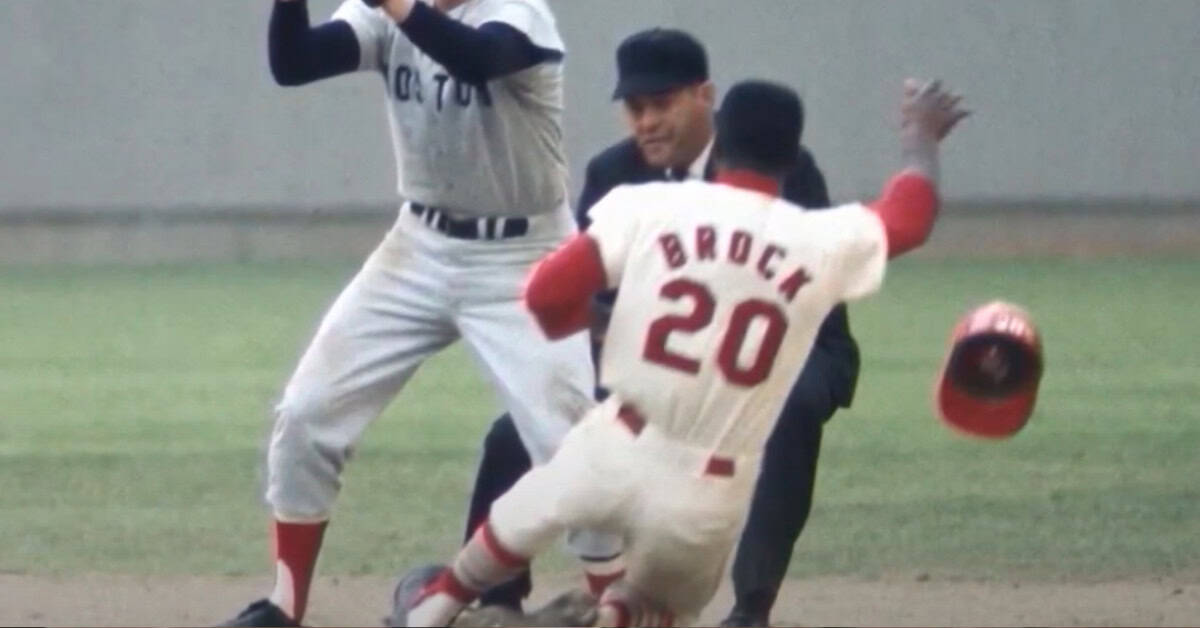
Brock revolutionized the art of base stealing in the 1960s, swiping 558 bases during the decade. His trade from the Cubs to the Cardinals in 1964 transformed both franchises, as he helped lead St. Louis to two World Series titles. His combination of speed and hitting made him one of baseball’s most exciting players.
Warren Spahn: The Ageless Wonder’s Final Act

Though in the twilight of his career, Spahn remained effective into the 1960s, winning his 300th game in 1961 and pitching a no-hitter at age 40. The winningest left-hander in history (363 victories) demonstrated remarkable durability, completing 382 of his 665 starts and helping bridge baseball’s transition from the 1950s to the modern era.