

Last Updated: September 29th, 2026 by Matthew Brown
There is nothing like the National Baseball Hall of Fame. It's the only one in sports where getting voted into the hallowed hall in your first year of eligibility matters more than any other time that you could be voted in. It's a unique honor that holds its own argument as to who deserves to receive it.
Don't lose this article. Enter your email below, and I'll send it to you right now. Plus, we'll send you other unbelievable stories from baseball's past.
For all the Hall of Famers that are in Cooperstown right now, we've got a list of 10 who did not get in on their first opportunity. It will be interesting to see what you think as to who's deserving of that high of praise.
10. Larry Walker: The Rockies' Revolutionary Forced to Wait (HOF)

I don't care if he played in Colorado. Larry Walker had five big tools to work with, and he showed them throughout his career. He had a .313 lifetime batting average. He had a league-leading 49 home runs in his 1997 MVP season, and he also had 33 stolen bases. He won seven Gold Gloves. He led the league in outfield assists three separate years. All of that adds up to a 72.7 career WAR.
No retired player has accumulated 70 career WAR or more and not been inducted into the Hall of Fame. If you don't think all of that is first-ballot worthy, then you must at least agree that he should not have waited until his final year of eligibility to be voted in, as he did in 2020.
| Larry Walker — Career | Total |
|---|---|
| G | 1988 |
| AB | 6907 |
| H | 2160 |
| HR | 383 |
| RBI | 1311 |
| SB | 230 |
| AVG | .313 |
| OBP | .400 |
| SLG | .565 |
| OPS | .965 |
| MVP | 1 |
| All-Star selections | 5 |
| Gold Gloves | 7 |
| Silver Sluggers | 3 |
9. Ron Santo: A Third Base Legend's Long Road Home (HOF)

You'll find that there are thresholds that I'll put forth that can make it seem like a player should automatically be put into the Hall of Fame. To me, if it passes an automatic threshold, there's an argument for the first ballot. Ron Santo didn't make it in the 15 years of eligibility that a player got on the BBWAA ballot before they changed that rule to 10 years in 2014. In fact, Santo unfortunately passed away before he got elected by the Veterans Committee.
Every third baseman in history with a 70 career WAR or more has been enshrined in Cooperstown. Ron Santo had a 70.5 career WAR. He was a nine-time All-Star with five Gold Gloves, accumulating over 2,200 career hits with a 125 career OPS+. It is an absolute shame that he did not live to see the day he was inducted into the Hall of Fame.
| Ron Santo — Career | Total |
|---|---|
| G | 2243 |
| AB | 8143 |
| H | 2254 |
| HR | 342 |
| RBI | 1331 |
| SB | 35 |
| AVG | .277 |
| OBP | .362 |
| SLG | .464 |
| OPS | .826 |
| All-Star selections | 9 |
| Gold Gloves | 5 |
8. Gary Carter: The Kid's Delayed Journey to the Hall (HOF)

The first two are absolutely debatable in terms of first-ballot induction. Now we get to a no-doubter. If I mention the name of Gary Carter to baseball fans, I'm sure many of them will say he's on the Mount Rushmore of catchers. His career WAR puts him second all-time with his WAR7 (his peak years) being the highest total of any catcher in history.
The 11-time All-Star, five-time Silver Slugger, and three-time Gold Glove winner had to wait until his sixth year of eligibility to be inducted. That is unfathomable. In fact, I'll say that it's an insult to the catcher position that they made one of the absolute greats wait that long.
| Gary Carter — Career | Total |
|---|---|
| G | 2296 |
| AB | 7971 |
| H | 2092 |
| HR | 324 |
| RBI | 1225 |
| SB | 39 |
| AVG | .262 |
| OBP | .335 |
| SLG | .439 |
| OPS | .774 |
| All-Star selections | 11 |
| Gold Gloves | 3 |
| Silver Sluggers | 5 |
| World Series titles | 1 |
7. Billy Williams: Sweet-Swinging Slugger's Six-Year Wait (HOF)

Billy Williams was one of the more iconic players in left field during his playing career. He won the Rookie of the Year in 1961 and never looked back. He earned six All-Star selections and a batting title in his 18-year career. Longevity does help here as he was able to rack up 2,711 career hits with 426 career home runs.
His 63.7 career WAR primarily playing left field is higher than first-ballot Hall of Fame left fielder Willie Stargell, who finished at 57.6. If Stargell could get in on the first ballot, then why not Williams? It took six years of eligibility before he took his rightful place in Cooperstown.
| Billy Williams — Career | Total |
|---|---|
| G | 2488 |
| AB | 9350 |
| H | 2711 |
| HR | 426 |
| RBI | 1475 |
| SB | 90 |
| AVG | .290 |
| OBP | .361 |
| SLG | .492 |
| OPS | .853 |
| All-Star selections | 6 |
| Rookie of the Year | 1 |
6. Harmon Killebrew: 573 Homers Weren't Enough for First Ballot (HOF)
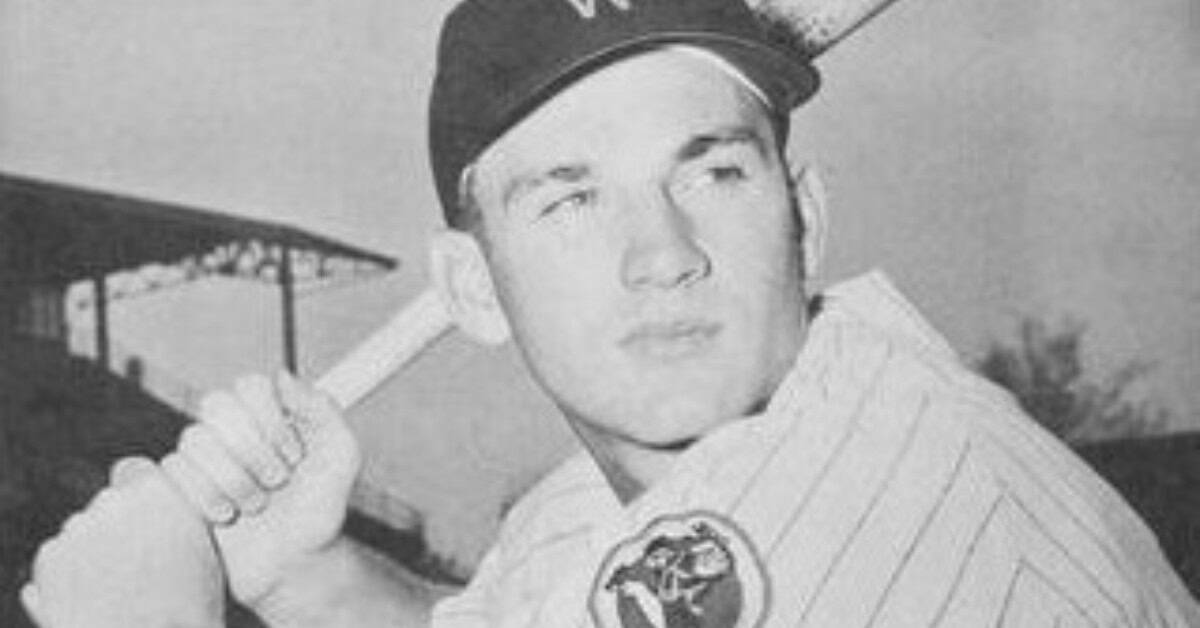
500 career home runs automatically puts you in the Hall of Fame, in my opinion. For the most part, that's true except for the steroid-era stars. For Harmon Killebrew, his 573 homers easily put him into the hallowed hall. In fact, at the time of his retirement, the Killer was fifth all-time on the home run leaderboard. It was Hank Aaron, Babe Ruth, Willie Mays, Frank Robinson, and Harmon Killebrew.
The other four got in on their first ballot, and Killebrew waited until his fourth. That is pretty ridiculous considering the fact that he has long been rumored to be the inspiration behind the figure of the actual logo of Major League Baseball.
| Harmon Killebrew — Career | Total |
|---|---|
| G | 2435 |
| AB | 8147 |
| H | 2086 |
| HR | 573 |
| RBI | 1584 |
| SB | 19 |
| AVG | .256 |
| OBP | .376 |
| SLG | .509 |
| OPS | .885 |
| MVP | 1 |
| All-Star selections | 11 |
5. Carlton Fisk: The Pudge's Peculiar Path to Cooperstown (HOF)

Longevity is a big part of this one, but it's longevity with excellence. I think there are multiple generations who would include Carlton Fisk on their Mount Rushmore of catchers. Like Gary Carter, Fisk earned 11 All-Star selections in his career. He spread those out, proving his value later in his career by earning his final All-Star selection in 1991 at the age of 43.
That makes him one of the five oldest all-time. His 376 career home runs are top-tier for the catcher position, which is the position he primarily played for all 24 years of his career. Like we've already established, the BBWAA's respect for catchers is frustratingly low, and Fisk is another example.
| Carlton Fisk — Career | Total |
|---|---|
| G | 2499 |
| AB | 8756 |
| H | 2356 |
| HR | 376 |
| RBI | 1330 |
| SB | 128 |
| AVG | .269 |
| OBP | .341 |
| SLG | .457 |
| OPS | .798 |
| All-Star selections | 11 |
| Gold Gloves | 1 |
| Silver Sluggers | 3 |
| Rookie of the Year | 1 |
4. Roy Campanella: Three-Time MVP's Puzzling Five-Ballot Wait (HOF)

This entry is not about longevity. In fact, it's about how impressive a career looks without it even truly being completed. You know how a fan will casually say, "that guy could retire today and be a first-ballot Hall of Famer"?
Well, Roy Campanella unfortunately had to live that reality, as a car accident cut his career short. He also could only join the MLB at the age of 26 after his eventual teammate, Jackie Robinson, broke the color barrier. Campanella blazed a trail right alongside Robinson on the Brooklyn Dodgers, winning three MVPs, building a very high 125 OPS+ for catchers at the time, and revolutionizing the position for decades to come.
| Roy Campanella — Career | Total |
|---|---|
| G | 1466 |
| AB | 5054 |
| H | 1428 |
| HR | 260 |
| RBI | 1015 |
| SB | 39 |
| AVG | .283 |
| OBP | .363 |
| SLG | .496 |
| OPS | .859 |
| MVP | 3 |
| All-Star selections | 8 |
| World Series titles | 1 |
3. Duke Snider: Brooklyn's Beloved Duke Gets the Cold Shoulder (HOF)

There was a song by Terry Cashman called "Talkin' Baseball (Willie, Mickey and the Duke)" that named a whole bunch of legends of the past. As the title suggests, it repeats three legends specifically: Willie Mays, Mickey Mantle, and Duke Snider. Two of those guys are first-ballot Hall of Famers.
You already know we're here to talk about the third. It took a mind-boggling 11 years of eligibility for Duke Snider to take his rightful place in Cooperstown. The eight-time All-Star wouldn't have even been on the ballot after the first 10 times if he were a contemporary player who retired 10 years ago.
He was an absolute icon of the sport and should have been an easy pick to induct right away. Even if it wasn't the first ballot, 11 years is just too much.
| Duke Snider — Career | Total |
|---|---|
| G | 2143 |
| AB | 7161 |
| H | 2116 |
| HR | 407 |
| RBI | 1333 |
| SB | 99 |
| AVG | .295 |
| OBP | .380 |
| SLG | .540 |
| OPS | .920 |
| All-Star selections | 8 |
| World Series titles | 2 |
2. Eddie Mathews: 512 Home Runs Weren't First-Ballot Worthy? (HOF)
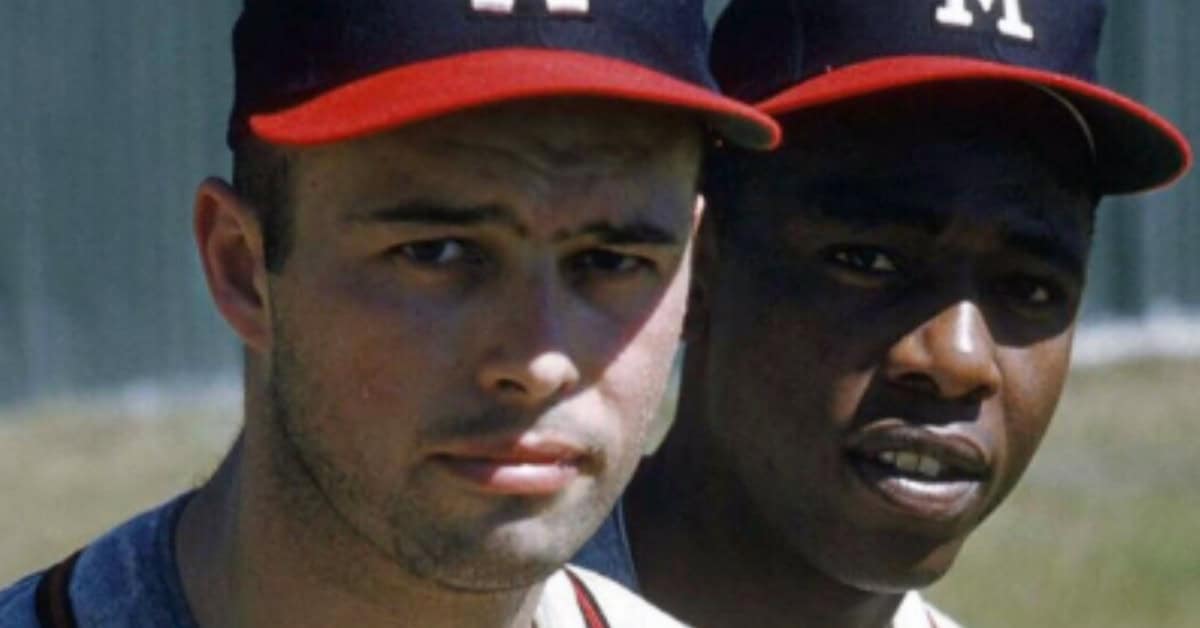
As one of the greatest sluggers of his time, it should have been a simple task to mark down Eddie Mathews on the first Hall of Fame ballot that he was eligible for. The 12-time All-Star hit a whopping 512 career home runs.
For years, he was the greatest pure third baseman of his time as he finished with 96.0 career WAR. That is second all-time behind only Mike Schmidt. There is no way that it took five years of eligibility for Mathews to get enough Hall of Fame votes. That is a disservice to all the other great third basemen over the years, as the voters just did not value the position enough.
| Eddie Mathews — Career | Total |
|---|---|
| G | 2391 |
| AB | 8537 |
| H | 2315 |
| HR | 512 |
| RBI | 1453 |
| SB | 68 |
| AVG | .271 |
| OBP | .376 |
| SLG | .509 |
| OPS | .885 |
| All-Star selections | 9 |
| World Series titles | 2 |
1. Yogi Berra: The 3-Time MVP Who Waited His Turn (HOF)

Let's end this list with one last catcher, Yogi Berra. The iconic Yankee won 10 World Series championships with the franchise and earned three MVP awards. He received a massive 18 All-Star selections over his 19-year career. No other player in history with that amount of All-Star selections has not been a first-ballot Hall of Famer. It's simply unbelievable how this legend was passed up even one time by the BBWAA.
The game had never seen a catcher excel quite like him, and it took some extremely special players to exceed his level after he was done. I wouldn't be surprised if the one thing you take away from this list is that the BBWAA has some kind of issue with voting catchers into the Hall of Fame on the first ballot.
| Yogi Berra — Career | Total |
|---|---|
| G | 2120 |
| AB | 7555 |
| H | 2150 |
| HR | 358 |
| RBI | 1430 |
| SB | 30 |
| AVG | .285 |
| OBP | .348 |
| SLG | .482 |
| OPS | .830 |
| MVP | 3 |
| All-Star selections | 15 |
| World Series titles | 10 |