
Last Updated: October 14th, 2026 by Matthew Brown
Managers might be the most unique type of coach in all of sports. There is a reason why the term has stayed that way throughout history. It has always been about managing an entire roster instead of coaching a bunch of players.
Don't lose this article. Enter your email below, and I'll send it to you right now. Plus, we'll send you other unbelievable stories from baseball's past.
So many things go into being a great manager, and we want to celebrate those who did not reach the pinnacle of baseball. Here are the greatest managers who are without a World Series ring.
14. Gene Mauch: The Maestro of ‘Almost’
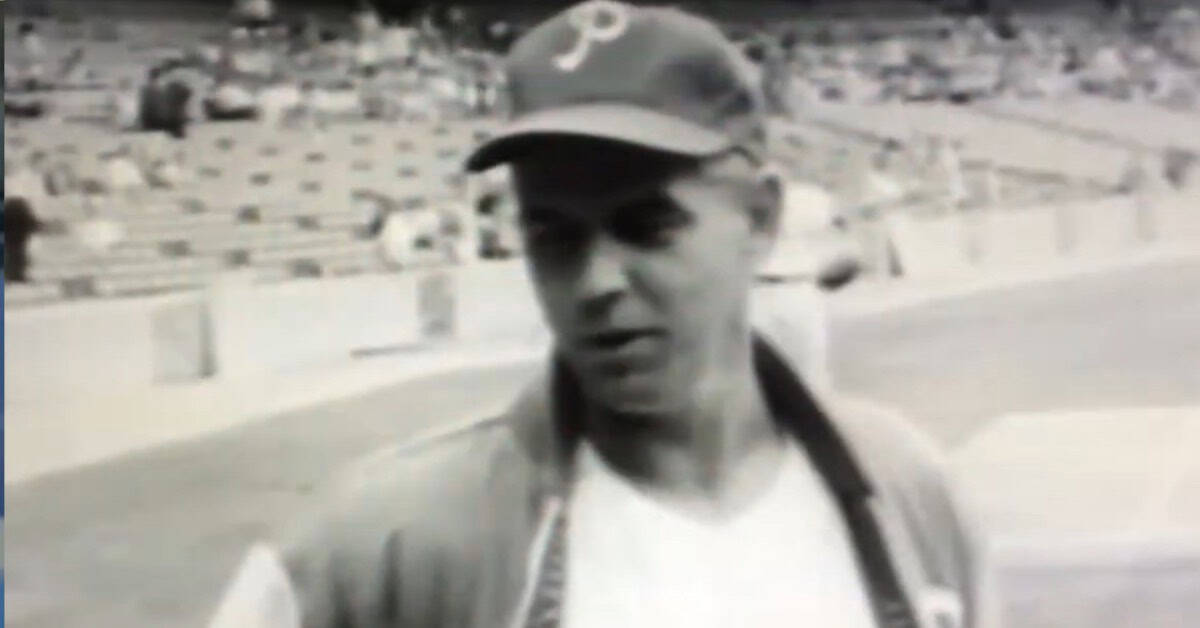
You'll find that every manager on this list has gone through their highs and lows. Mauch actually had a few more lows in his career as he guided a young Montreal Expos organization for seven seasons. However, we can't let his career record fool us, as he took the Philadelphia Phillies from 47-107 in 1961 to 81-80 the very next year.
Eventually, he led them to the cusp of a pennant, but never got his chance as the playoffs weren't expanded beyond the World Series until 1969.
13. Buck Showalter: The Perpetual Rebuilder

I don't know if I've ever seen a manager be able to set up a franchise for success and then not reap the benefits quite like four-time Manager of the Year Buck Showalter.
His first gig was with the New York Yankees in the 1990s. I know you're going to ask, "Wasn't that Joe Torre?" Yes, Torre took over the year after Showalter was fired in 1995 and immediately won four World Series in five years thanks to a team that Showalter helped build. Then, Showalter became the first manager in Diamondbacks history, but was let go in 2000, the year before they won the World Series.
12. Don Mattingly: Mattingly’s Midsummer Heartbreaks
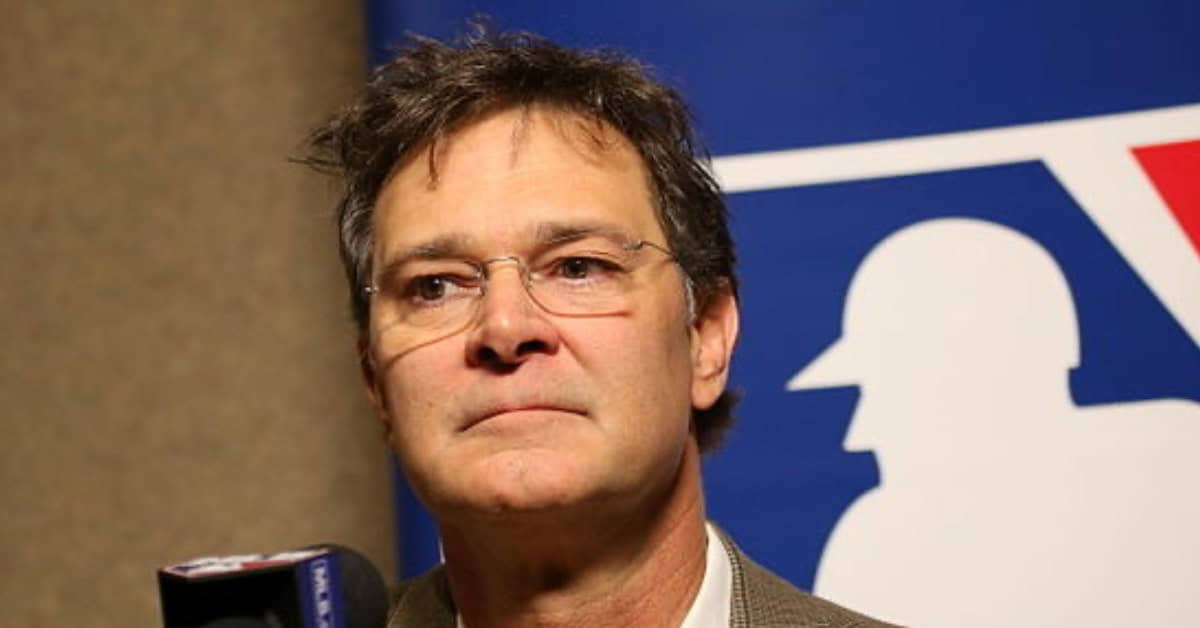
One of the greatest players not to be inducted into the Hall of Fame also never won a championship while he played for the Yankees. Then, Donnie Baseball became a manager for a pretty good franchise.
He was at the helm when the Dodgers took control of the NL West and began a streak of first-place finishes. However, Mattingly couldn't get them past to the promised land and was fired, which led to the hiring of Los Angeles' now-legendary manager, Dave Roberts.
11. Felipe Alou: The Expos’ What-If Whisperer
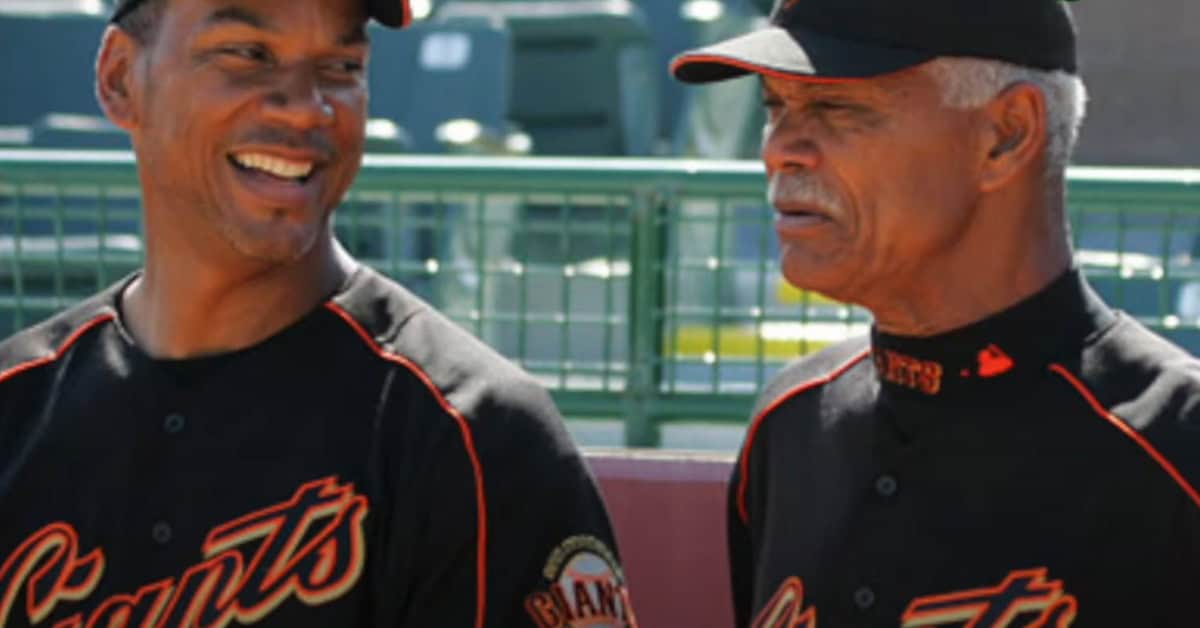
It's very hard to keep a winning record for an entire managerial career, but Felipe Alou was able to do so. The 1994 Manager of the Year gave the Montreal Expos their most hopeful season. Unfortunately, he couldn't see it all the way through as the players' strike ended the season prematurely without a World Series.
Then he found his way into a big responsibility in managing Barry Bonds and the San Francisco Giants. They won 100 games in 2003, but never made it far in the postseason.
10. Ron Gardenhire: Minnesota’s Nearly Man

I always respected Ron Gardenhire for some reason. He seemed like a consummate professional who led an unassuming franchise, the Minnesota Twins, to pretty great success over 13 seasons. They won the AL Central six times, but couldn't win the pennant.
The number of different Twins legends that he developed, like Torii Hunter, Justin Morneau, and the Hall of Famer Joe Mauer, would lead you to believe that he had what it takes to be a World Series champion.
9. Bobby Valentine: Mustache, Glasses—No Ring

Easily the biggest character on this list, Bobby Valentine took over the Texas Rangers back in 1985 at the age of 35. He rode the ups and downs for eight years before eventually finding his way to Queens.
There, he became an iconic manager of the New York Mets, leading them to the legendary 2000 World Series against the Yankees. That was his best shot with a very capable lineup. Unfortunately, it wasn't meant to be, and his legacy will be more focused on his antics.
8. Art Howe: Moneyball’s Underdog, Undone
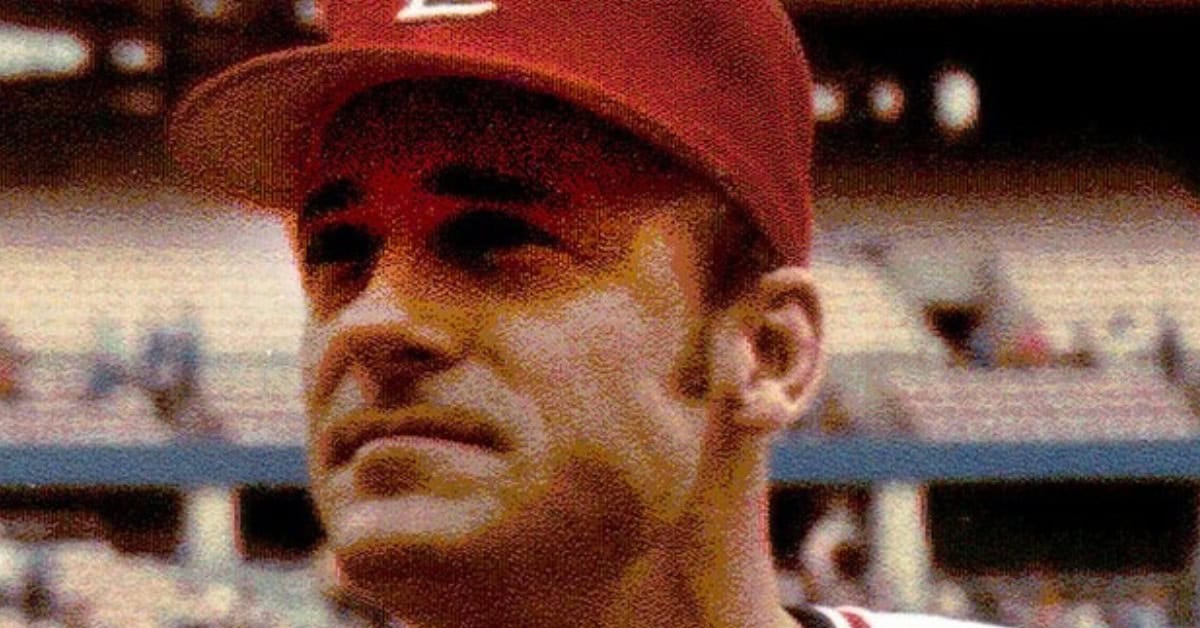
For seven years, I have to commend Art Howe for dealing with the unorthodox ways of Billy Beane and the Oakland Athletics, as their tactics led to his name being immortalized in the movie Moneyball.
He saw the franchise go from 65-97 to 103-59, and they had the audacity to say that he was the biggest problem after they lost the ALDS in 2002. He was a big part of the reason why their budget-friendly teams won so many games in the first place.
7. John McNamara: The Buckner Backfire

John McNamara had a pretty successful 19-year career as a manager. Unfortunately, it all comes down to one season and one mere mishap at first base.
What seems to be forgotten in all of the many replays of that fateful groundball that got behind the bag and through Bill Buckner's legs is that Buckner was playing through an injury. It was a play he still should have made, but McNamara could have put in Dave Stapleton, as they had the lead in the 10th inning and Stapleton hadn't committed an error all year at first.
6. Bob Melvin: So Many Great Teams but No Championships

I've always thought that Bob Melvin was a championship-caliber manager. He was the bench coach and eventual successor to Bob Brenly in Arizona, where they won the 2001 World Series together.
But he was just the bench coach in that World Series and has never been able to reach that mountaintop as a manager. He's a three-time manager of the year, leading the Diamondbacks, A's, and Padres to the playoffs, but never quite reaching the ultimate goal.
5. Mike Hargrove: Cleveland’s Close Calls King

Cleveland has been waiting a long time to win another World Series championship. Mike Hargrove could have been the manager to do it. He led the franchise to five straight division wins as they had one of the most dynamic rosters in baseball.
In 1997, they were right on the cusp, playing in Game 7 of the World Series. They eventually lost that epic extra-inning game, which must have felt agonizing to be so close to the ultimate dream.
4. Jim Fregosi: The Ryan Curse?

A great player during his time, Jim Fregosi was famously the major piece the Angels traded to the Mets in exchange for a young Nolan Ryan. He ended up managing the Angels as his first chance at the position after retiring as a player.
Fregosi would go on to manage for 15 seasons, taking the eccentric Phillies in 1993 on a magical run to the World Series. They wouldn't succeed, but it showed that he had the leadership attributes to reach the pinnacle of the sport.
3. Clint Hurdle: A World Series Win Was Too Much of a Hurdle

I think Clint Hurdle was a pretty good regular-season manager. He led two franchises – the Rockies and Pirates – that have been known to keep their payrolls low and still found ways to make the playoffs. In 2007, he orchestrated one of the biggest underdog playoff runs of the 21st century.
The Rockies won their first National League pennant in their relatively short history and got to the World Series. We don't have to talk about what happened in that World Series, but they were able to get there nonetheless.
2. Al Lopez: The White Sox’s Second-Best Story

Al Lopez was such a good manager for 17 years that he's in the Hall of Fame for it. His .584 win-loss percentage is in the upper echelon of managers all time.
He won a whopping 111 games in Cleveland in 1954 and easily made it to the World Series. They couldn't overcome the New York Giants and ended up being swept. Then, he had a Chicago White Sox team in 1959 that was ready for the bright lights as they pushed the Dodgers to six games, but ultimately fell short.
Lopez had two great chances at a championship and just couldn't get the ball to bounce his way.
1. Joe Cronin: The Curse’s Unluckiest Lieutenant
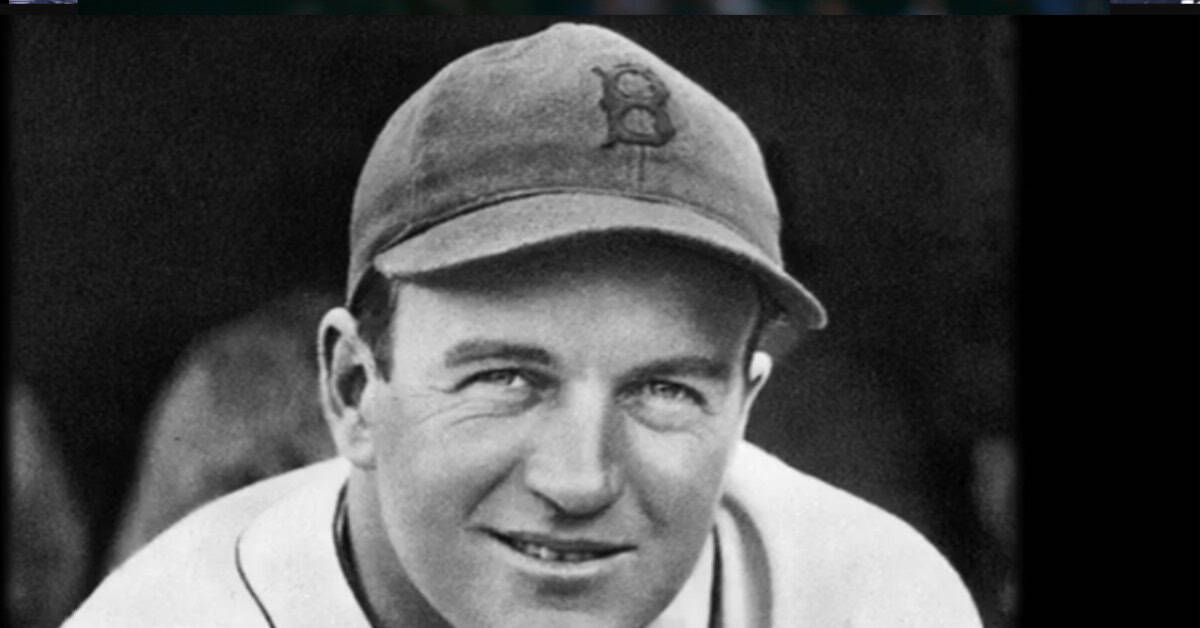
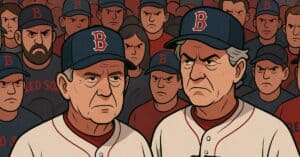
Joe Cronin was a bright young mind in the managerial position when he took the helm of the Boston Red Sox in 1935 at just 28 years of age. He saw four second-place finishes in the American League before finally winning the pennant in 1946.
His 104-win team led by Ted Williams had the St. Louis Cardinals on the ropes with a 3-2 World Series lead. Then the tide turned towards Stan Musial and company as they won the next two games to win the championship. Joe Cronin was so close to making the Curse of the Bambino look like just a little slump.
Instead, the curse carried over to the 21st century.