
Last Updated: October 14th, 2026 by Matthew Brown
The 1970s were a dynamic period in baseball. Every player who excelled during this decade had the ability to wow the crowd in some way. With all of that entertainment, there were naturally some stars who were lost in the shuffle.
Don't lose this article. Enter your email below, and I'll send it to you right now. Plus, we'll send you other unbelievable stories from baseball's past.
That's because the public would latch onto stars who may not be as worthy as others based on some aspects.
Let's take a look at those stars and analyze why they're so remembered.
11. Steve Garvey: The Golden Boy’s Glittering Stats Hide the Truth
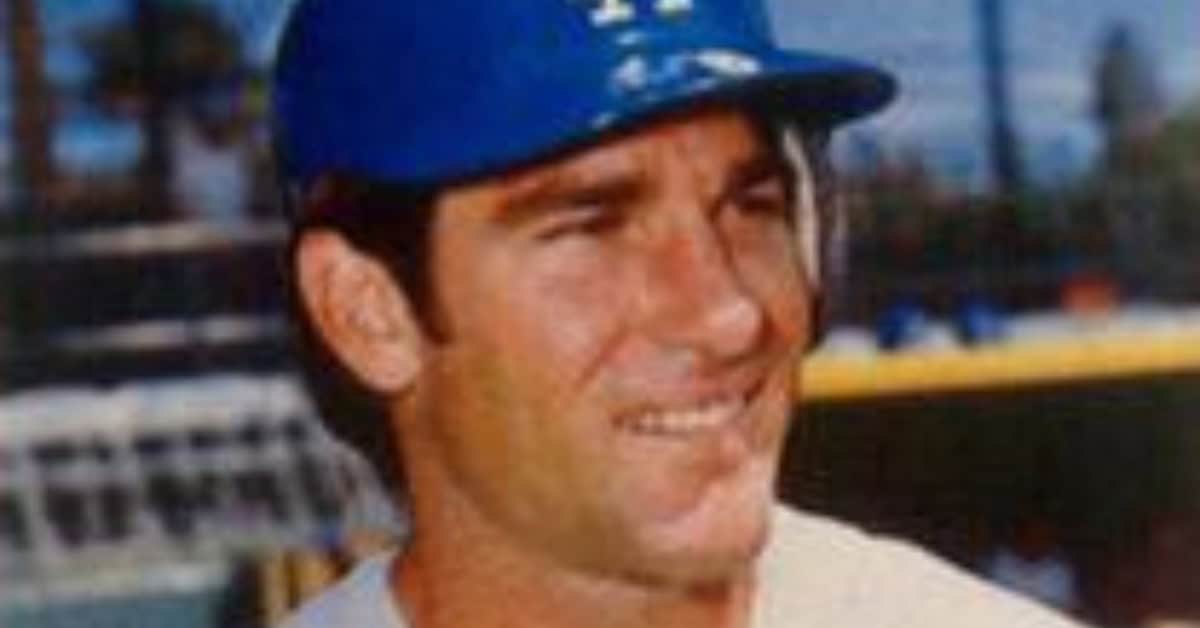
Steve Garvey was definitely an icon of Southern California as he starred for the Dodgers and the Padres in his 19-year career. His clean look and solid play attracted many fans. He fit right in with the Hollywood celebrities as he was a perennial All-Star in Los Angeles.
However, for a first baseman, his 117 career OPS+ is not exactly a match for the heights of fame that he reached. It's very good, but not legendary.
10. Lou Brock: Speed Merchant with a Costly Catch
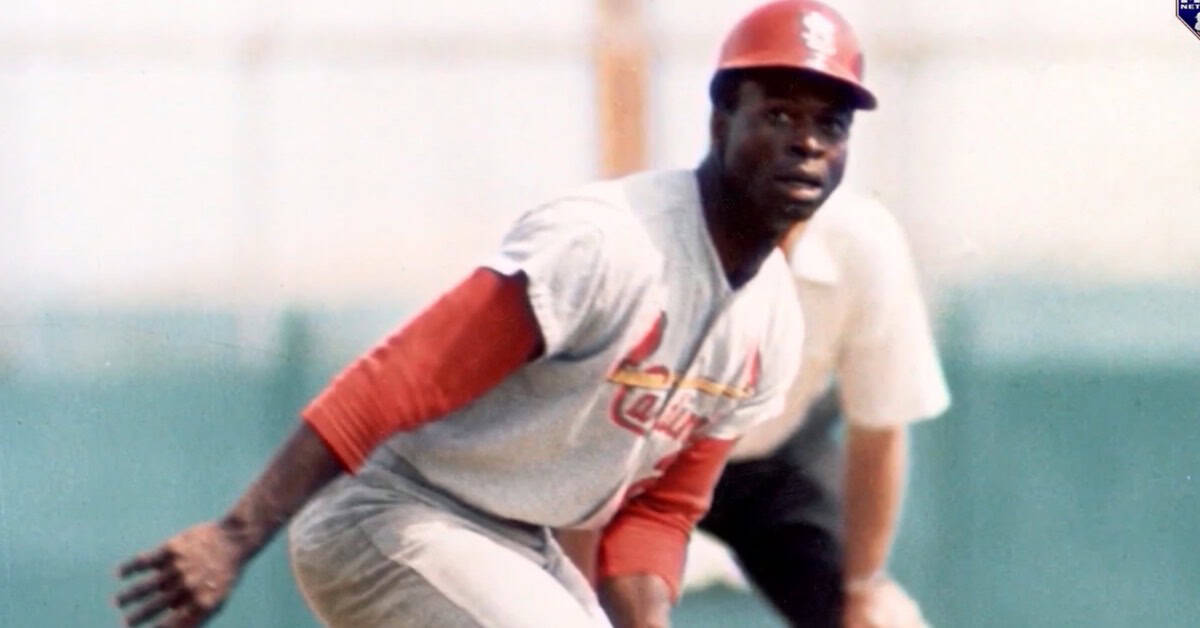
You know the old saying, "If at first you don't succeed, try, try again." That kind of encapsulates the career of Lou Brock. The great speedster has the second most stolen bases of any MLB career. He led the league in steals eight times.
However, he also led the league in being caught stealing seven times. His 75% success rate is pretty mediocre among good baserunners. For all the stolen bases Rickey Henderson had, he still maintained an 80% success rate.
9. Catfish Hunter: The $3.75 Million Man’s Mixed Legacy

One of the best pitchers in MLB for a stretch of five years, Catfish Hunter is easily one of the most memorable of the decade. He won over 20 games five straight years.
Unfortunately, he didn't really come close to equaling that stretch the rest of his career. Now we have to ask ourselves if Catfish Hunter really was that good or if his peak was just a great peak.
8. Larry Bowa: The All-Star Shortstop’s Defensive Myth

The shortstop position absolutely makes stars. Larry Bowa was one of those stars who were created. He earned five All-Star selections and two Gold Gloves.
His reputation was that he was one of the best shortstops in the league, with multiple seasons leading the league in fielding percentage. But his range factor, thanks to modern calculations, suggests that he wasn't that great in the end. Just really solid.
7. Burt Hooton: The No-Hit Wonder Who Fizzled

Sometimes, a single great performance can stay with a pitcher forever. For Burt Hooton, many fans remember his hot start to his career, pitching a no-hitter in just his fourth start.
He maintained a pretty good 3.38 ERA throughout his career, but it didn't necessarily lead to wins, recording 151 wins over 15 seasons. For how much he is remembered, his numbers are not exactly at that standard.
6. Bobby Murcer: The Next Mickey Mantle Who Wasn’t
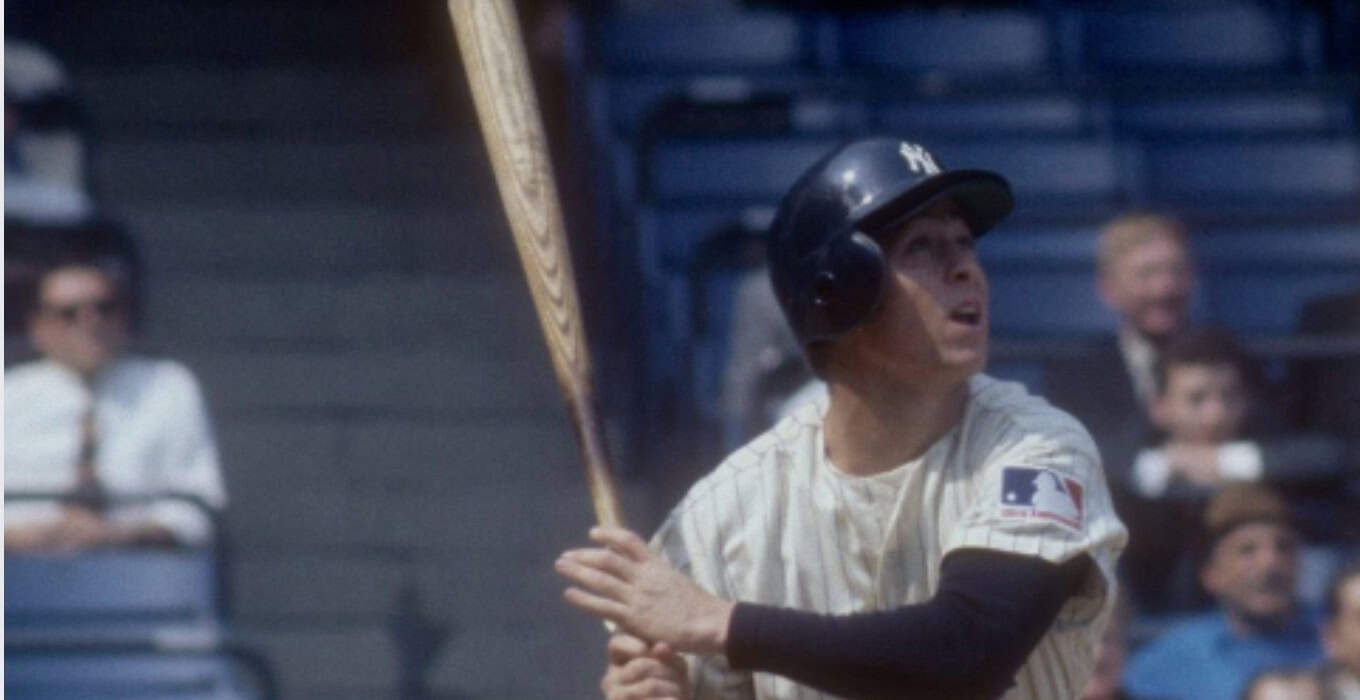
Following an all-time legend is always a tall order. But that also gets you an automatic allotment of eyes, good or bad, on your work. Bobby Murcer delivered with five All-Star selections to try to fill the gargantuan shoes of Mickey Mantle.
I think a lot of Yankee fans started to believe in him and will remember that feeling. Numbers-wise, he was nowhere near the Comet. He was just a solid center fielder.
5. Rick Monday: The Million-Dollar Draft Pick’s Reality

As baseball's first-ever draft pick, Rick Monday had a ton of expectations laid upon him by the time he made his MLB debut. He did earn an All-Star selection, but I wonder if the public's perception of him is a little warped.
We all remember the moment he saved the US flag from being lit on fire in an All-Star Game, and that can definitely have a positive effect on his legacy.
4. Bill Madlock: Four Batting Titles, But at What Cost?
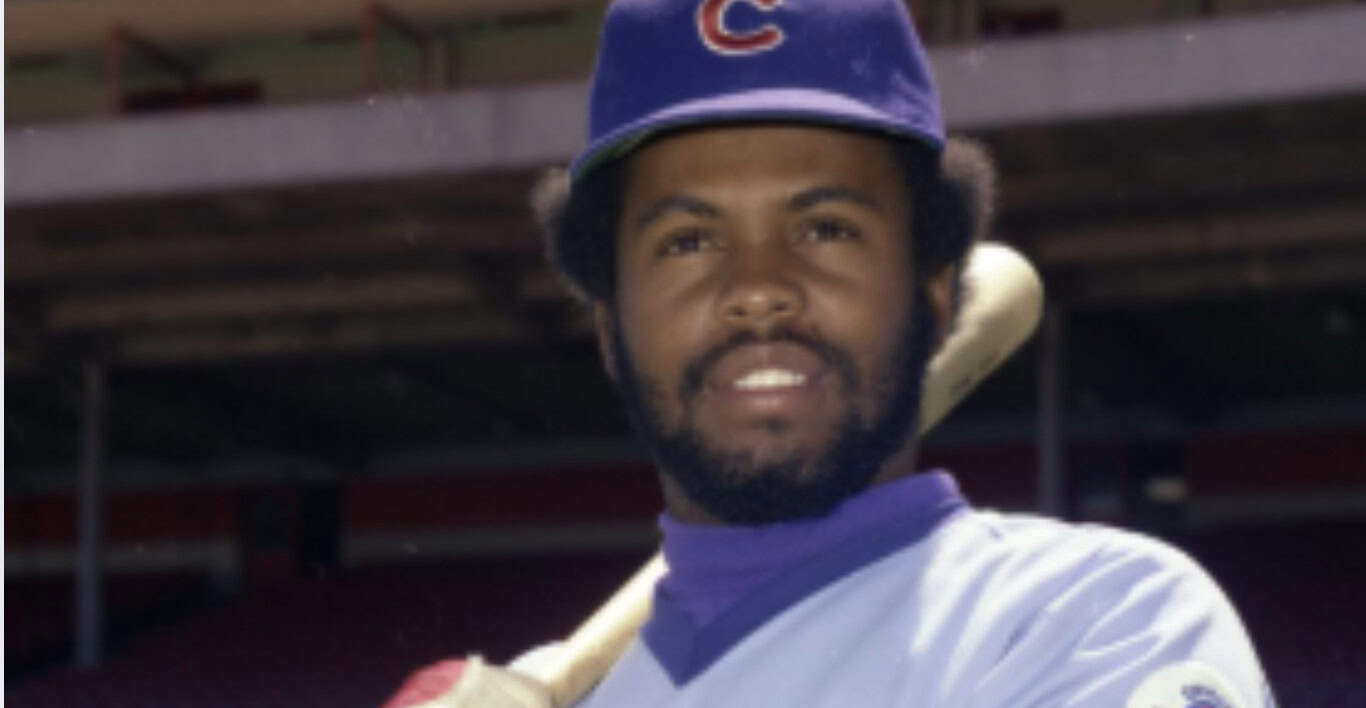
Bill Madlock was definitely a great hitter. He won four batting titles and tallied over 2,000 hits in his career. But there are a couple of things to point out that can sway opinions about his greatness.
None of those batting titles contained 200-hit seasons, so we have to wonder how much he really contributed. Also, for a third baseman, never hitting the 20-home run threshold is a little under what's expected to be great.
3. Ken Holtzman: The No-Hitter King’s True Story
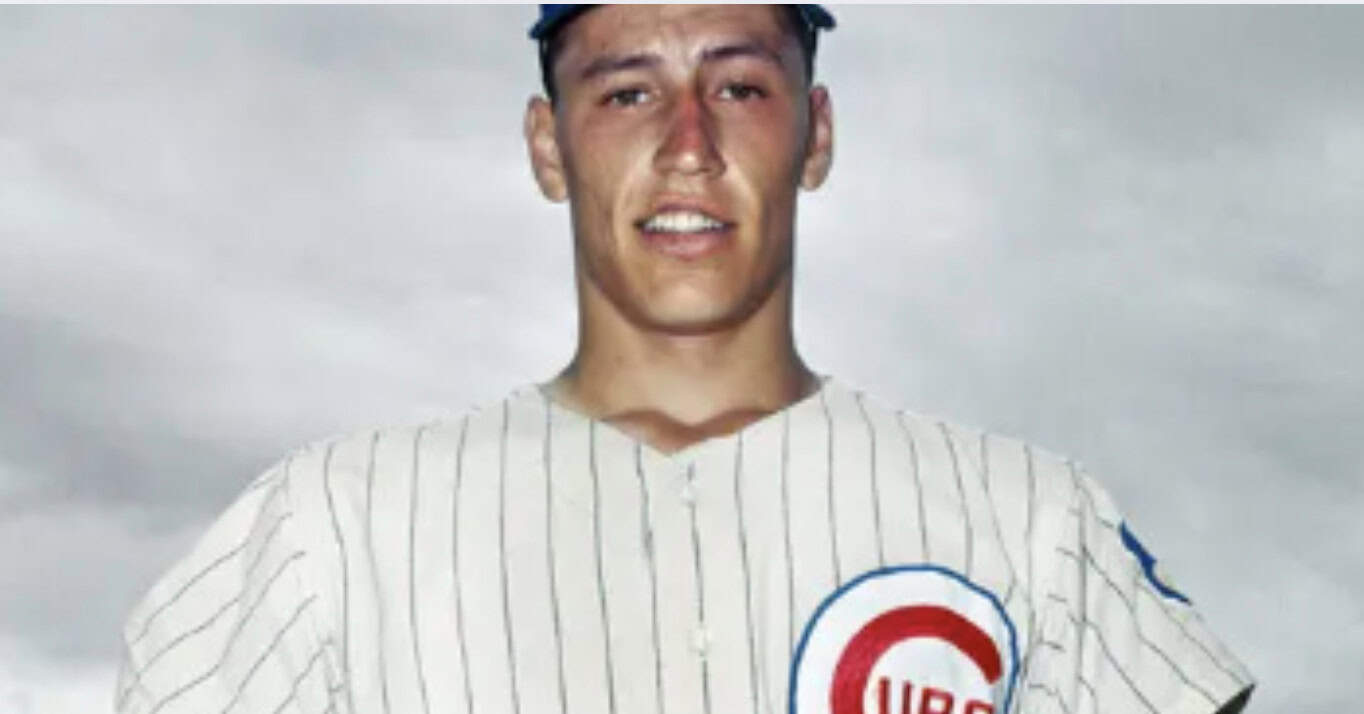
We already covered one former Cub's no-hitter; how about another? Ken Holtzman pitched not just one, but two no-hitters for the Cubbies, cementing his legacy with two great performances.
It's just that he actually had a 3.76 ERA in Chicago, not really numbers that make a pitcher an ace. He improved on it a little in the rest of his career, but not by much, finishing with a 3.49 career ERA.
2. Vida Blue: The Meteoric Rise and Statistical Fall

Winning the Cy Young and MVP in the same season is definitely legendary stuff. There's no doubt about it. He just wasn't able to approach that level of production again.
He was still a workhorse for the A's and Giants in his career, but his 44.9 career WAR in 17 years is a little low compared to Hall of Famers at his position.
1. George Scott: The Boomer’s Inflated Legacy

George Scott is just one of the best defensive first basemen the game has seen. Eight Gold Gloves is unquestionably a great accomplishment. However, Scott didn't have the bat that could quite match his glove.
He did lead the league in home runs once, but his slugging approach wasn't actually successful most of his career. A .268 lifetime batting average is not what first basemen of that time were looking to finish with.