Last Updated: October 15th, 2026 by Matthew Brown
One of the great position nicknames in baseball is the hot corner. Third base is such a cool position to follow because you can see a combination of great power and great defense. The 1970s might have been the best decade for the position as well.
Don't lose this article. Enter your email below, and I'll send it to you right now. Plus, we'll send you other unbelievable stories from baseball's past.
Let's take a look at the best third basemen in that decade to see if they really were better in the disco decade.
11. Mike Schmidt (1972-1979) – The Revolutionary Power Hitter

Many consider Mike Schmidt the greatest third baseman of all time. He certainly looked like it in the 1970s. The legendary Phillie mashed 235 home runs in this decade, leading the league twice.
His consistent power was unlike anything we'd seen and brought about a revolution at the position. Schmidt is absolutely indispensable to this list.
10. Brooks Robinson (1970-1977) – The Human Vacuum Cleaner
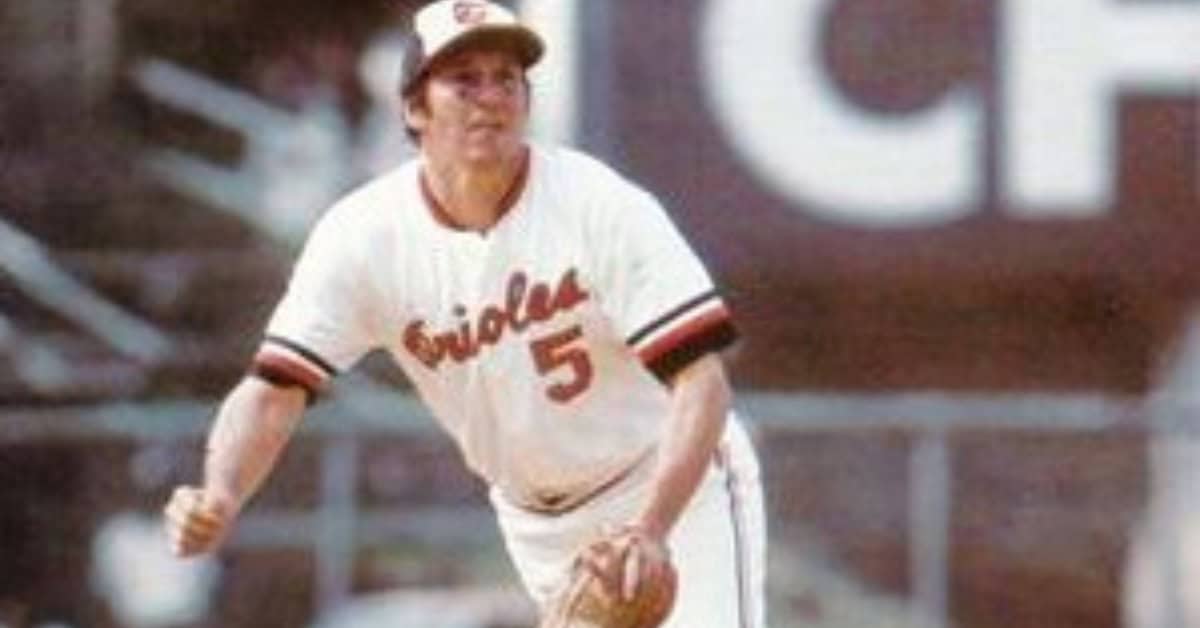
Third base has traditionally seen some of the quickest and smoothest defenders the game has ever seen. Brooks Robinson was the greatest of all of them. He started the decade leading the Orioles to win the 1970 World Series, where he was named World Series MVP.
Even if it was the final decade of his career, Robinson was still dazzling the crowd at third as he approached 40 years old.
9. George Brett (1973-1979) – Kansas City’s Rising Star

George Brett began his baseball journey in this decade. It was a journey that simply went up as the Hall of Famer rose to stardom quickly in the '70s. He won a batting title in 1976, a precursor to the .400 chase that he would embark on in the next decade.
That being said, this is the only decade in which he led the league in hits, and he did that three times.
8. Sal Bando (1970-1979) – The Dynasty’s Captain

The Oakland A's were a dynasty in the 1970s, and Sal Bando was a big part of it. There wasn't anything overly spectacular about his numbers or his game, but his durability to play over 150 games per season for most of the decade, with good numbers, was highly respected.
Bando even finished top four in MVP voting in three separate seasons of the 1970s.
7. Ron Cey (1973-1979) – The Penguin’s Power

Ron Cey is actually one of the more underrated third basemen in history. His ability to produce year in and year out was amazing in this decade. He earned six straight All-Star selections, leading the Dodgers to the World Series three times.
In those All-Star seasons, he combined to maintain a 130 OPS+, which is a Hall of Fame level.
6. Graig Nettles (1970-1979) – The Yankees’ Defensive Star
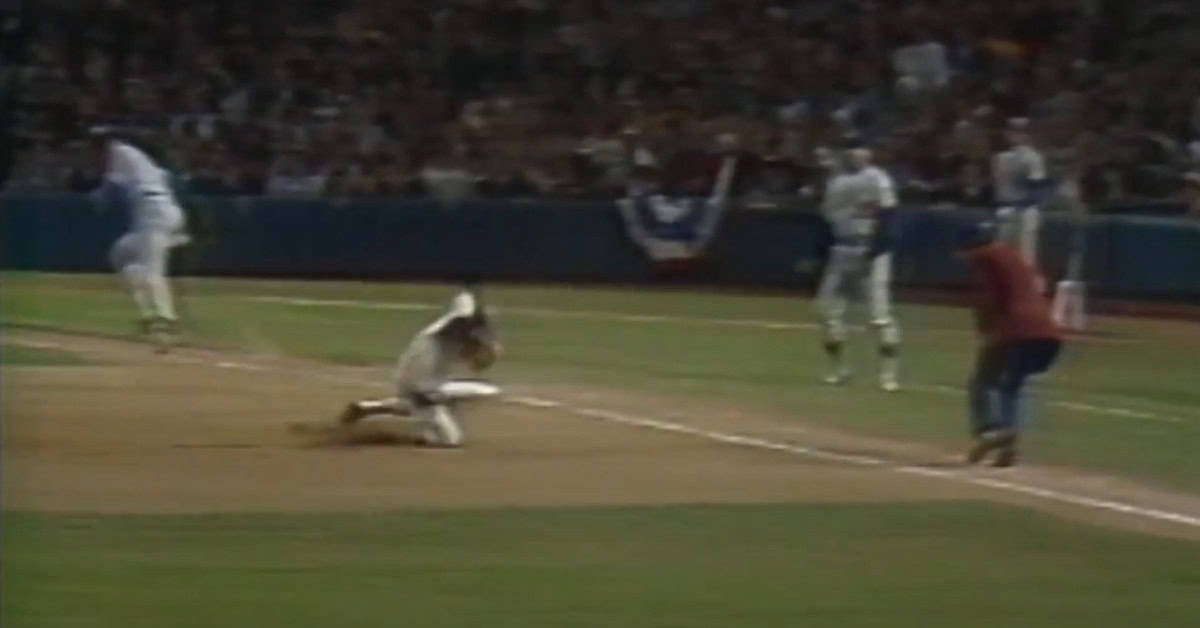
Graig Nettles might be the greatest Yankee third baseman of all time. He earned four All-Star selections in this decade, leading the league with 32 home runs and a great 8.0 WAR in 1976.
Yes, I know Alex Rodriguez played third for the Yankees, but he had a PED suspension during that stint, marring it. Nettles did have such a suspension and arguably contributed just as much with his back-to-back Gold Gloves.
5. Darrell Evans (1970-1979) – The Underrated Star
Darrell Evans would have been perfect in today's game. He didn't have a high batting average, but he worked plenty of walks, maintaining a high .361 career on-base percentage.
He also had some launch angle in his swing, blasting 414 home runs in his 21-year career. 184 of those home runs came in this decade.
4. Pete Rose (1975-1977) – The Hit King at Third
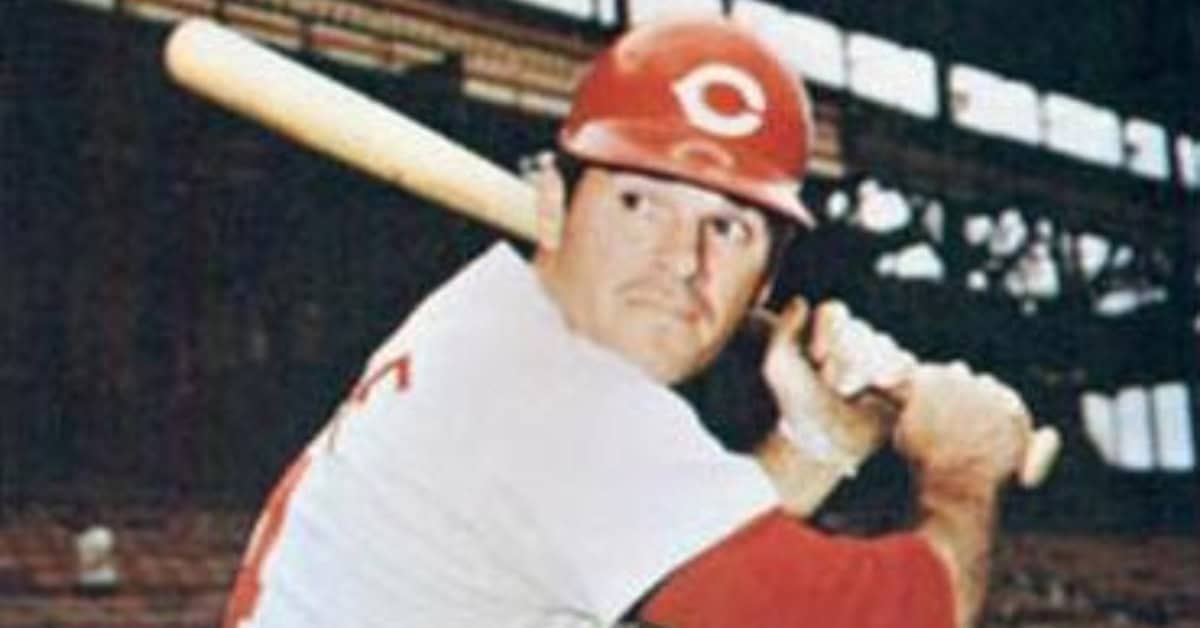
You may remember him more as a left fielder or first baseman, but Pete Rose was actually a primary third baseman during the Reds' back-to-back championship seasons.
Naturally, he led all of baseball in hits one of those years while leading in doubles three times as a third baseman. The Hit King got hits no matter what position he played in Cincinnati.
3. Bill Madlock (1973-1979) – The Batting Champion

Speaking of hits, Mad Dog was a hitting machine in this decade. He won two batting titles in consecutive seasons, highlighted by a .354 average in 1975. Bill Madlock wasn't actually a name synonymous with defense, so he was a bit of an unorthodox type of player to man the hot corner.
Either way, he was a great contributor at the position and a worthy player to add to this list.
2. Doug DeCinces (1973-1979) – The Worthy Successor
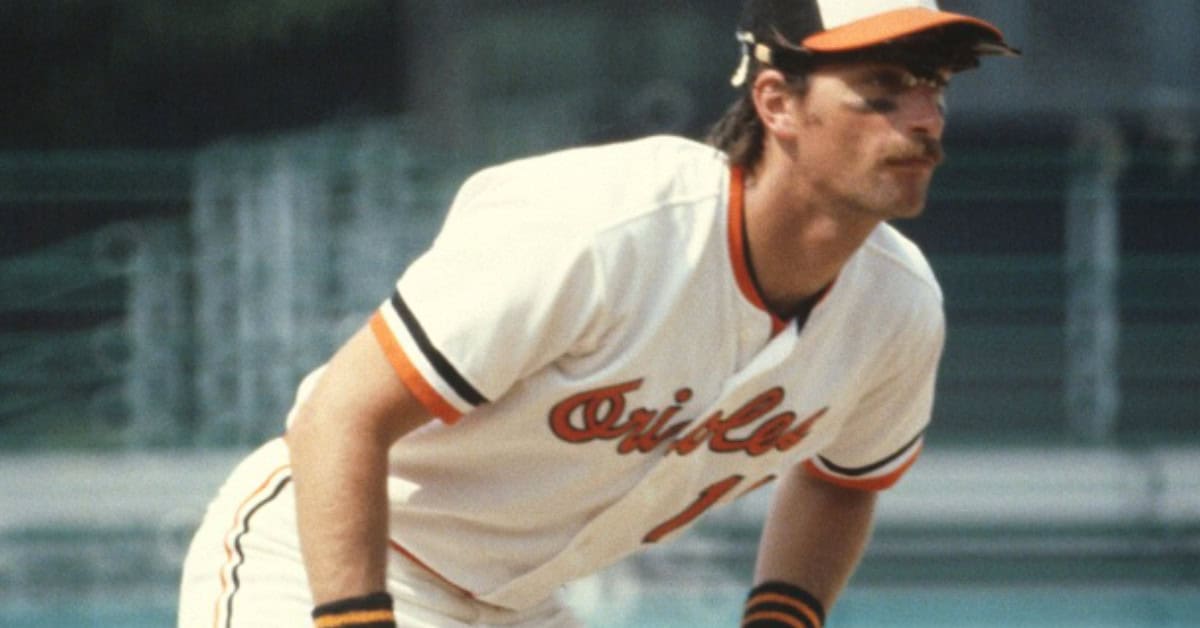
We've already covered the back half of the career of the great Brooks Robinson. Now we go to his successor, Doug DeCinces. We're not going to say that he was just as good as Robinson.
Hardly anybody was.
But for the huge hole at third to be filled up in a halfway decent way is an impressive feat. He hit 28 home runs in 1978, showcasing his potential and providing a sense of calm for the fans in Baltimore.
1. Buddy Bell (1972-1979) – The Defensive Specialist
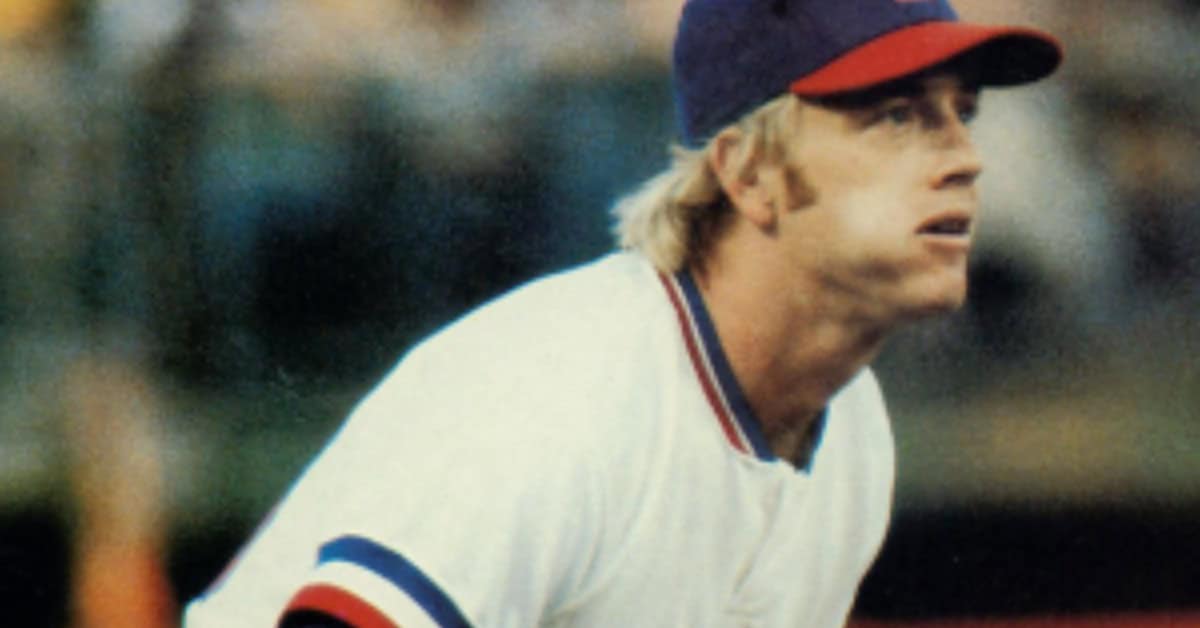
We wrap up this list with a defensive stalwart in Buddy Bell. It's tough when guys like Brooks Robinson took up the spotlight as Bell quietly completed some great seasons in the 1970s.
This was the start of his career as he was a solid third baseman for Cleveland, earning an All-Star selection in 1973. He found himself in Texas in 1979 and started a run of six straight Gold Gloves that is a big part of his legacy.