
Last Updated: September 14th, 2026 by Matthew Brown
Every baseball fan has seen a trade that has heavily favored one team over the other. I would say that it's sort of a rite of passage for a young baseball fan to come to their own conclusion and realize what's at stake in these trades.
Don't lose this article. Enter your email below, and I'll send it to you right now. Plus, we'll send you other unbelievable stories from baseball's past.
So let's take a look back at some of the most obvious one-sided trades in baseball history and see if they can jog your memory and help you figure out what trades were good and what trades were bad for certain teams.
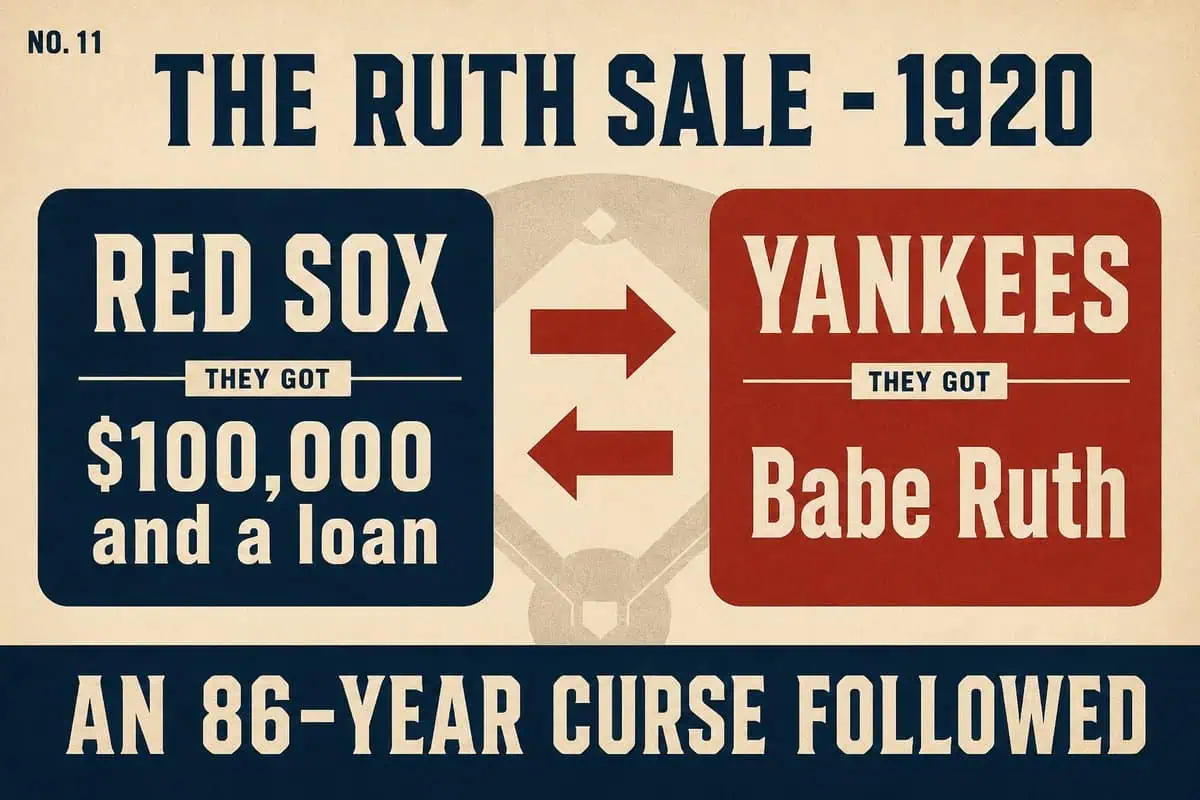
11. The Ruth Sale That Cursed the Sox (1920)
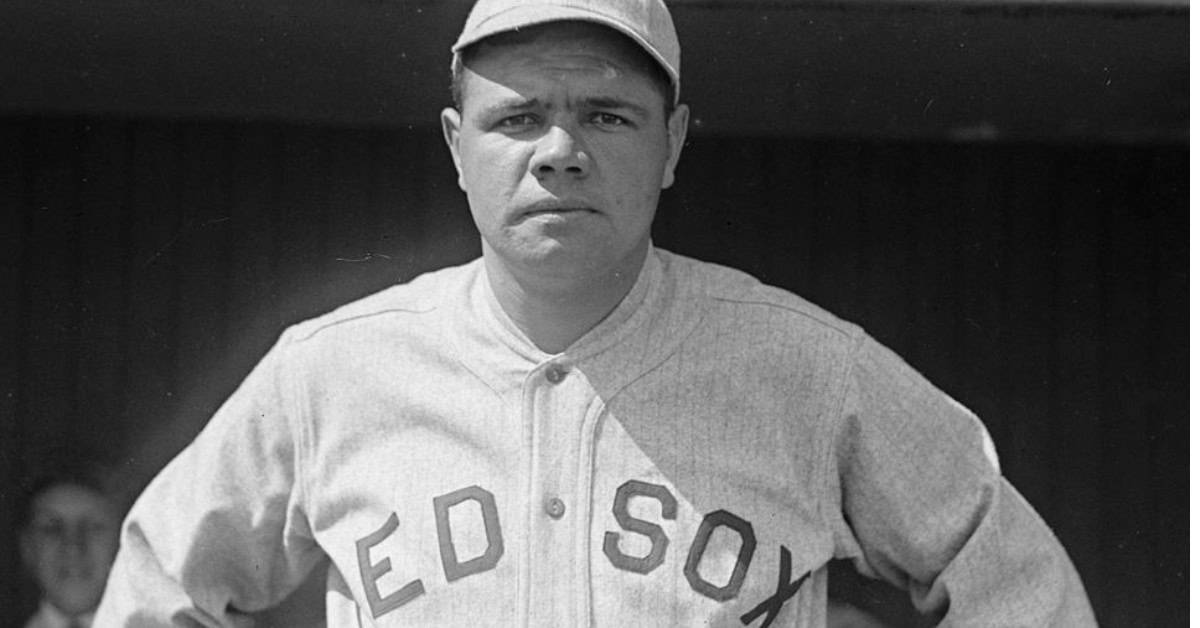
This trade educated many young fans over many generations as Babe Ruth's trade to the Yankees in 1920 is probably the most famous lopsided trade in history.
Of course it helps that it involves maybe the most famous baseball player of all time. As we live in the years where players are worth hundreds of millions of dollars, it is unimaginable to think that Ruth was worth just $100,000 at that time.
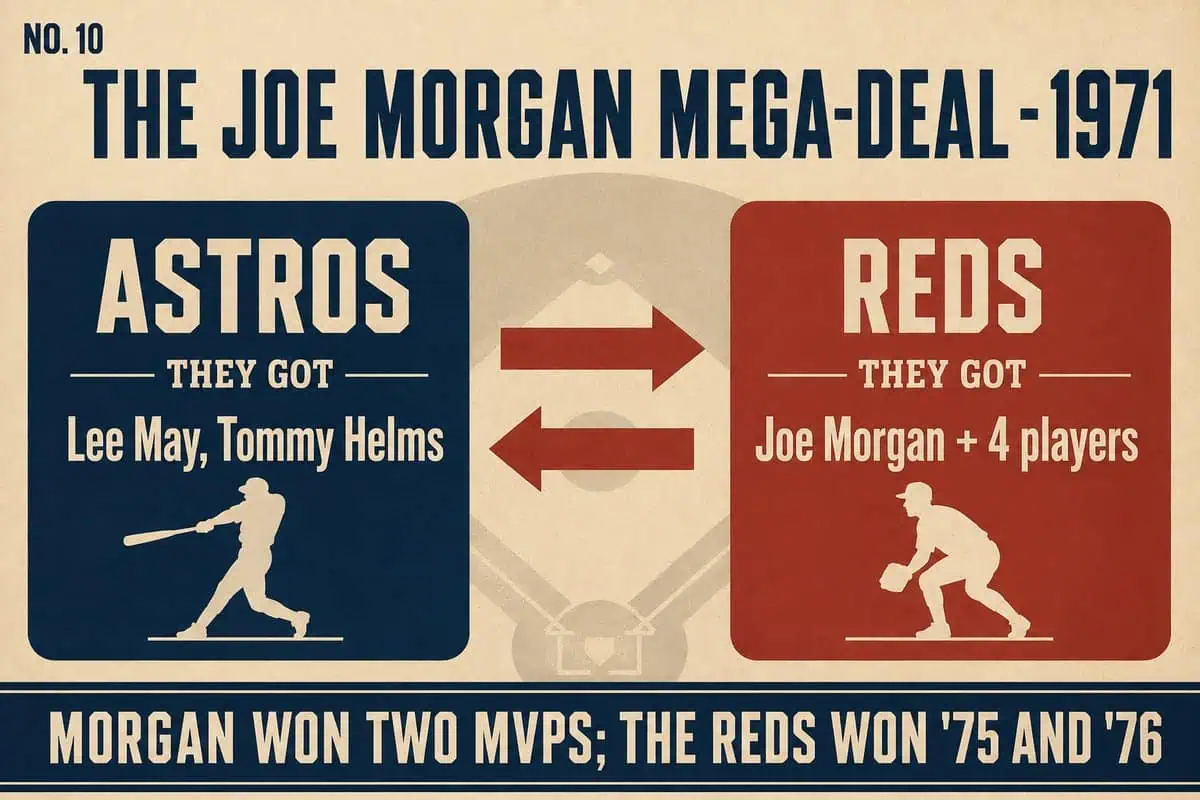
10. The Big Red Machine’s Engine: The Joe Morgan Mega-Deal

Sometimes one piece is all it takes to build a championship team. Joe Morgan was a really good second baseman for the Houston Astros by the time he got traded to the Cincinnati Reds.
Once he joined the Big Red Machine, he blossomed even further, making his very good career into a Hall of Fame one. Similarly, the Reds turned their very good team into a championship one.
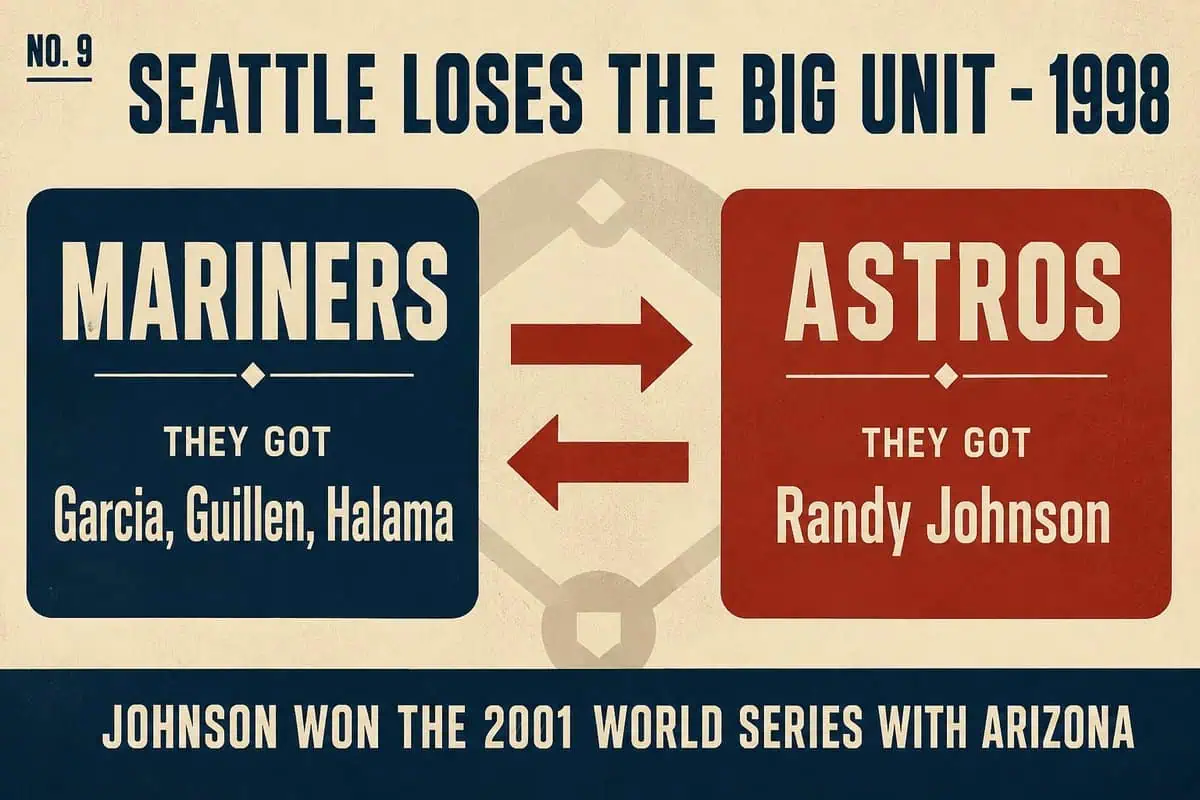
9. How Seattle Lost The Big Unit (And Arizona Won it All)
Not many remember Randy Johnson's short stint in Houston. That's probably because not many remember the trade that put him there. For a deal that involved one of the greatest pitchers of all time, you would think more would remember how it went down. Clearly, the Mariners were not going to bid high for the impending free agent that was Johnson, so they decided to get Freddy Garcia and Carlos Guillen in a trade deadline deal.
Well, Garcia and Guillen had good careers but Johnson ended up signing with the Arizona Diamondbacks for the following season and eventually led them to that legendary 2001 World Series title.
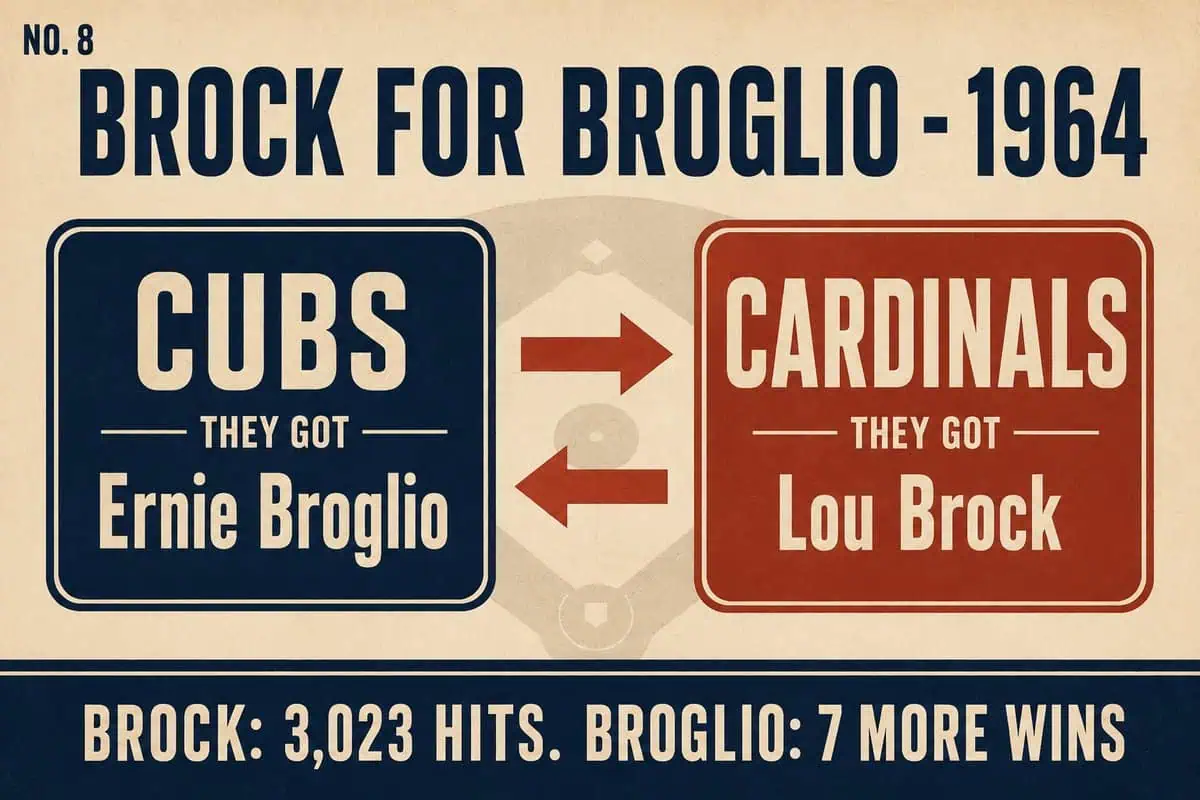
8. Lou Brock for Ernie Broglio: Cardinals Highway Robbery

Lou Brock's case for being on this list is very interesting. It shows the value of speed that was in the MLB back when Brock played. He was able to set the stolen-base mark before Ricky Henderson did what no other man could.
For me, this trade is less about Lou Brock and more about the man he was traded for: Ernie Broglio. He was supposed to be an ace for the Cubs as he came over trying to prove himself. Maybe he tried too hard as injuries derailed his career shortly thereafter and Lou Brock continued his Hall of Fame career in St. Louis.
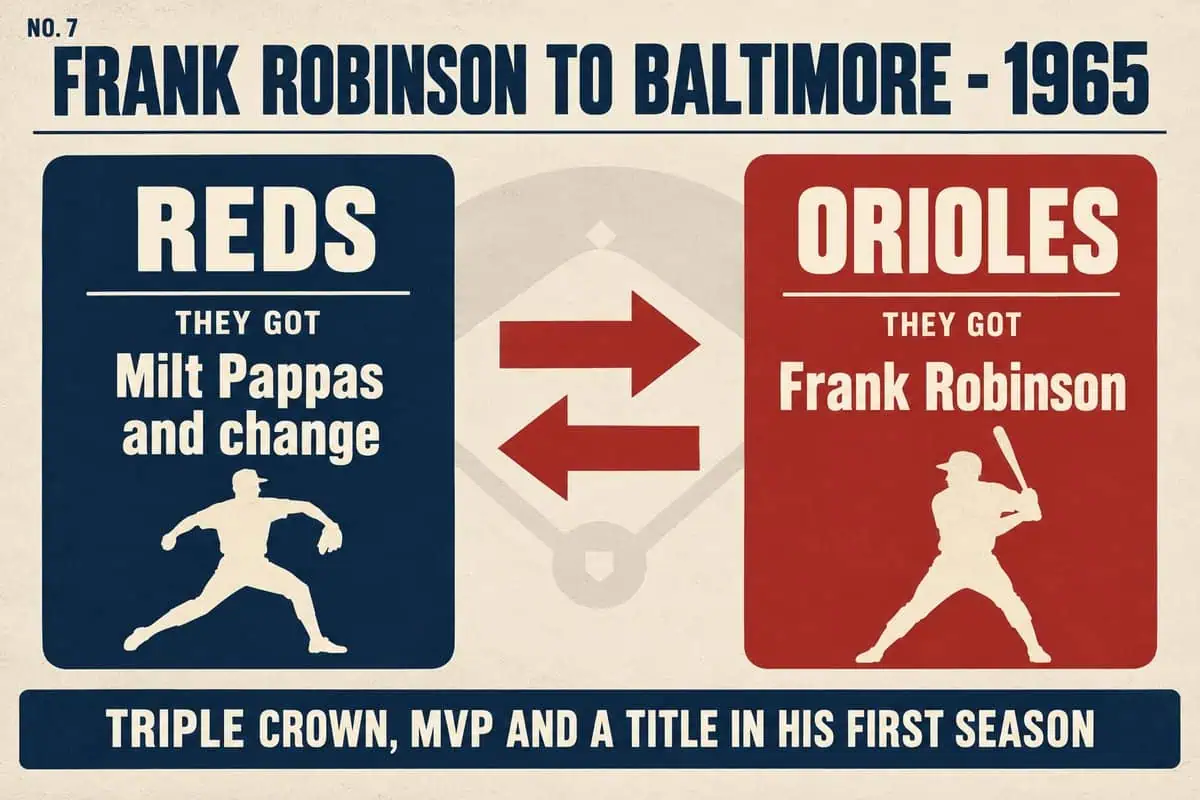
7. Frank Robinson to Baltimore: How the Reds Got It Wrong

In a trade that preceded the legendary Big Red Machine by about a decade, Frank Robinson was in Cincinnati to start his Hall of Fame career. He then made the Reds regret their decision by instantly taking over and leading them to a World Series championship in 1966. Robinson became even more iconic in Baltimore than during his longer stint in Cincinnati.
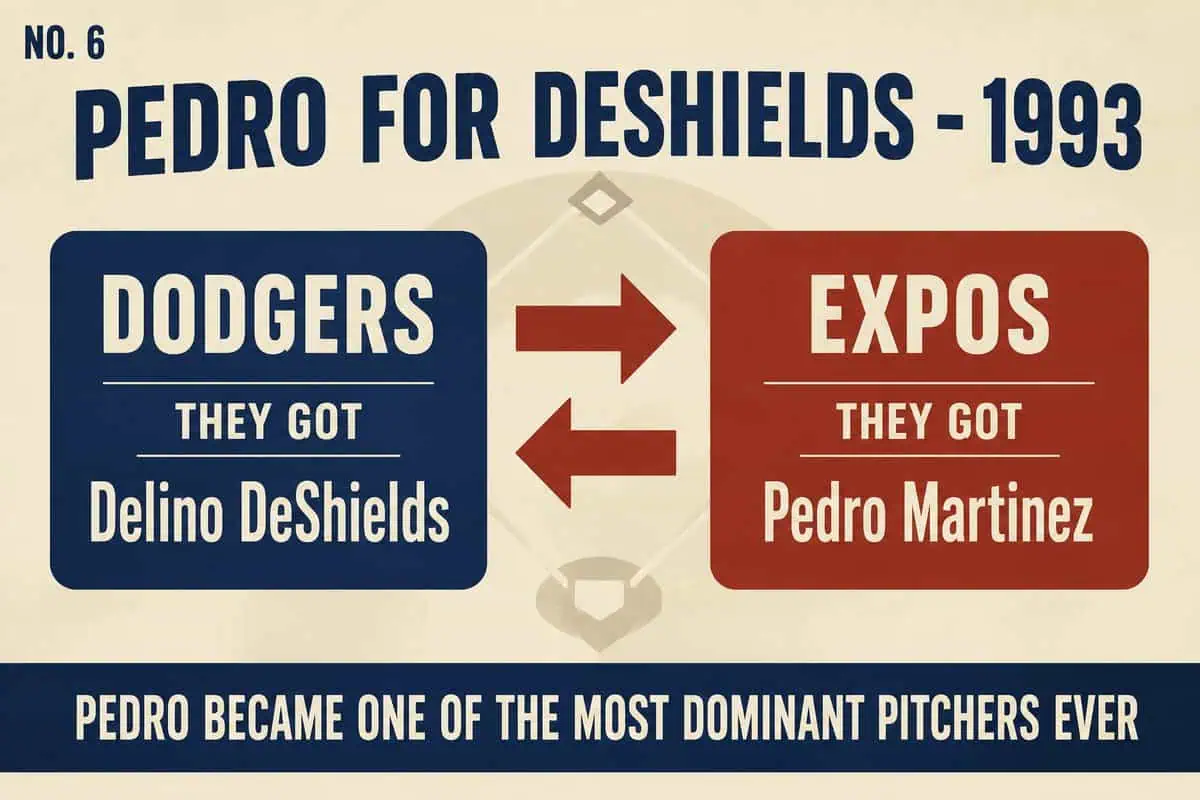
6. Pedro to the Expos: The Dodgers’ $200 Million Mistake

Or unorthodox when a trade is so lopsided in favor of a team that isn't a part of the trade at all. The Montreal Expos were daring enough to take a kid that was "too skinny" when he was critiqued by his Dodger manager.
Pedro Martinez then went to Montreal and honed in his electric stuff to become one of the top arms in baseball. Then after a couple years, Martinez was able to find some franchises that would hold the proudest memories of his career.
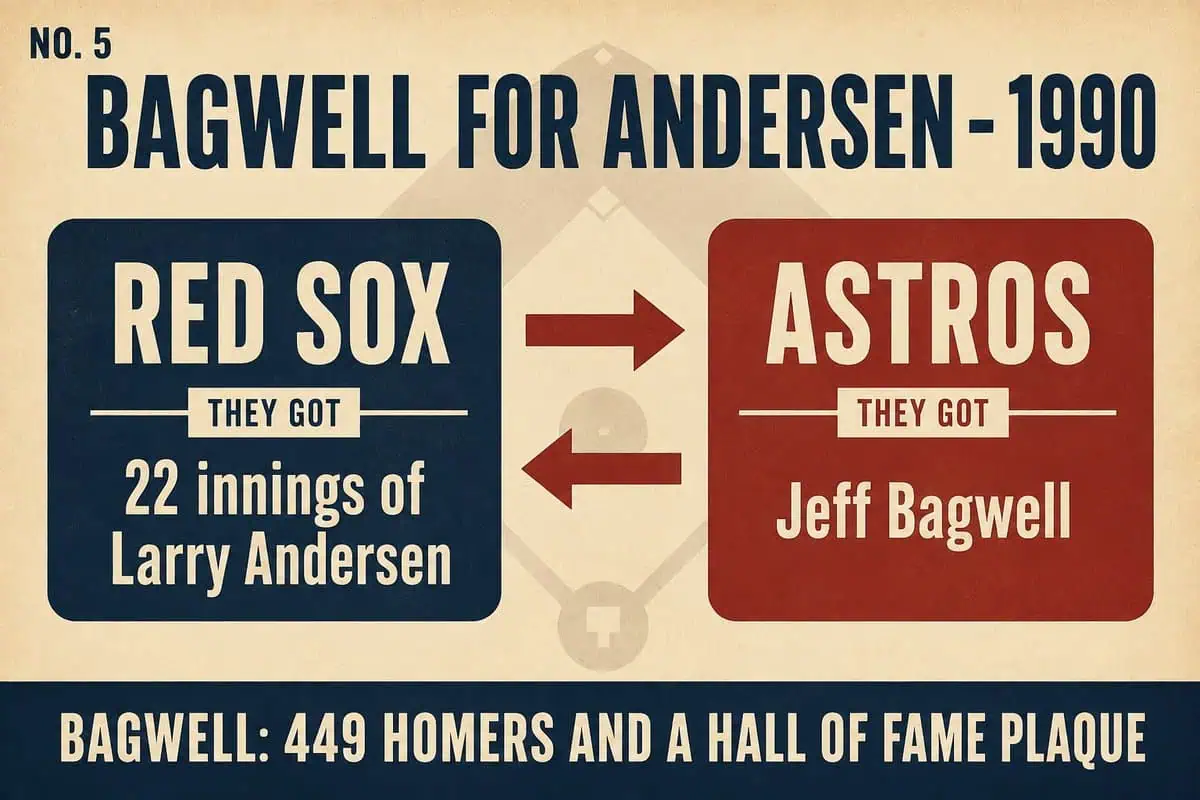
5. Jeff Bagwell for Larry Andersen: Red Sox Nation Still Hurts
Jeff Bagwell has one of the most iconic batting stances of all time. He also has one of the more iconic trades in his era. Bagwell eventually became a Hall of Famer, as he was more of a player who was trying to scratch and claw their way to the league.
He found his Groove in Houston, but before that, he was traded by the Boston Red Sox in 1990 for a bullpen arm in Larry Anderson. Well, we all know bullpen pitching doesn't matter as much in modern-day statistics and analytics, so this would have been an even more lopsided trade today with all the data that we have.
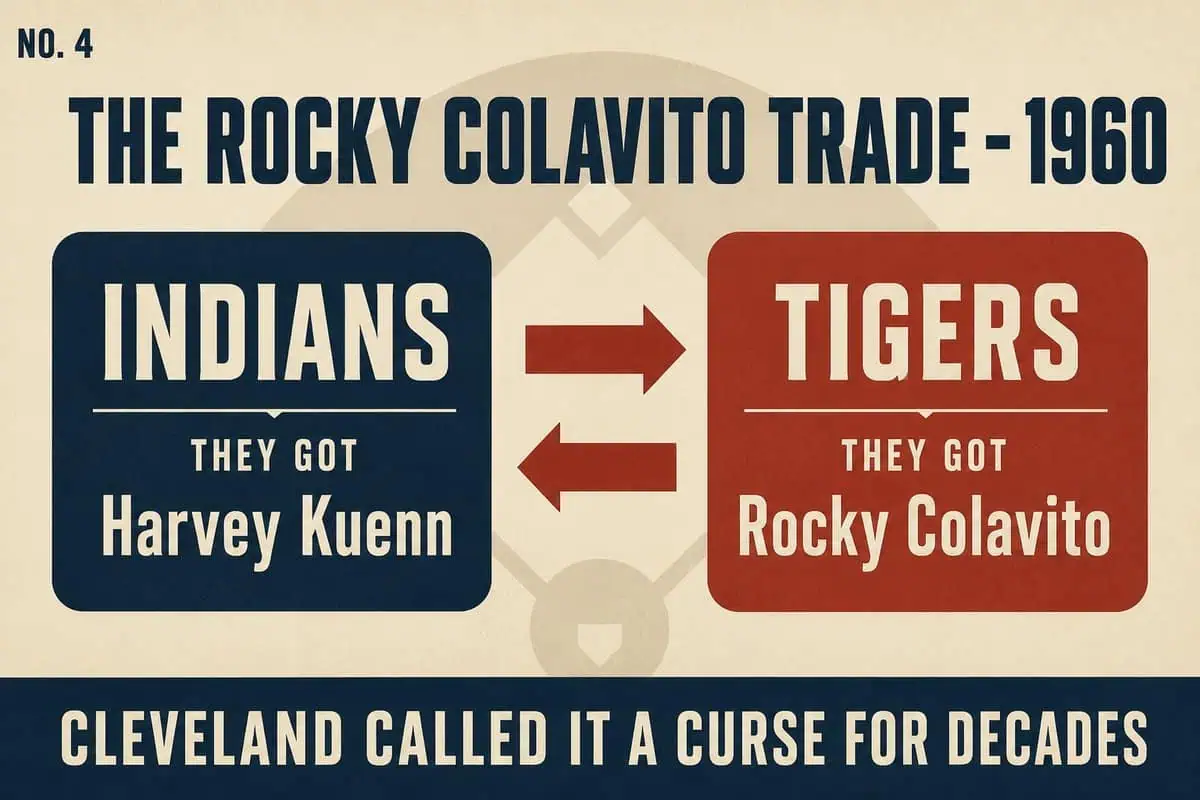
4. The Indians’ Rocky Colavito Trade That Sparked a Curse

Rocky Colavito is one of the most underrated sluggers in baseball history. I think this trade is one of the reasons why we talked about the Boston Red Sox earlier and their extremely infamous streak of not winning a World Series championship. We also can't forget the Cubs, before 2016, hadn't won since 1908.
Now you've got that Cleveland team where they have not won since 1948 in those earlier Cleveland days. Colavito was the star in the city as he made that team go the way that he did.
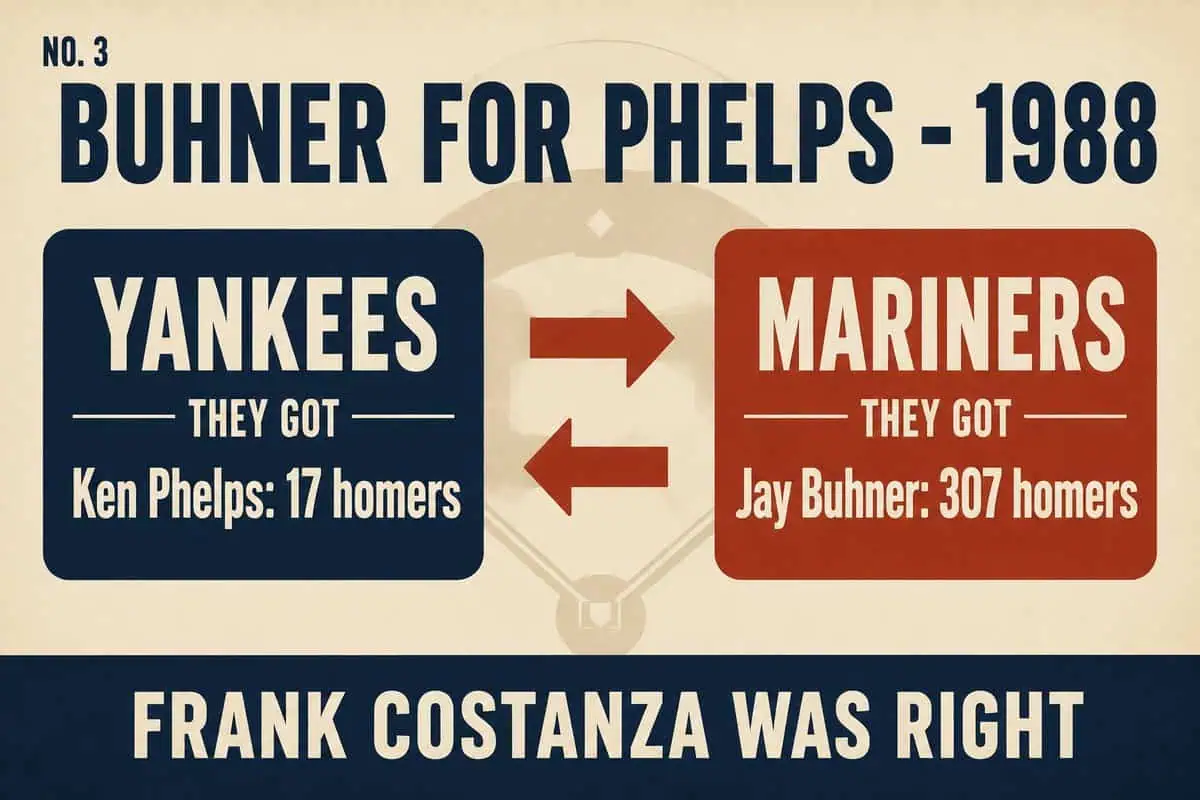
3. Jay Buhner for Ken Phelps (Frank Costanza Was Right)

When a trade gets to be on an episode of Seinfeld, you know you've made it. Jay Buhner had such a lopsided trade where he was traded for a guy named Ken Phelps.
It was pretty much robbery for the Seattle Mariners over the New York Yankees. Yes, that's how we know why it came up in a Seinfeld episode. It wasn't a positive thing, and it happened to the hometown team of these characters. Buhner would later go on to a very solid career helping those Seattle Mariners to historic regular seasons.
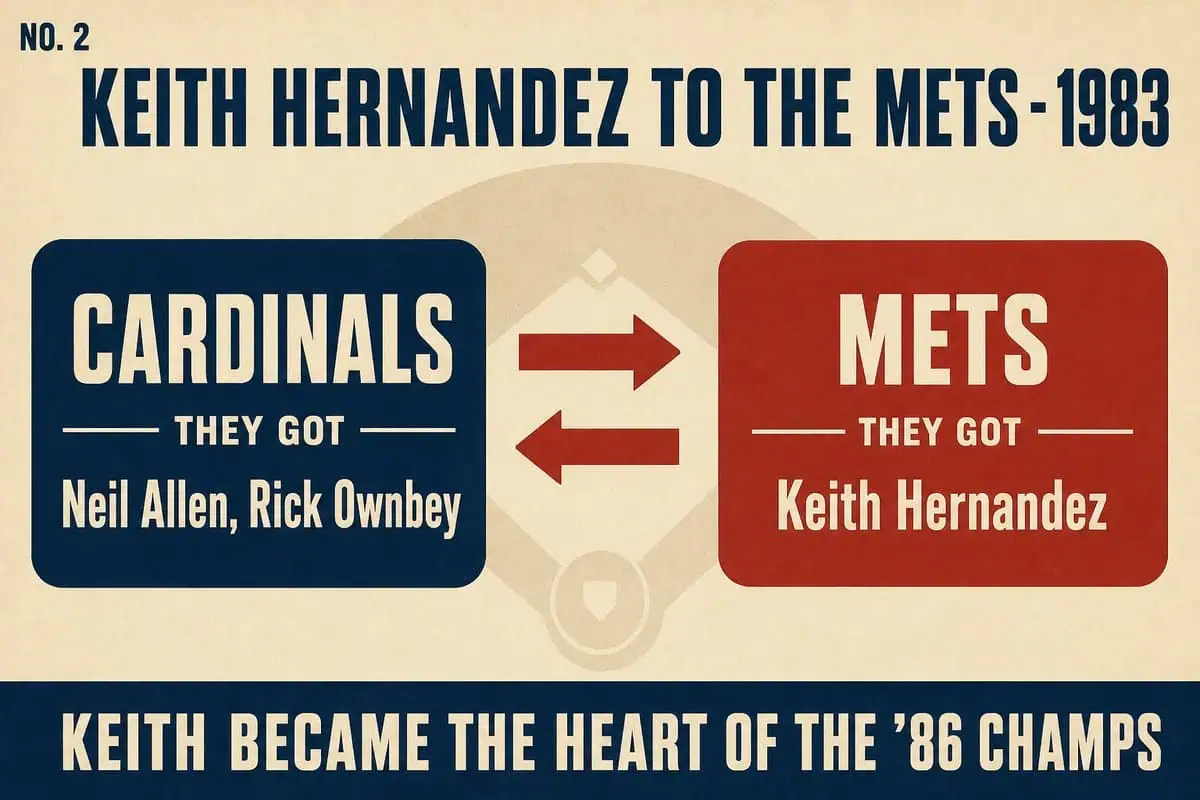
2. Keith Hernandez to the Mets: Cardinals’ Coffee Shop Blunder
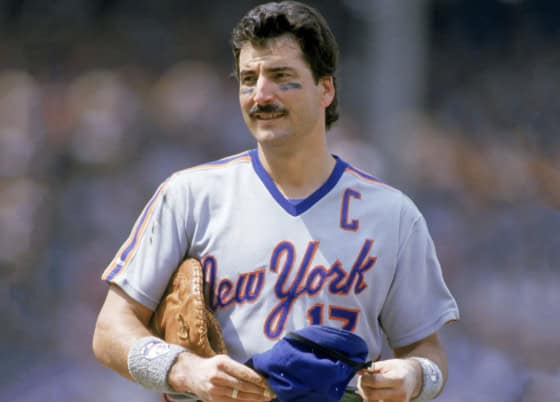
Keith Hernandez is one of the greatest baseball players not in the Hall of Fame. His trade from the Cardinals to the Mets helped the team in Queens gain a bat when they were in need of a championship-caliber first baseman.
Hernandez obliged, and the rest is pretty much history, as New York was able to win that great 1986 World Series championship.
1. Five-for-One: Von Hayes Trade Changes Two Franchises

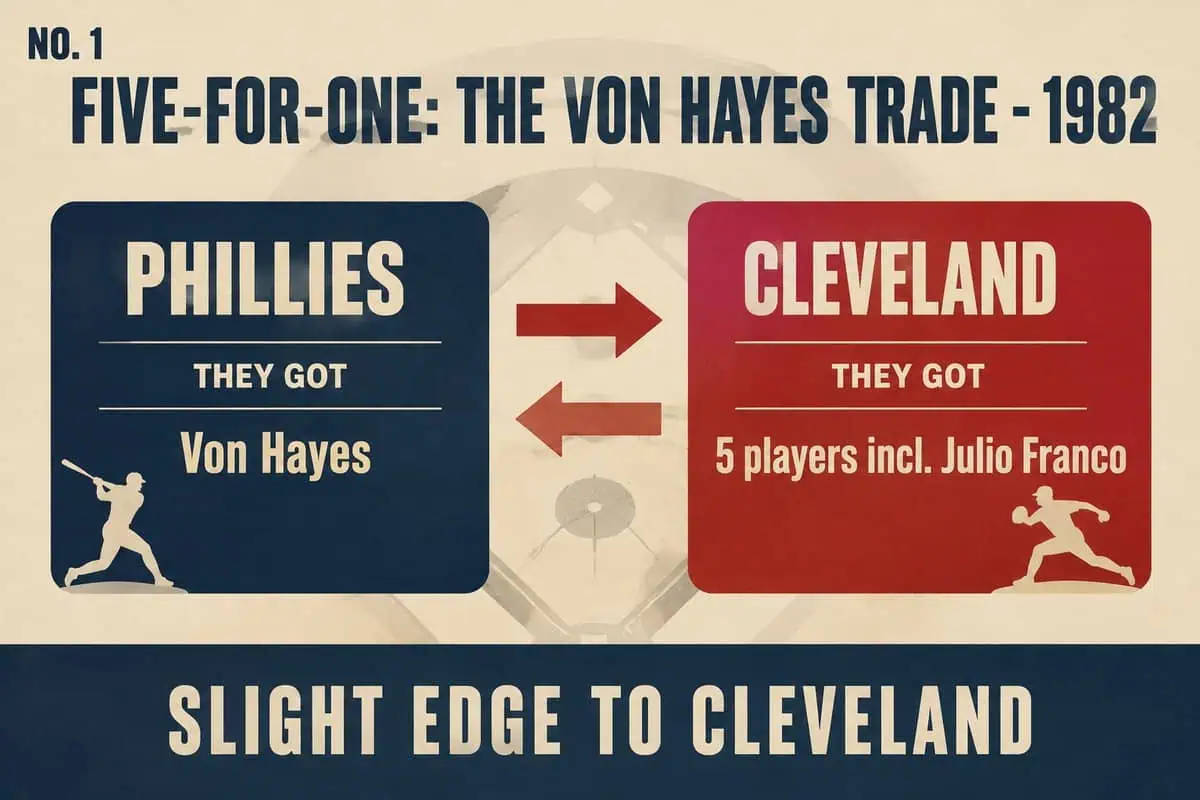
Alright let's go to a trade that involves a player that didn't end up being a legendary one. Von Hayes was on a great track to start his career, but then Philadelphia came calling as they were willing to send five players, including a young Julio Franco, to Cleveland.
Needless to say, more baseball fans remember Franco than they remember this entry. It's pretty crazy to think it was that lopsided against a featured player in a trade. I guess one team's scouts were far superior to the others.