
Last Updated: June 17th, 2026 by Michael Schatz
The 1980s were a golden era for shortstops, when defensive wizards and offensive powerhouses redefined what it meant to play the most demanding position on the diamond. From backflipping magicians to iron men who never missed a game, these players turned routine ground balls into poetry and clutch hits into legend.
Don't lose this article. Enter your email below, and I'll send it to you right now. Plus, we'll send you other unbelievable stories from baseball's past.
20. Scott Fletcher – The Underrated Glove Man
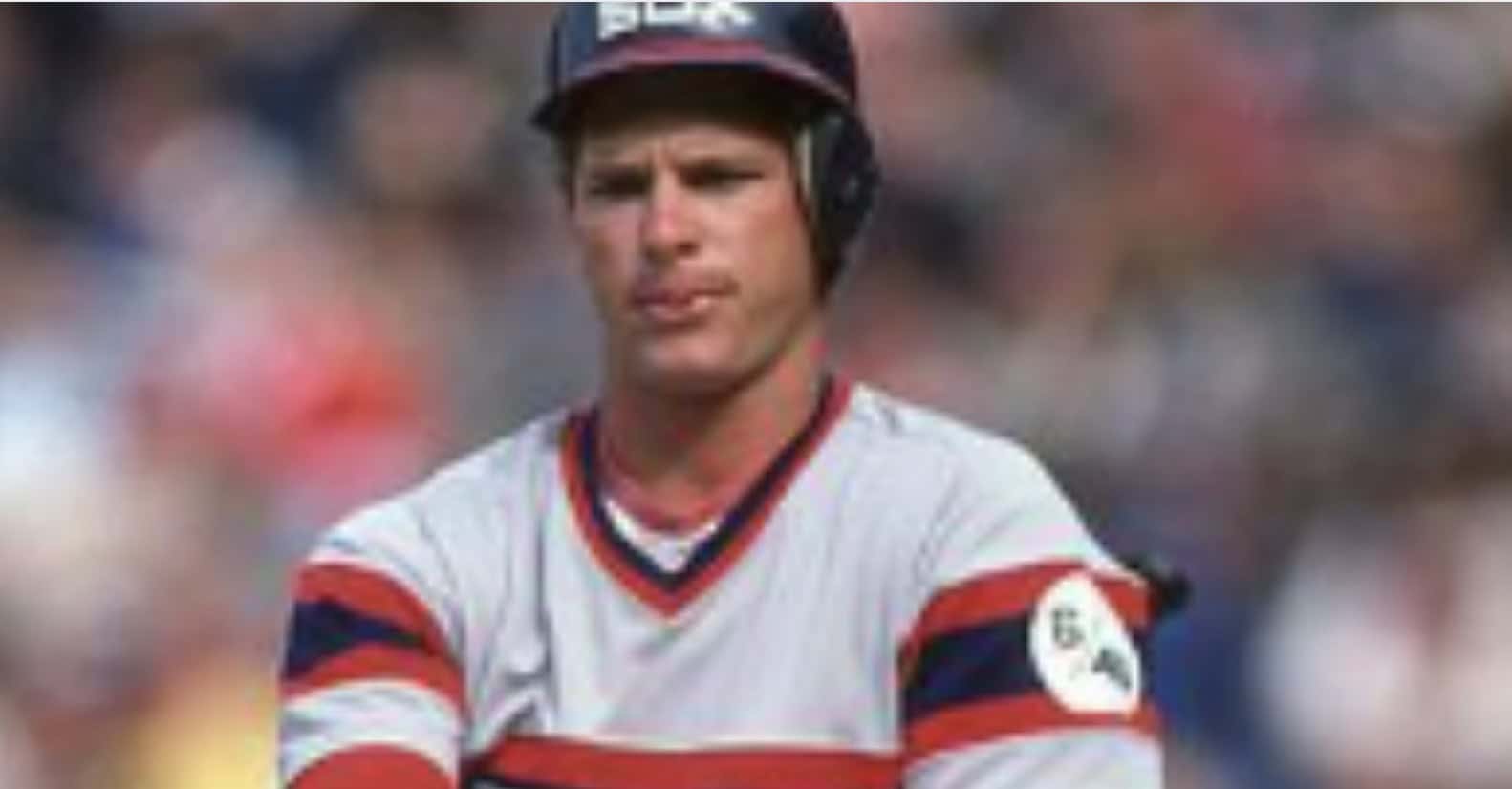
Scott Fletcher’s exceptional defensive skills and surprising offensive contributions made him one of the 1980s’ most underrated shortstops, particularly during his Chicago White Sox years. His ability to turn double plays and make difficult defensive plays look routine provided stability for teams in transition. Fletcher’s consistent production and professional approach represented the best qualities of the position during an era when shortstops were evolving from purely defensive specialists into complete players who could contribute in all phases of the game.
| Scott Fletcher — Career | Total |
|---|---|
| G | 1612 |
| AB | 5258 |
| H | 1376 |
| HR | 34 |
| RBI | 510 |
| SB | 99 |
| AVG | .262 |
| OBP | .332 |
| SLG | .342 |
| OPS | .674 |
19. Tim Foli – The Veteran’s Veteran Across Multiple Teams
Tim Foli’s 16-year career spanning multiple teams showcased the value of experience and defensive reliability during the transitional 1980s. His steady glove work and veteran leadership helped Pittsburgh’s 1979 World Series championship team, while his later stops provided crucial depth for contending clubs. Foli’s ability to mentor younger players and perform in pressure situations made him the perfect example of how journeyman veterans could contribute to winning organizations throughout the decade.
| Tim Foli — Career | Total |
|---|---|
| G | 1696 |
| AB | 6047 |
| H | 1515 |
| HR | 25 |
| RBI | 501 |
| SB | 81 |
| AVG | .251 |
| OBP | .283 |
| SLG | .309 |
| OPS | .592 |
| World Series titles | 1 |
18. U.L. Washington – Kansas City’s Toothpick-Chewing Character
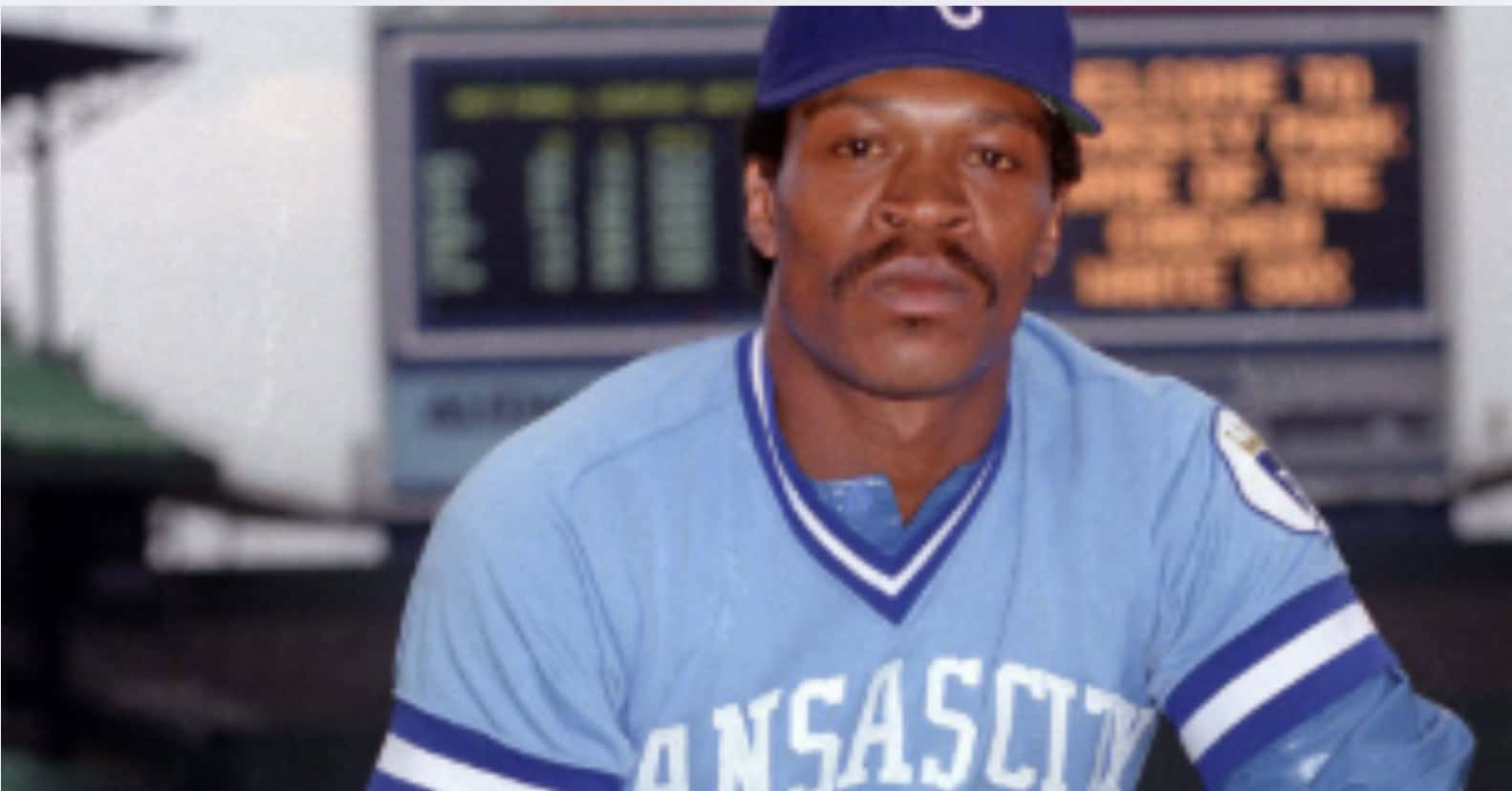
U.L. Washington’s trademark toothpick and switch-hitting ability made him one of baseball’s most distinctive characters during Kansas City’s successful early 1980s run. His speed and defensive versatility provided the Royals with valuable depth, while his clutch hitting in key situations helped Kansas City remain competitive in the tough AL West. Washington’s unique personality and professional approach made him a fan favorite who embodied the blue-collar work ethic that defined Royals baseball during their championship years.
| U L Washington — Career | Total |
|---|---|
| G | 907 |
| AB | 2797 |
| H | 703 |
| HR | 27 |
| RBI | 255 |
| SB | 132 |
| AVG | .251 |
| OBP | .313 |
| SLG | .343 |
| OPS | .656 |
17. Spike Owen – The Steady Professional Journeyman

Spike Owen represented the consummate professional shortstop, providing solid defense and clutch hitting for the Seattle Mariners, Boston Red Sox, and Montreal Exposthroughout the 1980s. His steady presence and ability to handle any situation made him valuable to contending teams, particularly during Boston’s 1986 World Series run. Owen’s career exemplified the journeyman ideal—never spectacular but always reliable, the type of player managers could count on to execute fundamentals and provide veteran leadership when needed most.
| Spike Owen — Career | Total |
|---|---|
| G | 1544 |
| AB | 4930 |
| H | 1211 |
| HR | 46 |
| RBI | 439 |
| SB | 82 |
| AVG | .246 |
| OBP | .324 |
| SLG | .341 |
| OPS | .665 |
16. Shawon Dunston – Chicago’s Cannon-Armed Speedster
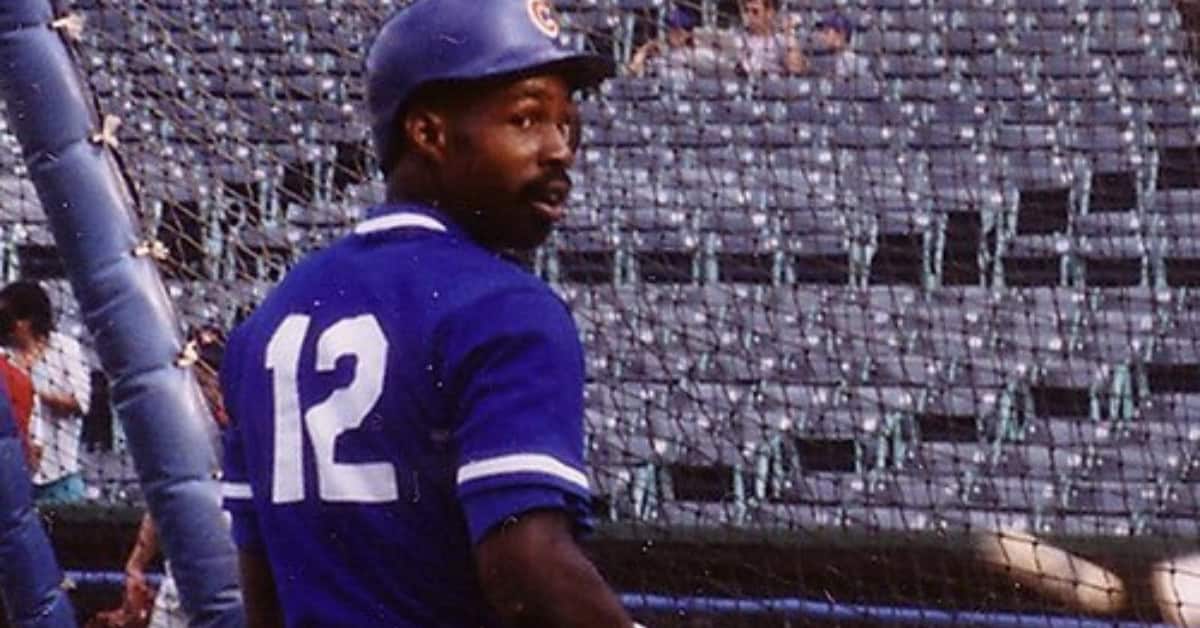
Shawon Dunston’s rocket arm and blazing speed made him a highlight reel waiting to happen throughout his Cubs tenure, beginning with his 1985 debut. The first overall pick in the 1982 draft could make throws from impossible angles and steal bases with ease, though his free-swinging approach at the plate sometimes overshadowed his athletic gifts. Dunston’s raw talent and infectious enthusiasm embodied the lovable loser Cubs of the 1980s, providing hope for better days ahead.
| Shawon Dunston — Career | Total |
|---|---|
| G | 1814 |
| AB | 5927 |
| H | 1597 |
| HR | 150 |
| RBI | 668 |
| SB | 212 |
| AVG | .269 |
| OBP | .296 |
| SLG | .416 |
| OPS | .712 |
| All-Star selections | 2 |
15. Jose Uribe – San Francisco’s Defensive Specialist
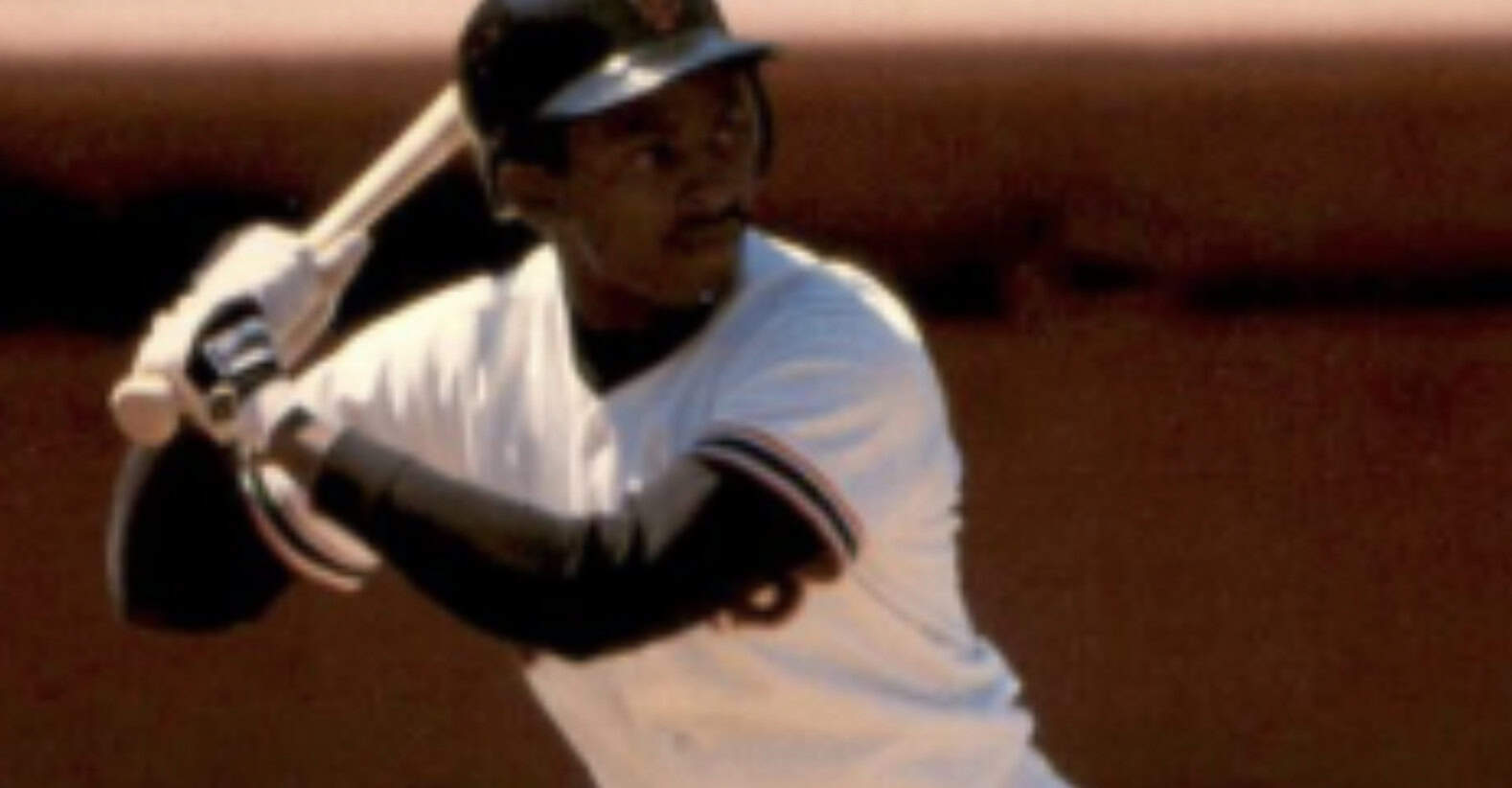
Jose Uribe’s Gold Glove-winning defense in 1987 highlighted his exceptional fielding ability during San Francisco’s competitive years of the mid-1980s. The Dominican shortstop’s quick hands and strong arm made him a defensive stalwart at Candlestick Park, where the swirling winds made routine plays challenging. Uribe’s consistency and professionalism provided stability for a Giants organization transitioning between eras, proving that defensive excellence alone could make a player invaluable to his team’s success.
| Jose Uribe — Career | Total |
|---|---|
| G | 1038 |
| AB | 3064 |
| H | 738 |
| HR | 19 |
| RBI | 219 |
| SB | 74 |
| AVG | .241 |
| OBP | .300 |
| SLG | .314 |
| OPS | .614 |
14. Rafael Santana – The Mets’ Steady Glove in ’86
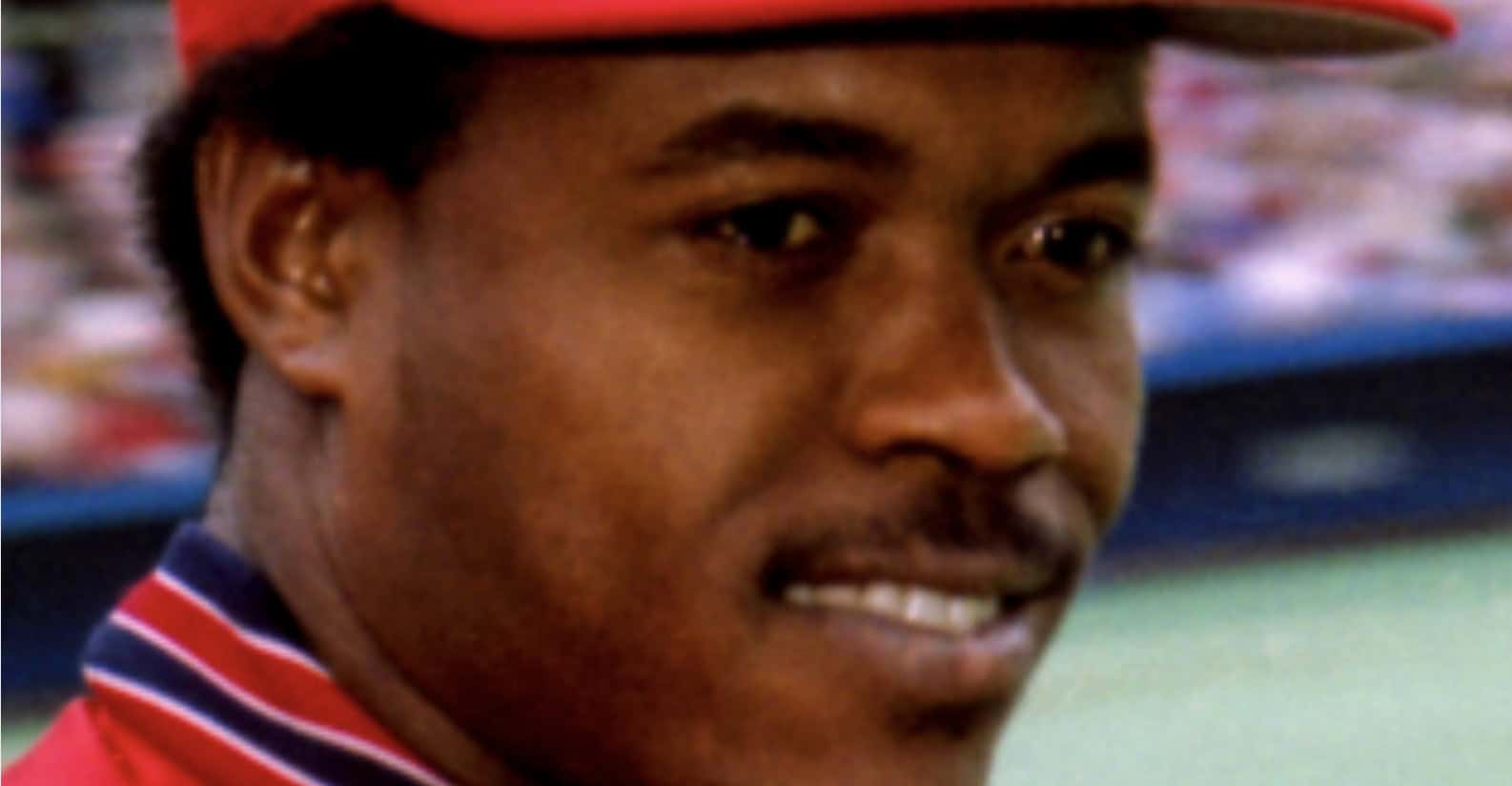
Rafael Santana may not have possessed the flashiest credentials, but his steady defense and timely hitting provided the perfect complement to the Mets’ powerhouse 1986 championship team. The Dominican shortstop’s ability to turn double plays and handle pressure situations allowed stars like Darryl Strawberry and Dwight Gooden to shine. Santana’s understated excellence proved that sometimes the best shortstops are those who simply do their job without fanfare, letting their teammates take the headlines.
| Rafael Santana — Career | Total |
|---|---|
| G | 668 |
| AB | 2021 |
| H | 497 |
| HR | 13 |
| RBI | 156 |
| SB | 3 |
| AVG | .246 |
| OBP | .295 |
| SLG | .307 |
| OPS | .602 |
| World Series titles | 1 |
13. Larry Bowa – Philadelphia’s Defensive Wizard and Vocal Leader

Larry Bowa’s fiery leadership and exceptional defensive skills anchored Philadelphia’s 1980 World Series championship team, proving that old-school intensity still had its place in modern baseball. The five-time All-Star’s ability to turn double plays and his fearless approach to fielding made him invaluable during the Phillies’ championship run. Bowa’s vocal leadership style and refusal to back down from any challenge embodied the blue-collar spirit of Philadelphia baseball throughout the early 1980s.
| Larry Bowa — Career | Total |
|---|---|
| G | 2247 |
| AB | 8418 |
| H | 2191 |
| HR | 15 |
| RBI | 525 |
| SB | 317 |
| AVG | .260 |
| OBP | .300 |
| SLG | .320 |
| OPS | .620 |
| All-Star selections | 5 |
| Gold Gloves | 2 |
| World Series titles | 1 |
12. Rick Burleson – Boston’s Fiery “Rooster” Competitor
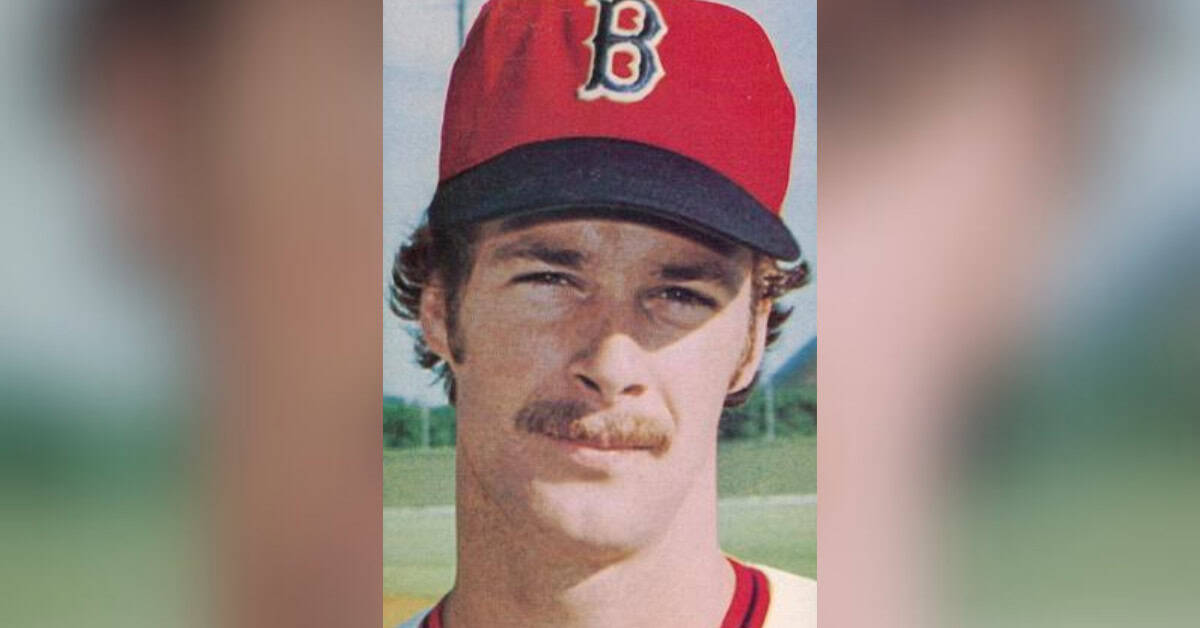
Rick “Rooster” Burleson brought intensity and grit to the shortstop position during his Boston years, earning four All-Star selections with his fiery competitive spirit and solid defense. His clutch hitting in the 1975 World Series and consistent production throughout the late 1970s made him a Fenway Park favorite before injuries derailed his career. Burleson’s never-say-die attitude epitomized the scrappy shortstop archetype that defined the position before the power revolution of the 1980s.
| Rick Burleson — Career | Total |
|---|---|
| G | 1346 |
| AB | 5139 |
| H | 1401 |
| HR | 50 |
| RBI | 449 |
| SB | 72 |
| AVG | .273 |
| OBP | .328 |
| SLG | .361 |
| OPS | .689 |
| All-Star selections | 4 |
| Gold Gloves | 1 |
| Silver Sluggers | 1 |
11. Alfredo Griffin – The Blue Jays’ Reliable Veteran
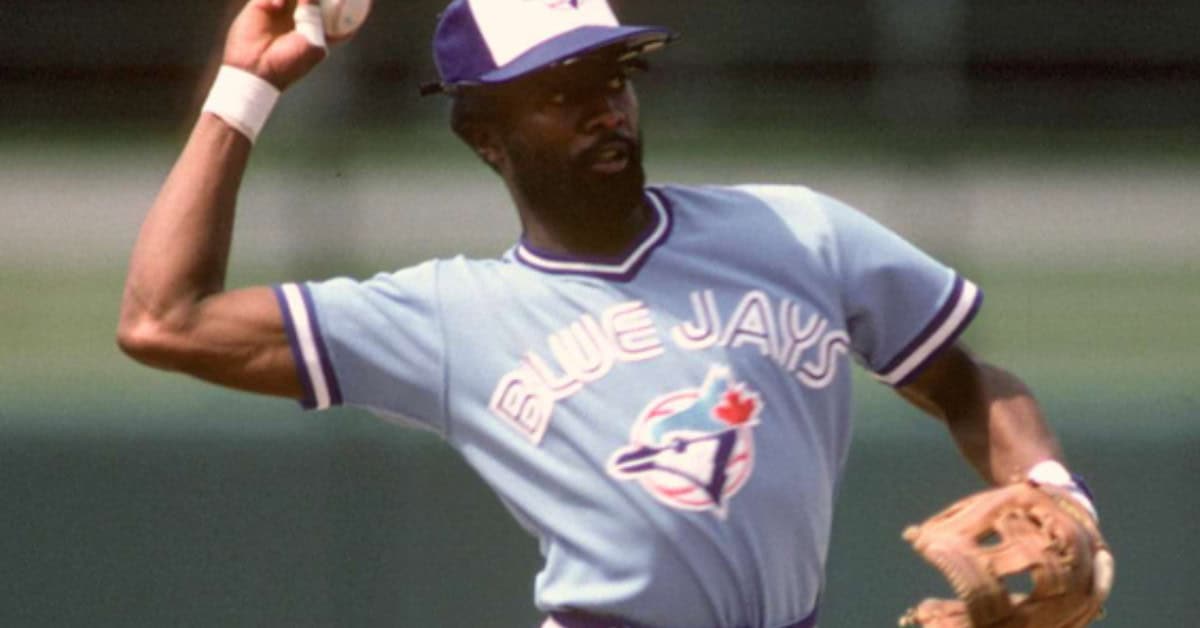
Alfredo Griffin’s steady glove and reliable bat helped establish credibility for the expansion Toronto Blue Jays throughout the early 1980s, earning co-AL Rookie of the Year honors in 1979. The Dominican shortstop’s consistent defense and ability to handle pressure situations made him a valuable veteran presence as Toronto built toward respectability. Griffin’s professionalism and work ethic set the standard for Blue Jays infielders, helping create the culture that would eventually lead to championship success.
10. Dickie Thon – Houston’s Rising Star Cut Tragically Short
Dickie Thon’s 1983 season (.286 average, 20 homers, 34 stolen bases) established him as one of baseball’s rising stars until Mike Torrez’s fastball struck him in the face in April 1984, effectively ending his prime. The Puerto Rican shortstop’s combination of power and speed was rare for the position, and his tragic beaning remains one of baseball’s great “what if” stories. Thon’s courage in attempting comebacks despite vision problems showcased the heart of a true competitor.
| Dickie Thon — Career | Total |
|---|---|
| G | 1387 |
| AB | 4449 |
| H | 1176 |
| HR | 71 |
| RBI | 435 |
| SB | 167 |
| AVG | .264 |
| OBP | .317 |
| SLG | .374 |
| OPS | .691 |
| All-Star selections | 1 |
| Silver Sluggers | 1 |
9. Garry Templeton – Speed and Style Before the Trade
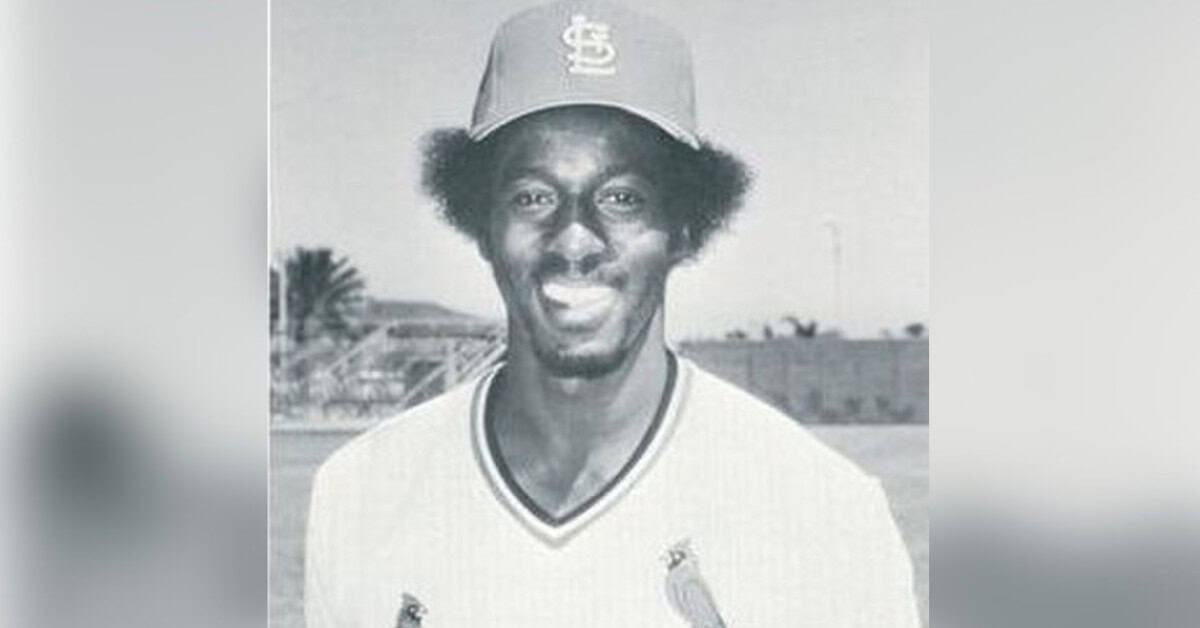
Before the famous trade that brought Ozzie Smith to St. Louis, Garry Templeton was the Cardinals’ speed demon at shortstop, becoming the first switch-hitter to collect 100 hits from each side of the plate in 1979. His blazing speed and solid defense made him a fan favorite until personal issues led to the blockbuster 1982 trade to San Diego. Templeton’s early-80s production in St. Louis showcased what might have been, while his later years in San Diego proved his talent was undeniable.
| Garry Templeton Sr. — Career | Total |
|---|---|
| G | 2079 |
| AB | 7721 |
| H | 2096 |
| HR | 70 |
| RBI | 728 |
| SB | 242 |
| AVG | .271 |
| OBP | .304 |
| SLG | .369 |
| OPS | .673 |
| All-Star selections | 3 |
| Silver Sluggers | 2 |
8. Dave Concepcion – The Big Red Machine’s Venezuelan Anchor
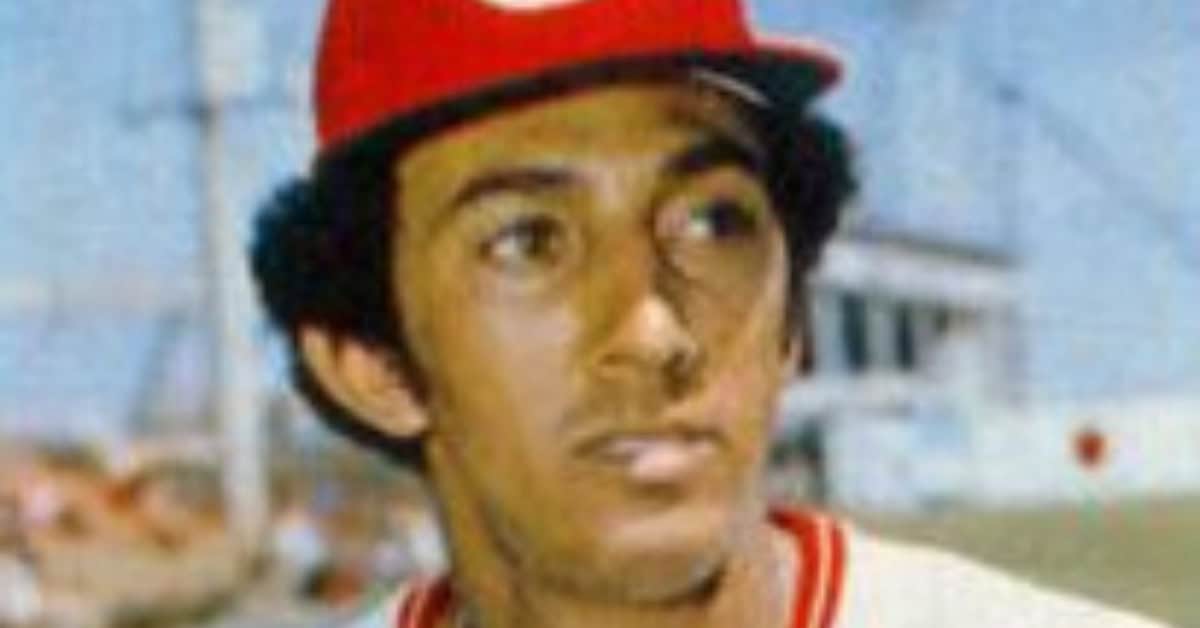
Dave Concepcion bridged Cincinnati’s championship years of the 1970s into the 1980s, providing steady defense and clutch hitting as the Big Red Machine’s era wound down. His five Gold Gloves and nine All-Star appearances showcased his consistency, while his Venezuelan heritage made him a trailblazer for Latin American shortstops. Concepcion’s ability to perform in pressure situations and his leadership qualities made him indispensable during Cincinnati’s transitional years of the early 1980s.
| Dave Concepcion — Career | Total |
|---|---|
| G | 2488 |
| AB | 8723 |
| H | 2326 |
| HR | 101 |
| RBI | 950 |
| SB | 321 |
| AVG | .267 |
| OBP | .322 |
| SLG | .357 |
| OPS | .679 |
| All-Star selections | 9 |
| Gold Gloves | 5 |
| Silver Sluggers | 2 |
| World Series titles | 2 |
7. Barry Larkin – Cincinnati’s Future Hall of Famer
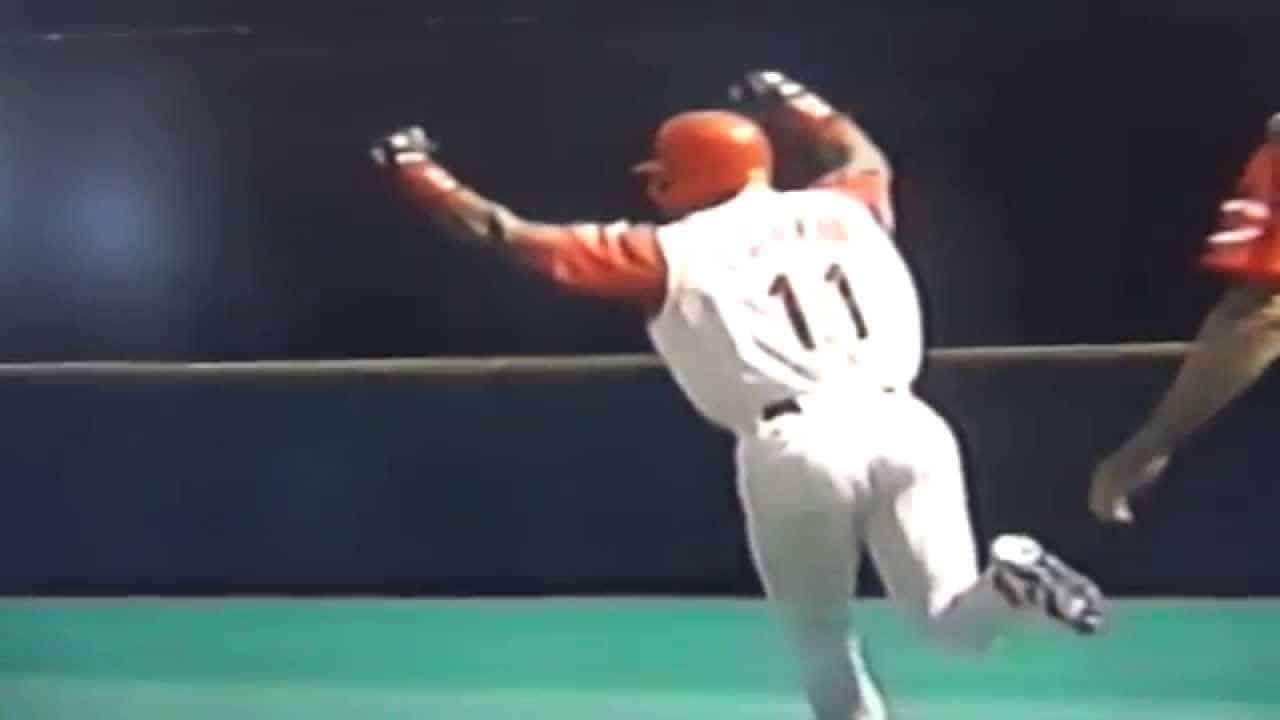
Barry Larkin burst onto the scene in 1986 as Cincinnati’s shortstop of the future, bringing a rare combination of power, speed, and defensive excellence to Riverfront Stadium. Though his peak years came in the 1990s, Larkin’s late-80s emergence signaled the end of the Big Red Machine era and the beginning of a new chapter. His 12 All-Star selections and 1995 MVP award validated the early promise he showed as a rookie, making him one of the decade’s most important emerging talents.
6. Julio Franco – The Switch-Hitting Sensation with the Unique Stance
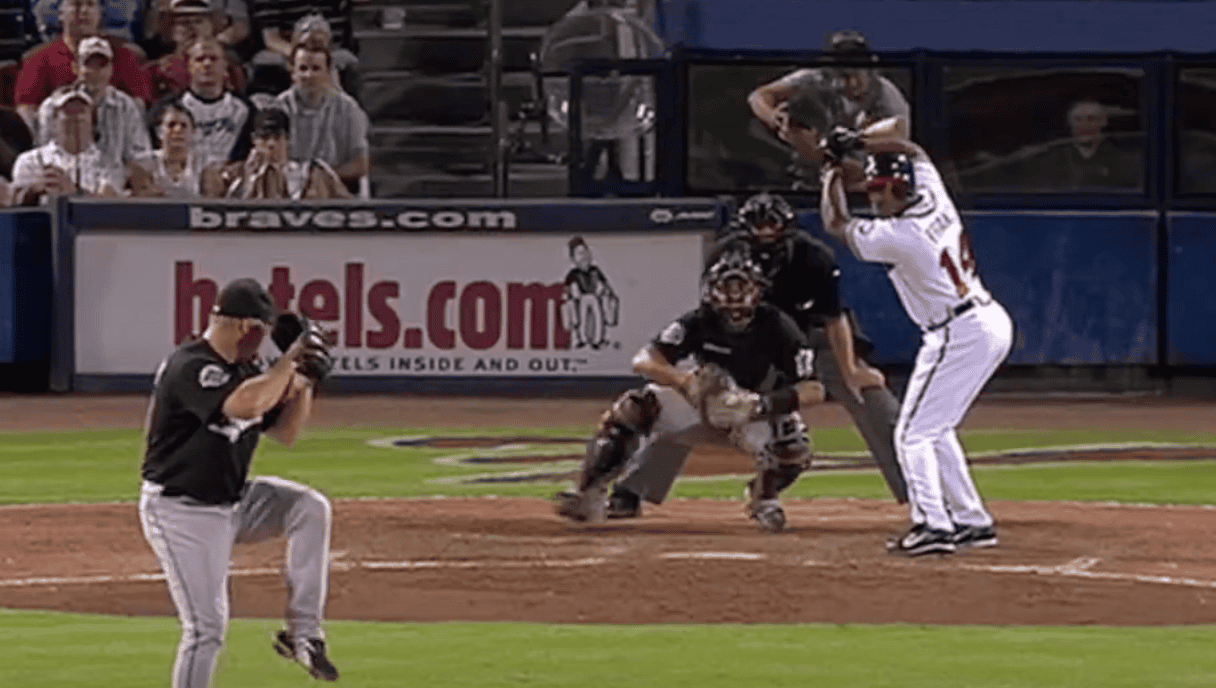
Julio Franco’s unorthodox batting stance—hands held impossibly high, bat waggling like a metronome—became one of baseball’s most recognizable sights in the 1980s. The Dominican switch-hitter won the 1991 AL batting title (.341) while playing for Texas, but his Cleveland years showcased his unique blend of speed, power, and defensive ability. Franco’s longevity was legendary, playing professionally into his 50s and proving that unconventional could still be highly effective.
5. Tony Fernandez – Toronto’s Smooth-Fielding Dominican Star
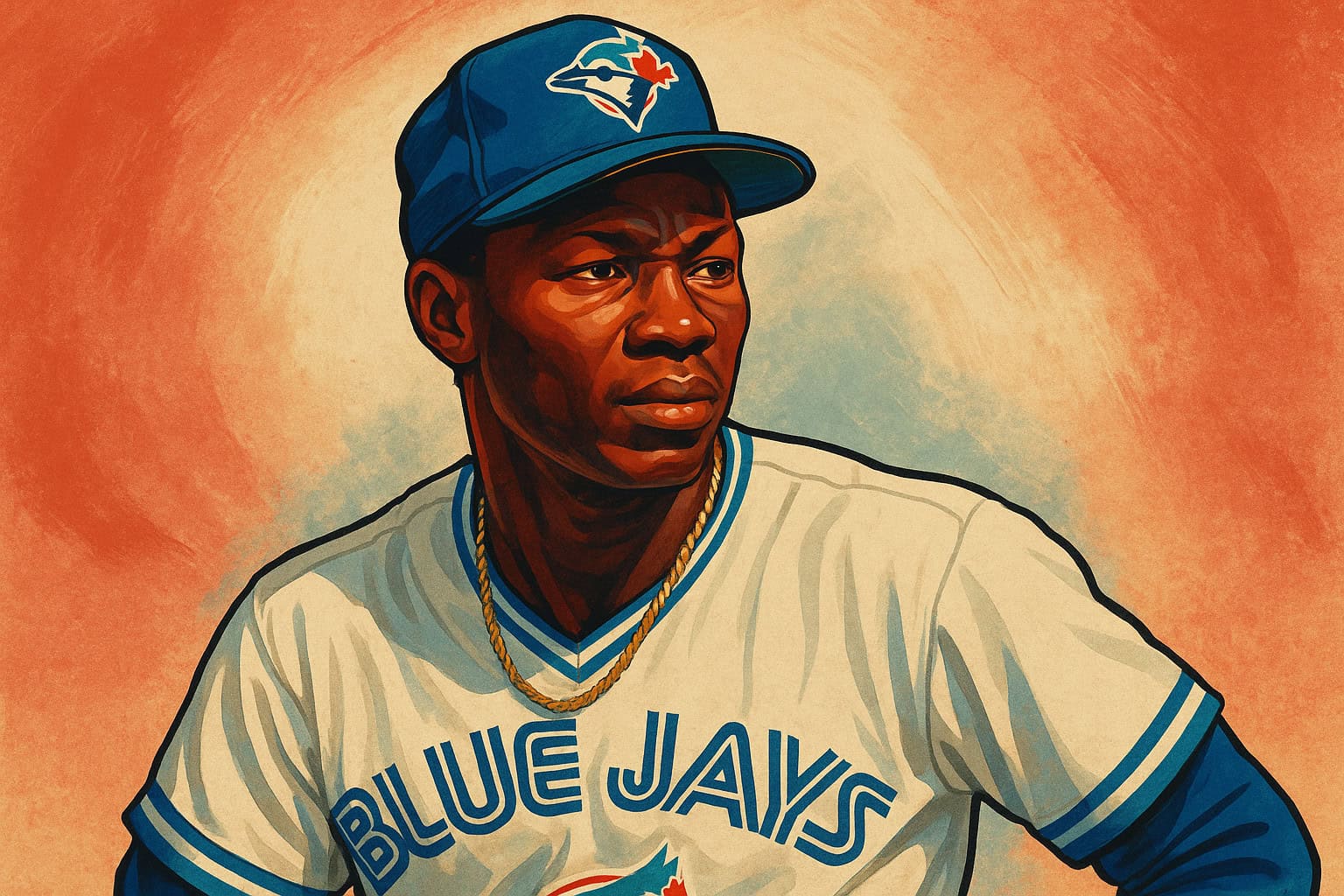
Tony Fernandez brought Dominican flair to Toronto’s SkyDome, combining silky smooth fielding with surprising offensive pop throughout the late 1980s. His four Gold Gloves and strong batting averages, often exceeding .280, made him a fan favorite during the Blue Jays’ rise to prominence. Fernandez’s ability to turn the double play with ballet-like grace while providing clutch hitting made him an integral part of Toronto’s championship foundation that would pay off in the early 1990s.
| Tony Fernández — Career | Total |
|---|---|
| G | 2158 |
| AB | 7911 |
| H | 2276 |
| HR | 94 |
| RBI | 844 |
| SB | 246 |
| AVG | .288 |
| OBP | .347 |
| SLG | .399 |
| OPS | .746 |
| All-Star selections | 5 |
| Gold Gloves | 4 |
| World Series titles | 1 |
4. Robin Yount – The Brewers’ Swiss Army Knife
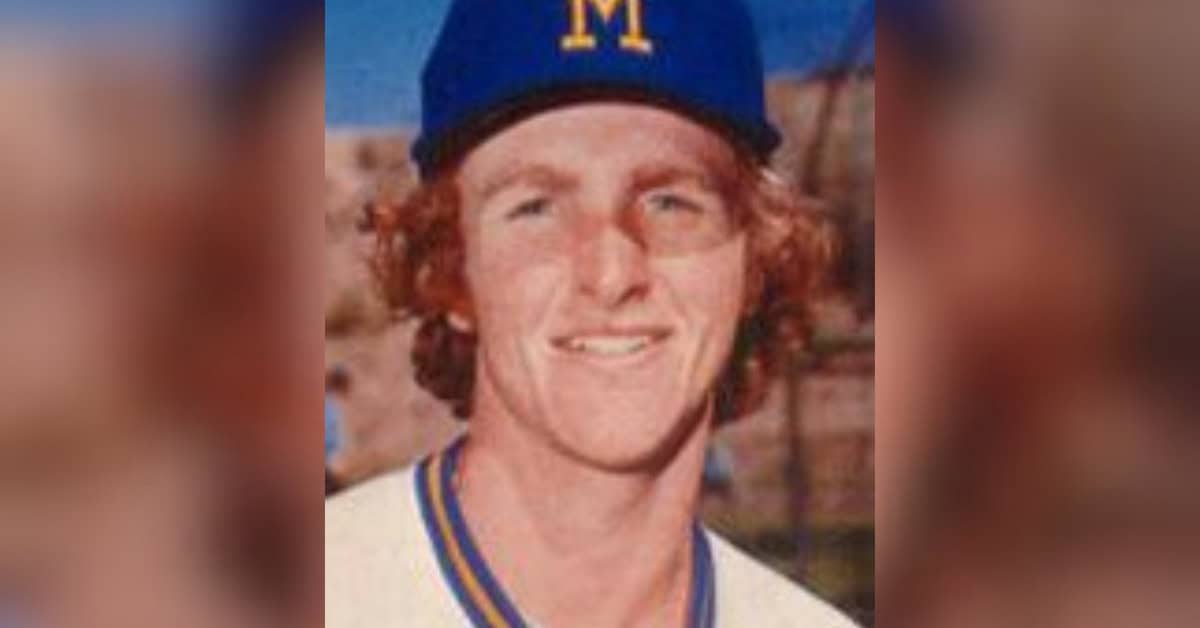
Robin Yount’s 1982 MVP season at shortstop (.331 average, 29 homers) helped carry Milwaukee to their only World Series appearance, though he’d later win another MVP award after moving to center field. His four-hit performance in Game 5 of the ’82 World Series showcased his clutch gene, while his durability and consistency made him the face of Brewers baseball. Yount proved that homegrown talent could anchor a franchise for two decades.
| Robin Yount — Career | Total |
|---|---|
| G | 2856 |
| AB | 11008 |
| H | 3142 |
| HR | 251 |
| RBI | 1406 |
| SB | 271 |
| AVG | .285 |
| OBP | .342 |
| SLG | .430 |
| OPS | .772 |
| MVP | 2 |
| All-Star selections | 3 |
| Gold Gloves | 1 |
| Silver Sluggers | 3 |
3. Alan Trammell – Detroit’s Steady Hand Through Championship Glory
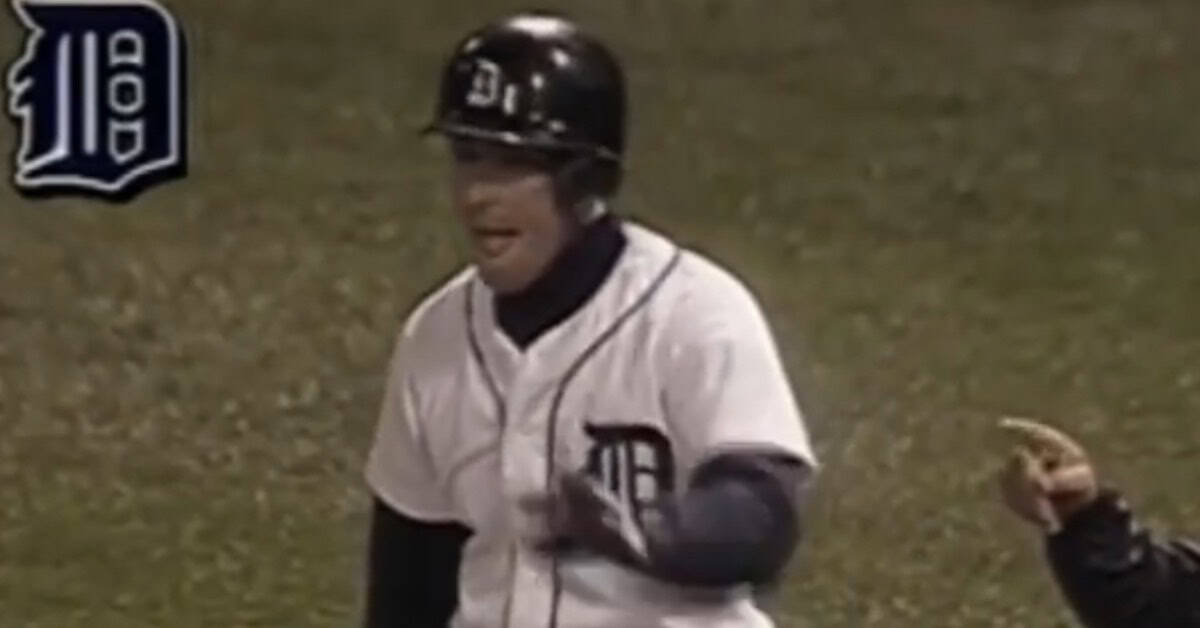
Alan Trammell epitomized consistency during Detroit’s magical 1984 championship run, batting .314 during the regular season before exploding for a .450 average in the World Series to earn MVP honors. His smooth fielding and clutch hitting alongside double-play partner Lou Whitaker formed one of baseball’s most reliable middle infield combinations. Trammell’s ability to rise to the occasion in October cemented his legacy as one of the decade’s premier shortstops.
| Alan Trammell — Career | Total |
|---|---|
| G | 2293 |
| AB | 8288 |
| H | 2365 |
| HR | 185 |
| RBI | 1003 |
| SB | 236 |
| AVG | .285 |
| OBP | .352 |
| SLG | .415 |
| OPS | .767 |
| All-Star selections | 6 |
| Gold Gloves | 4 |
| Silver Sluggers | 3 |
| World Series titles | 1 |
2. Ozzie Smith – The Wizard’s Backflips and Gold Glove Magic
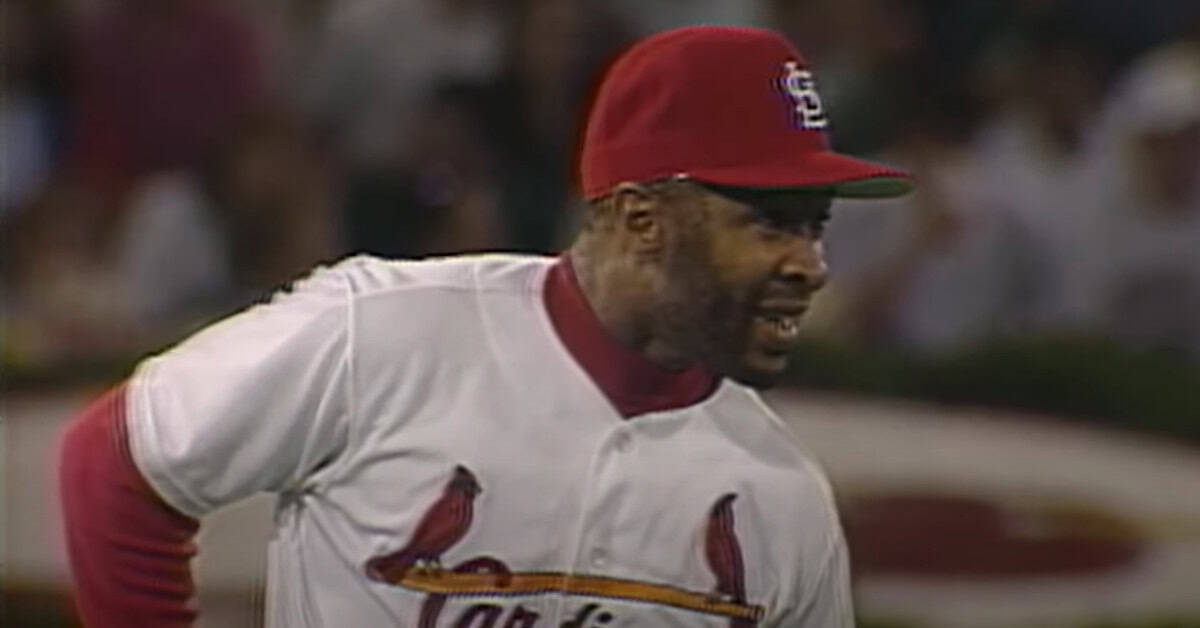
Nobody made impossible plays look routine quite like Ozzie Smith, whose acrobatic fielding earned him 13 consecutive Gold Gloves from 1980-1992. The Wizard’s pre-game backflips at Busch Stadium became as much a St. Louis tradition as toasted ravioli, but it was his ability to turn would-be base hits into outs that made him irreplaceable. His famous home run off Tom Niedenfuer in the 1985 NLCS proved he could deliver clutch offense too.
| Ozzie Smith — Career | Total |
|---|---|
| G | 2573 |
| AB | 9396 |
| H | 2460 |
| HR | 28 |
| RBI | 793 |
| SB | 580 |
| AVG | .262 |
| OBP | .337 |
| SLG | .328 |
| OPS | .665 |
| All-Star selections | 15 |
| Gold Gloves | 13 |
| Silver Sluggers | 1 |
| World Series titles | 1 |
1. Cal Ripken Jr. – The Iron Man Who Redefined the Position

Before Cal Ripken Jr. arrived in 1981, shortstops were supposed to be small, scrappy guys who couldn’t hit their weight. The 6’4″ Ripken shattered that mold, proving that size and power could coexist with stellar defense (he would later win Gold Gloves in 1991 and 1992). His consecutive games streak started in 1982, but it was his ability to hit 25+ home runs while turning double plays that truly revolutionized the position for generations to come.
| Cal Ripken Jr. — Career | Total |
|---|---|
| G | 3001 |
| AB | 11551 |
| H | 3184 |
| HR | 431 |
| RBI | 1695 |
| SB | 36 |
| AVG | .276 |
| OBP | .340 |
| SLG | .447 |
| OPS | .787 |
| MVP | 2 |
| All-Star selections | 19 |
| Gold Gloves | 2 |
| Silver Sluggers | 8 |
| World Series titles | 1 |
| Rookie of the Year | 1 |