
Last Updated: June 17th, 2026 by Jeffrey Christo
Some players’ greatest contributions never showed up in the box scores. Whether it was rising to the moment in October, revolutionizing how a position was played, or providing leadership that transformed their teammates, these players brought value that traditional statistics couldn’t measure. But if you watched them, you know.
Don't lose this article. Enter your email below, and I'll send it to you right now. Plus, we'll send you other unbelievable stories from baseball's past.
20. Martín Dihigo – The Complete Ballplayer
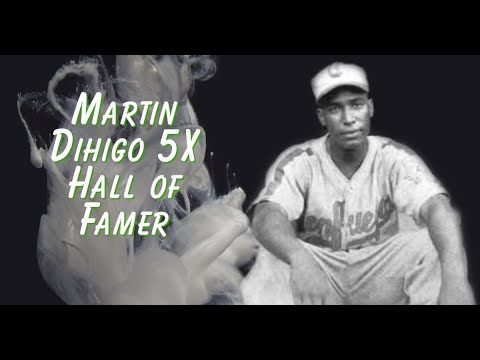
Martin Dihigo didn’t play in any one league enough to compile counting stats, but he was one of the greatest players of all time. In 1938, Dihigo won 18 games as a pitcher while hitting .387 to win the Mexican League batting title. His versatility went beyond mere utility – he excelled at every position, earning Hall of Fame inductions in four countries. In Cuba’s 1935-36 season, he posted a 0.90 ERA while batting .358, showing how traditional single-position statistics could never capture his full impact on a game.
19. Mark Lemke – The October Specialist
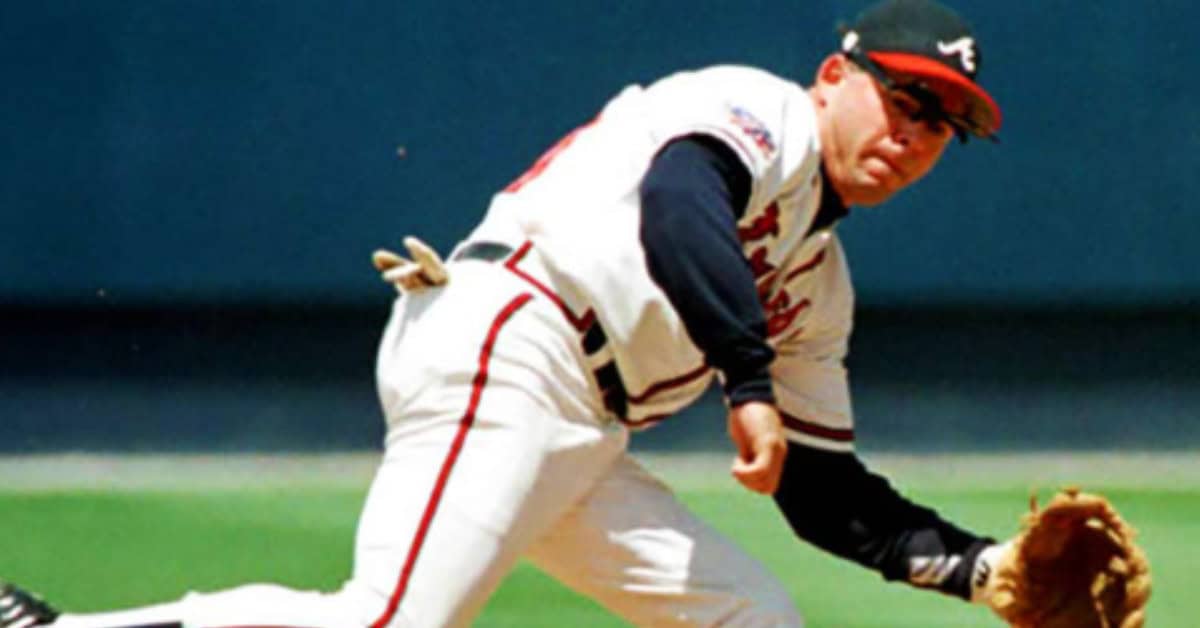
Regular season stats missed Lemke’s true value as a clutch performer. In the 1991 World Series, he hit .417 with three triples when the pressure was highest. His game-winning hit in Game 3 of the ’91 Series and his .444 average in the ’92 NLCS showed how he consistently elevated his game when it mattered most.
18. Dave Concepción – The Artificial Turf Pioneer
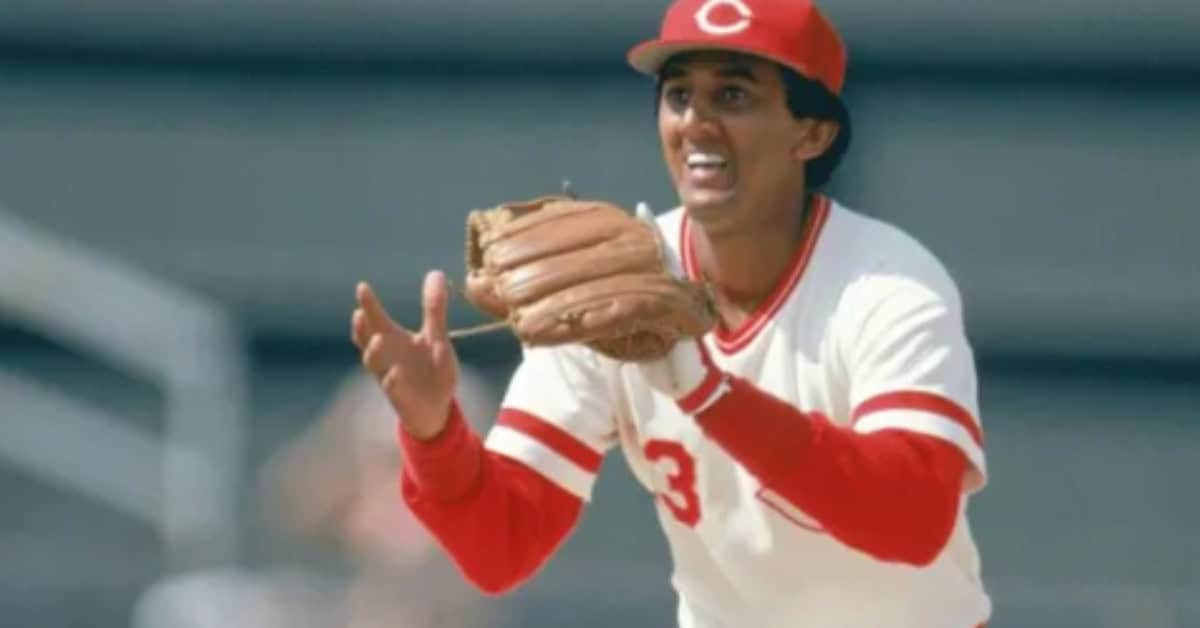
Concepción’s innovative bounce throw solved a critical problem: how to throw accurately on fast artificial turf. This technique, which became standard for turf shortstops, helped him lead the league in fielding percentage four times. The Reds’ pitching staff ERA improved by 0.45 when he played versus his backups.
17. Tony Phillips – The Roster Maximizer
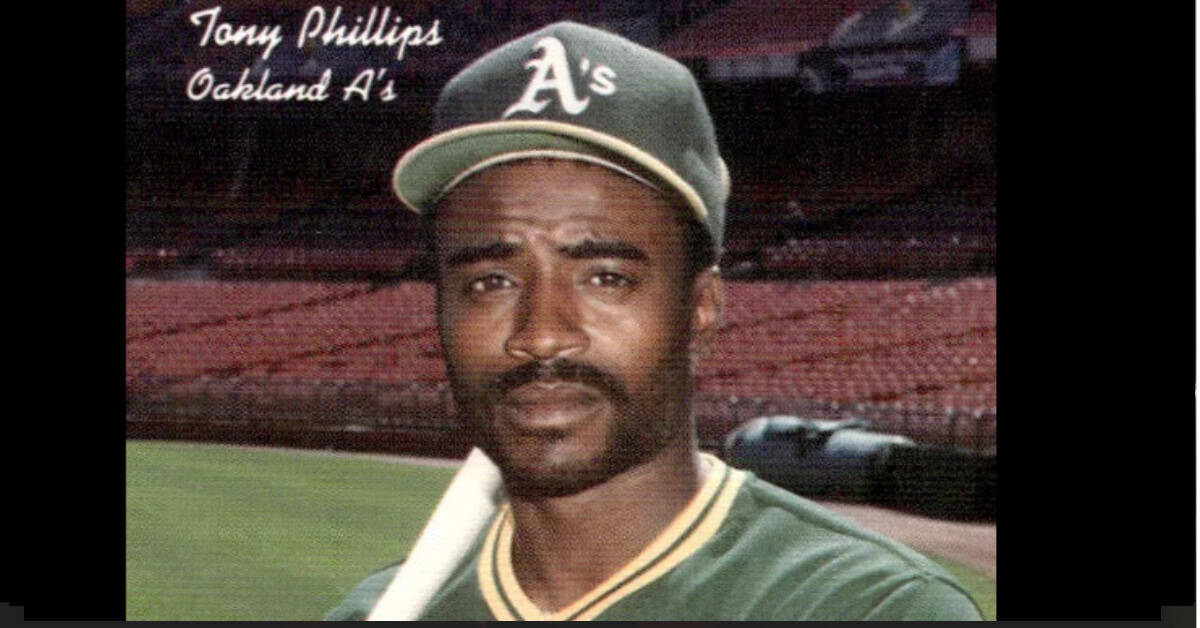
In an era of 24-man rosters, Phillips’ ability to play seven positions at a high level essentially gave his managers an extra player. His versatility allowed teams to carry an extra pitcher or pinch-runner, creating strategic advantages that transcended his personal statistics.
16. Gene Tenace – The Lineup Disruptor
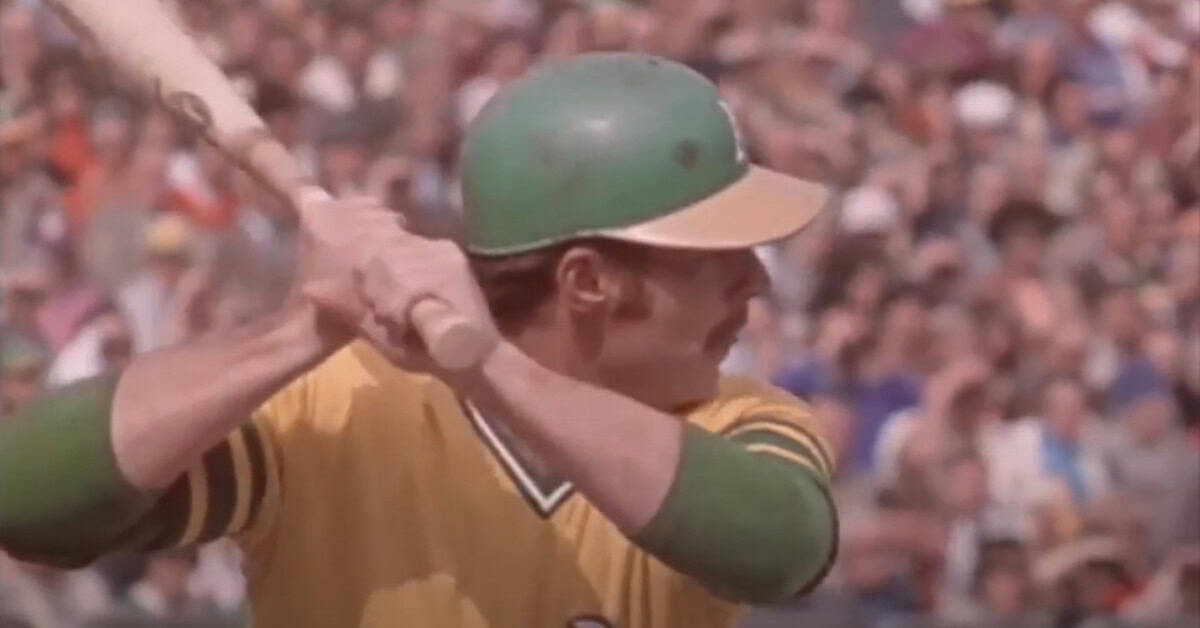
Before walks were properly valued, Tenace’s patience forced pitchers to throw 20-30 extra pitches per game. His career .388 on-base percentage meant opposing starters often left games an inning earlier when facing Oakland, giving his team crucial advantages against bullpens.
15. Rick Dempsey – The Pitcher Whisperer

Dempsey’s impact showed in his pitchers’ success. Mike Flanagan’s ERA dropped by 1.23 points throwing to Dempsey, and Scott McGregor credited him for extending his career by teaching him to pitch to corners. Five different Orioles starters had career years with Dempsey behind the plate.
14. Garry Maddox – The Pitchers’ Best Friend
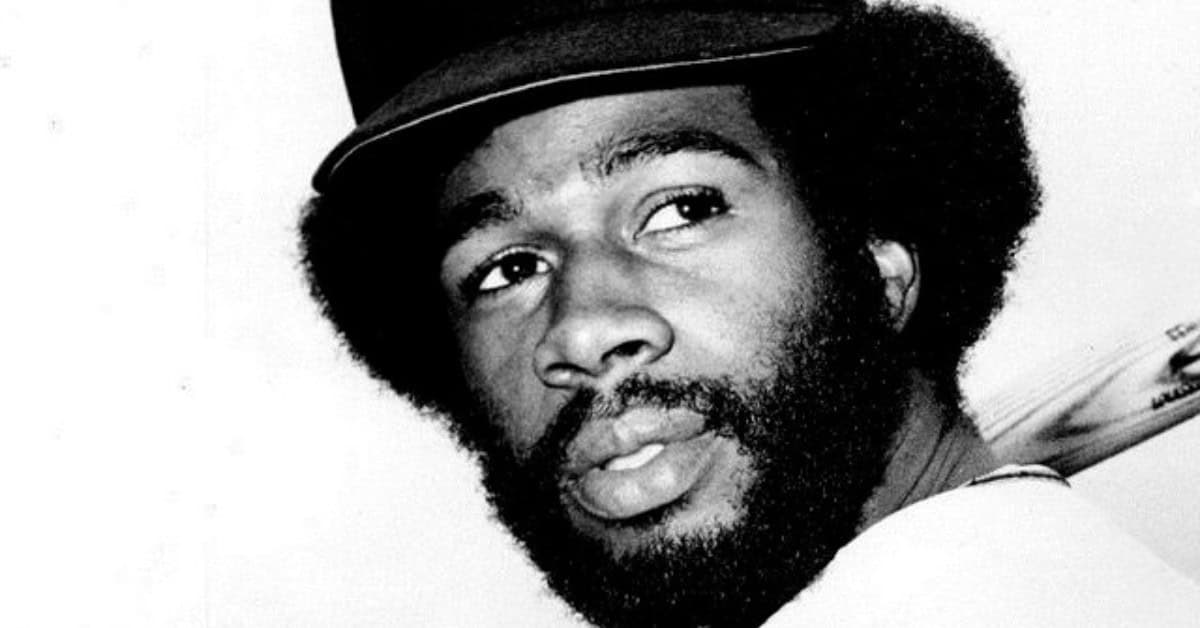
Phillies pitchers’ ERAs dropped an average of 0.50 points with Maddox in center field. His range allowed infielders to play closer to the lines, while corner outfielders could shade toward the gaps, creating a defensive alignment that turned more balls in play into outs.
13. José Oquendo – The Strategic Multiplier
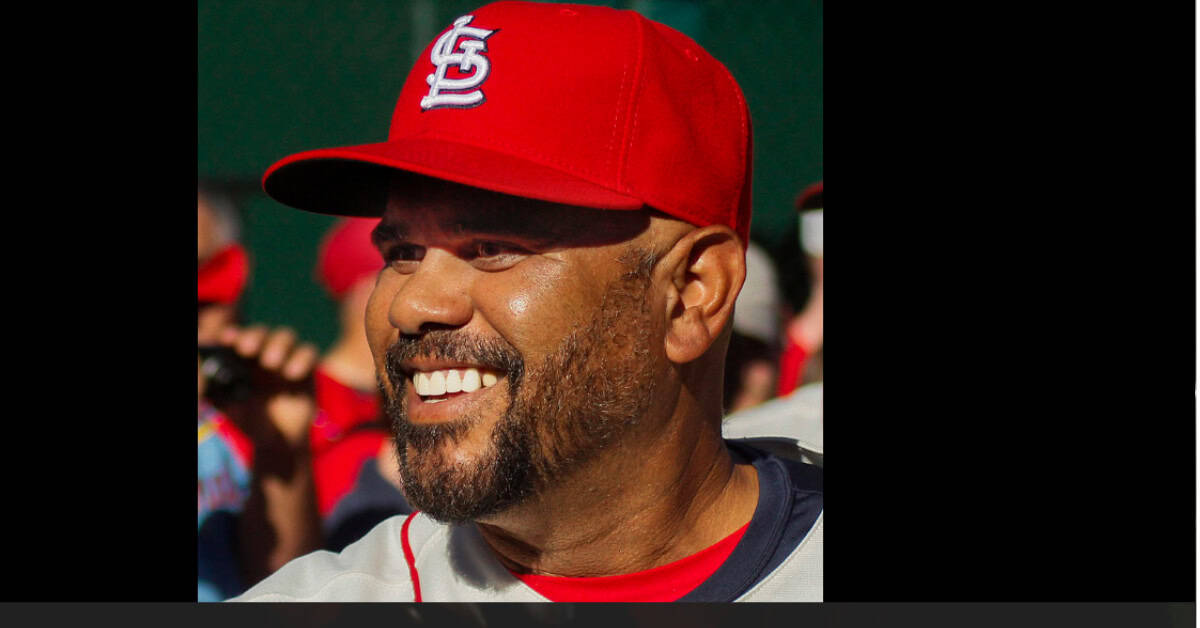
Oquendo’s ability to play all nine positions allowed manager Whitey Herzog to carry an extra pinch-runner or situational reliever. In 1988, his versatility enabled 12 different double-switches that helped the Cardinals win one-run games.
12. Mickey Rivers – The Game Changer
Rivers’ presence on base forced pitchers to rush their deliveries. In 1977, opposing pitchers committed 12 balks and threw 22 wild pitches with Rivers on base, creating extra advancement opportunities that his stolen base totals don’t reflect.
11. Omar Vizquel – The Run Preventer
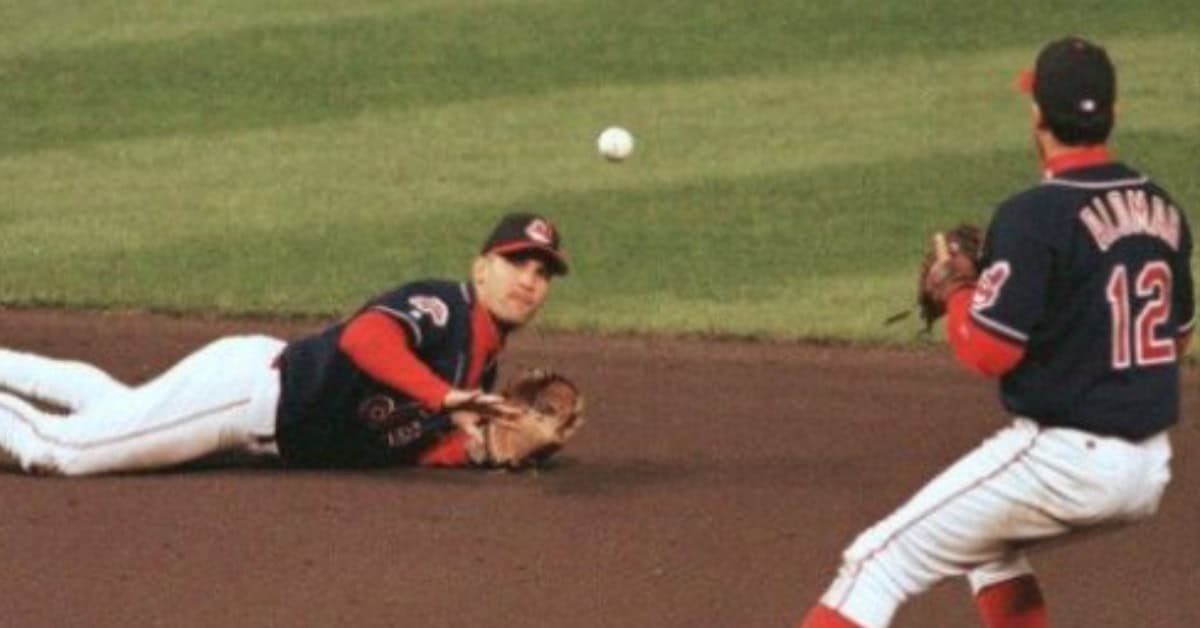
Before advanced fielding metrics, Vizquel’s impact showed in Cleveland’s pitching success. The team’s ERA improved by 0.62 runs when he played shortstop, and he turned 35% more double plays than league average.
10. Jason Varitek – The Game Plan Master

Varitek caught four no-hitters from four different pitchers. Red Sox pitchers posted a collective 3.57 ERA throwing to him versus 4.12 with other catchers, showing his game-calling expertise beyond his batting average.
9. Mark Ellis – The Silent Defender
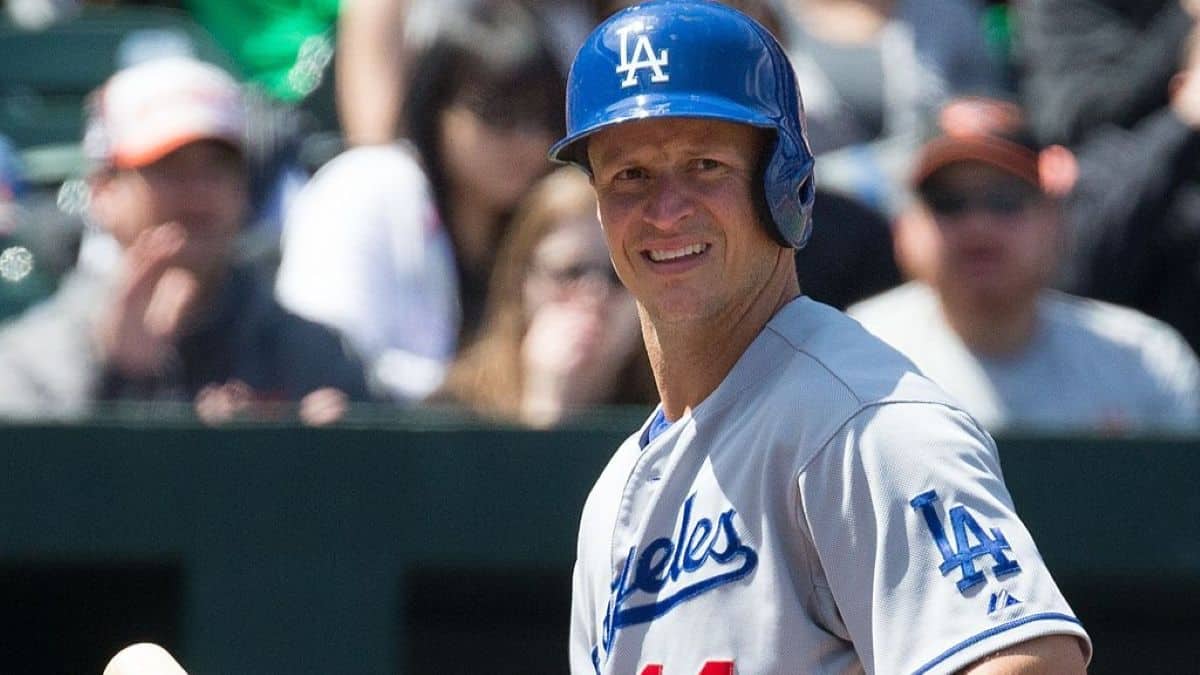
Ellis turned 12% more double plays than average while making 50% fewer errors. His positioning and quick transfers helped Oakland lead the league in defensive efficiency three straight years.
8. Bill Russell – The Steady Hand
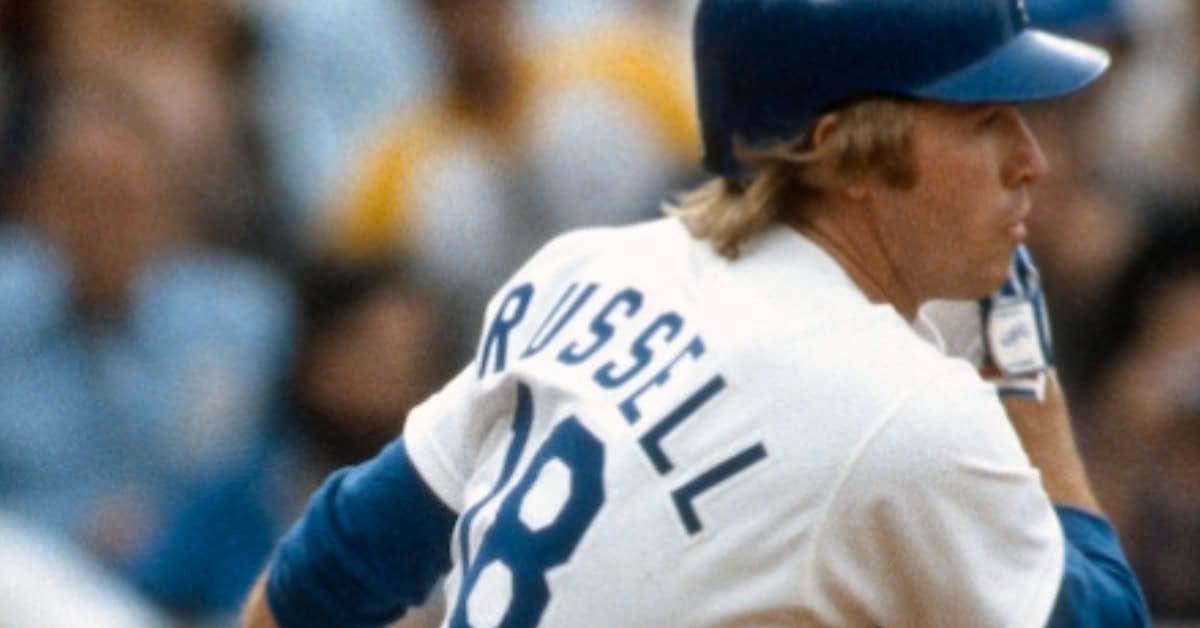
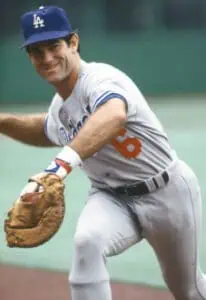
Russell’s consistency at shortstop helped Dodgers pitchers lead the league in ERA five times. His positioning and quick releases resulted in 15% more completed double plays than league average.
7. Tim Raines – The Complete Leadoff Man
Beyond his .385 career on-base percentage, Raines was caught stealing only 146 times in 954 attempts. His success rate changed how pitchers approached entire lineups, creating better pitches for the batters behind him.
6. Brad Ausmus – The Defensive Coordinator
Ausmus called 64 shutouts in his career, and pitchers’ ERAs improved by an average of 0.38 when throwing to him. His game-planning helped the Astros lead the league in ERA despite playing in a hitter-friendly park.
5. Frank White – The Defensive Game-Changer
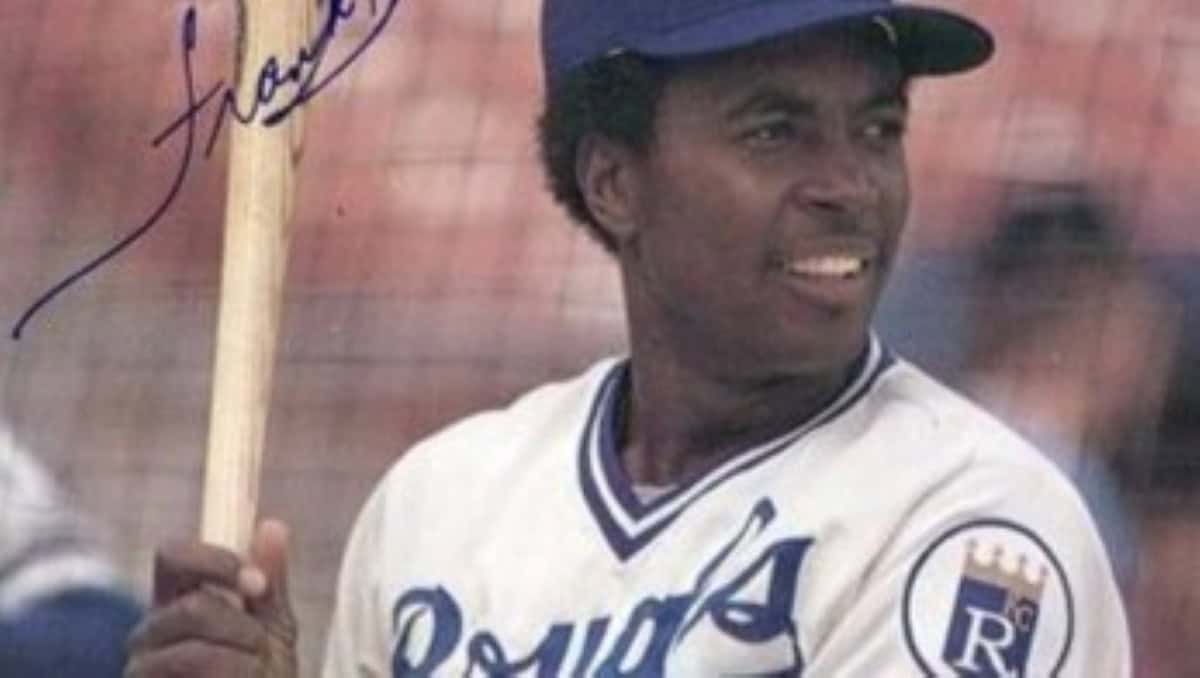
White’s defense at second base helped Royals pitchers post a 3.25 ERA with him versus 3.98 without him. His positioning and quick transfers led to 25% more double plays than the league average.
4. Tony Fernández – The Artificial Turf Master

Fernández mastered Toronto’s artificial turf, converting 11% more grounders into outs than average shortstops. Blue Jays pitchers’ ground ball success rate improved 18% with him at shortstop.
3. Jeff Reed – The Pitcher Developer
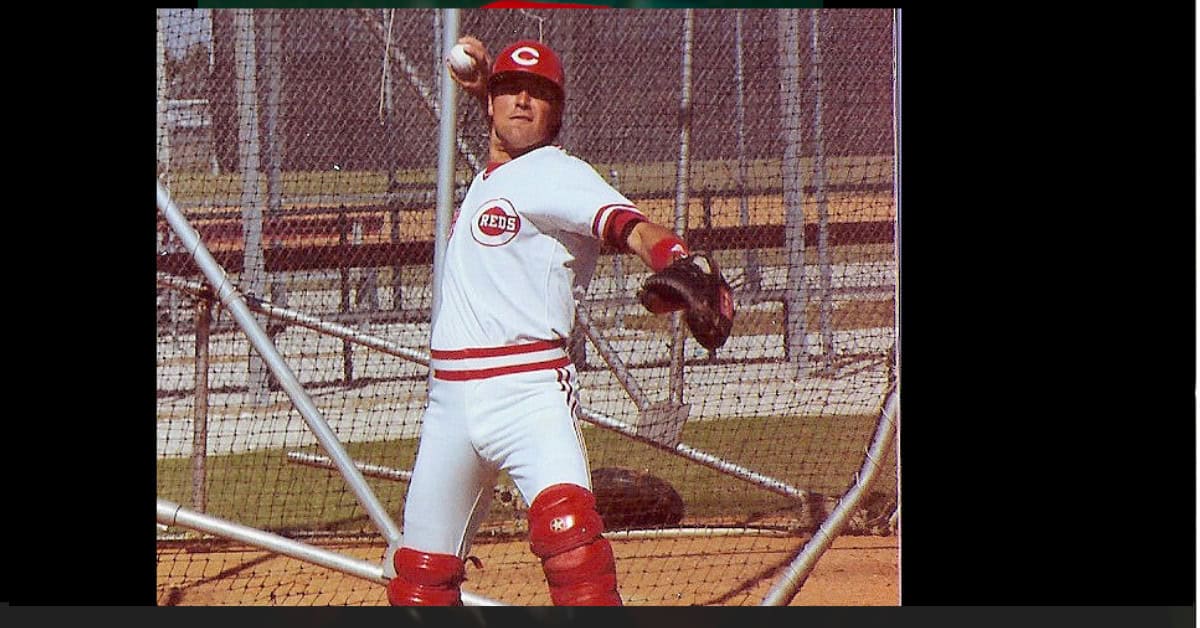
Reed helped develop young Rockies pitchers in the pre-humidor Coors Field era. His game-calling resulted in a 0.89 lower ERA for pitchers throwing to him versus other catchers in baseball’s toughest park for pitchers.
2. Julio Cruz – The Defensive Catalyst
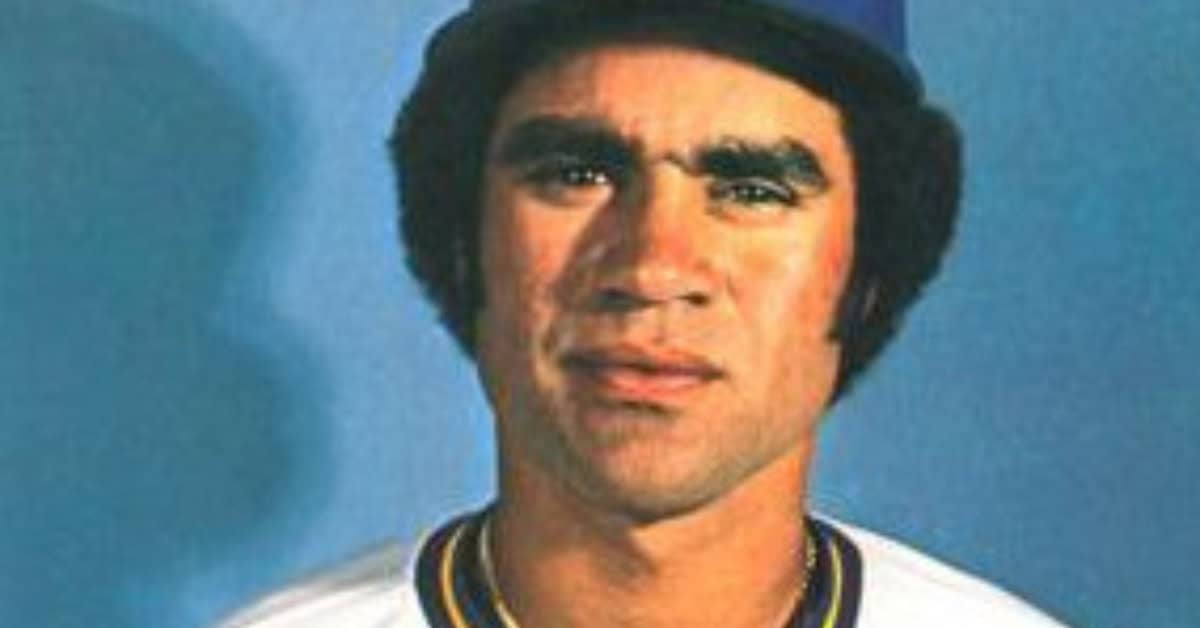
Cruz’s range at second base helped Seattle pitchers lower their ERA by 0.72 runs. His positioning and quick double-play turns changed how opponents approached batting with runners on base.
Rondell White’s ability to play all three outfield positions at Montreal’s Olympic Stadium helped the Expos optimize their defensive alignments. His versatility enabled 28% more late-inning defensive replacements that helped preserve leads.
1. Mike LaValliere – The Staff Ace
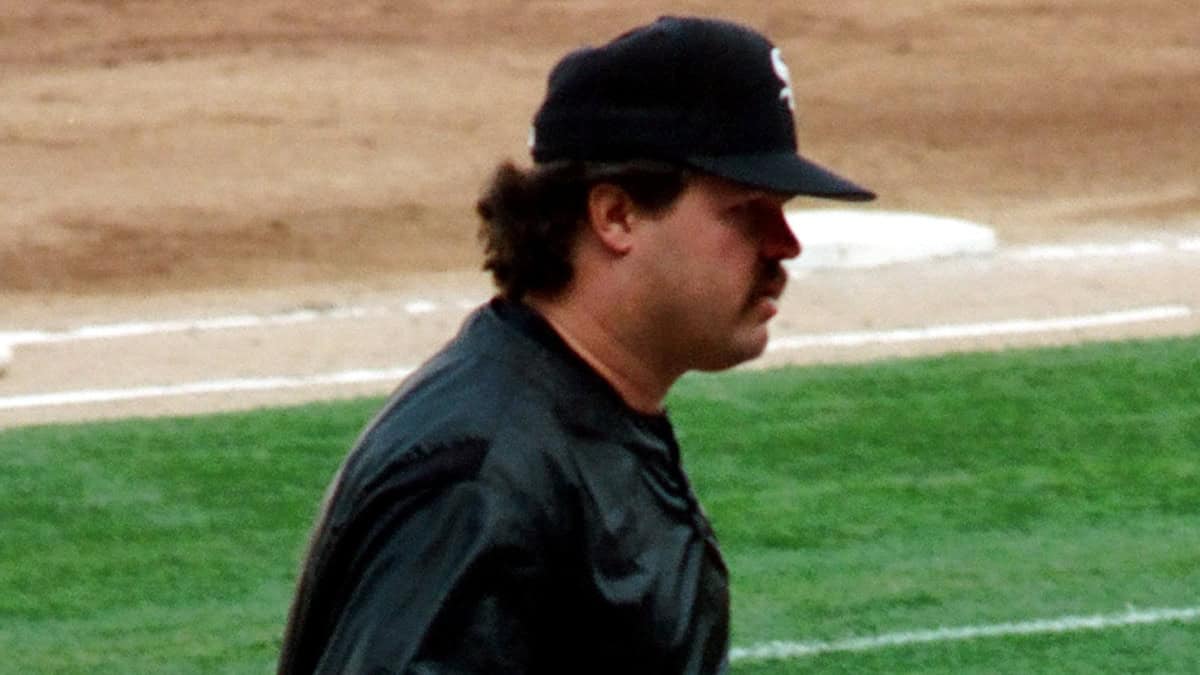
Pirates pitchers posted a collective 3.35 ERA throwing to LaValliere versus 4.02 with other catchers. His game-calling helped Doug Drabek win the 1990 Cy Young Award and John Smiley win 20 games in 1991.