
Last Updated: June 17th, 2026 by Michael Schatz
The 1940s were baseball’s golden age, when outfielders swung lumber bats that cracked like thunder and dove for catches on grass so real you could smell the earth after rain. These were the men who patrolled the outfield during wartime and beyond, creating memories that still echo in the hearts of those who remember.
Don't lose this article. Enter your email below, and I'll send it to you right now. Plus, we'll send you other unbelievable stories from baseball's past.
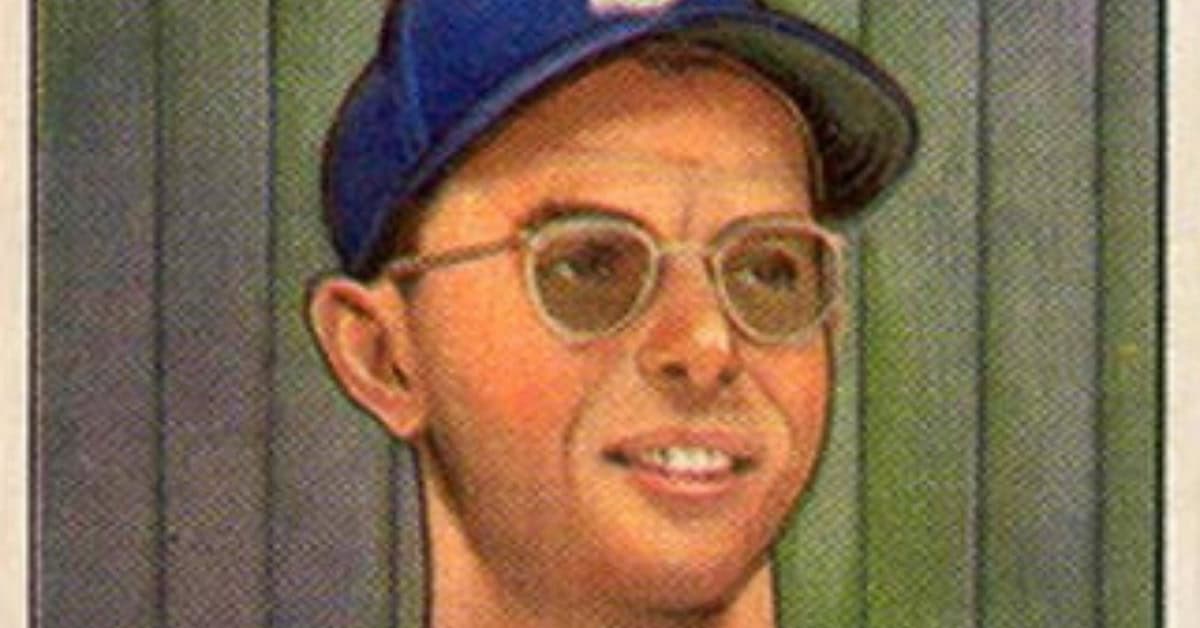
20. Dom DiMaggio: The Little Professor’s Scientific Approach
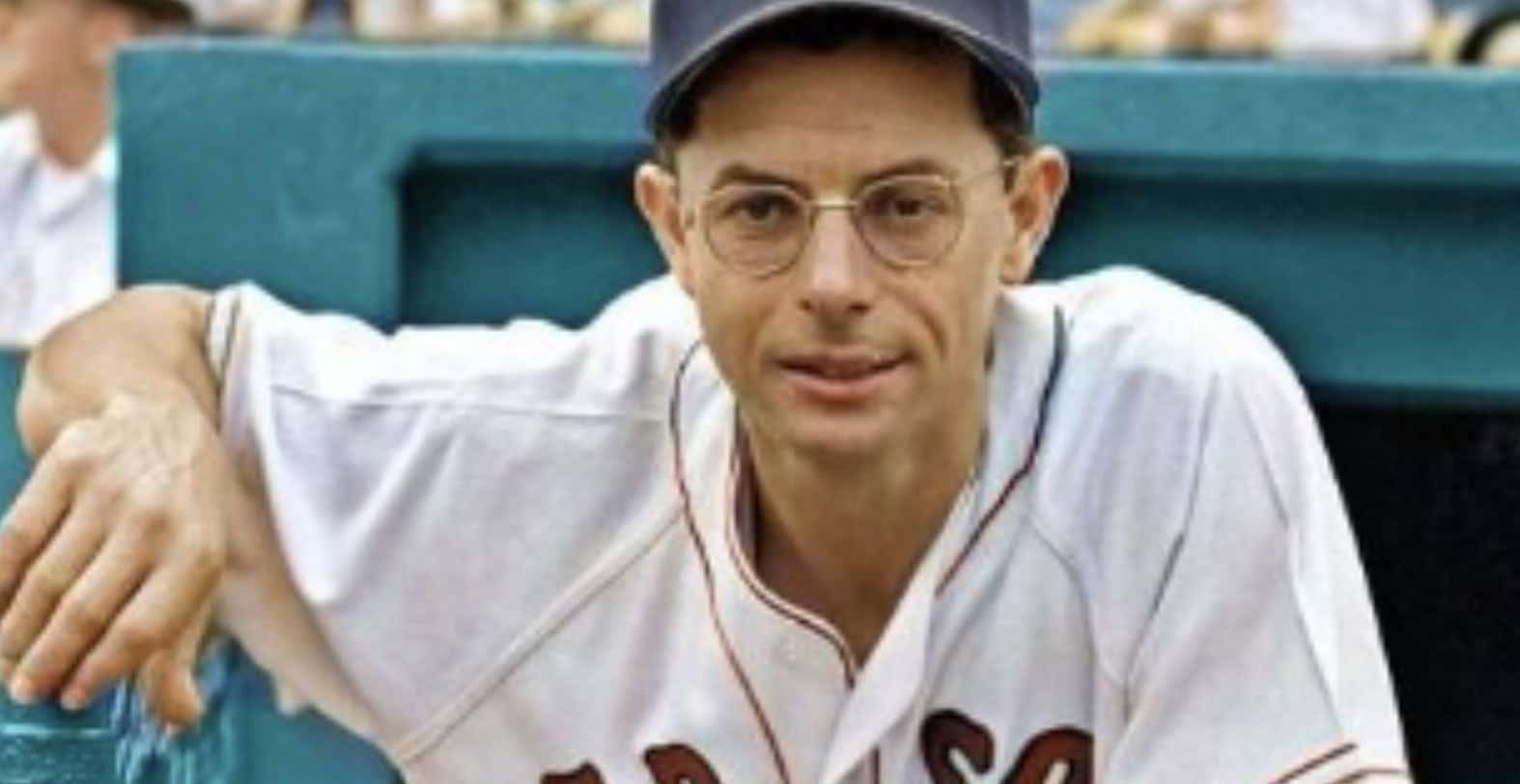
The Little Professor’s wire-rimmed glasses and cerebral approach made him the thinking fan’s favorite, combining his brother Joe’s instincts with a scientist’s attention to detail. Dom’s speed and defensive range in center field were legendary, but his occasional left field appearances showcased the same intelligence and precision that made him special. Boston fans appreciated his scholarly approach to the game, understanding that baseball success came from preparation and study as much as natural talent. This philosophy resonated in New England’s academic atmosphere.
| Dom DiMaggio — Career | Total |
|---|---|
| G | 1399 |
| AB | 5640 |
| H | 1680 |
| HR | 87 |
| RBI | 618 |
| SB | 100 |
| AVG | .298 |
| OBP | .383 |
| SLG | .419 |
| OPS | .802 |
| All-Star selections | 7 |
19. Dixie Walker: The People’s Choice in Flatbush
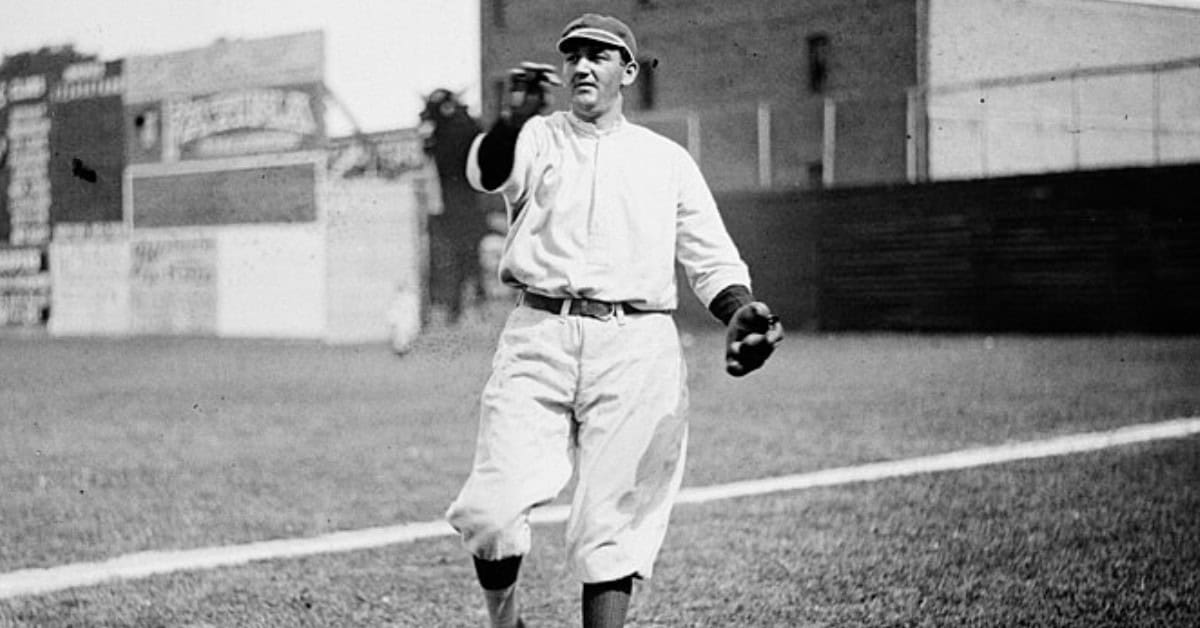
The People’s Choice earned his nickname through clutch hitting and genuine affection for Brooklyn’s passionate fans, who treated him like family at the corner grocery store. Walker’s smooth swing and consistent production helped bridge the Dodgers’ lean years and their 1941 and 1947 National League pennants, embodying the borough’s blue-collar values. His record also includes opposing baseball’s integration and trying to organize a teammates’ petition against Jackie Robinson joining the Dodgers in 1947.
| Dixie Walker — Career | Total |
|---|---|
| G | 1906 |
| AB | 6740 |
| H | 2064 |
| HR | 105 |
| RBI | 1023 |
| SB | 59 |
| AVG | .306 |
| OBP | .383 |
| SLG | .437 |
| OPS | .820 |
| All-Star selections | 4 |
18. Pete Reiser: Brooklyn’s Tragic Wall-Crasher
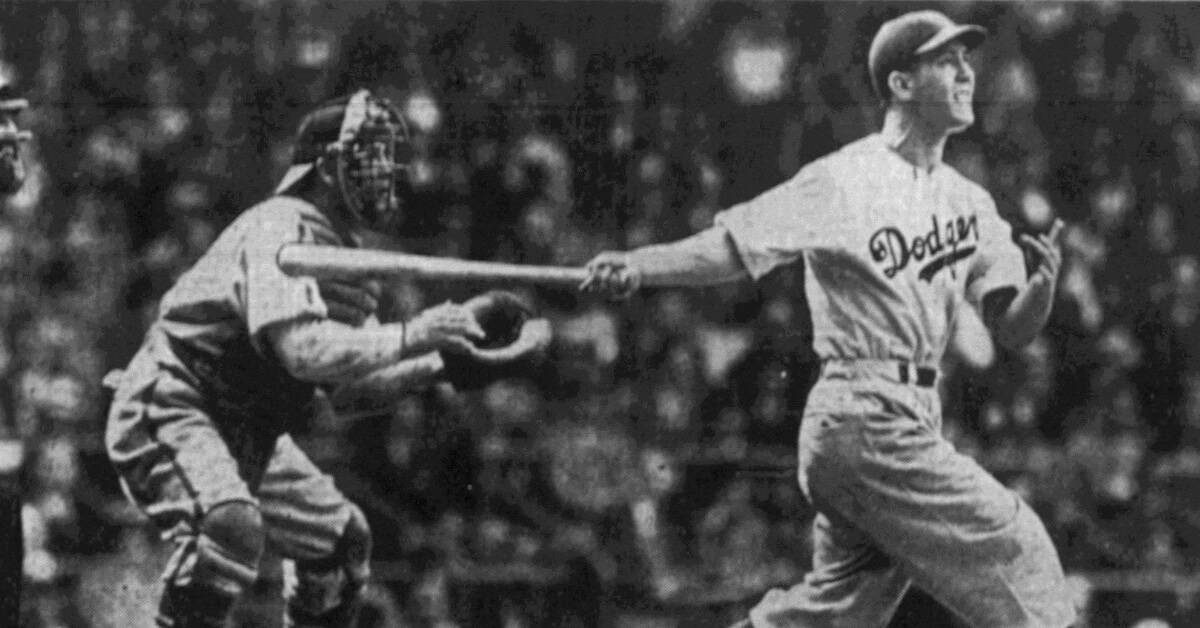
Pistol Pete’s reckless abandon made him both brilliant and heartbreaking, crashing into outfield walls with such frequency that Ebbets Field should have installed padding just for him. His 1941 batting title at age 22 hinted at greatness that injuries would ultimately steal, but his fearless style captured Brooklyn’s working-class spirit perfectly. Dodger fans held their breath every time he chased a fly ball, knowing they might witness either spectacular athleticism or another trip to the hospital—sometimes both on the same play.
| Pete Reiser — Career | Total |
|---|---|
| G | 861 |
| AB | 2662 |
| H | 786 |
| HR | 58 |
| RBI | 368 |
| SB | 87 |
| AVG | .295 |
| OBP | .380 |
| SLG | .450 |
| OPS | .830 |
| All-Star selections | 3 |
17. Danny Litwhiler: The Man Who Played an Errorless Season
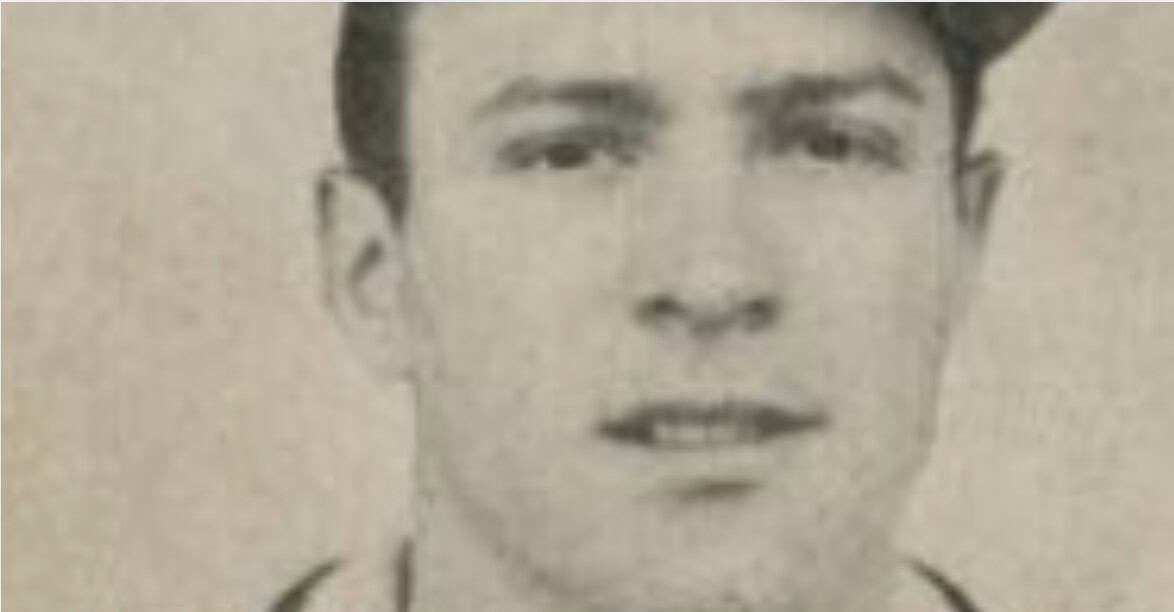
Litwhiler’s 1942 season featured the remarkable achievement of zero errors in 151 games, setting a standard for defensive excellence that seemed almost supernatural. His glove work was so reliable that teammates would joke about needing to check the official scorer whenever a ball got past him, assuming it must have been ruled a hit. Phillies and Cardinals fans appreciated his craftsmanship, understanding that preventing runs through flawless defense was just as valuable as creating them through flashy hitting.
| Danny Litwhiler — Career | Total |
|---|---|
| G | 1057 |
| AB | 3494 |
| H | 982 |
| HR | 107 |
| RBI | 451 |
| SB | 11 |
| AVG | .281 |
| OBP | .342 |
| SLG | .438 |
| OPS | .780 |
| All-Star selections | 1 |
| World Series titles | 1 |
16. Whitey Lockman: The Giants’ Steady Professional
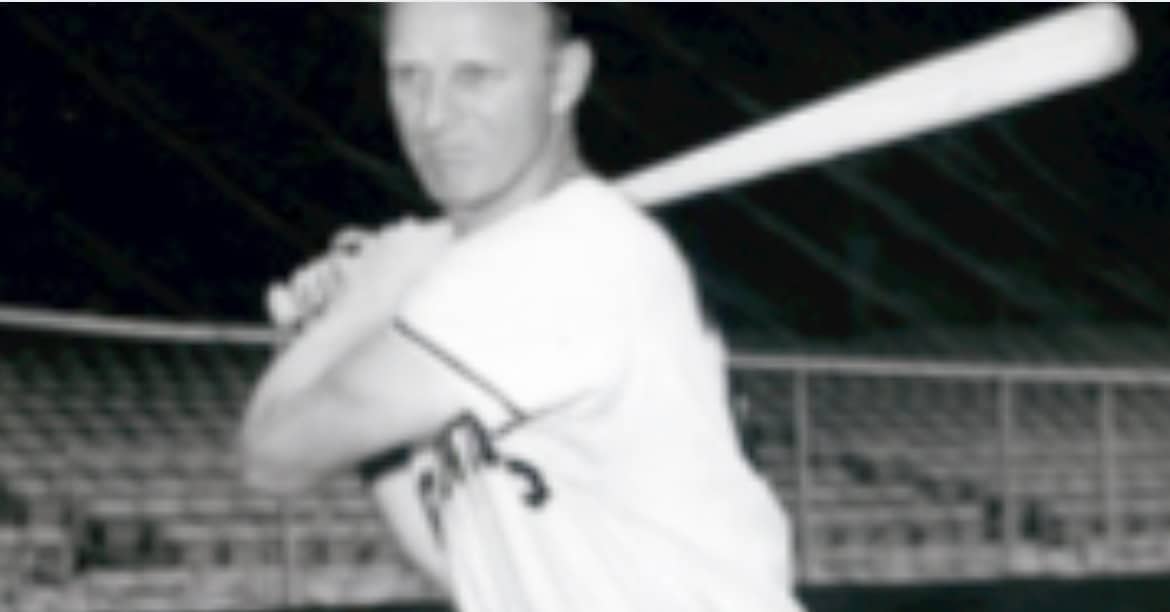
Lockman embodied the steady professionalism that championship teams require, delivering consistent offensive production while playing solid defense in the Polo Grounds’ cavernous left field. His left-handed stroke was perfectly suited for the short right field porch, and his baseball intelligence made him a favorite of managers who appreciated players who understood situational hitting. Giants fans knew they could count on Lockman to make the routine play and deliver the clutch hit when the team needed it most.
| Whitey Lockman — Career | Total |
|---|---|
| G | 1666 |
| AB | 5940 |
| H | 1658 |
| HR | 114 |
| RBI | 563 |
| SB | 43 |
| AVG | .279 |
| OBP | .342 |
| SLG | .391 |
| OPS | .733 |
| All-Star selections | 1 |
| World Series titles | 1 |
15. George Case: The Speedster Who Led the AL in Steals Six Times
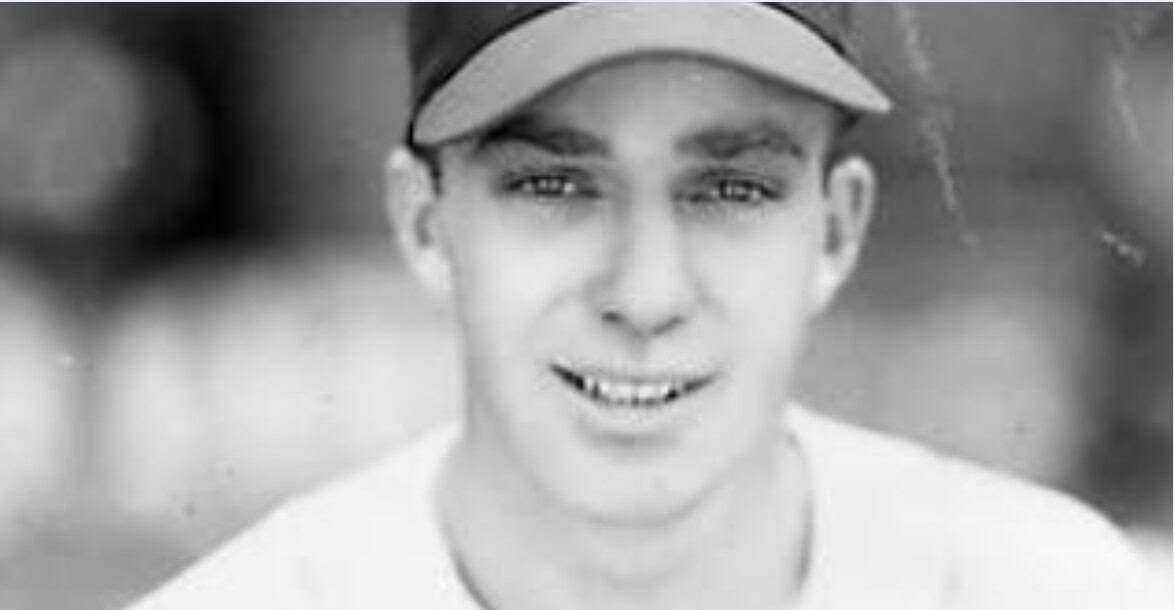
Case’s legs were his ticket to fame, leading the American League in stolen bases six times while making even routine grounders into adventures for opposing infielders. His speed was so legendary that he once raced Olympic sprinter Jesse Owens in exhibition games, proving that baseball players could compete with track stars. Washington fans would arrive early just to watch Case take his leads, knowing they might witness something special when he got the green light to run.
| George Case — Career | Total |
|---|---|
| G | 1226 |
| AB | 5016 |
| H | 1415 |
| HR | 21 |
| RBI | 377 |
| SB | 349 |
| AVG | .282 |
| OBP | .341 |
| SLG | .358 |
| OPS | .699 |
| All-Star selections | 3 |
14. Johnny Lindell: The Yankee Who Doubled as a Pitcher
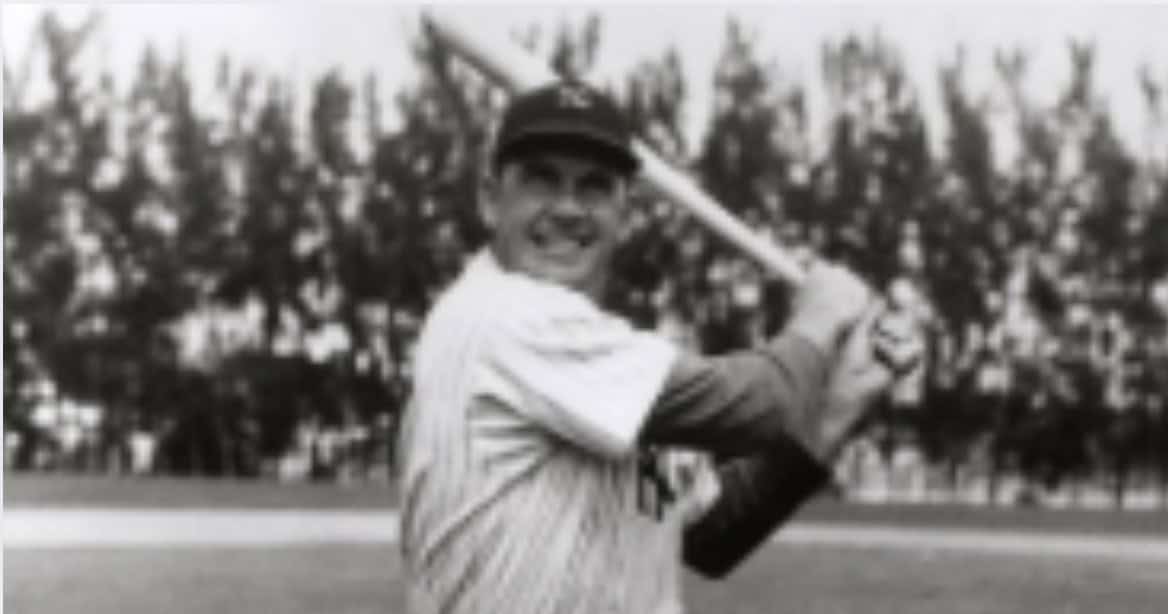
Lindell’s versatility made him a Yankees Swiss Army knife. He began as a pitcher, became a championship outfielder, then returned to the mound late in his major-league career with Pittsburgh and Philadelphia. Yankees fans enjoyed watching this ultimate utility player, knowing that Lindell could fill whatever role the team needed while contributing meaningful offensive production in the championship years.
| Johnny Lindell — Career | Total |
|---|---|
| G | 854 |
| AB | 2795 |
| H | 762 |
| HR | 72 |
| RBI | 404 |
| SB | 17 |
| AVG | .273 |
| OBP | .344 |
| SLG | .429 |
| OPS | .773 |
| All-Star selections | 1 |
| World Series titles | 3 |
13. Goody Rosen: Brooklyn’s Canadian Import
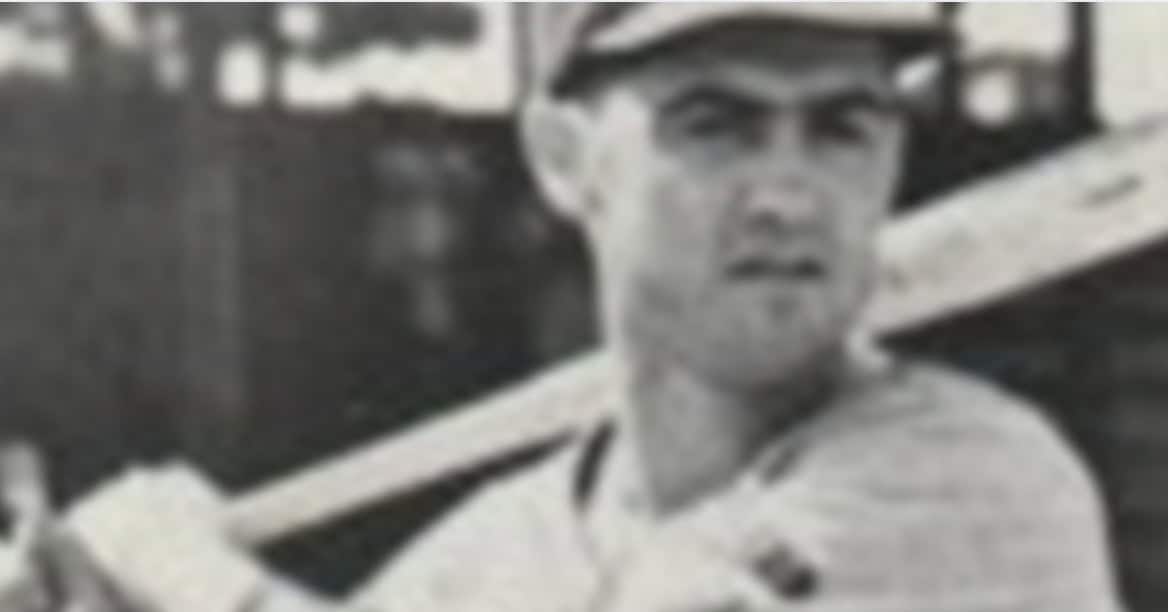
The Toronto native brought a different sensibility to Ebbets Field, combining Canadian politeness with Brooklyn grit in a package that charmed fans and teammates alike. Rosen’s speed and defensive instincts made him valuable even when his bat cooled off, patrolling left field with the efficiency of someone who understood that preventing runs was just as important as creating them. Dodger fans appreciated his hustle and professionalism during the team’s building years before their championship breakthrough.
| Goody Rosen — Career | Total |
|---|---|
| G | 551 |
| AB | 1916 |
| H | 557 |
| HR | 22 |
| RBI | 197 |
| SB | 12 |
| AVG | .291 |
| OBP | .364 |
| SLG | .398 |
| OPS | .762 |
12. Hank Sauer: The Mayor of Wrigley’s Left Field Bleachers
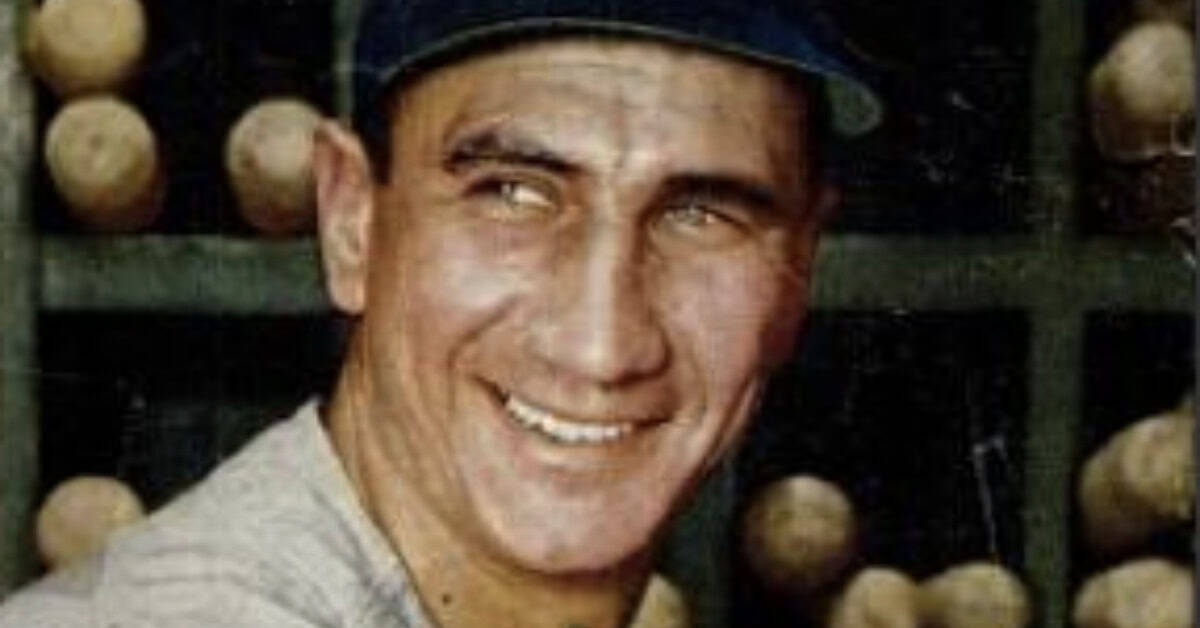
The Honker’s tape-measure shots over Wrigley’s ivy-covered walls made him a folk hero on Chicago’s North Side, where bleacher bums would shower him with packets of chewing tobacco after home runs. Sauer’s 1952 MVP season came later, but his 1940s foundation was built on raw power that made pitchers reconsider their career choices. His friendly demeanor and blue-collar work ethic resonated with Cubs fans who understood that individual excellence sometimes had to substitute for team success.
| Hank Sauer — Career | Total |
|---|---|
| G | 1399 |
| AB | 4796 |
| H | 1278 |
| HR | 288 |
| RBI | 876 |
| SB | 11 |
| AVG | .266 |
| OBP | .347 |
| SLG | .496 |
| OPS | .843 |
| MVP | 1 |
| All-Star selections | 2 |
11. Barney McCosky: Detroit’s Contact-Hitting Craftsman

McCosky treated his bat like a surgeon’s scalpel, placing hits exactly where fielders couldn’t reach them with the precision of a master craftsman. His 1940 second major-league season included 200 hits and a .340 average, announcing his arrival with authority. Detroit fans appreciated his workmanlike approach, watching him spray line drives to all fields while running the bases with the intelligence of someone who understood that small advantages accumulate into big victories.
| Barney McCosky — Career | Total |
|---|---|
| G | 1170 |
| AB | 4172 |
| H | 1301 |
| HR | 24 |
| RBI | 397 |
| SB | 58 |
| AVG | .312 |
| OBP | .386 |
| SLG | .414 |
| OPS | .800 |
10. Pat Seerey: The Strikeout King Who Could Launch Moonshots

Fat Pat embodied the all-or-nothing philosophy before anyone gave it a name, striking out 97 times in 1946 while launching 26 home runs into orbit. His July 18, 1948 performance against Philadelphia was pure theater—four home runs in one game, including the game-winner in extra innings. Fans either loved or hated his approach, but nobody ignored him when he stepped into the batter’s box, knowing they might witness either a spectacular home run or an equally spectacular whiff.
| Pat Seerey — Career | Total |
|---|---|
| G | 561 |
| AB | 1815 |
| H | 406 |
| HR | 86 |
| RBI | 261 |
| SB | 3 |
| AVG | .224 |
| OBP | .321 |
| SLG | .412 |
| OPS | .733 |
9. Augie Galan: The Switch-Hitting Sparkplug
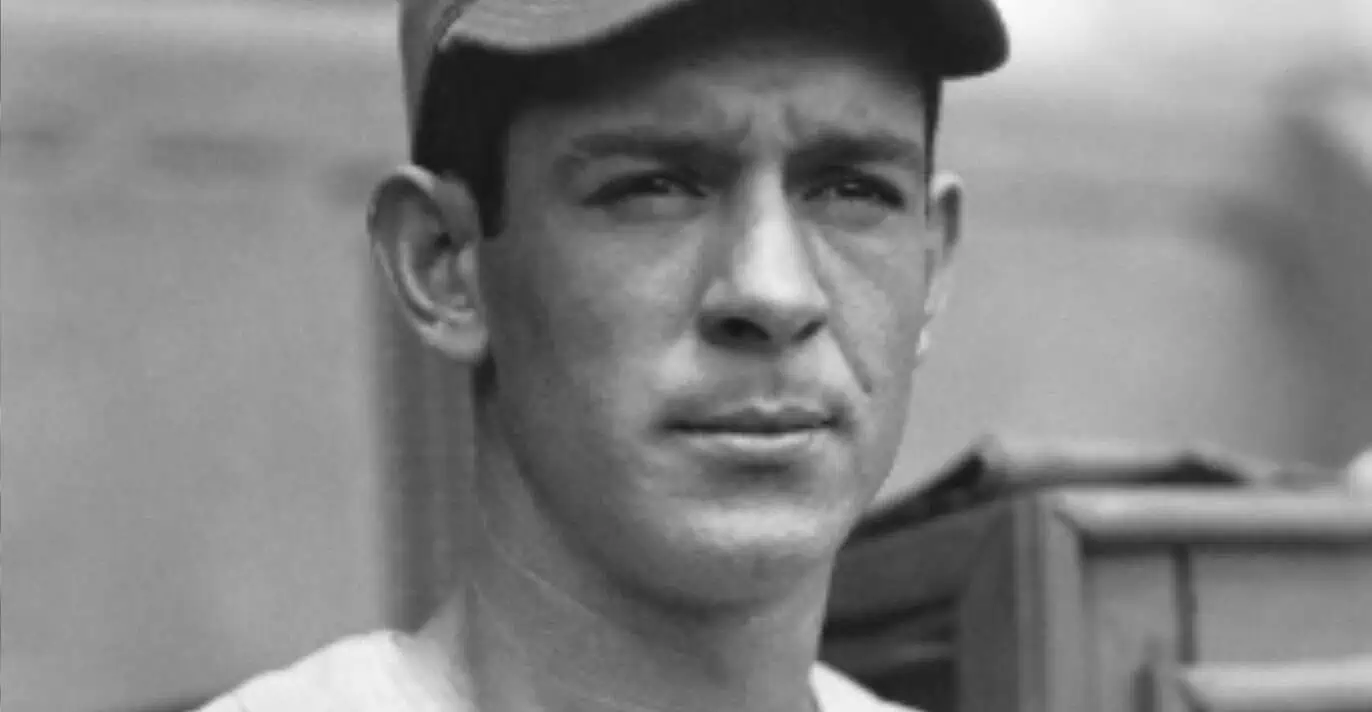
Galan’s ambidextrous approach at the plate made him a matchup nightmare for opposing managers, who’d watch him flip from one batter’s box to the other with equal confidence. His 1935 season included the remarkable feat of not grounding into a single double play in 154 games, showcasing his speed and bat control. Cubs fans loved watching him work counts and steal bases, a scrappy performer who maximized every ounce of his talent through intelligence and determination.
| Augie Galan — Career | Total |
|---|---|
| G | 1742 |
| AB | 5937 |
| H | 1706 |
| HR | 100 |
| RBI | 830 |
| SB | 123 |
| AVG | .287 |
| OBP | .390 |
| SLG | .419 |
| OPS | .809 |
| All-Star selections | 3 |
8. Bob Johnson: Indian Bob’s Consistent Excellence
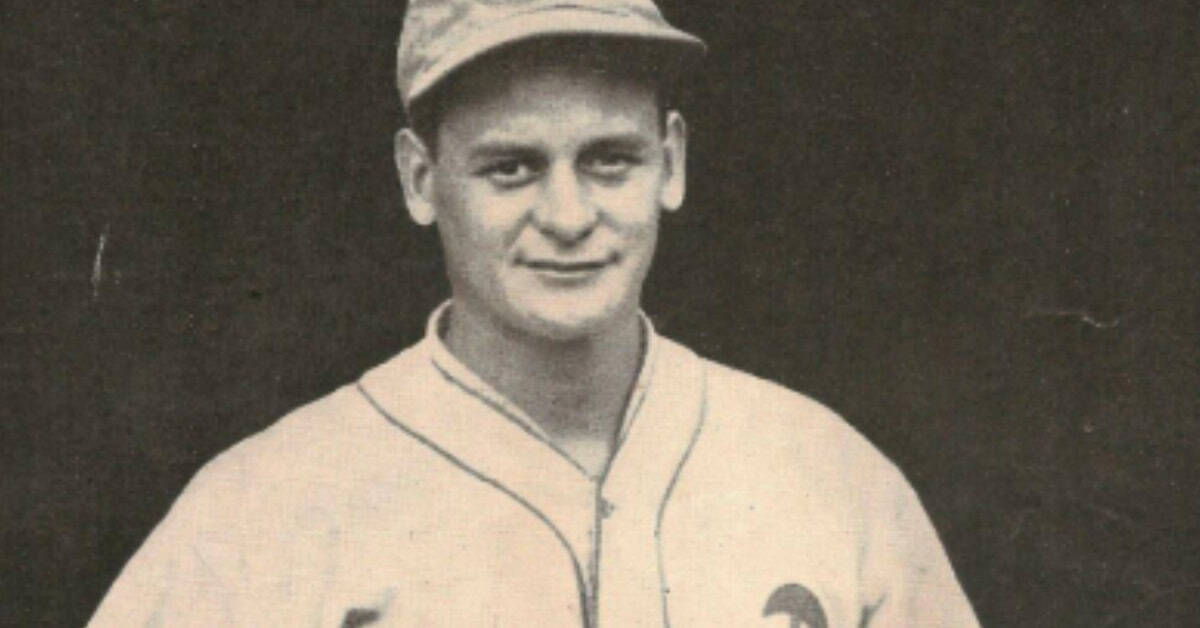
The Cherokee slugger was the steady heartbeat of Connie Mack’s Athletics, delivering 100+ RBI seasons with the reliability of a grandfather clock. Johnson’s powerful right-handed swing produced line drives that split gaps like a hot knife through butter, and his quiet professionalism earned respect throughout the league. Philadelphia fans knew they could count on Indian Bob to deliver in clutch situations, even when the team around him was rebuilding for what seemed like the hundredth time.
| Bob Johnson — Career | Total |
|---|---|
| G | 1863 |
| AB | 6920 |
| H | 2051 |
| HR | 288 |
| RBI | 1283 |
| SB | 96 |
| AVG | .296 |
| OBP | .393 |
| SLG | .506 |
| OPS | .899 |
| All-Star selections | 7 |
7. Roy Cullenbine: The Patient Hitter Who Kept Reaching Base

Cullenbine drove pitchers to distraction with his eagle eye and endless patience, working counts like a master chess player planning six moves ahead. He’d foul off pitch after pitch, wearing down hurlers until they either walked him or grooved a fastball he could drive. Fans appreciated his scientific approach even when it wasn’t pretty, understanding that his .400-plus on-base percentage was as valuable as any flashy home run trot around the bases.
| Roy Cullenbine — Career | Total |
|---|---|
| G | 1181 |
| AB | 3879 |
| H | 1072 |
| HR | 110 |
| RBI | 599 |
| SB | 26 |
| AVG | .276 |
| OBP | .408 |
| SLG | .432 |
| OPS | .840 |
| All-Star selections | 2 |
| World Series titles | 1 |
6. Jeff Heath: Cleveland’s Forgotten Power Hitter
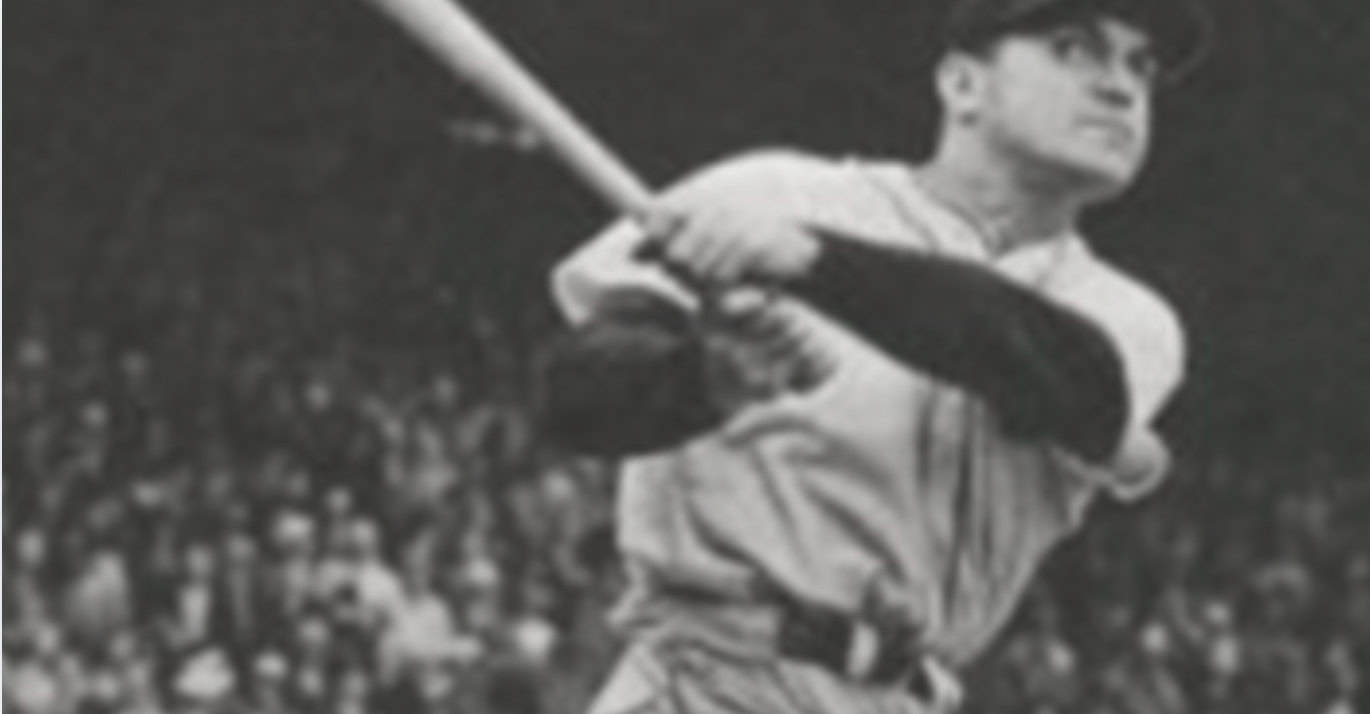
Heath possessed the kind of natural power that made opposing managers nervous during batting practice, routinely launching balls over Municipal Stadium’s distant fences. His 1941 season included the rare feat of 20 home runs, 20 triples, and 20 doubles, showcasing speed to match his strength. Cleveland fans remember him as the guy who could turn a routine fly ball into a heart-stopping adventure, never quite sure if he’d make the catch or let it drop while attempting something spectacular.
| Jeff Heath — Career | Total |
|---|---|
| G | 1383 |
| AB | 4937 |
| H | 1447 |
| HR | 194 |
| RBI | 887 |
| SB | 56 |
| AVG | .293 |
| OBP | .370 |
| SLG | .509 |
| OPS | .879 |
| All-Star selections | 2 |
5. Charlie Keller: King Kong’s Thunderous Left Field Presence
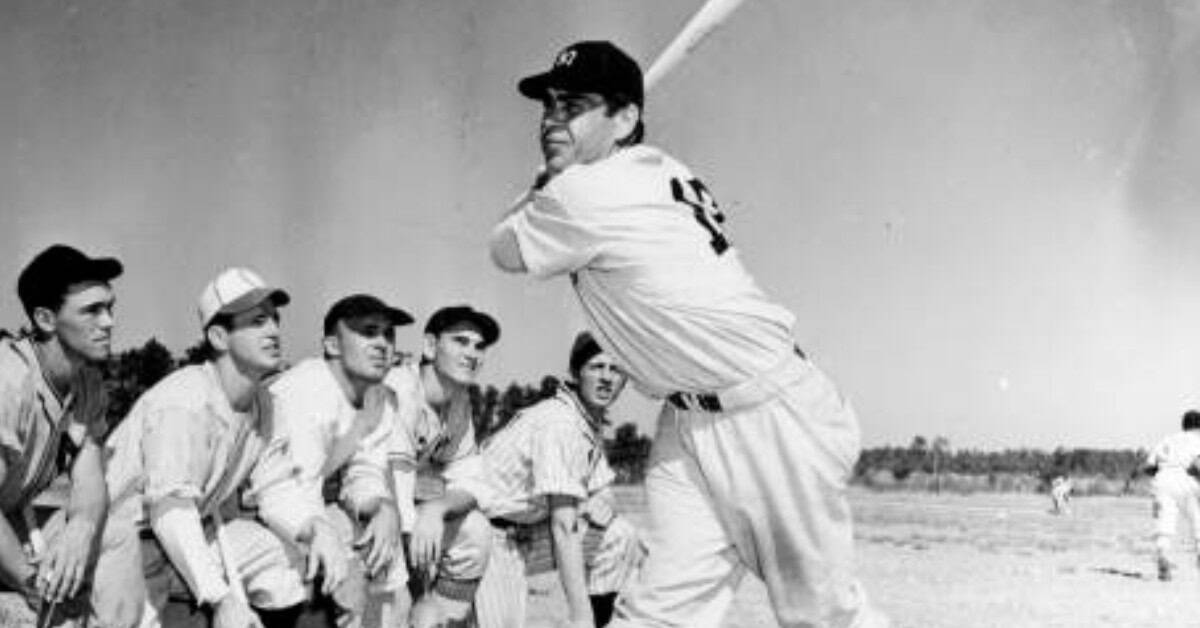
The Maryland strongman earned his nickname honestly, combining raw power with surprising speed in the Yankees’ championship machine. Keller’s compact swing generated tremendous force, sending baseballs screaming over outfield walls while his thick forearms rippled like steel cables. He was a powerful contemporary of DiMaggio and Williams in the American League’s golden age, a blue-collar slugger who made opposing pitchers look like weekend warriors trying to throw fastballs past a lumberjack.
| Charlie Keller — Career | Total |
|---|---|
| G | 1170 |
| AB | 3790 |
| H | 1085 |
| HR | 189 |
| RBI | 760 |
| SB | 45 |
| AVG | .286 |
| OBP | .410 |
| SLG | .518 |
| OPS | .928 |
| All-Star selections | 5 |
| World Series titles | 3 |
4. Enos Slaughter: The Cardinal Who Never Stopped Running (HOF)
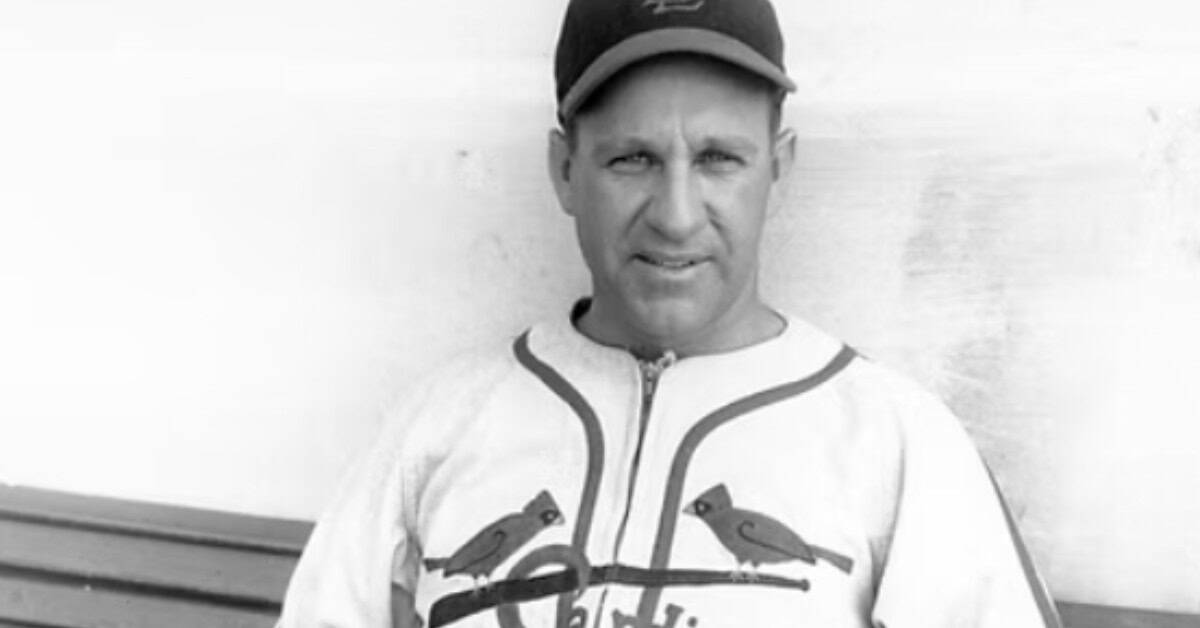
Country Slaughter ran to first base on walks like his life depended on it, embodying the Cardinal Way before anyone called it that. His mad dash home in the 1946 World Series became the stuff of legend, scoring from first on Harry Walker’s hit while Red Sox shortstop Johnny Pesky hesitated for just a heartbeat. Slaughter played every game like it was Game 7, sliding headfirst into bases when standing up would have been safer but less dramatic.
| Enos Slaughter — Career | Total |
|---|---|
| G | 2380 |
| AB | 7946 |
| H | 2383 |
| HR | 169 |
| RBI | 1304 |
| SB | 71 |
| AVG | .300 |
| OBP | .382 |
| SLG | .453 |
| OPS | .835 |
| All-Star selections | 10 |
| World Series titles | 4 |
3. Ralph Kiner: Pittsburgh's Home Run King in a Losing Cause (HOF)
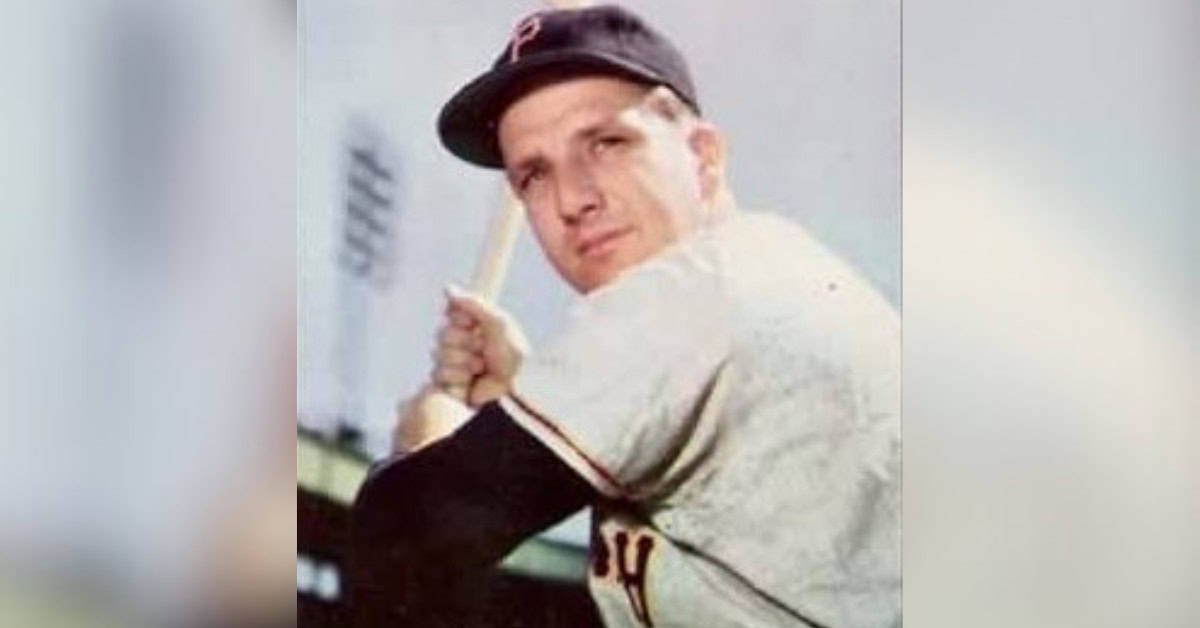
Kiner led the National League in home runs seven straight years while playing for mostly terrible Pittsburgh teams, proving that individual excellence could shine even in collective failure. His right-handed power stroke was tailor-made for Forbes Field’s shortened left-field target, and fans would pack “Kiner’s Korner” hoping to catch one of his moonshots. The man could make a last-place team appointment television, launching baseballs with the casual authority of someone flipping light switches.
| Ralph Kiner — Career | Total |
|---|---|
| G | 1472 |
| AB | 5205 |
| H | 1451 |
| HR | 369 |
| RBI | 1015 |
| SB | 22 |
| AVG | .279 |
| OBP | .398 |
| SLG | .548 |
| OPS | .946 |
| All-Star selections | 6 |
2. Stan Musial: The Man Who Perfected the Corkscrew Stance (HOF)

Stan the Man’s twisted batting stance looked like he was peeking around a corner, but it produced line drives that sizzled past infielders like angry hornets. Cardinals fans would arrive early just to watch him stretch, his ritual as precise as a Swiss watch. Brooklyn fans grudgingly admitted they’d rather see Musial fail than succeed, but they’d never miss watching him try—that’s how magnetic his presence was in the batter’s box.
| Stan Musial — Career | Total |
|---|---|
| G | 3026 |
| AB | 10972 |
| H | 3630 |
| HR | 475 |
| RBI | 1951 |
| SB | 78 |
| AVG | .331 |
| OBP | .417 |
| SLG | .559 |
| OPS | .976 |
1. Ted Williams: The Kid Who Made .406 Look Easy (HOF)
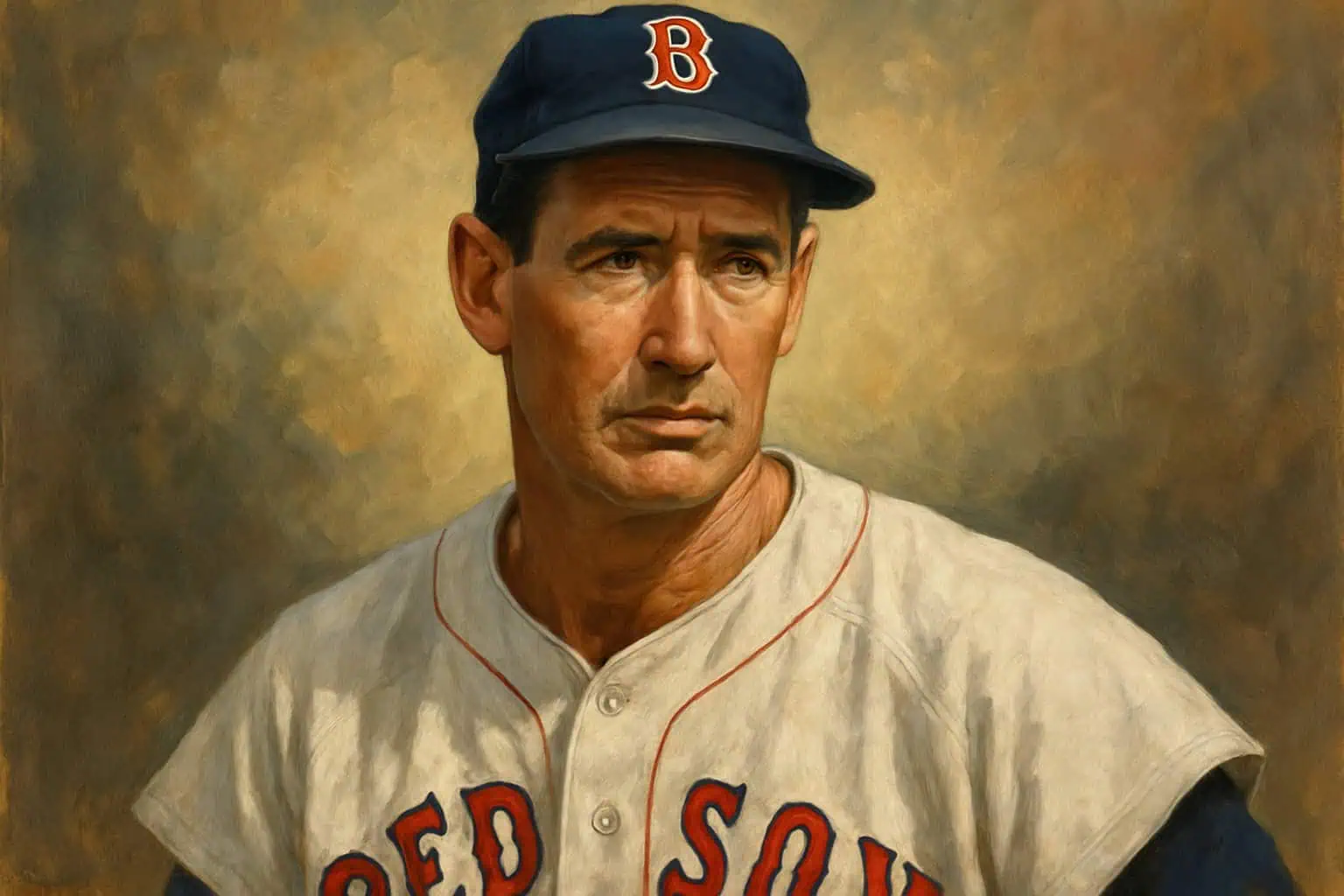
The Splendid Splinter’s 1941 season remains the stuff of legend—he hit .406 and became the most recent qualified American or National League batter to finish at .400 or better. Williams refused to sit out the final day doubleheader, going 6-for-8 to secure immortality. His swing was so pure that pitchers would stop warming up just to watch him take batting practice, and his knowledge of the strike zone was so precise he could tell you which corner of the plate a ball crossed two innings later.
| Ted Williams — Career | Total |
|---|---|
| G | 2292 |
| AB | 7706 |
| H | 2654 |
| HR | 521 |
| RBI | 1839 |
| SB | 24 |
| AVG | .344 |
| OBP | .482 |
| SLG | .634 |
| OPS | 1.116 |