
Last Updated: June 17th, 2026 by Michael Schatz
The 1970s were baseball’s polyester decade, when artificial turf met natural talent and third base became the domain of legends. From Veterans Stadium to Yankee Stadium, these hot corner heroes defined a generation with leather gloves that seemed magnetized and bats that could change pennant races with one swing.
Don't lose this article. Enter your email below, and I'll send it to you right now. Plus, we'll send you other unbelievable stories from baseball's past.
Mike Schmidt – The Philadelphia Phenom Who Made Veterans Stadium Electric

The greatest third baseman who ever lived began his decade-long dominance in the mid-70s, turning Veterans Stadium’s concrete bowl into his personal launching pad. Schmidt’s swing was pure poetry in motion, on his way to 548 career home runs, while his glove work redefined what was possible at the hot corner. When he connected, you could hear the crack of the bat echo off those concrete walls like thunder, sending another baseball into the Philadelphia night and another pitcher back to the drawing board.
Brooks Robinson – The Human Vacuum Cleaner’s Final Curtain Call
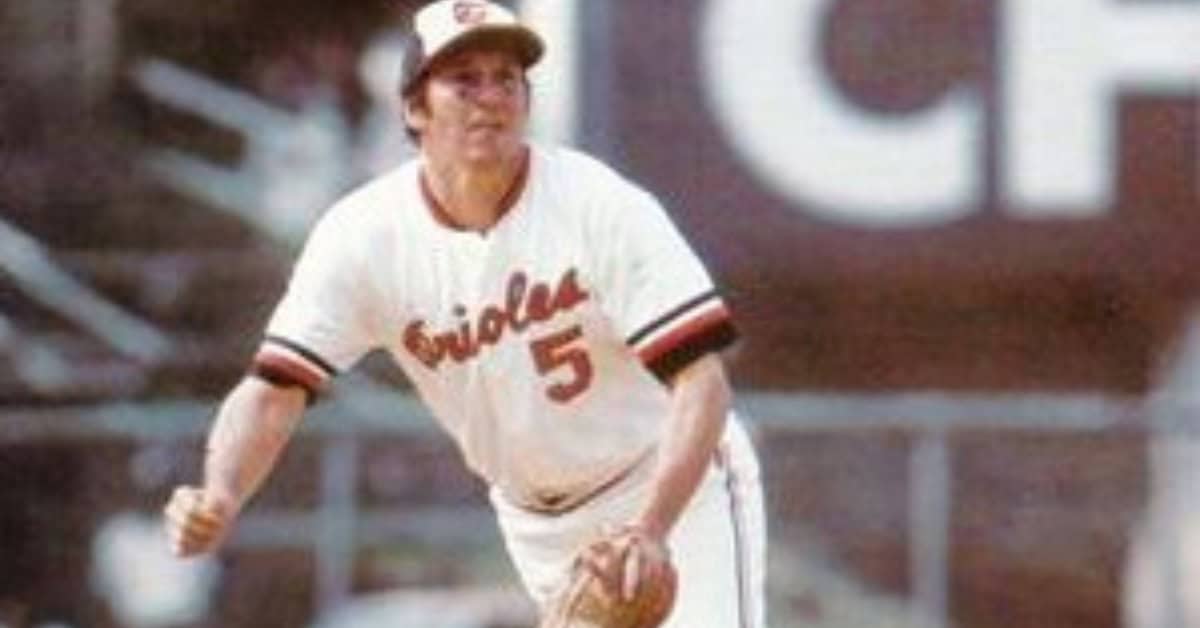
The 1970s marked the twilight of baseball’s greatest defensive third baseman, but Brooks Robinson wasn’t done making magic at Memorial Stadium. His 1970 World Series performance against Cincinnati became the stuff of legend, diving and scooping and throwing from impossible angles like he had springs in his cleats. Even as his bat slowed in the mid-70s, Robinson’s glove remained a thing of beauty, teaching a generation of kids that defense could be just as thrilling as a home run.
George Brett – Kansas City’s Pine Tar Prince and Batting Champion

Brett arrived in Kansas City in 1973 and immediately began terrorizing American League pitching with a swing smoother than aged bourbon. His 1976 batting title (.333) was just the appetizer for what would become a legendary career, and his fiery intensity made him special. You could spot Brett from the upper deck at Royals Stadium, crouched at third base like a coiled spring, ready to turn a routine grounder into an adventure for any runner foolish enough to test his arm.
Sal Bando – The Mustachioed Captain of Oakland’s Dynasty

The captain of Charlie Finley’s colorful circus in Oakland, Bando anchored third base for three straight World Series championships while sporting a mustache that would make Tom Selleck jealous. His leadership kept the volatile A’s together through clubhouse fights and owner antics, while his steady .254 career average and clutch hitting helped deliver titles in ’72, ’73, and ’74. When the green and gold took the field at the Oakland Coliseum, Bando was the steady hand that kept the championship machine running smoothly.
Ron Cey – “The Penguin” Who Waddled Into Dodger Stadium History
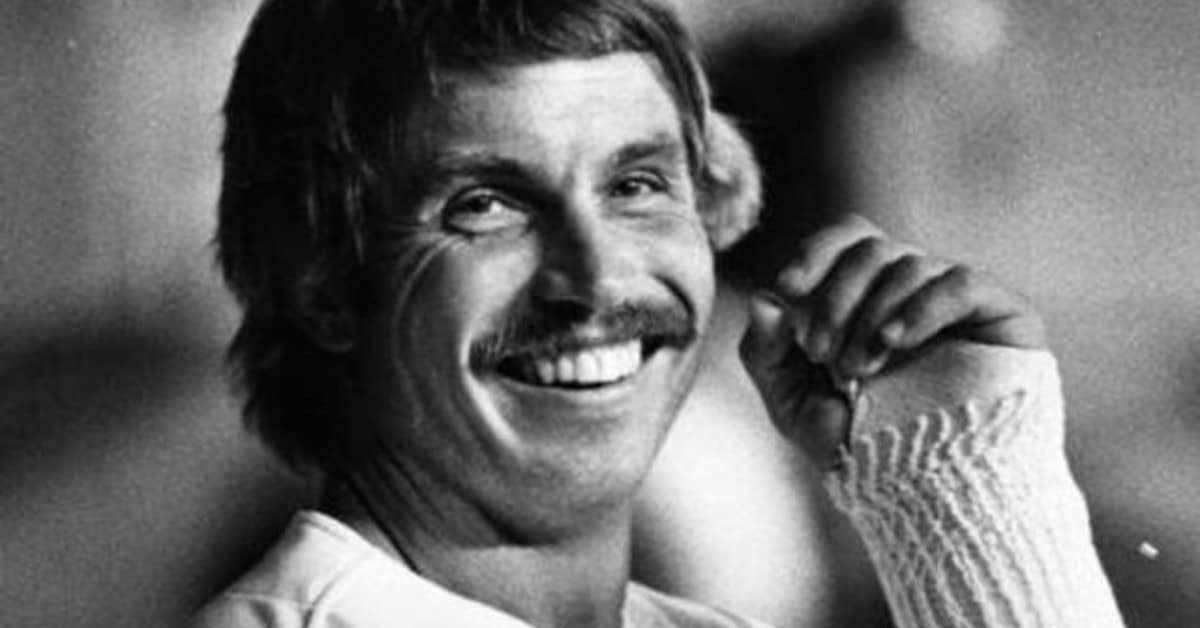
With his distinctive waddle and thick-rimmed glasses, Cey looked more like an accountant than a ballplayer, but his bat made him a cornerstone of the Dodgers’ 1970s powerhouse. His unique stance and patient approach at the plate generated consistent power numbers, while his steady glove work anchored the left side of the infield alongside shortstop Bill Russell. When Cey connected at Dodger Stadium, the ball would sail over the pavilion seats into the California night, another reminder that heroes come in all shapes and sizes.
Graig Nettles – The Bronx Bomber’s Defensive Wizard
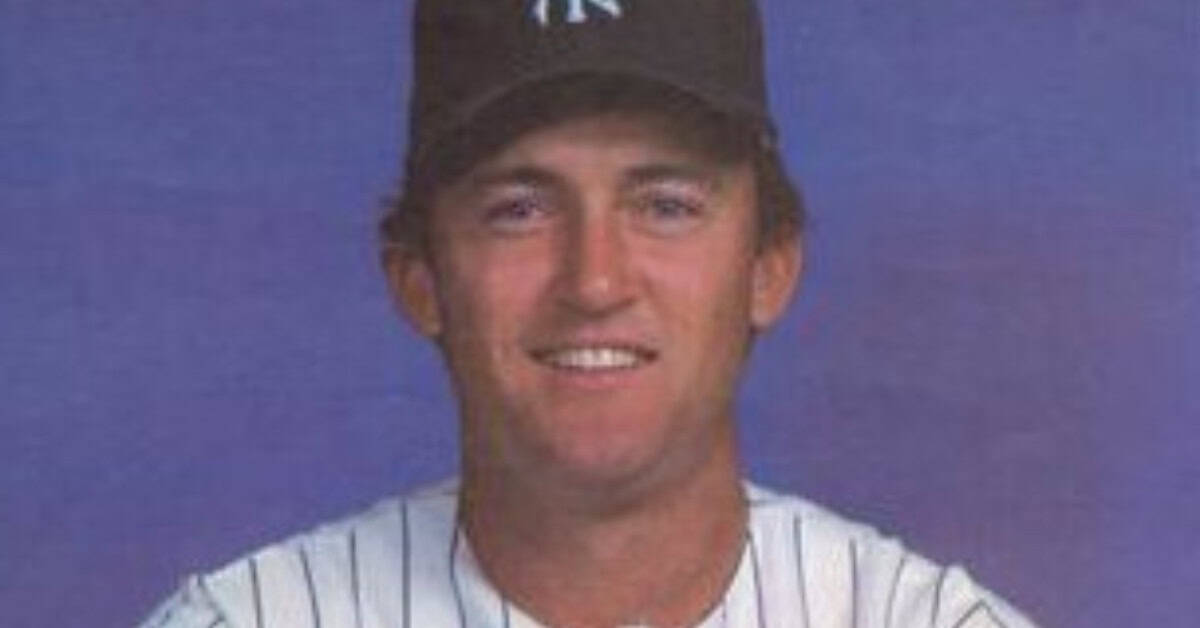
Nettles arrived in the Bronx in 1973 and immediately transformed Yankees third base into a no-fly zone, combining acrobatic defense with surprising pop in his bat. His 1978 World Series performance against the Dodgers was a defensive clinic, making impossible plays look routine while helping deliver another championship to the House That Ruth Built. The sight of Nettles diving behind third base, somehow coming up with the ball and firing a strike to first, became as synonymous with 1970s Yankees baseball as Reggie Jackson’s October heroics.
Pete Rose – Charlie Hustle’s Hot Corner Experiment
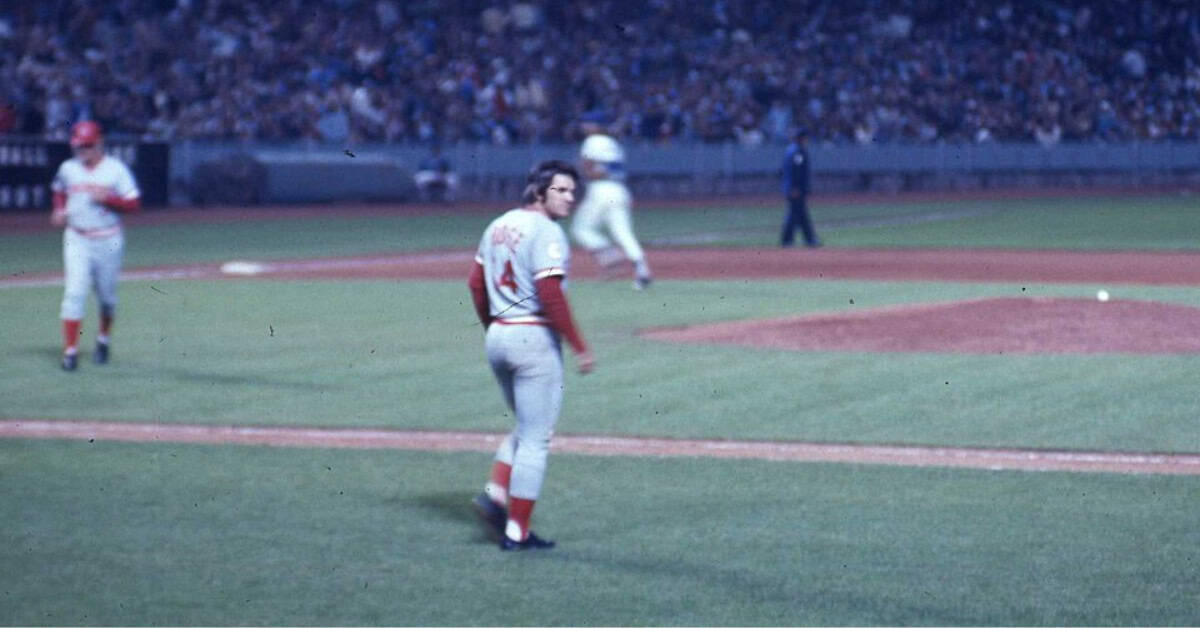
When the Big Red Machine needed versatility, they moved their hitting machine to third base, where Rose’s hustle and baseball instincts more than made up for any defensive shortcomings. His head-first slides and all-out effort at every position made him a fan favorite at Riverfront Stadium, where the artificial turf seemed to energize his already manic playing style. Rose may not have been the smoothest third baseman, but watching him charge a slow roller and fire to first base was pure baseball theater, all grit and determination in polyester pinstripes.
Darrell Evans – The Walk Machine Who Nobody Talks About
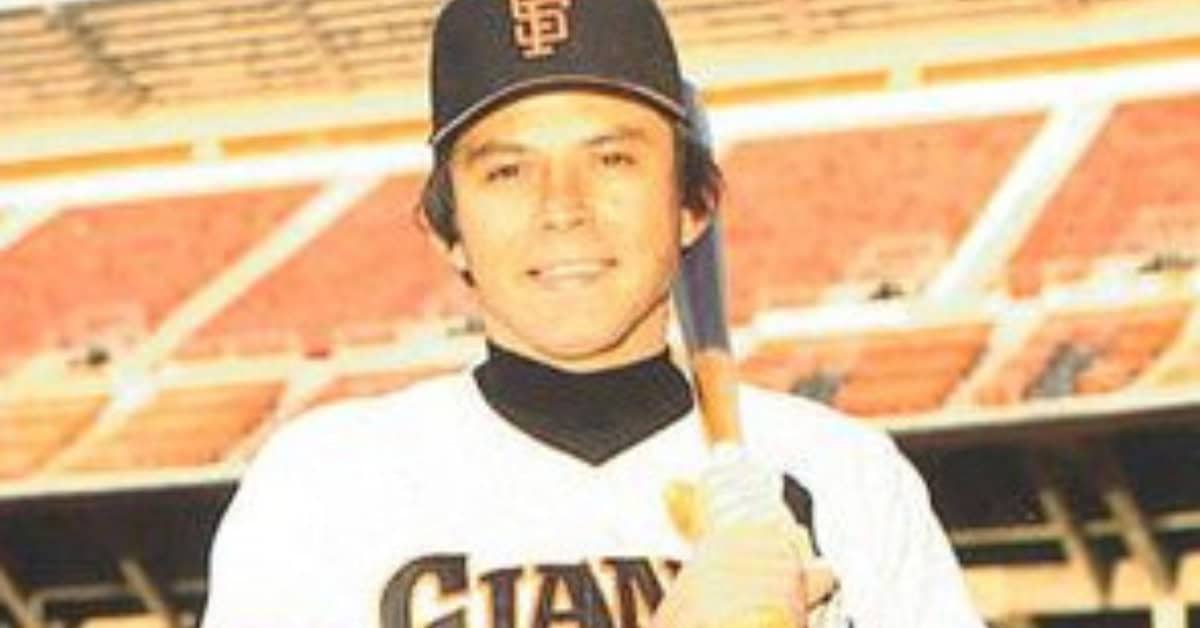
Evans was the thinking fan’s third baseman, a patient hitter who understood the strike zone better than most umpires and possessed surprising power when he decided to swing. His 1973 season with Hank Aaron and Davey Johnson made him part of the first trio of teammates to each hit 40 home runs, but it was his ability to work counts and draw walks that made him invaluable. At Atlanta-Fulton County Stadium, Evans would foul off pitch after pitch, driving pitchers to distraction before either drawing a walk or launching one into the Georgia night.
Bill Madlock – “Mad Dog” and His Two Batting Crowns
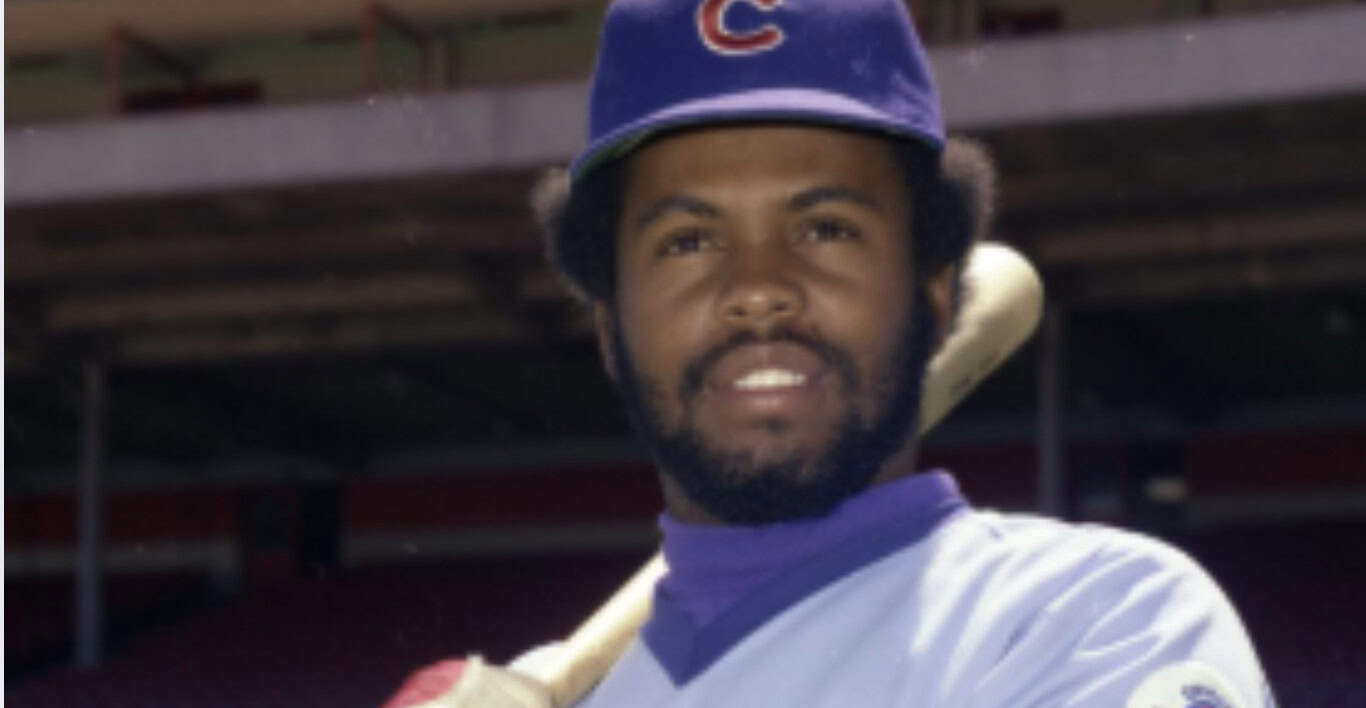
Madlock earned his nickname with a fiery temperament that matched his red-hot bat, capturing National League batting titles in 1975 (.354) and 1976 (.339) with the Chicago Cubs while playing the hot corner with surprising grace. His compact swing and quick hands made him a nightmare for pitchers, especially in clutch situations where his competitive fire burned brightest. At Wrigley Field during those years, Madlock approached every at-bat like his life depended on it, turning routine singles into doubles with pure hustle and determination.
Doug DeCinces – The Impossible Act of Following Brooks Robinson
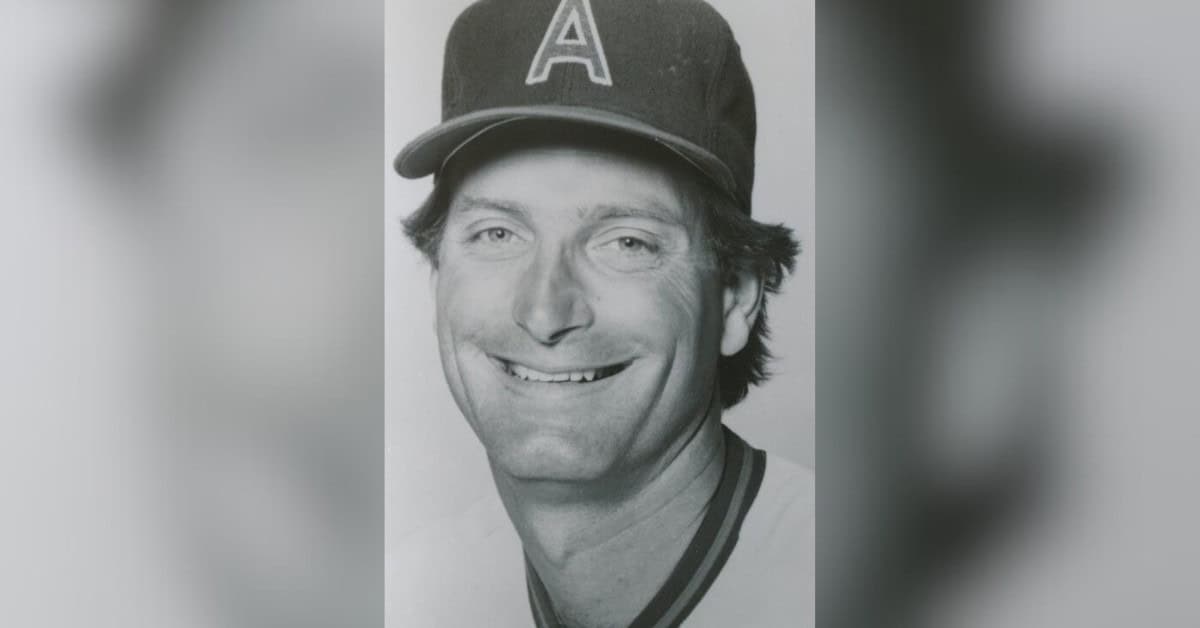
Following a legend is never easy, but DeCinces handled the pressure of replacing Brooks Robinson with class and surprising skill, eventually becoming a solid third baseman in his own right. His patient approach at the plate and steady glove work helped the Orioles remain competitive in the late 1970s, even as the shadow of his predecessor loomed large over Memorial Stadium. DeCinces proved that sometimes the best way to honor a legend is simply to play your own game, one ground ball and one at-bat at a time.
Buddy Bell – Cleveland’s Steady Eddie With the Golden Glove Reputation
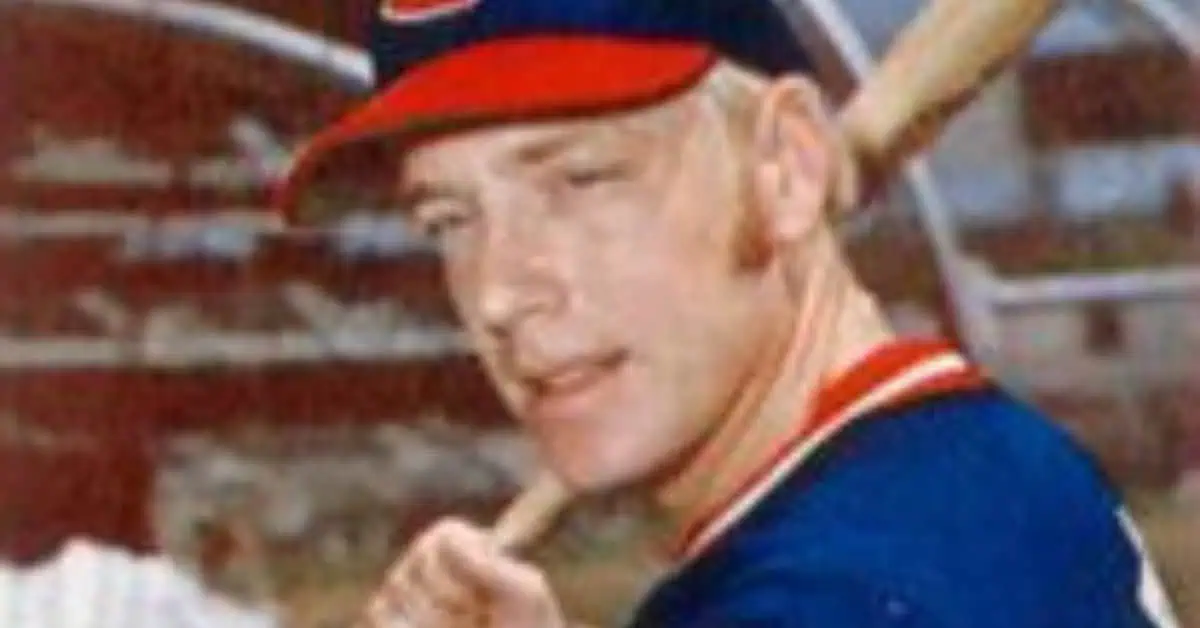
Bell was the consummate professional, a third baseman who made the difficult plays look routine while providing steady offensive production for Cleveland’s rebuilding efforts in the 1970s. His smooth fielding style and reliable bat made him a fan favorite at Municipal Stadium, where his workmanlike approach embodied the blue-collar spirit of the city. While his Gold Glove awards would come later with the Texas Rangers, his defensive prowess was already evident, showing he was the kind of player who showed up every day ready to work, turning double plays and driving in runs with equal precision.
Joe Torre – From MVP Catcher to Third Base Strategist
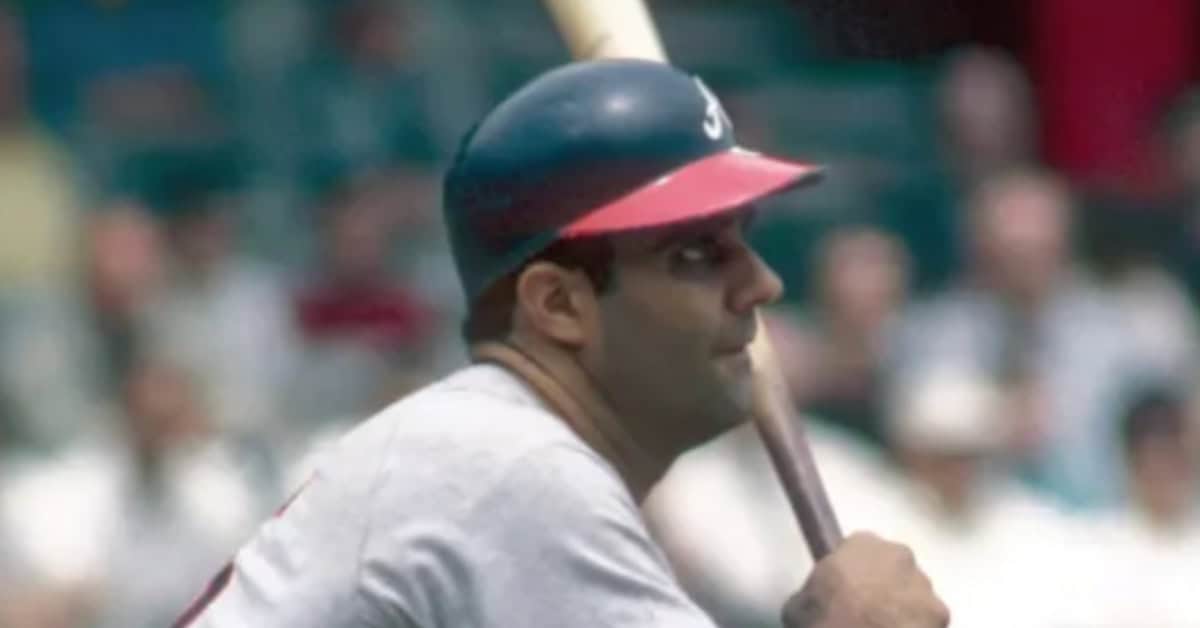
Torre’s 1971 MVP season (.363 average, 230 hits, 137 RBIs) came while primarily playing catcher for the Cardinals, though he also showcased his versatility by manning third base significantly that year. His baseball intelligence translated perfectly to any position, qualities that would later make him one of baseball’s greatest managers. At Busch Stadium, Torre’s patient approach and clutch hitting made him a cornerstone of the Cardinals’ lineup, while his leadership skills were already evident to anyone paying attention.
Richie Hebner – Pittsburgh’s Power Hitter Who Dug Graves in Winter
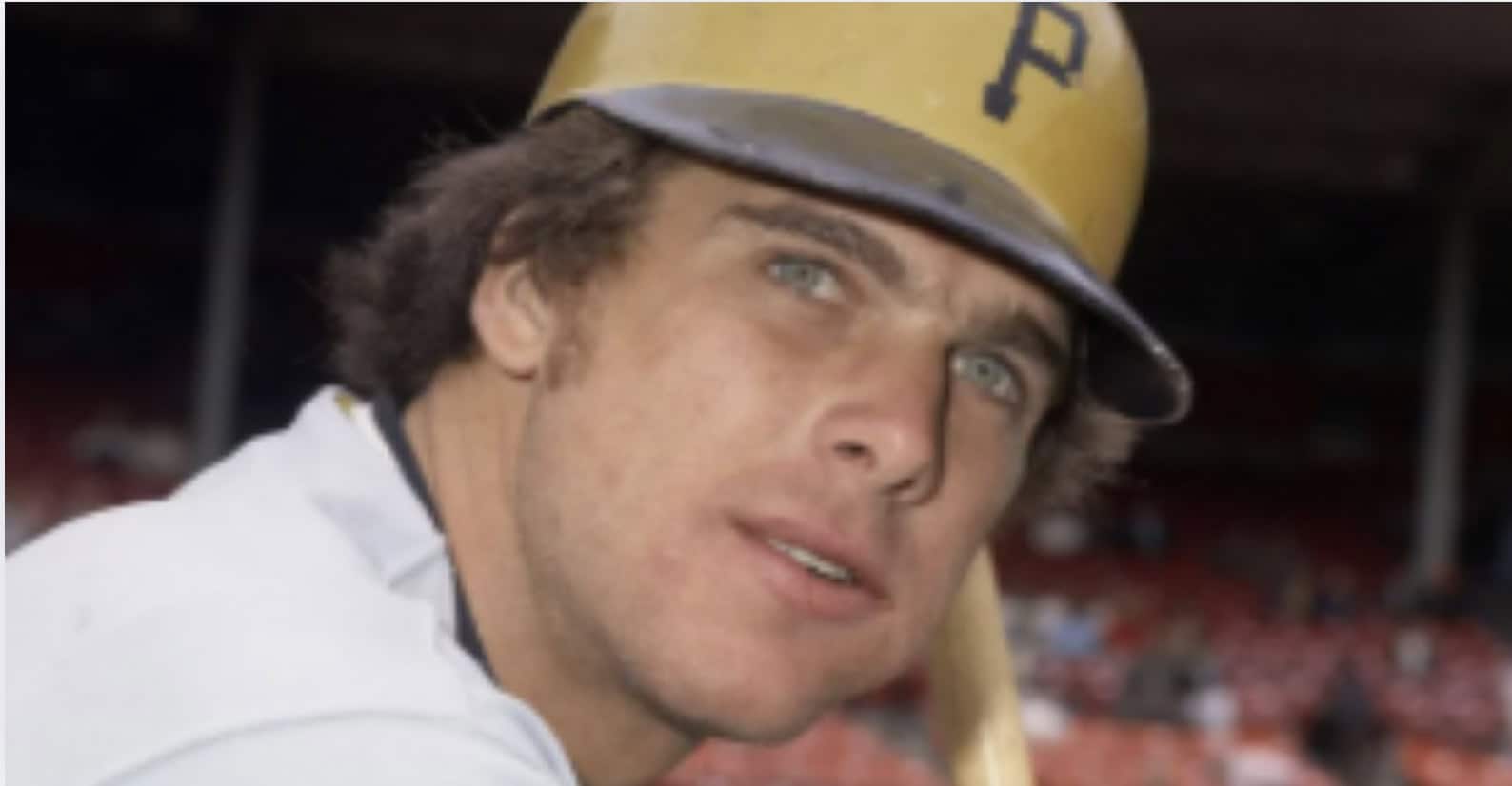
Hebner brought a unique blue-collar authenticity to Pittsburgh’s championship teams, literally digging graves during the off-season while providing surprising power from the left side of the plate. His 25 home runs in 1973 helped anchor the Pirates’ lineup, while his no-nonsense approach to the game perfectly matched the steel city’s working-class ethos. At Three Rivers Stadium, Hebner’s compact swing and surprising pop made him a constant threat, whether facing fastballs or the occasional curveball that life threw his way.
Ken Reitz – The Cardinals’ Defensive Specialist in the Polyester Era
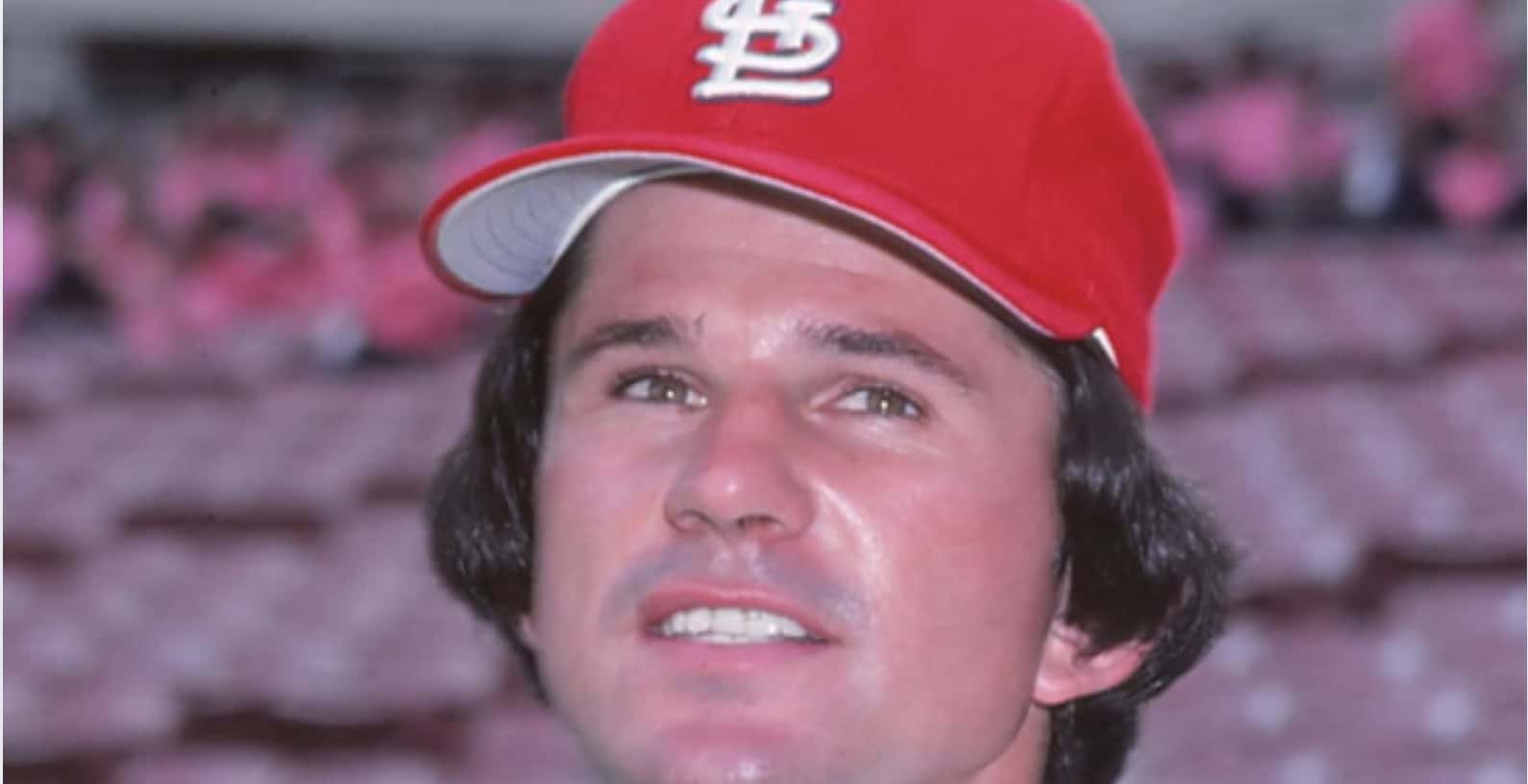
Reitz was pure defense at third base, a Gold Glove winner who could make the impossible play look routine while wearing those distinctive Cardinals uniforms of the mid-70s. His sure hands and strong arm made him invaluable to St. Louis, even when his bat struggled to keep pace with his glove work. At Busch Stadium, Reitz’s defensive wizardry was a thing of beauty, turning potential doubles into routine outs with the kind of effortless grace that made baseball look easy when it definitely wasn’t.
Enos Cabell – Houston’s Underrated Speedster at the Hot Corner
Cabell brought unexpected speed to the third base position, combining solid defense with the ability to steal bases and stretch singles into doubles on the Astrodome’s fast artificial turf. His versatility made him a valuable piece of Houston’s puzzle throughout the late 1970s, while his consistent hitting provided a reliable presence in the middle of the lineup. Under the Astrodome’s unique lighting, Cabell’s smooth swing and aggressive baserunning made him a fan favorite in a city still learning to love baseball.
Lenny Randle – The Texas Ranger Who Punched His Manager
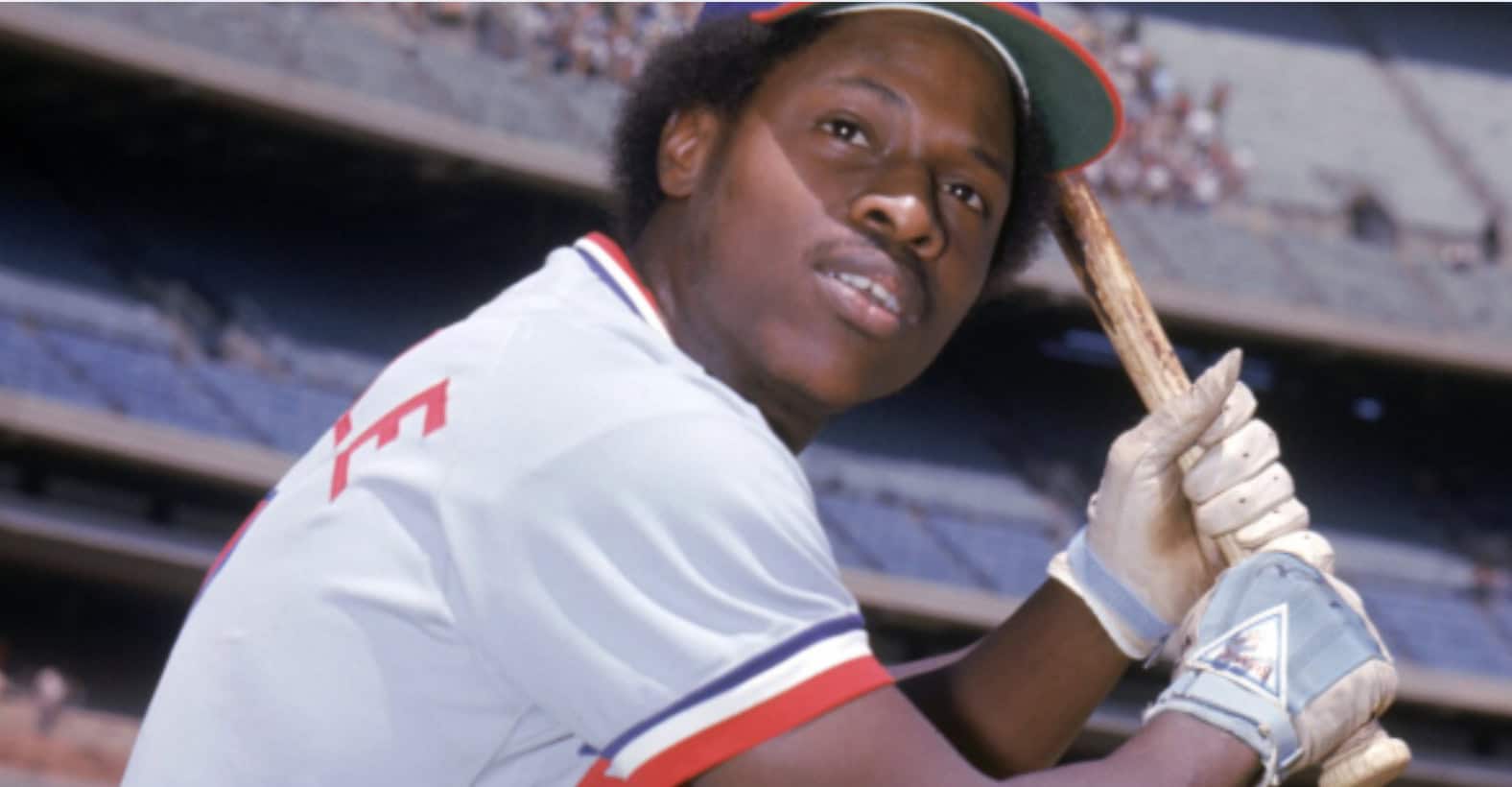
Randle’s baseball career will forever be overshadowed by his infamous 1977 confrontation with manager Frank Lucchesi, but his on-field versatility and speed made him a valuable utility player throughout the decade. His ability to play multiple positions, including third base, made him useful to several teams, while his aggressive style of play reflected the wild-west atmosphere of 1970s baseball. Whether stealing bases or starting fights, Randle embodied the unpredictable nature of the era when anything could happen between the white lines.
Aurelio Rodriguez – Detroit’s Defensive Artist With the Rifle Arm
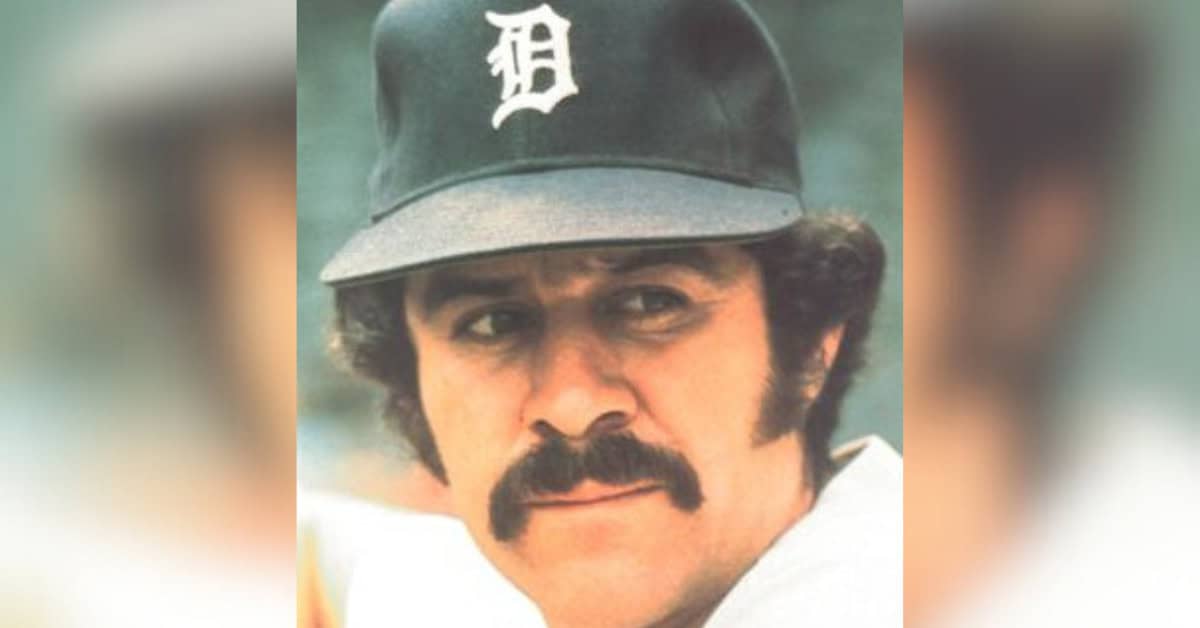
Rodriguez possessed one of the strongest arms in baseball history, capable of throwing out runners from impossible angles while patrolling third base at Tiger Stadium with artistic grace. His defensive brilliance more than made up for offensive limitations, as fans would come to the ballpark just to watch him turn routine grounders into works of art. The crack of the bat followed by Rodriguez’s lightning-quick release became one of baseball’s most beautiful sights, a reminder that defense could be just as thrilling as any home run.
Toby Harrah – The Switch-Hitting Workhorse of Texas
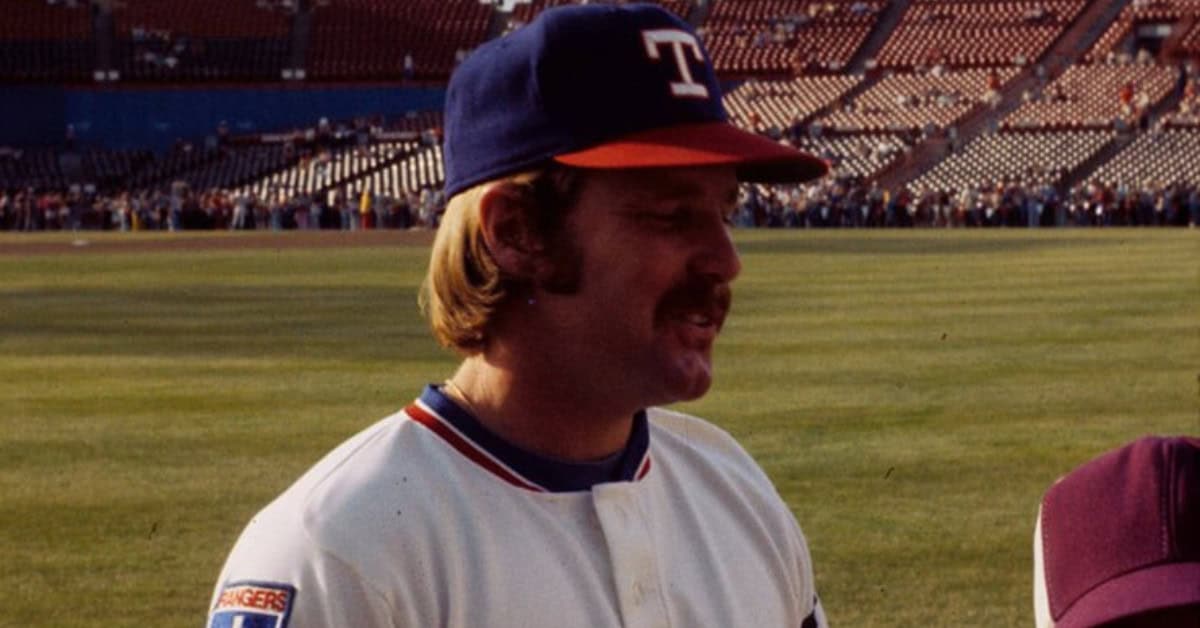
Harrah was the ultimate utility player, equally comfortable at third base, shortstop, or second base, while his switch-hitting ability made him a constant threat from both sides of the plate. His patient approach and solid defense made him a cornerstone of the Rangers’ lineup throughout the late 1970s, providing stability in an organization still finding its identity. At Arlington Stadium, Harrah’s workmanlike approach and clutch hitting embodied the never-say-die spirit of a franchise determined to prove itself in the American League.
Carney Lansford – The Late 70s Rookie Who Started Something Special
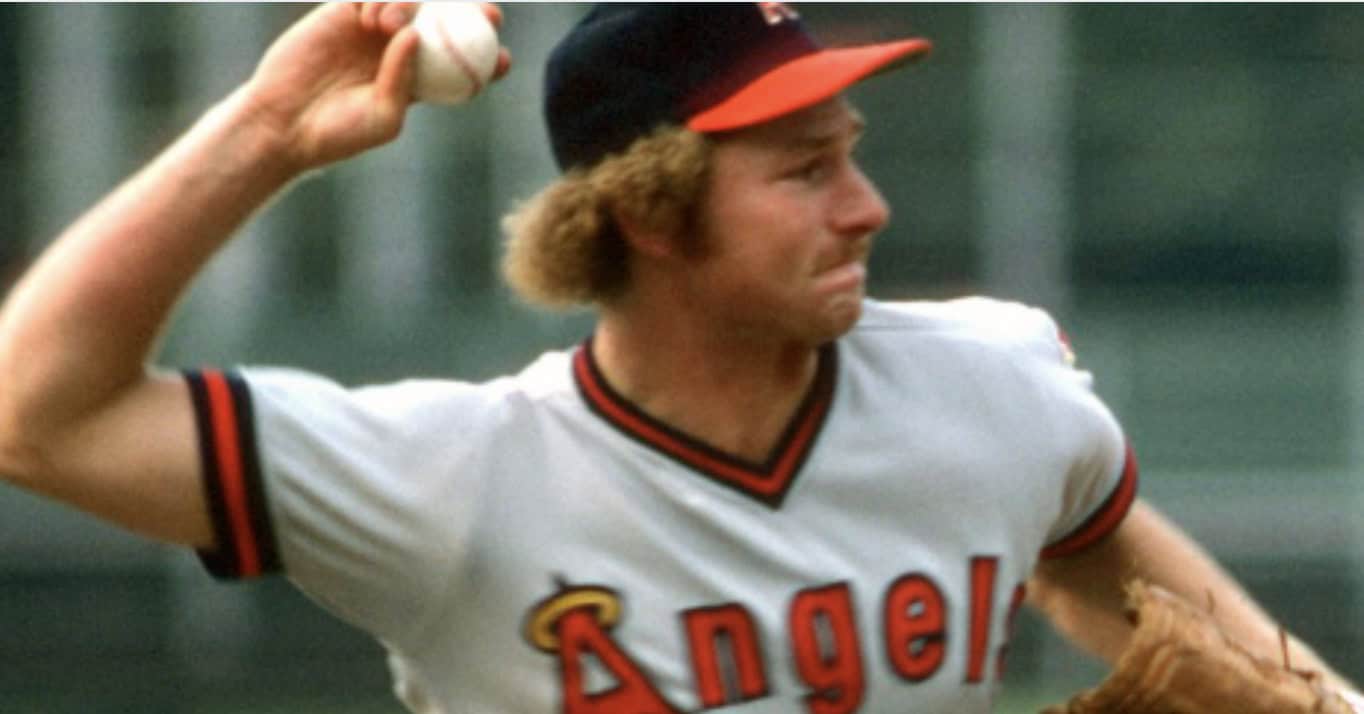
Lansford burst onto the scene in 1978 with the Angels, immediately establishing himself as a smooth-fielding third baseman with a sweet swing that would eventually earn him a batting title. His rookie season hinted at the excellence to come, as his natural hitting ability and solid glove work made him a promising player for California. At Anaheim Stadium, Lansford’s compact swing and aggressive approach at the plate provided a glimpse of the consistent excellence that would define his career well into the next decade.