Last Updated: August 28th, 2026 by Matthew Brown
I grew up, like many people, knowing Cleveland as a good baseball city, but never a championship-caliber one. It's hard to say otherwise when the last championship came back in 1948. Nevertheless, there have been so many Cleveland baseball greats who deserve to be recognized.
Don't lose this article. Enter your email below, and I'll send it to you right now. Plus, we'll send you other unbelievable stories from baseball's past.
I understand that there will be a couple of outliers on this list. Those will be a little bit of a test to see if you can notice them, as we are trying to highlight some of those great legends that never got a Cooperstown call.
20. Al Smith: From the Buckeyes to the Indians
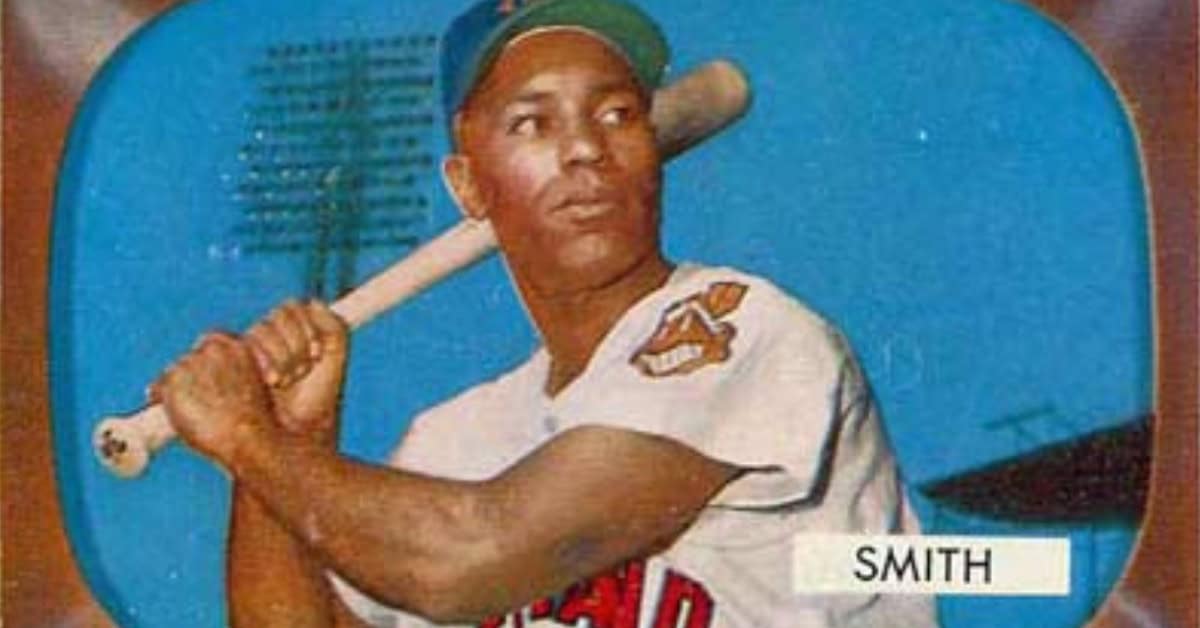
Cleveland is known as one of the barrier-breaking franchises in baseball history. With Larry Doby coming over from the Negro Leagues as the first to enter the American League, Al Smith came shortly after, having already played a few seasons in the city for the Negro Leagues' Cleveland Buckeyes. Then he spent a solid six years at the MLB level in Cleveland, leading the league once in runs scored while providing 10.0 WAR.
| Al Smith — Career | Total |
|---|---|
| G | 1557 |
| AB | 5499 |
| H | 1500 |
| HR | 168 |
| RBI | 701 |
| SB | 70 |
| AVG | .273 |
| OBP | .358 |
| SLG | .431 |
| OPS | .789 |
| All-Star selections | 2 |
19. George Uhle: Cleveland’s Iron Man of the 1920s
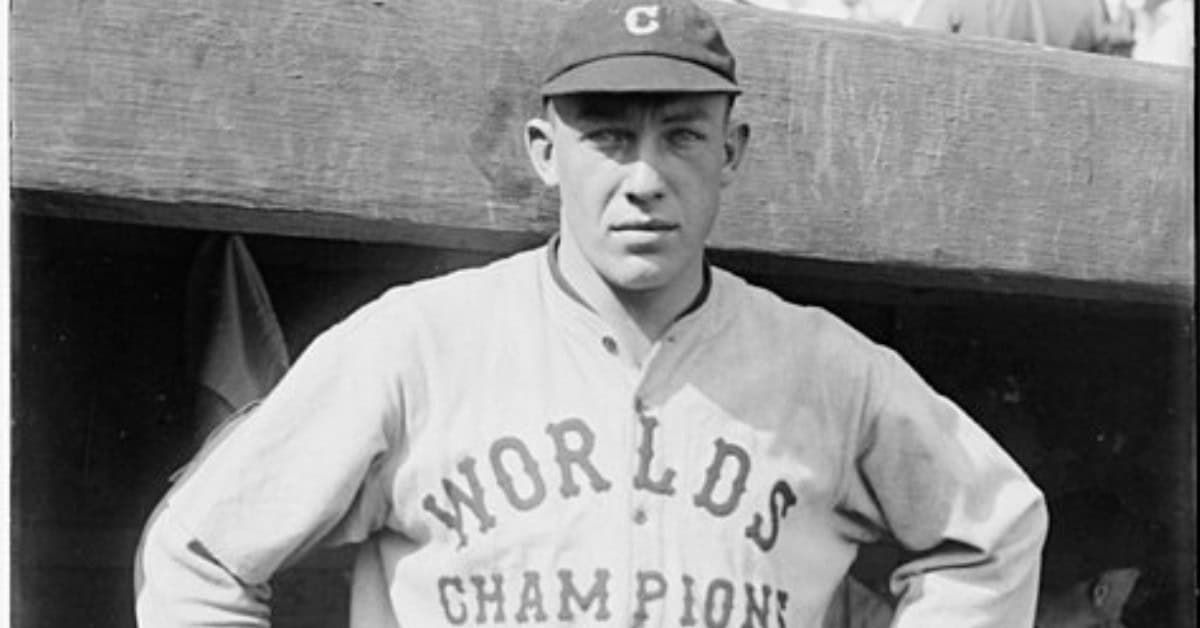
We know how strong pitching has been in Cleveland throughout history. George Uhle is certainly a part of it. He led the league twice in wins while racking up the most complete games and innings pitched in both of those seasons.
He was able to give his team a chance to win every start as he posted a 3.77 ERA in 1923 and a 2.83 ERA in 1926. Those are his stellar seasons with the franchise and showcase why he was nicknamed The Bull.
| George Uhle — Career | Total |
|---|---|
| W | 200 |
| L | 166 |
| ERA | 4.00 |
| G | 513 |
| IP | 3119.2 |
| SO | 1135 |
| WHIP | 1.40 |
| SV | 25 |
| World Series titles | 1 |
18. Charlie Jamieson: The Outfield Artist of the Roaring ’20s
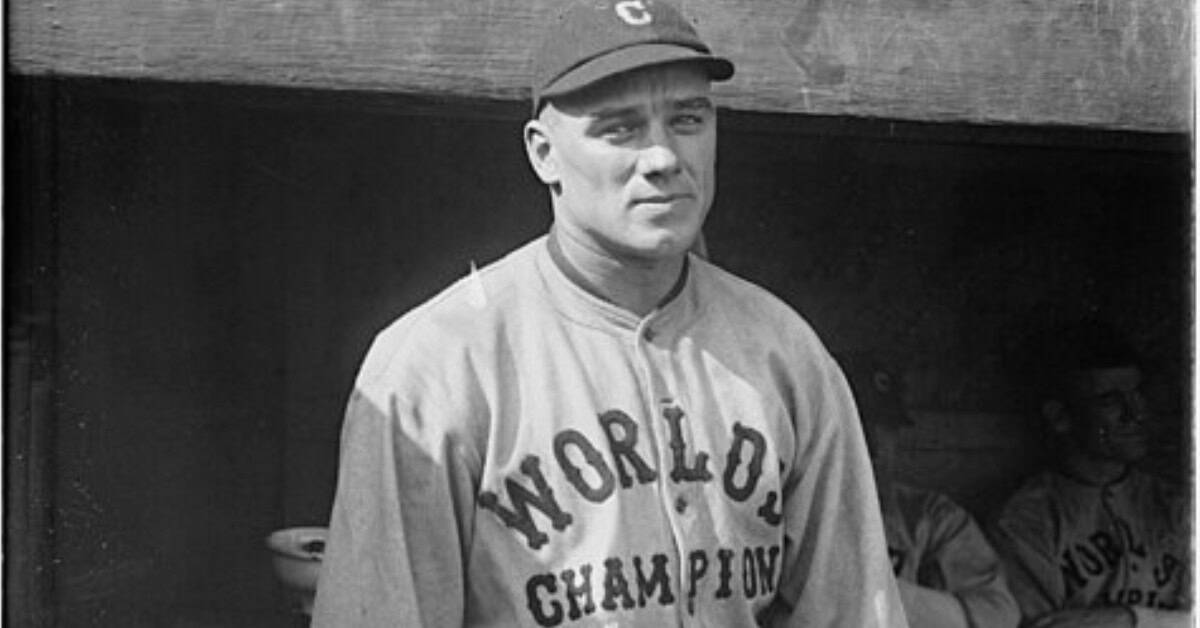
While Uhle was eating innings on the mound, Charlie Jamieson was eating up plate appearances. Jamieson was a constant force in the lineup for 14 years, building up a .316 batting average that was helped by a .388 on-base percentage. He helped win the 1920 World Series, then gave Cleveland his best seasons in 1923 and 1924, when he hit .345 and .359, respectively, leading the league with 222 hits in '23.
| Charlie Jamieson — Career | Total |
|---|---|
| G | 1786 |
| AB | 6560 |
| H | 1990 |
| HR | 18 |
| RBI | 552 |
| SB | 131 |
| AVG | .303 |
| OBP | .378 |
| SLG | .385 |
| OPS | .763 |
| World Series titles | 1 |
17. Al Rosen: The Hebrew Hammer’s MVP Season
The great Al Rosen had a short career, but it was filled with power. Being more of a bench player for his first three seasons, Rosen exploded onto the scene once he got his chance at a starting role, leading the league with 37 home runs in 1950.
Needless to say, Cleveland kept him in the lineup every day from then on. He would lead the league one more time with 43 home runs, and then twice in RBI.
| Al Rosen — Career | Total |
|---|---|
| G | 1044 |
| AB | 3725 |
| H | 1063 |
| HR | 192 |
| RBI | 717 |
| SB | 39 |
| AVG | .285 |
| OBP | .384 |
| SLG | .495 |
| OPS | .879 |
| MVP | 1 |
| All-Star selections | 4 |
| World Series titles | 1 |
16. Grady Sizemore: The Supernova That Burned Too Bright
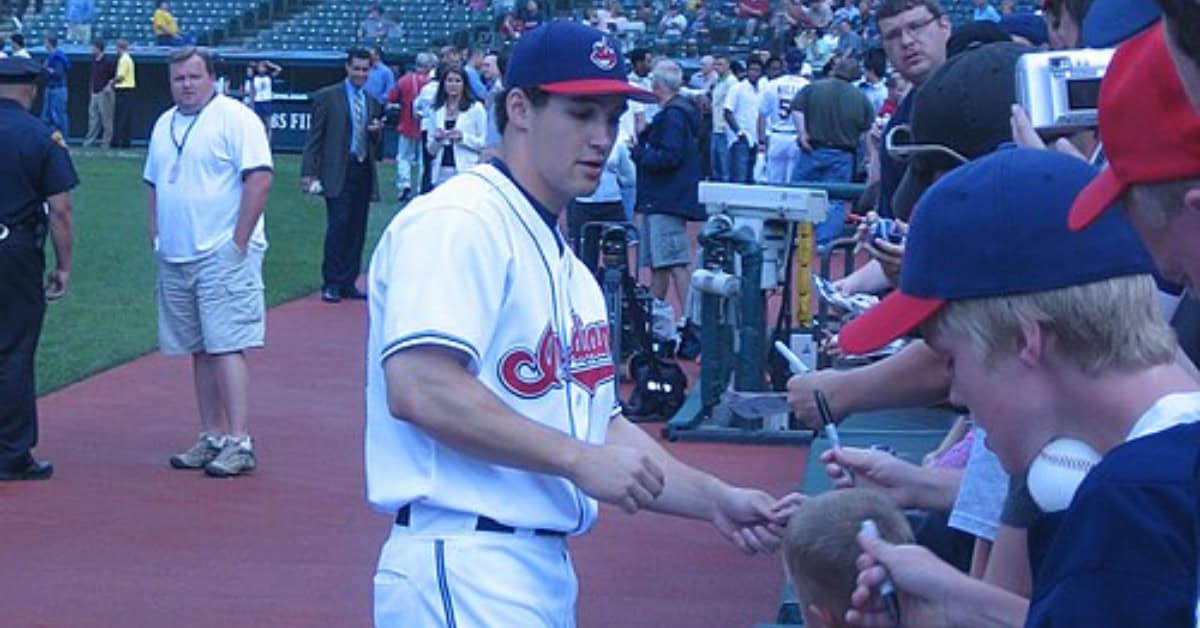
You could say no Cleveland player had a future that shone brighter than Grady Sizemore. He earned his third All-Star selection by the time he was 25 years of age. That season, he hit 33 home runs and stole 38 bases with Gold Glove and Silver Slugger honors.
Then the injuries came. He was never the same after. Maybe the biggest what-if in Cleveland baseball history.
| Grady Sizemore — Career | Total |
|---|---|
| G | 1101 |
| AB | 4147 |
| H | 1098 |
| HR | 150 |
| RBI | 518 |
| SB | 143 |
| AVG | .265 |
| OBP | .349 |
| SLG | .457 |
| OPS | .806 |
| All-Star selections | 3 |
| Gold Gloves | 2 |
| Silver Sluggers | 1 |
15. Wes Ferrell: The Pitcher Who Could Hit
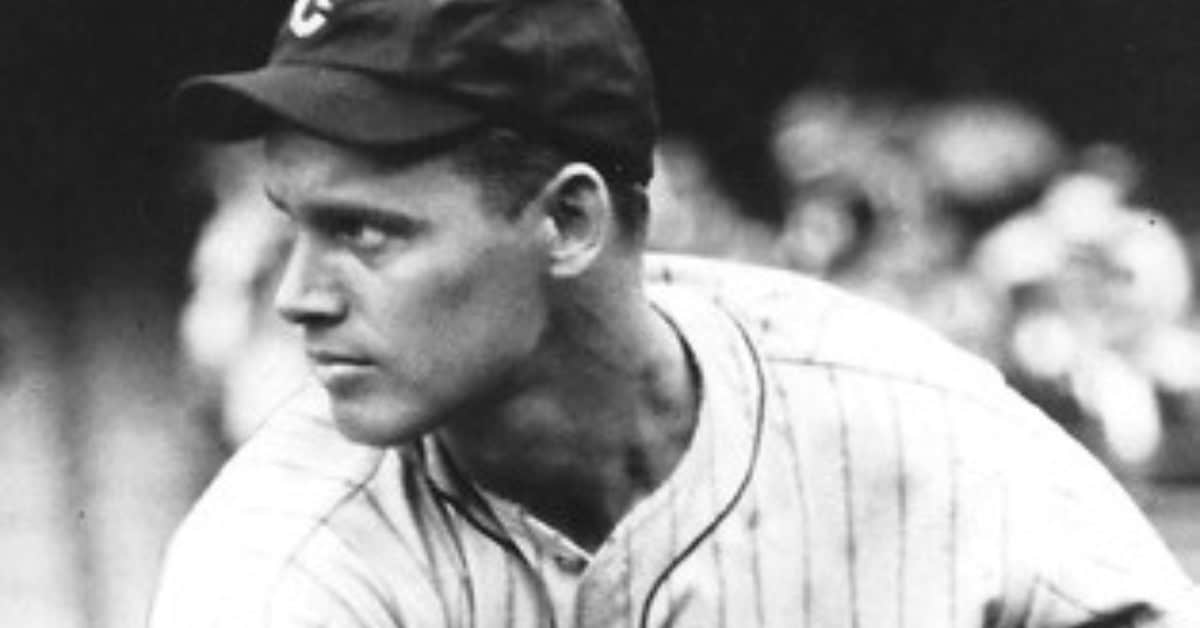
I know there's a guy in the MLB today who is known for pitching and hitting, but Wes Ferrell was truly a pitcher who happened to be able to hit with power. That's probably what he's most known for, as his 38 career home runs are the most for pitchers who aren't categorized as two-way players.
He earned an All-Star selection in the first year of its existence in 1933, which happened to be his last season in Cleveland. He was regularly winning more than 20 games per year at that time while getting some looks in MVP voting.
| Wes Ferrell — Career | Total |
|---|---|
| W | 193 |
| L | 128 |
| ERA | 4.04 |
| G | 374 |
| IP | 2623.0 |
| SO | 985 |
| WHIP | 1.48 |
| SV | 13 |
| All-Star selections | 2 |
14. Joe Sewell: The Man Who Couldn't Strike Out (HOF)
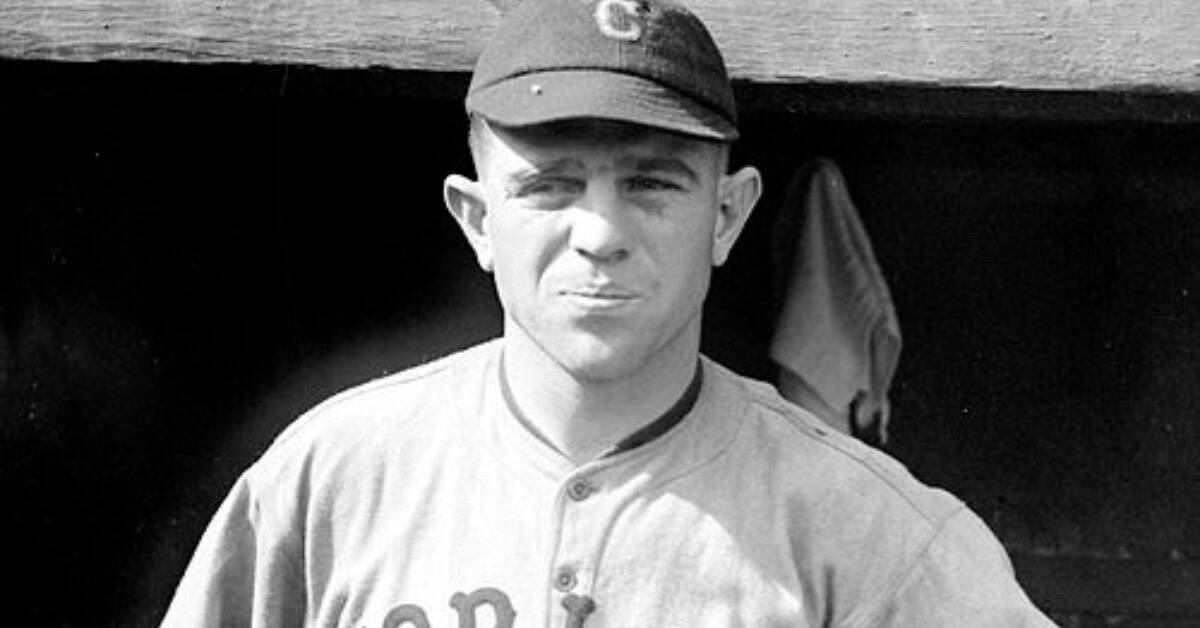
Yeah, I know this guy is already in the Hall of Fame. I'm just testing you. Joe Sewell helped lead Cleveland through an era of dominance where they won a couple of World Series titles. That established a franchise that is, in a way, trying to get back to those glory days.
| Joe Sewell — Career | Total |
|---|---|
| G | 1903 |
| AB | 7132 |
| H | 2226 |
| HR | 49 |
| RBI | 1055 |
| SB | 74 |
| AVG | .312 |
| OBP | .391 |
| SLG | .413 |
| OPS | .804 |
| World Series titles | 2 |
13. Ray Chapman: The Tragic Star We Lost Too Soon
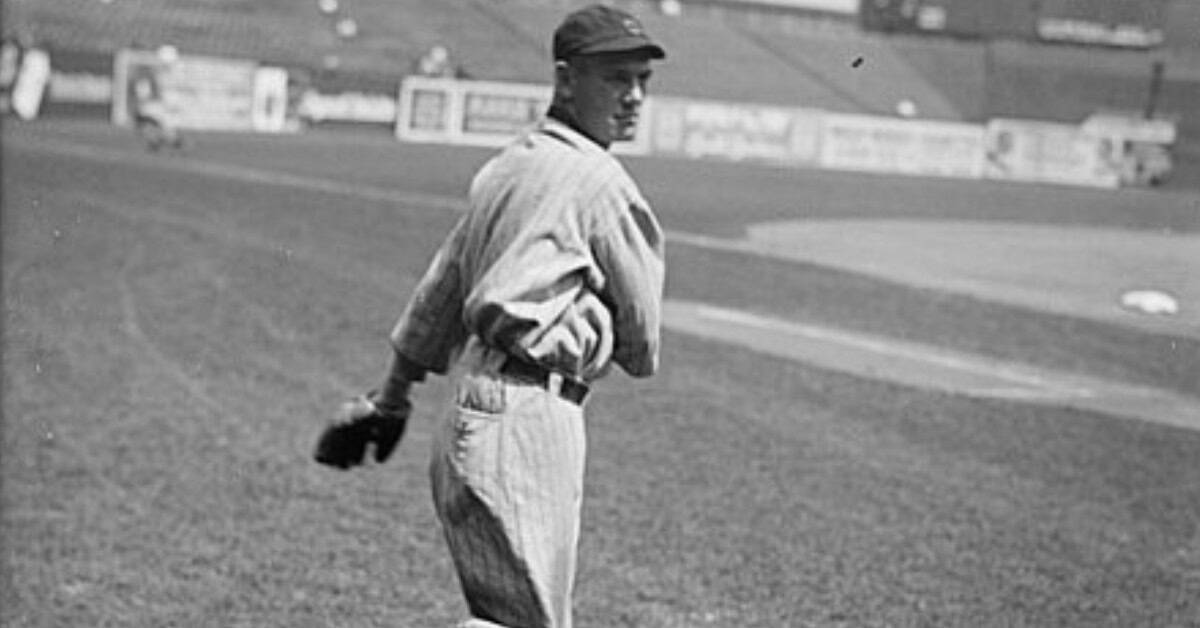
We now go to one of the best shortstops in Cleveland history. Ray Chapman had a great career and life that were cut way too short. Advanced metrics actually say he had great range for his time, as he led the league in range factor per nine innings twice in his short nine-year career. One can only imagine how we'd look back on him if that one fastball hadn't gone awry and caused tragedy.
| Ray Chapman — Career | Total |
|---|---|
| G | 1051 |
| AB | 3785 |
| H | 1053 |
| HR | 17 |
| RBI | 364 |
| SB | 233 |
| AVG | .278 |
| OBP | .358 |
| SLG | .377 |
| OPS | .735 |
12. Andre Thornton: Thunder When Cleveland Needed It Most
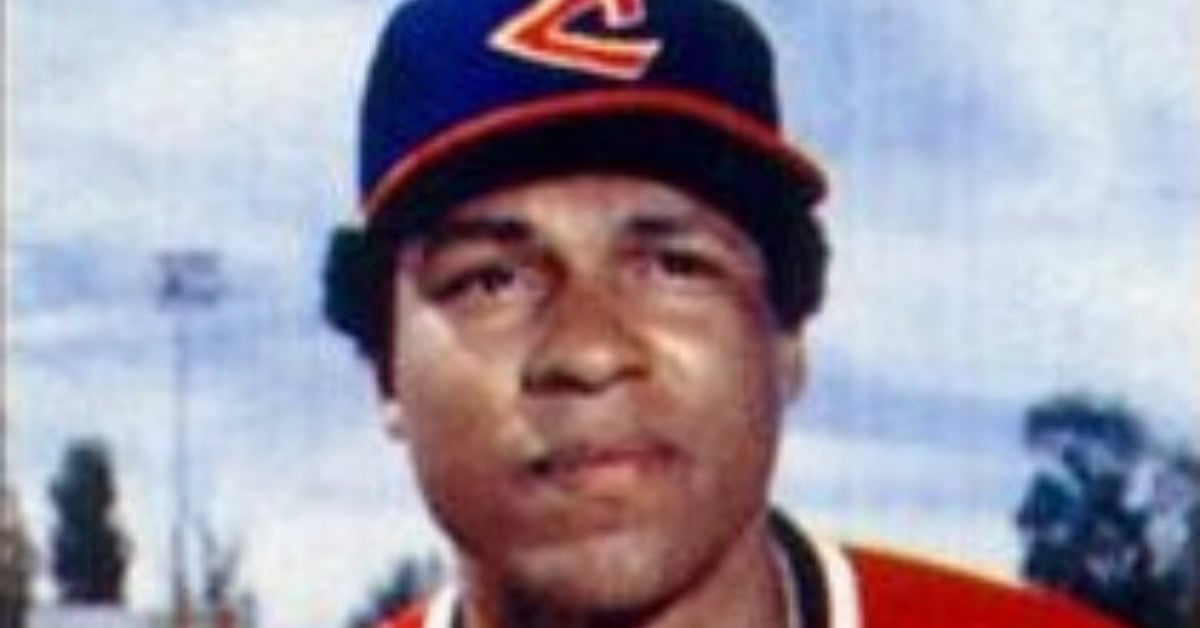
Andre Thornton was one of the great power bats in Cleveland for 10 years. He was honored twice with All-Star selections while regularly slugging above .400. He hit over 30 home runs in three separate seasons, and his OPS+ is a pretty impressive 123 for his career.
Cleveland is where his career took off, but he had arrived at the age of 27. You kind of wish that he was able to get to Ohio sooner.
| Andre Thornton — Career | Total |
|---|---|
| G | 1565 |
| AB | 5291 |
| H | 1342 |
| HR | 253 |
| RBI | 895 |
| SB | 48 |
| AVG | .254 |
| OBP | .360 |
| SLG | .452 |
| OPS | .812 |
| All-Star selections | 2 |
| Silver Sluggers | 1 |
11. Mel Harder: 20 Years of Cleveland Excellence
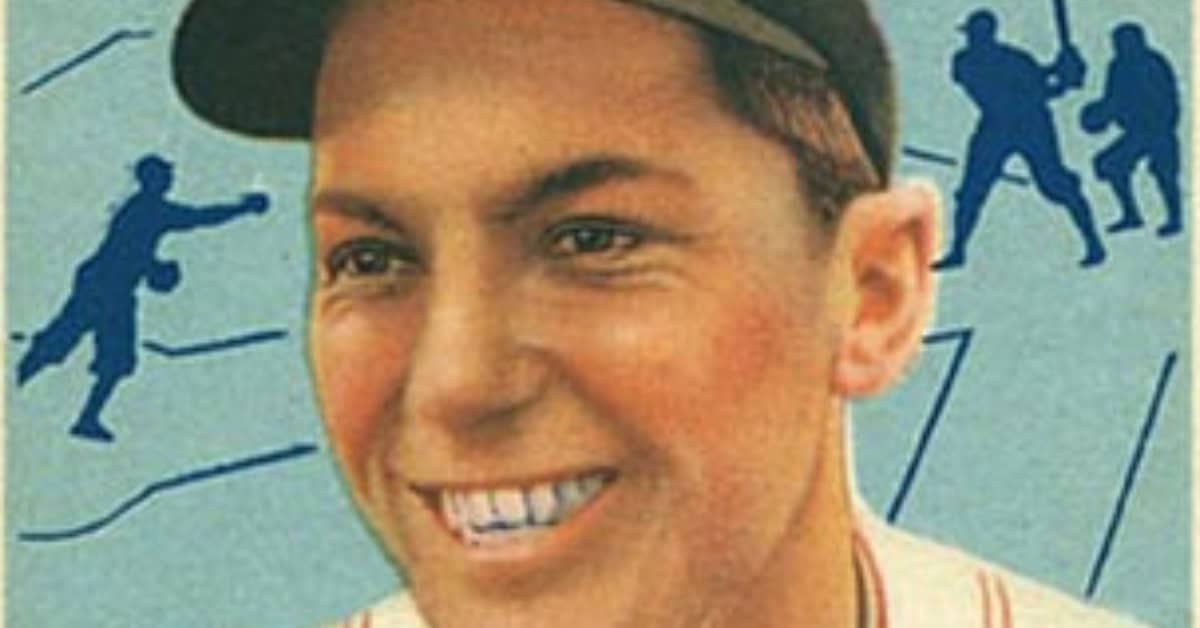
For 20 years, Mel Harder was a staple in Cleveland. He had a stretch of four straight All-Star selections from 1934 to 1937. He won the American League ERA title in 1933 at 2.95. All he did was make it lower the following season, winning 20 games with a 2.61 ERA and 6 complete-game shutouts, which led the league. Hardy's number 18 can be seen every game, as it was retired in 1990.
| Mel Harder — Career | Total |
|---|---|
| W | 223 |
| L | 186 |
| ERA | 3.80 |
| G | 582 |
| IP | 3426.1 |
| SO | 1161 |
| WHIP | 1.41 |
| SV | 23 |
| All-Star selections | 4 |
10. Vern Stephens: A Hall of Fame Case Outside Cleveland
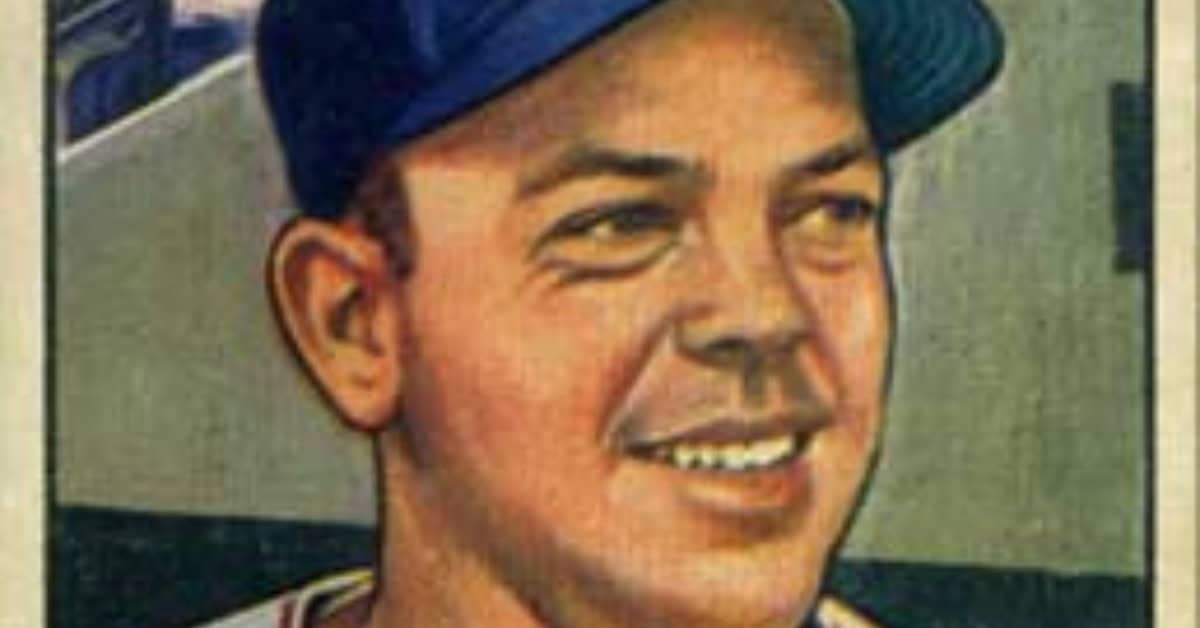
A seven-time All-Star and a player in St. Louis and Boston, Vern Stephens is our sneaky test to see if you're paying attention and know your Cleveland baseball. He never played for Cleveland, so let us know who should replace him.
| Vern Stephens — Career | Total |
|---|---|
| G | 1720 |
| AB | 6497 |
| H | 1859 |
| HR | 247 |
| RBI | 1174 |
| SB | 25 |
| AVG | .286 |
| OBP | .355 |
| SLG | .460 |
| OPS | .815 |
| All-Star selections | 7 |
9. Mike Garcia: The Big Bear Who Dominated the ’50s
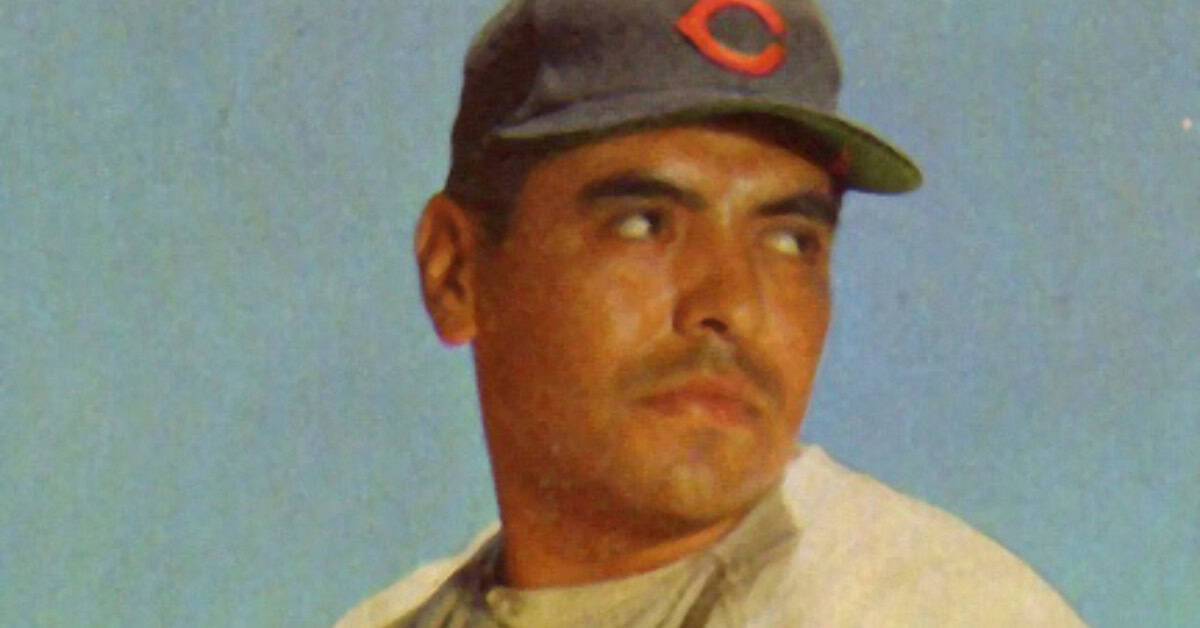
The Big Bear had to complete his World War II military service before joining the MLB. His rookie season was terrific, leading all of baseball in 1949 with a 2.36 ERA as a part-time starter.
He would go on to pitch 12 years in Cleveland, earning three All-Star selections and leading the league one more time in ERA. If FIP were a thing back then, I think he'd be more appreciated, as he led the league in Fielding Independent Pitching four times in his career.
| Mike Garcia — Career | Total |
|---|---|
| W | 142 |
| L | 97 |
| ERA | 3.27 |
| G | 428 |
| IP | 2174.2 |
| SO | 1117 |
| WHIP | 1.32 |
| SV | 23 |
| All-Star selections | 3 |
8. Carlos Baerga: The Switch-Hitting Sensation of the ’90s
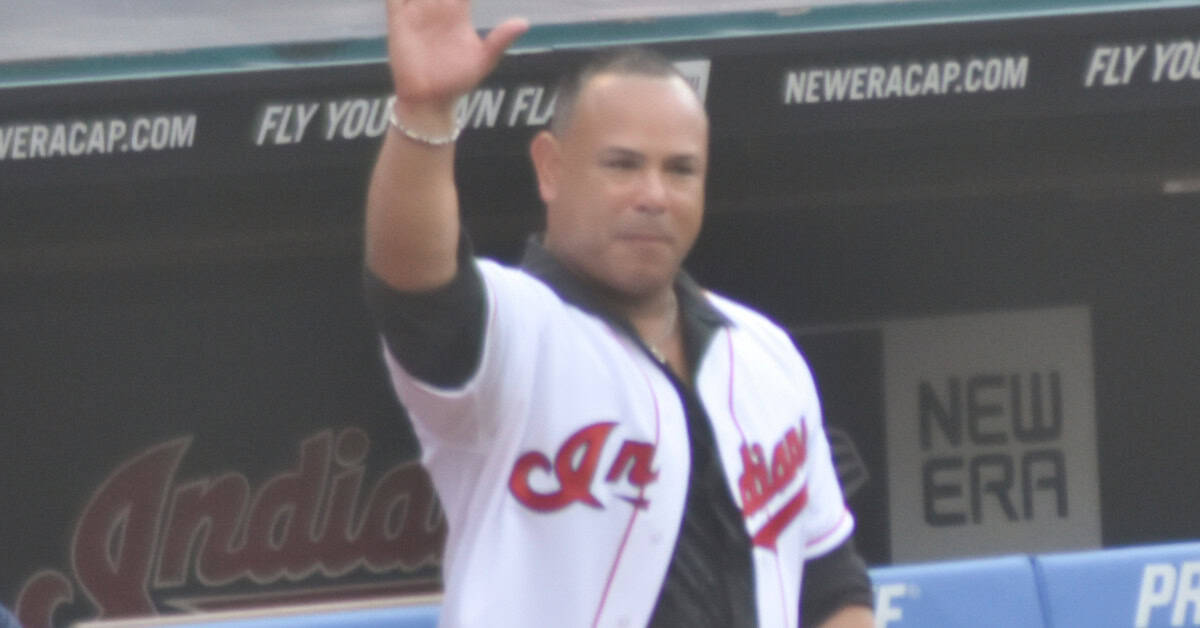
The 1990s brought some entertaining baseball to Cleveland as they boasted some of the best offensive teams in that decade. Carlos Baerga was a big part of those teams.
He had a batting average of .299 in his eight years in Cleveland. He accumulated 200 hits twice, hitting 20 home runs in both of those seasons, and also earned three All-Star selections.
| Carlos Baerga — Career | Total |
|---|---|
| G | 1630 |
| AB | 5439 |
| H | 1583 |
| HR | 134 |
| RBI | 774 |
| SB | 59 |
| AVG | .291 |
| OBP | .332 |
| SLG | .423 |
| OPS | .755 |
| All-Star selections | 3 |
| Silver Sluggers | 2 |
7. Manny Ramirez: Before He Was Just Being Manny
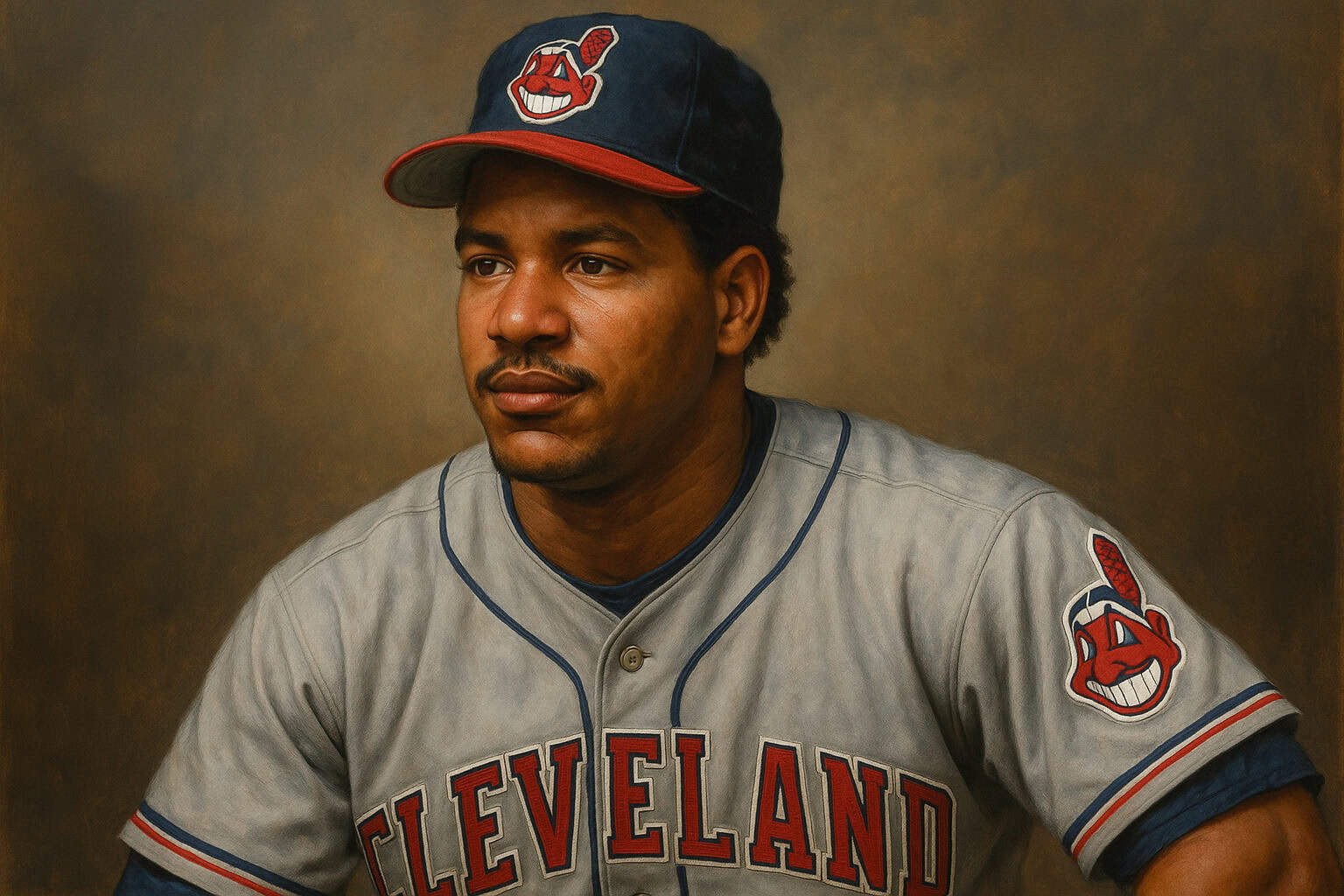
We stay in the '90s decade to highlight maybe the most dynamic hitter from this franchise who has not been honored in the Hall of Fame. Manny Ramirez has had his controversies throughout his career, so we probably can't expect him to receive the game's highest honor anytime soon.
He hit 236 home runs in eight seasons, but two of those seasons were really just cups of coffee, so to speak. I know more people remember him in Boston, but it really was those Cleveland years that got him going.
| Manny Ramirez — Career | Total |
|---|---|
| G | 2302 |
| AB | 8244 |
| H | 2574 |
| HR | 555 |
| RBI | 1831 |
| SB | 38 |
| AVG | .312 |
| OBP | .411 |
| SLG | .585 |
| OPS | .996 |
| All-Star selections | 12 |
| Silver Sluggers | 9 |
| World Series titles | 2 |
6. Sudden Sam McDowell: The Original Wild Thing
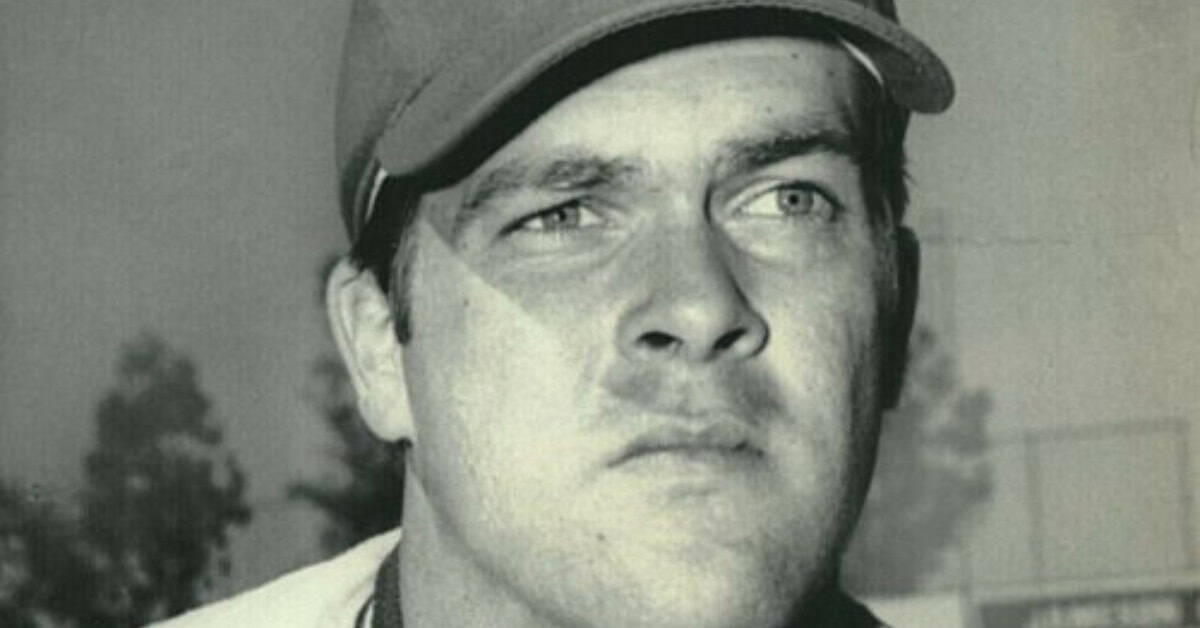
Sam McDowell was dominant during his 11 seasons in Cleveland. A 2.18 ERA and 325 strikeouts in 1965 led the American League. In fact, his fastball sizzled past hitters so much that he led the league in strikeouts for five years and racked up over 2,100 strikeouts total in Cleveland.
He was selected to the All-Star Game six times, and he's probably one of the most underrated pitchers of that era.
| Sam McDowell — Career | Total |
|---|---|
| W | 141 |
| L | 134 |
| ERA | 3.17 |
| G | 425 |
| IP | 2492.1 |
| SO | 2453 |
| WHIP | 1.31 |
| SV | 14 |
| All-Star selections | 6 |
5. Rocky Colavito: The Curse That Still Haunts Cleveland
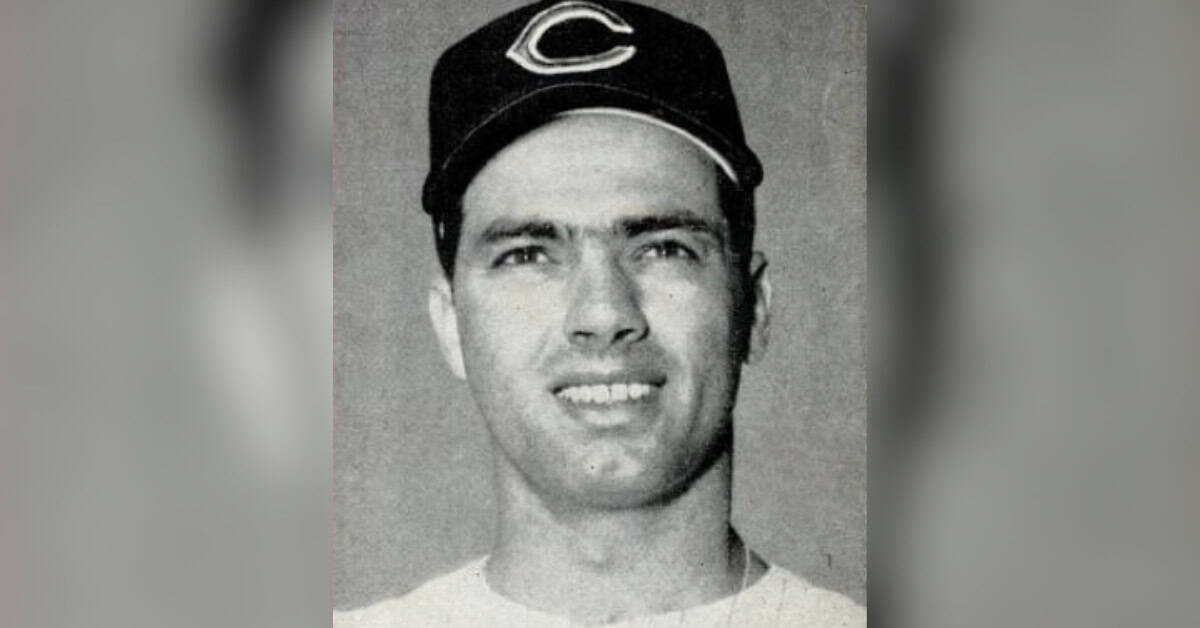
From an underrated pitcher to an underrated hitter, Rocky Colavito was one of the most powerful hitters of his time. People forget that he hit 41 home runs in 1958 and led all of baseball with a .620 slugging percentage. That was enough to get him a second-place finish in MVP voting.
He then followed it up with 42 home runs to lead the league in 1959, which was his eighth and final season in Cleveland. He finished with a career 132 OPS+, which suggests that his great power propelled him to hit as well as the average Hall of Famer.
| Rocky Colavito — Career | Total |
|---|---|
| G | 1841 |
| AB | 6503 |
| H | 1730 |
| HR | 374 |
| RBI | 1159 |
| SB | 19 |
| AVG | .266 |
| OBP | .359 |
| SLG | .489 |
| OPS | .848 |
| All-Star selections | 6 |
4. Shoeless Joe Jackson: Cleveland’s Lost Legend
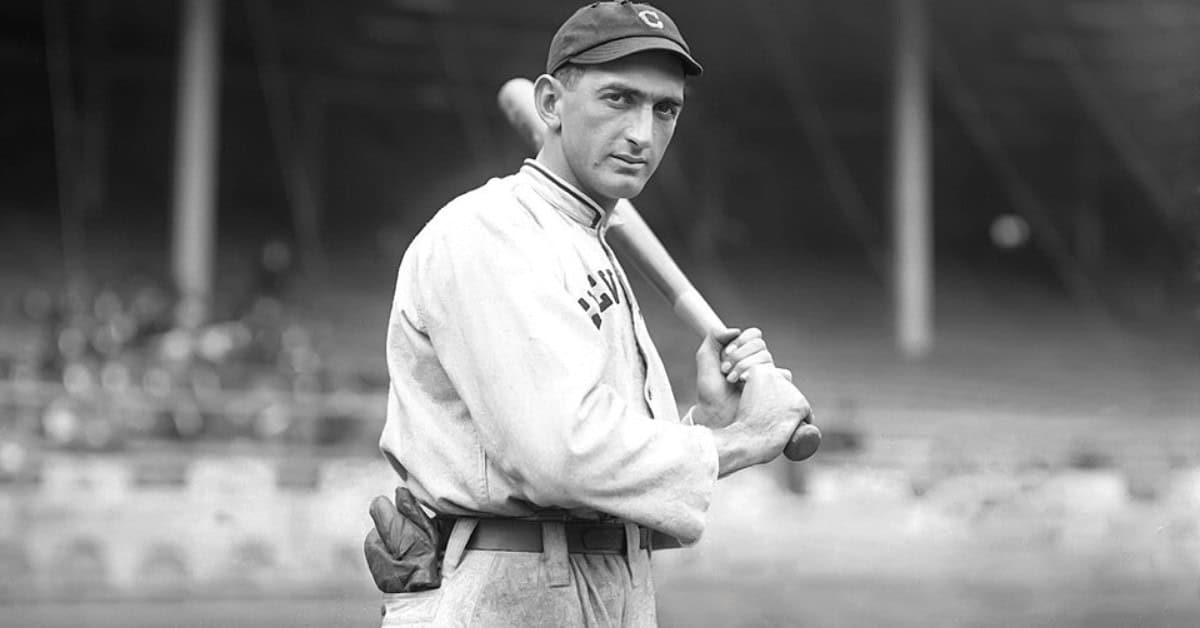
Everyone knows about the infamous happenings that involved this man in Chicago. But it was actually Cleveland where Shoeless Joe started to make his name. He led the league in hits twice while building up a batting average of a ridiculous .375 over six seasons.
He was at or near the top of the doubles and triples leaderboards every year. His OPS+ in Cleveland came out to an incredible 182. Most people only remember him when he was with the White Sox. But I think more people should remember him for his time in Cleveland.
| Joe Jackson — Career | Total |
|---|---|
| G | 1332 |
| AB | 4981 |
| H | 1772 |
| HR | 54 |
| RBI | 785 |
| SB | 202 |
| AVG | .356 |
| OBP | .423 |
| SLG | .517 |
| OPS | .940 |
| World Series titles | 1 |
3. Omar Vizquel: The Magician Who Made Defense an Art Form
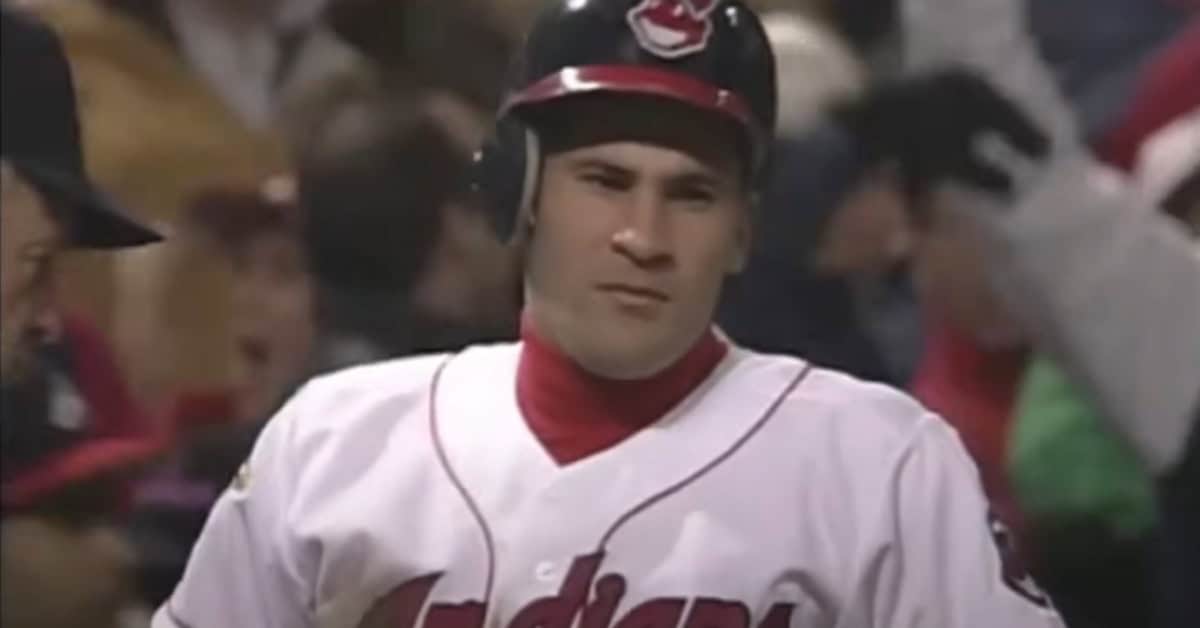
For 24 years, Omar Vizquel was one of the premier defensive shortstops in baseball. He played 11 seasons in Cleveland and built up most of his legacy there. Eight of his 11 Gold Gloves were won in Cleveland, including three seasons when he was selected to an All-Star team.
Vizquel is one of those tough choices for Hall of Fame voters over the years due to his lower offensive numbers. I think it might have to come down to the Veterans Committee in the future to reconsider how great Vizquel really was.
| Omar Vizquel — Career | Total |
|---|---|
| G | 2968 |
| AB | 10586 |
| H | 2877 |
| HR | 80 |
| RBI | 951 |
| SB | 404 |
| AVG | .272 |
| OBP | .336 |
| SLG | .352 |
| OPS | .688 |
| All-Star selections | 3 |
| Gold Gloves | 11 |
2. Albert Belle: Baseball’s Most Feared Slugger of the ’90s
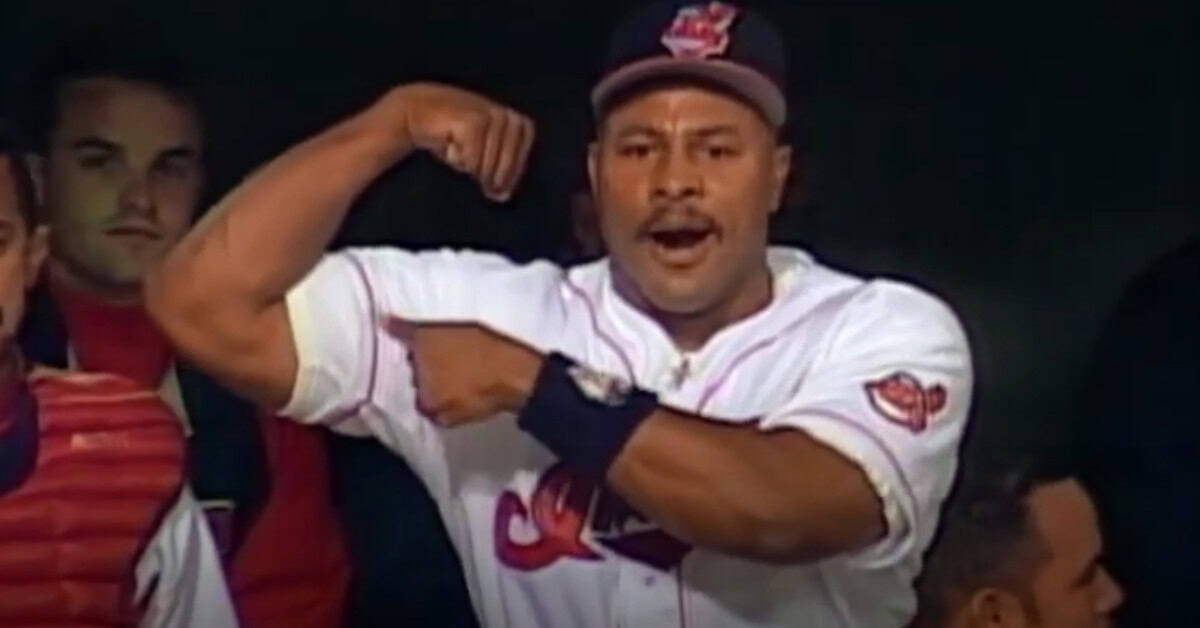
Fear is common for opposing pitchers and fans when facing a prolific slugger. Albert Belle brought about fear in more than one way with his hot temper and menacing look to go along with his 50-home-run ability.
He earned four straight All-Star selections and Silver Sluggers to cap off his eight seasons in Cleveland. A 144 career OPS+ over 12 total seasons is pretty amazing to look back on, even with the context of steroids.
| Albert Belle — Career | Total |
|---|---|
| G | 1539 |
| AB | 5853 |
| H | 1726 |
| HR | 381 |
| RBI | 1239 |
| SB | 88 |
| AVG | .295 |
| OBP | .369 |
| SLG | .564 |
| OPS | .933 |
| All-Star selections | 5 |
| Silver Sluggers | 5 |
1. Kenny Lofton: The Center Field Poet Who Changed the Game
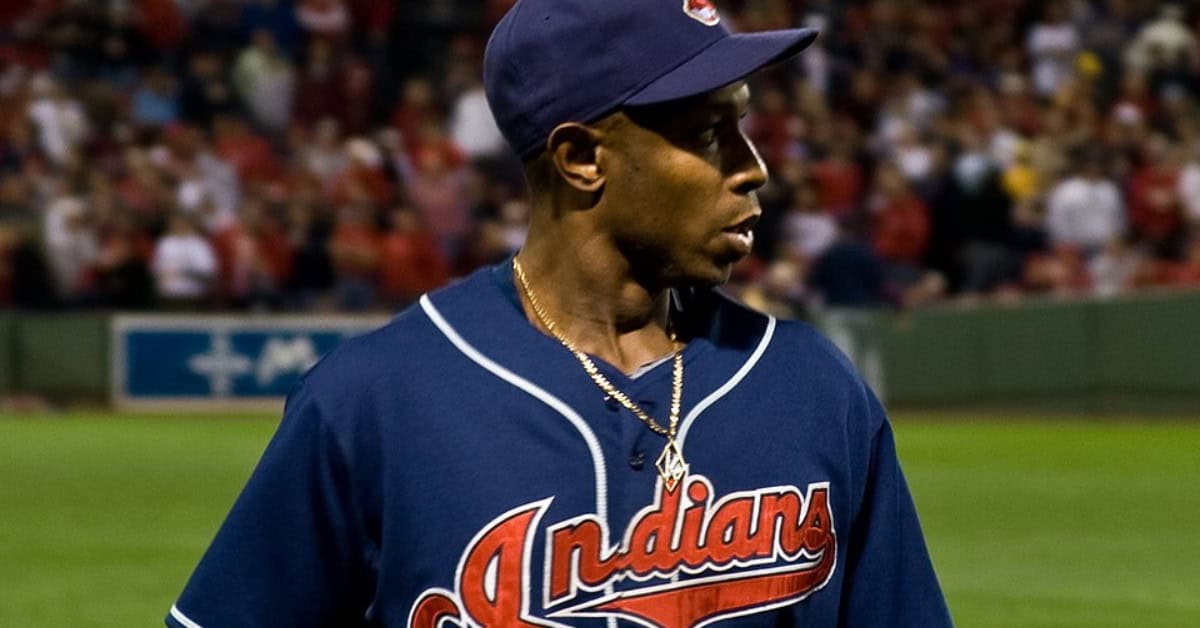
There is no bigger mystery as to why a player from this franchise is not in the Hall of Fame than Kenny Lofton. He is one of the greatest speedsters to ever play the game, with 622 career stolen bases; 452 of them came with Cleveland. He also hit .300 in his 10 years that were split up throughout his 17-year career. Six total All-Star selections with four Gold Glove awards. He was a center fielder who did it all with amazing speed.
I know he is right around that line to get votes from some of you. But I think the voters have done him a disservice because he was a little abrasive to them during his career.
| Kenny Lofton — Career | Total |
|---|---|
| G | 2103 |
| AB | 8120 |
| H | 2428 |
| HR | 130 |
| RBI | 781 |
| SB | 622 |
| AVG | .299 |
| OBP | .372 |
| SLG | .423 |
| OPS | .795 |
| All-Star selections | 6 |
| Gold Gloves | 4 |