Last Updated: October 9th, 2026 by Matthew Brown
Reputation goes a long way in sports. The fact that baseball has been around since before film cameras could catch any action is part of the reason why we as fans have had to rely on reputation throughout history. Even when TV was a thing, reporters weren't looking at stats the same way as we do today.
Don't lose this article. Enter your email below, and I'll send it to you right now. Plus, we'll send you other unbelievable stories from baseball's past.
We want to take a look at some pitchers in history who have been able to ride a high in terms of reputation, which led them to big fame.
10. Jim Palmer – The Orioles Legend Who Rode Great Defense to Glory
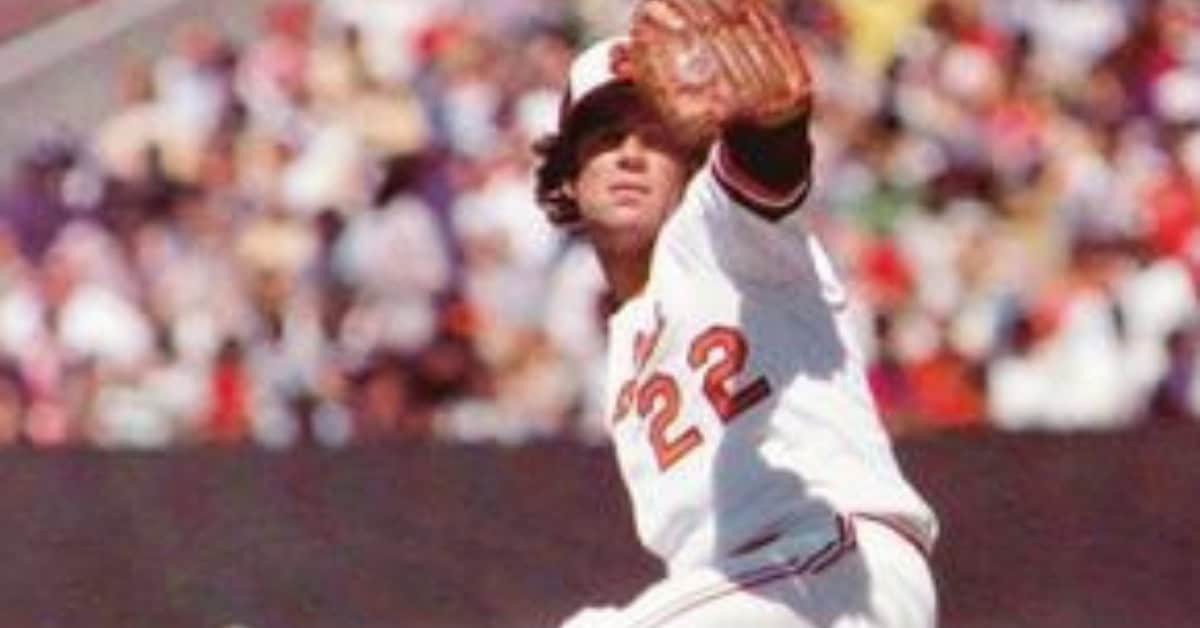
When you think about the career of Jim Palmer, you think about his three Cy Young Awards and two ERA titles. Those are certainly numbers and accolades that warrant his Hall of Fame induction. But when you take a closer look, you can see that he was actually helped out on the field by his all-time defensive teammates.
Yes, this could be looked at as a chicken-and-egg kind of thing.
You can believe what you want to believe. I'm just here to say that Jim Palmer had Brooks Robinson, Mark Belanger, and Paul Blair behind him as some of the best defenders at their positions.
9. Jack Morris – The Hall of Famer with a 3.90 ERA
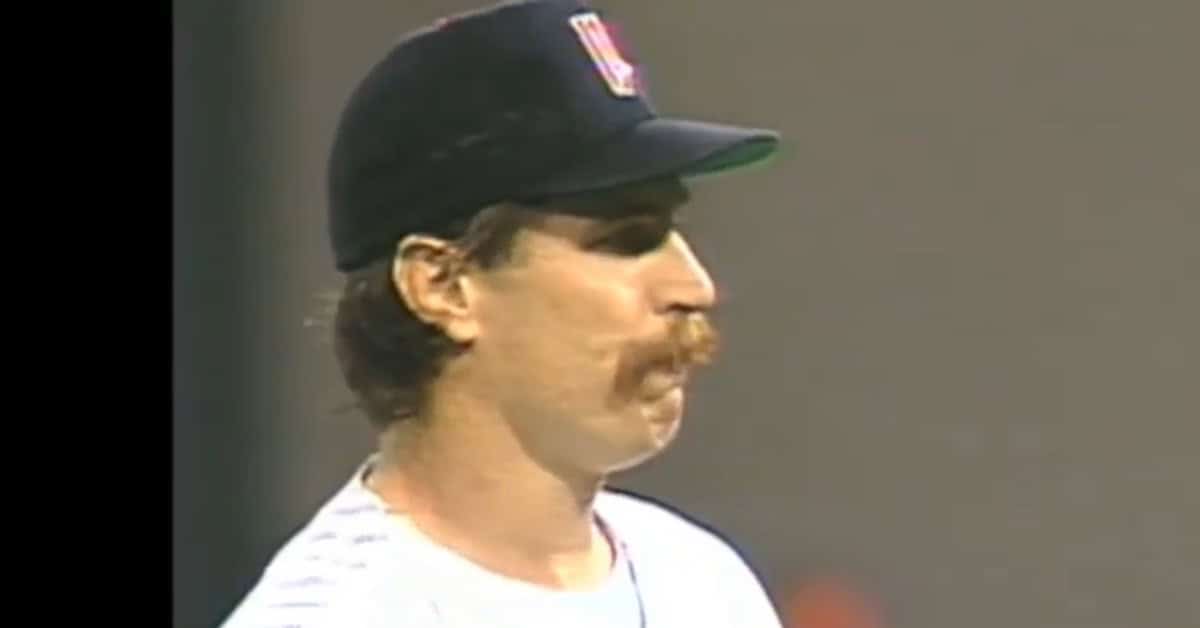
Now this one is about numbers. Jack Morris has the highest ERA of any pitcher in the Hall of Fame. For those of you who like to use advanced metrics like ERA+ to get rid of any difference in ballpark or era, Morris' career ERA+ is a pretty average 105.
I understand that those numbers only take into account his regular season performances, but even if you look at his career postseason numbers, his ERA across seven series in the playoffs is a pretty high 3.80. It makes you wonder if those World Series memories really are enough.
8. Andy Pettitte – The Playoff Hero with Regular Season Mediocrity
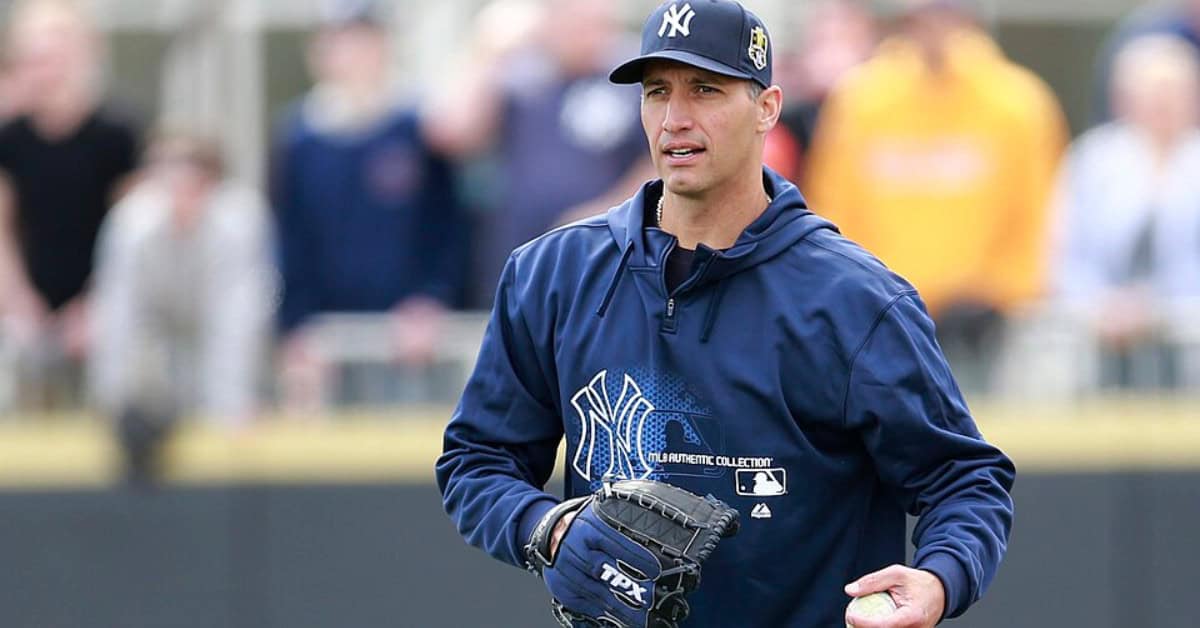
Everyone remembers Andy Pettitte as a big playoff pitcher. The Yankees would rely on the lefty time in and time out against the best that MLB had to offer. He helped them win five World Series championships during his career.
But he didn't exactly help them win that many regular-season games in the meantime. His career 3.85 ERA saw a lot of ups and downs. I know he's beloved in the Bronx, but you have to wonder how much he really contributed.
7. Don Drysdale – The Dodger Legend Living Off One Record
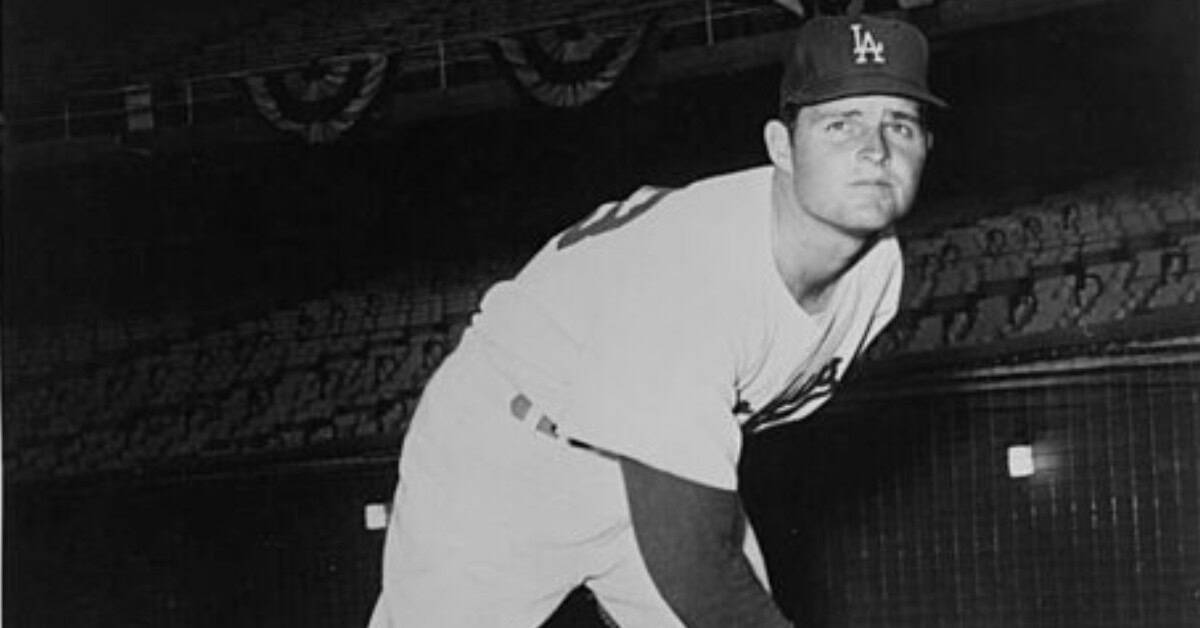
You could say that there are many sports that are based off of big runs. Don Drysdale may have had one of the biggest runs of any pitcher in history. His scoreless inning streak lasted for twenty years and hasn't really been approached since.
The thing is, he had a pretty high ERA at times compared to the other great pitchers in the MLB. In some pretty full seasons where he had at least 29 starts, there were four times in his career when he finished with an ERA above 3.45. For that period of time, that is not very good.
6. Fernando Valenzuela – Fernandomania Lasted Longer Than His Prime

Fernandomania was magical. There is no doubt about it. It captivated a country and changed a city forever.
It's just that Fernando Valenzuela's numbers don't really last in the second half of his career. I think the magic had worn off and hitters had caught on to how he pitched.
I understand that there are many fans who don't really care about the second half of his career because the first half was that amazing. But if we're really considering him an all-time great pitcher, we have to be aware that his career ERA+ is a mediocre 104. I know that's a grim reality, but it's the reality nonetheless.
5. Catfish Hunter – Five Good Years in Pinstripes

The name is fun. The origin is even more legendary. However, Catfish Hunter doesn't exactly have the full allotment of numbers that can compare with some of the all-time greats on the mound.
His career strikeouts barely get over the 2,000 threshold, and his career 3.26 ERA is definitely very good. But you can see in his career where he had a little tougher time solving hitters than in his big peak seasons. There are five years in Hunter's career where he saw his ERA finish above 3.50.
4. CC Sabathia – The Big Game Pitcher Who Shrank in October
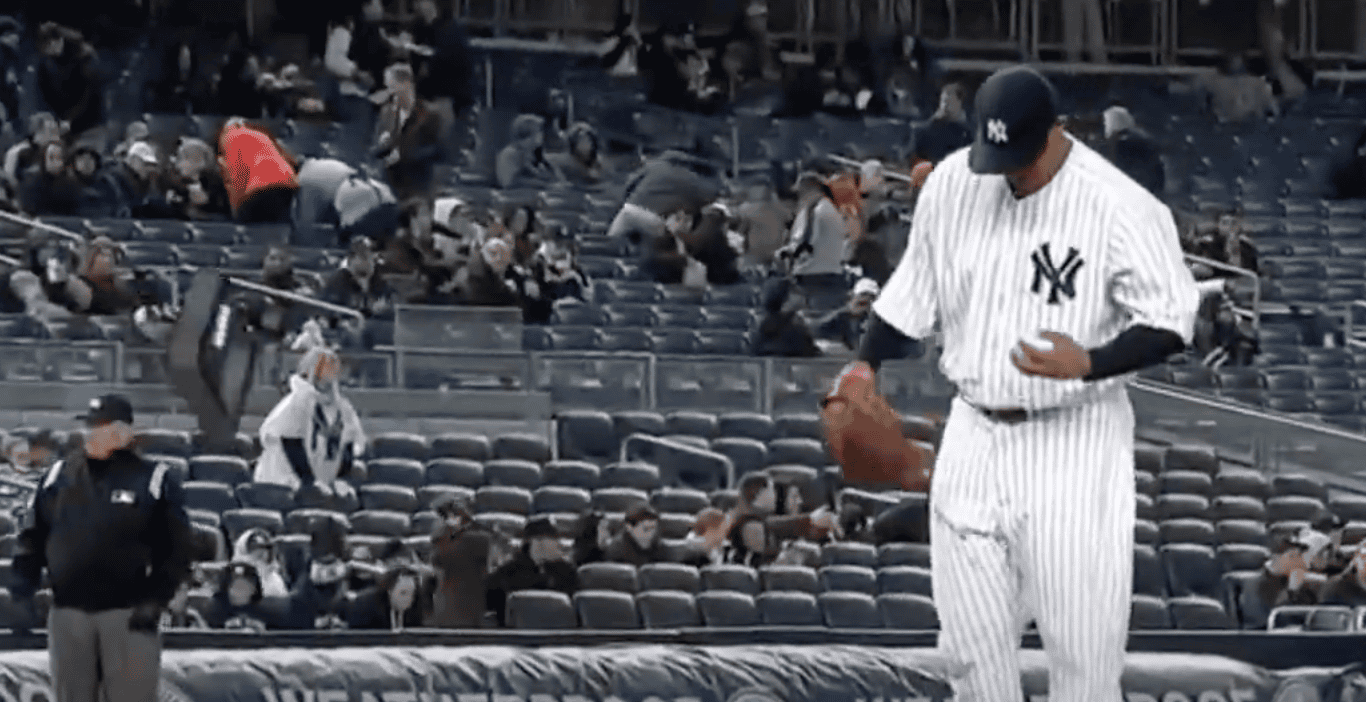
I kind of find it hard to believe that CC Sabathia pitched for 19 years. It is a little easier to believe that he had a tougher time pitching in the playoffs than he did in the regular season. For those who ask why, I would usually simply say velocity.
Sabathia had a low- to mid-90s fastball, which is good, but wasn't exactly what the Yankees needed when he was in the Bronx. Hitters could catch up to those pitches when they were loaded up early because October just brings an extra rush of adrenaline to these guys. That led to a 4.28 ERA through all of his postseason appearances.
3. Gaylord Perry – The Spitballer Who Lost More Than He Won
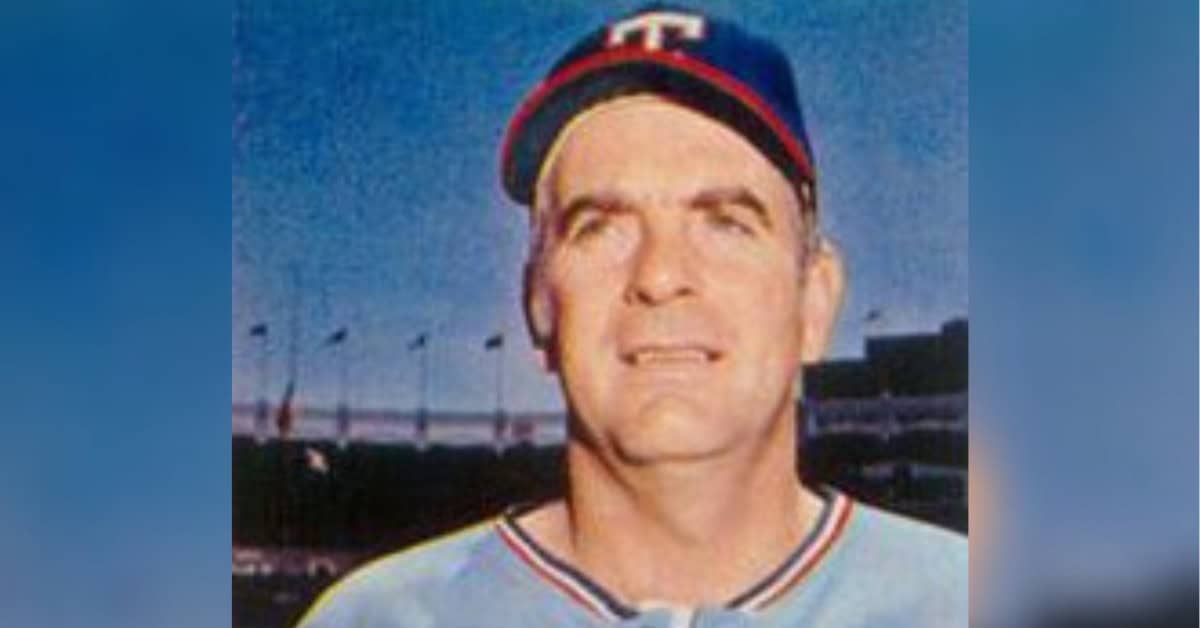
22 years in the MLB can get you a lot of milestone numbers. Gaylord Perry has those. But when we take a look at the scope of his career, we tend to see some seasons where he just wasn't as effective as some of the other best pitchers in baseball.
Even though Perry was pitching with an illegal pitch throughout his career, which he admitted to later in his book, I actually wonder how much higher his career ERA would have been had he kept the saliva in his own body.
2. Dennis Eckersley – The Closer Who Gets Credit for Being a Starter Too
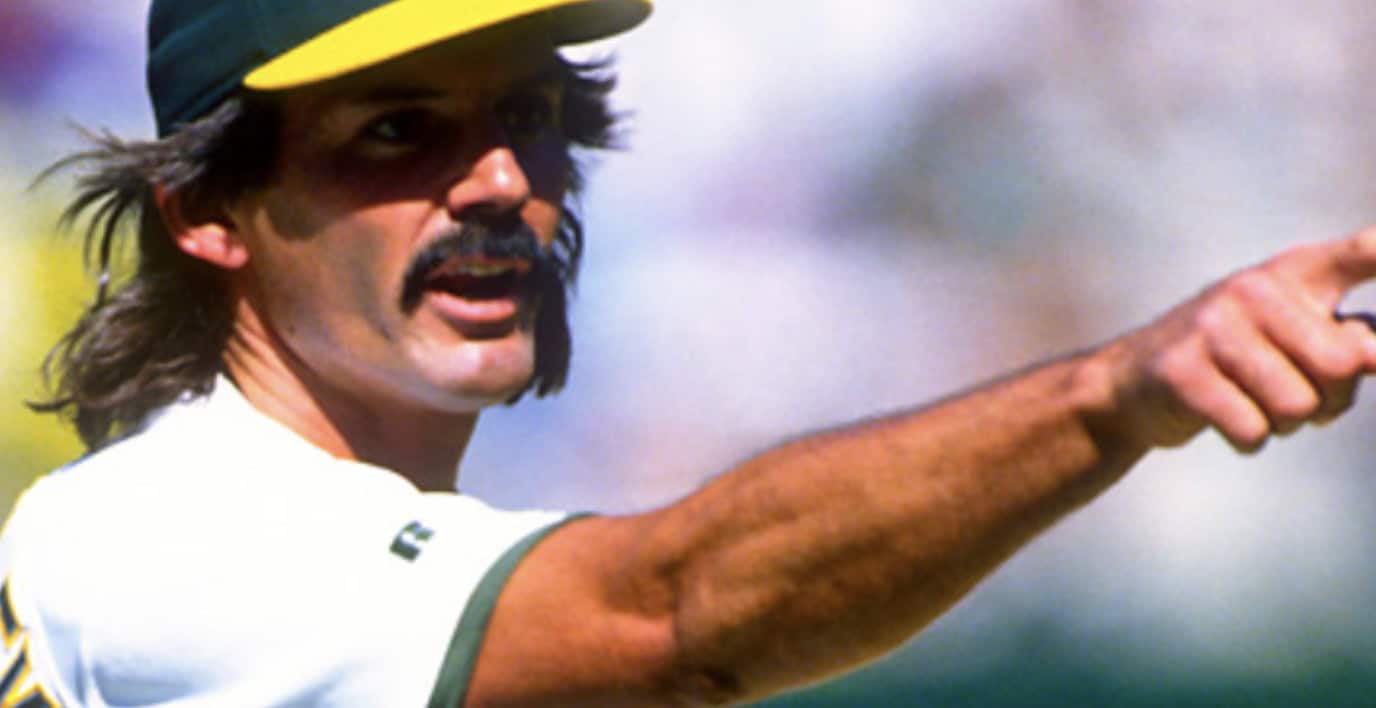
You know how Shohei Ohtani gets a ton of credit for being able to hit and pitch? Well, Dennis Eckersley gets a lot of credit in his Hall of Fame career for being able to have some really good seasons as a starting pitcher and then make the historic transition to becoming the most feared closer in baseball.
Now I wonder how much those roles would have had an effect on his career had he just stuck to one of them. Because even with all of those relief appearances, Eckersley still holds a 3.50 career ERA.
1. Orel Hershiser – The Streak That Made a Career
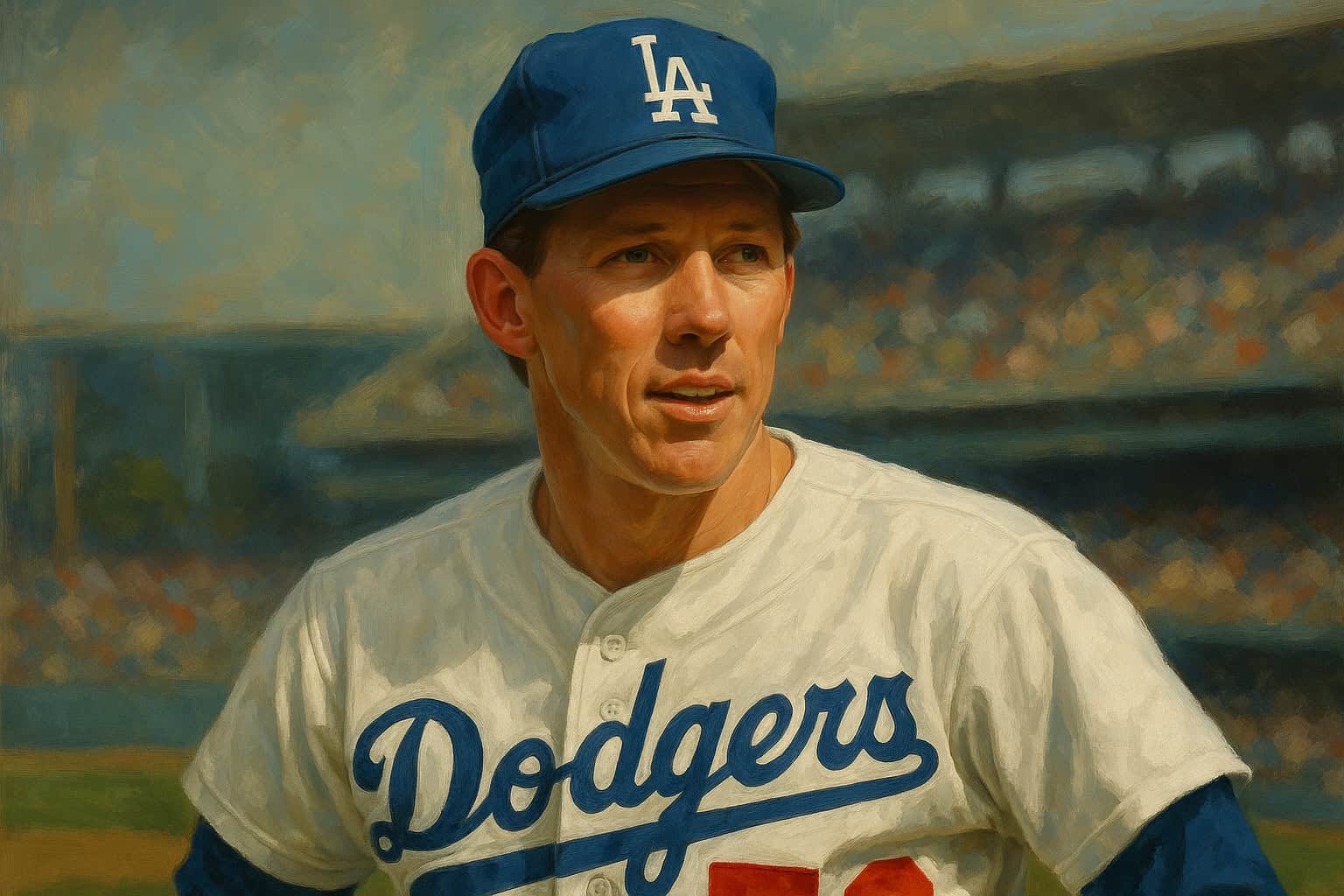
Much like Don Drysdale earlier in this list, we are focusing on one such streak of Orel Hershiser. He is now the consecutive scoreless innings record holder, but that record has not really defined his career in numbers.
A 3.48 career ERA is certainly pretty good, but not exactly elite. The Bulldog has been able to carry the legacy of his 1988 season throughout his career after baseball as a broadcaster.