
Last Updated: August 25th, 2026 by Michael Schatz
Every sport wants to recognize the best. On a seasonal basis, that can be really hard to do. There are so many reasons that can be argued for or against a player being awarded the Most Valuable Player award.
Don't lose this article. Enter your email below, and I'll send it to you right now. Plus, we'll send you other unbelievable stories from baseball's past.
A lot of times, the voters can get it right. Other times, we wonder why writers are the only ones who get to vote at all. We want to take a look at 10 of the most controversial MVPs in baseball history and tell you why.
10. Justin Morneau’s Controversial 2006 AL MVP Win Over Derek Jeter
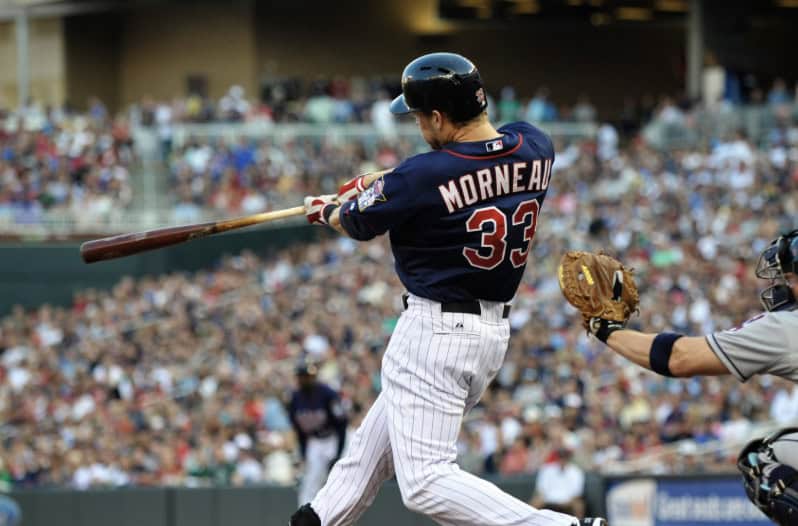
I think we all have MVPs in history that are so easy to remember because they are so odd. That is the Justin Morneau MVP for me. He did not lead in a single statistical category in 2006. Yet he received 15 first-place votes. Morneau had a .321 batting average with 190 hits, 34 home runs, 130 RBI, and a 4.3 WAR. Derek Jeter didn't lead in a stat category either, but produced a .343 batting average with 214 hits, 14 home runs, 118 runs scored, and a 5.6 WAR.
He also led the Yankees to the best record in the AL. Even if it isn't Jeter, I'd take any argument for league leaders that season, like David Ortiz, Joe Mauer, Grady Sizemore, or Johan Santana.
9. Willie Hernandez: The Questionable Relief Pitcher MVP of 1984
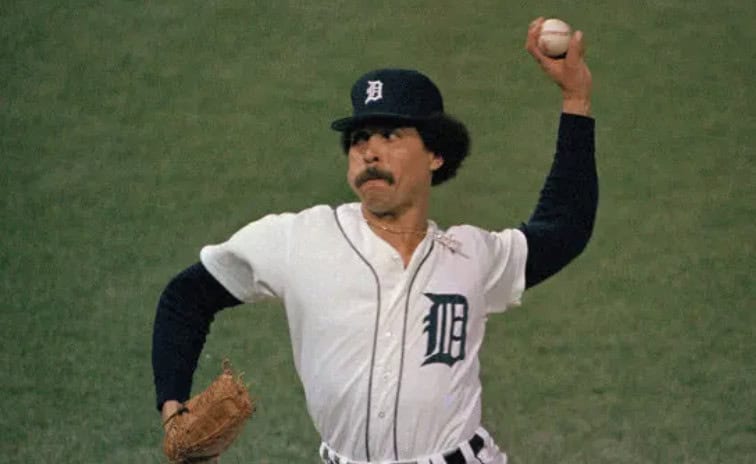
In 1984, MLB fans were still figuring out what to think of relief pitchers. Willie Hernandez had such an undeniably great season for a reliever that writers valued so much that they gave him the MVP award. The thing about relievers is that they look better when their team has the lead by the time they come in.
Teammates like Kirk Gibson and Alan Trammell were doing that for the Tigers, and Willie Hernandez was doing that for the Tigers that season. You gotta wonder how they were overlooked in this voting if the voters were so impressed by a Tigers player overall.
8. Marty Marion’s Defense-First 1944 NL MVP Award
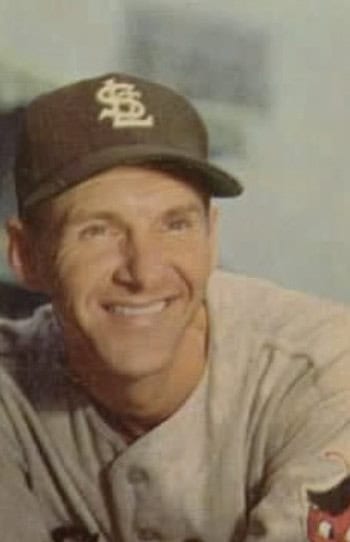
Offense isn't everything. We know that. However, that defense has to be so exceptionally good that, if the offense is that bad, you can still win an MVP. That was the case for Marty Marion in 1944. He hit .267 with no other notable offensive stats. I will say that the voting was as close as it can get, with Bill Nicholson being the runner-up by one voting point.
Nicholson, though, led all of Major League Baseball with 33 home runs and 122 RBI that season to go along with a league-leading 116 runs scored. Even more so, Marion's teammate, the great Stan Musial, led the league with 8.9 WAR and a .990 OPS. So with all of that said, the glove must have actually been made of pure gold for Marty Marion that season.
7. Jim Konstanty: The Surprising Relief Pitcher MVP of 1950
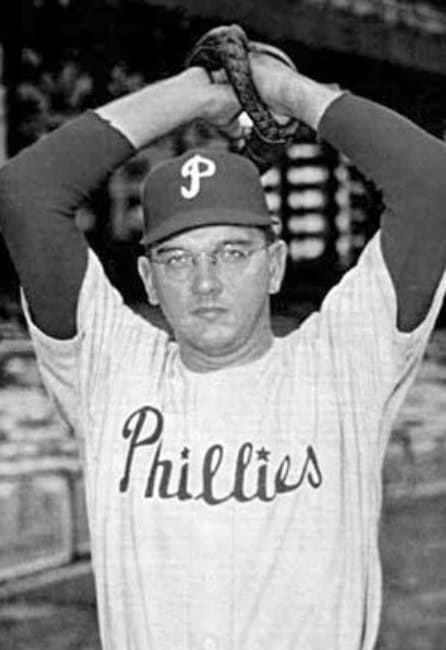
We go back to a relief pitcher winning the MVP. At least in Willie Hernandez's case, he pitched in over 80 games and had a 1.92 ERA for Jim Konstanty. He only appeared in 74 games and had a 2.66 ERA. The appearances along with his 22 saves did lead all of the MLB, but they are not as impressive as some of the real great reliever seasons in history.
This is another entry where we have to mention Stan Musial. He finished a distant second with a league-leading .346 batting average, .596 slugging percentage, and 1.034 OPS. It's one thing for Konstanty to win the MVP with his numbers. It's another thing to win it by as much as he did with 18 first place votes out of a total of 24.
6. Roger Peckinpaugh’s Puzzling 1925 AL MVP Victory
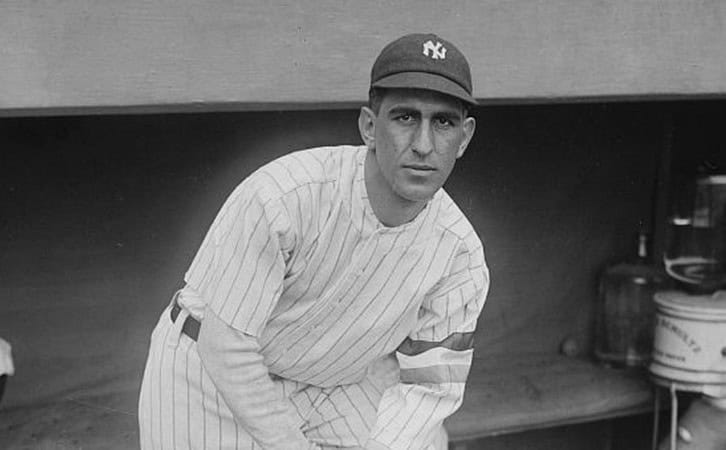
Needless to say, I did not grow up in the 1920s. However, I have still heard of Roger Peckinpaugh's name. And this might be one of the reasons why. Peckinpaugh led a Washington Senators team to an AL pennant, which seems to be the biggest reason for his MVP award. Al Simmons was the runner-up and led all of baseball with 253 hits. Something that was probably less impressive then, but is pretty mind-boggling to look at now.
Simmons also included 24 home runs, driving in 129 RBI and scoring 122 times himself. That's good enough for a .387 batting average and a 1.018 OPS. What were Peckinpaugh's numbers, you say? A .294 batting average on 124 hits, 4 home runs, 64 RBI, and 67 runs scored with an OPS of .746. He only played in 126 games that year, and the more I read these numbers, the more puzzled I become.
5. Mickey Cochrane’s 1934 AL MVP Over Lou Gehrig
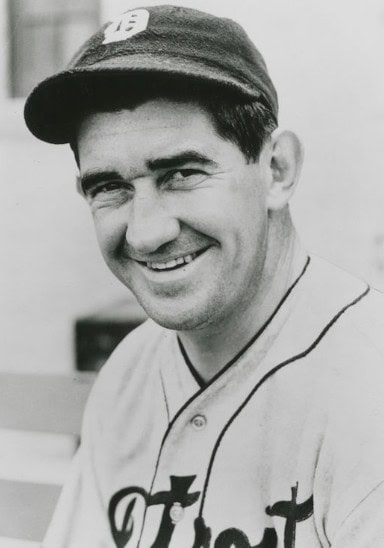
A theme you might find with undeserving MVPs is that they were able to help their team to great seasons. Mickey Cochrane is no doubt an all-time player, and he helped lead Detroit to win the AL Pennant in 1934.
However, Lou Gehrig was on top of the baseball world statistically that season. He led with a 10.0 WAR, a .363 batting average on 210 hits, 49 home runs, 166 RBI, and a 1.172 OPS. Hold on, that's not even the craziest part. The craziest part is that Gehrig finished fifth in AL MVP voting that season.
4. George Burns’ 1926 AL MVP: The Babe Ruth Oversight
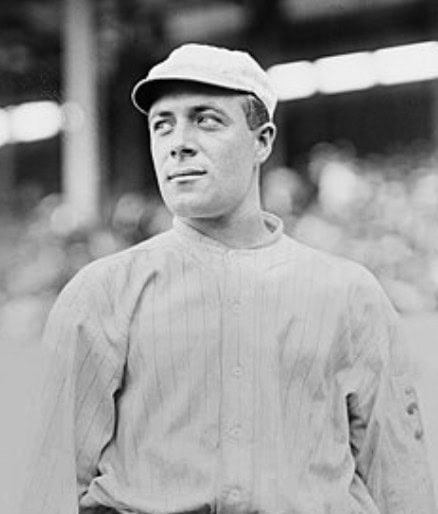
I am using this spot to talk about how the MVP for the American League from 1922 to 1929 could not have been a past award winner. Babe Ruth won the 1923 AL MVP and was not eligible in 1926. His stats were certainly lofty with a .372 batting average, 47 home runs, and 146 RBI. It was arguably one of the top five seasons of his career.
Yet, the MVP went to George Burns, who hit four home runs while only tying for the league lead with 216 hits. If you're asking if he led the league in batting average, no, he did not. So now you know, if you didn't before, why Babe Ruth only won one MVP in his entire career.
3. Jeff Burroughs’ Questionable 1974 AL MVP Selection
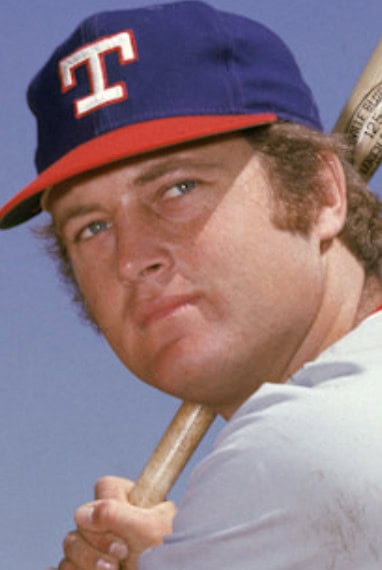
Some years, the voters don't really know what to do for their MVP selection. I think that's the fortunate set of circumstances that Jeff Burroughs got on his way to winning the 1974 AL MVP. The only category he led the league in was RBI with his 118.
Among position players, I would say Rod Carew had the biggest argument statistically with his MLB-leading 218 hits, .364 batting average, and .433 on-base percentage. I think it could also be argued that Fergie Jenkins and Catfish Hunter were great candidates to win the MVP that season as well.
2. Dick Groat’s Debatable 1960 NL MVP Win
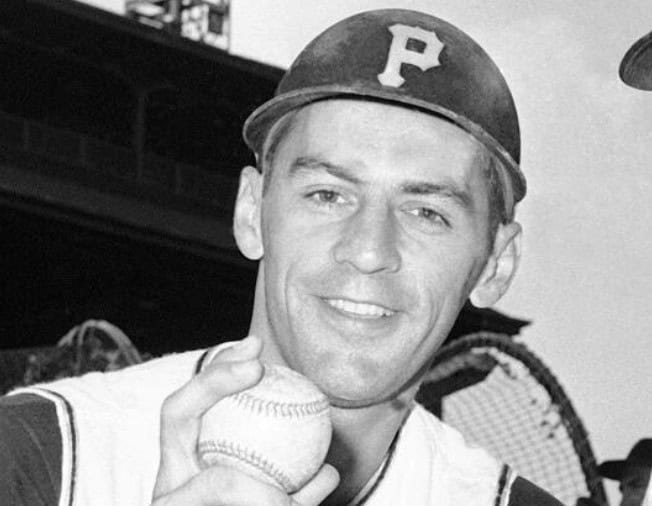
Remember what I said earlier about remembering a player's MVP because it is so odd? Anytime I hear Dick Groat's name, this is one of the first things I think of. He did lead the league with a .325 batting average, but that was it. His 6.1 WAR was pretty low in comparison to many of the stars of that era. Willie Mays finished third in MVP voting that season, and he led everybody with a 9.5 WAR, bringing in numbers that reflect his all-around game.
Ernie Banks had won the previous two MVPs, so I think voters were soured on going with him again, which is why he finished fourth while leading all of baseball with his 41 home runs and having another terrific season. I can go down the list and name superstars of the game who had a great 1960, but Dick Groat was the one who was selected amongst them all.
1. Zoilo Versalles’ Surprising 1965 AL MVP Award
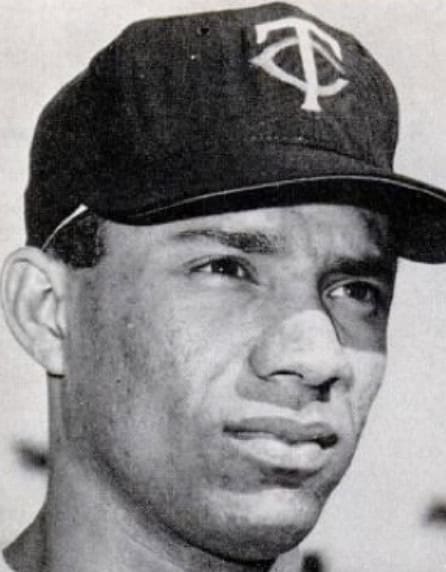
Of all the players on this list, this is the toughest to critique. Zoilo Versalles had a great season, leading all of baseball in runs scored with 126 while also leading the league in doubles and triples. Even more, he led all position players with a 7.2 WAR. However, his batting average was .273 with a .781 OPS. Tony Oliva finished runner-up with a .321 batting average and .870 OPS thanks to his league-leading 185 hits.
There was also Brooks Robinson, who had one of the best offensive seasons of his career while maintaining his exceptional third base defense. How about Rocky Colavito, who led the league with 108 RBI and had more home runs than the previous three I mentioned. 1965 is a tough one thanks to all of the options that were on the table.